





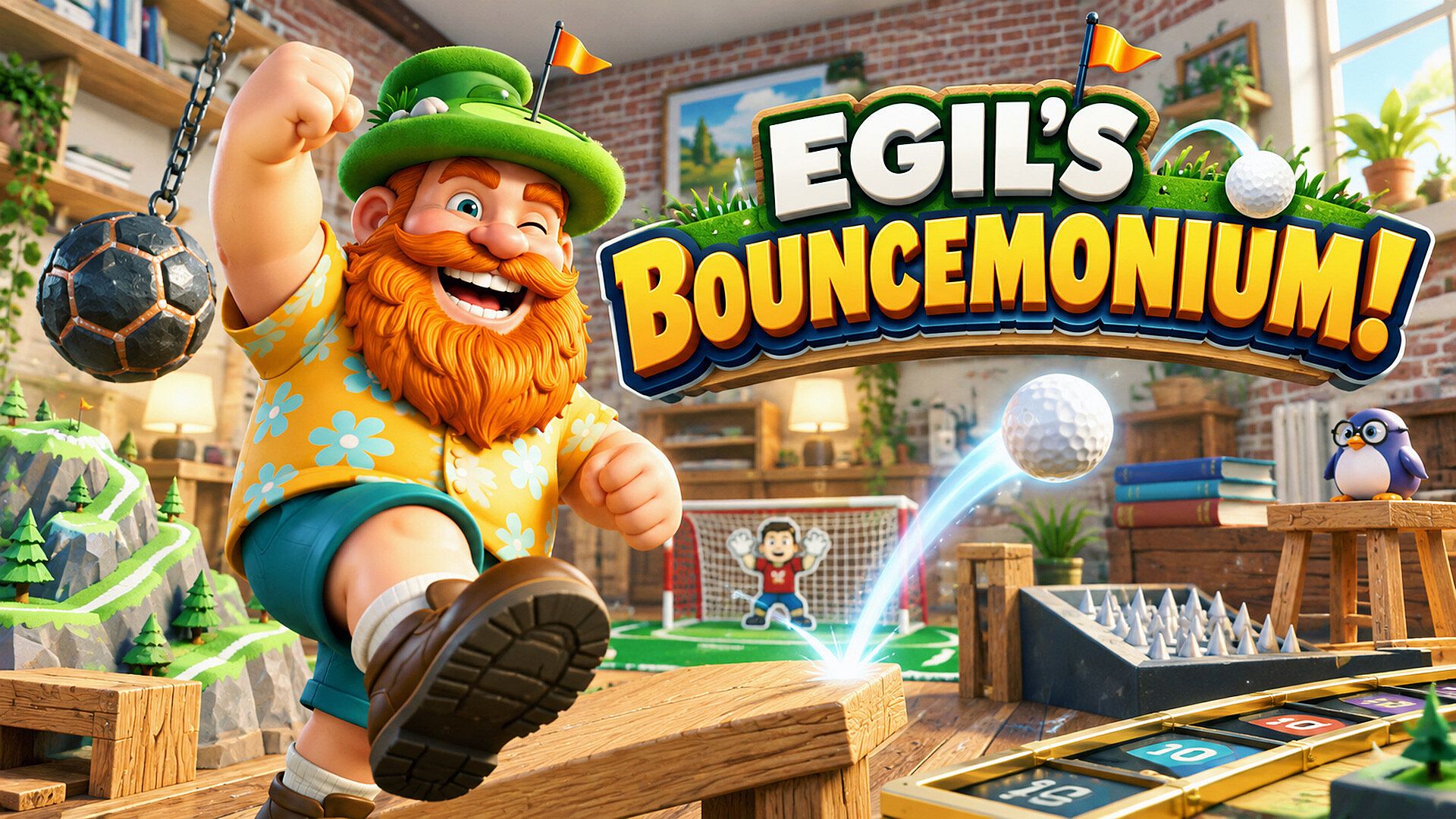
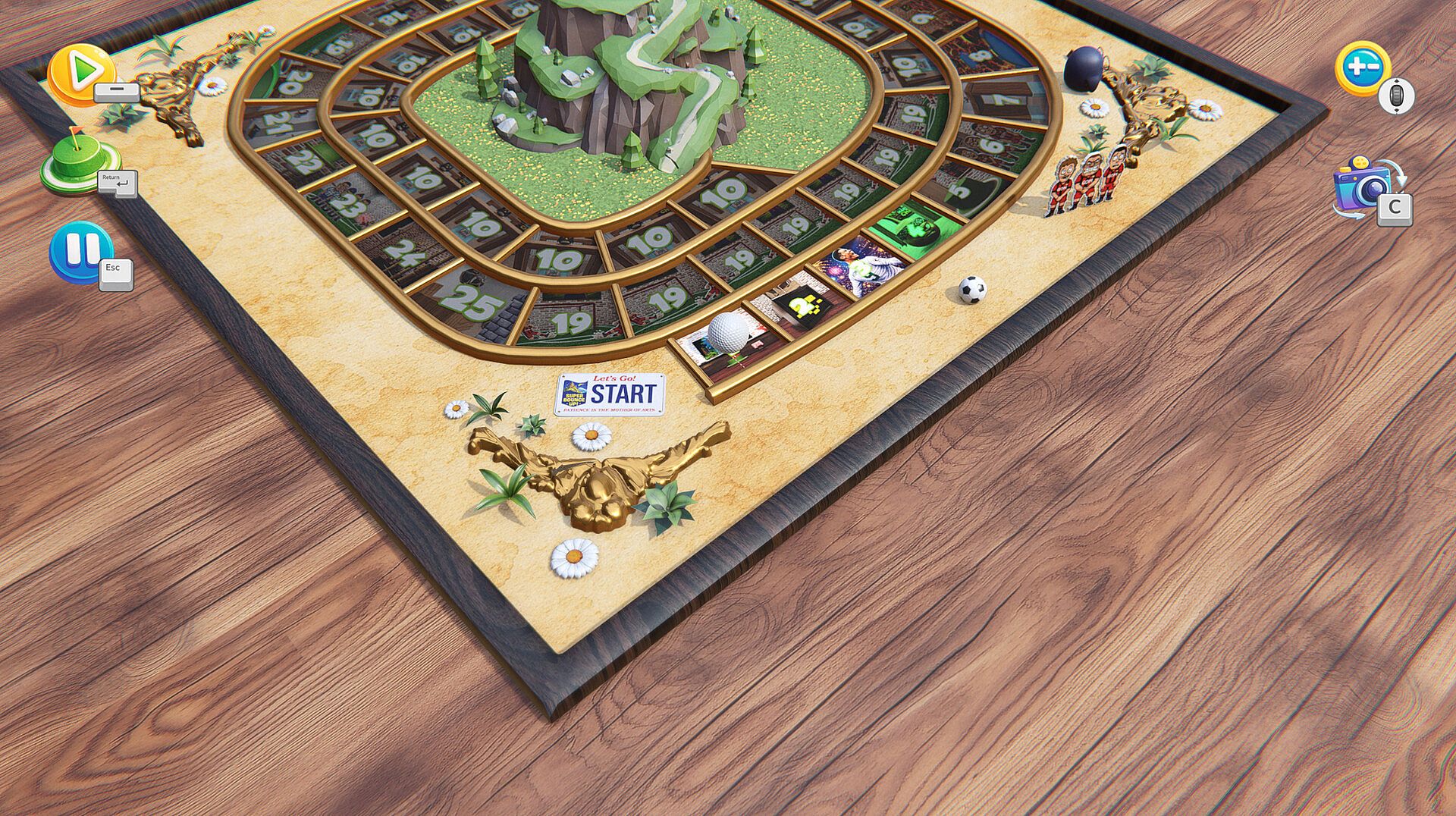
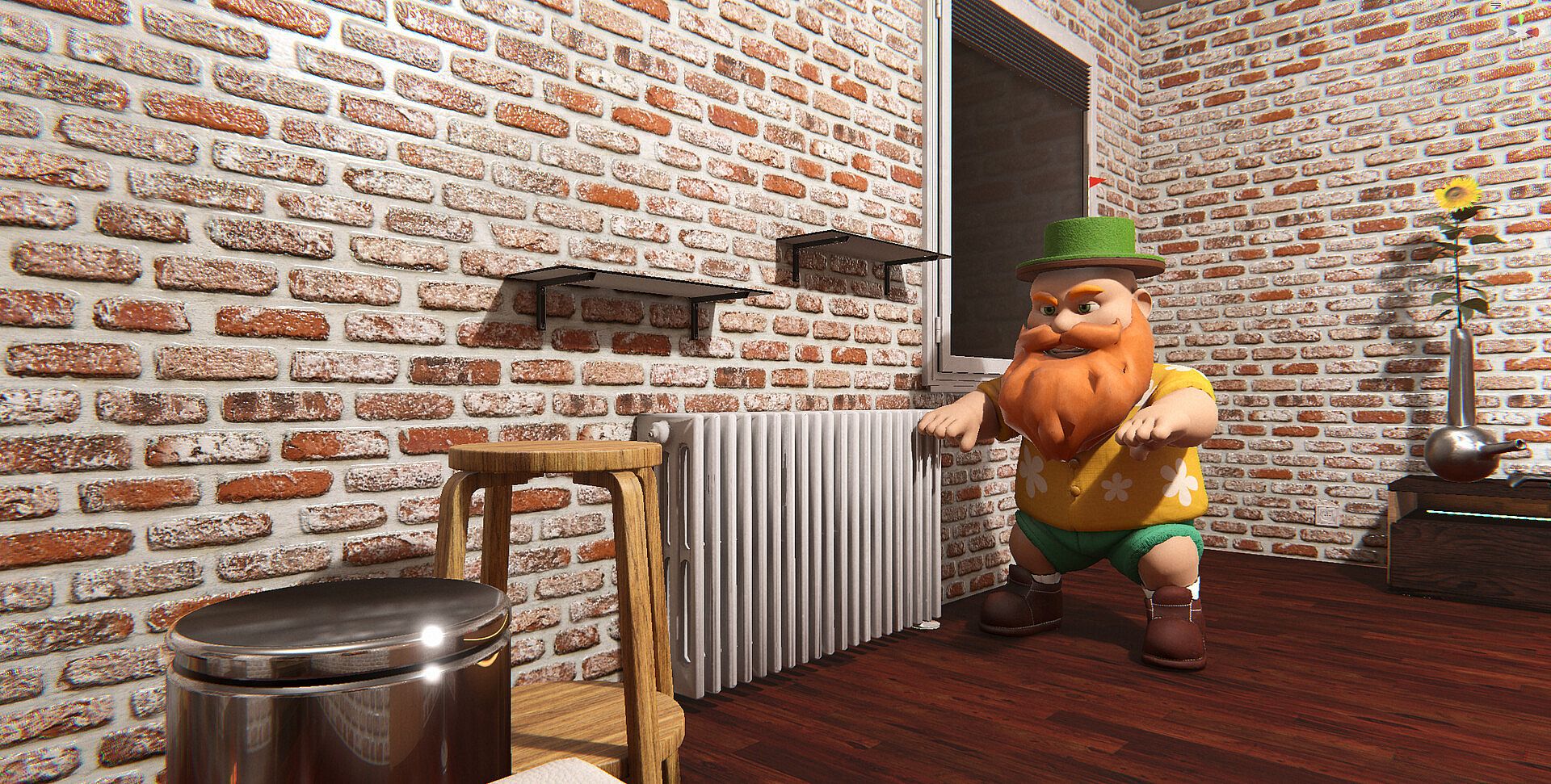

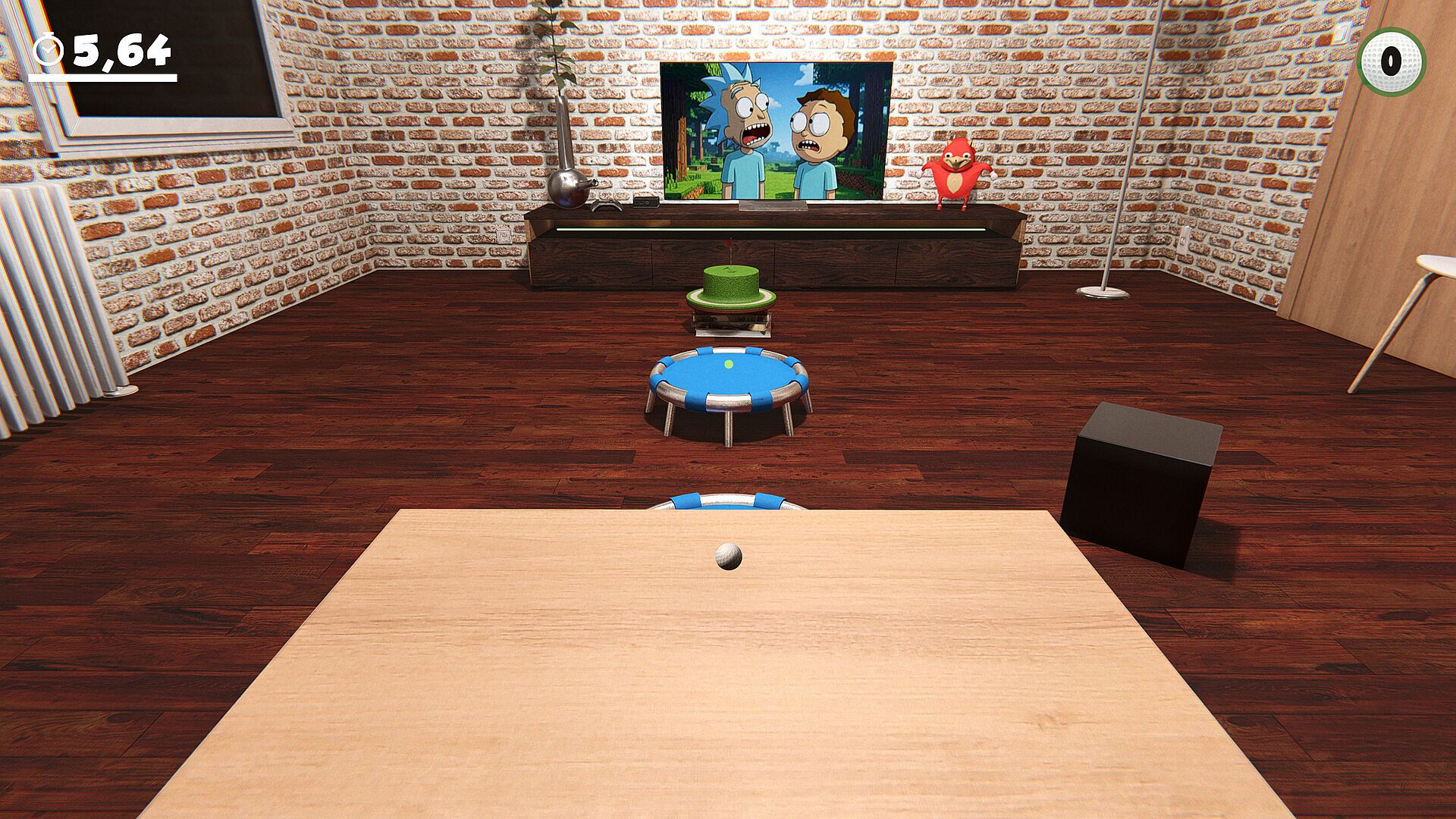



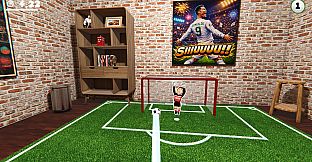
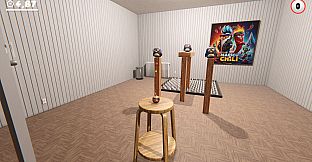
EGIL'S BOUNCEMONIUM stands out as a 3D physics-based precision action indie game on PC. Players take control of a single ball and navigate a massive house turned into an elaborate obstacle course filled with ramps, hazards, explosives, and everyday objects scaled to absurd proportions. The core loop centers on launching the ball with careful aim, adjusting power, and anticipating how it will interact with surfaces and obstacles. Success demands reading the environment, calculating trajectories, and using rebounds effectively, while mistakes lead to spectacular failures that teach valuable lessons for the next attempt.
Gameplay
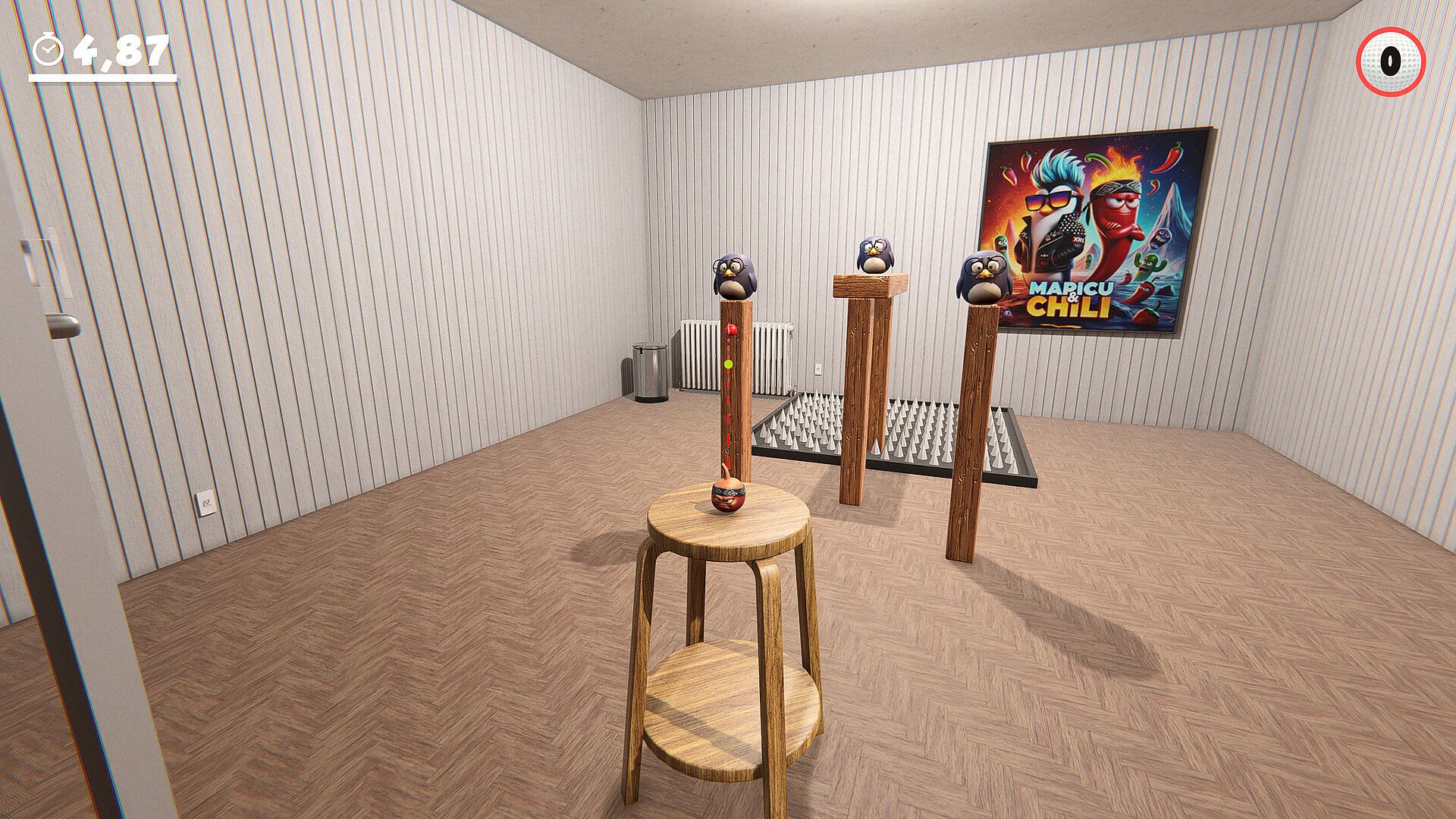
The gameplay revolves around a straightforward shooting mechanic that grows more demanding across dozens of handcrafted challenges. Players adjust the direction and force of each launch to guide the ball through tight spaces, around corners, and over gaps. Momentum plays a key role, as the ball carries speed from one surface to the next, and different materials affect bounces in distinct ways. Precision becomes essential in some sections, where even a slight miscalculation sends the ball off course. Other moments encourage creative destruction or interaction with the environment to clear paths or trigger chain reactions. The system rewards repeated attempts, as players refine their approach, reduce the number of shots needed, and discover more efficient routes through each area.
Control remains simple at first glance, yet mastering the timing and power requires practice. The physics simulation creates consistent results, allowing skilled players to predict outcomes based on angles and velocity. Surfaces vary throughout the house, from smooth floors that preserve speed to rough or angled ones that alter direction unpredictably. This setup turns every room into a unique puzzle where the same basic launch tool produces entirely different challenges depending on the layout.
Game Modes
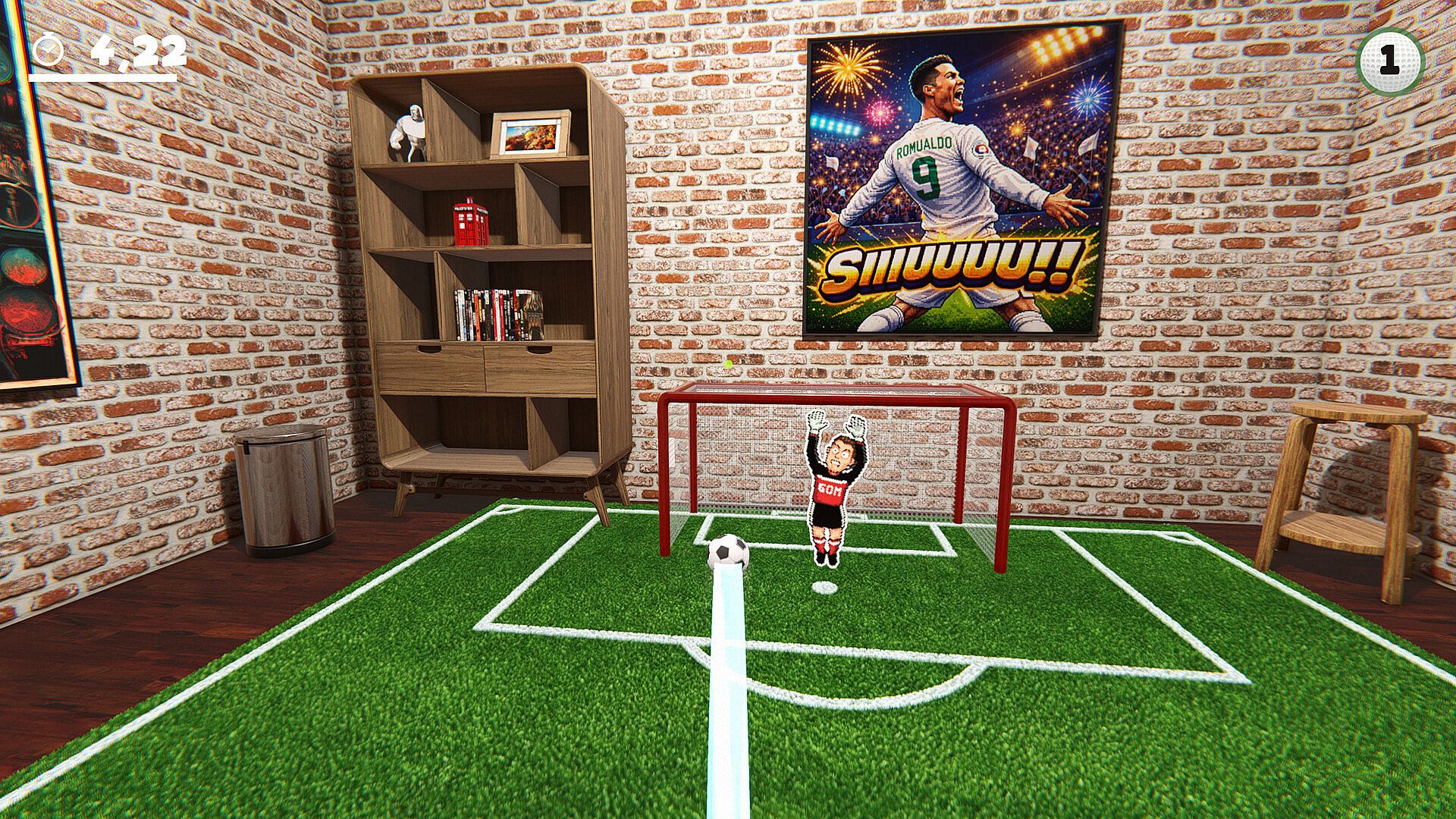
The experience unfolds through 40 varied challenges that mix several distinct styles of play. Some focus on pure climbing and navigation, requiring the ball to ascend through vertical sections without losing momentum. Others emphasize destruction, where players must knock down barriers or trigger explosives to progress. Physics puzzles appear regularly, demanding exact placement of the ball to activate mechanisms or solve spatial problems. Football-style challenges introduce goals and trick shots, adding a layer of target accuracy amid the chaos. These categories overlap within individual levels, keeping the single launch system fresh as players adapt to new constraints.
Each challenge builds on previous ones by introducing new obstacles or combining existing mechanics in unexpected ways. The progression prepares players for increasingly complex interactions with the environment, from simple rebounds to multi-step sequences involving multiple surfaces and hazards. No additional systems or tools appear later, so mastery comes from deeper understanding of the core physics rather than new abilities.
The Final Challenge
After completing the house challenges, the game shifts to a single, unforgiving vertical climb across a gigantic version of Egil. This section tests everything learned earlier without introducing new mechanics or shortcuts. The scale amplifies every decision, turning small errors into long falls. Players must maintain control over long distances, managing momentum across enormous surfaces while avoiding hazards placed at critical points. The climb serves as a comprehensive exam of trajectory prediction, power management, and rebound exploitation, with no room for improvisation beyond the skills developed beforehand.
Is It Worth Playing?
EGIL'S BOUNCEMONIUM suits players who enjoy precision physics challenges and iterative improvement. The consistent mechanics and handcrafted levels reward careful observation and repeated practice, leading to satisfying moments when a difficult path finally clicks. Those drawn to single-player experiences focused on mastery rather than story or variety will find the structure engaging, as the same launch system continually reinvents itself through new contexts. The final climb provides a clear endpoint that consolidates prior progress into one demanding test. Availability on PC makes it accessible for anyone seeking a focused, physics-driven indie title without additional layers or ongoing updates required for enjoyment.












