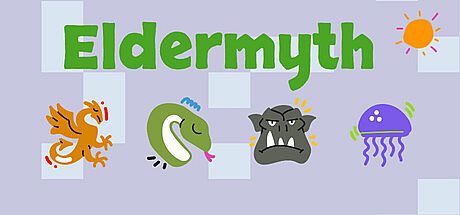



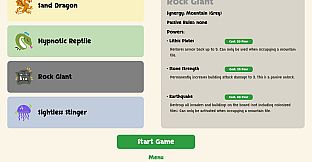
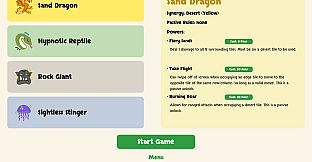
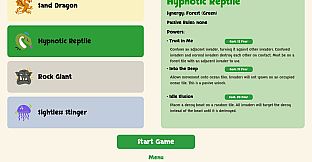
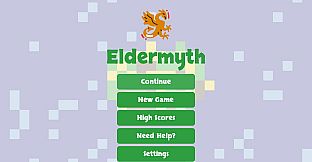
Eldermyth to turowa strategia niezależna, w której gracz kieruje mitycznymi bestiami broniącymi krainy przed najeźdźcami na losowo generowanej planszy. Mechanika opiera się na balansowaniu ryzyka i zysku w kolejnych podejściach, a ukryte zasady zachęcają do eksperymentów i powtórek. Opcjonalny przewodnik w grze zawiera pełne informacje dla tych, którzy wolą od razu poznać zasady, zamiast odkrywać je metodą prób i błędów.
Rozgrywka
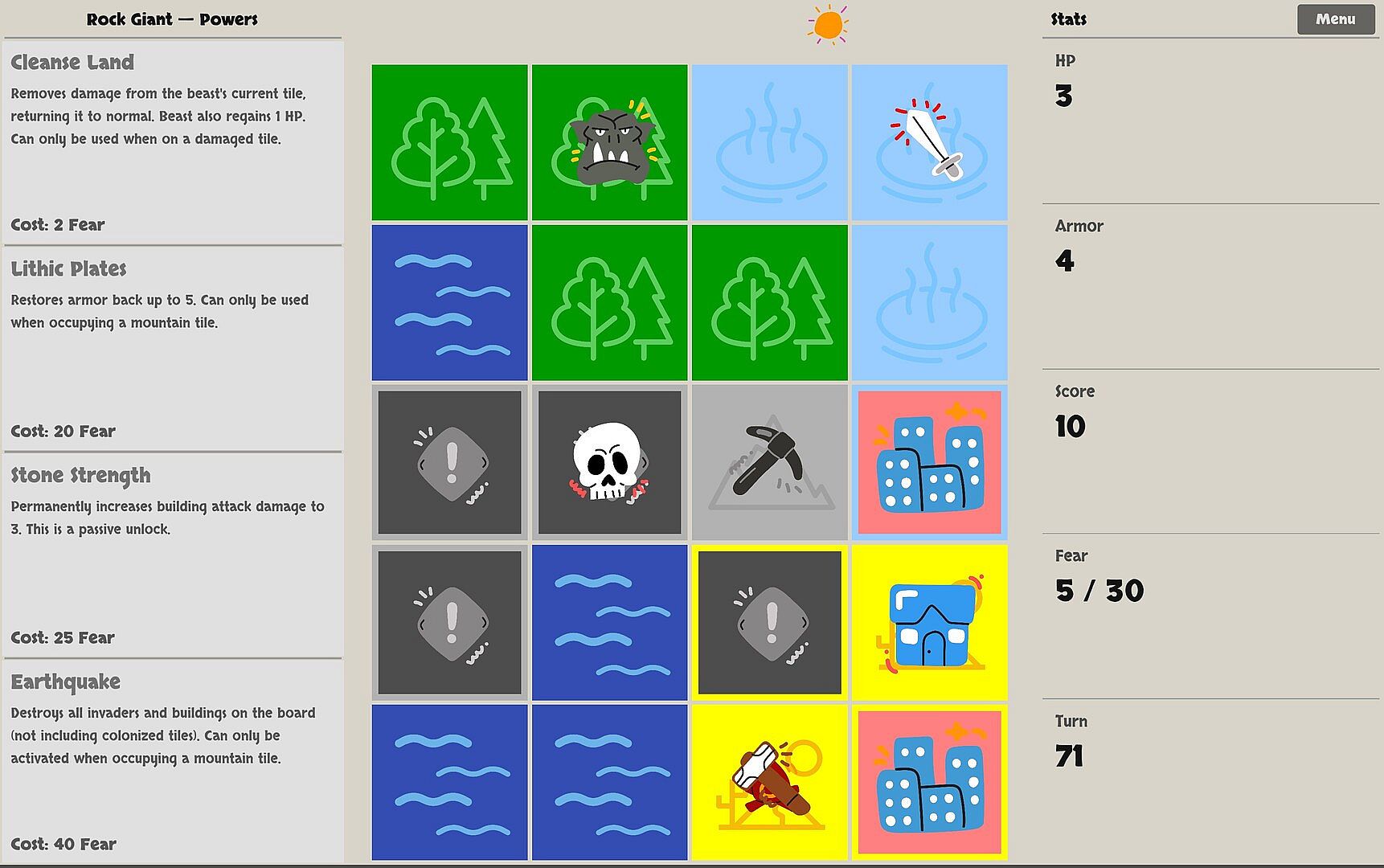
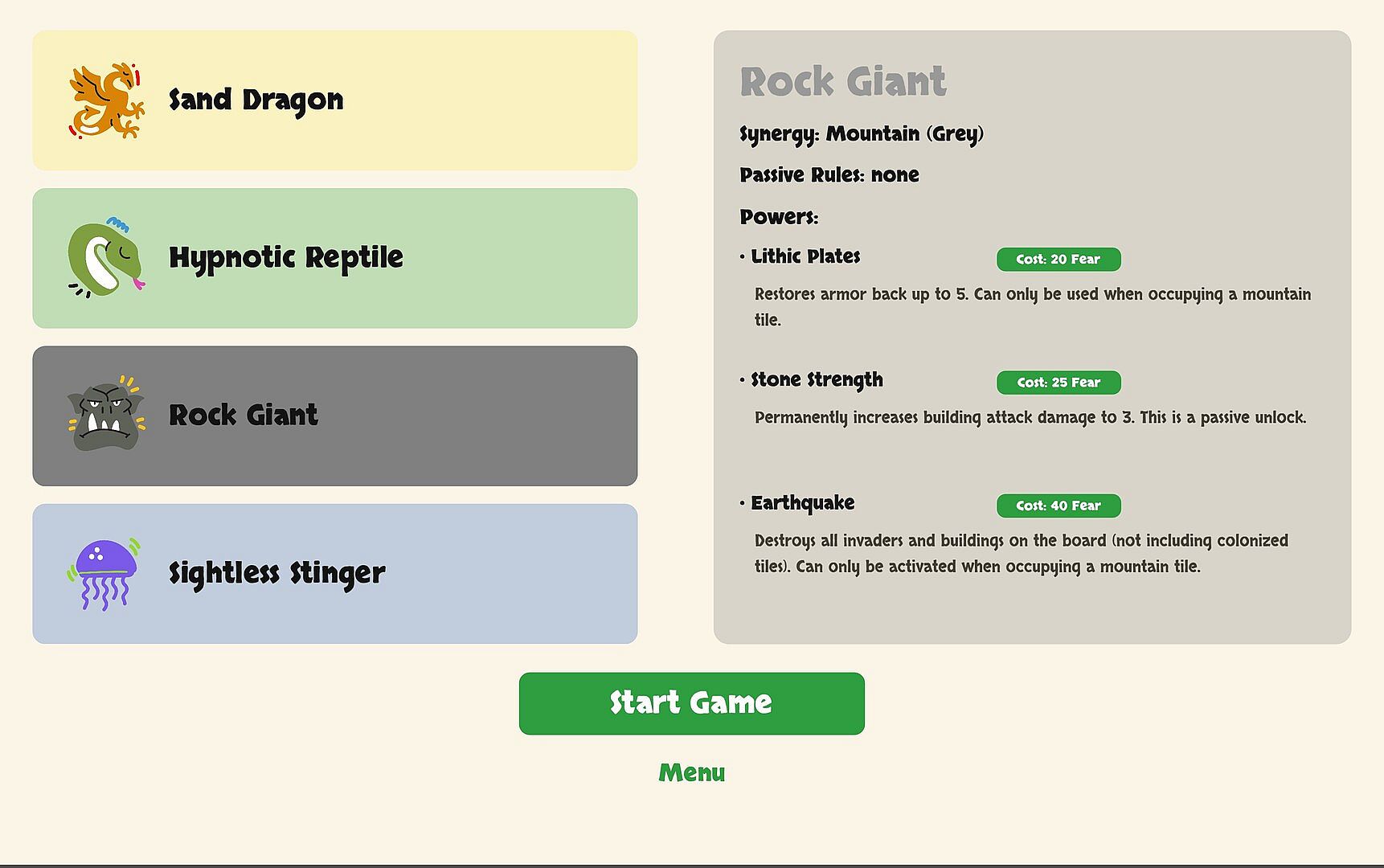
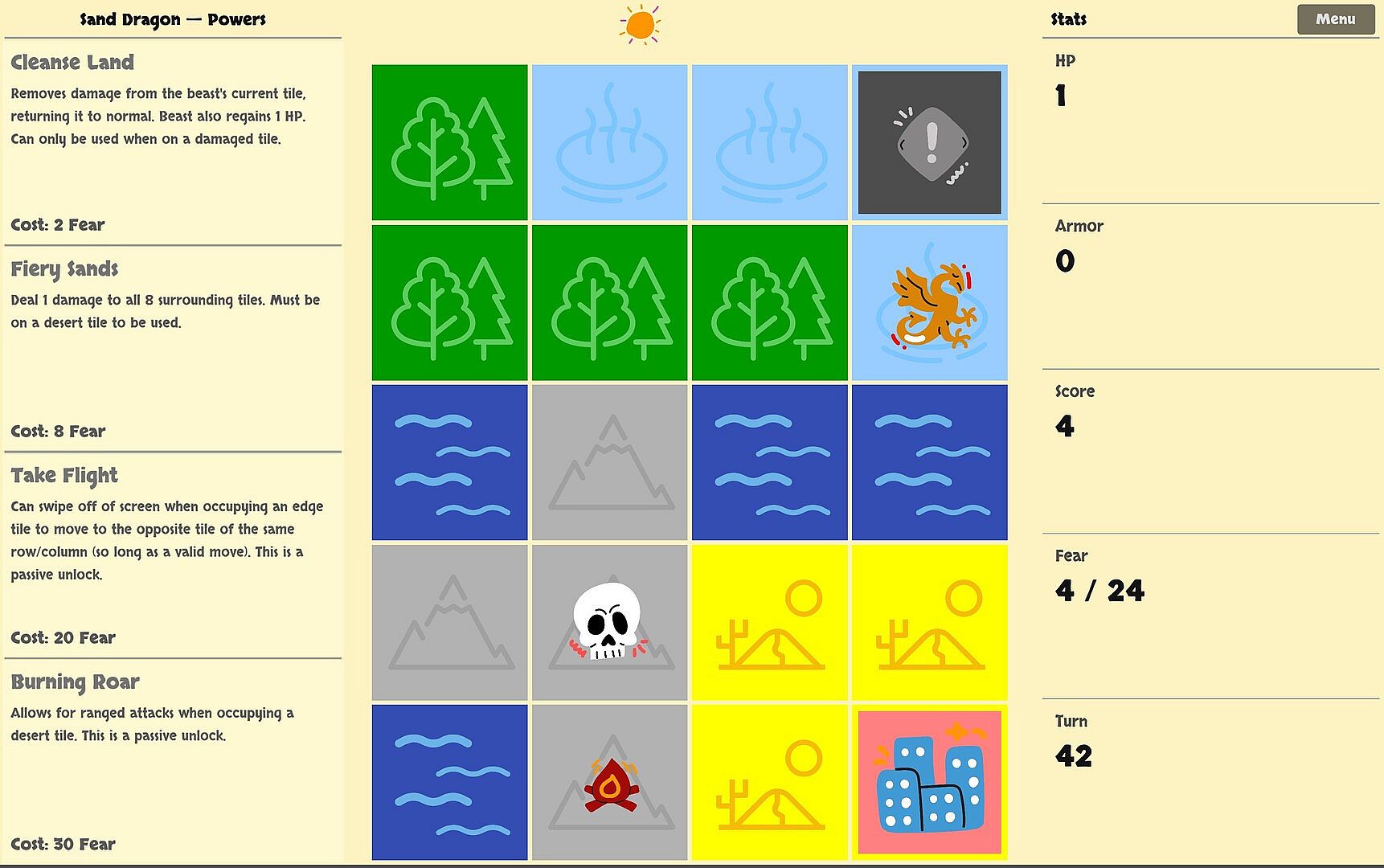
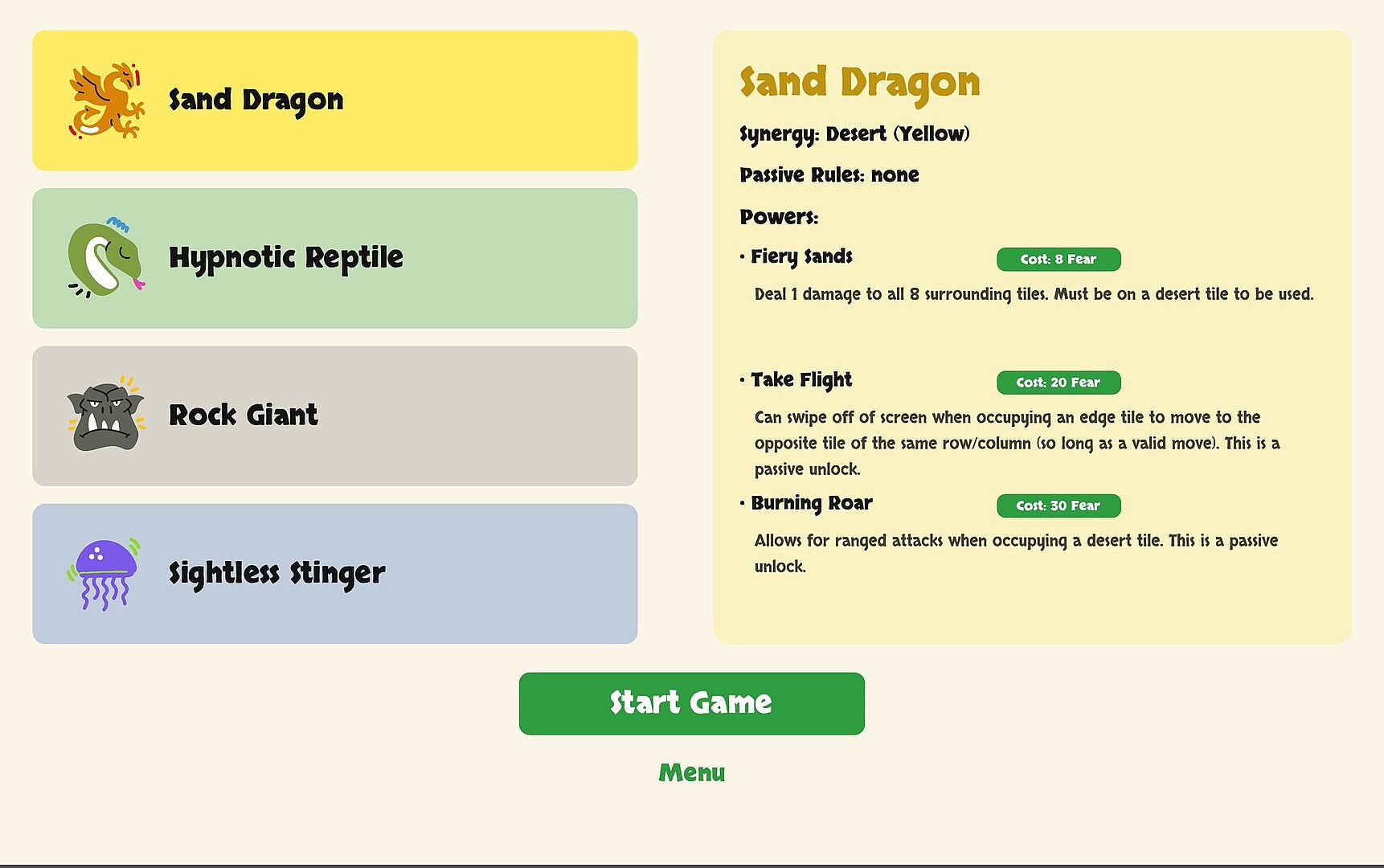
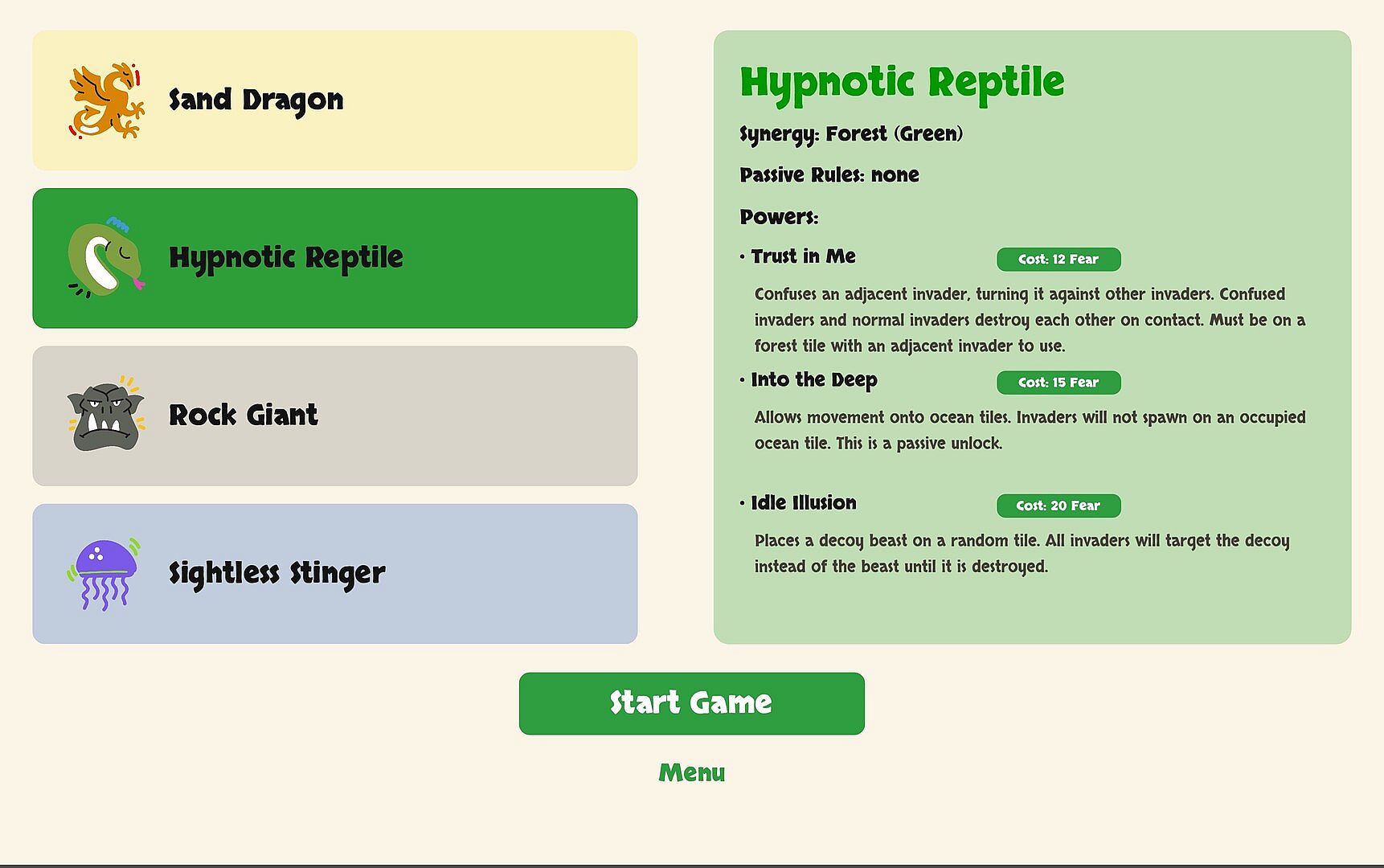
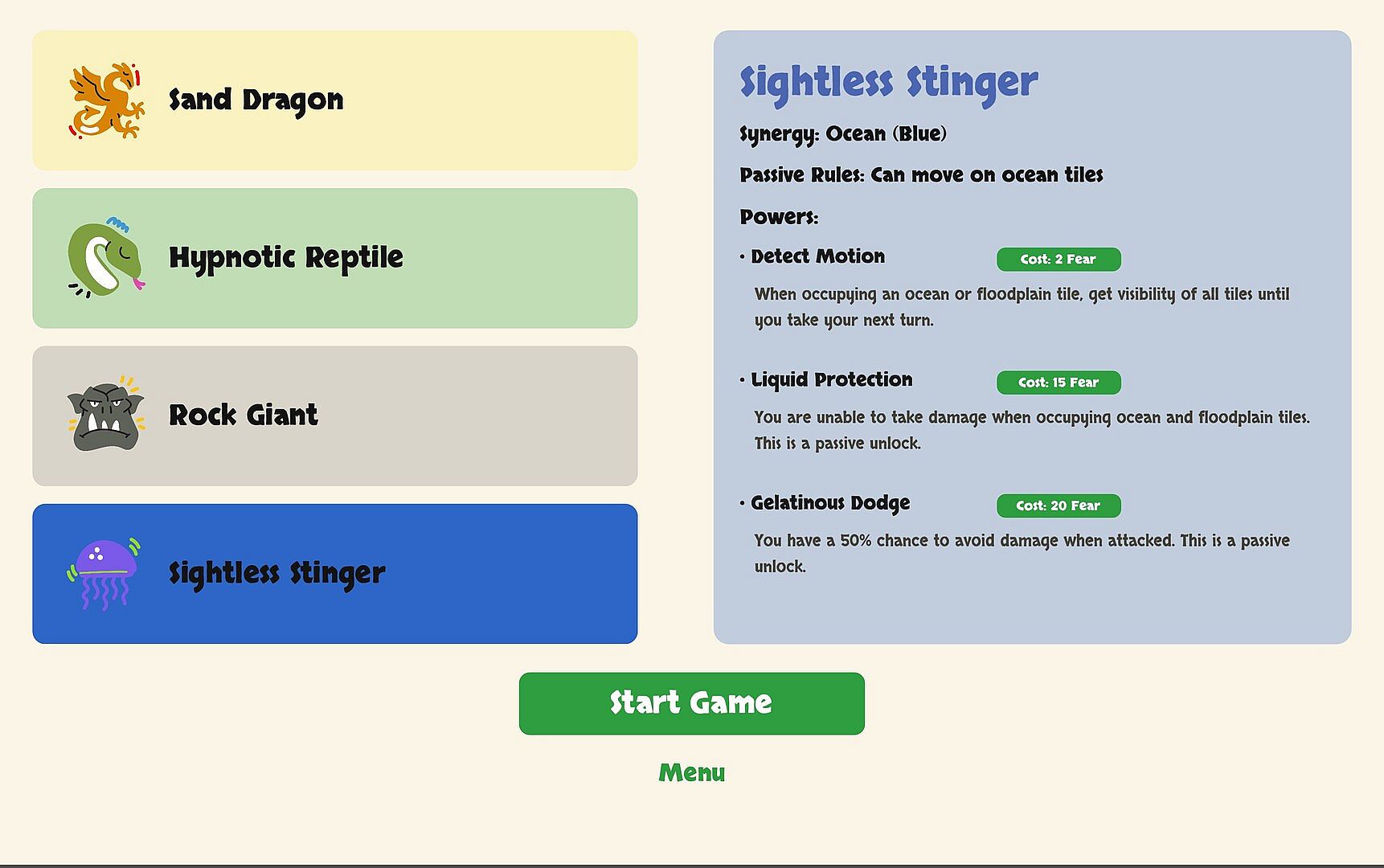
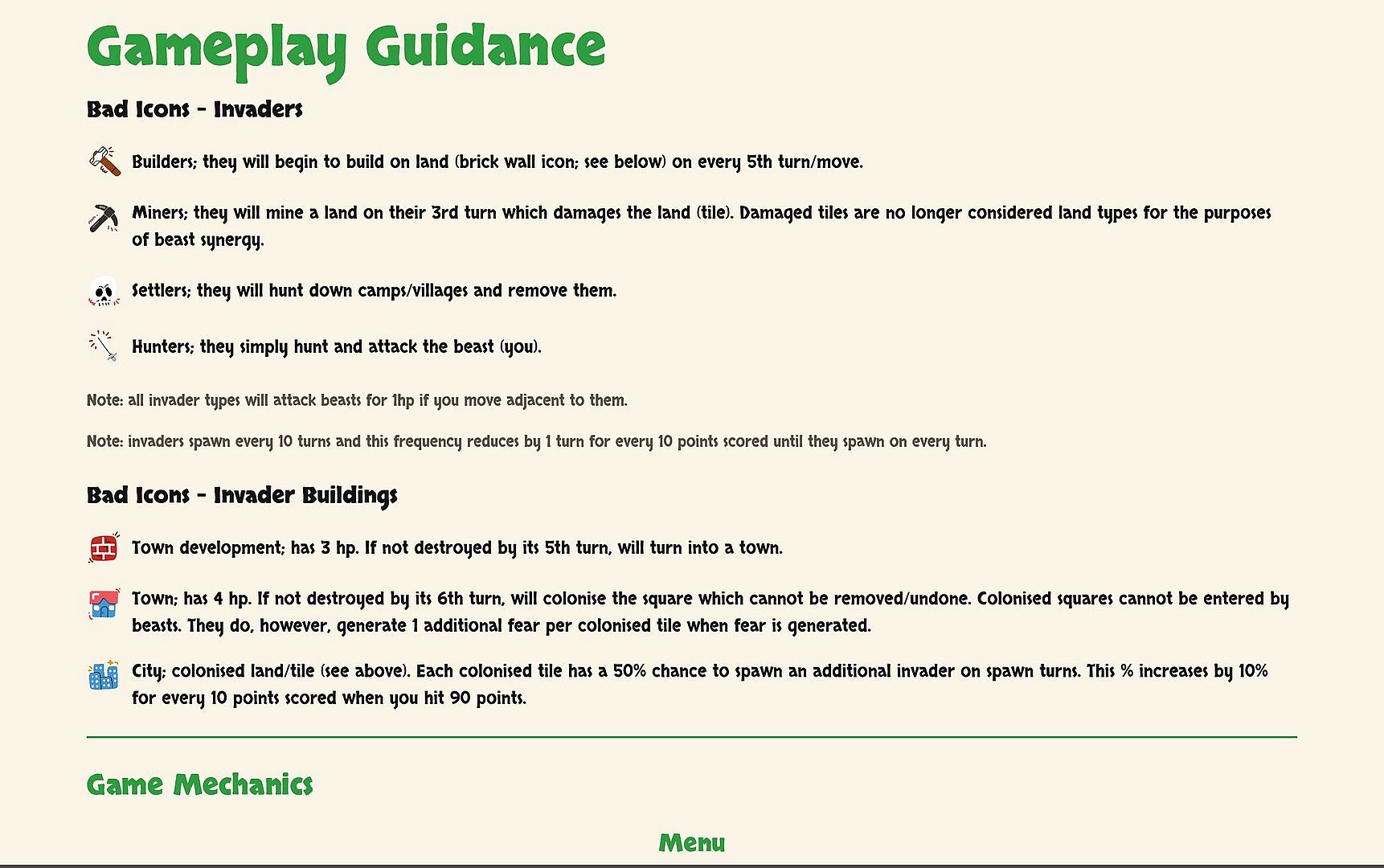
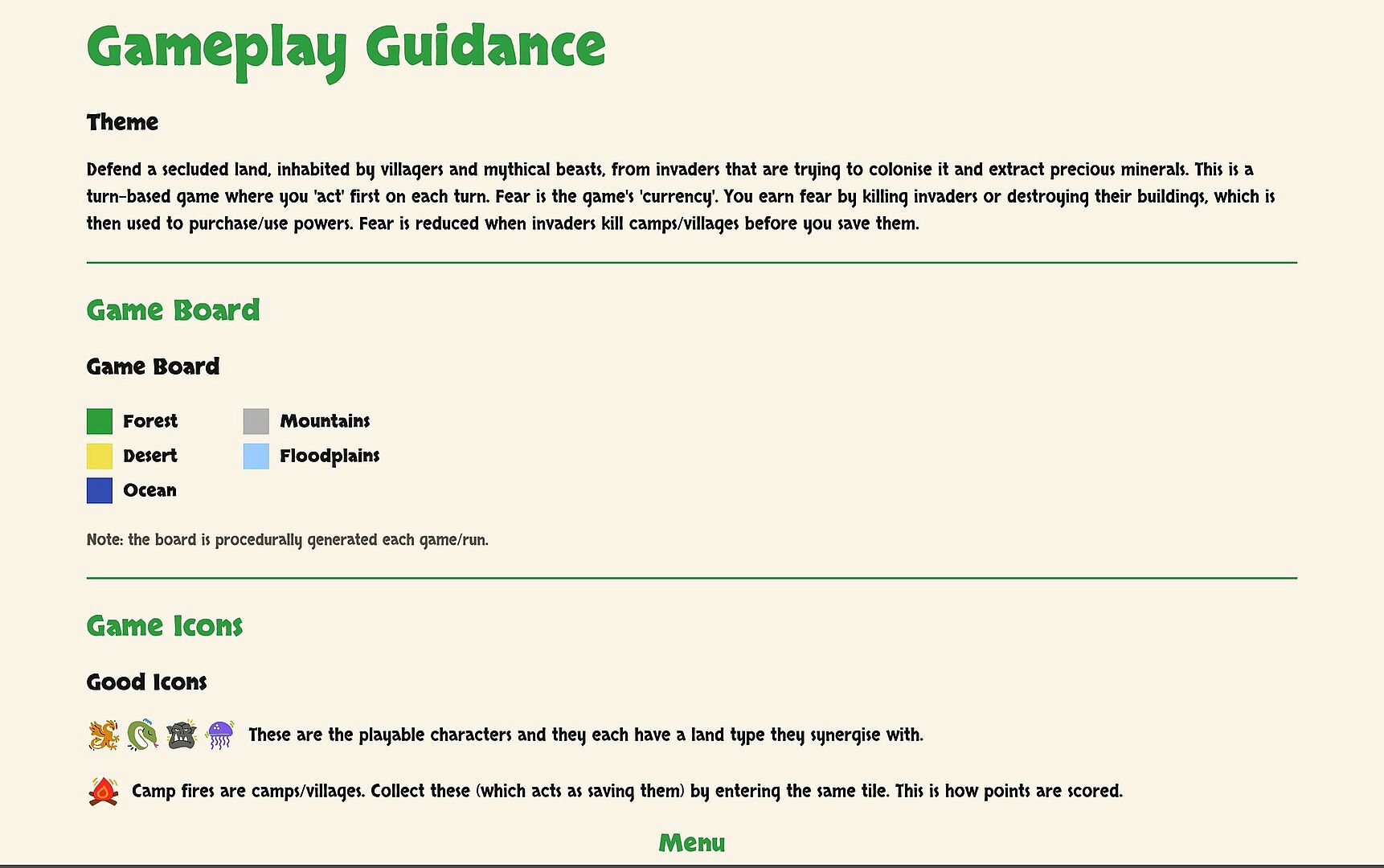
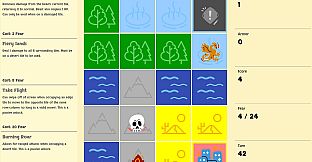
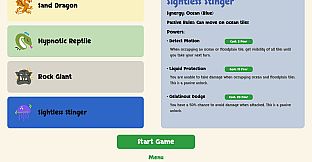
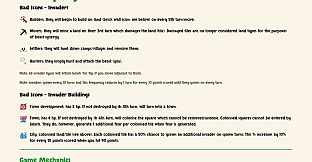
Podstawowa pętla polega na wyborze jednej z czterech bestii, z których każda działa według własnych reguł i wchodzi w interakcje z pięcioma typami terenu. Zadaniem gracza jest odpowiednie ustawianie stworzeń, by wykorzystać synergie, wpływać na pogodę i przeciwdziałać czterem rodzajom najeźdźców, którzy realizują własne cele - od wydobycia surowców po zakładanie kolonii. Pogoda zmienia się dynamicznie między czterema stanami, modyfikując ruch, agresję i możliwości obronne obu stron w każdej turze.
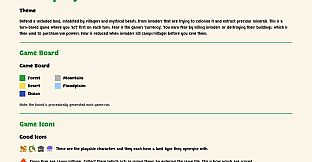
Losowe rozmieszczenie pól sprawia, że każda sesja zaczyna się od nowego układu, wymuszając elastyczne decyzje dotyczące kontroli planszy i ochrony zasobów. System turowy inspirowany jest mechaniką broughlike, gdzie kluczowe jest planowanie i unikanie bezpośrednich starć, a wysokie wyniki osiąga się dzięki skutecznemu ratowaniu mieszkańców i odpieraniu najeźdźców. Gra obsługuje klawiaturę, mysz oraz pady, w tym Steam Deck, co zapewnia wygodę na różnych urządzeniach.
Tryby gry
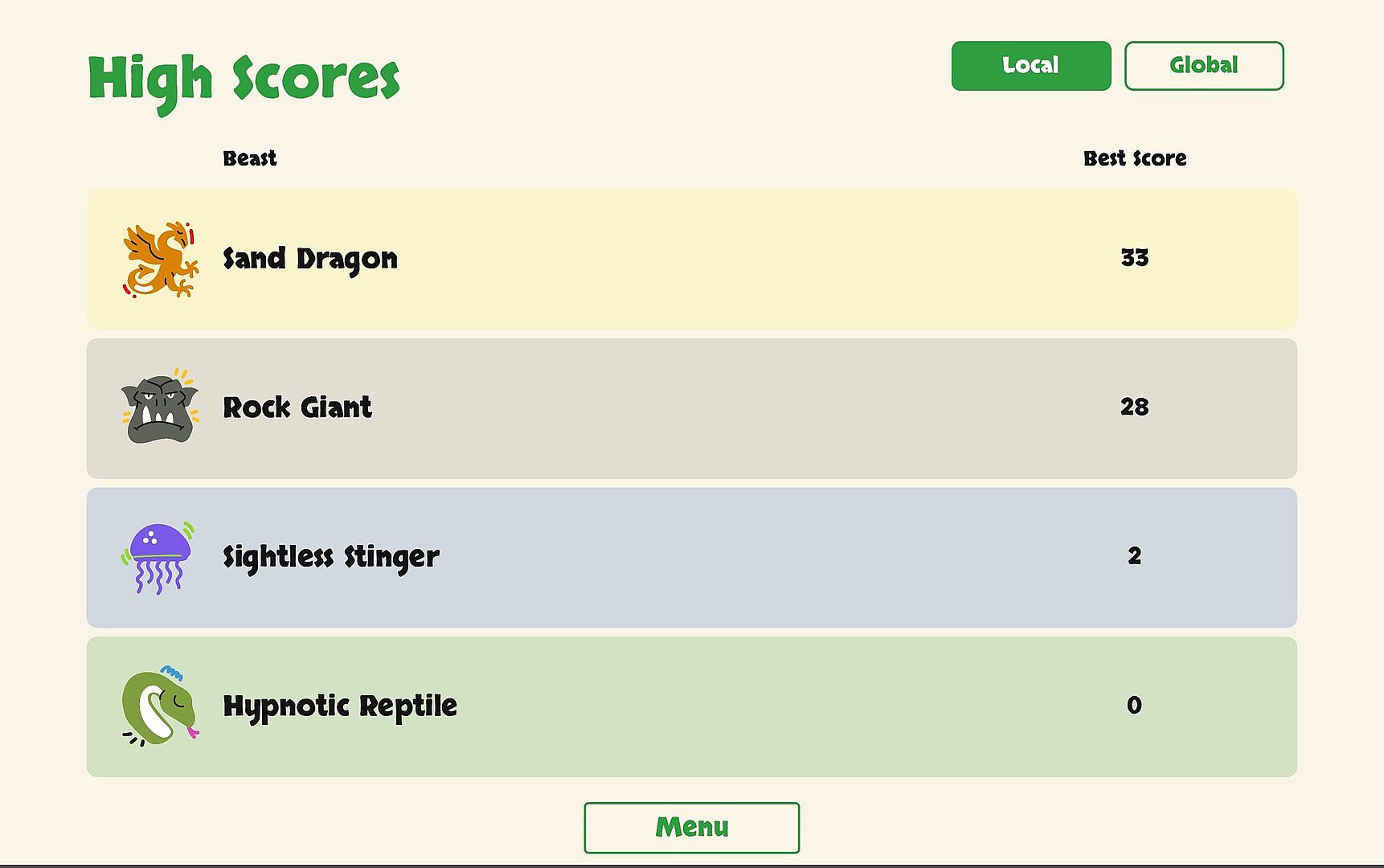
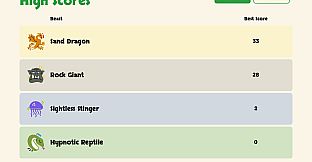
Eldermyth to roguelike dla jednego gracza, skupiony na pojedynczych przebiegach i budowaniu własnych rekordów. Każda próba generuje nową planszę z losowymi elementami, zachęcając do doskonalenia strategii w kolejnych podejściach. Postępy są zapisywane lokalnie, a globalne rankingi pozwalają porównywać wyniki bez elementów rywalizacji wieloosobowej.
Projekt stawia na odkrywanie mechanik przez powtarzanie prób - bez osobnej kampanii czy trybu fabularnego. Wbudowany przewodnik stanowi alternatywę dla graczy, którzy chcą od razu poznać wszystkie zasady, zamiast odkrywać je stopniowo.
Główne systemy i funkcje
Zarządzanie planszą opiera się na pięciu rodzajach terenu, które w różny sposób wpływają na możliwości bestii, tworząc złożone wybory taktyczne w każdej turze. Zachowanie najeźdźców zależy od ich typu, co wymaga precyzyjnych reakcji, by zapobiec kolonizacji terenu, przy jednoczesnym uwzględnieniu wpływu pogody. Struktura roguelike'owa wprowadza elementy permadeath - nieudane próby dostarczają wiedzy na kolejne podejścia.
- Cztery bestie o unikalnych zdolnościach i zasadach interakcji
- Cztery stany pogody wpływające na zachowanie i strategię
- Proceduralne generowanie planszy przy każdej sesji
- System rekordów z lokalnymi i globalnymi rankingami
Czy warto zagrać?
Eldermyth przypadnie do gustu fanom turowych roguelików, którzy cenią obserwację i adaptację bardziej niż bezpośrednie wskazówki. Nacisk na ukryte mechaniki i proceduralną różnorodność odpowiada miłośnikom tytułów inspirowanych twórczością Michaela Brougha, gdzie mistrzostwo buduje się przez kolejne podejścia, a nie przez samouczki. Jako gra planowana na sierpień 2026 roku, obecnie nie ma jeszcze recenzji ani opinii społeczności.
Osoby szukające kameralnej strategii z rozbudowanymi systemami i możliwością ścigania się o wynik docenią kompaktowy, siatkowy format - prosty w obsłudze, ale bogaty w głębię. Obsługa kontrolerów i kompatybilność z różnymi platformami zwiększają atrakcyjność zarówno na komputerze, jak i urządzeniach przenośnych. Gracze preferujący jasne wyjaśnienia mogą skorzystać z wbudowanego przewodnika, by pominąć etap samodzielnego odkrywania zasad.