




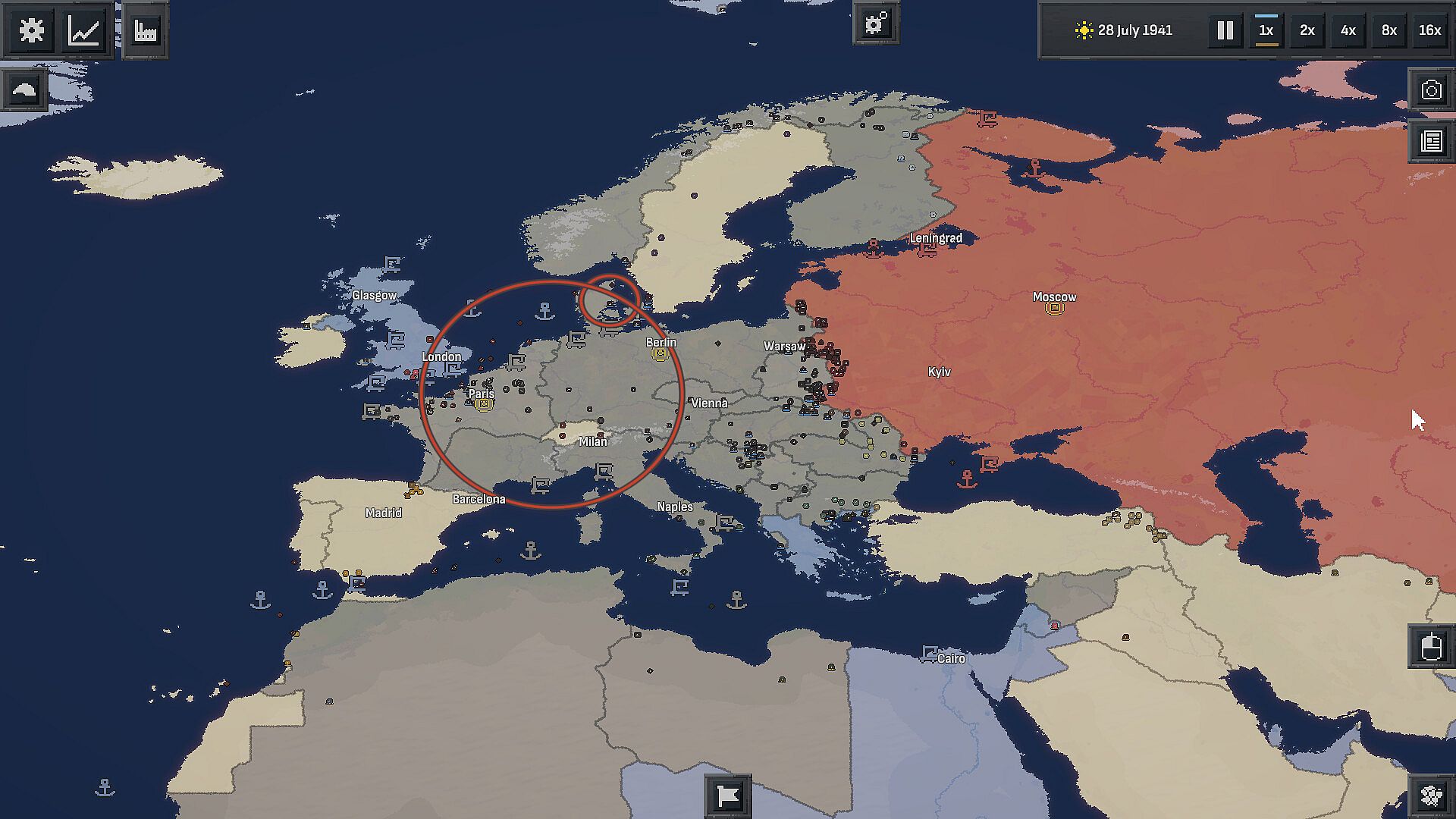
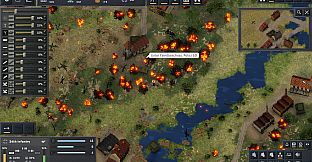
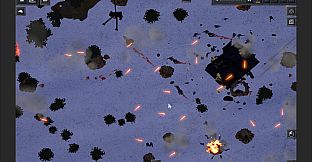
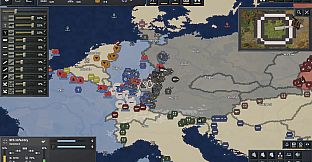
Encirclement: WW2 is a strategy and simulation game that blends grand strategy elements with real-time tactics on the PC platform. It centers on World War II conflicts through a hybrid system that lets players manage nations at a high level while directly controlling units in detailed battles.
Gameplay
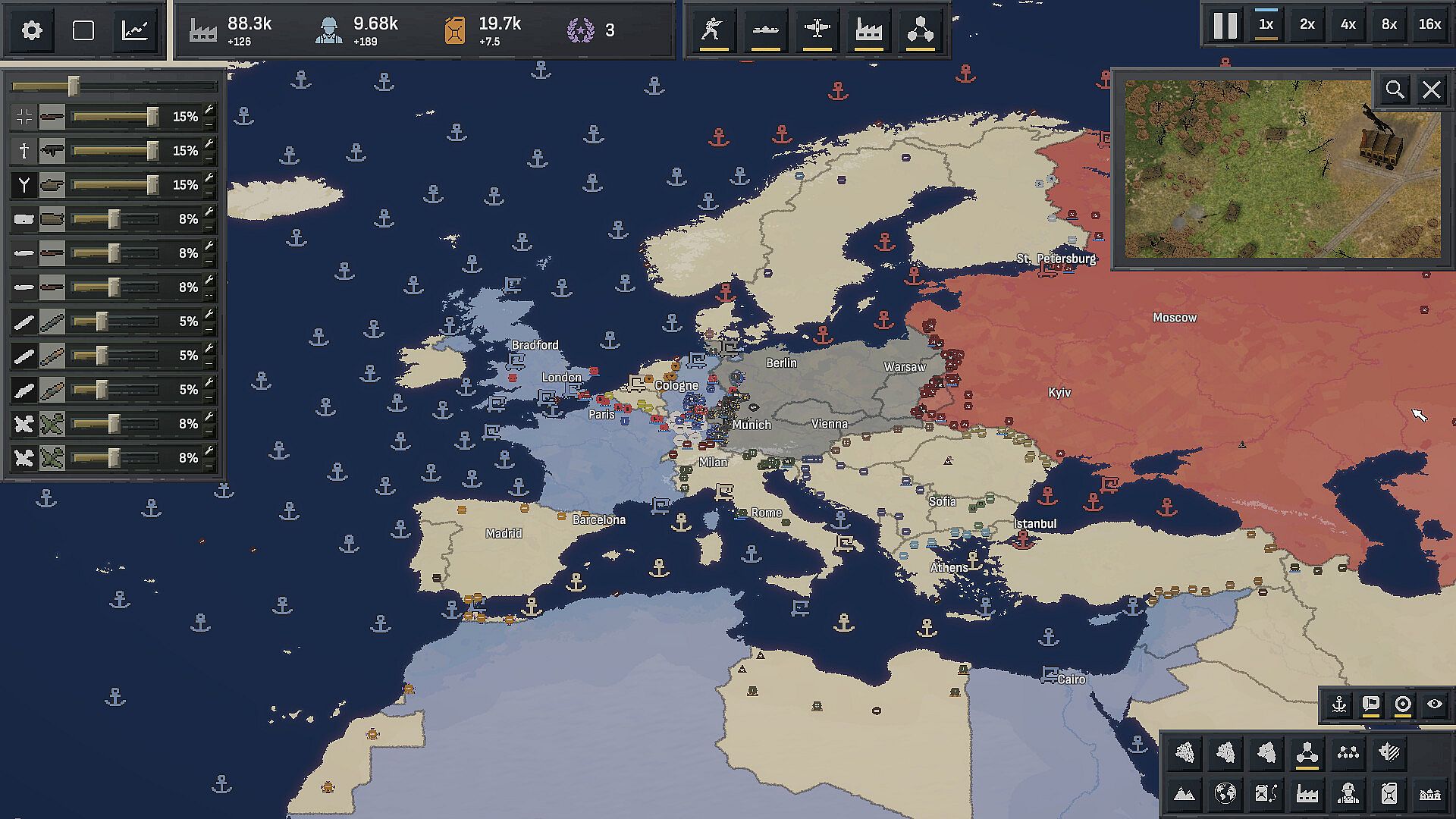
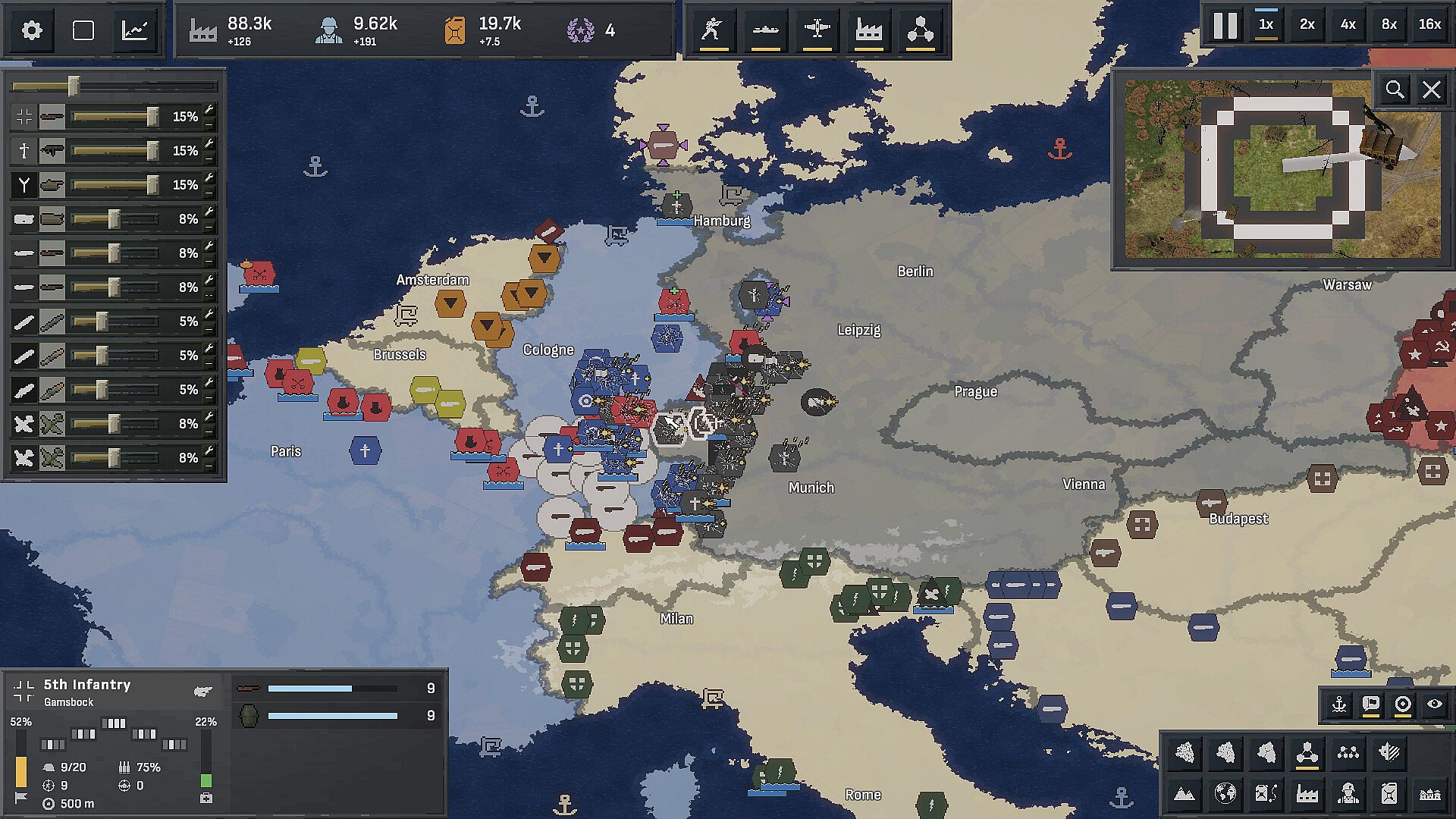
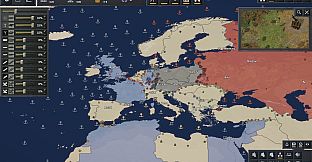
The core loop combines automated nation management with hands-on control over military operations. Players begin by relying on automation for economy and planning, then gradually adjust those systems themselves as they gain experience. Full automation remains an option for those who prefer to observe large-scale conflicts unfold without direct input.
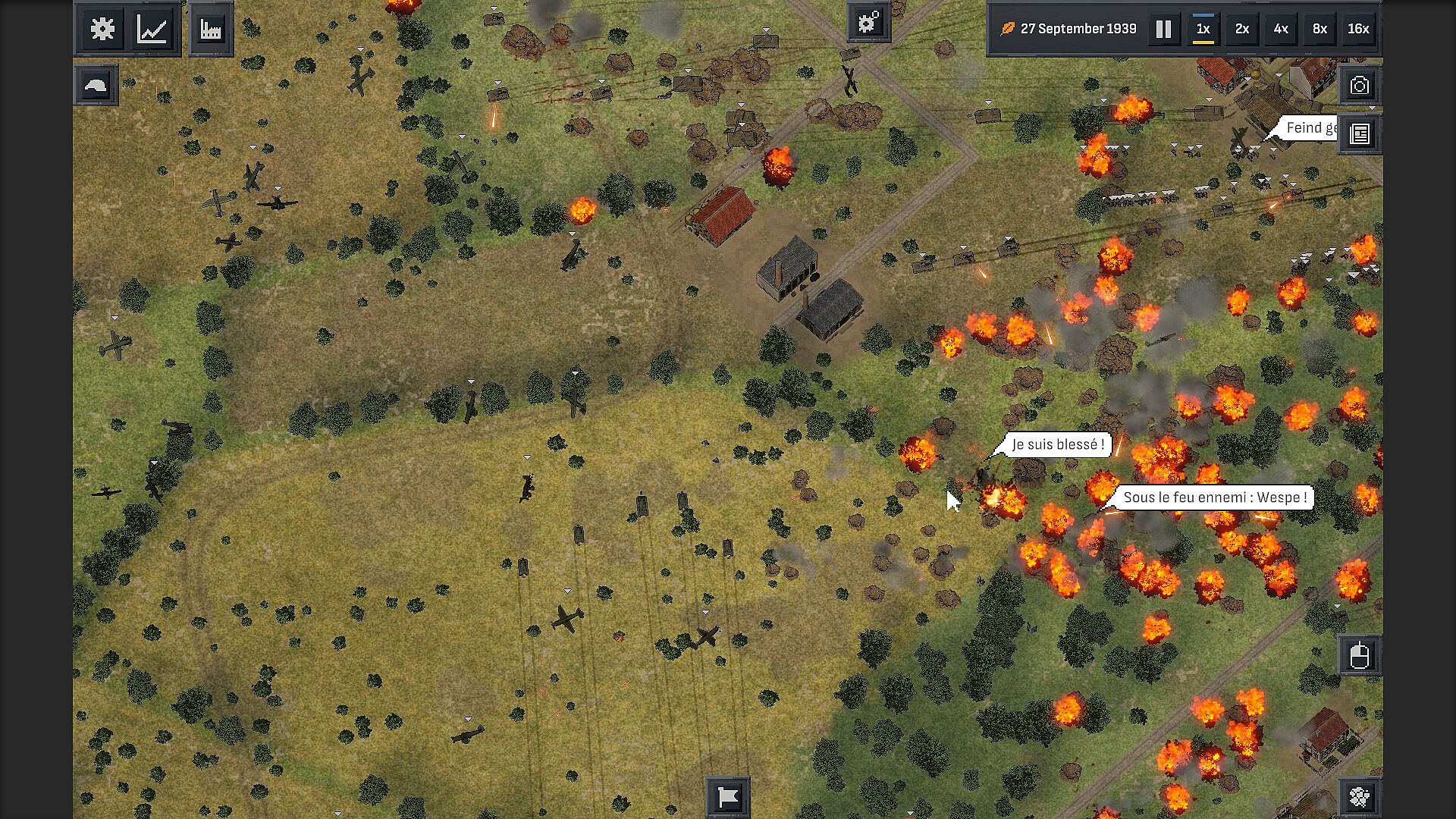
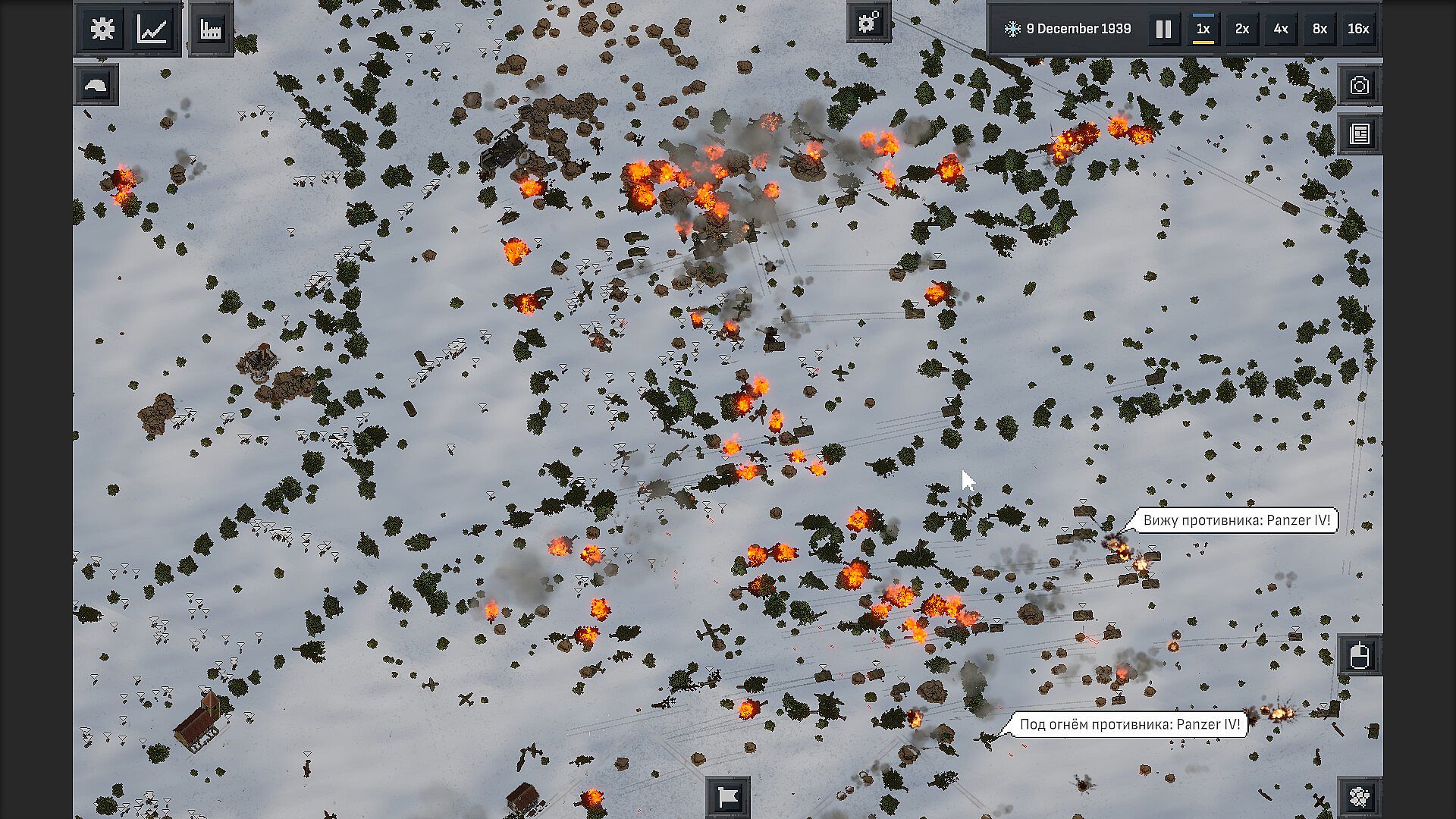
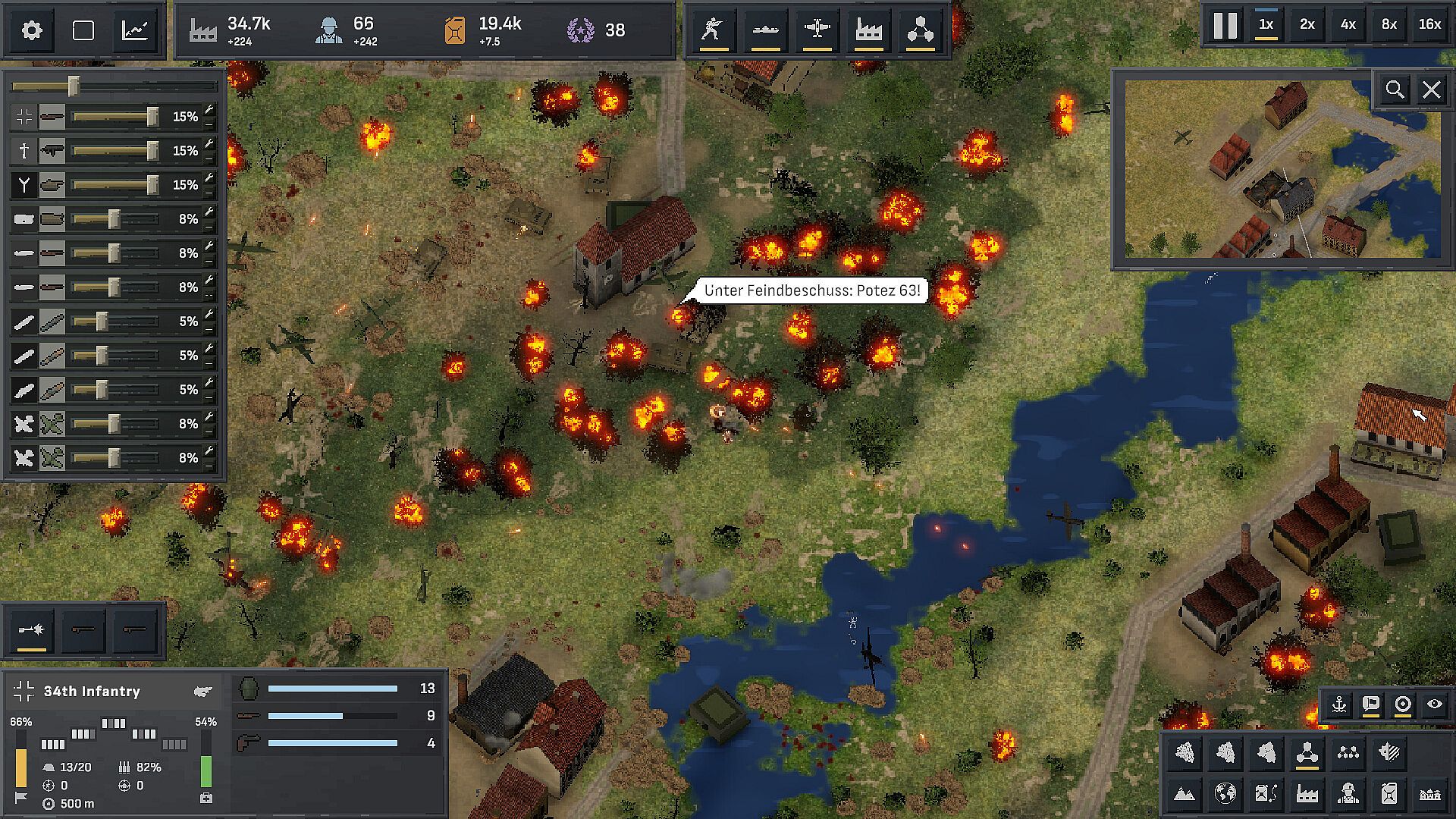
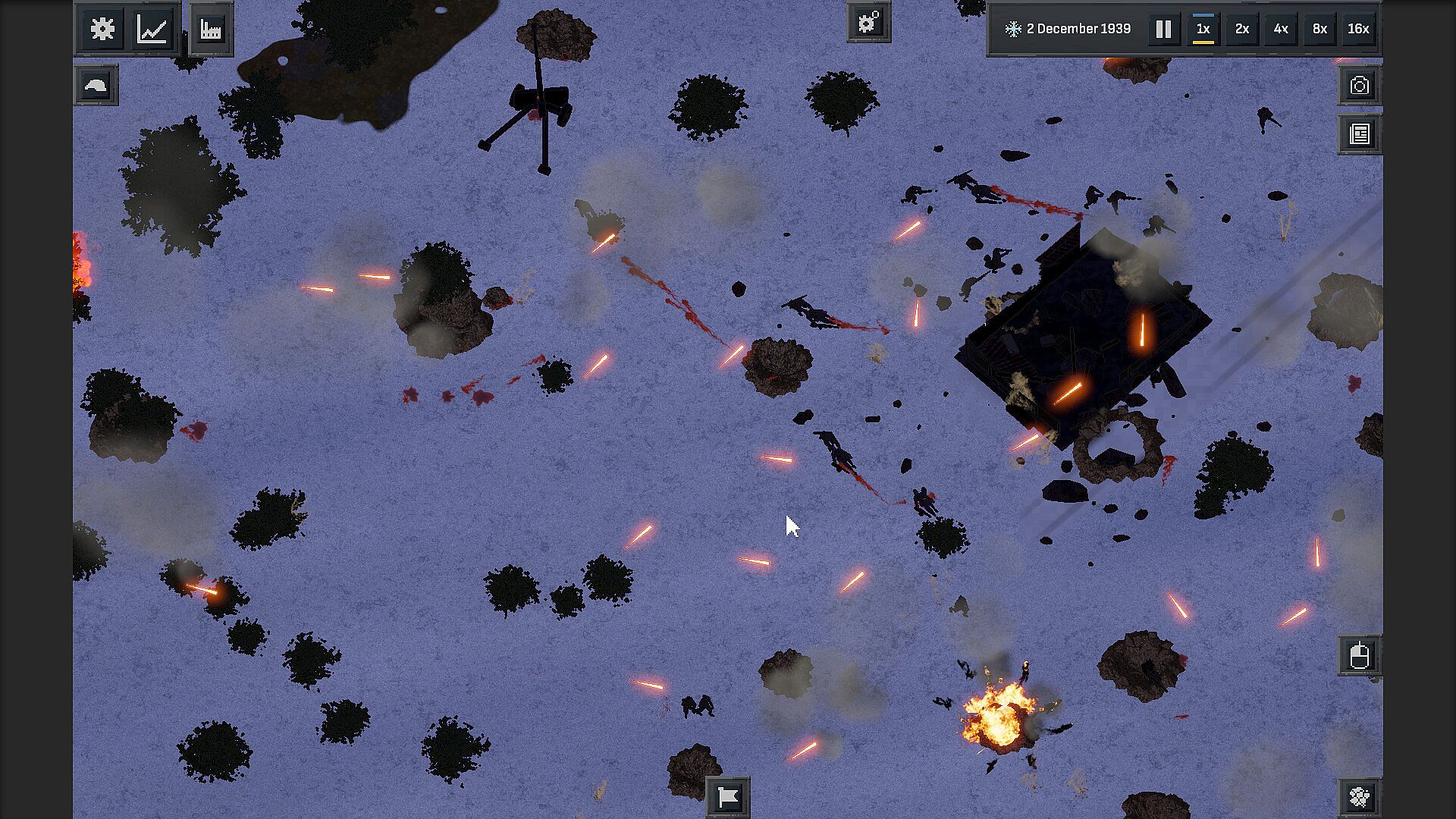
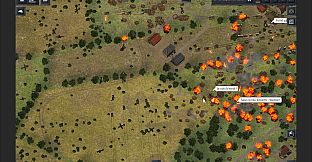
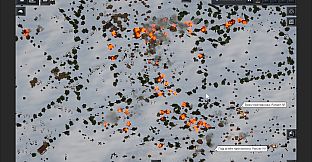
Unit customization forms a key part of the experience. A regiment editor supports dozens of historical weapons and vehicles, allowing players to equip soldiers with specific gear such as flamethrowers, grenades, or katanas. Thousands of individual soldiers receive full simulation across the battlefield at once, with every bullet tracked in combat.
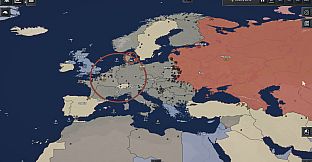
The design emphasizes accessibility for newcomers to grand strategy while delivering depth for experienced players. Several nations are available to command, and the simulation extends to supply and positioning mechanics that reward careful encirclement tactics against opposing forces.
Game Modes
Players can choose between compact scenarios focused on specific engagements or expand to a full-world map that functions as a massive real-time strategy battlefield. Historical missions cover multiple theaters, including the Western front, Eastern front, North Africa, Asia, and the Pacific.
Online multiplayer supports competitive or cooperative play alongside the single-player options. The seamless shift between strategic oversight and tactical execution remains consistent across these formats, letting users scale their involvement from automated watching to precise manual commands.
Key Mechanics and Features
Simulation runs at the individual soldier level, creating emergent outcomes based on equipment choices, positioning, and orders. The approachable sandbox structure supports experimentation without requiring prior expertise in the genre.
Economy and war planning tools start automated but scale in complexity. Players who prefer minimal intervention can maintain that setting, while others fine-tune production, logistics, and unit deployment for targeted advantages.
Is It Worth Playing?
The game remains in development with a planned 2027 release and currently offers no user reviews or completed play data. Its described systems appeal to those seeking a lighter entry into grand strategy combined with detailed real-time combat simulation.
Fans of hybrid strategy experiences who value unit-level customization and large-scale soldier simulation may find the sandbox structure engaging once available. Those preferring fully manual control from the start or established titles with extensive post-launch support should monitor progress through available playtests.











