


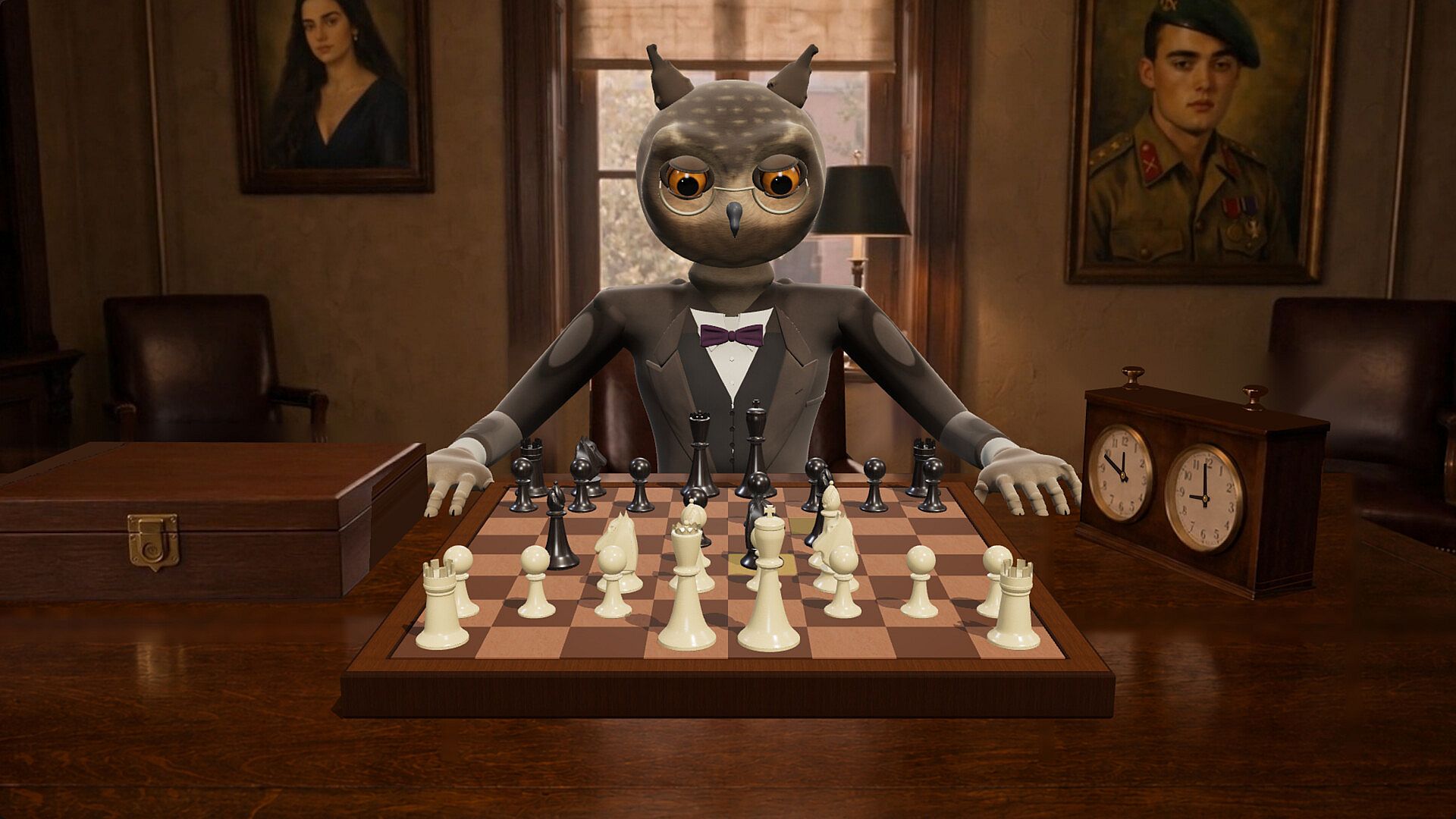
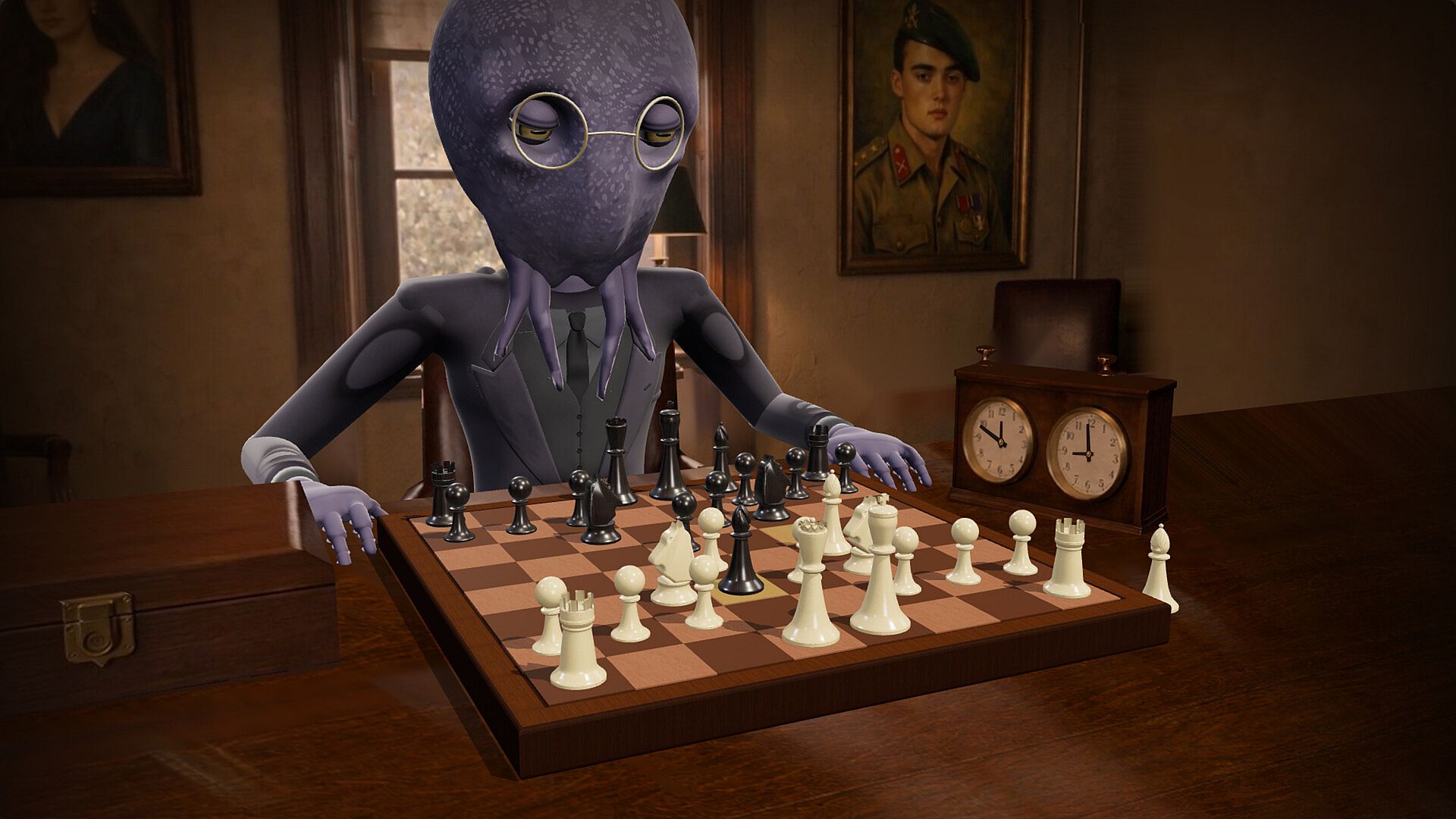

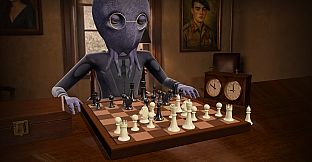
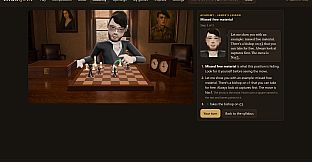
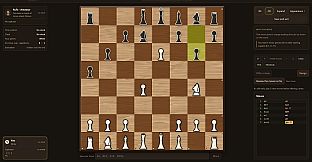
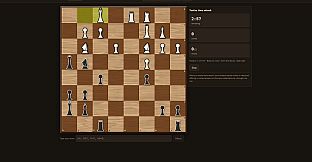
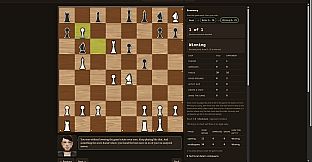
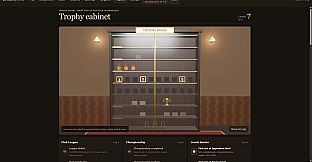
ENROQUIA is a strategy indie game for PC that reimagines chess as an interactive learning experience. Players sit across from animated opponents in a detailed 3D club room, where every move advances both the match and personal skill development through structured feedback and practice tools.
Gameplay
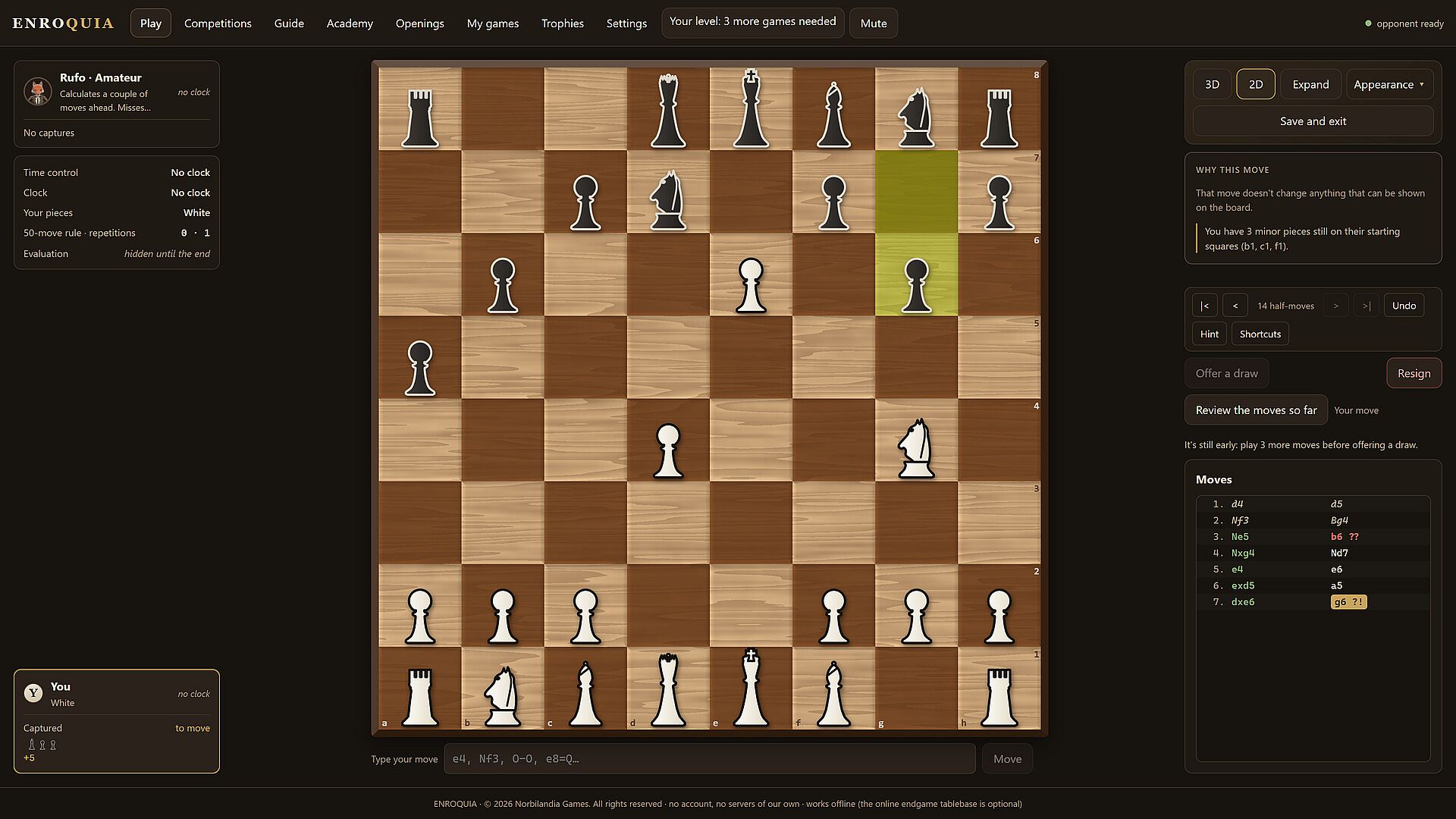
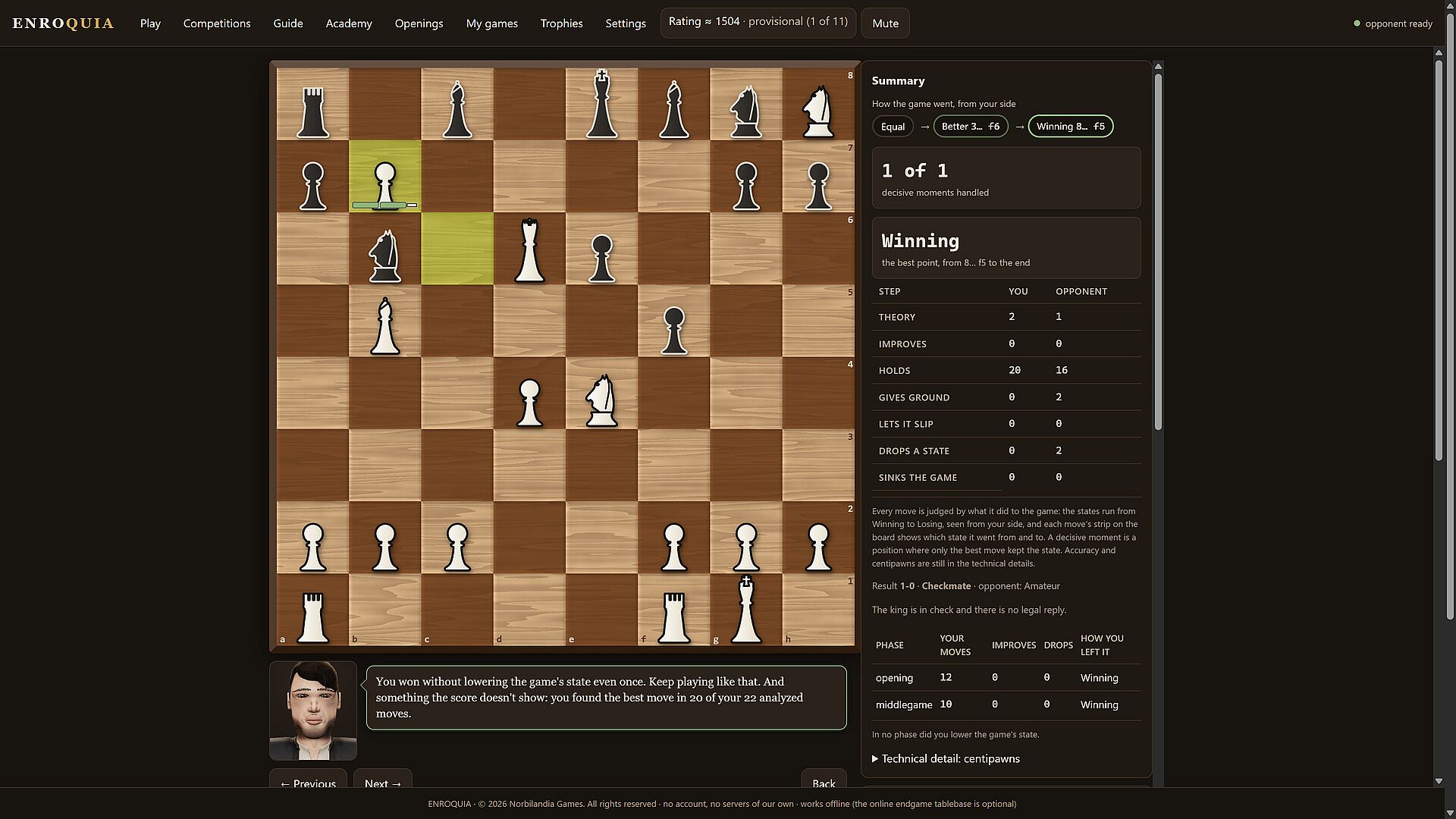
The core loop centers on playing full games against AI opponents while receiving guidance from coach James. After each move, a sentence describes the positional change without suggesting plays. At the end, a review breaks down the game flow from winning to losing positions, highlights decisive moments, and labels every move from holding the balance to sinking the position. Opening book moves receive a theory tag, and the final theory move marks where book knowledge ends. Players can request proof on disputed comments, prompting James to play the punishing reply if one exists. The 3D environment includes an analog clock that functions with real increments or delays, and pieces move by hand with realistic animations. Five camera views, zoom, and optional flat board mode support different preferences, while custom backgrounds and board finishes allow personalization. Chess960 integrates directly, randomizing starting positions or allowing selection by number, with castling handled by king-to-rook movement on both board types.
Game Modes
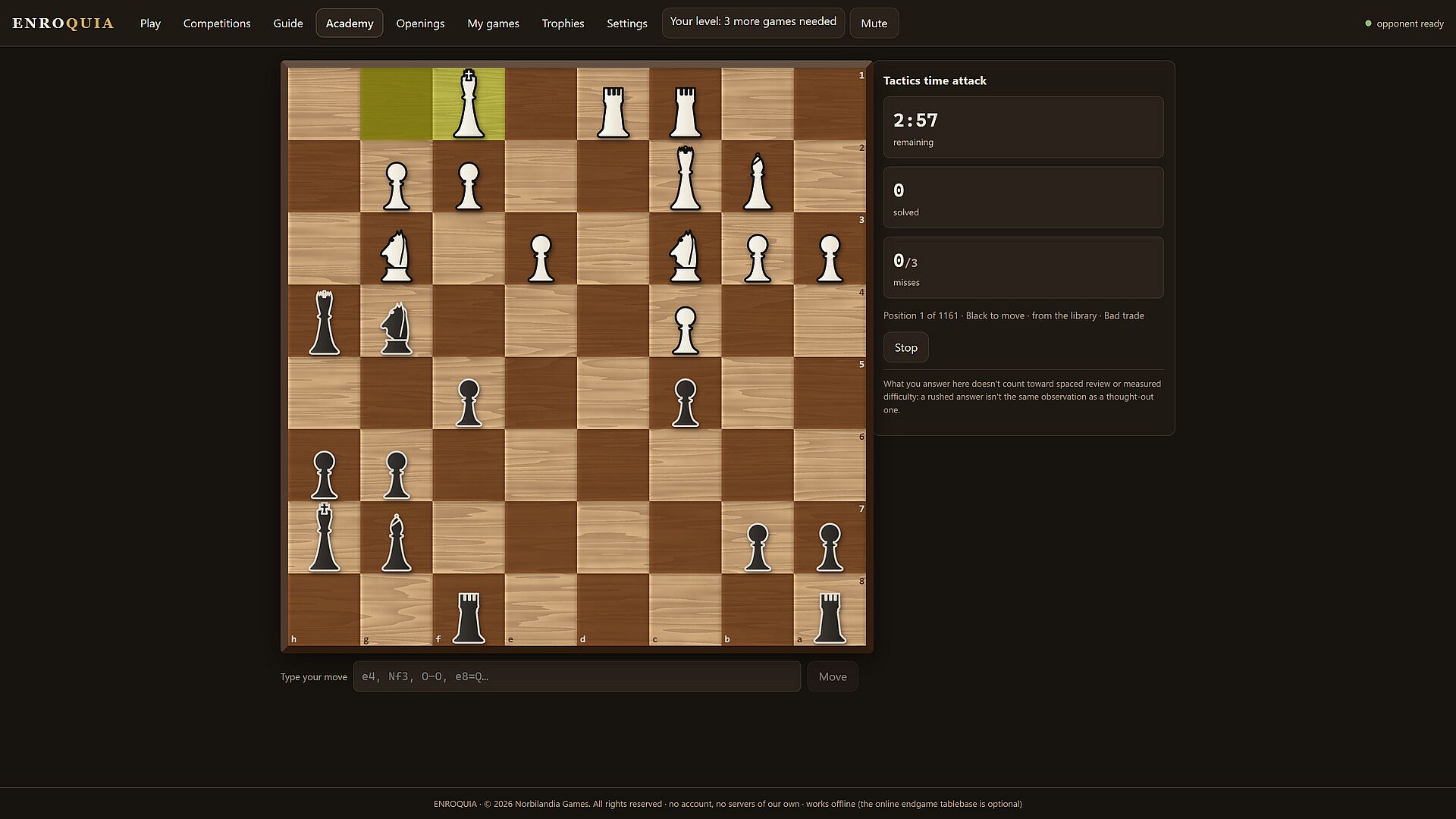
ENROQUIA features several distinct modes built around skill progression. The placement exam presents twelve positions of rising difficulty with time limits to determine starting academy level. Solitaire teaches piece movement across ten levels by capturing down to one piece, with optional hints. Star collection challenges players to land on every star in minimal moves across eight levels, rated one to three stars by efficiency. Tactics time attack and position of the day provide daily or timed exercises that increase in difficulty through the week. Competitions include a Club League with round-robin matchdays across four divisions, promotion and relegation between seasons, and a separate tactics time attack. Review mode replays games with commentary on key moments and direct links to training the exact errors made.
The Academy and Training System
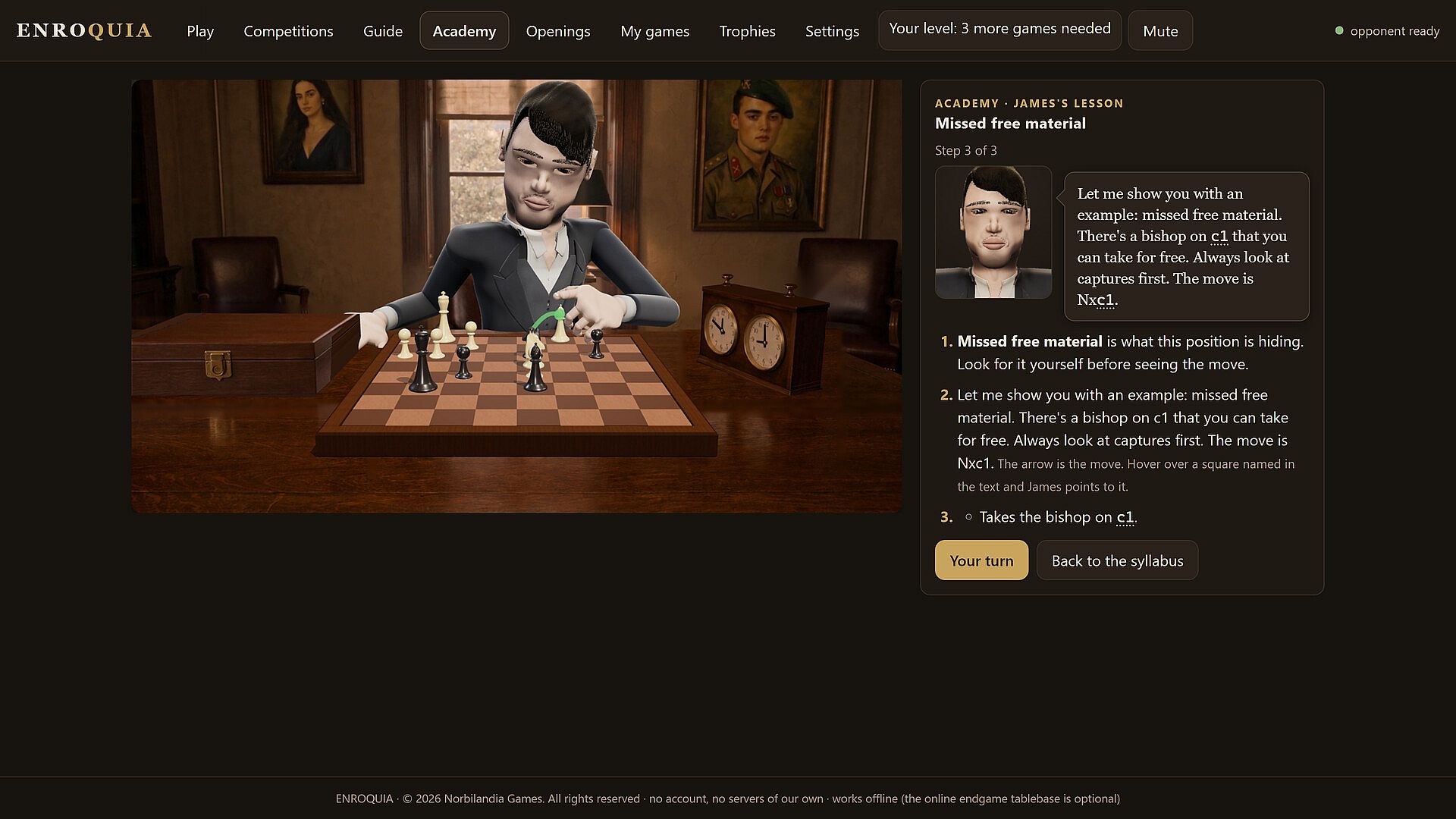
Seventeen concepts span elementary, intermediate, and advanced tiers, covering topics from basic hanging pieces to advanced endgame errors. Over 1,100 training positions adapt based on performance, with personal mistakes automatically converted into spaced-review exercises. Sets adjust difficulty automatically or allow manual changes to easier, harder, or random. Lessons break concepts into three steps: viewing the position, the key move, and the underlying idea, illustrated with shapes such as double-attack fans or pin lines. Diplomas require completing positions without hints, a time attack, and a thirty-move game against a matched opponent, awarding bronze, silver, or gold upon success. Streaks track consecutive practice days alongside best and missed moves, without locking content for missed days.
Opponents and Environment
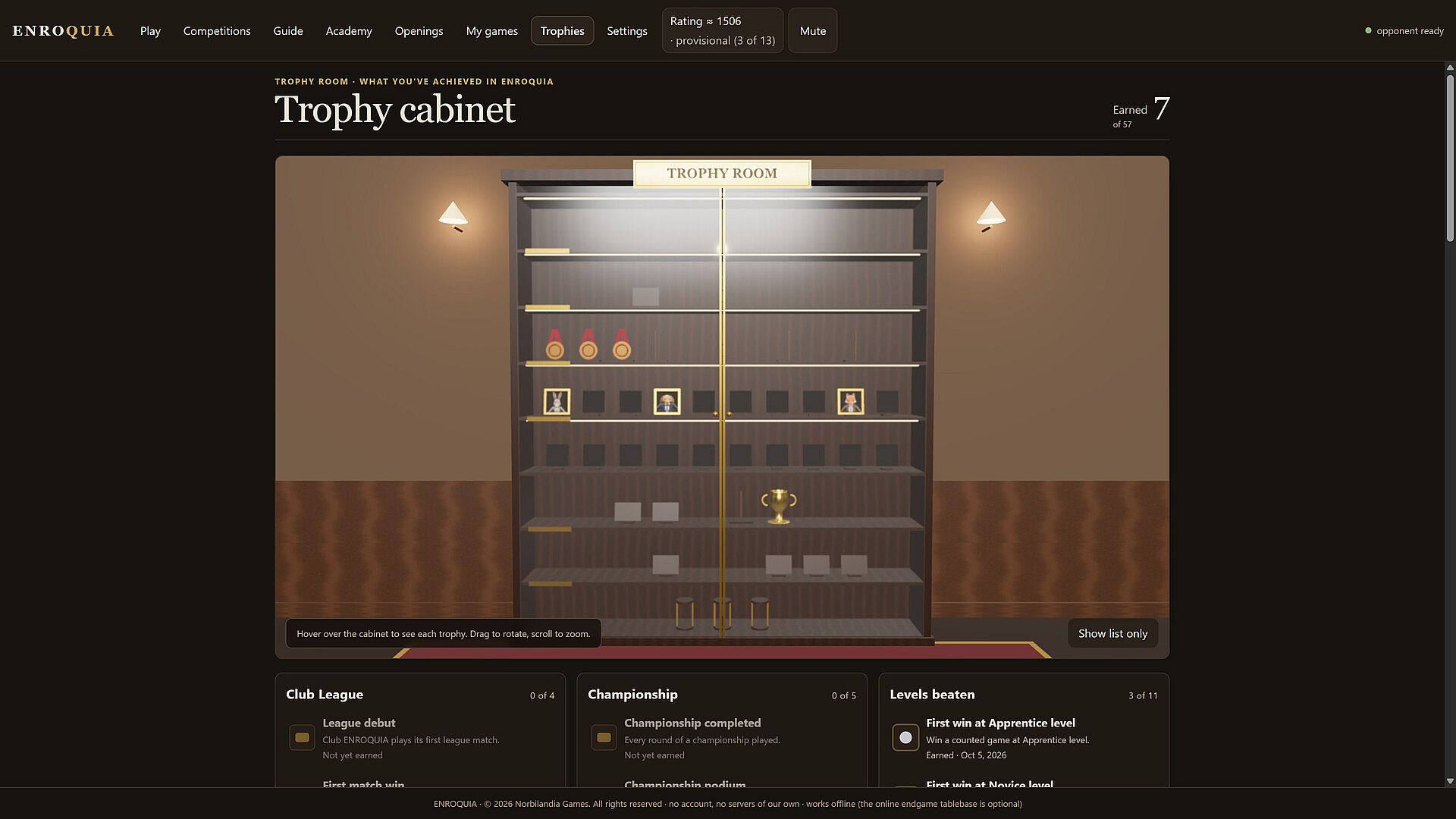
Seven opponent levels range from Apprentice to full strength, each with described tendencies and measured blunder intervals from test games. After six games, the system suggests level adjustments based on results. Each opponent maintains a personal record of past games, repeated mistakes, and up to three crowns earned by minimizing assists. Twenty unique characters populate the table, reacting to game events with gestures. Living paintings on the wall and occasional piece animations add atmosphere without conveying strategic information. Accessibility options include text scaling, high contrast, color-blind palettes, large pieces, reduced motion, and keyboard move entry. The game runs fully offline with local saves, supporting PGN and FEN import or export.
Is It Worth Playing?
ENROQUIA suits players seeking a deliberate chess experience that combines matches with targeted improvement. Its emphasis on post-game analysis, adaptive training from real errors, and a coach that explains ideas visually and verbally makes it particularly relevant for those building fundamentals or refining specific weaknesses. The 3D presentation and mechanical clock add immersion for those who enjoy the ritual of over-the-board play, while flat-board and accessibility features broaden appeal. Since the game launches soon with no prior player data available, those drawn to structured learning over pure competition will find the most value in its academy and review systems. Multi-language support and offline functionality further support consistent practice across different setups.