

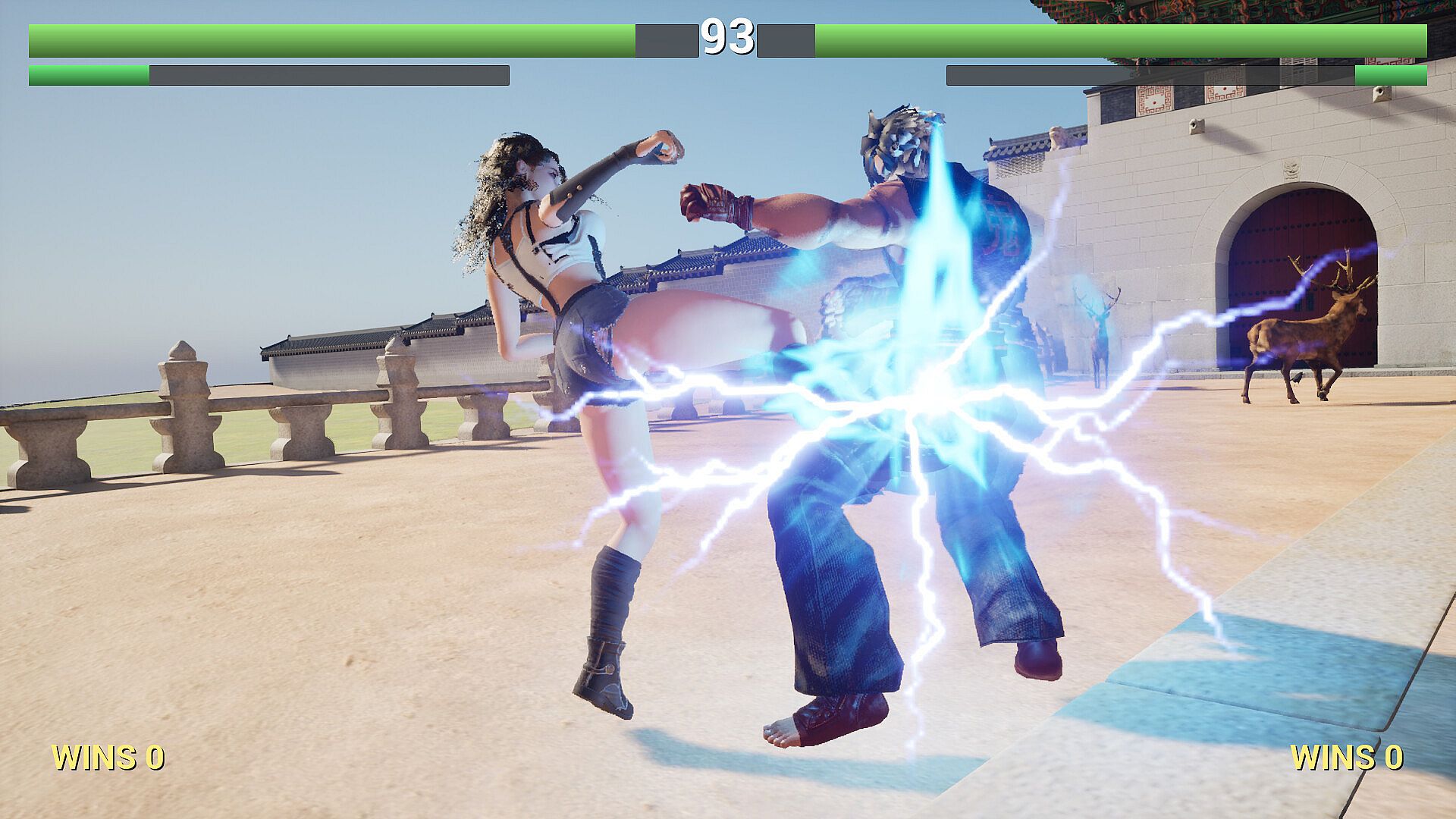
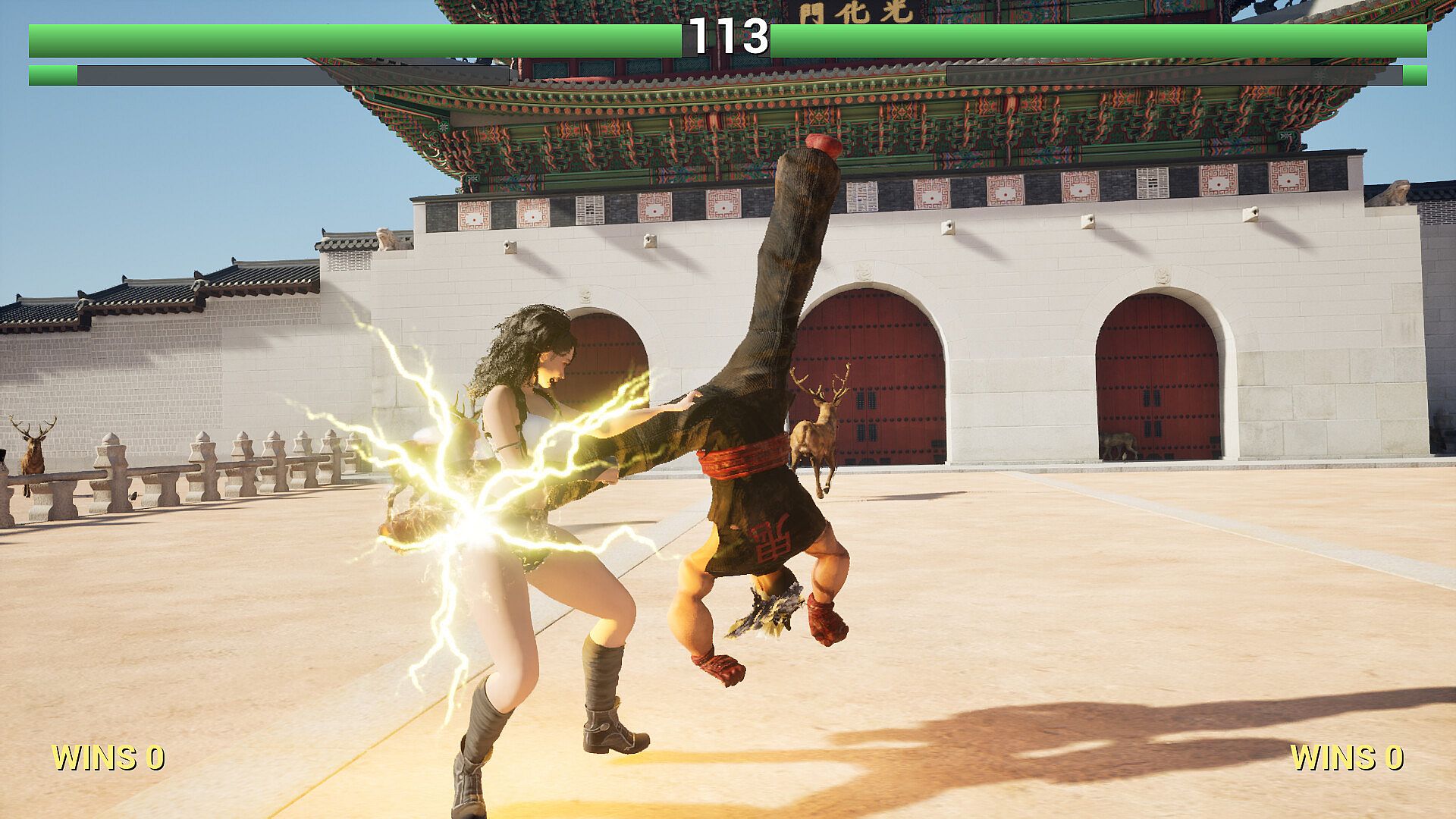
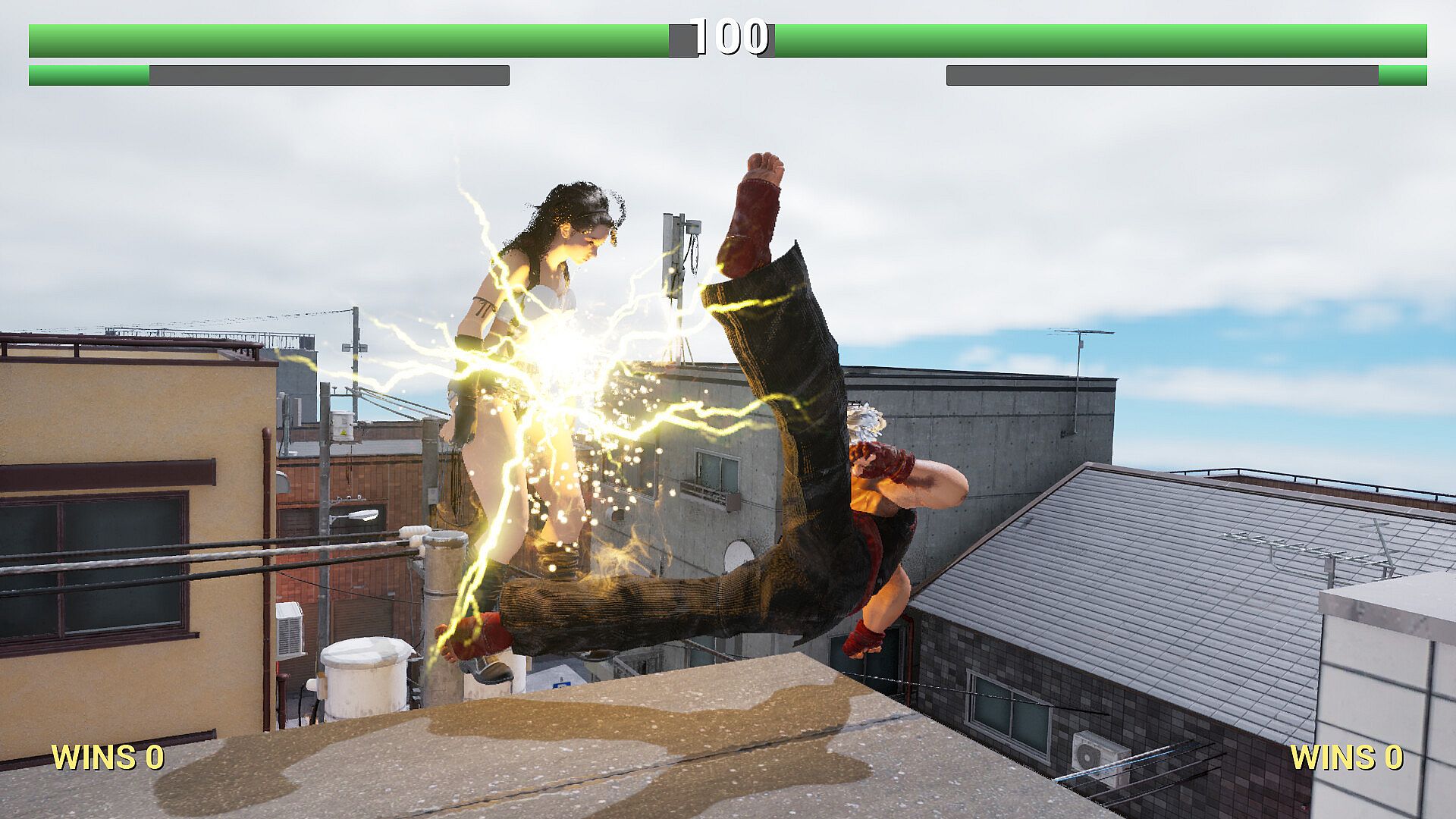
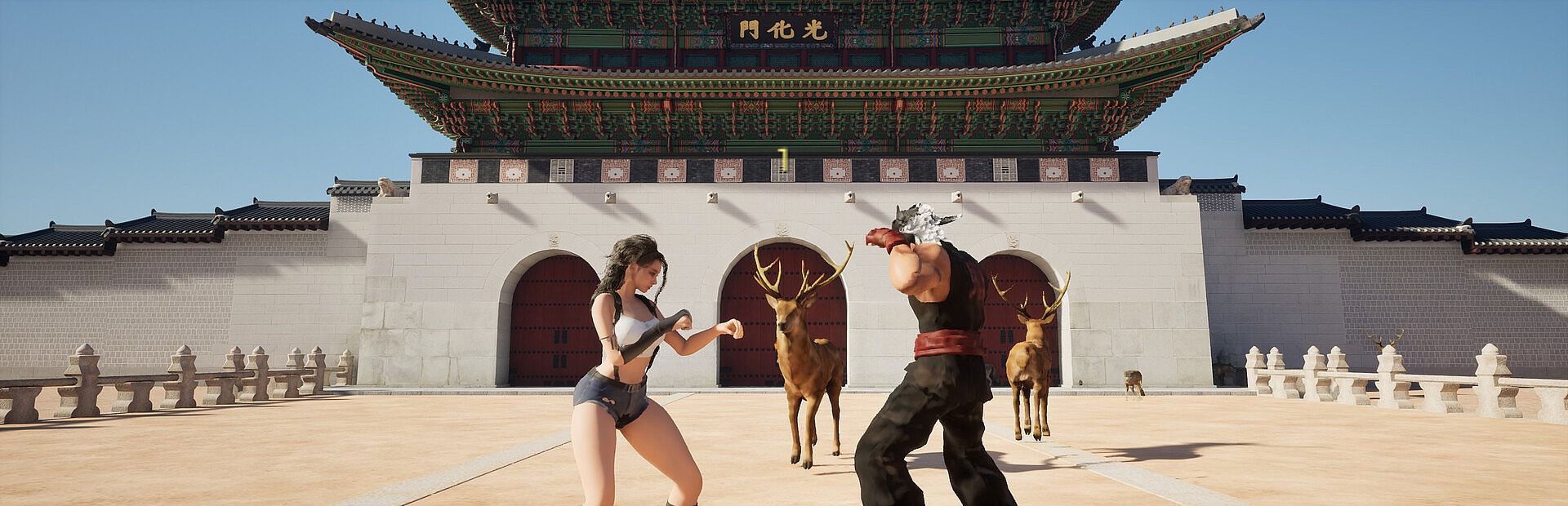
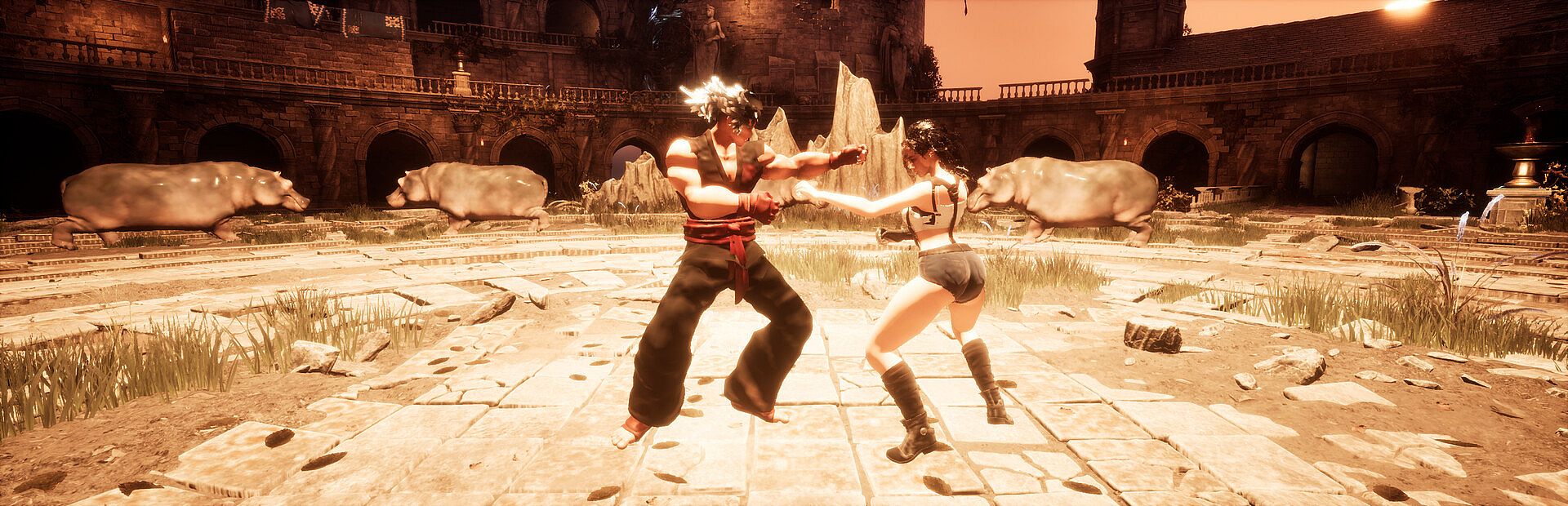
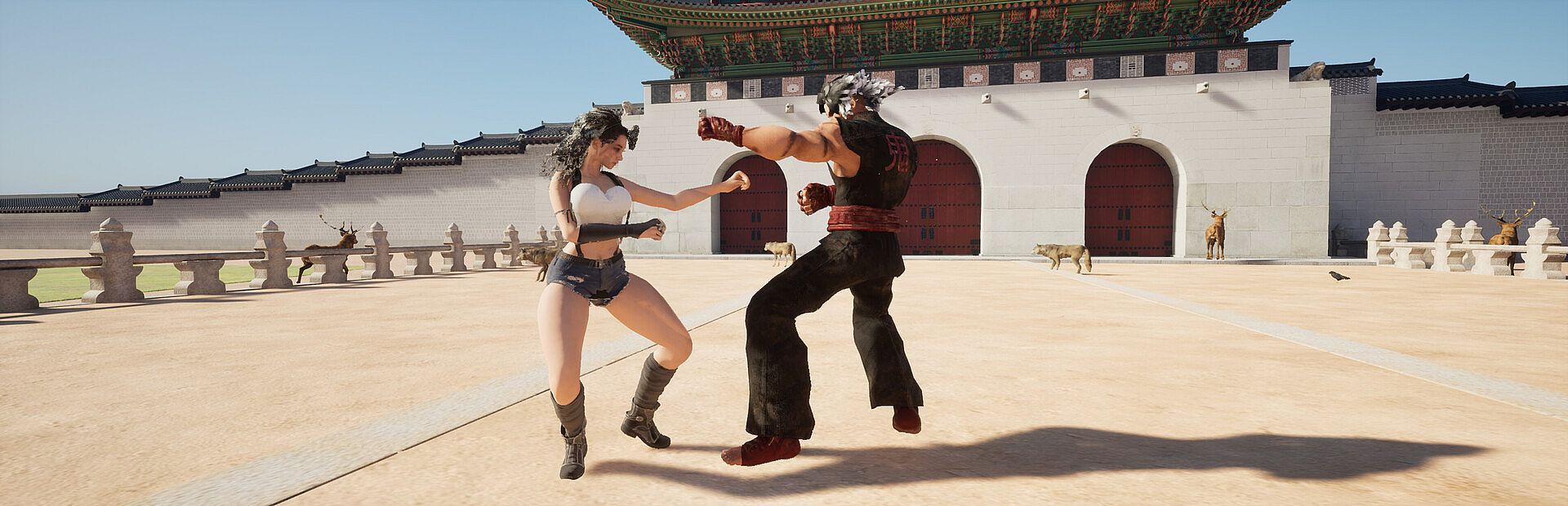
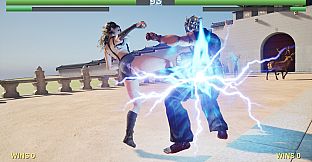
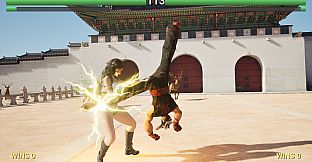
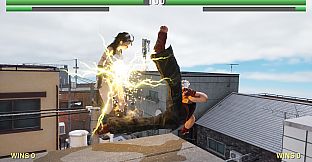
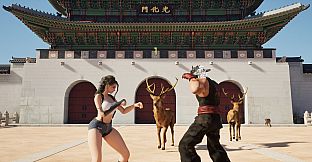
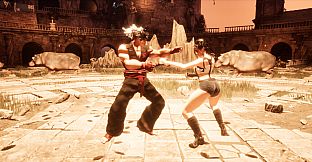
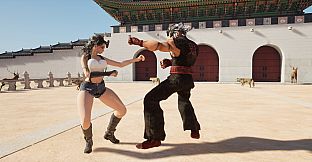
Fighting Nations: The Iron Dragon Tournament is a 3D action fighting game built around bare-handed combat drawn from real martial arts traditions. Thirty-eight fighters, each tied to a distinct national flag or no flag at all, compete using a single shared library of 255 moves that covers every directional input and button combination in the control scheme. The roster pulls techniques from thirteen martial arts including Muay Thai, boxing, kickboxing, karate, taekwondo, kung fu, jeet kune do, silat, capoeira, Korean traditional styles, pro wrestling, military hand-to-hand training, and ground grappling. No weapons or firearms appear at any point.
Gameplay
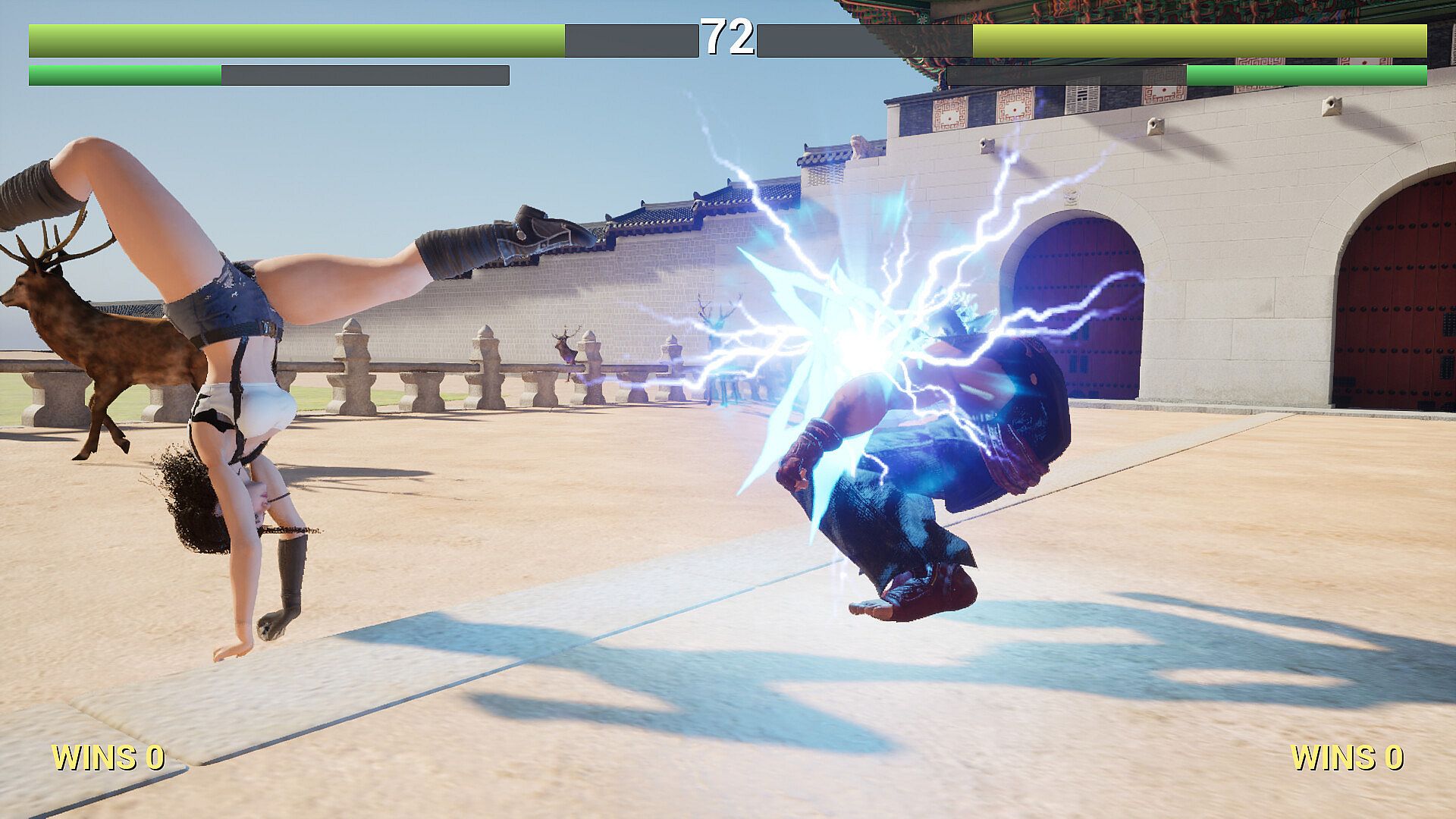
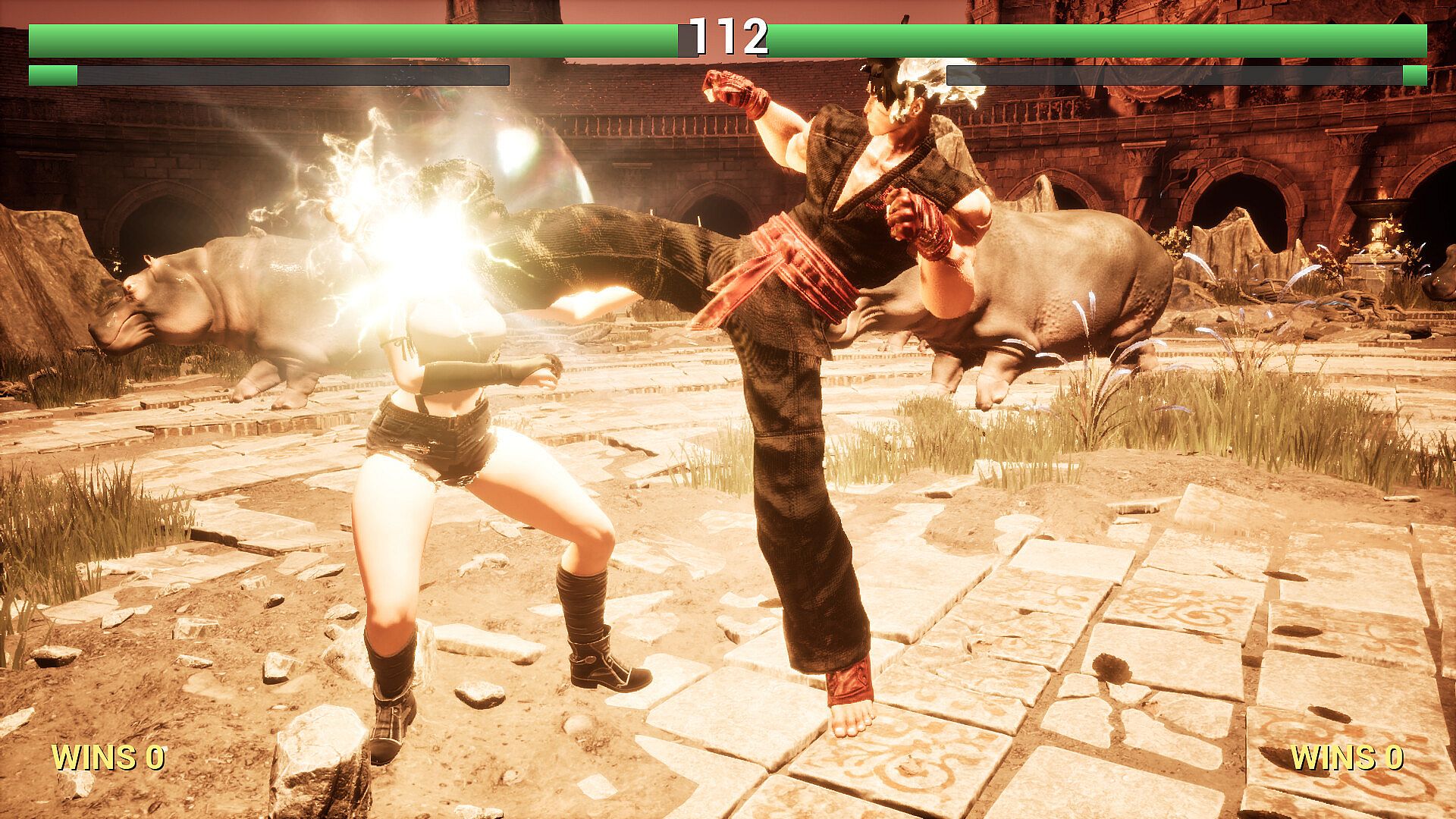
Every fighter accesses the full move table rather than a restricted personal list. The system includes quarter-circle, half-circle, and full 360 inputs along with sixty throws that range from basic hip tosses to power bombs. A four-stage rage charge builds during matches and powers uninterruptible attacks once filled. Hit detection uses frame-by-frame animation data instead of estimates, and paired throws rely on shared motion capture so both characters remain synchronized throughout the sequence. Ground fighting receives dedicated attention, with knockdowns leaving opponents vulnerable to stomps, punches, or follow-up wrestling moves.
Eleven stages feature full destructibility. Walls break after repeated impacts, poles topple, and loose objects scatter across the floor. Lighting shifts across rounds within a single match, moving from daylight through sunset into night and altering visibility and atmosphere as the bout progresses. The entire experience runs in Unreal Engine 5.8 under solo development, with local two-player support using gamepads already functional and drop-in play available mid-match.
Game Modes
Local one-versus-one matches form the core playable experience at present. Two players select from the current roster and fight across the destructible stages with full access to the shared 255-move set. Online multiplayer remains in testing, so remote sessions are not yet stable for public use. Plans exist to expand the roster toward sixty-four fighters and introduce a full tournament bracket structure, though those features sit outside the current build. A larger-scale battle royale format stands as a long-term goal rather than an available mode.
Roster and Setting
Thirty-four nations supply one fighter each, with an additional four characters carrying no flag. Nations represented include Norway, Taiwan, Germany, Spain, Ethiopia, Mexico, Argentina, Turkey, Japan, Mongolia, Singapore, Vietnam, the Philippines, Canada, the United States, Korea, Thailand, Indonesia, Bangladesh, Italy, the Netherlands, Ireland, Russia, Hungary, Pakistan, Finland, Sri Lanka, Egypt, India, China, Brazil, Ukraine, Sweden, and the United Kingdom. The characters and their backstories originated in the 75,000-word novel Seraphim published in 2025, giving the roster narrative roots that predate the game engine work.
Is It Worth Playing?
The game targets players who value technical depth in fighting systems and cultural variety in character movement. Local two-player sessions already deliver the complete move library and environmental interaction on eleven stages, making it suitable for couch play or practice with a second controller. Because development continues with online features still in testing and the roster scheduled to grow, the experience suits those comfortable with an evolving title from a single-person studio. Fans of precise frame data, shared move pools across a large cast, and destructible arenas will find the current local play rewarding once the build reaches a stable release state. Those seeking immediate large-scale online battles or finished battle royale modes should monitor progress before committing time.