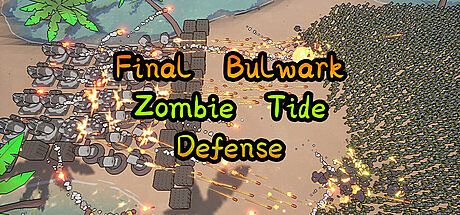





Final Bulwark: Zombie Tide Defense is a single-player strategy game that combines base building with tower defense mechanics. Players take command of a fortress under siege by zombies and must manage resources across a day and night cycle while constructing defenses to survive escalating waves of attacks.
Gameplay
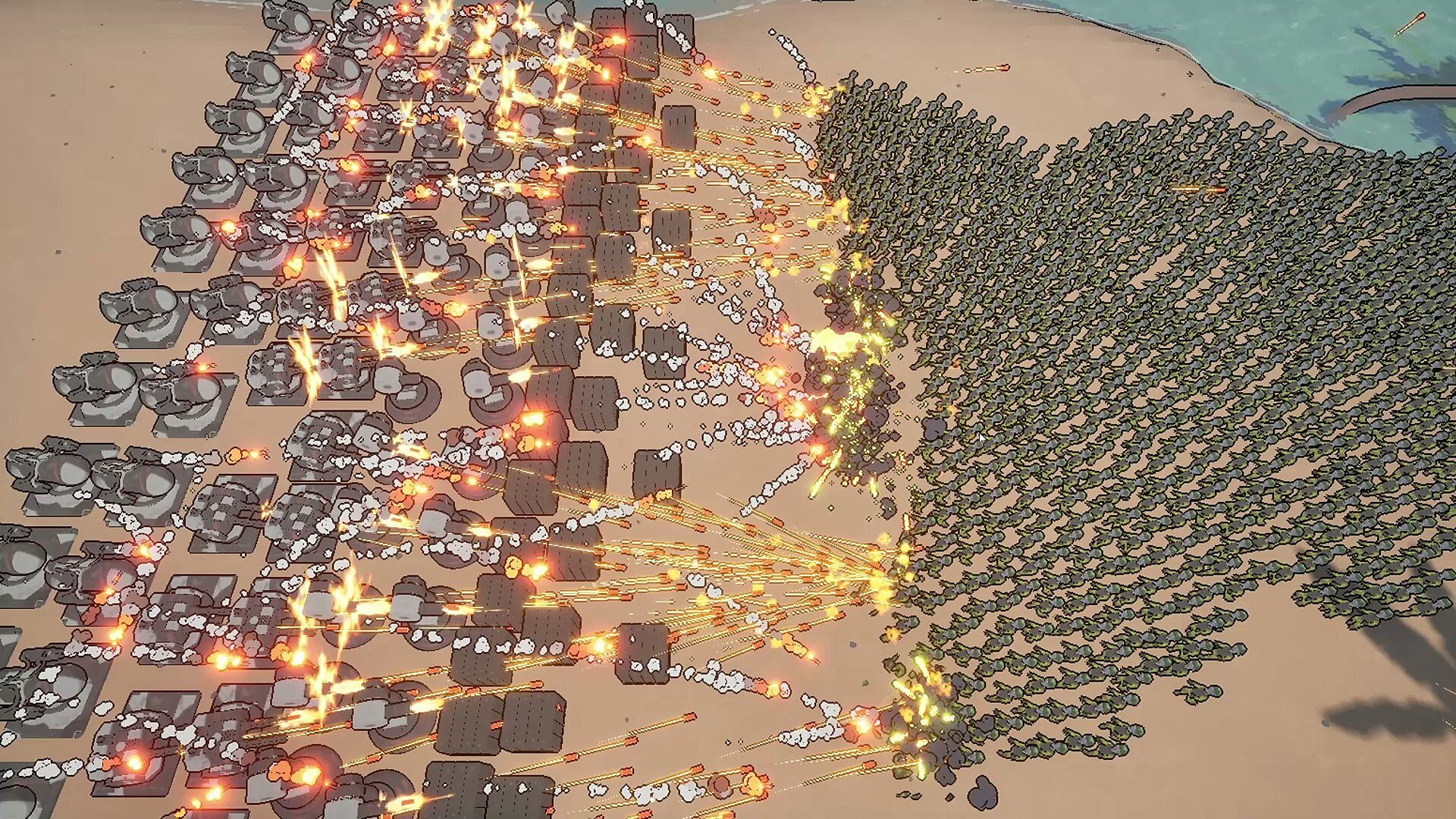
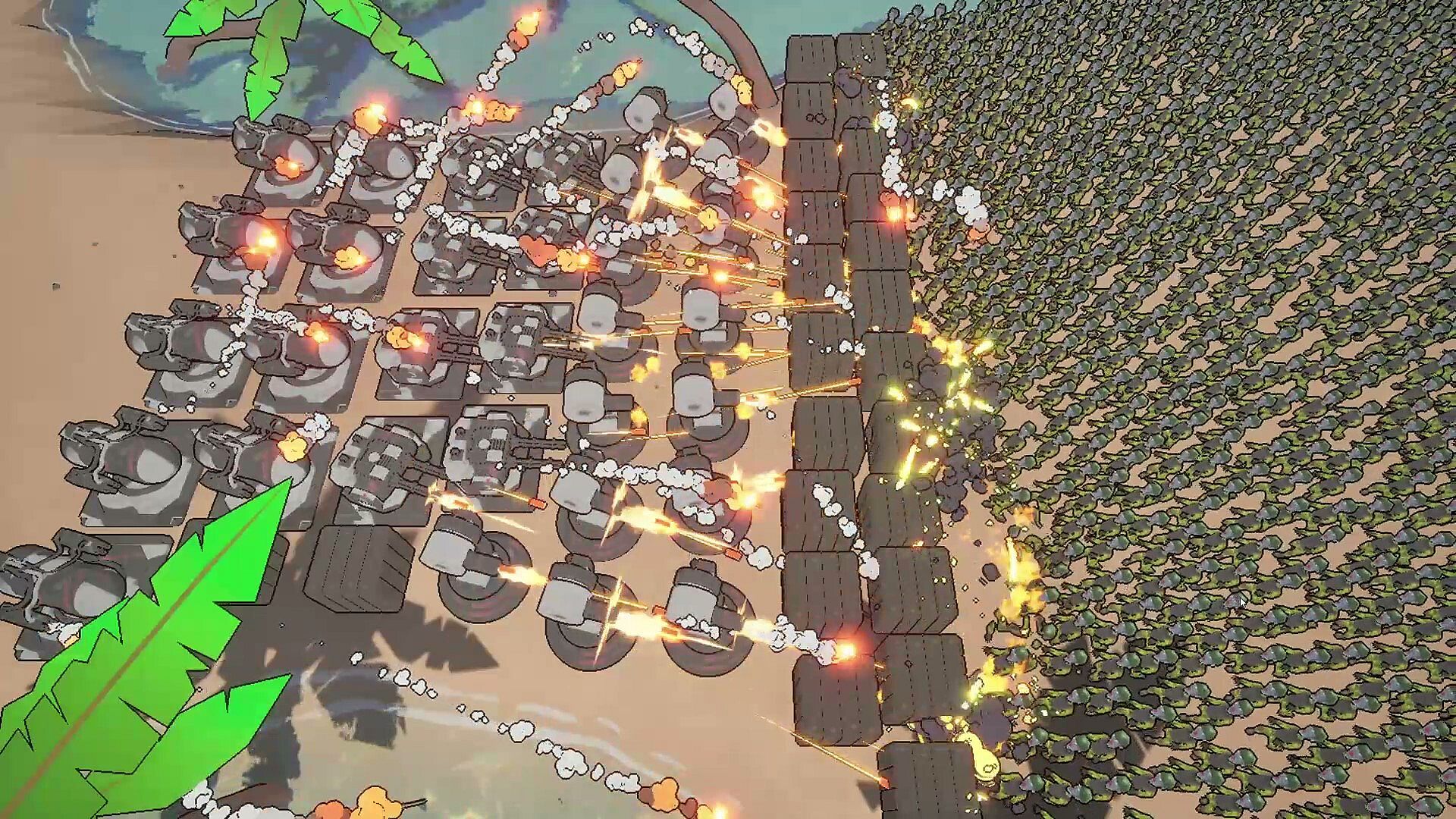
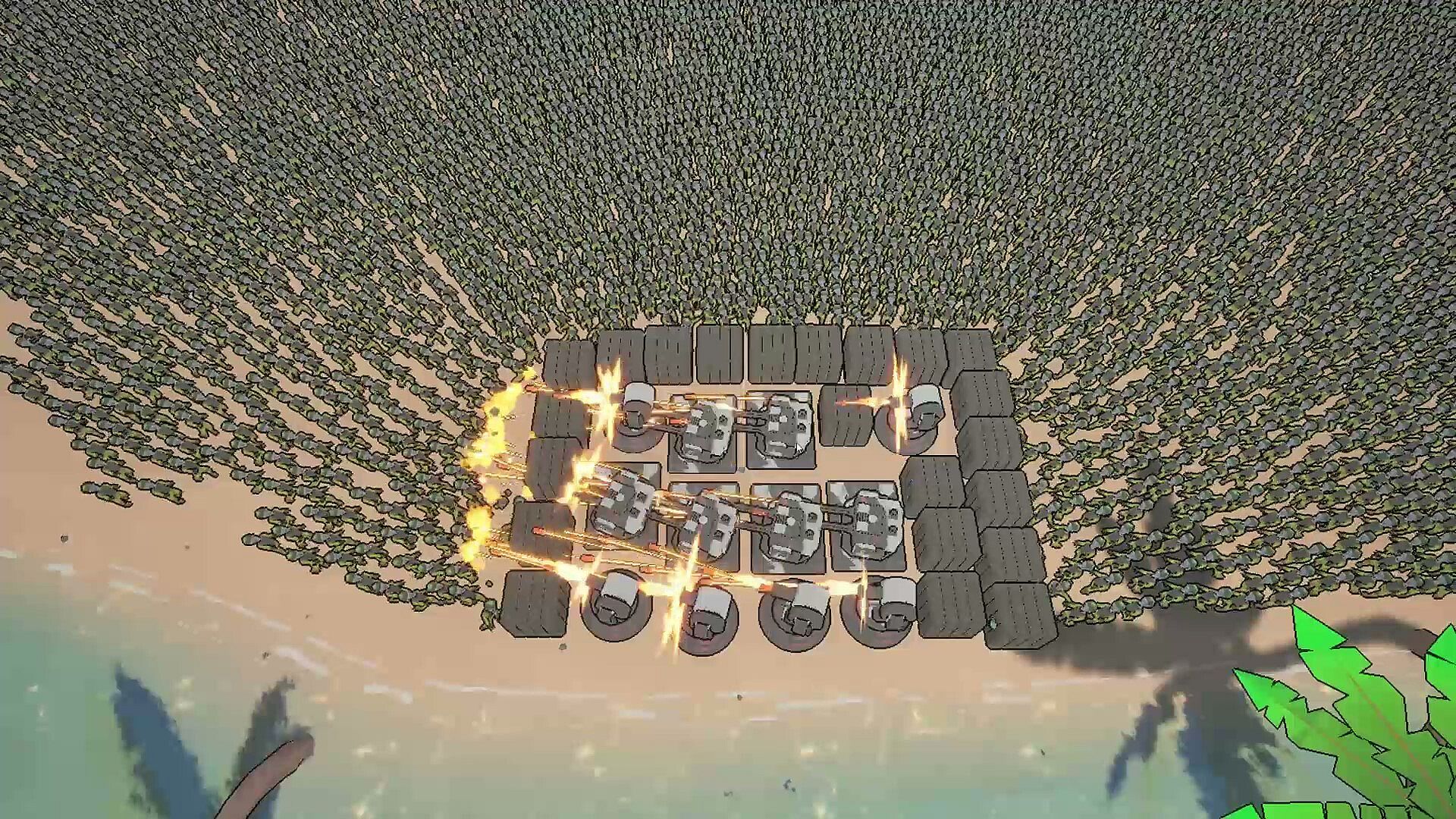
The core loop centers on planning and expanding a base layout using limited materials. Walls and watchtowers form the foundation, and players decide whether to create winding paths that funnel enemies or focus on dense, fortified positions. This layout directly influences how effectively incoming hordes can be slowed or eliminated.
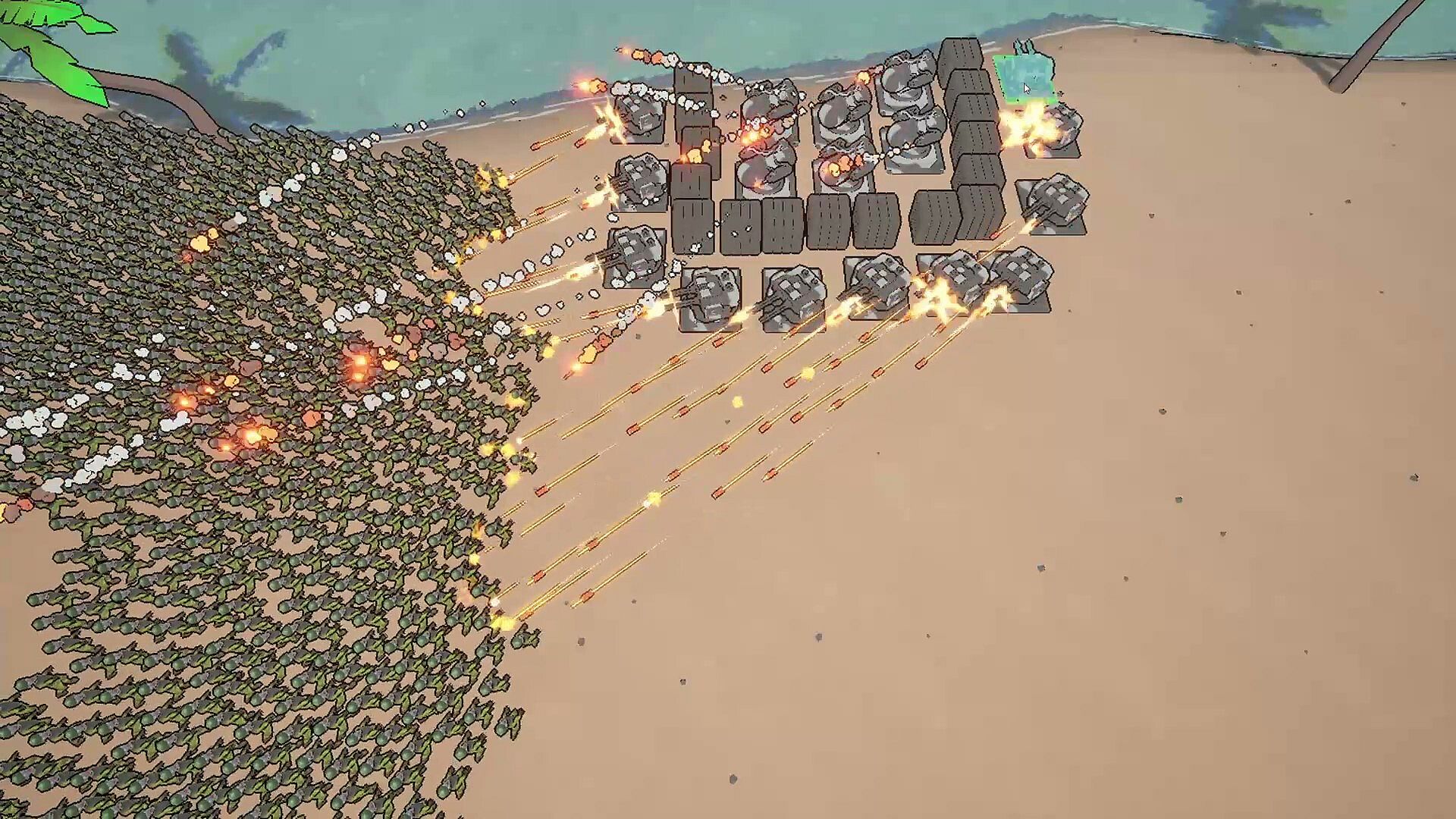
Defensive structures include more than ten varieties such as machine gun turrets, laser turrets, electromagnetic pulse cannons, and missile turrets. Positioning these units to cover terrain blind spots creates overlapping fields of fire that can reduce large groups of zombies to ash. Upgrades to the tech tree improve these weapons over time and adapt them to new threats.
Daytime phases emphasize resource gathering. Zombies are weaker during daylight hours, allowing players to expand outward, claim resource facilities with watchtowers, and stockpile materials. Nighttime shifts the focus to defense as stronger zombie forces launch full assaults. Resources collected earlier must be allocated carefully to maintain the fortress through the darkness.
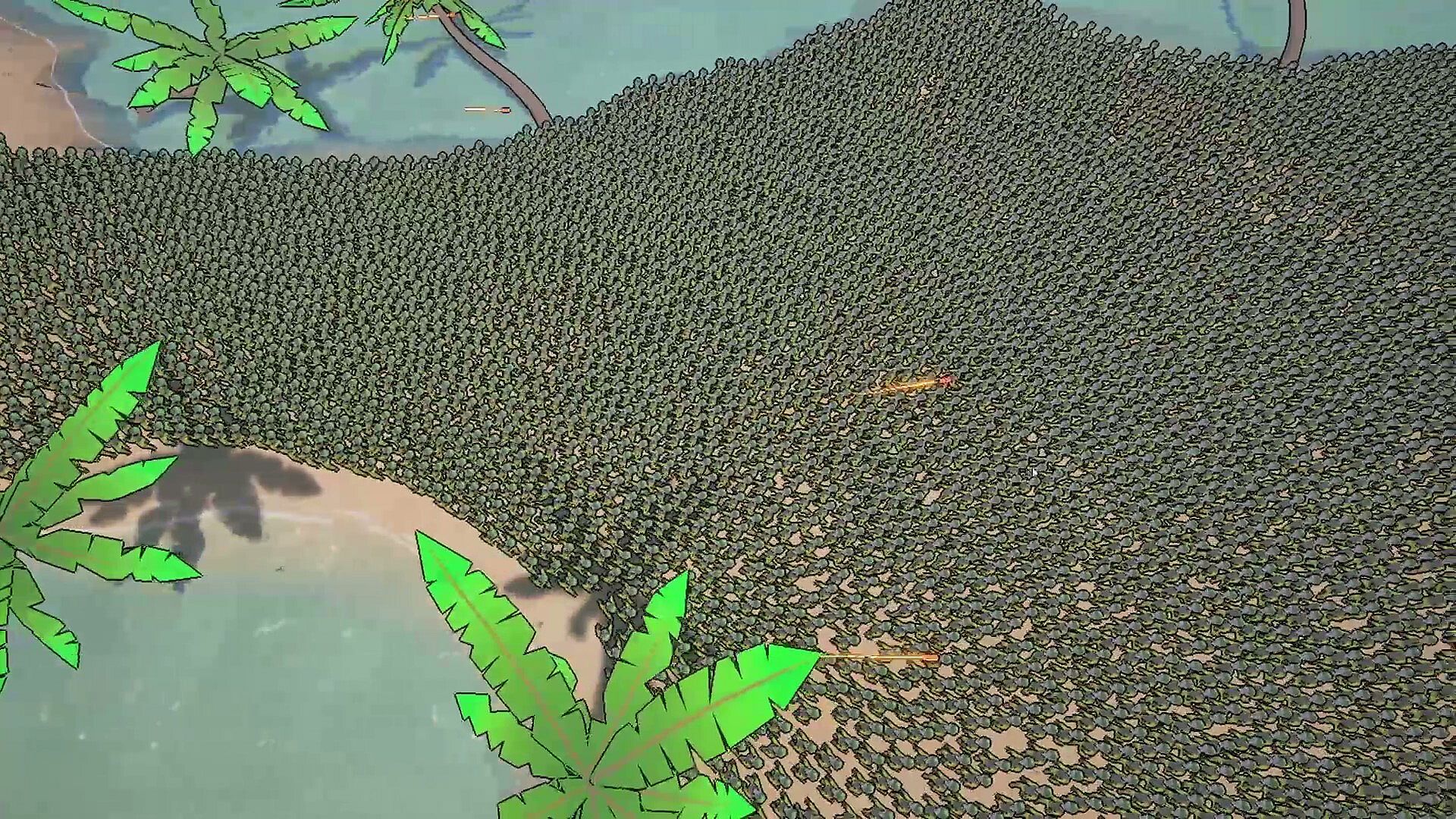
Enemy variety increases with each wave. Standard zombies give way to massive mutants, self-destructing variants, and specialized foes such as the Zombie Doctor. Continuous upgrades to defenses and permanent attribute improvements earned after defeats help players adapt strategies and extend survival times on subsequent attempts.
Game Modes
The game operates entirely in a single-player format with no multiplayer components. Progression follows a wave-based structure integrated with the day and night cycle. Each cycle requires balancing production during the day against heightened threats at night, and failure provides resources for lasting base enhancements rather than restarting from scratch.
Players manage a persistent fortress that carries forward improvements across attempts. The emphasis remains on studying enemy patterns, refining placement of defenses, and optimizing resource use within the repeating daily rhythm. No separate modes or variations beyond this core survival loop are present.
Key Mechanics and Progression
Resource management ties directly to the day-night transition. Materials gathered in daylight fund both expansion and defensive preparations, while nighttime demands efficient spending to counter stronger enemies. The tech tree unlocks new structures and upgrades that address evolving zombie types.
Permanent progression comes from post-defeat rewards. These bonuses strengthen base attributes and encourage repeated playthroughs with adjusted tactics. Terrain features and blind spots add another layer of strategic depth when arranging turrets and barriers.
Is It Worth Playing?
Final Bulwark: Zombie Tide Defense suits players who enjoy deliberate strategy and tower defense games with resource cycles. The day-night system adds a distinct rhythm that separates production from combat phases, and the permanent upgrades after losses reduce frustration while rewarding experimentation.
As a single-player indie title on PC, it offers focused gameplay without external distractions. The absence of reviews at launch means expectations should rest on the described mechanics rather than community consensus. Those drawn to base-building defense against escalating zombie threats will find a self-contained experience centered on planning, adaptation, and incremental improvement.