




Formula Rogue is a strategy simulation racing game that blends motorsport management with roguelite deckbuilding mechanics on PC. Players act as team principals rather than drivers, issuing commands through radio cards to guide two drivers across full race weekends. The core loop centers on drawing hands, managing radio points, and adapting to dynamic race conditions like weather shifts, safety cars, and mechanical issues.
Gameplay
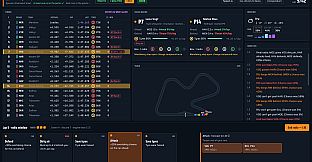
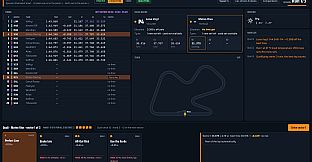
The gameplay revolves around three distinct decks tied to each race weekend. One deck handles practice sessions where players gather data through strategic plays. A second deck focuses on qualifying, emphasizing lap times and positioning. The third deck drives the race itself, incorporating tactical decisions such as tyre management, overtaking maneuvers, and defensive positioning. Radio windows open during key moments, allowing players to spend points on actions like pushing for pace, conserving resources, or disrupting rivals with dirty air tactics and undercut threats.
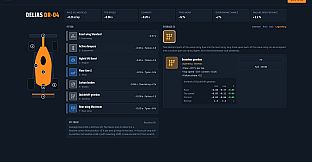
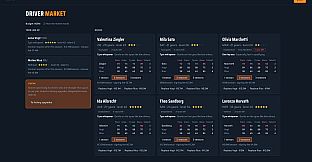
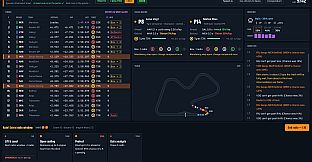
Live simulation elements bring the track to life with a visible map, pit lane activity, and events including red flags. Changing weather forces real-time tyre choices, shifting from wet to dry compounds as conditions evolve. Drivers possess individual traits that influence performance, along with opportunities for level-ups and signature cards that add unique abilities. Between events, players manage a headquarters where they recruit drivers under contracts, acquire and upgrade car parts across rarity levels, and pursue sponsor objectives that carry risks and rewards.
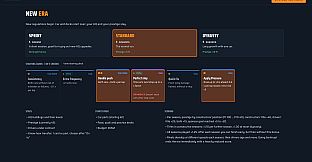
Regulation changes reset car development each era while preserving team prestige, accumulated legends, and headquarters upgrades. This creates a persistent progression system where factory improvements and historical achievements carry forward across multiple seasons.
Game Modes
Formula Rogue structures play around weekend runs that incorporate separate decks for practice, qualifying, and the main race. Each weekend functions as a self-contained roguelite session where success on the podium unlocks new cards for deck customization. Players adapt strategies on the fly within a single race through card plays that respond to emerging threats like protests or mechanical failures.
Progression spans multiple eras, with each new regulation cycle presenting fresh challenges while building on prior team strengths. The system encourages experimentation with driver pairings, part combinations, and sponsor deals across repeated runs. No separate multiplayer modes appear in the design, keeping focus on single-player management and deckbuilding depth.
Team Building and Progression
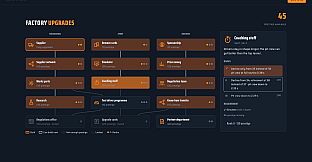
Driver recruitment forms a key layer, with each signing bringing traits, contracts, and signature cards that shape long-term strategy. Part management involves buying, researching, fusing, and scrapping components to optimize the car for different eras. A factory upgrade tree rewards consistent performance by unlocking permanent improvements that survive regulation resets.
Sponsor events and partner deals add variety between races, often presenting high-stakes choices that influence resources and reputation. The team museum tracks records, careers, and milestones, providing a record of achievements that grows with repeated playthroughs.
Customization and Community
Players can create custom drivers, sponsors, and tracks. Circuits support hand-drawn designs or imports via real-world GeoJSON data. These creations integrate with a mod editor and Steam Workshop sharing system, allowing community contributions to expand the available content pool.
Accessibility options include colorblind modes and adjustable text sizes to support broader player participation. The single-player focus keeps all systems centered on personal strategy refinement rather than competitive matchmaking.
Is It Worth Playing?
Formula Rogue targets fans of racing management simulations who enjoy roguelite elements like deckbuilding and run-based progression. The combination of radio command decisions, adaptive race tactics, and persistent team development across eras offers a distinct approach to the genre. Since the game remains unreleased with a planned 2027 launch and no reviews available yet, its appeal rests on the described systems for those seeking deep strategic layers in a motorsport setting. Players who value single-player experiences with strong customization and adaptation mechanics may find it a strong fit once available.












