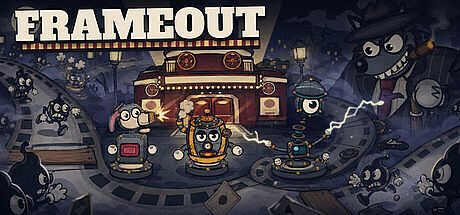


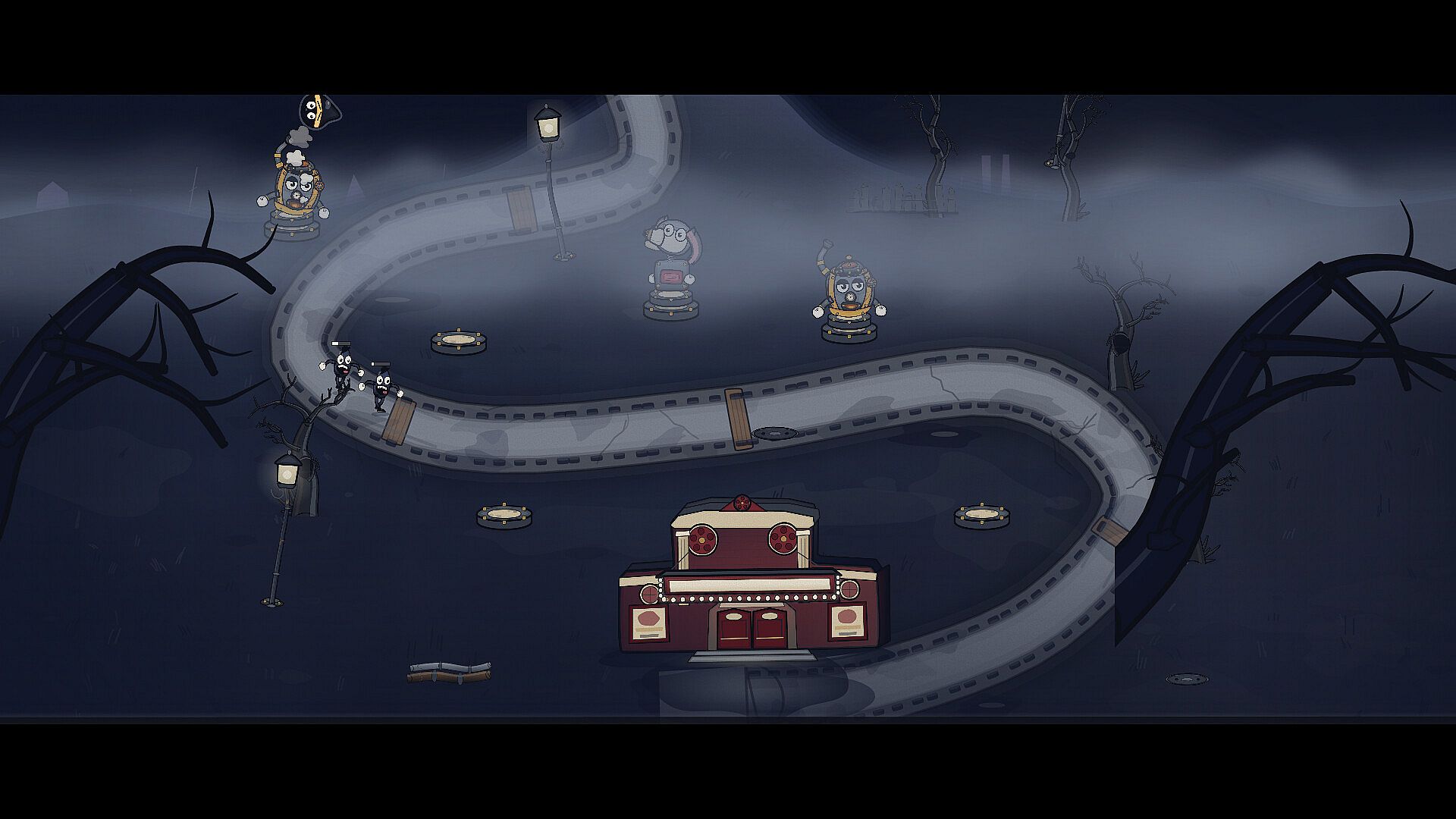
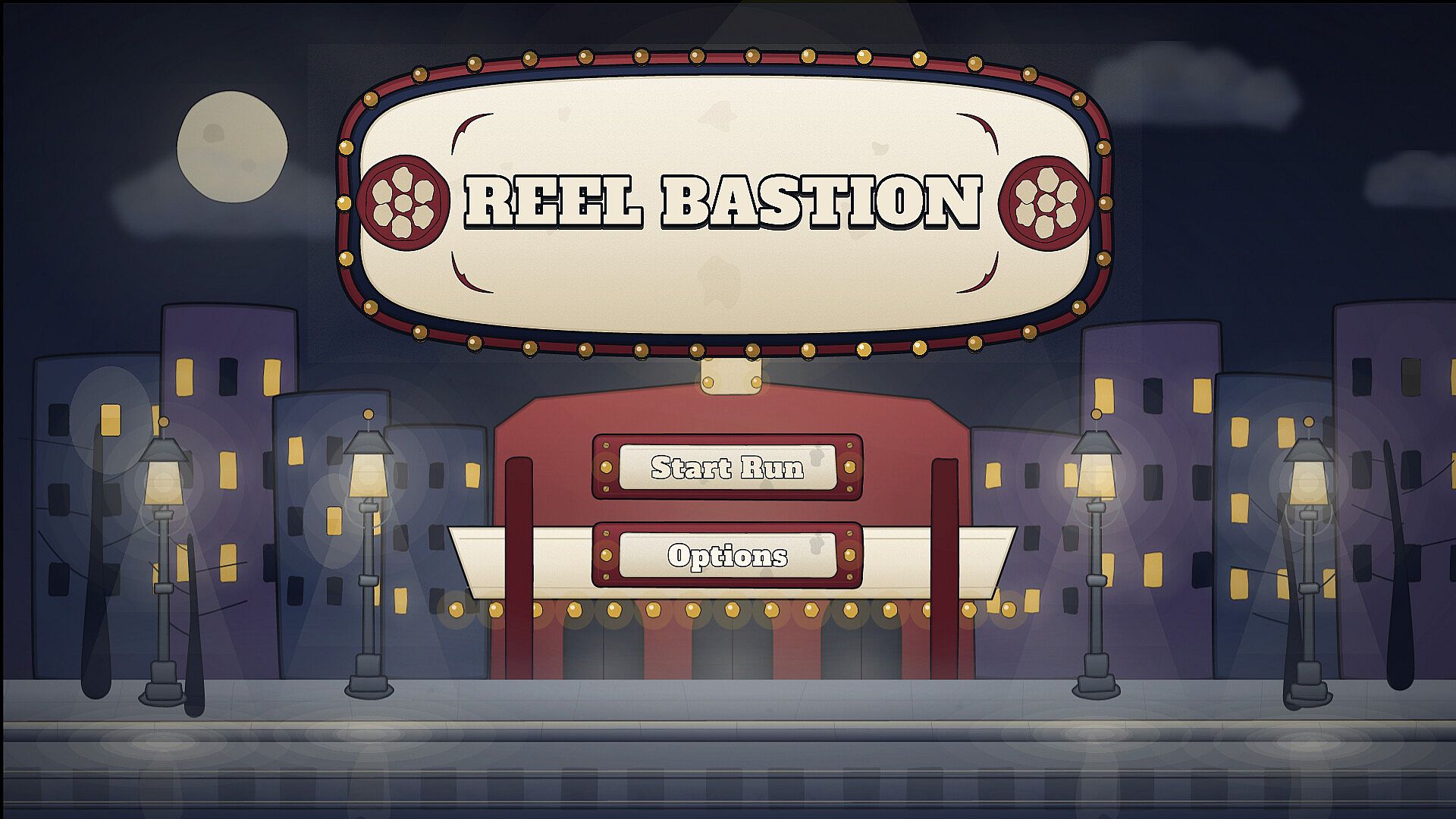
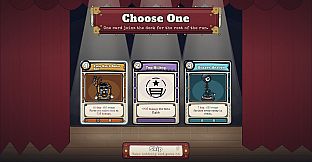
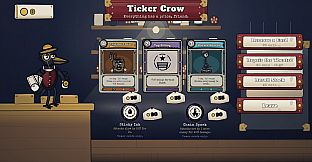
FRAMEOUT is a single-player strategy indie game for PC that blends roguelike deckbuilding with real-time tower defense. Players construct a deck of cartoon contraptions and deploy them as active towers to defend the Grand Flicker Theatre from waves of enemies marching down a filmstrip road. The core loop revolves around drawing cards, spending Ink to place towers on the battlefield, and using support effects to adapt defenses on the fly while managing persistent health across a full run.
Gameplay
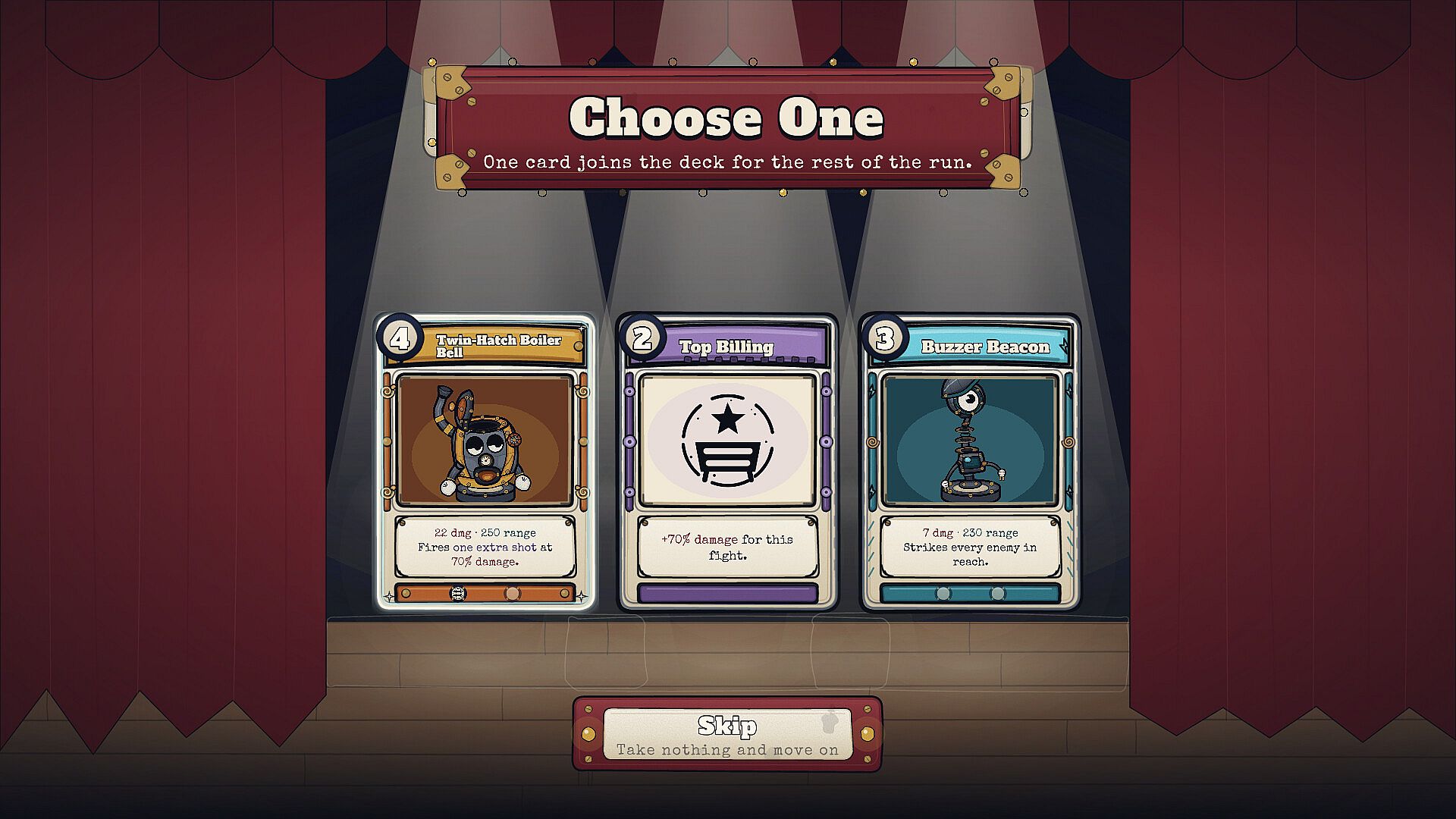
The gameplay centers on turning a hand of cards into physical defenses. Tower cards such as Popgun Pup, Boiler Bell, and Buzzer Beacon leave the deck and occupy positions on the street, where they attack incoming threats with distinct behaviors like rapid fire, area bombs, or shock effects. Ink replenishes only after clearing a wave, forcing deliberate choices about when to expand the board or conserve resources for later threats. Support cards provide temporary boosts during a fight, such as extending range or linking attacks, while placement and timing determine whether a defense holds or collapses under pressure.
Deck cycling follows a standard draw-to-hand-to-discard flow that shuffles back together after exhaustion. Enemies arrive in escalating waves that include swarms, armored units, splitting foes, and larger bosses, each requiring specific counters learned through repeated runs. Player controls allow manual wave starts, pausing, autoplay, and speed adjustments to suit different pacing preferences during intense sequences.
Game Modes
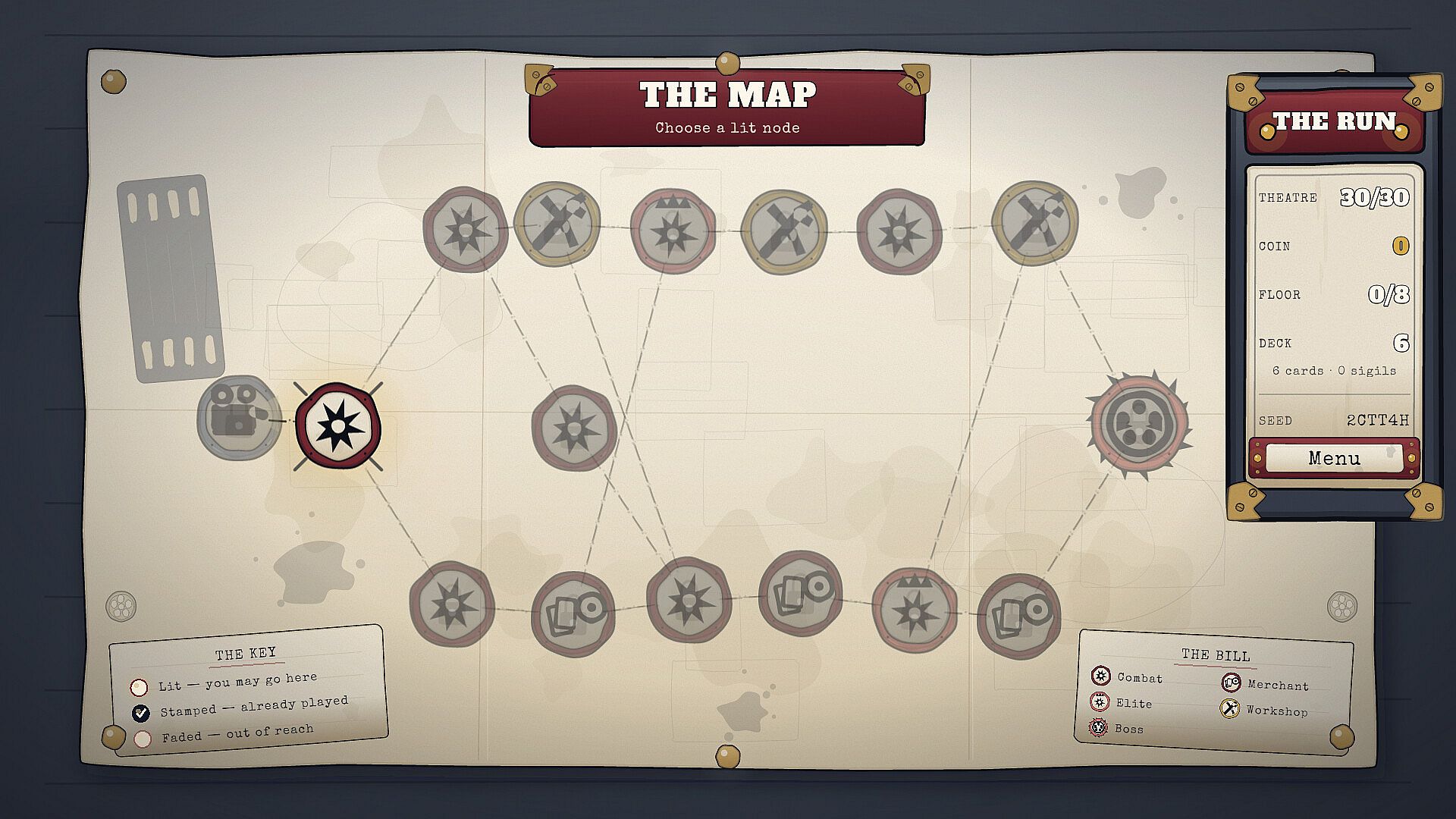
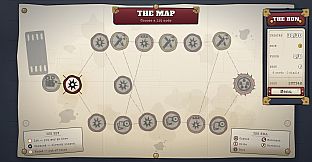
The game operates as a single continuous roguelike run structured across eight floors leading toward a final confrontation. Branching paths present combat encounters that expand the deck, elite battles that yield stronger rewards, workshops for permanent upgrades, and merchant stops for new acquisitions or repairs. No separate multiplayer or alternative modes exist; every session follows this route-based progression where choices compound across the entire attempt.
Persistent theatre health carries forward between fights, meaning damage sustained early influences later decisions and encourages careful route selection over the safest available path. The structure emphasizes experimentation within a compact session length rather than extended campaigns or repeatable side activities.
Deck Building and Customization
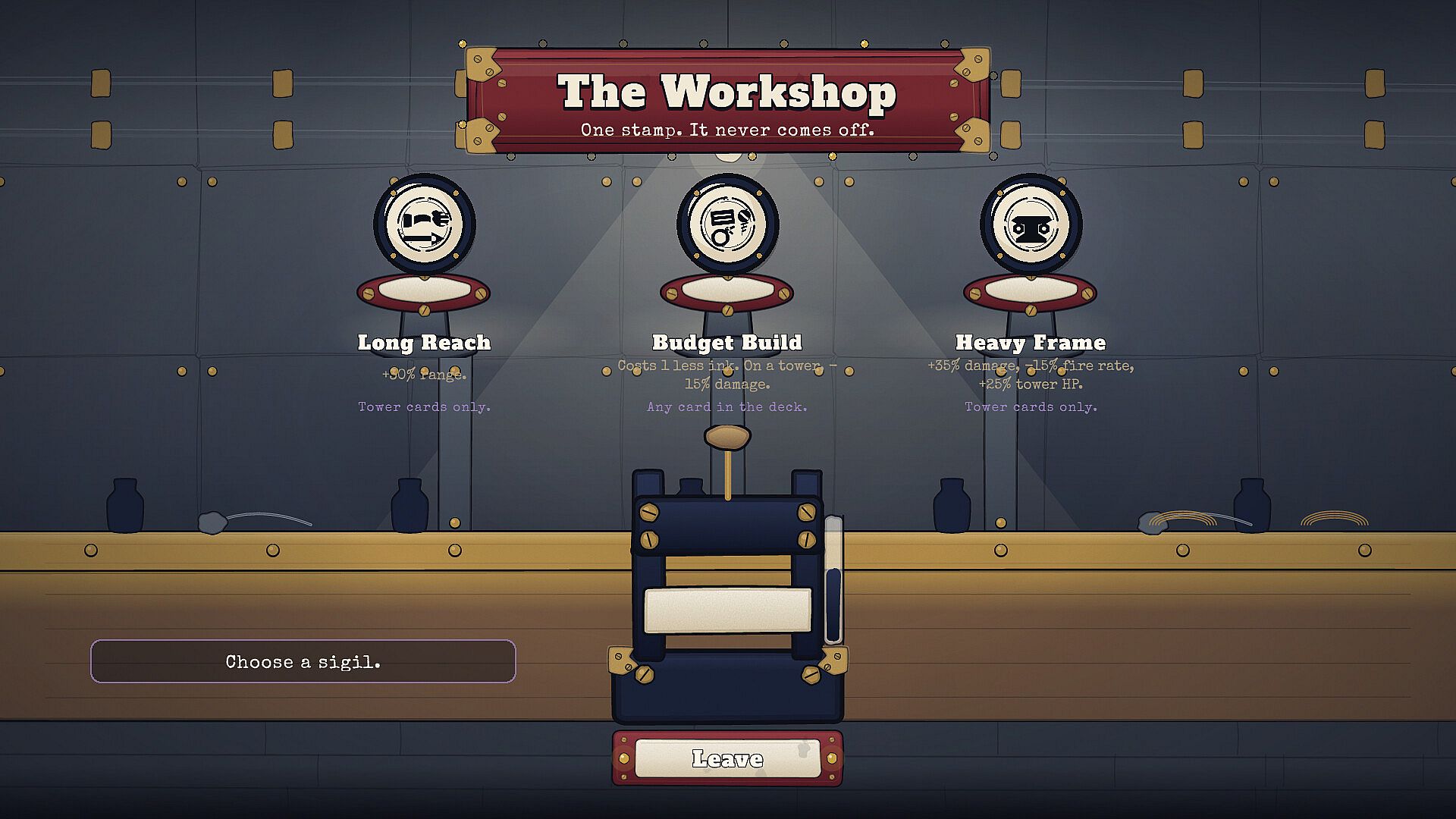
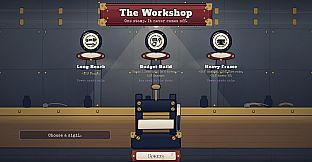
Deck construction begins with core tower cards and expands through combat rewards and purchases. At workshops, players apply up to two permanent sigils per card to alter properties, such as adding extra shots, slowing enemies, increasing power at the cost of speed, or reducing costs. These modifications reshape how familiar towers function across multiple runs without altering the base set of cards available.
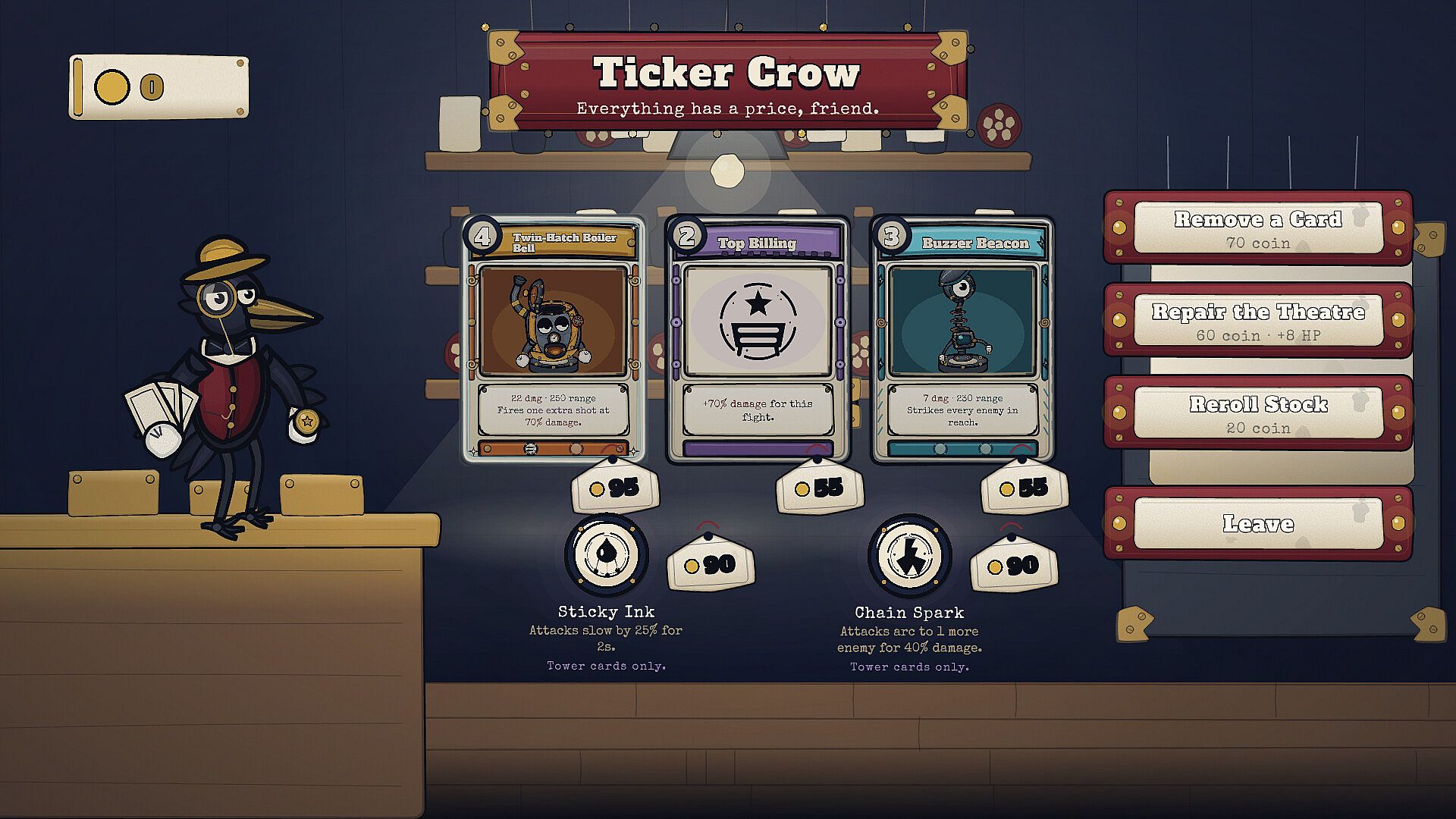
Merchant interactions involve spending limited coin on new cards, rerolls, removals, sigil investments, or structural repairs. Resource scarcity ensures that every purchase carries trade-offs, and dead cards in the deck can be culled to improve draw consistency over time. The system rewards focused builds around synergistic towers and supports while discouraging overly broad collections that dilute key draws.
Art and Presentation
Visuals draw from 1930s cartoon aesthetics complete with film grain, scratches, line boil, and dynamic audio that responds to on-screen action. Enemies and towers feature distinct, readable designs that aid quick identification during fast-paced waves. The overall presentation supports clear decision-making without visual clutter, aligning with the game's emphasis on tactical readability over spectacle.
Is It Worth Playing?
FRAMEOUT remains in a coming-soon state with no released version or player reviews available at this time. Its single-player focus on roguelike deckbuilding fused with tower defense placement will appeal to those who enjoy managing resources across branching runs, experimenting with card upgrades, and adapting defenses to varied enemy compositions. The persistent health system and limited coin economy add tension to route choices, while controls for wave pacing and speed provide flexibility for different play styles. Potential players interested in compact indie strategy experiences centered on readable mechanics and repeated attempts may find the described systems engaging once the game launches. Those seeking multiplayer options or established review data should monitor future updates for confirmation of release and reception.