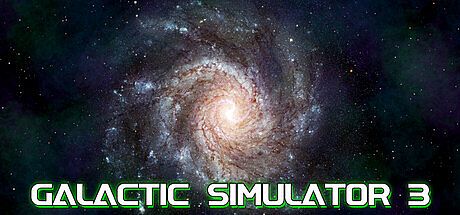





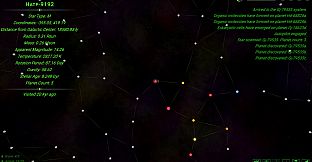
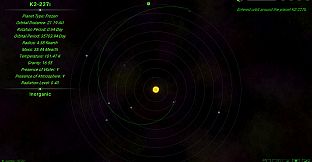
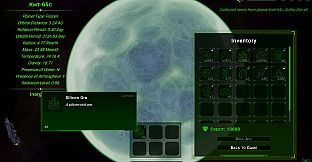

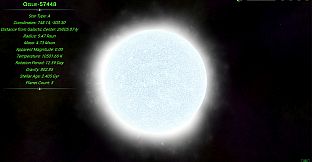
Galactic Simulator 3 is a strategy simulation game for PC that places players in the role of an interstellar explorer navigating the Fermi Paradox and the Great Filter. Humanity has already passed its own great challenges to become a spacefaring species, and the task now involves venturing beyond the Solar System to observe how life and civilizations develop or fail across thousands of stars. The experience blends simulation depth with strategic decision making as players manage limited resources while charting an ever expanding galaxy.
Gameplay
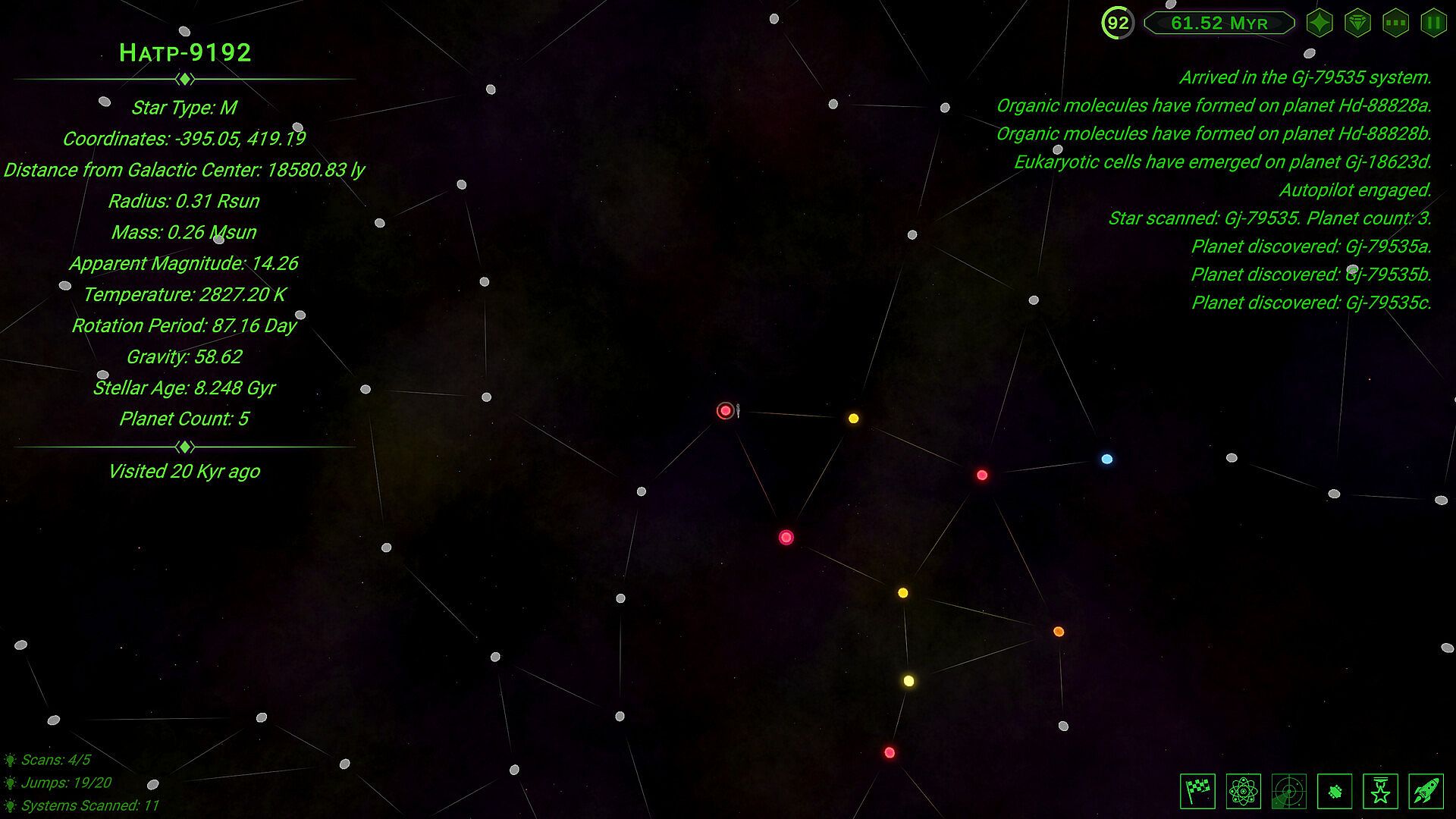
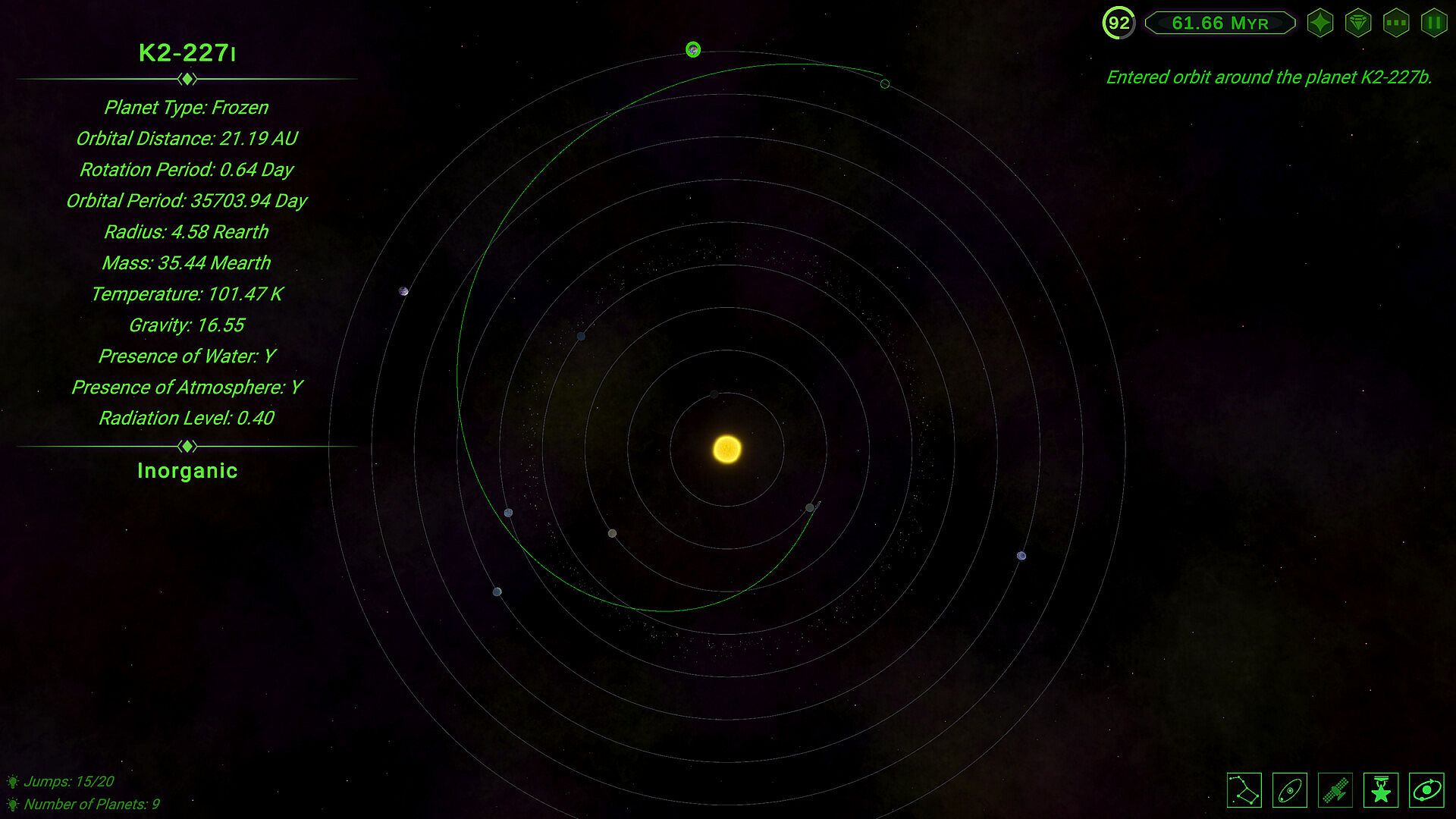
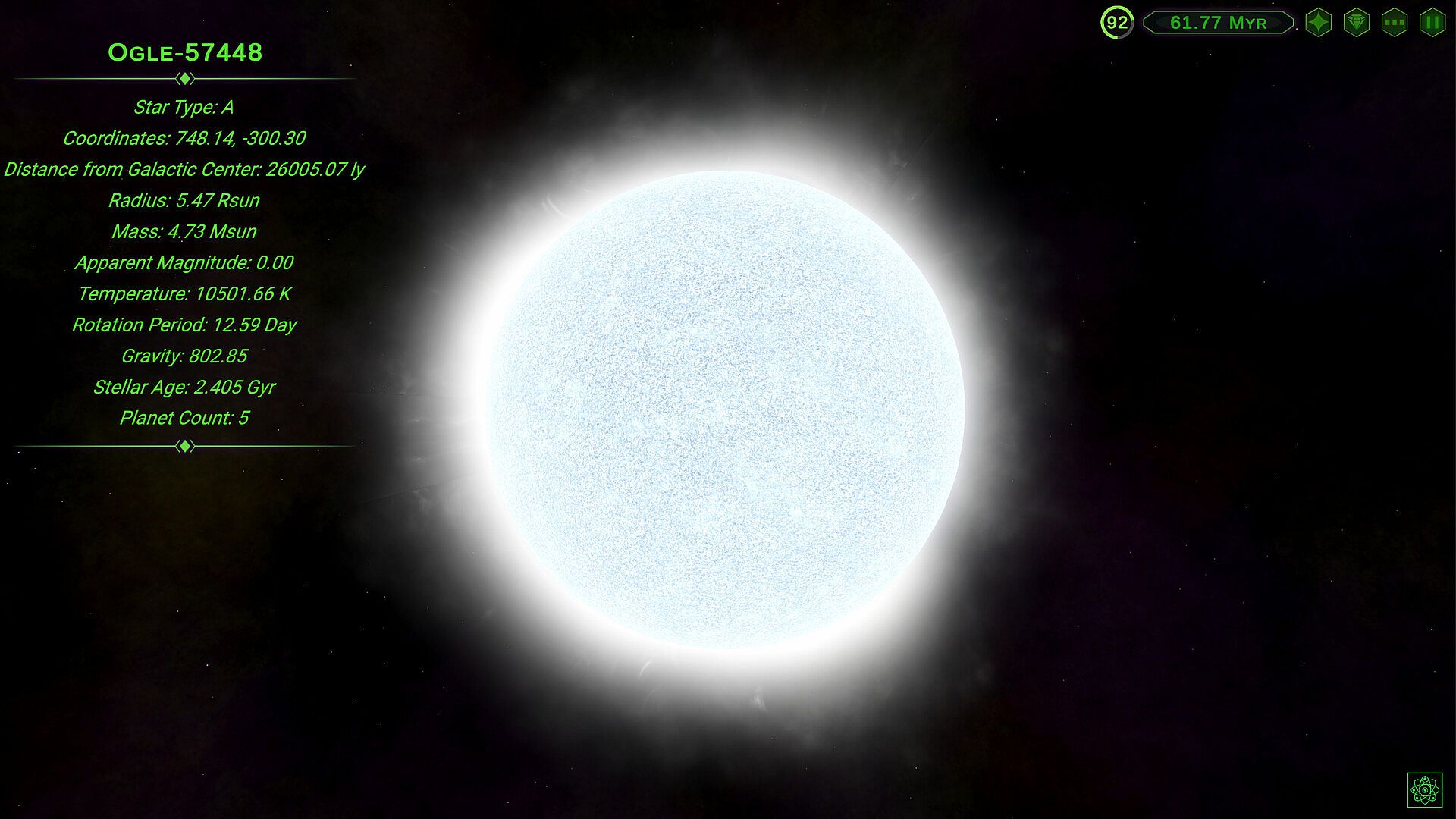
The core loop centers on planning and executing expeditions across a procedurally detailed galaxy containing tens of thousands of stars. Each expedition provides a fixed number of scans and interstellar jumps, requiring careful route planning between systems while tracking starship fuel and survey probes. Players navigate star systems in real time, moving between stellar and planetary orbits to inspect celestial bodies up close. Every star and planet features unique visual designs and physically inspired properties that influence evolutionary outcomes.
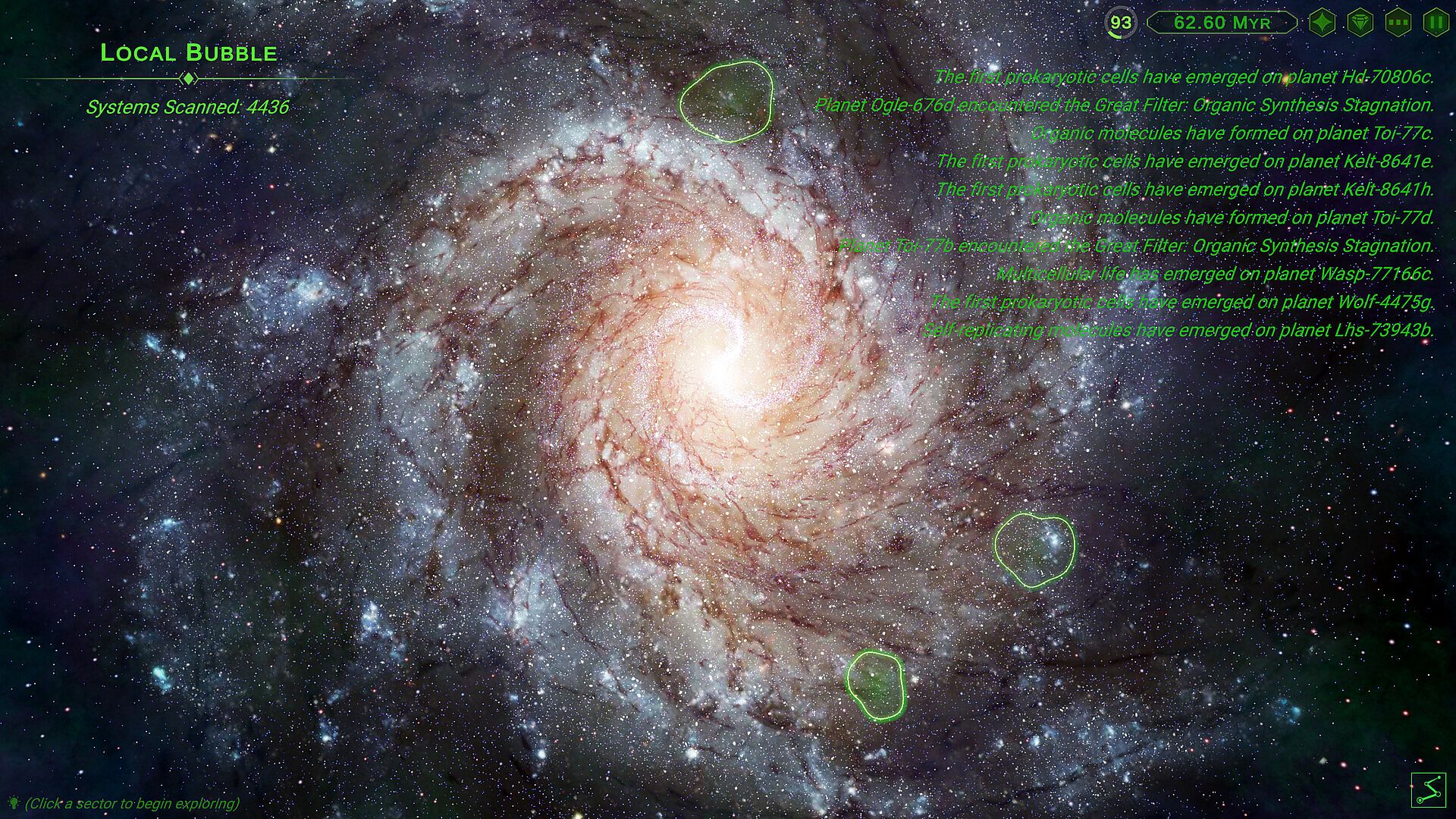
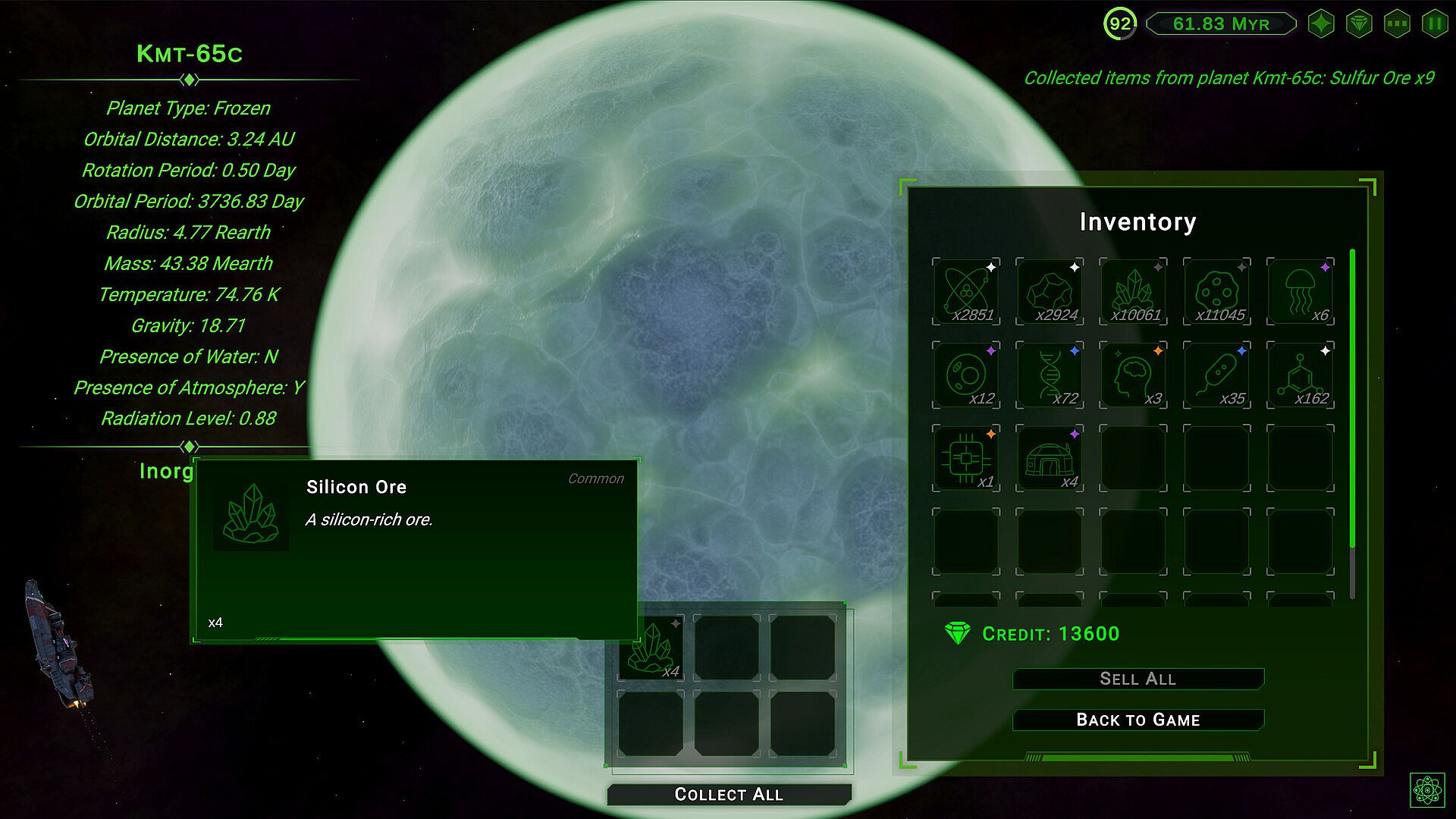
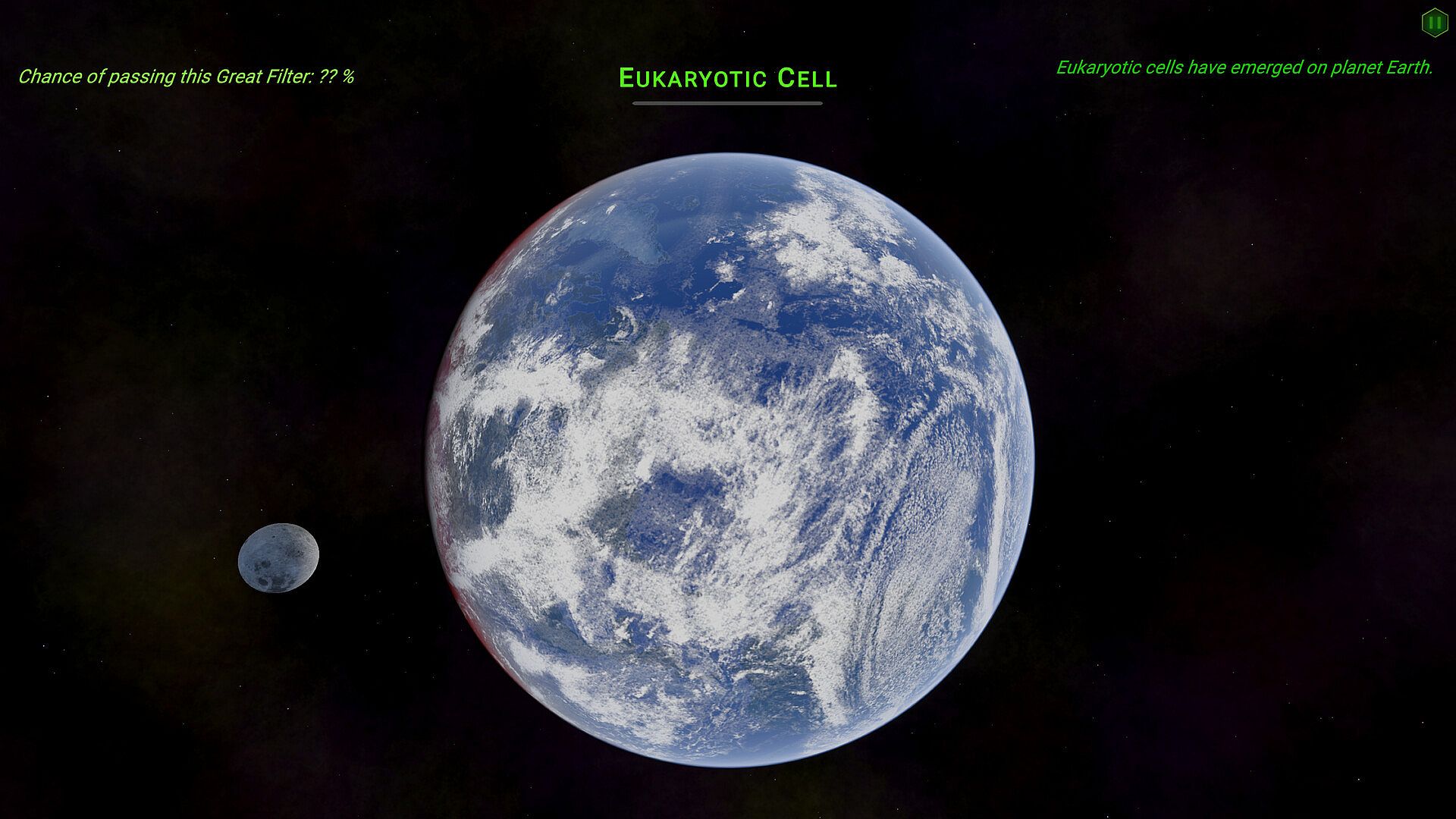
Surveying yields minerals, organic matter, biological samples, and research data on intelligent life. Discovered planets advance through thirteen distinct evolutionary stages, beginning with inorganic matter and progressing through organic molecules, self replicating molecules, prokaryotic cells, eukaryotic cells, multicellular organisms, intelligent organisms, tribal society, agricultural society, industrial civilization, planetary civilization, interplanetary civilization, and interstellar civilization. Physical conditions on each world determine how far development can proceed, yet no outcome is guaranteed.
The Great Filter introduces constant risk. Events such as asteroid impacts, extreme radiation, ice ages, greenhouse effects, ecosystem collapse, supervolcanic eruptions, global pandemics, nuclear disasters, resource exhaustion, war, uncontrolled artificial intelligence, and cosmic catastrophes can halt, reverse, or end progress on any world. Automatic exploration options allow the ship to jump, scan, and investigate systems independently, while players can also establish outposts and activate stargates to unlock new sectors and extend the frontier.
Game Modes
Galactic Simulator 3 operates as a single player simulation focused on expedition management and long term observation. The primary structure revolves around repeated survey runs where players balance exploration range against resource limits. Bookmarking promising targets and prioritizing signals of resources or advanced life form the main strategic choices during each outing. No separate competitive or cooperative modes appear in the current design, keeping the emphasis on solitary galactic surveying and evolutionary tracking.
Evolutionary Simulation and Discovery
Progression ties directly to the Drake Equation concepts embedded in the simulation. Players track factors such as star formation rates, planetary system fractions, habitable planet counts, and the emergence of detectable civilizations. The scale allows for simultaneous monitoring of many systems, with cosmic time advancing as exploration continues. Some planets remain barren or host only simple life, while rare cases reach interstellar stages before external filters intervene.
Close range inspection of celestial bodies provides the data needed to understand why certain worlds succeed or fail. This creates a feedback loop where earlier survey decisions influence later discoveries, encouraging repeated expeditions with refined strategies for fuel management and target selection.
Is It Worth Playing?
Galactic Simulator 3 suits players who enjoy thoughtful strategy and simulation experiences centered on space exploration and long term evolutionary processes. The detailed planetary stages and filter events deliver consistent strategic depth without requiring constant input once automatic systems are enabled. Availability on PC makes it accessible for those interested in the Fermi Paradox themes presented through interactive simulation rather than narrative storytelling. Early player feedback highlights the satisfaction of uncovering rare interstellar civilizations amid widespread silence, though the game remains in its initial release phase with ongoing potential for expanded content. Those seeking a deliberate, observation driven title will find the mechanics align closely with the described systems.