



Gaming Couch is a browser-based collection of action-oriented party games designed for local multiplayer sessions with one to eight players on PC. It emphasizes quick, competitive mini-games that reward fast reactions and social interaction over complex controls or long commitments.
Gameplay
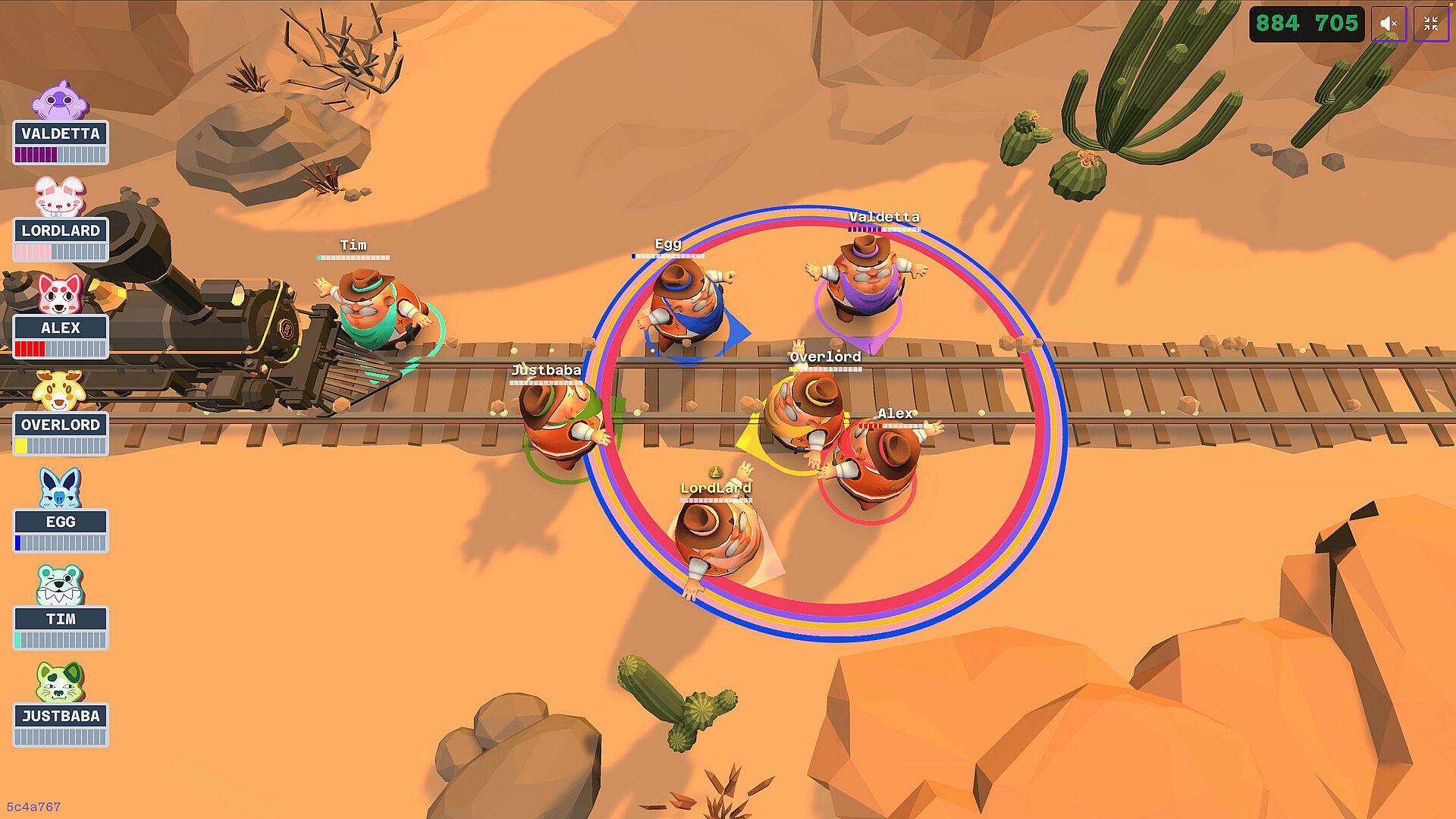
The core loop revolves around short rounds that typically last under a minute. A designated host launches a session on a shared screen, after which other participants join by scanning a QR code with their phones or connecting compatible controllers. Each player receives a distinct color for easy identification during play. Rounds focus on direct competition, whether through survival mechanics, point accumulation, or elimination. Scores track across multiple rounds, building toward an overall winner at the end of a playlist. The system supports both in-person couch gatherings and remote participation when the host streams the screen and audio through common video tools.
Controls remain straightforward to accommodate varied skill levels. Phones serve as primary input devices through simple touch gestures, while physical gamepads offer an alternative for those who prefer them. Warm-up rounds allow everyone to practice mechanics before scored play begins. Voting between rounds lets the group influence the next selection, keeping sessions dynamic and responsive to the room's energy. The emphasis stays on immediate chaos and rivalry rather than strategy or progression systems.
Game Modes
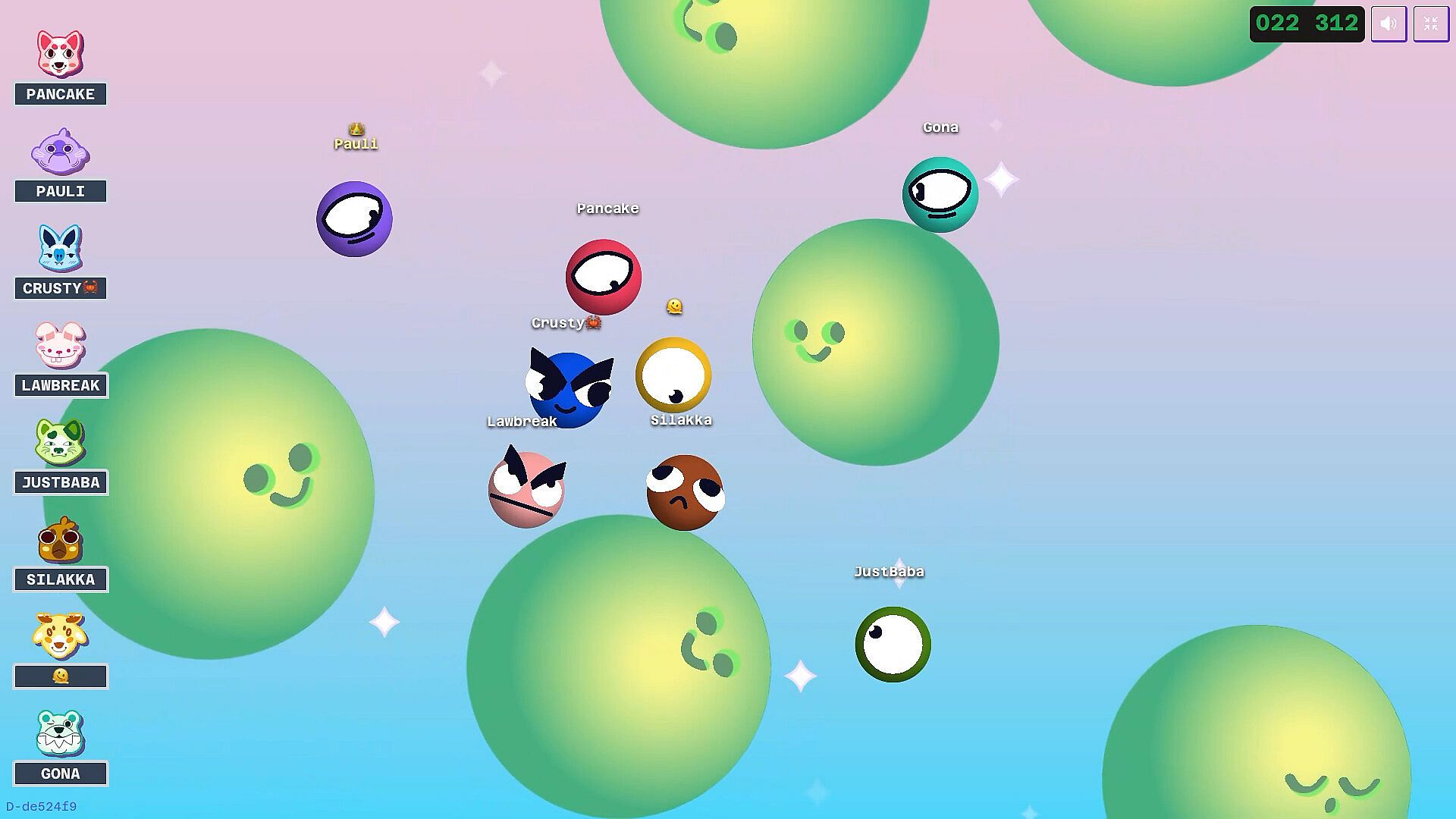
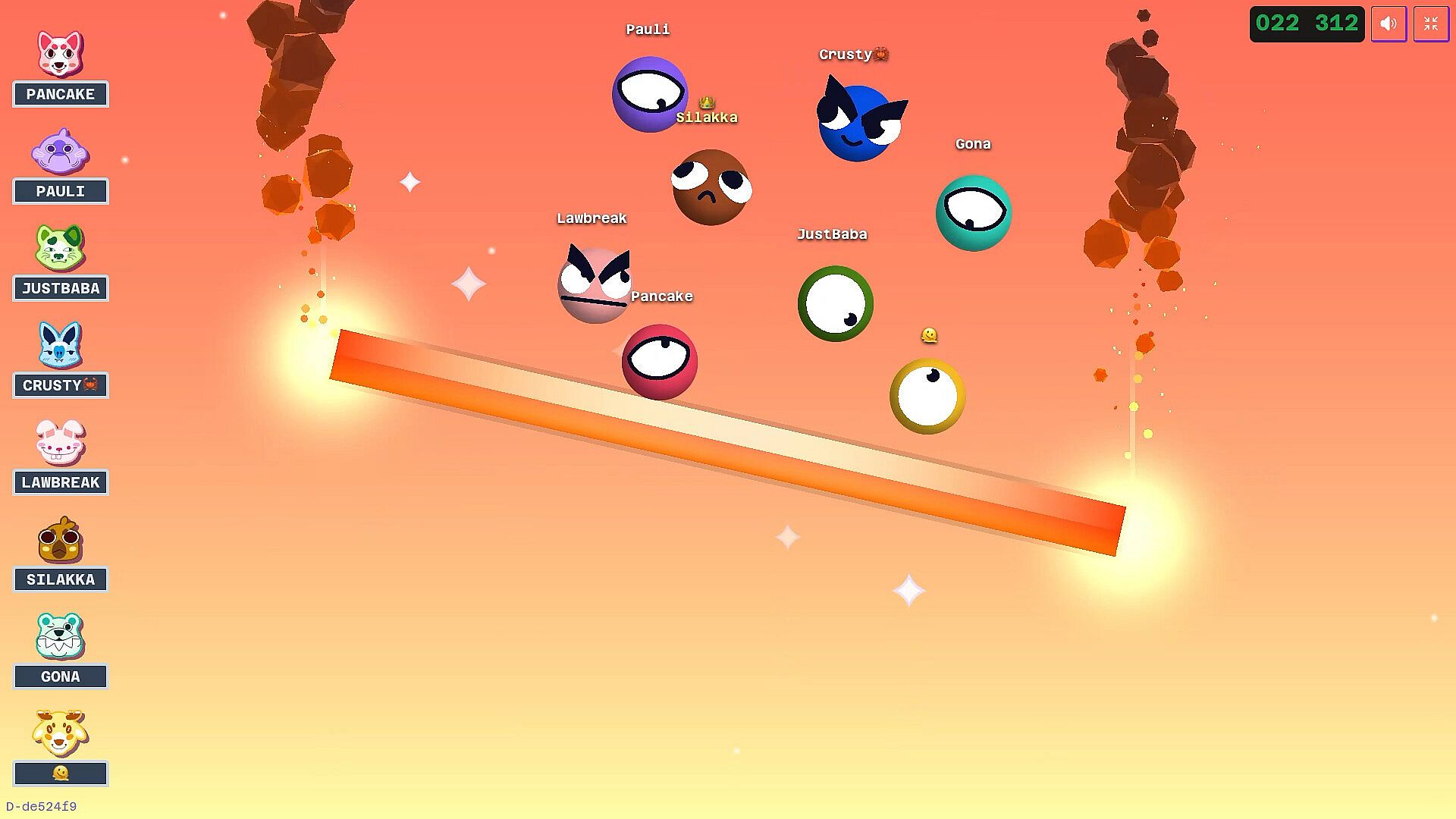
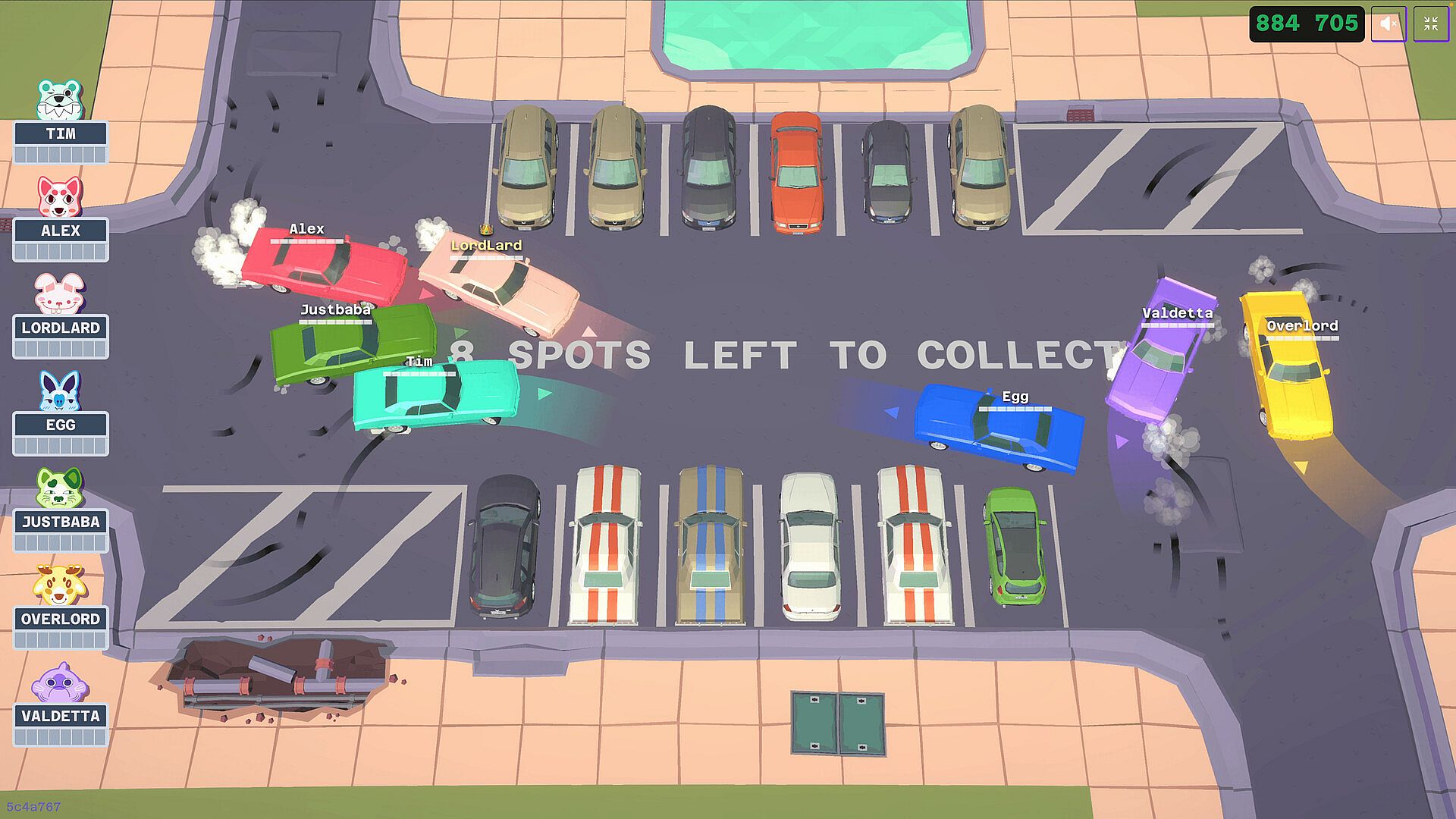
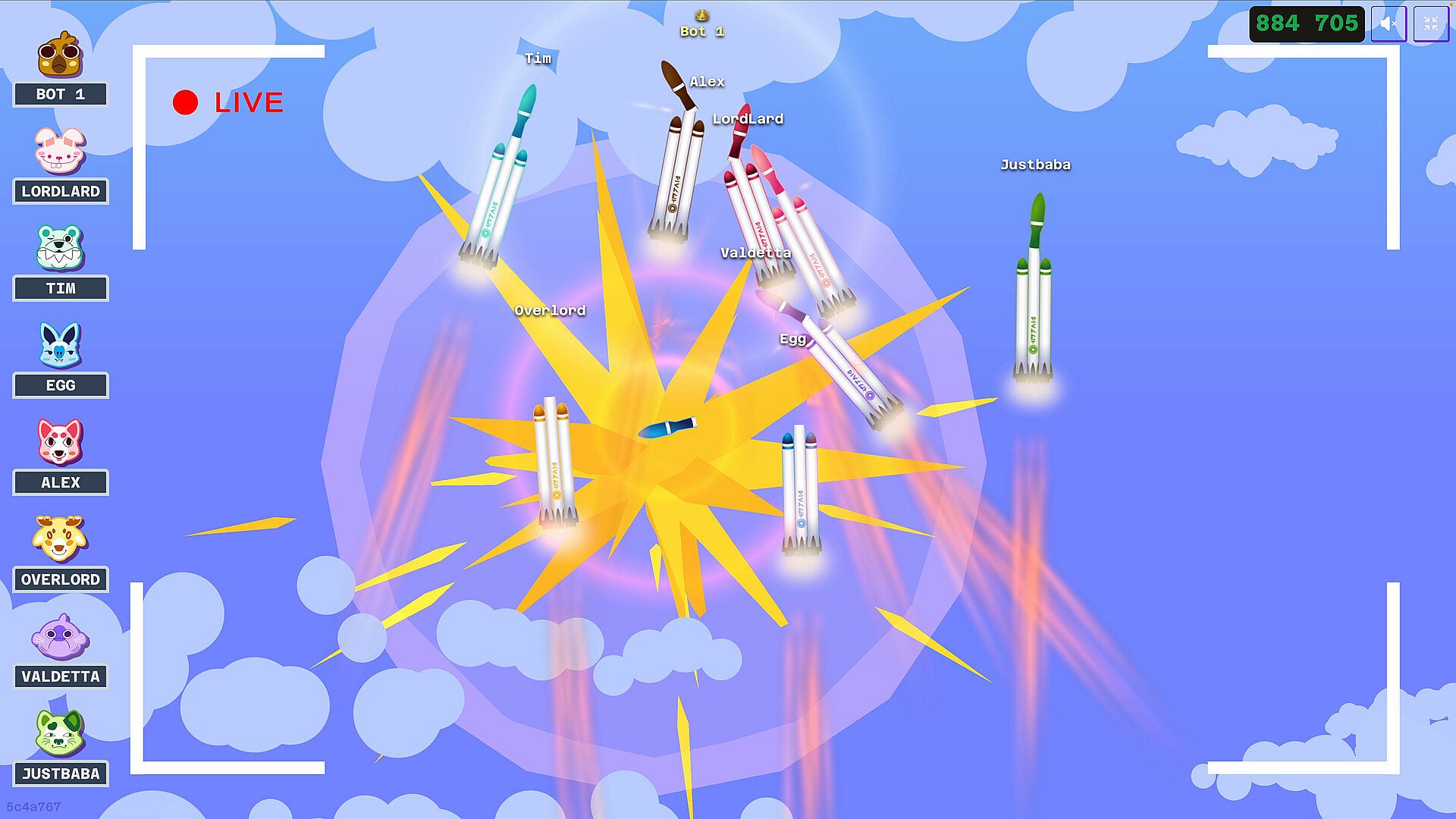
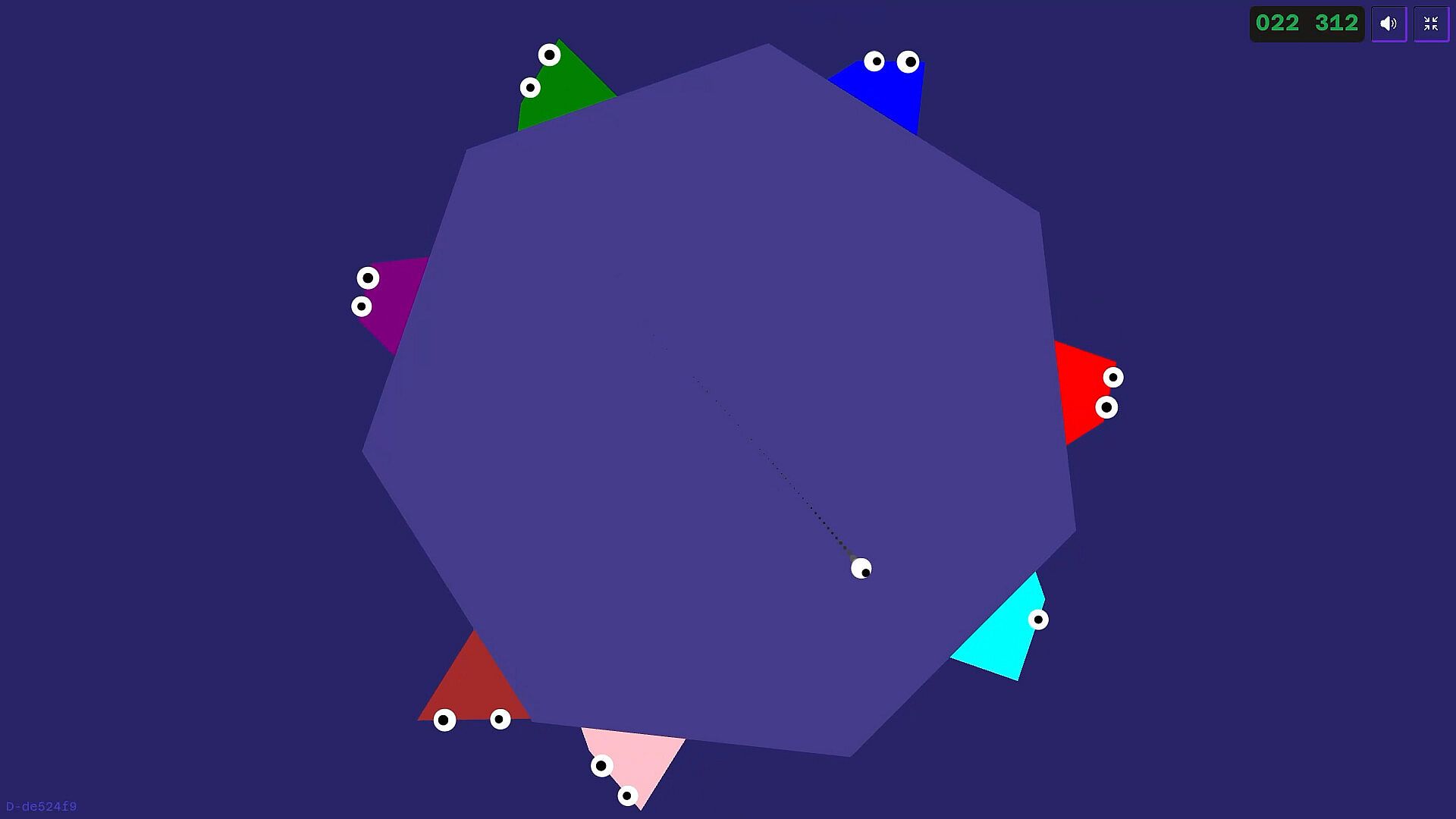
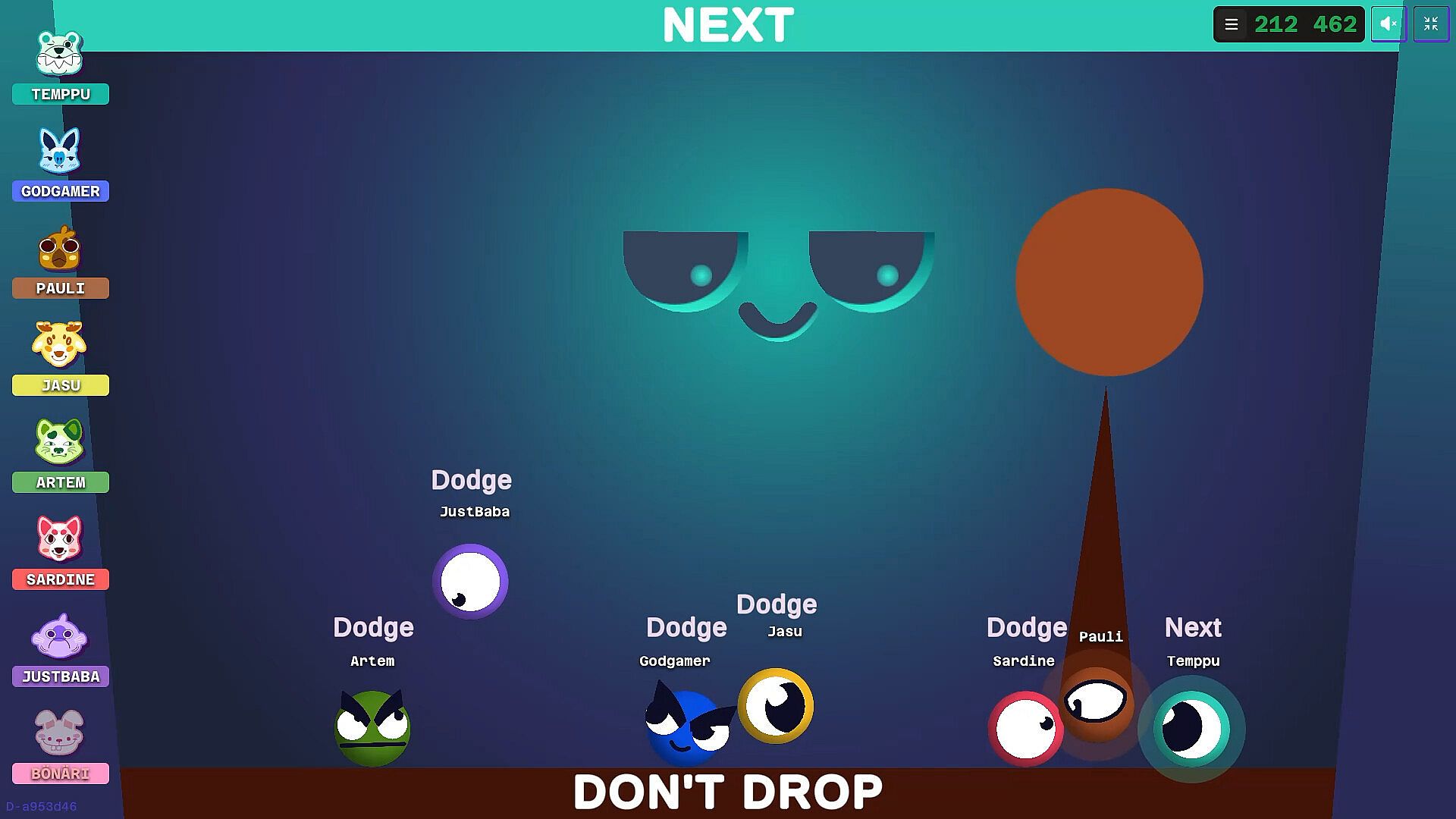
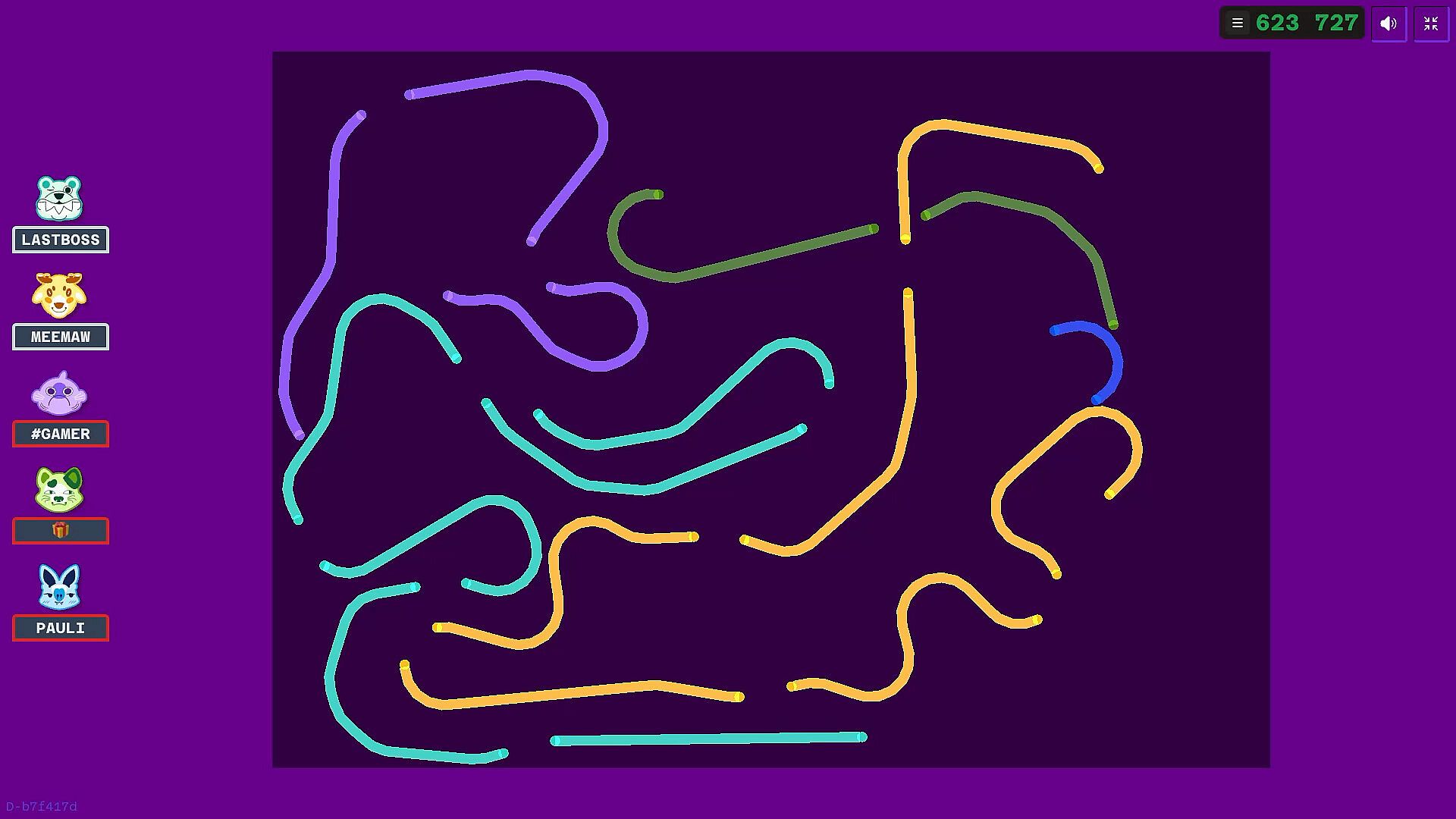
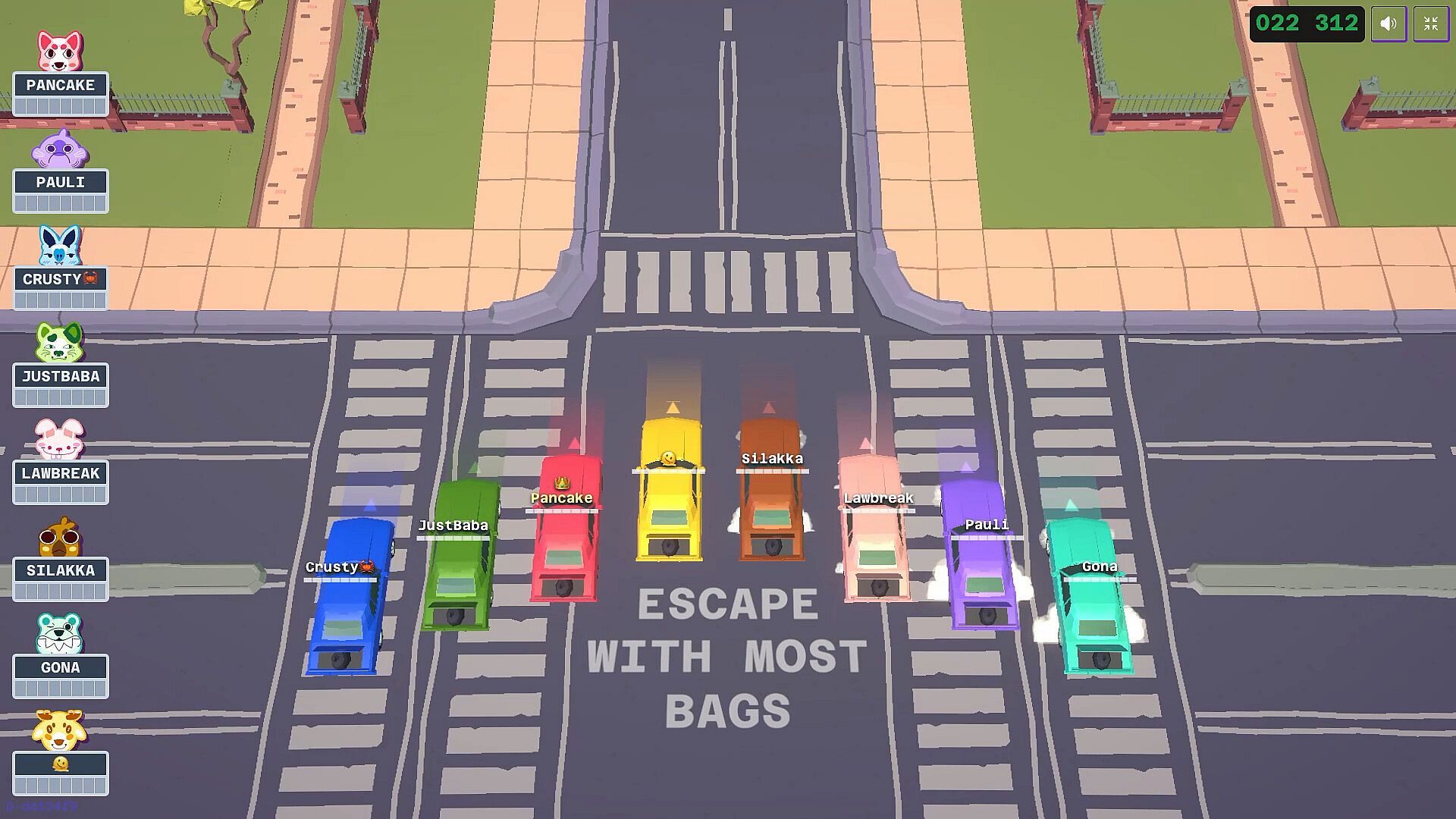
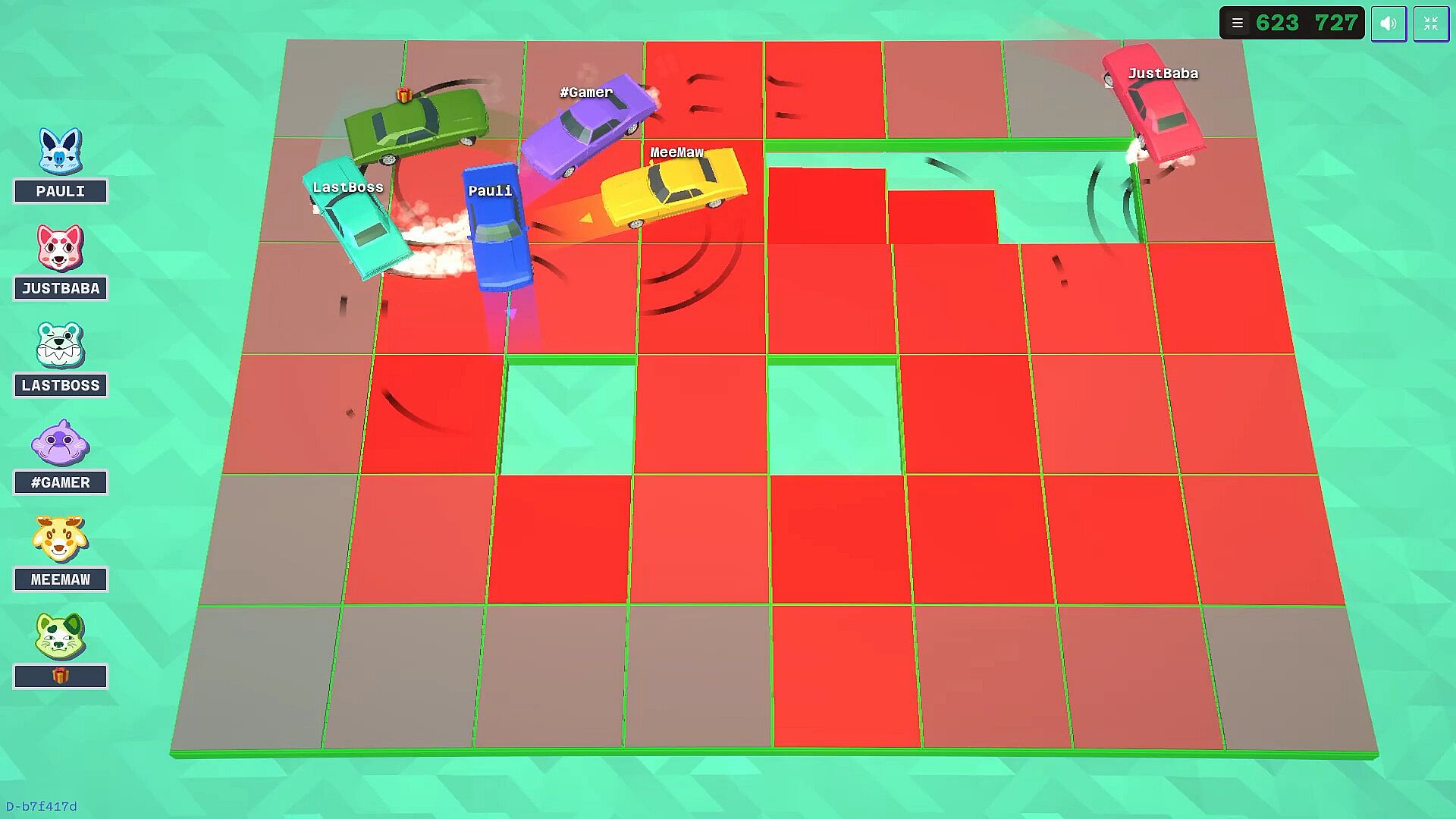
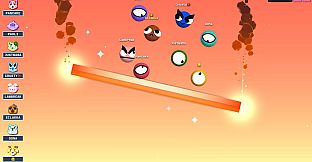
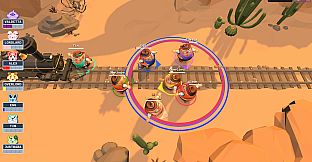
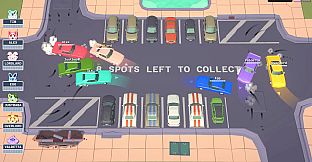
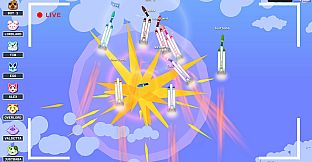
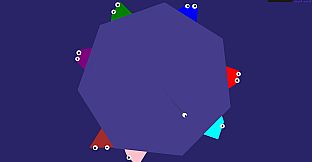
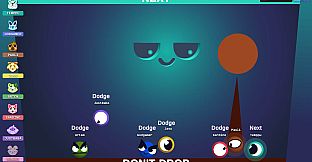
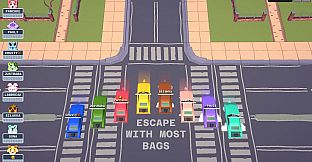
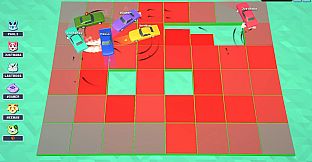
Gameplay centers on playlists of competitive mini-games rather than traditional single-player campaigns or large-scale modes. Players compete simultaneously in fast-paced scenarios that often involve last-one-standing elimination or leaderboard climbing. Examples include Eyeball: The Cage, a Pong-inspired arena battle with shifting boundaries and up to eight participants; Asterluck: Dogfight, an Asteroids-style shoot-em-up where ships blast obstacles and rivals while respawning instantly after hits; Kinderzeichnung: Fiesta, a snake-like drawing challenge that turns colorful trails into obstacles for opponents; and Party Cars: Limited Space, a parking-spot scramble with bumping and elimination elements. Additional titles expand the roster to more than twenty options, covering racing, action, and casual variants that fit the same short-round format.
Playlists allow the host to curate sequences, with automatic score recording after each round. The structure supports drop-in play and repeated sessions without lengthy setup. Remote modes function identically when screen sharing handles the main display, preserving the same competitive flow across distances.
Accessibility and Setup
Entry requires only a web browser on the host device and smartphones for controllers, eliminating the need for downloads, accounts, or extra hardware. Sessions scale from solo practice with limited bot support to full eight-player groups. The design prioritizes quick starts, making it suitable for family nights or larger gatherings where traditional console setups would create barriers. Physical controller support broadens options without complicating the phone-first approach.
Is It Worth Playing?
Gaming Couch delivers consistent value for groups seeking accessible, high-energy party experiences that fit into short time slots. Its browser foundation removes common hurdles like installations or controller shortages, while the mini-game variety ensures repeated play without quick fatigue. Player feedback highlights the social shouting and laughter generated by the competitive format, with sessions averaging around an hour. The platform continues to receive updates, including new titles and third-party additions, maintaining freshness for returning groups. It suits players who enjoy real-time action and rivalry in a casual setting more than narrative depth or solo content. Those looking for frictionless multiplayer fun with friends or family will find the experience rewarding and repeatable.