

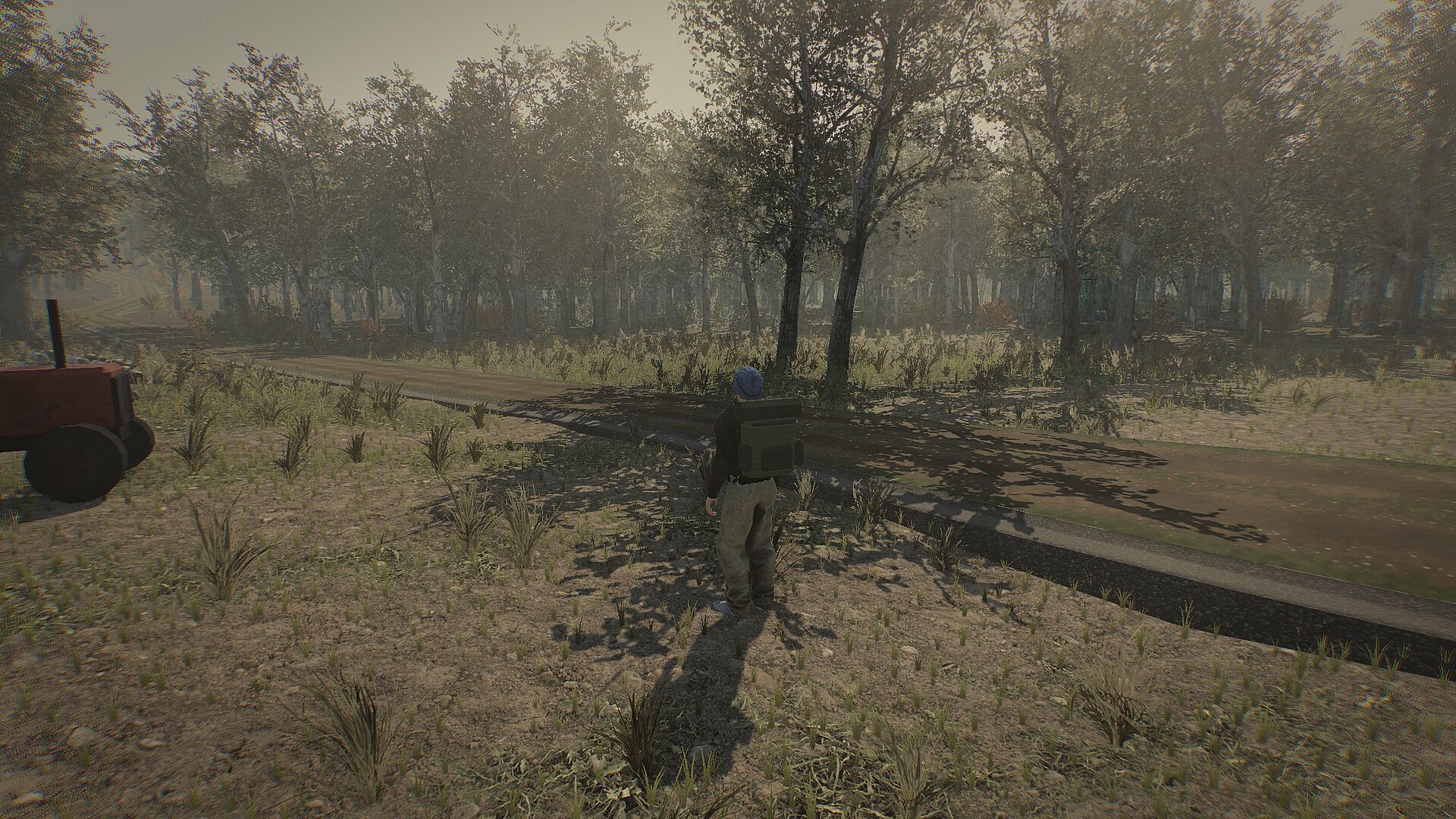
An ordinary person in a valley that keeps going without them
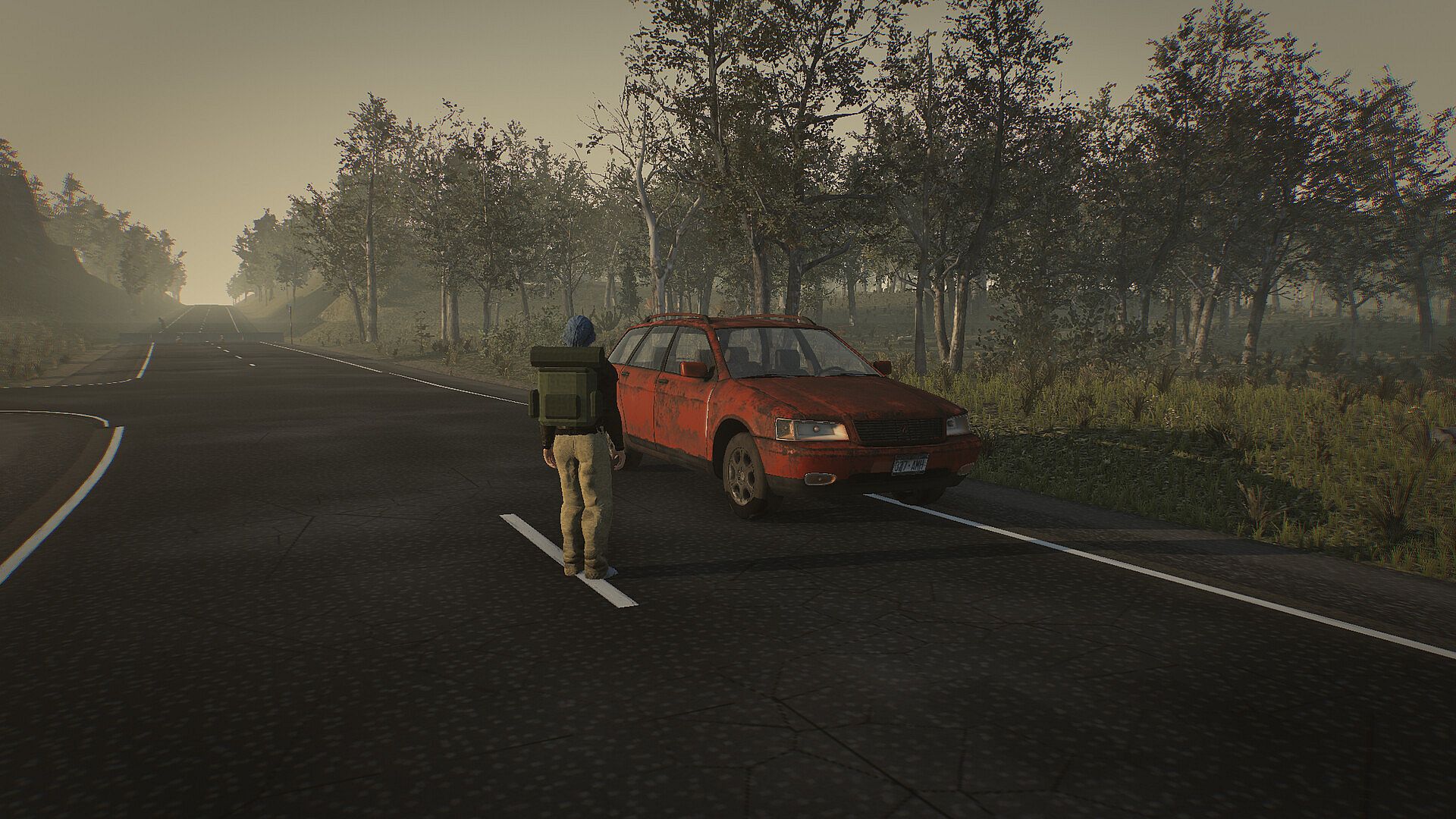
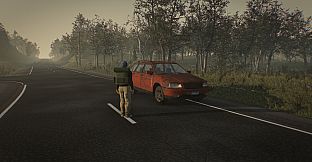
You wake with a T-shirt, jeans and worn sneakers. No bag, no weapon, no food, no water. Every road out of Remnant Valley ends at a blocked tunnel, and the evening is coming.
Greyfall is a quiet, grounded survival game. Most of your time goes on decisions: where to go, what to carry, whom to trust, and the question every dusk asks: where will you sleep tonight?
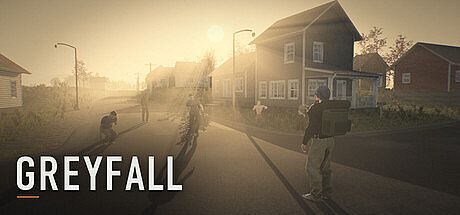
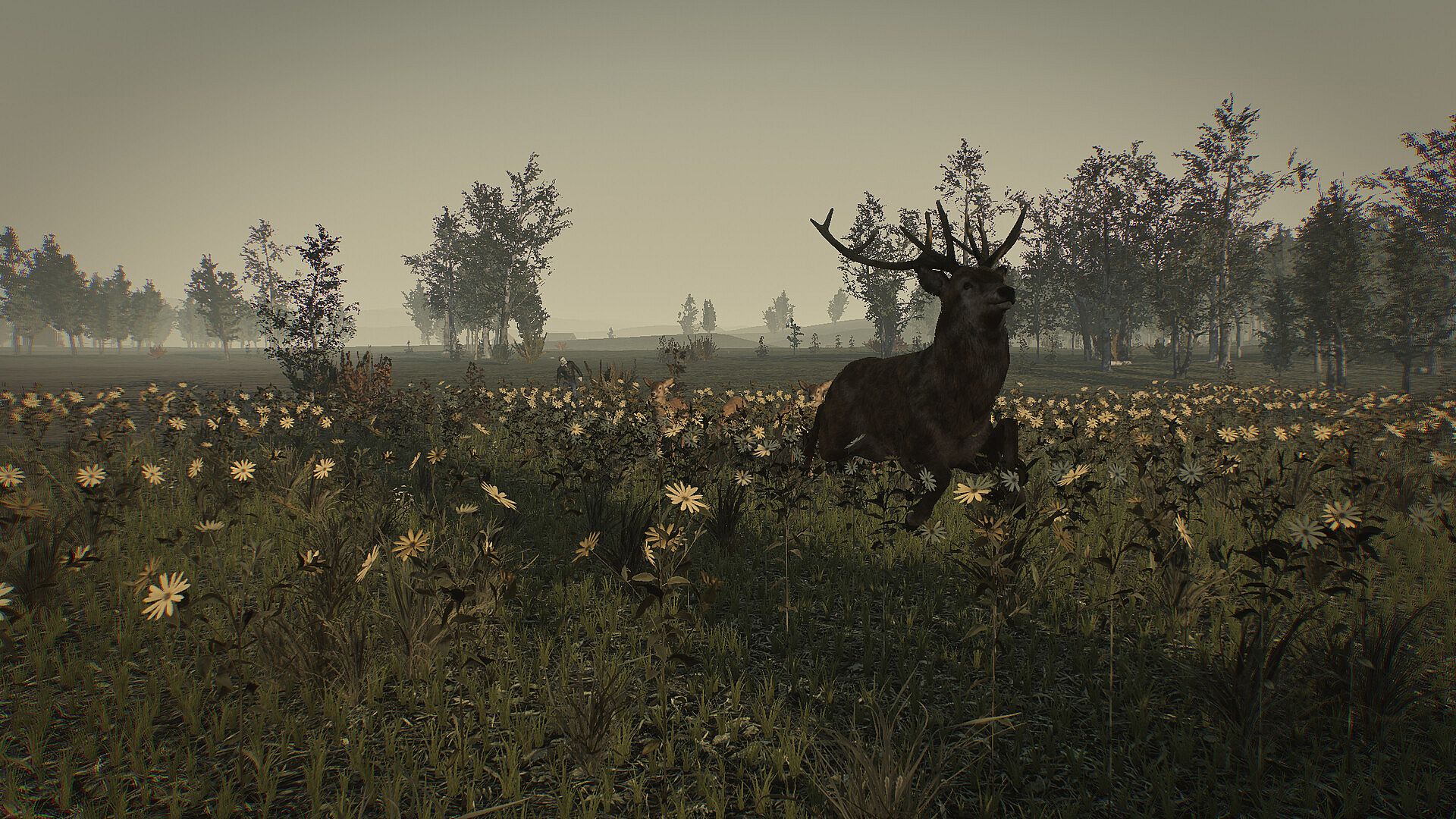
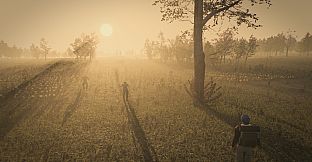
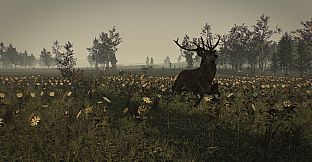
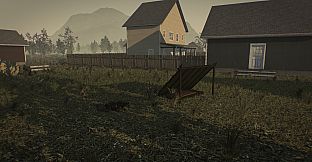
Six by six kilometres of forest, farmland, river and mountain, with a dozen named places to search: the village of Westholt, the town of Millbrook, the sheds of Ashford Works, the motel at Ferry Crossing, the army huts at Camp Halden, a fire lookout on its knoll.
The valley remembers. A searched drawer stays searched, a door you left open stays open, and a body stays where it fell.
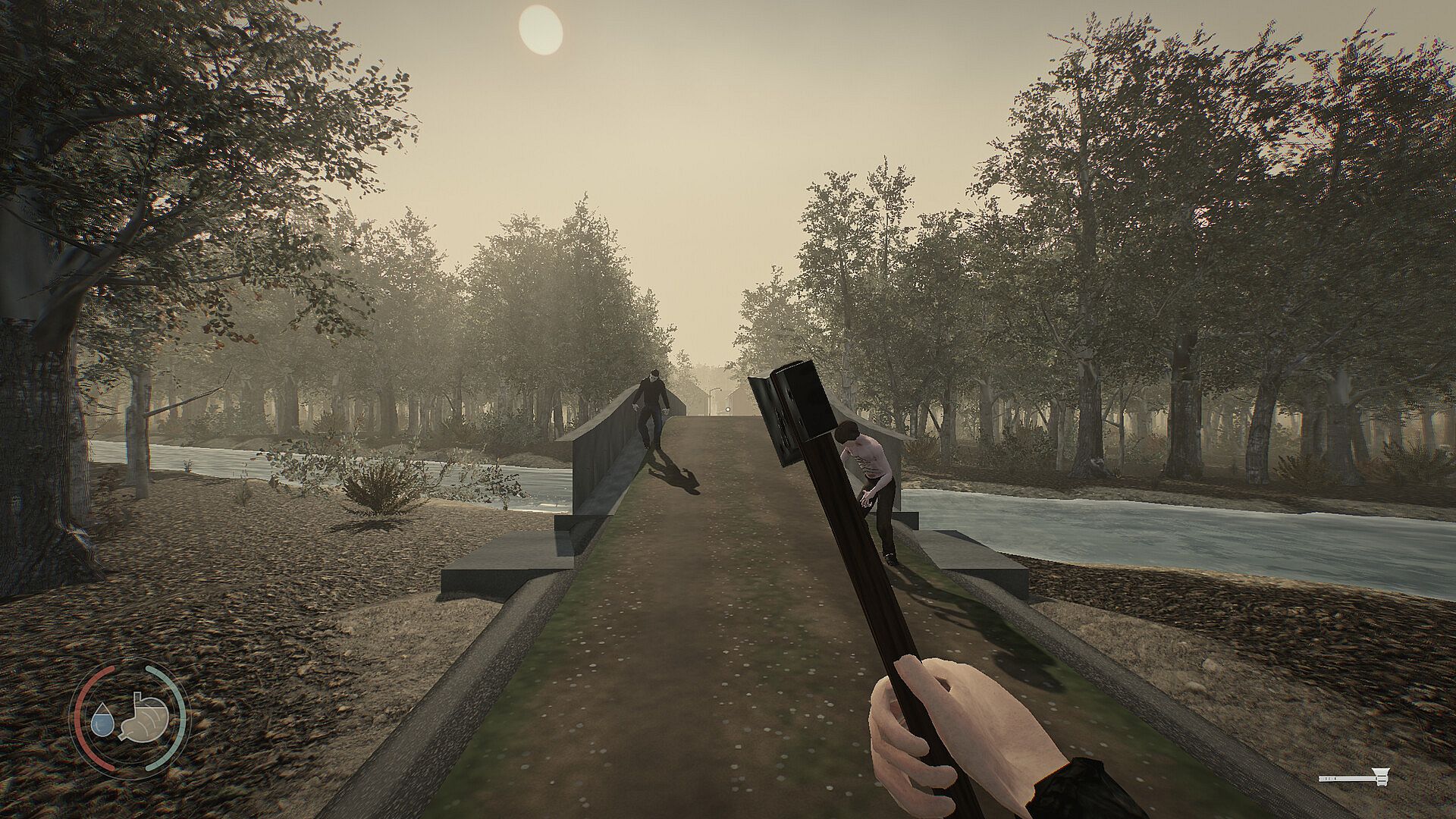
Thirst, hunger, cold and wet. Rain soaks you, nights chill you, and a game day lasts 48 minutes.
Wounds where they land. Cuts, bites, fractures and gunshots on the body part they hit; bleeding to stop, bandages and splints to make, painkillers to ration.
Fatigue. Push on too long and you will fall asleep where you stand, wherever that is.
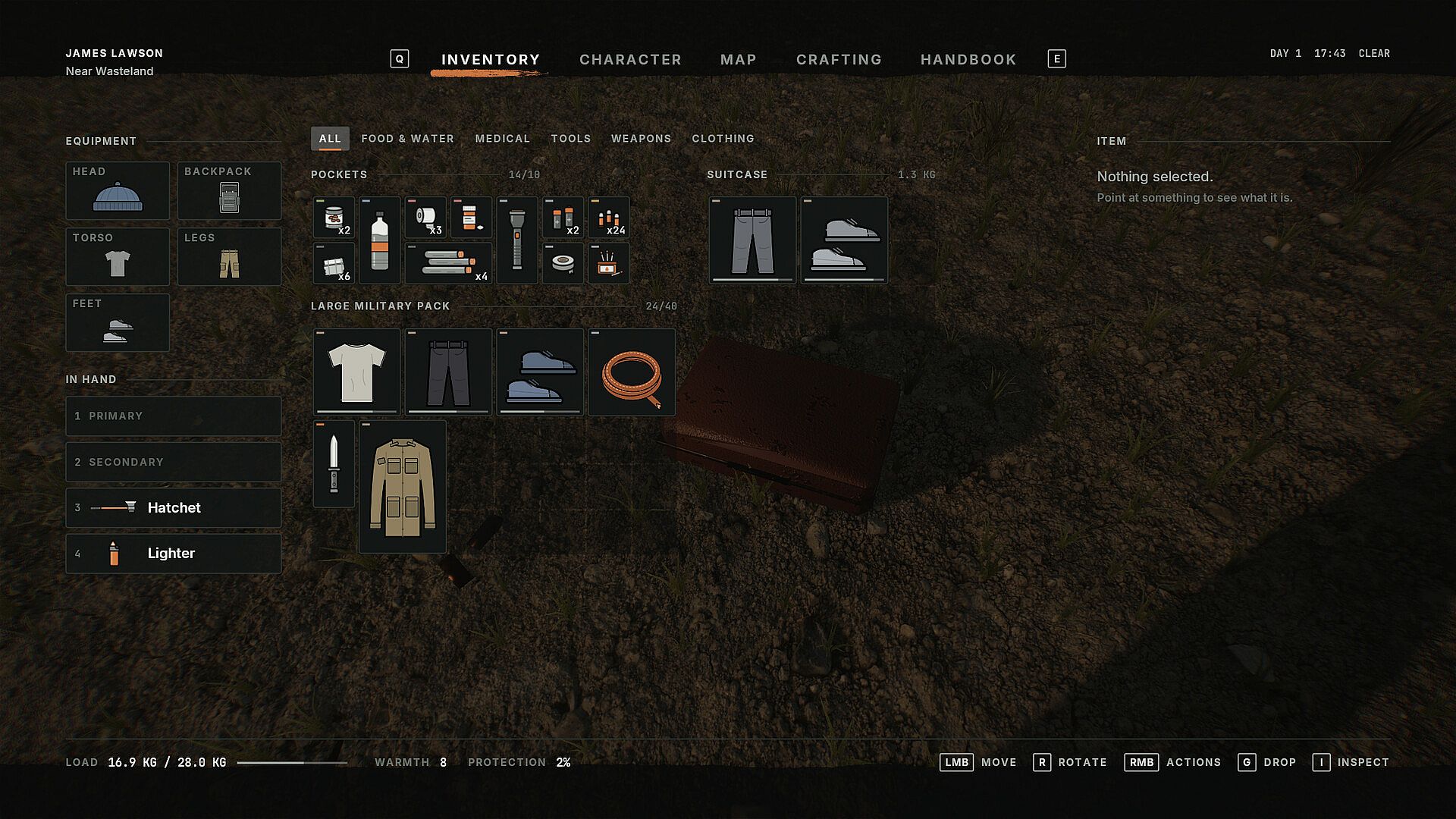
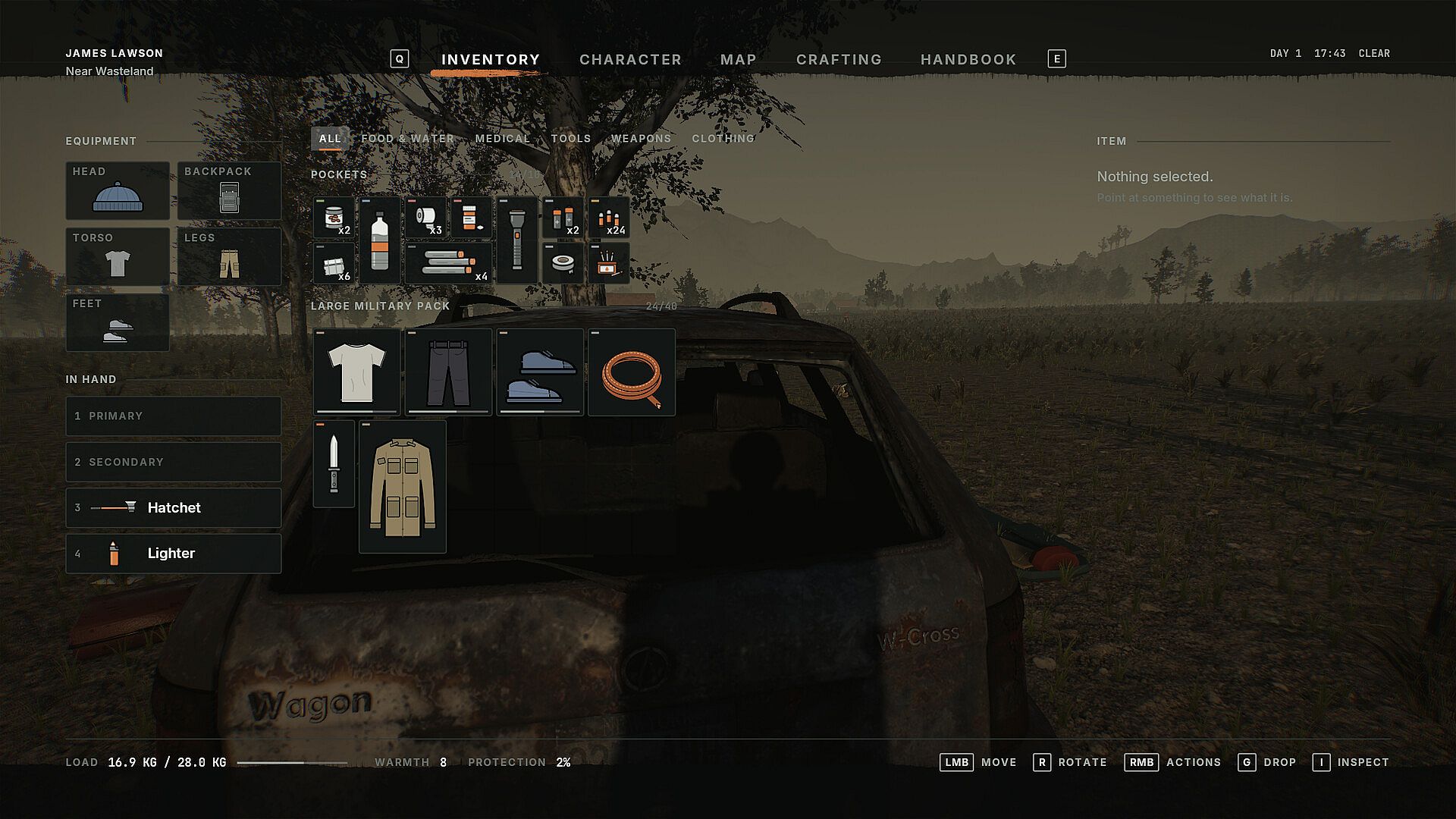
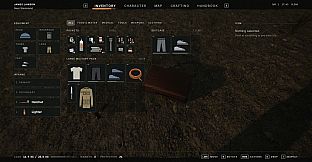
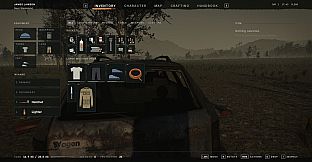
Every kind of place holds its own kind of loot: tools in the works and the farm sheds, medicine in bathroom cabinets, army kit at Camp Halden. Grid space and weight are finite, and the way back is as long as the way there.
Tear clothes into rags, craft bandages, splints and a fireplace.
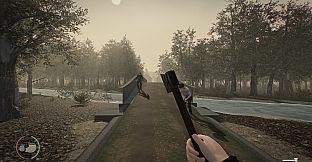
Weapons wear down and break; mend them with tape and rags.
Flashlights eat batteries. Bottles empty, and a pump fills them again.
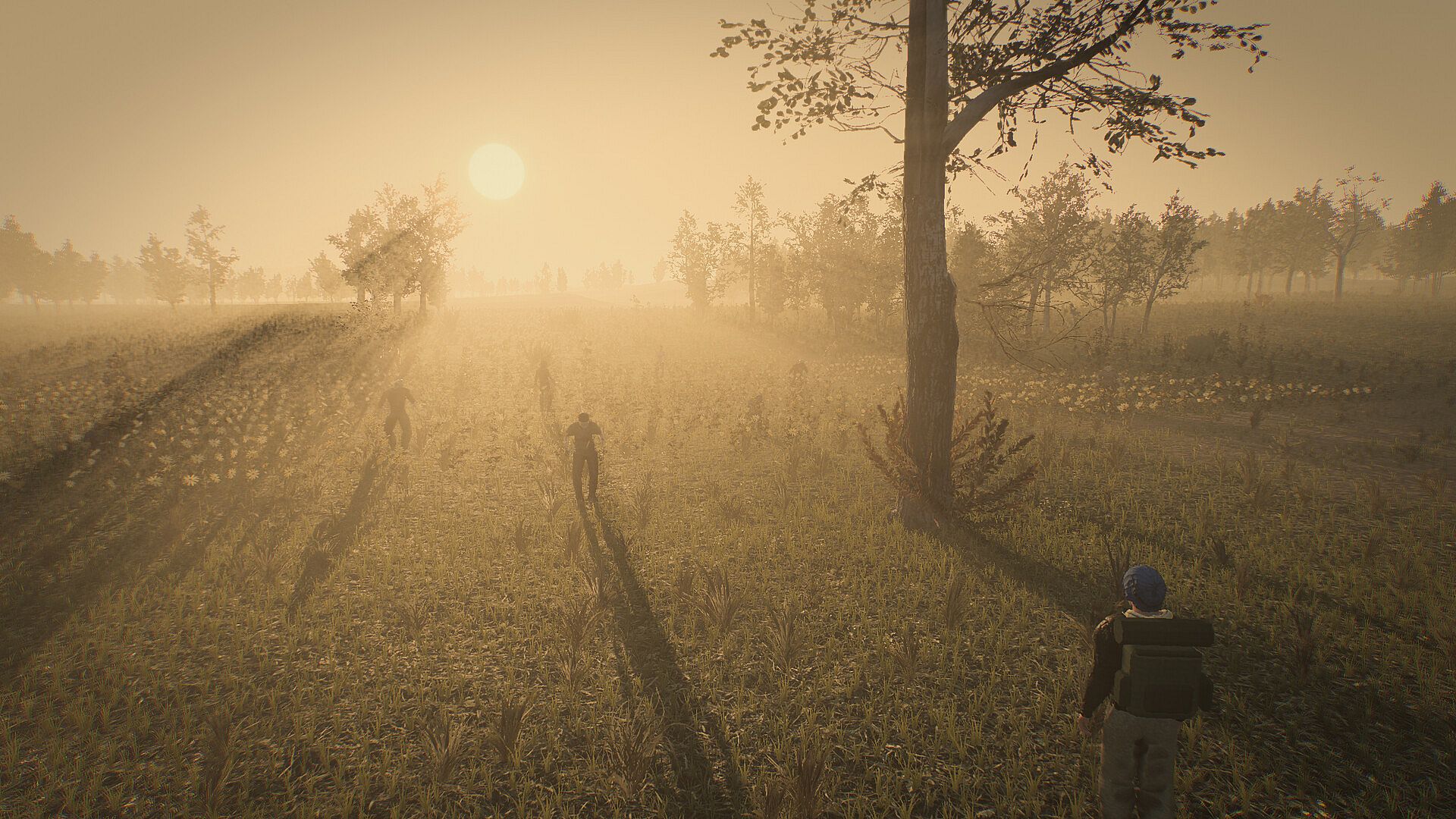
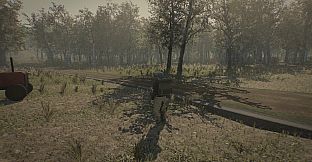
They stand and sway where they turned, drift about, turn toward what they hear and go for anyone they catch. Five kinds walk the valley: the shambler, the runner, the stalker that waits at the edge of your light, the decrepit, and the hollow, which only comes out at night.
They see by daylight and hear everything: a gunshot carries 160 metres. Fights are short, close and dangerous. A good blow staggers one, a better one knocks it down, and a crowd will take turns.
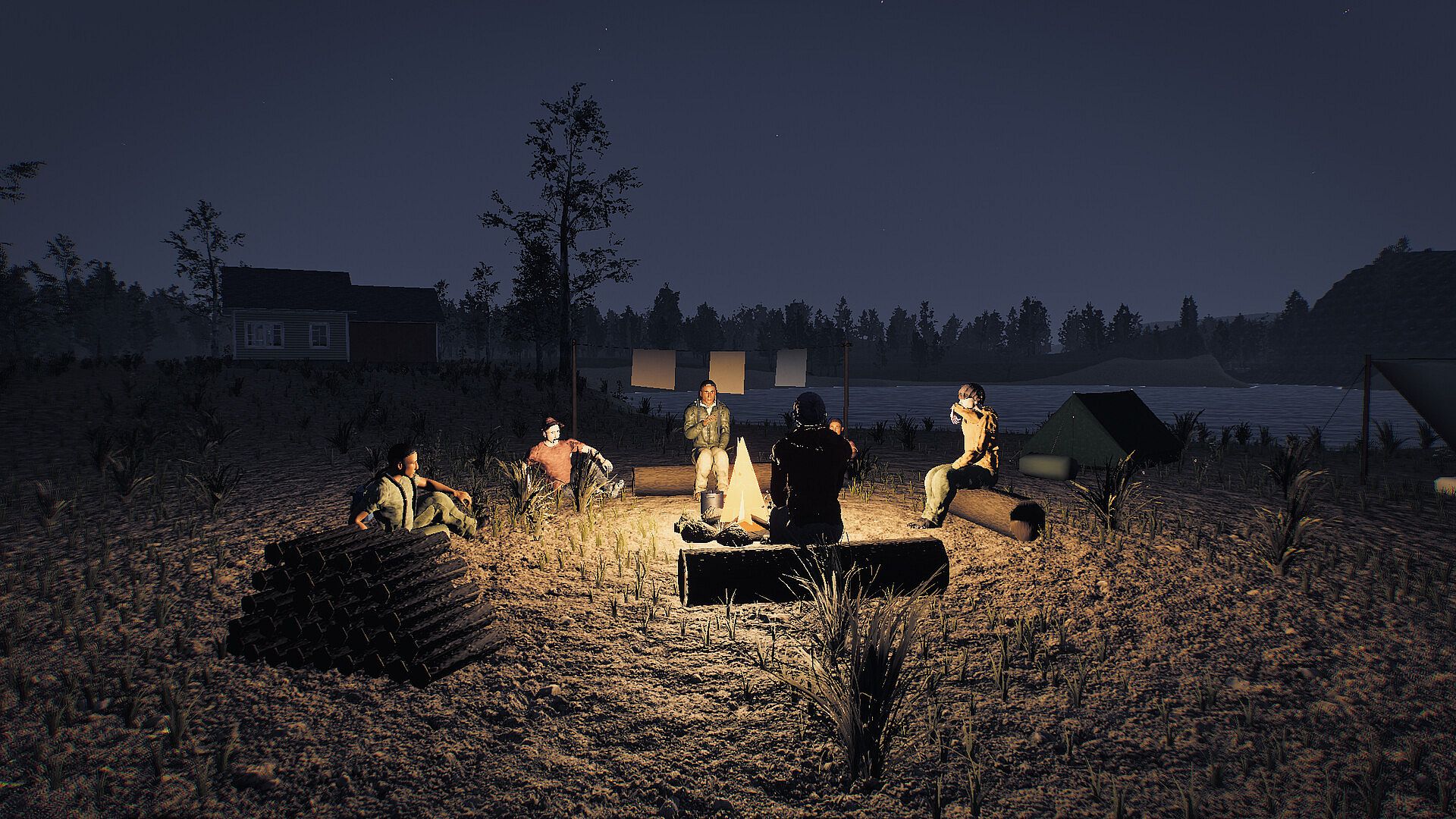
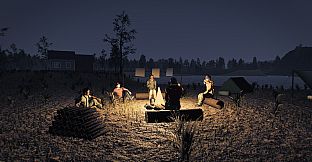
At night your sight fails, and a fire can be seen from far off. Light one and something will come to look.
You are not the last one. Fifty-odd survivors live in camps by the lake and the creek, on the roads and in the hills, each with a routine of their own: they sleep, eat, keep watch and run when it goes wrong.
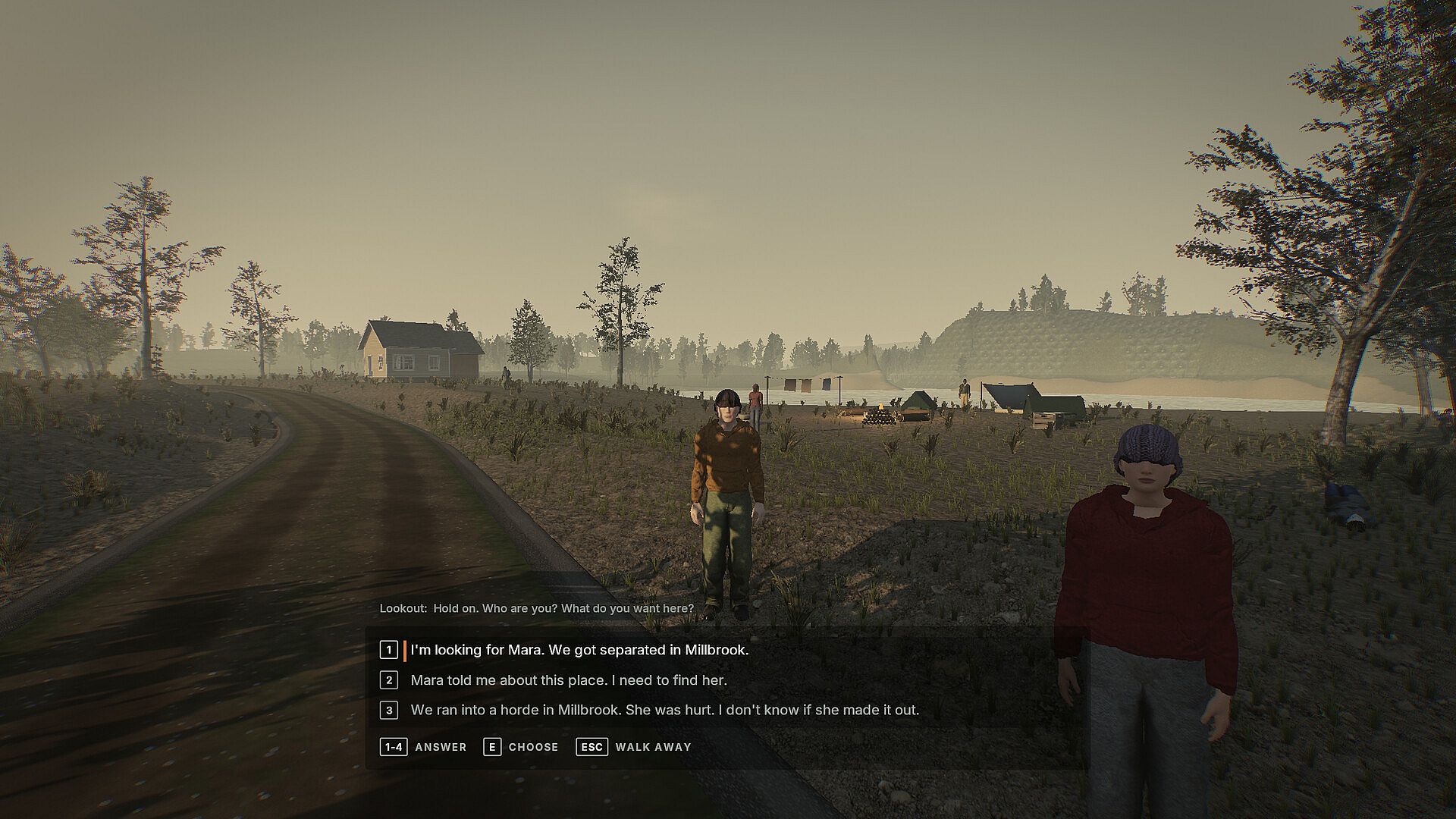
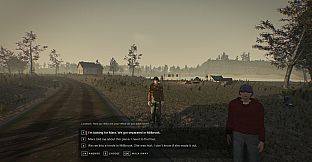
Talk to them. Earn their trust, and ask one to come with you. A companion follows you through the valley or stays at home: keeps watch while you sleep and wakes you when they come, feeds the fire from your crate, eats from your stores, and leaves if the stores run out.
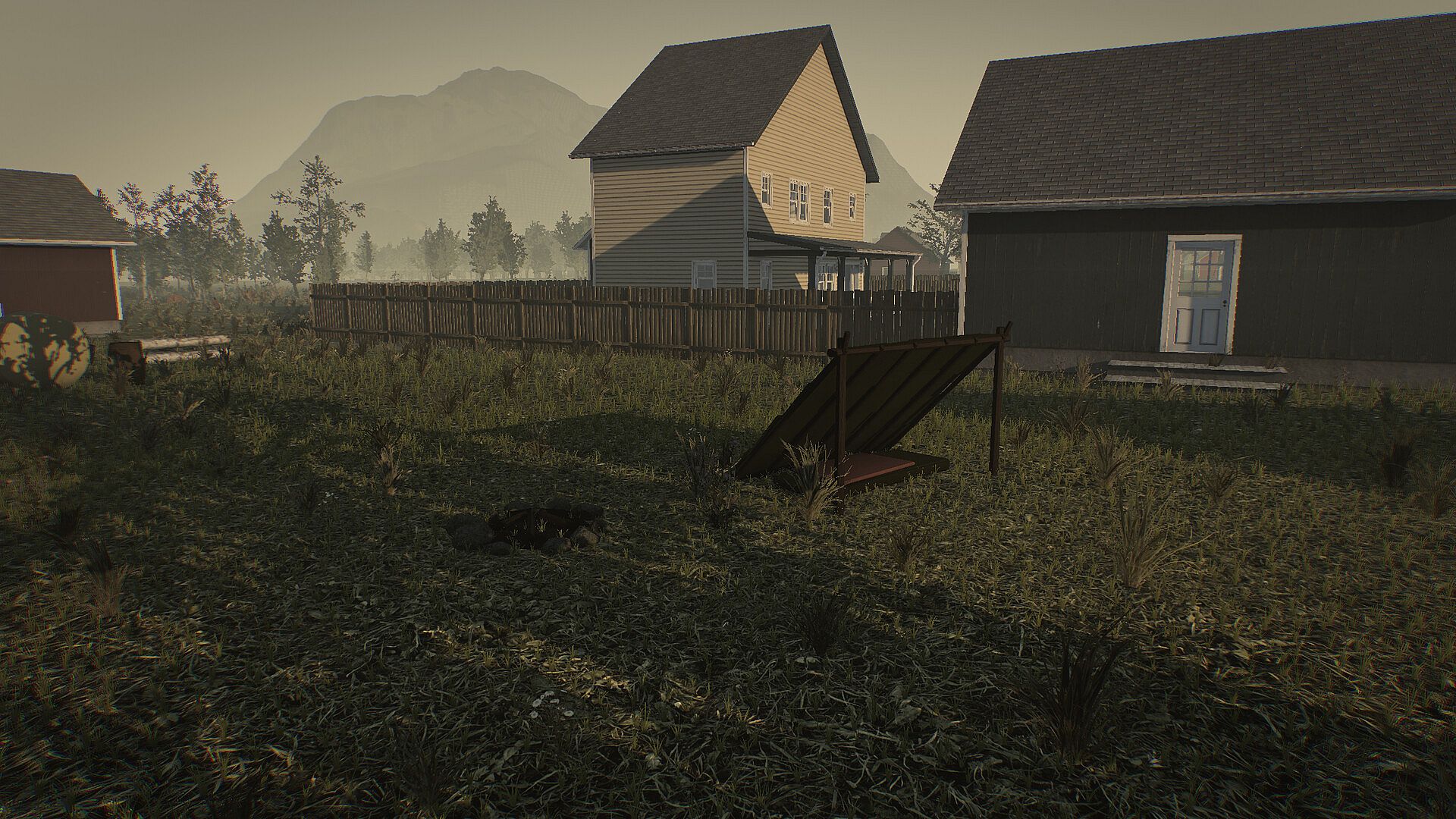
Open your handbook and lay out a plan: a storage crate, a fireplace, a barricade, a lean-to. Manuals found in the valley teach more. Carry the materials over as many trips as it takes and watch it go up. What you build stays. A barricade stops bodies.
You play one survivor at a time. When they die, the valley carries on with what they left behind. Go on as one of your companions, keeping the household's map and handbook, or start someone new in the same world and find your own body where you fell.
Story. You arrive at Lakeside Camp with a letter from Mara, a woman they are still waiting for. A chapter told in the world, through your own eyes: no cutscenes, and the infected can break any conversation off.
Sandbox. No objectives. The valley, its people and you.
(something extra)