



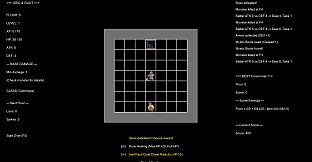
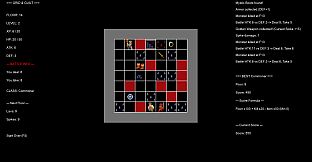
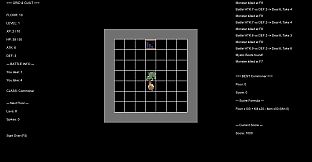
Grid & Guilt is a turn-based puzzle roguelike that blends strategy and casual accessibility on PC. Players navigate fixed 7x7 grids where every decision carries lasting weight across successive floors. The core appeal lies in its deliberate pacing and emphasis on foresight rather than chance.
Gameplay
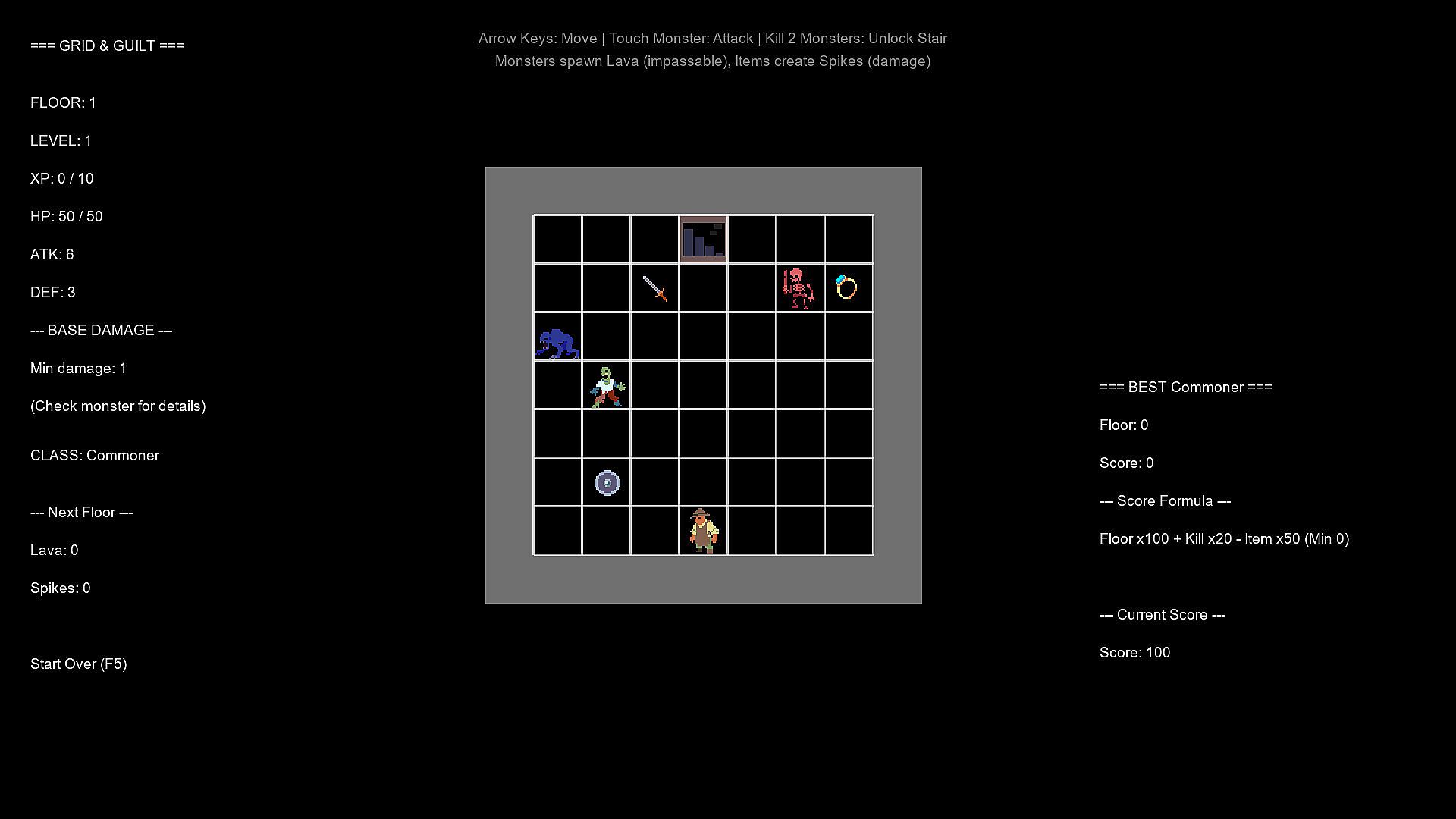
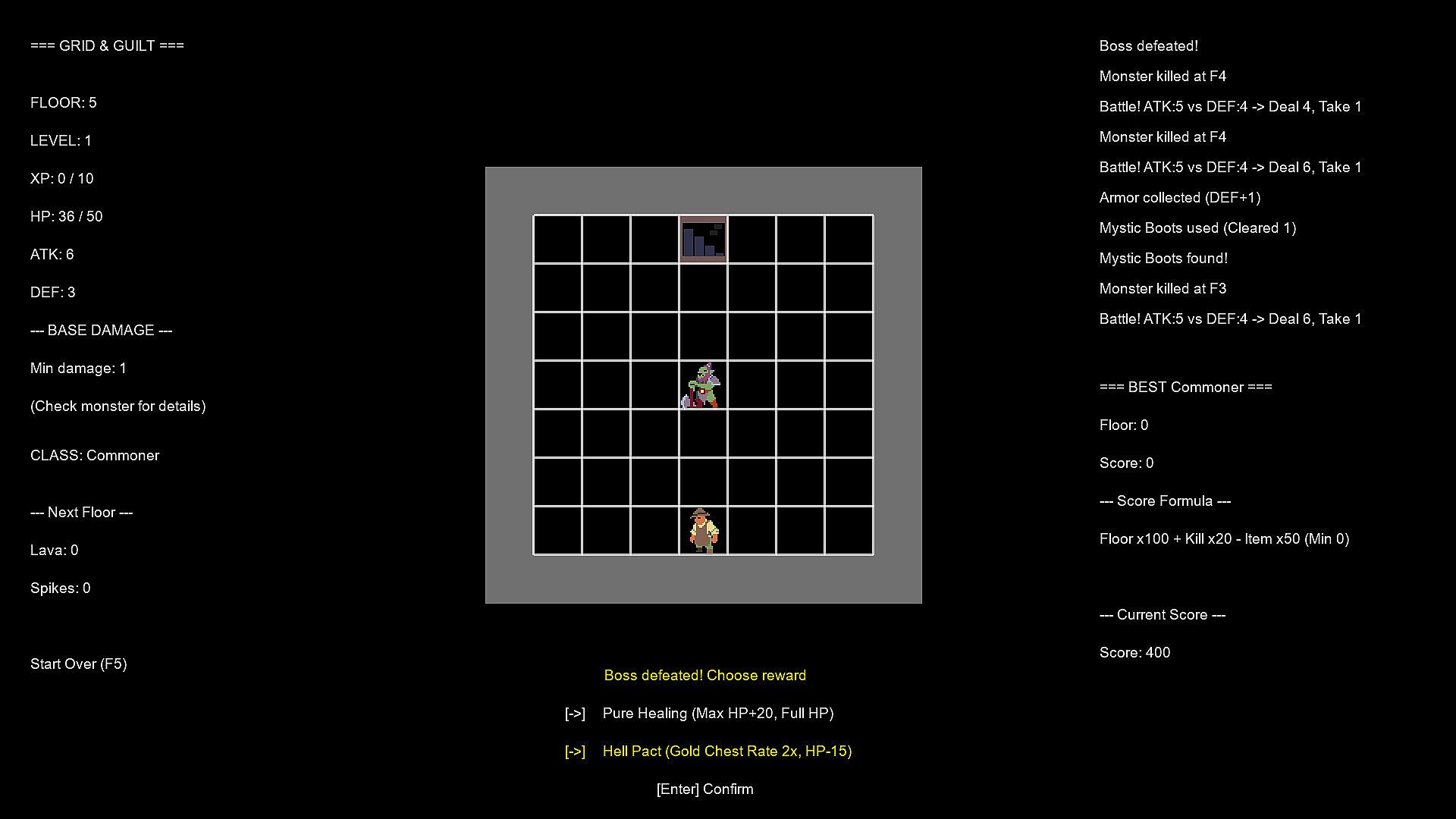
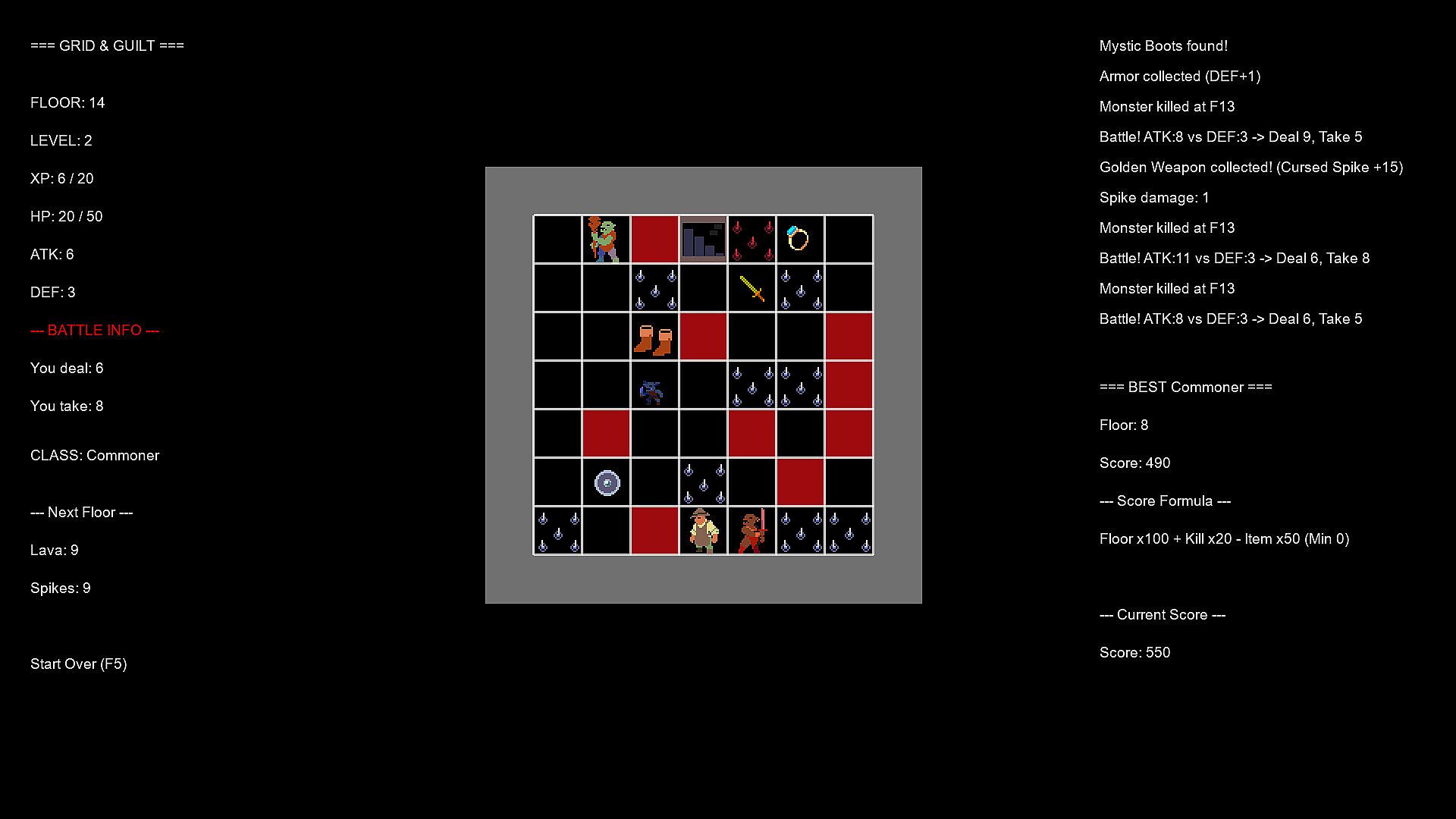
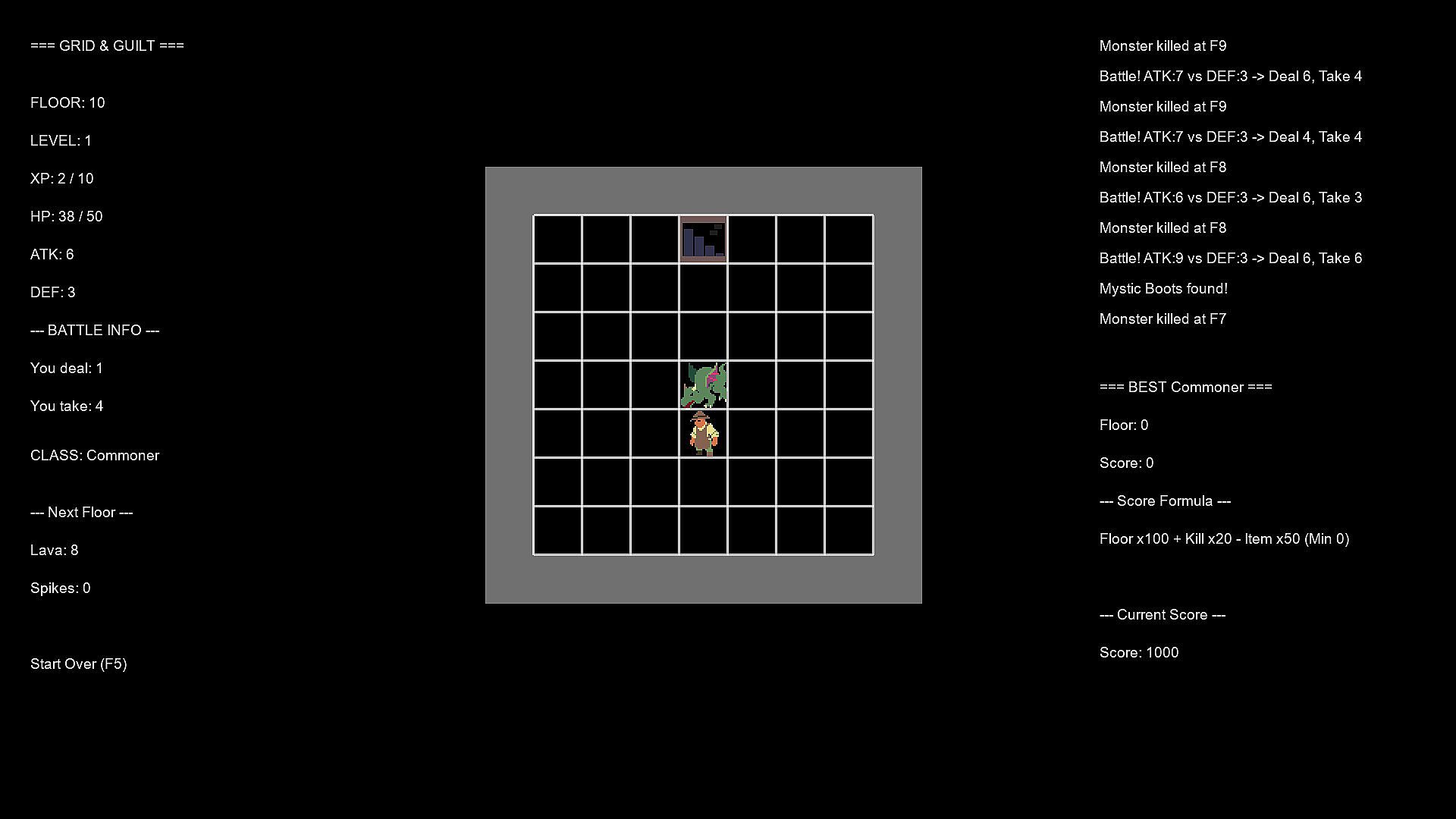
The experience centers on climbing floors in a roguelike structure. Stairs, monsters, and items remain in consistent positions on each layout, which supports repeated attempts and precise route planning. What changes is the terrain left behind from prior actions. Defeating a monster leaves a lava zone that persists as a hazard. Picking up an item creates a spike trap in its place. These permanent alterations force players to weigh short-term gains against long-term safety as floors grow more restrictive.
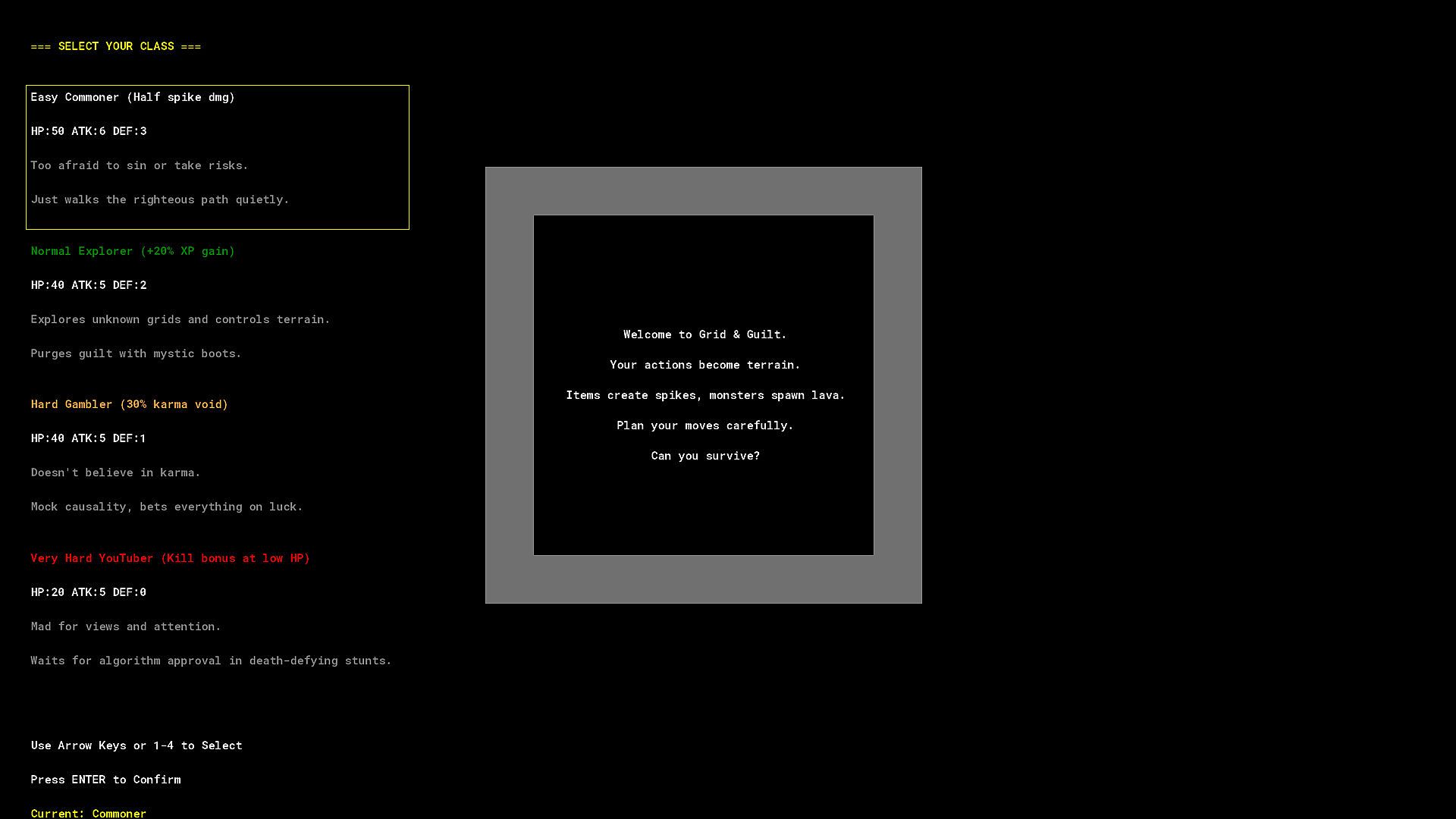
Four distinct classes provide variety through different abilities and core mechanics. Each class encourages tailored pathing and ability use to navigate the tightening constraints. The absence of random elements means success depends on analyzing enemy patterns and terrain layouts in advance. Retro 32-bit pixel art and an 8-bit soundtrack reinforce the focused, nostalgic presentation without distracting from the tactical layer.
Game Modes
The game operates as a single cohesive roguelike experience built around repeated runs on fixed layouts. There are no separate competitive or cooperative modes. Progression revolves around managing the accumulating hazards from one floor to the next while pursuing higher climbs. Players can experiment with different classes across runs to discover optimal strategies for each playstyle.
Core Mechanics and Systems
The dynamic terrain system forms the central tension. Choices that yield immediate benefits, such as clearing threats or securing resources, create obstacles that compound over time. This creates a consistent loop of calculation and adaptation. Fixed enemy placements allow for methodical study, turning each attempt into a refined puzzle rather than a test of reflexes or luck.
Class abilities interact directly with the grid constraints. Some may emphasize mobility to avoid emerging hazards, while others focus on efficient elimination or item management. The result is a system that rewards observation and adaptation within the unchanging base structure.
Is It Worth Playing?
Grid & Guilt suits players who enjoy methodical, turn-based puzzles with roguelike progression and permanent consequences. Its fixed layouts and lack of random elements appeal to those who prefer skill and planning over variability. The retro presentation and class variety add replay incentive for fans of indie strategy titles. Those seeking fast-paced action or multiplayer elements will find less to engage with here. The game delivers a focused experience centered on the trade-offs between immediate rewards and future safety.