




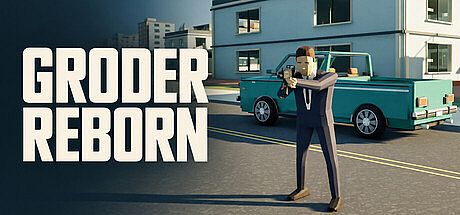


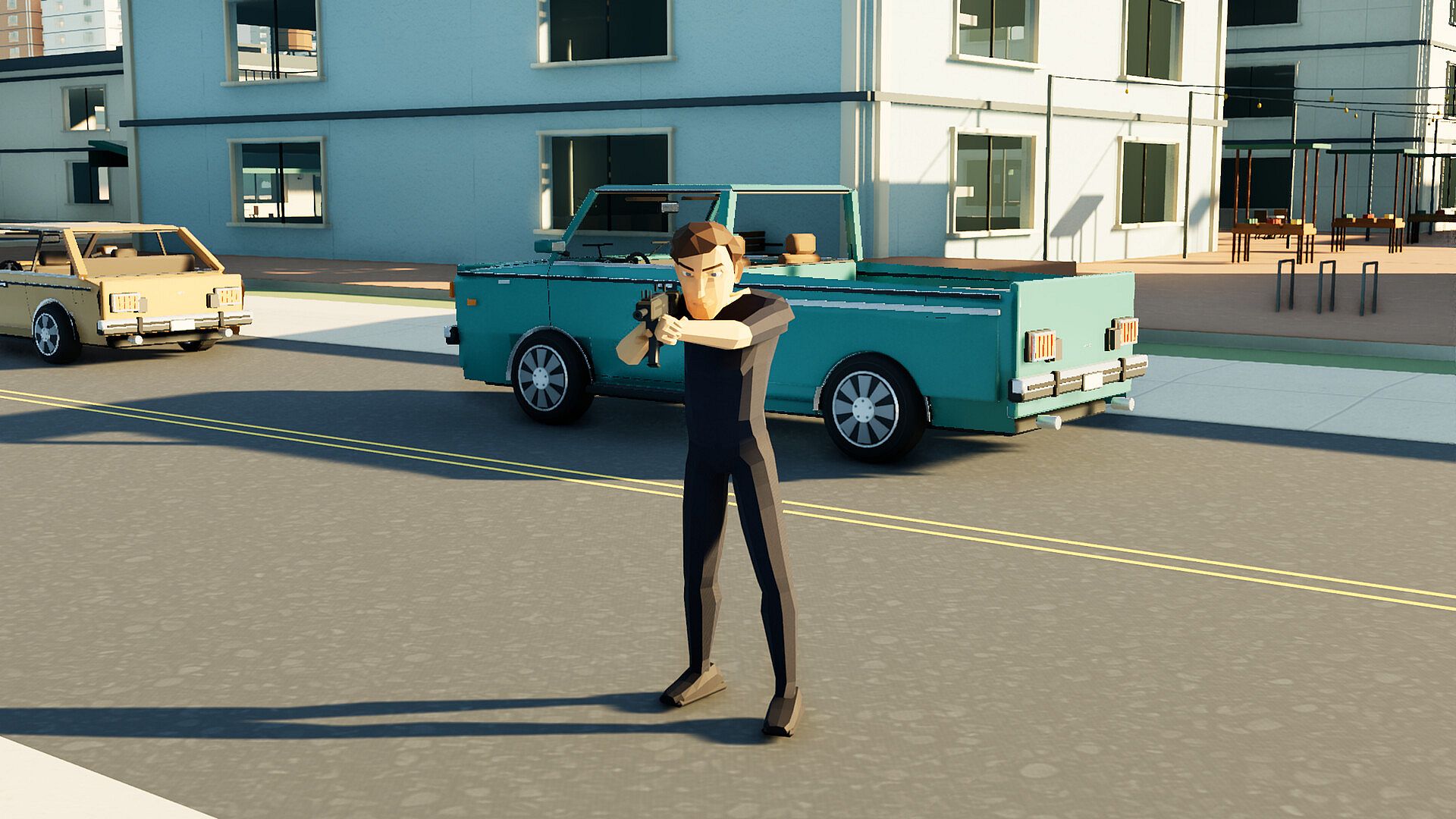
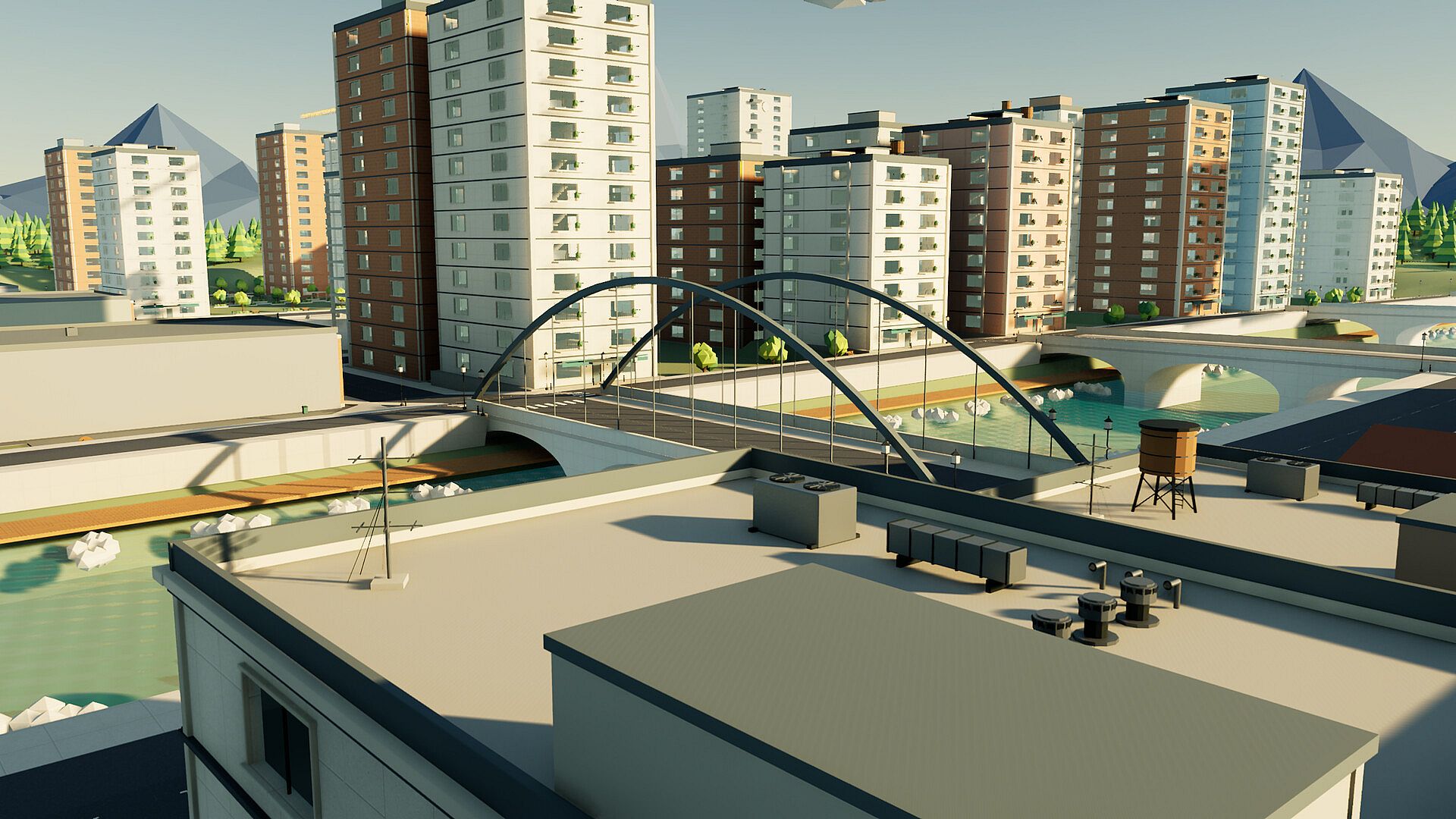
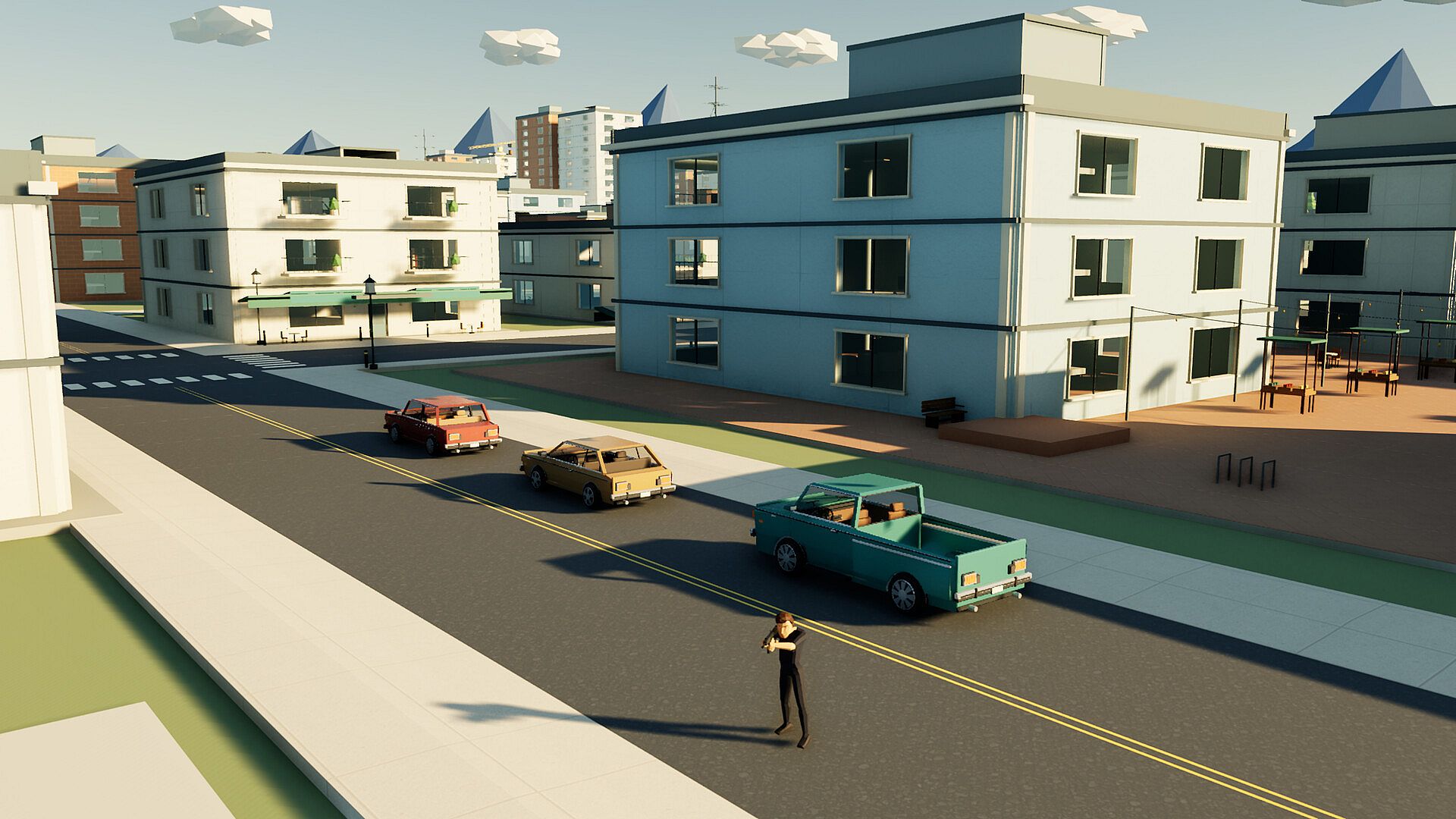
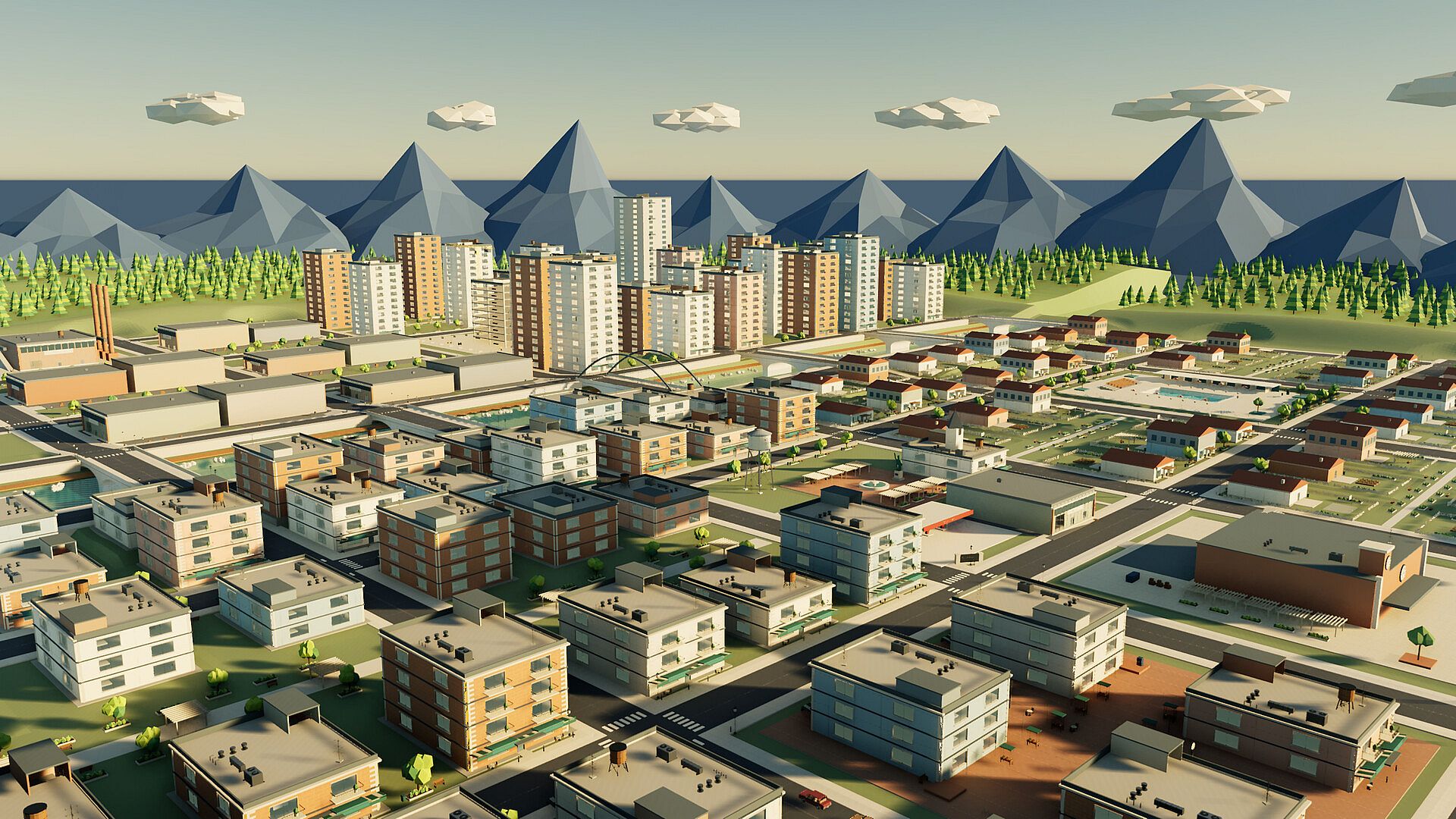
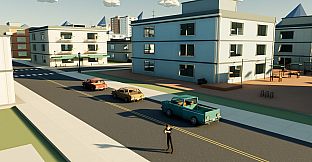
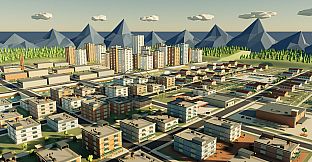
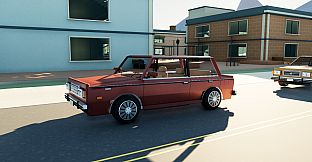
Groder Reborn is an action indie physics sandbox set on PC in the fictional Mercer County, a compact town ringed by mountains. Players handle a fully simulated body, operate real vehicles, manage physical firearms, and shape sessions through building and experimentation, either alone or with others.
Gameplay
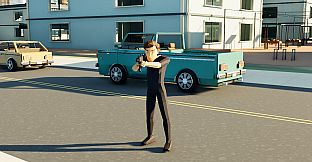
The core loop centers on interacting with a detailed physics system that governs every object and character. A player character reacts realistically to forces, allowing grabs, shoves, charged jumps, mid-air tumbles, and recoveries after falls. Impacts register on specific body parts, creating localized injuries that require bandages for treatment. This same system extends to objects, so thrown items or collisions produce consistent, predictable outcomes across the environment.
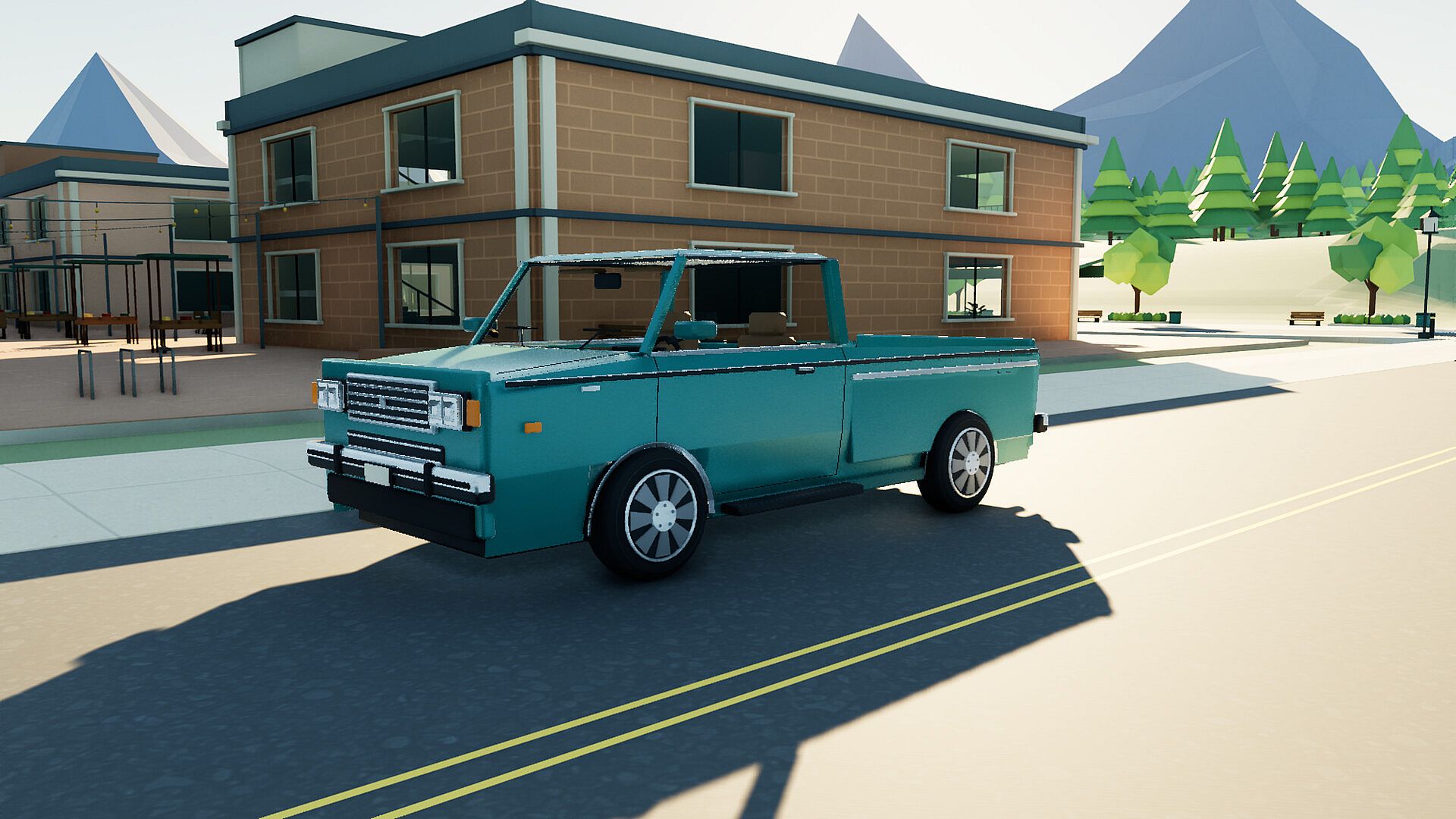
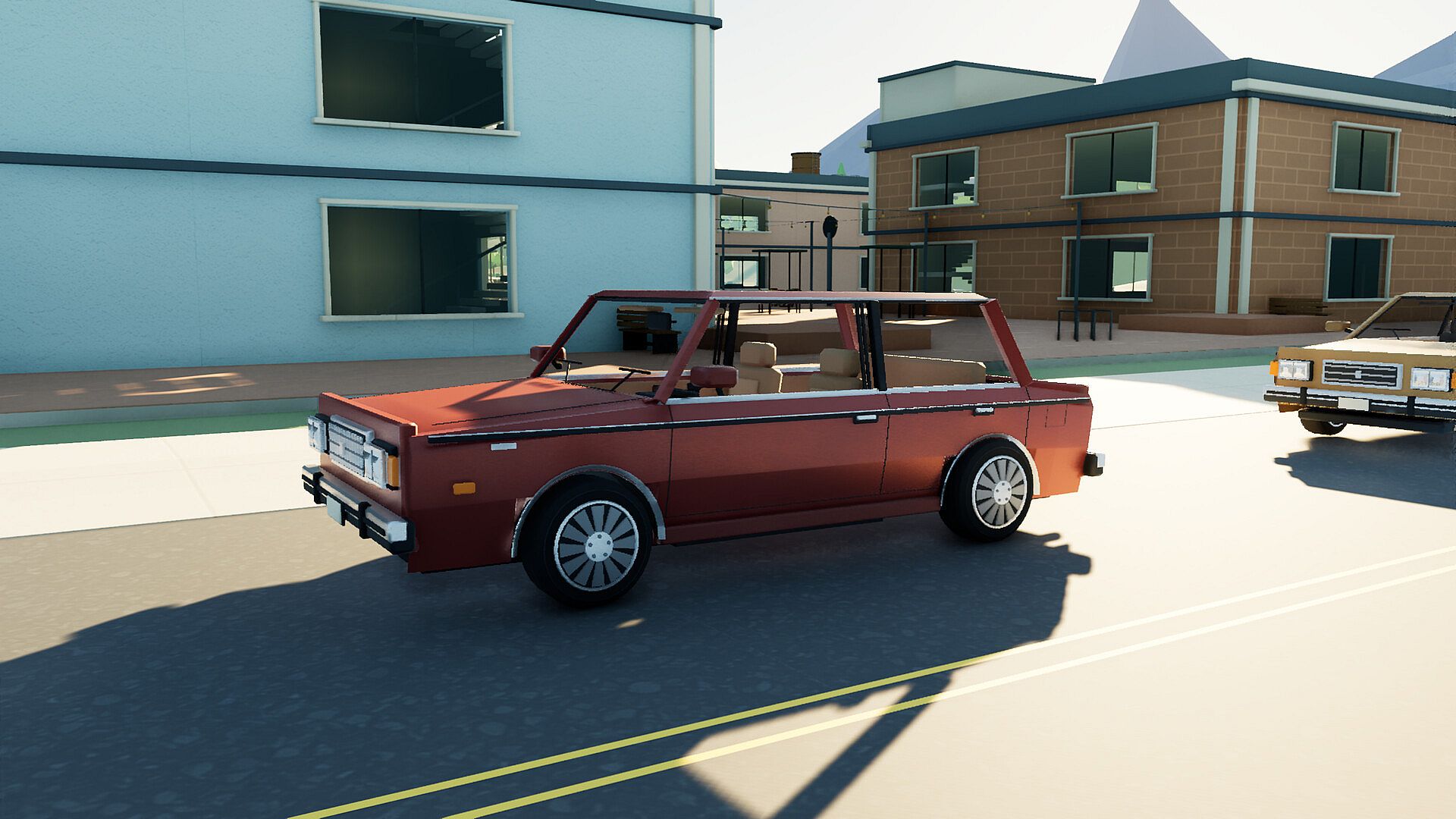
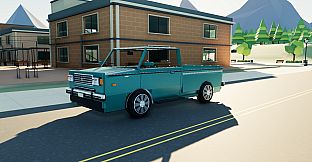
Vehicle handling emphasizes authenticity. Sedans, coupes, pickups, vans, and supercars feature manual gear shifting, rev monitoring, and suspension that responds to curbs or uneven landings. Doors open individually, seats must be occupied to drive, and the overall feel prioritizes tactile feedback over arcade simplification.
Combat relies on carried objects rather than abstracted menus. Pistols, submachine guns, rifles, and shotguns occupy inventory slots alongside magazines and supplies. Reloading involves removing a spent magazine and inserting a fresh one by hand, while aiming uses physical weapon sights. Two hands limit simultaneous actions, forcing deliberate choices during engagements.
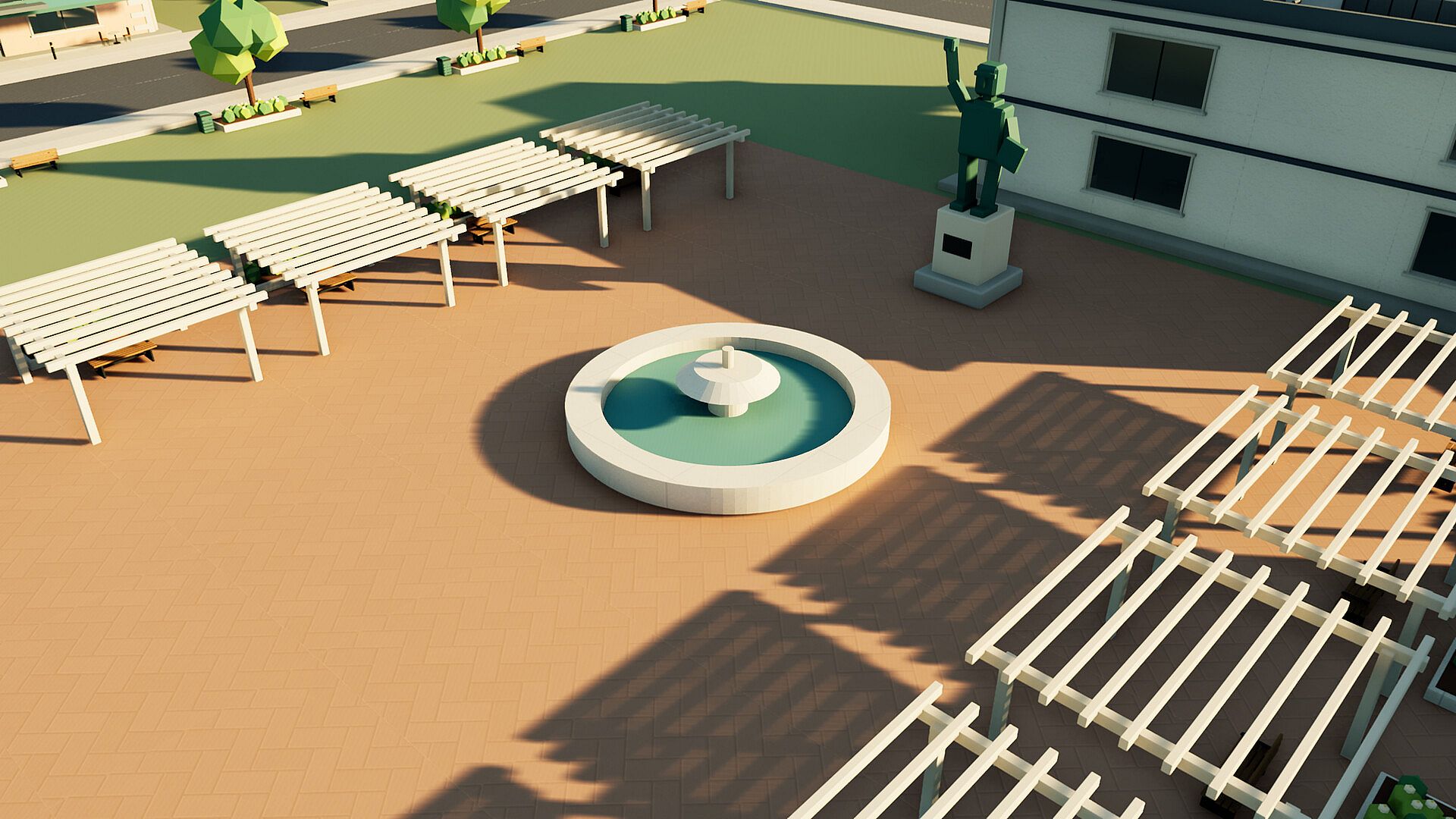
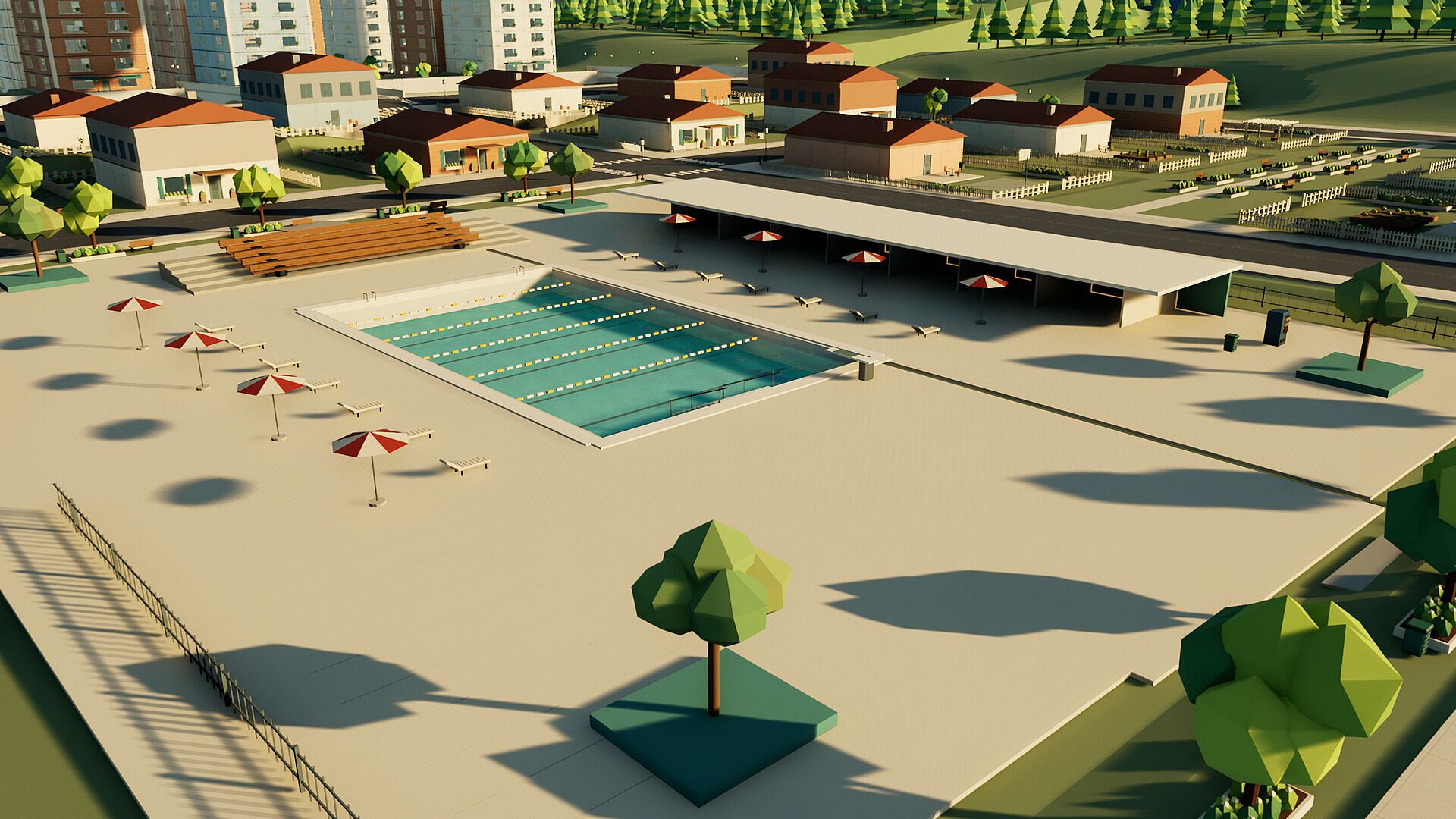
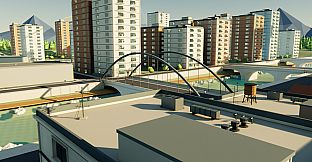
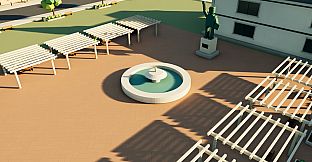
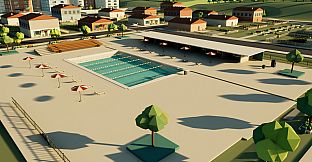
Exploration covers varied districts including town squares, residential streets, industrial zones, and high-rises. Furnished interiors, a river crossing, and a pool area provide distinct spaces. Doors swing on hinges, windows shatter under force, and hosts can freely position vehicles, props, and equipment using built-in sandbox tools.
Game Modes
Sessions operate primarily as open sandboxes that support both solo play and group coordination. Hosts create custom setups such as obstacle courses or load pre-made configurations, then invite others through direct connections or a server browser. Proximity voice chat enables natural communication while sharing equipment and coordinating activities.
Custom game modes extend the sandbox foundation. Players load or create rulesets that alter objectives, win conditions, or available tools, allowing groups to define their own experiences on the fly. Saved sandboxes preserve layouts and progress for return visits, supporting ongoing projects or recurring meetups.
Multiplayer emphasizes flexibility over structured matchmaking. Friends join hosted instances directly, and the system accommodates both casual experimentation and more directed play through shared rules or modded content.
Modding and Community Content
A standalone SDK ships with the game for creating maps, game modes, weapons, vehicles, characters, effects, and addons. Users begin with example projects and built-in tutorials that cover asset import, Lua scripting in external editors, testing, and export. The included handbook details the full workflow without requiring external tools like Unreal Editor.
Steam Workshop integration lets creators upload and browse community contributions. New locations, equipment, or rule sets integrate directly into existing sessions or serve as templates for further development. This ecosystem supports iterative expansion of the core sandbox without altering the base game files.
Is It Worth Playing?
Groder Reborn suits players who enjoy physics-driven experimentation, vehicle operation, and hands-on firearm handling within a persistent town environment. The combination of body simulation, interactive objects, and multiplayer hosting creates opportunities for emergent scenarios that range from casual driving tours to coordinated building projects or improvised combat encounters.
Those drawn to modding will find immediate value in the included SDK and Workshop support, which enable custom maps and modes without advanced technical barriers. The pre-release status means ongoing refinement, but the verified systems already deliver consistent physics interactions and flexible session management.
Overall, the game appeals most to fans of sandbox titles that prioritize simulation depth and player-driven creativity over linear campaigns or competitive ladders. Its focus on tangible mechanics and group collaboration provides a distinct alternative for PC users seeking open-ended action experiences.











