




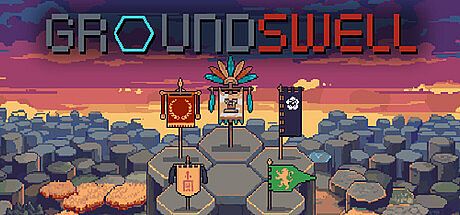


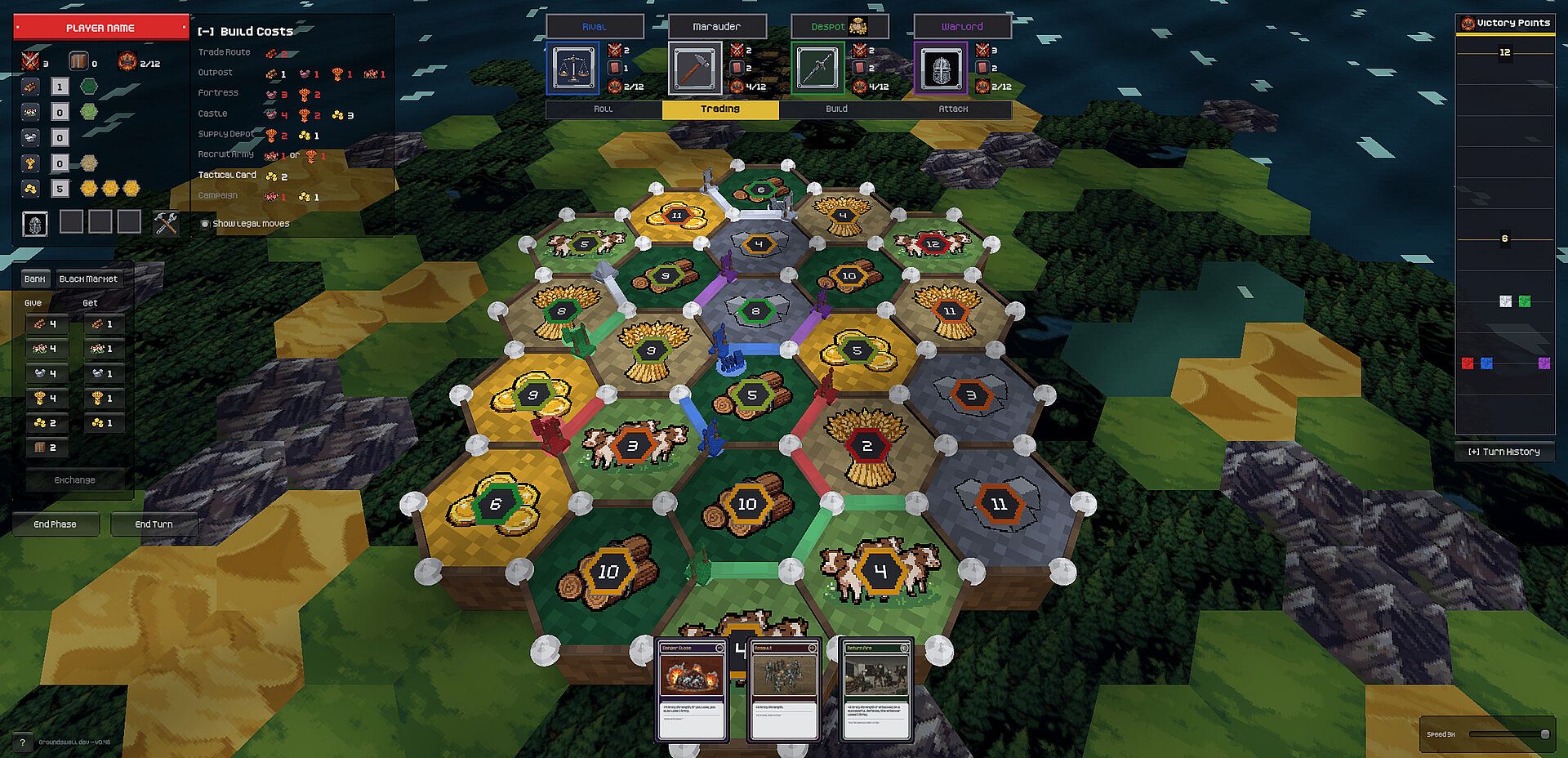
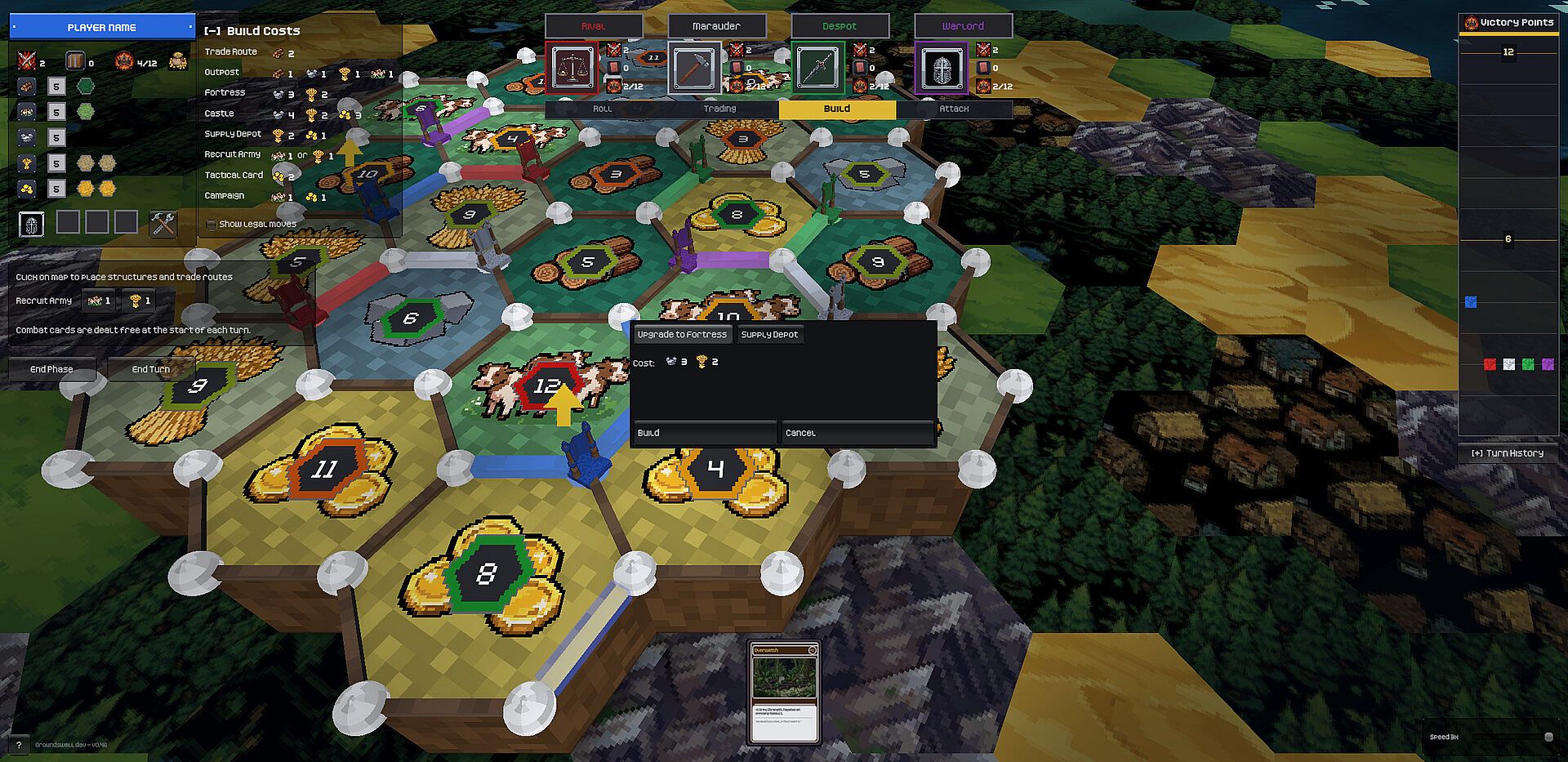
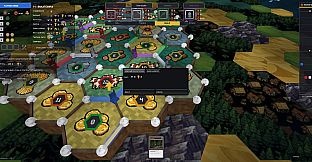
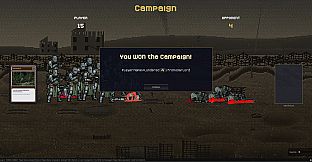
Groundswell is a strategy game set on the continent of Esagono, where five factions compete for dominance through territorial control and resource management. Players take command of one faction and work to expand influence across a contested map by claiming tiles, gathering resources, and outmaneuvering rivals. The core loop centers on settlement, trade, and occasional clashes resolved through hidden combat cards and strategic bluffing. Each match unfolds on a procedurally different map, keeping the experience fresh across multiple sessions.
Gameplay
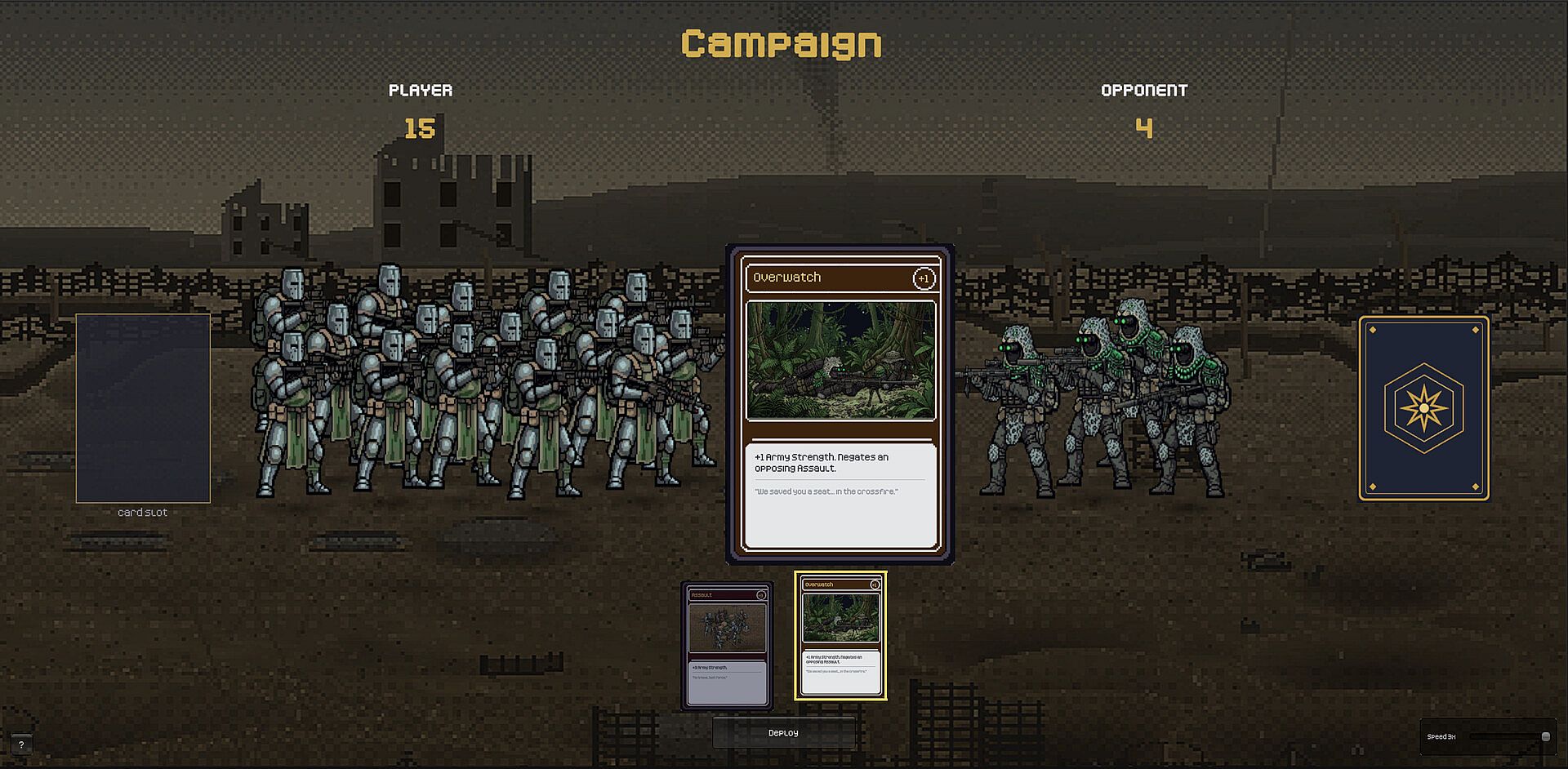
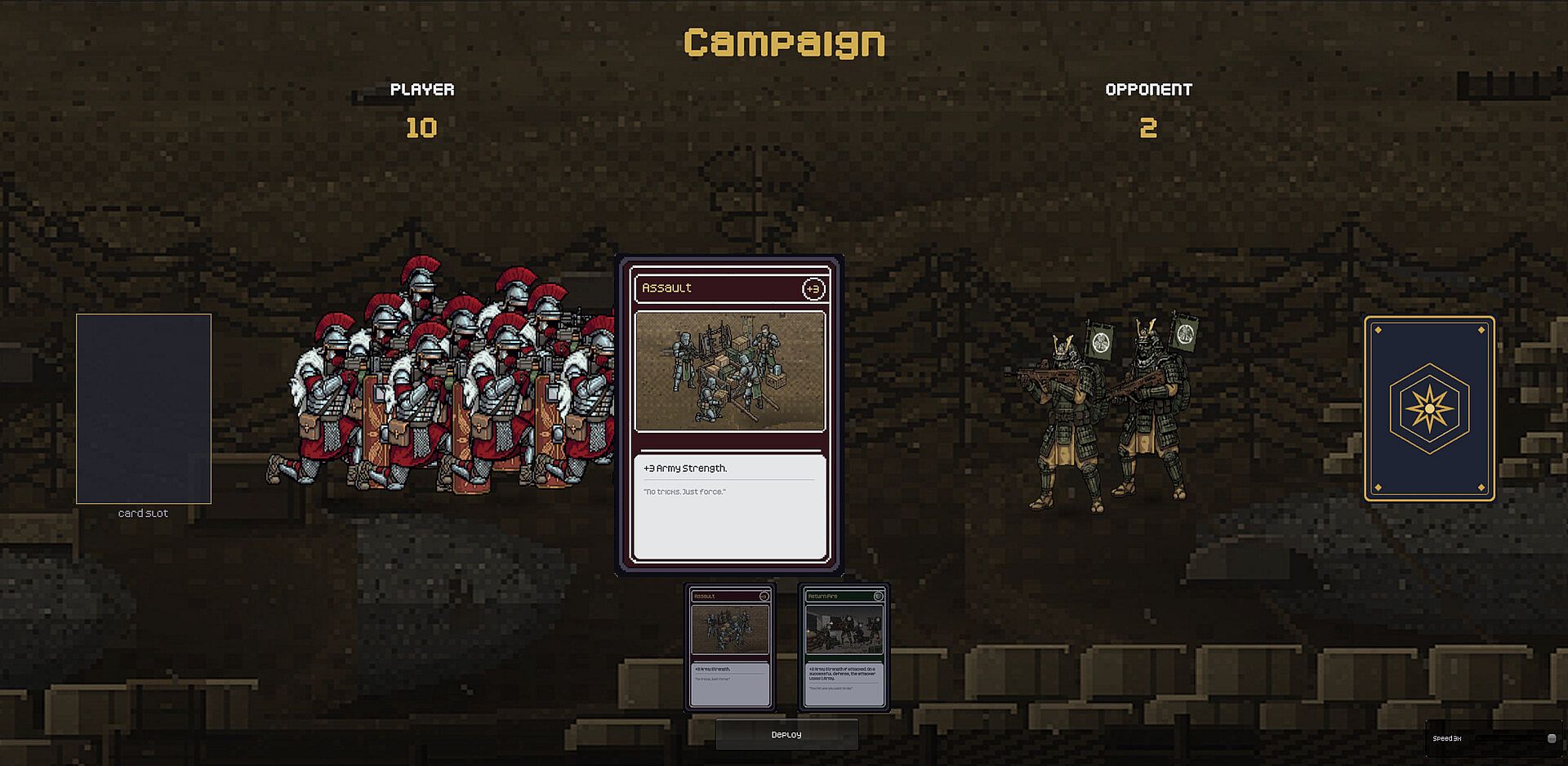
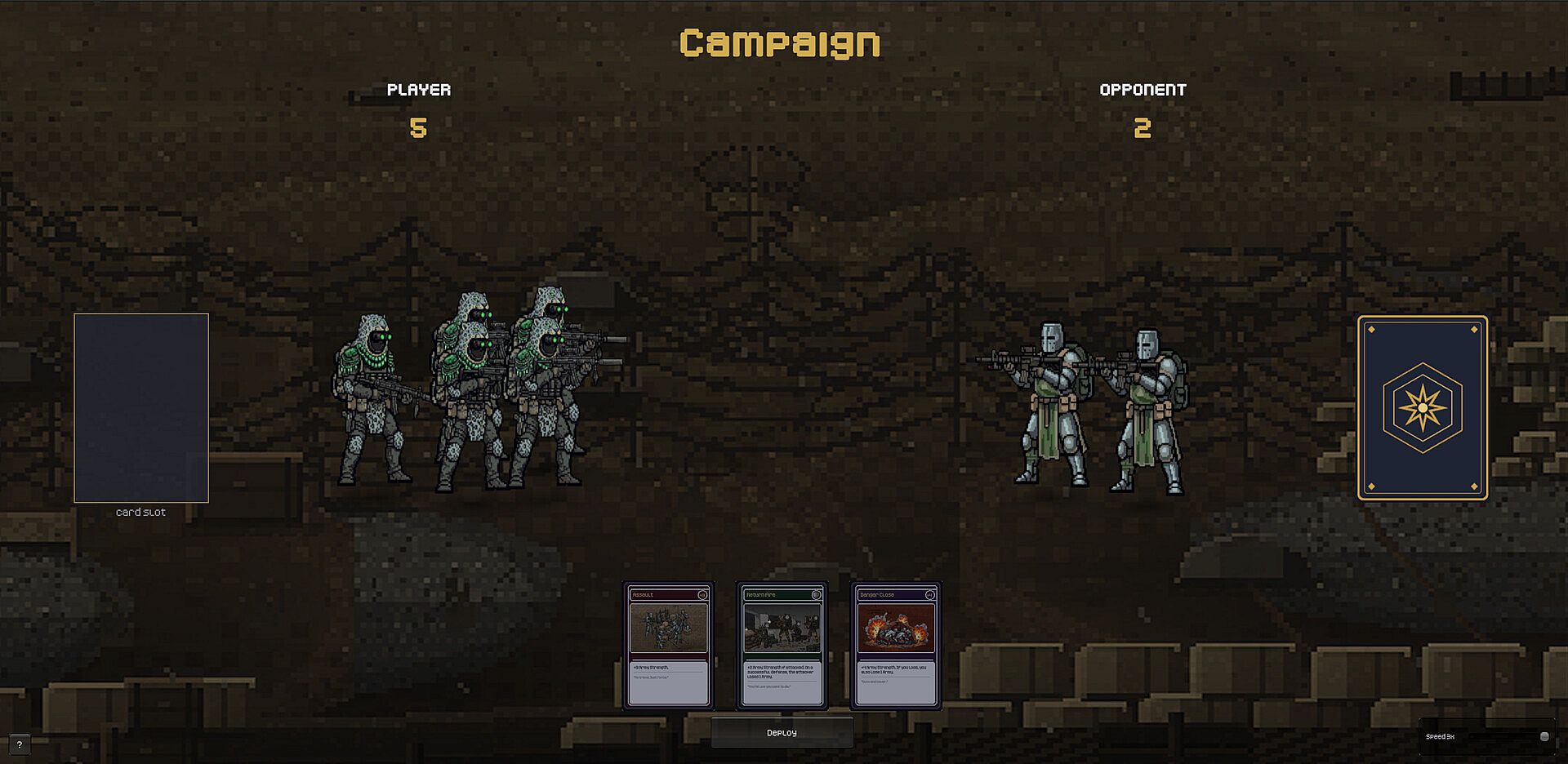
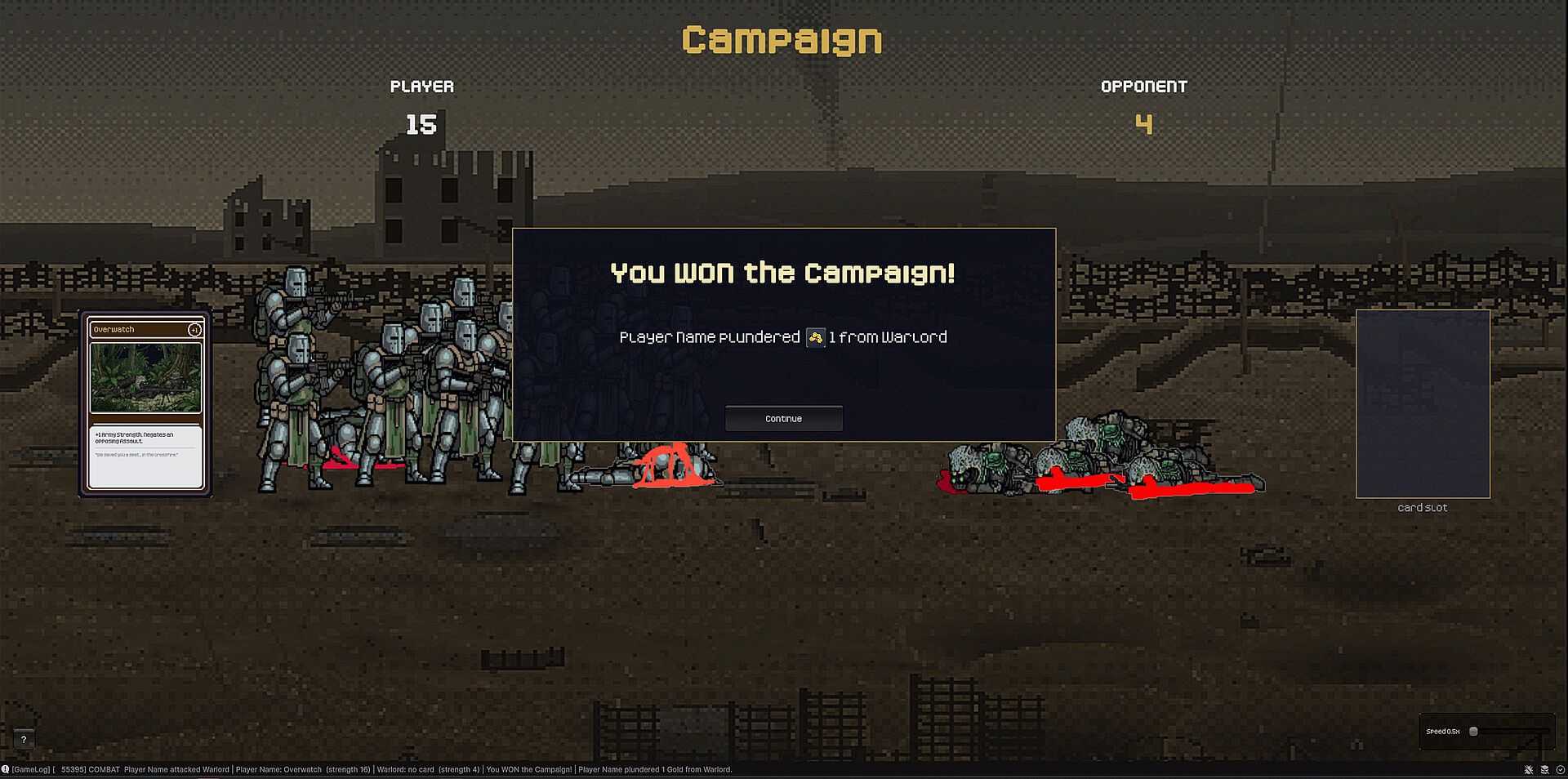
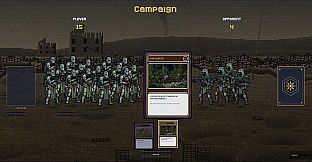
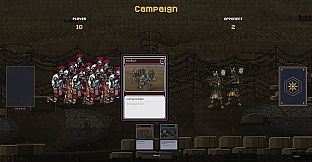
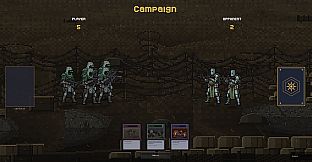
Resource collection relies on dice rolls tied to claimed tiles, which players use to build economies and support expansion toward a victory threshold. Trading resources with other factions adds a layer of negotiation and timing, while structures provide defensive or economic advantages once placed. Combat occurs when rivals encroach, resolved by selecting cards from a concealed hand to represent attacks or defenses. Bluffing plays a key role here, as opponents must anticipate or counter without full information. The system emphasizes decision-making and reading opponents over pure chance, with rounds designed for quick resolution even as the board state evolves.
Four distinct classes shape long-term strategy. The Warlord focuses on military efficiency with reduced costs for armies and stronger attack options. The Economist prioritizes production by doubling yields on bordering resources and improving trade terms. The Architect lowers construction expenses for buildings and increases their durability. The Trickster gains advantages through resource theft from neighbors and greater flexibility in drawing combat cards. Additional enigmas appear during play to further customize abilities and create varied paths to success.
Game Modes
The primary experience revolves around a conquest campaign that tasks players with securing control of the entire continent piece by piece. Matches support both competitive and solitary play against AI opponents, with the shifting map ensuring no two campaigns follow identical patterns. Victory conditions adapt to the chosen class, encouraging different approaches such as aggressive expansion, economic dominance, or tactical deception. The design keeps tension high throughout, as even trailing positions allow for comebacks through precise resource trades or well-timed card plays.
Core Mechanics and Features
Tile claiming forms the foundation, with resources flowing from controlled areas to fuel further growth. Hidden-hand card combat introduces uncertainty and psychological elements during raids or defenses. The map regenerates differently each time, altering starting positions and resource distributions. Enigmas supplement the four classes, offering targeted upgrades that reward experimentation across repeated campaigns. Skill in anticipating opponent moves and managing limited resources determines outcomes more than random elements.
Is It Worth Playing?
Groundswell suits players who enjoy deliberate strategy sessions built around resource efficiency, territorial expansion, and bluffing in combat. The class system and shifting maps provide meaningful variety without overwhelming complexity, making it accessible for casual sessions while offering depth for repeated play. Those drawn to indie strategy titles that reward careful planning and opponent reading will find the mechanics engaging. The campaign structure supports extended playthroughs focused on mastering different victory paths. Availability on PC allows straightforward access for those interested in this style of competitive conquest gameplay.











