





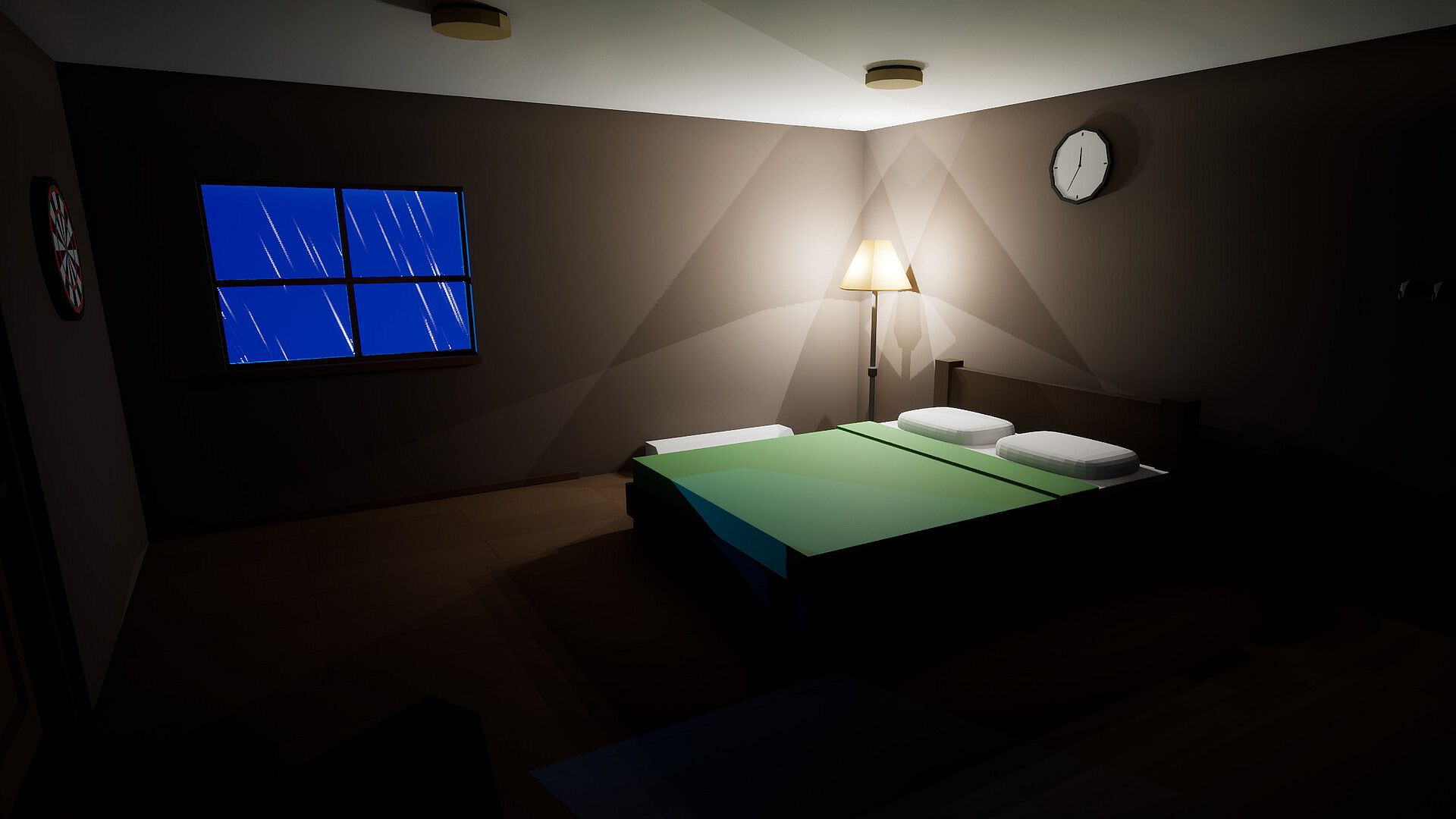
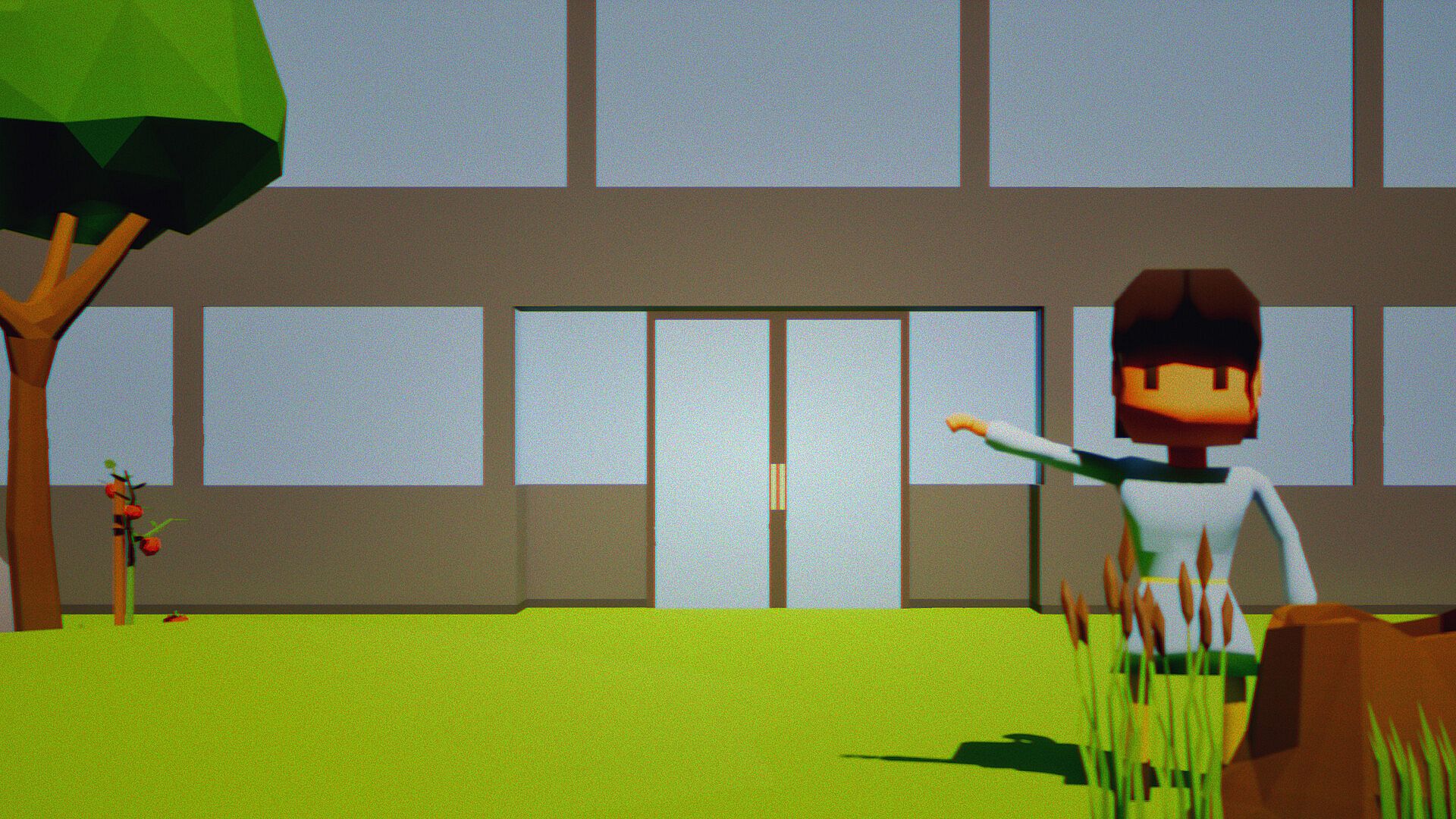
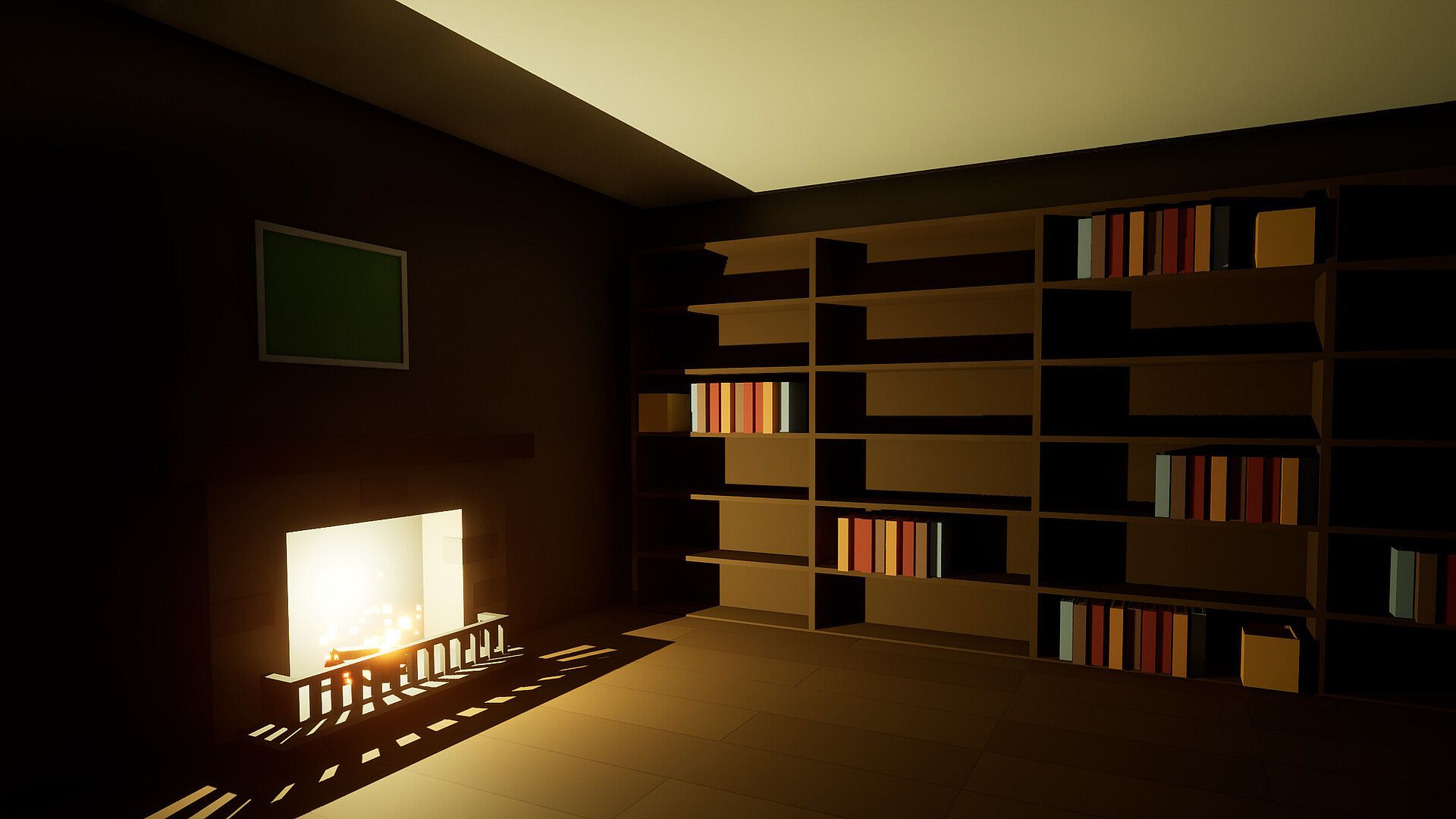
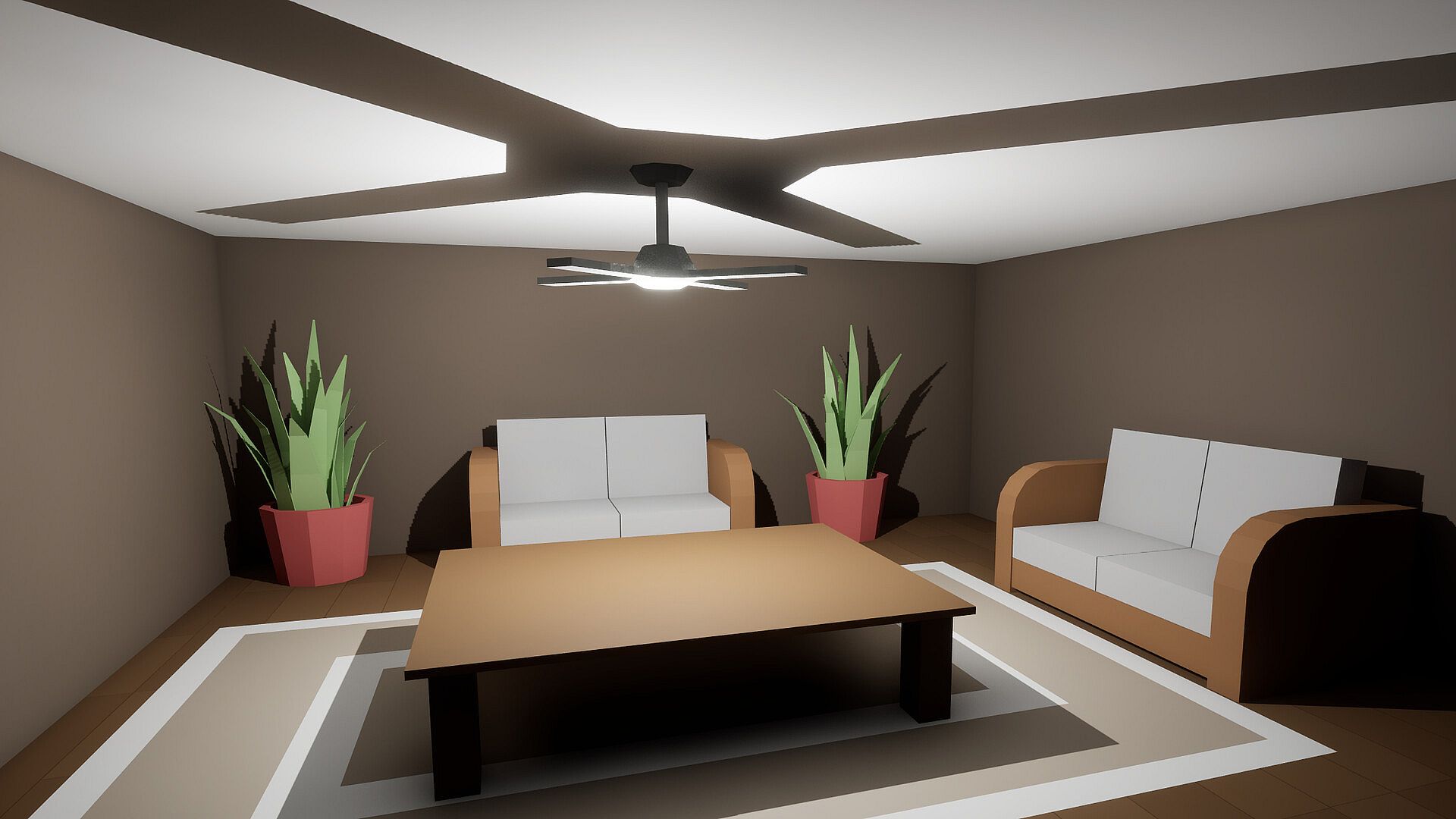
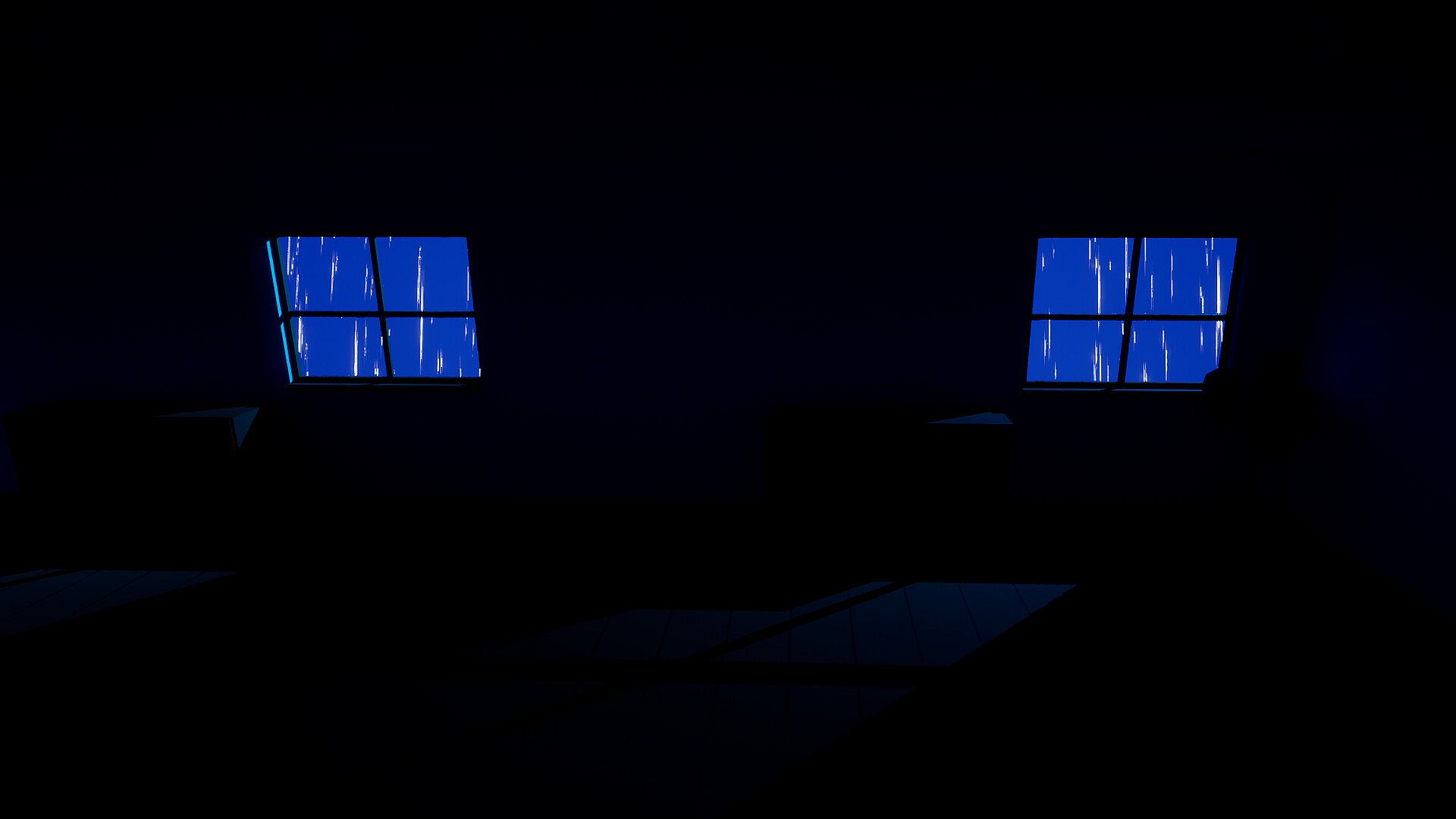
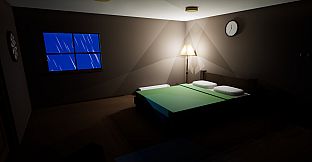




Happy Hollow is a single player first person horror adventure game set inside the decaying corridors of an abandoned hotel. Players step into the role of an investigator drawn to the once cheerful Happy Hollow Hotel, where the smiling mascot Mr. Welcome still lingers. The experience blends exploration with environmental storytelling to reveal a darker past through forgotten objects, damaged recordings, and faded advertisements scattered throughout the property.
Gameplay
The core loop centers on methodical exploration of rooms and dark hallways. Players examine furniture, pick up items, operate switches, locate keys, and open new sections of the building as they piece together the hotel's history. Progress feels deliberate, with tension built through sound design that highlights footsteps, distant noises, and environmental shifts rather than nonstop combat.
Scripted encounters with Mr. Welcome provide cinematic moments of dread. These sequences emphasize survival through careful movement and awareness instead of direct confrontation. VHS style recordings play at key locations to expand the narrative without interrupting the flow of investigation. The pacing encourages players to linger in spaces, listen for cues, and connect clues across multiple areas before advancing.
Interaction remains focused on practical actions that support discovery. Objects respond in ways that feel grounded in the hotel setting, and the first person perspective keeps attention on details like faded wallpaper, scattered luggage, and flickering lights. Sound cues guide attention toward potential threats or hidden paths, reinforcing the horror atmosphere without relying on jump scares alone.
Game Modes
Happy Hollow offers only a single player campaign. There are no multiplayer options, co op features, or additional modes listed. The entire experience unfolds as a linear yet open ended journey through the hotel, where players control the pace of exploration and story revelation on their own.
This structure suits focused sessions where attention stays on atmosphere and narrative threads. Without competitive or cooperative elements, the game maintains a consistent tone centered on solitude and growing unease as the mascot's presence becomes more apparent.
Story and Setting
The narrative unfolds entirely through the environment and found media. What began as a welcoming destination with Mr. Welcome as its friendly mascot hides a troubled history that surfaces piece by piece. Forgotten belongings and old promotional materials hint at events that turned the hotel into an isolated, unsettling place.
Players uncover these fragments while moving deeper into restricted zones. The story avoids direct exposition, instead letting the hotel itself communicate its past through visual details and audio logs. This approach rewards careful observation and repeated visits to earlier rooms as new keys or switches grant access to previously locked spaces.
Atmosphere and Presentation
Immersive audio plays a central role in maintaining tension. Changes in ambient noise, distant movement, and the hotel's creaks and groans signal shifts in safety or proximity to threats. Visual design emphasizes contrast between the hotel's cheerful original branding and its current state of neglect and decay.
Lighting and layout guide players through a mix of familiar guest areas and increasingly restricted back corridors. The first person view heightens the sense of vulnerability, especially during encounters where Mr. Welcome appears. Pacing allows moments of quiet investigation to alternate with sudden reminders that the building is not truly empty.
Is It Worth Playing?
Happy Hollow suits players who prefer atmospheric single player horror built around exploration and environmental clues. Those who enjoy piecing together stories from objects and recordings will find the deliberate pace rewarding, while fans of constant action or multiplayer may find the focus on tension and solitude less engaging.
The game emphasizes survival through awareness and careful navigation rather than combat systems. Its strength lies in the consistent tone and the way the mascot's presence grows more unsettling as more of the hotel opens up. For anyone drawn to indie horror adventures that prioritize mood and discovery over fast paced sequences, the experience delivers a focused journey through a setting that feels both nostalgic and deeply wrong.












