


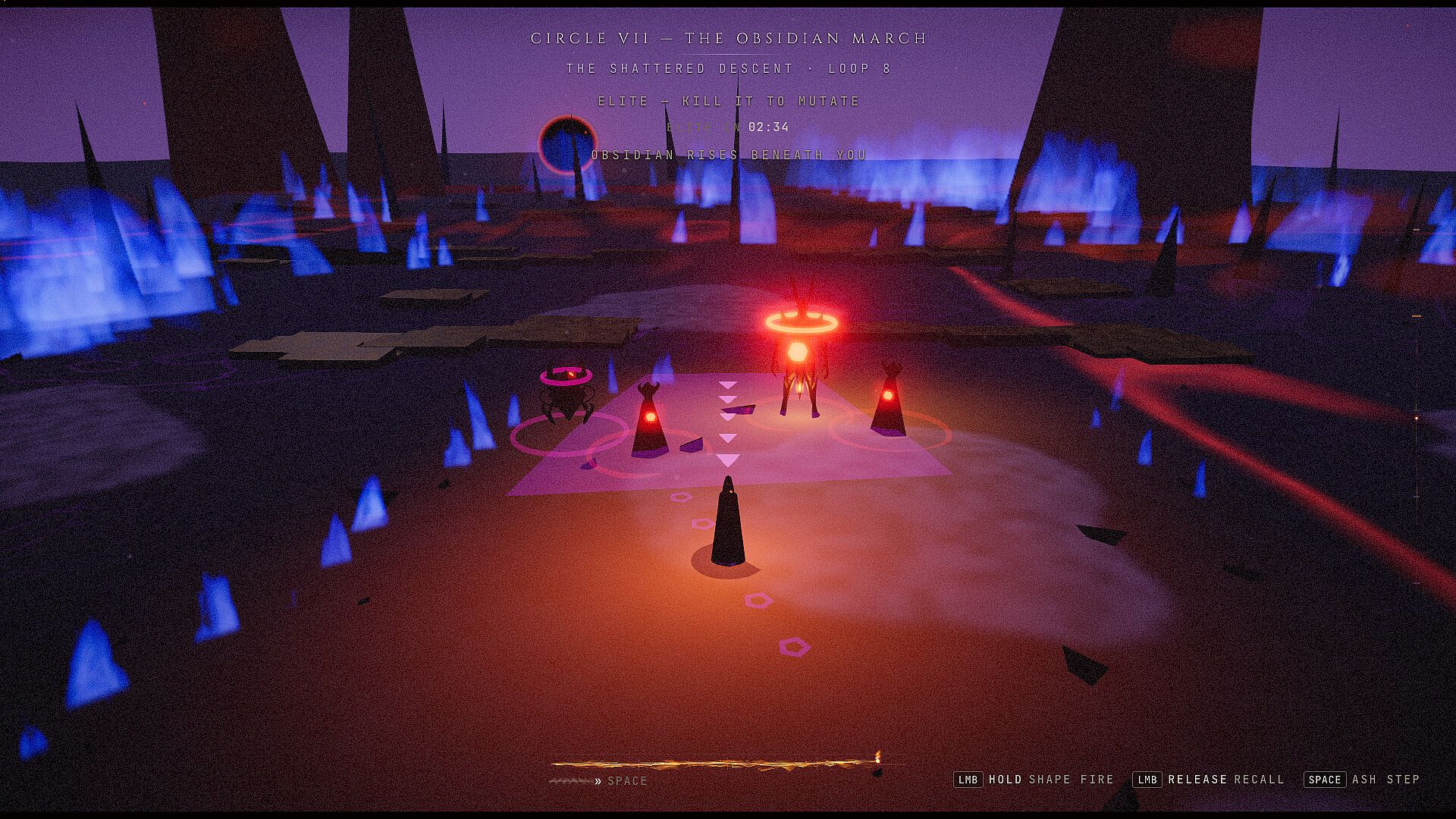
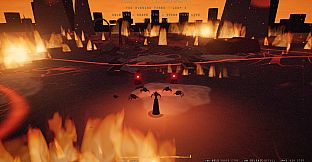
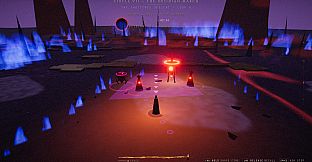
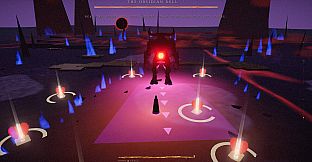
HELL IS FUEL is a single-player 3D action roguelite that places the player in control of a living flame whose power doubles as a finite health resource. The core loop revolves around managing that flame across short, intense runs that last 18 to 22 minutes and take the player through two distinct environments.
Gameplay
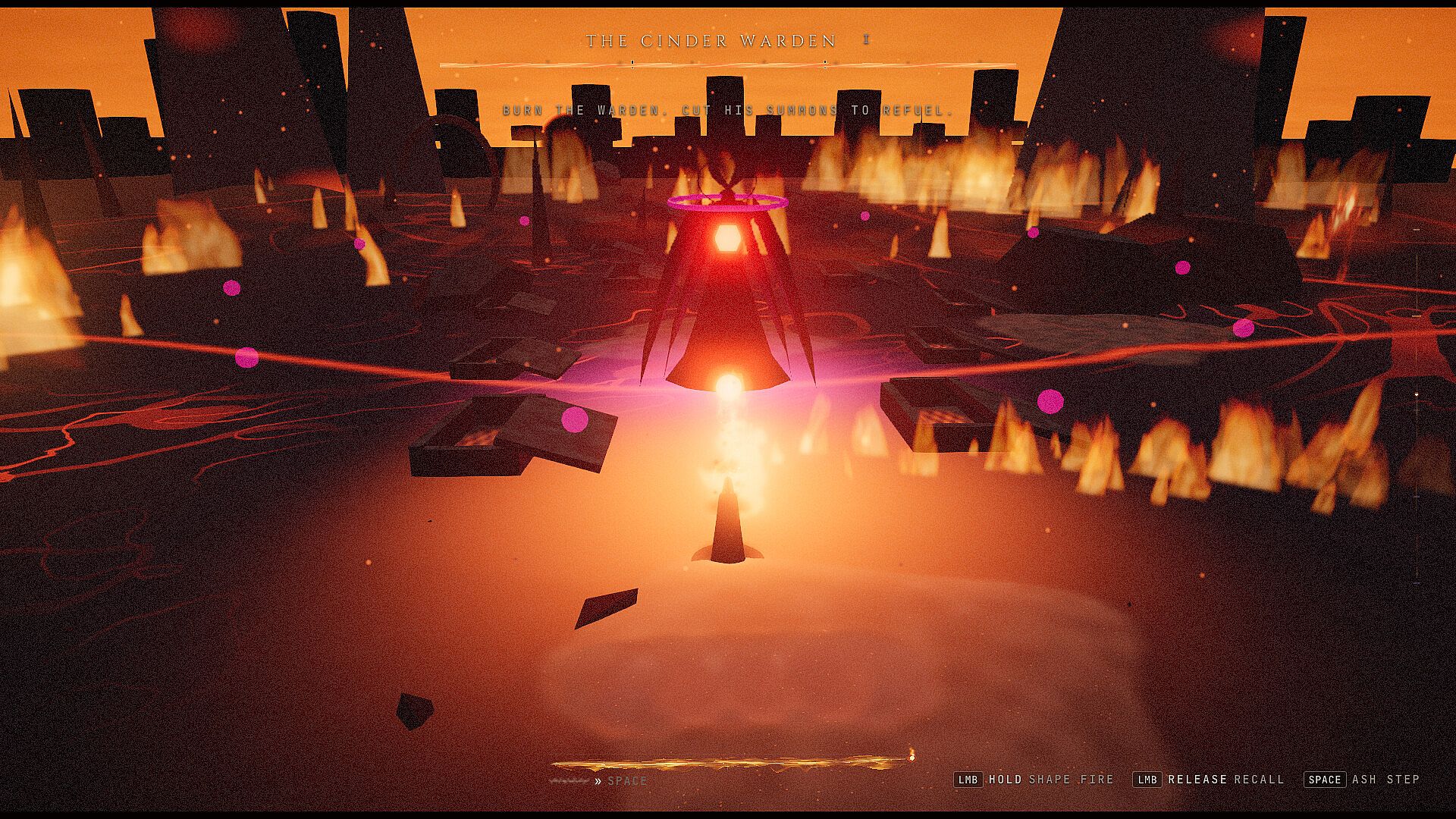
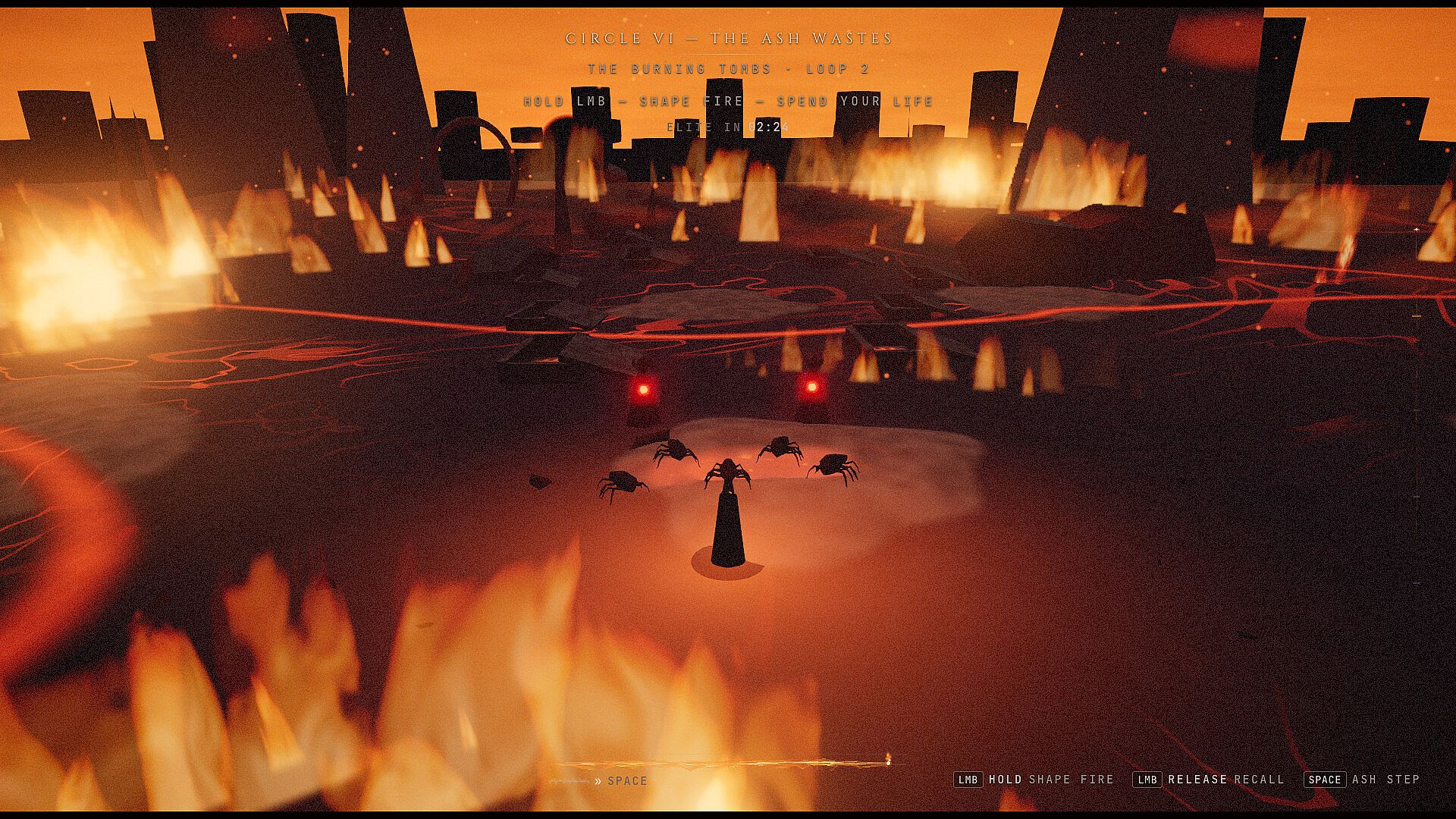
The central mechanic requires players to hold the Shape input to launch a mass of flame into the arena. The flame travels while consuming the shared reserve, and players must guide its path through groups of enemies. Releasing the input triggers Recall, which pulls the flame back in a straight line. Enemies caught on the return path restore Flame, rewarding precise positioning at both the launch point and the recall location. Holding the flame too long or missing the return path drains the reserve, leaving the player vulnerable.
Ash Step provides a long-range dash that creates space when crowds close in. The three actions Shape, Recall, and Ash Step combine in different sequences, and upgrades modify trail behavior, burn patterns, recall efficiency, Flame economy, and dash properties. Environmental hazards and escalating enemy types force constant adjustments to route planning and timing. The low-poly aesthetic receives emphasis through modern lighting, particle effects, deformable ash surfaces, and heat distortion that highlight the flame's movement and impact.
Game Modes
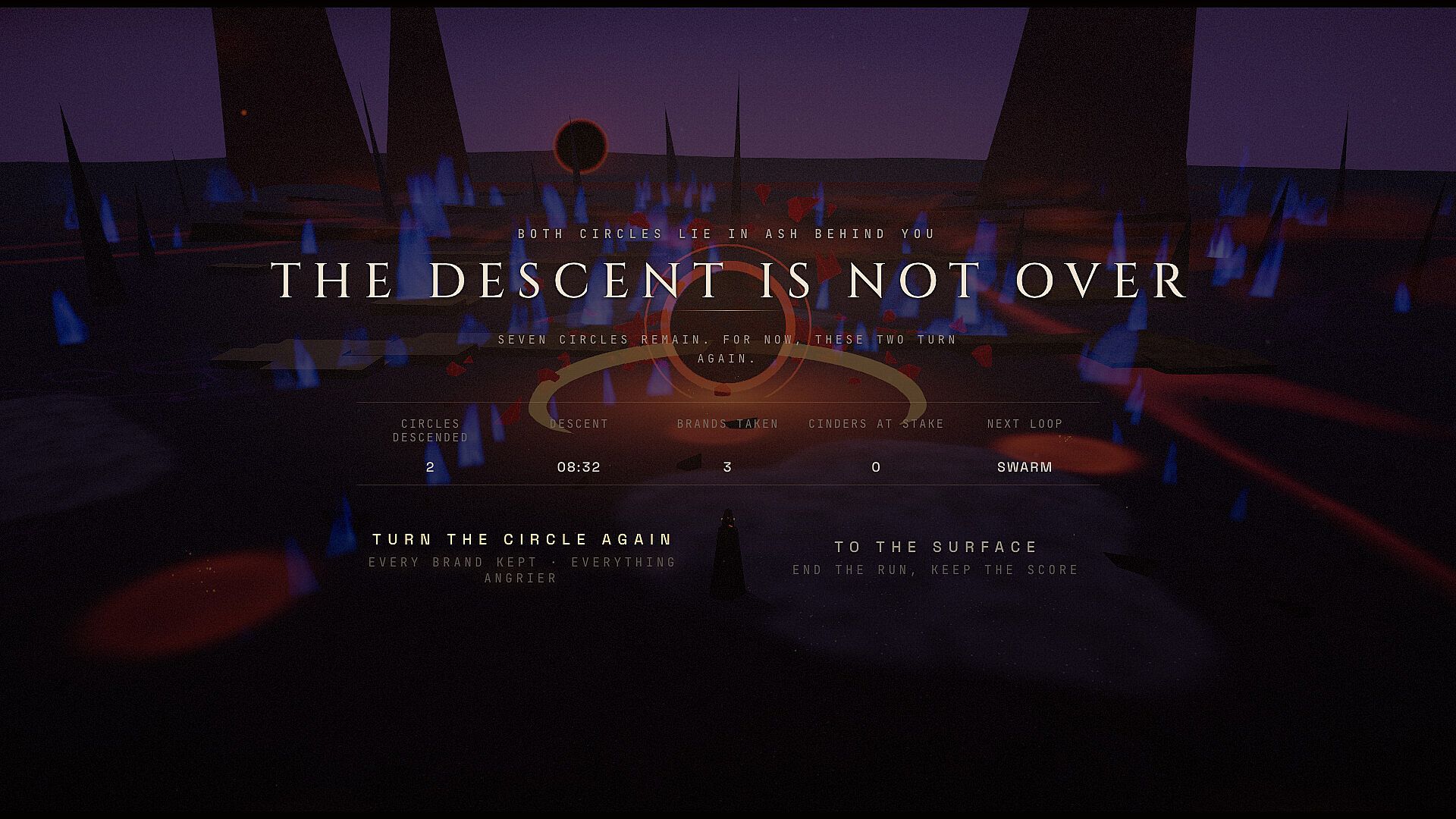
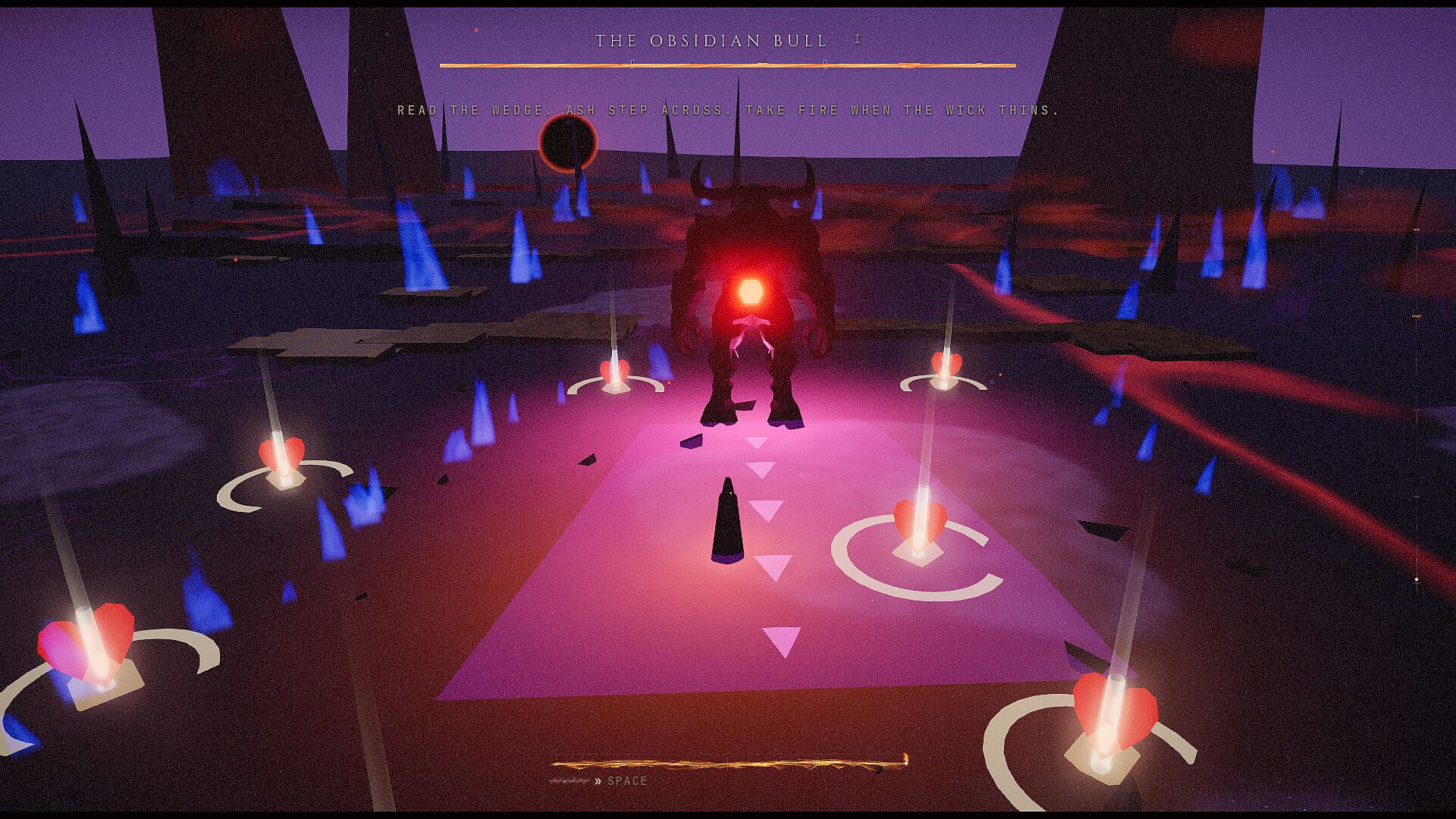
The game offers a single-player descent structured as one continuous run divided into two acts. Players begin in the burning tombs of Ash Wastes before moving into the shattered obsidian terraces of Obsidian March. Hordes grow denser with each section, introducing elites and hazards that test route management. Two bosses appear at key points: the Cinder Warden and the Obsidian Bull. No additional modes such as endless survival or multiplayer variants appear in the available information, keeping the focus on mastering the single descent and its upgrade choices.
Progression and Upgrades
Each run presents opportunities to select upgrades that reshape the three core actions. Changes can extend flame trails, increase burn damage on contact, improve Flame recovery on successful recalls, or alter Ash Step distance and cooldown. These modifications encourage experimentation with different combinations rather than a single optimal build. The roguelite structure means failed runs reset progress while retained knowledge of enemy patterns and arena layouts carries forward. Positioning remains critical because both the initial placement of the flame and the player's location during recall determine survival and resource gain.
Is It Worth Playing?
HELL IS FUEL suits players who enjoy active aiming and resource management in a survivors-like framework without relying on auto-attacks. The deliberate pace of shaping and recalling the flame rewards spatial awareness and quick decisions over passive survival. Those who prefer short, repeatable sessions with clear mechanical depth will find the 18 to 22 minute runs accessible for repeated attempts. The emphasis on deliberate low-poly visuals paired with fire and particle effects creates a distinct atmosphere that stands apart from higher-fidelity action titles. Availability is limited to PC at present, and the single-player focus means the experience centers entirely on personal mastery of the flame mechanics rather than competitive or cooperative elements. If the described loop of launching, guiding, and recalling a living flame appeals, the game delivers a focused test of positioning and timing within its two-act structure.