




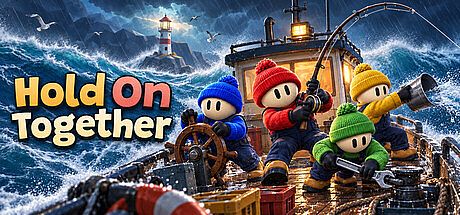


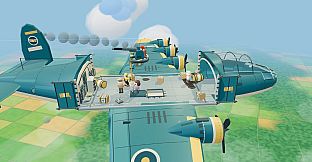
Hold On Together is a physics-based action indie casual game built for four-player online co-op on PC. Players form a team, enter a lobby, and tackle short chaotic jobs across randomly chosen maps where teamwork and quick reactions determine whether the group succeeds or descends into disorder.
Gameplay
The core loop centers on five-minute rounds that emphasize division of labor amid constant interference. Teams handle shared objectives such as bailing water, feeding engines, collecting items, or defending positions while physics-driven hazards like waves, impacts, loose objects, and sudden attacks disrupt progress. Coordination becomes essential because one player's mistake can send objects flying or stall critical tasks, forcing the group to adapt on the fly. Matches support both friend groups and random matchmaking, keeping sessions accessible for quick play without long commitments.
Each round drops the team into a new setting with its own set of jobs and environmental threats. Players must communicate to assign roles, react to emerging problems, and recover from setbacks caused by the game's physics simulation. The short duration encourages repeated attempts, and the emphasis on shared responsibility turns simple chores into frantic scrambles that reward quick thinking and mutual support.
Game Modes
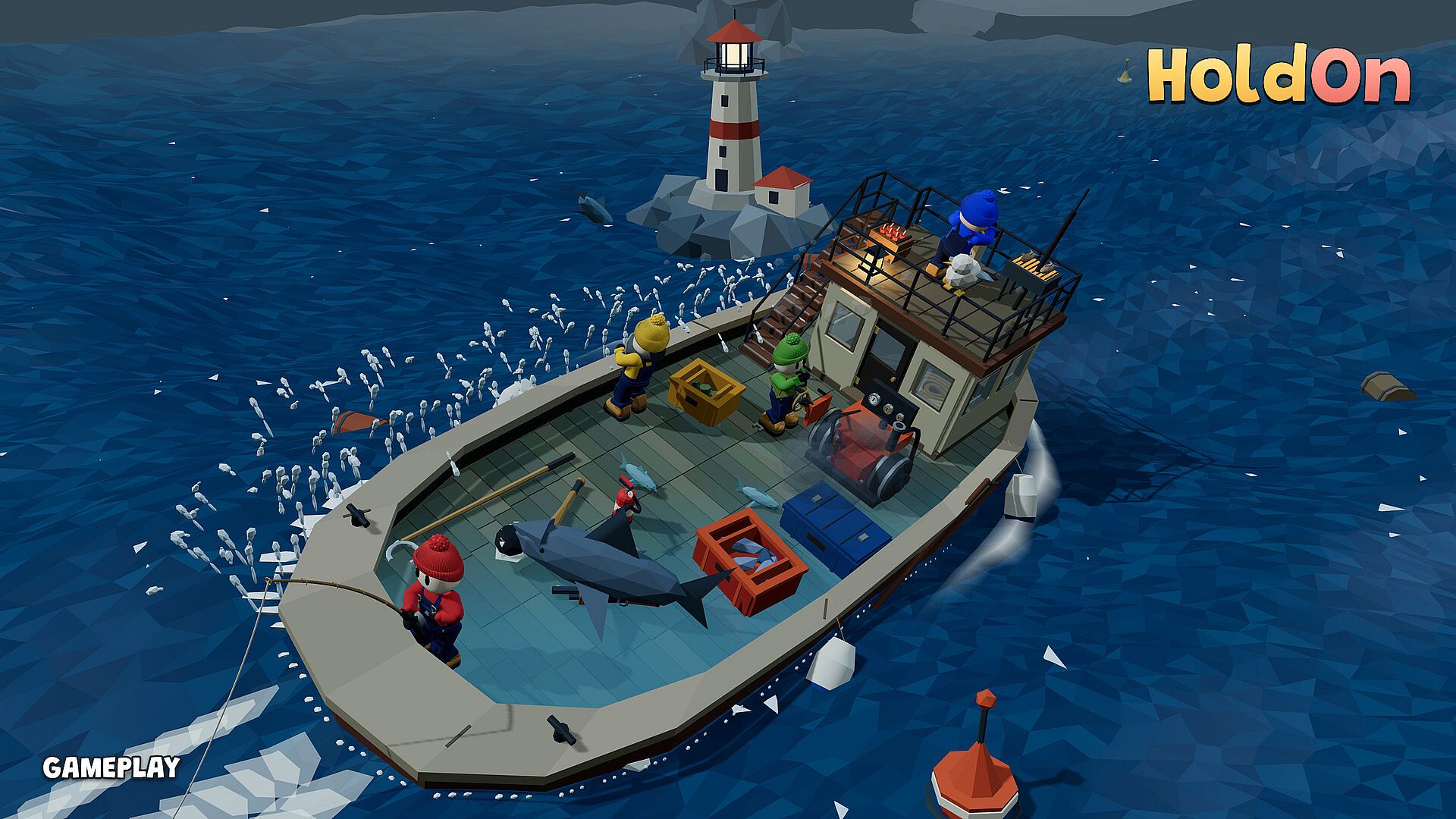
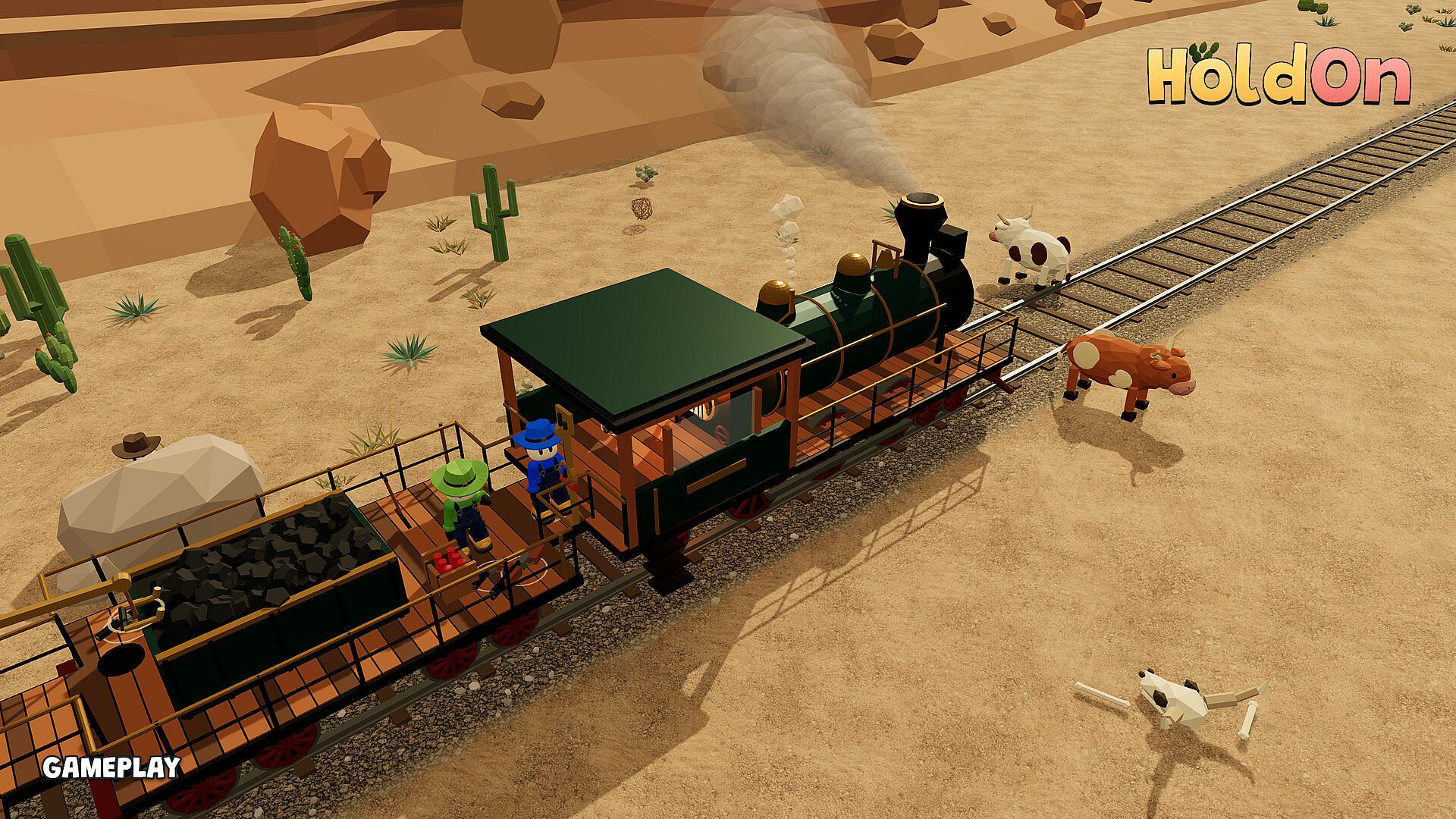
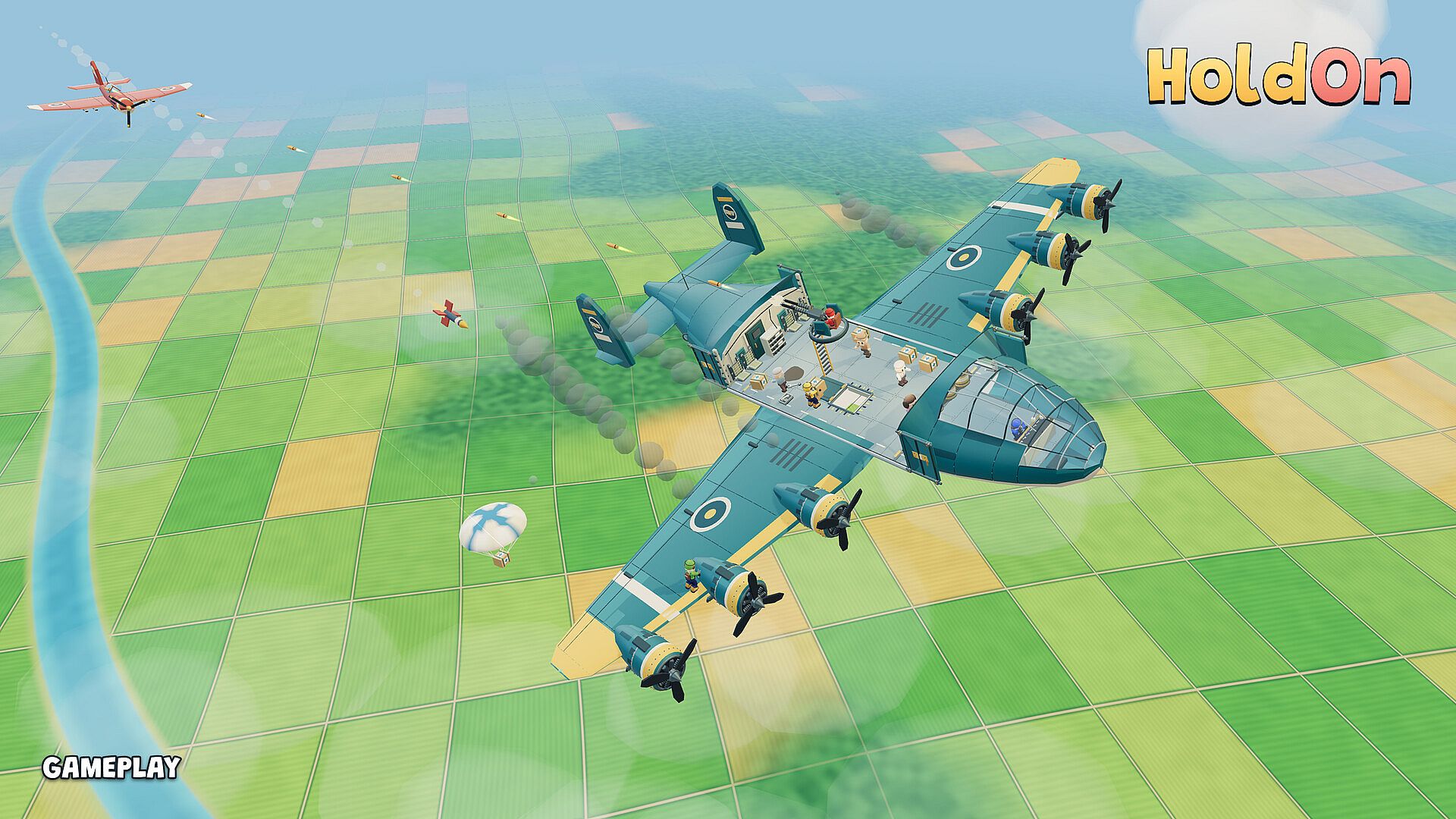
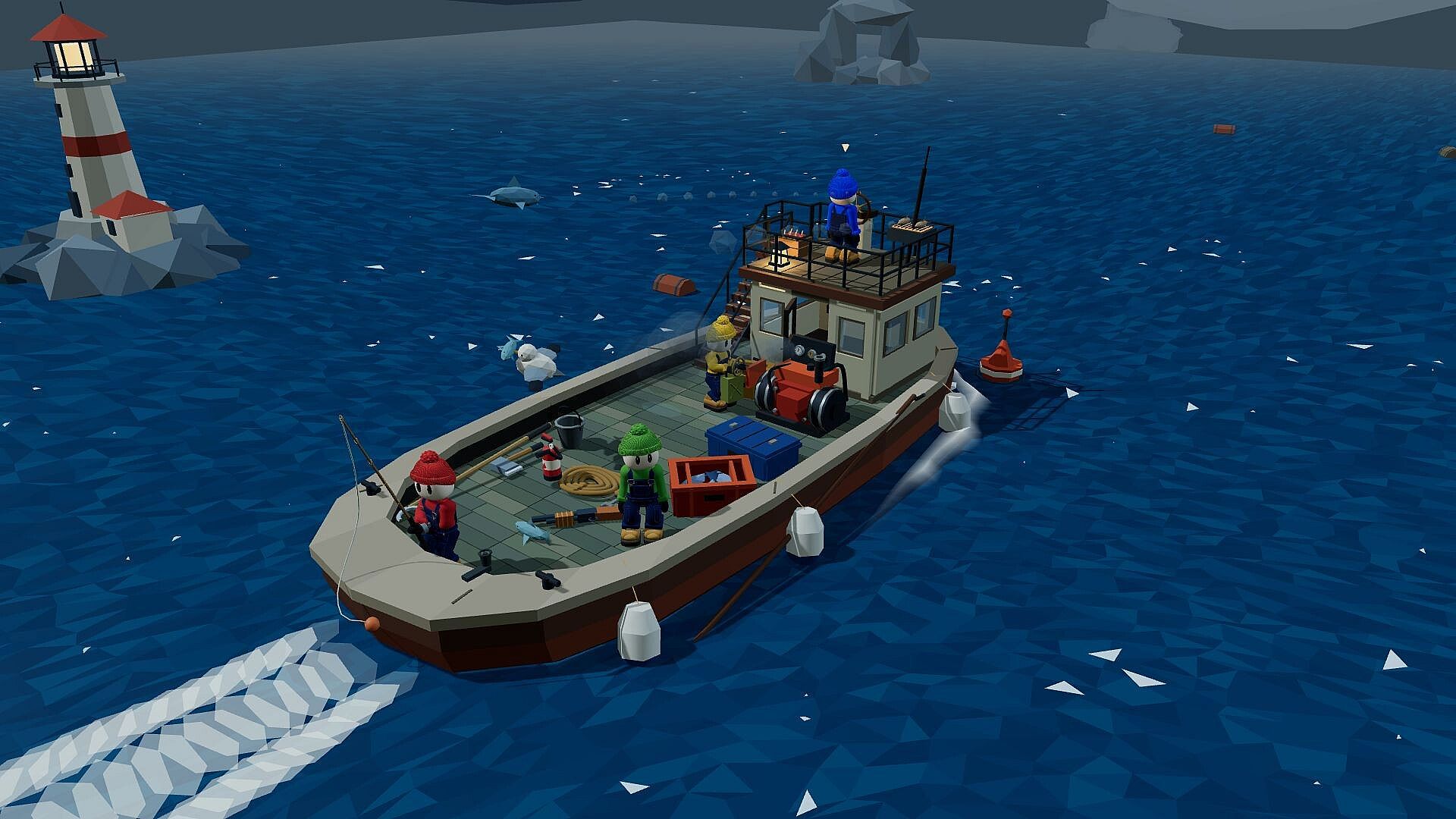
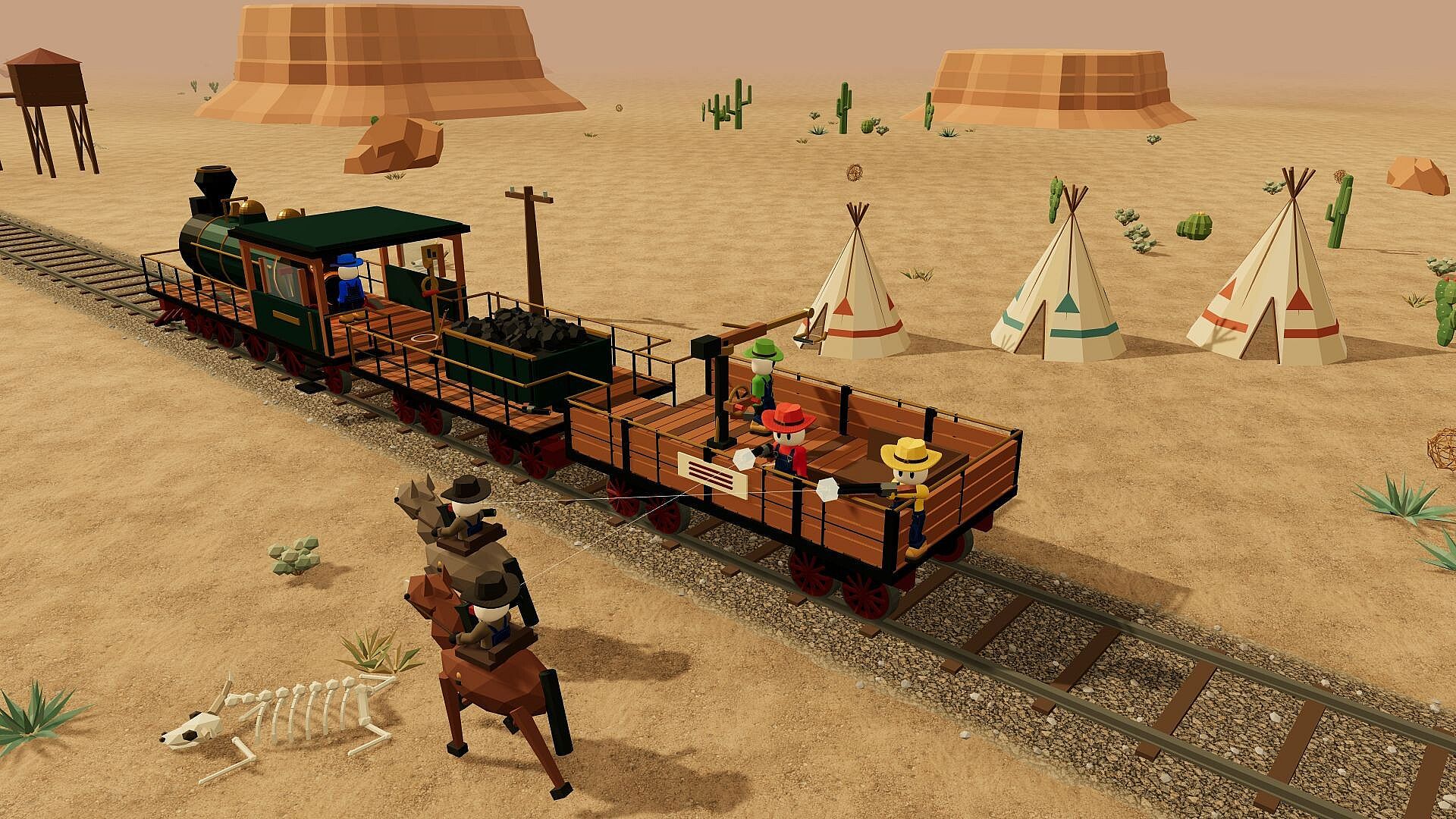
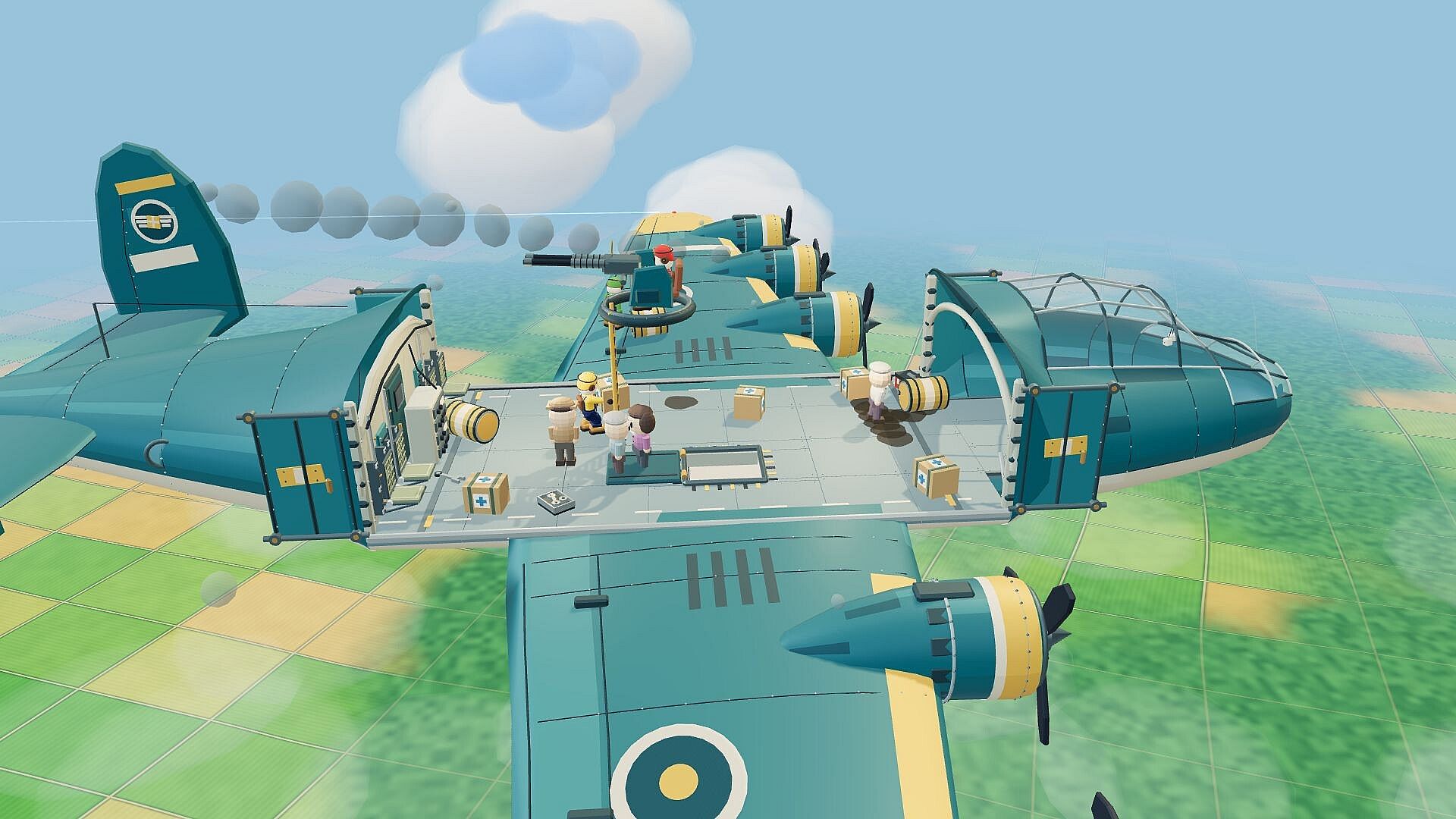
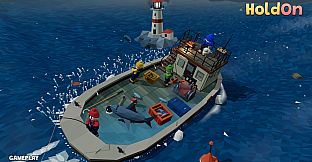
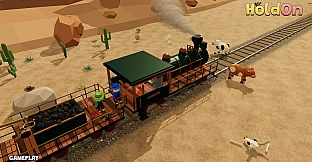
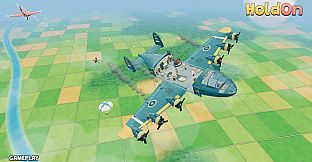
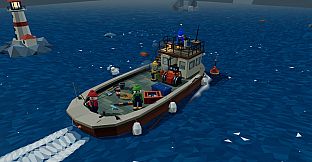
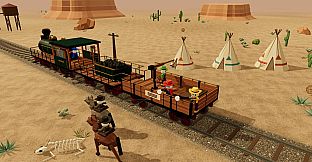
Hold On Together features five distinct map types that rotate randomly each round. Storm Boat requires players to manage water levels, maintain the engine, and continue fishing operations while waves rock the vessel. Mail Express involves stoking the furnace, gathering mail bags during transit, and fending off raiders who target the cargo. Relief Flight tasks the team with transporting and delivering supplies under turbulent conditions and aerial threats that can knock items loose.
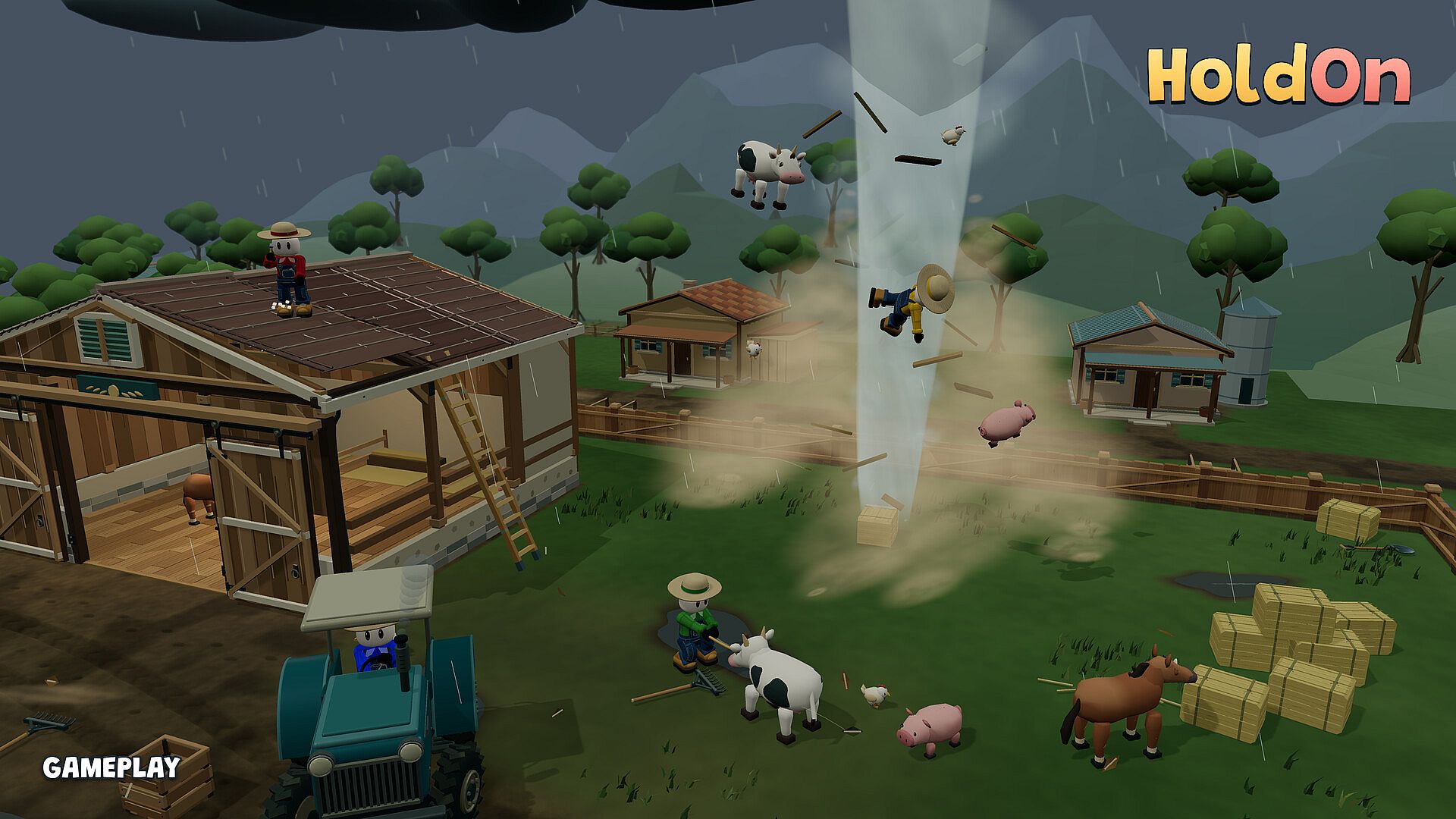
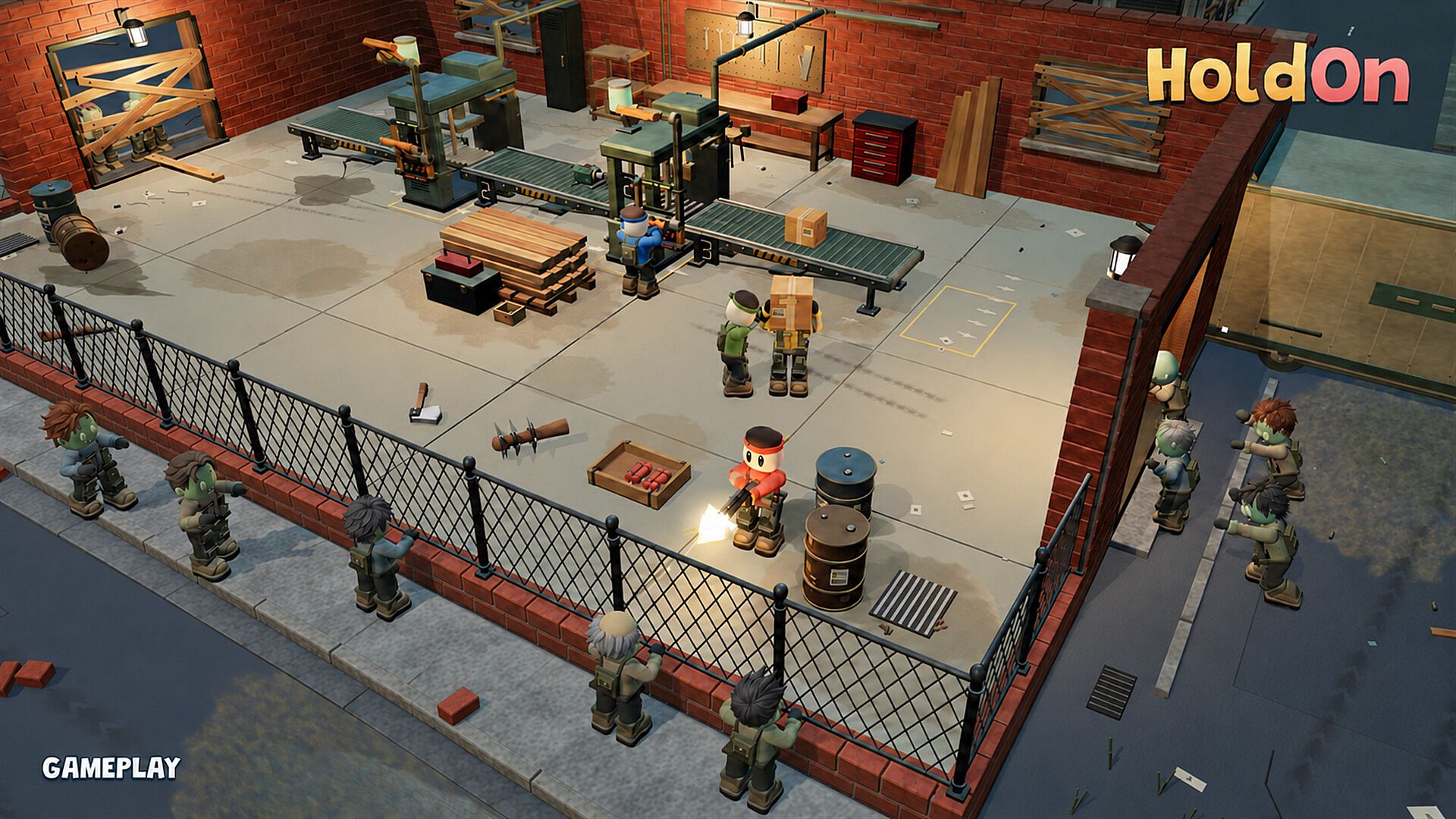
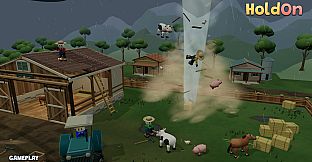
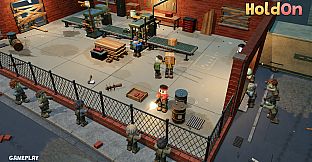
Storm Farm shifts focus to herding animals into shelter, patching roof damage, and avoiding a wandering tornado that can scatter everything. Zombie Factory demands holding defensive barricades, restarting production lines, and loading completed boxes onto a truck before the situation collapses. The developer plans more than twenty additional maps and scenarios to expand the variety of teamwork challenges over time.
Team Dynamics and Session Length
Because rounds average five minutes, the game suits players seeking frequent short bursts of cooperative action rather than extended campaigns. The physics system introduces unpredictable variables that keep every attempt fresh, as objects interact realistically with the environment and each other. Teams learn to anticipate common failure points and develop shorthand communication for dividing duties efficiently during the scramble.
Random map selection prevents repetition within a single play session, while the lobby system allows groups to queue together or join public matches. This structure supports both planned evenings with friends and spontaneous drop-in play, with the chaos factor ensuring that even familiar maps rarely play out the same way twice.
Is It Worth Playing?
Hold On Together targets players who enjoy physics-driven co-op experiences with short, repeatable rounds and an emphasis on reactive teamwork. The planned demo release around Christmas offers an early opportunity to sample the core mechanics before the full launch in February 2027. With no user reviews available yet, interest depends on preference for chaotic four-player sessions where environmental hazards and object interactions turn routine jobs into memorable group stories. Those drawn to quick co-op chaos and adaptable problem-solving will find the most immediate appeal in the current description of the experience.











