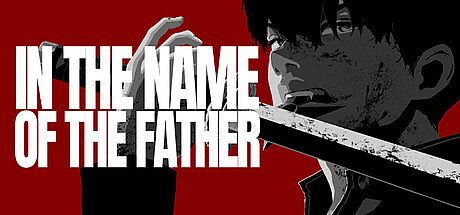


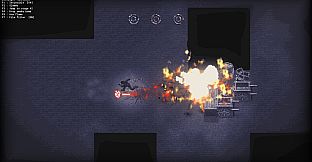
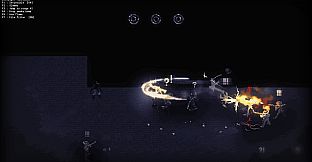
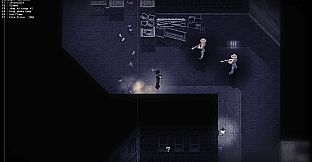
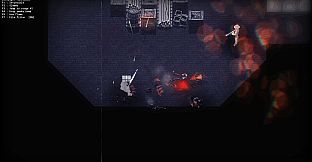
In the Name of the Father is a fast-paced top-down action game set in a 1930s noir atmosphere, where players control a vengeful ninja who relies on instant kills and deadly techniques to cut through waves of enemies.
Gameplay
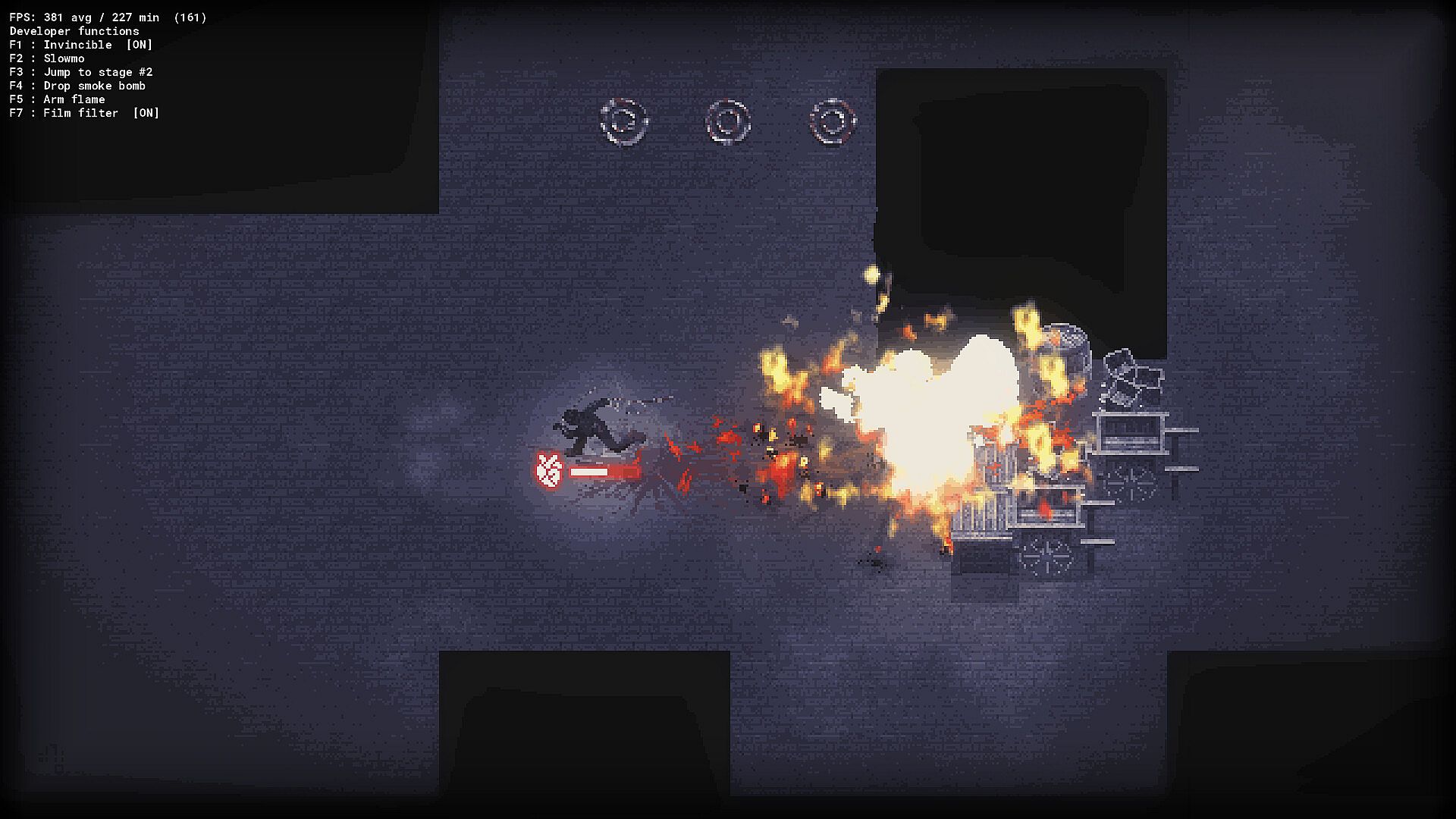
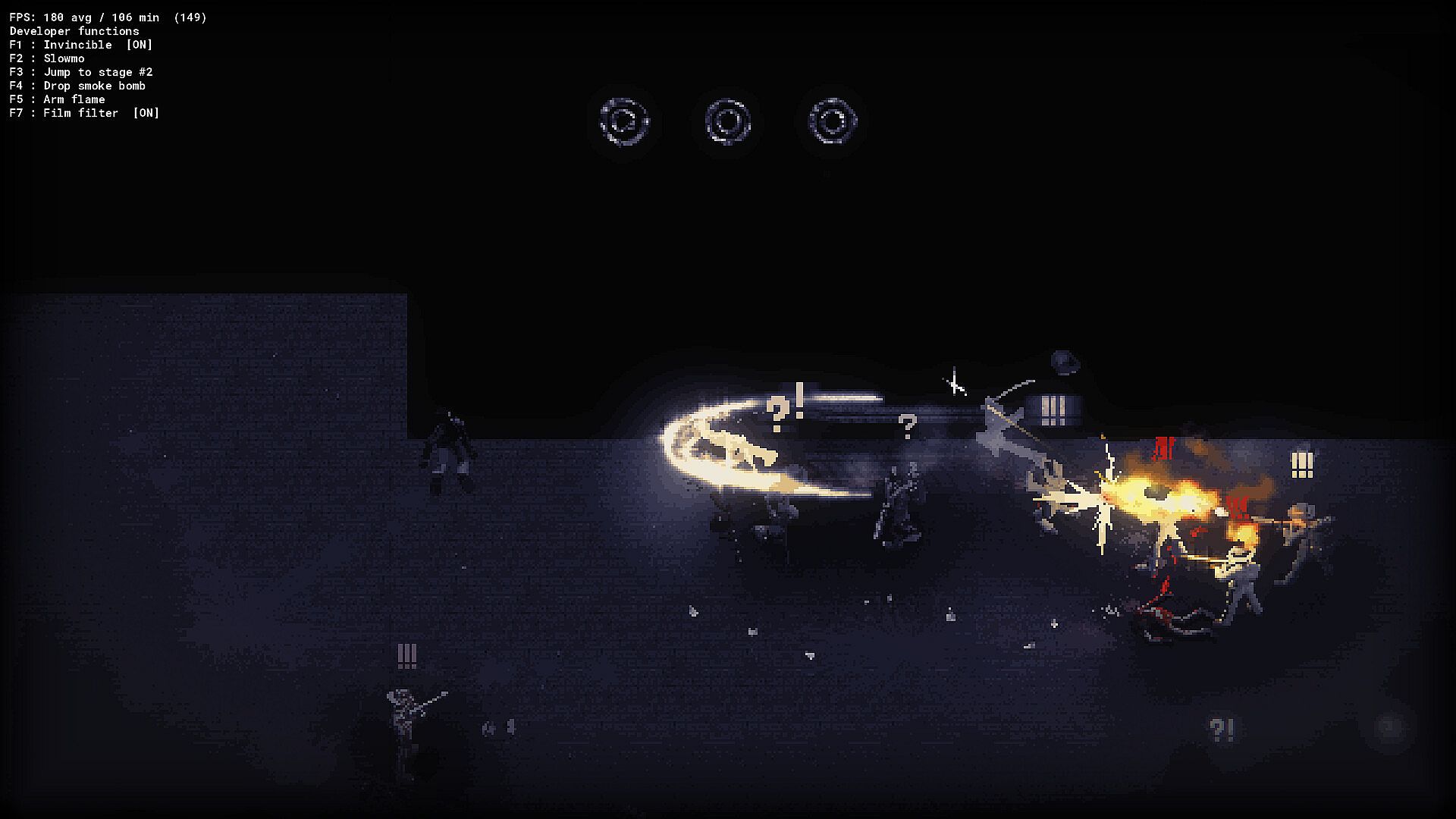
The core loop centers on fluid, high-speed combat that rewards precise movement and timing. The hero dashes through foes with a katana, teleports directly to thrown shurikens for repositioning, and deploys a chain weapon to clear clustered threats in a single sweep. Every encounter emphasizes brutal efficiency, with enemies falling in one or two well-placed strikes.
Nine distinct charms alter combat dynamics in meaningful ways. Each charm grants specific perks that modify attack patterns, movement options, or defensive capabilities. Players combine these charms freely to create personalized fighting styles that suit different approaches to the same levels.
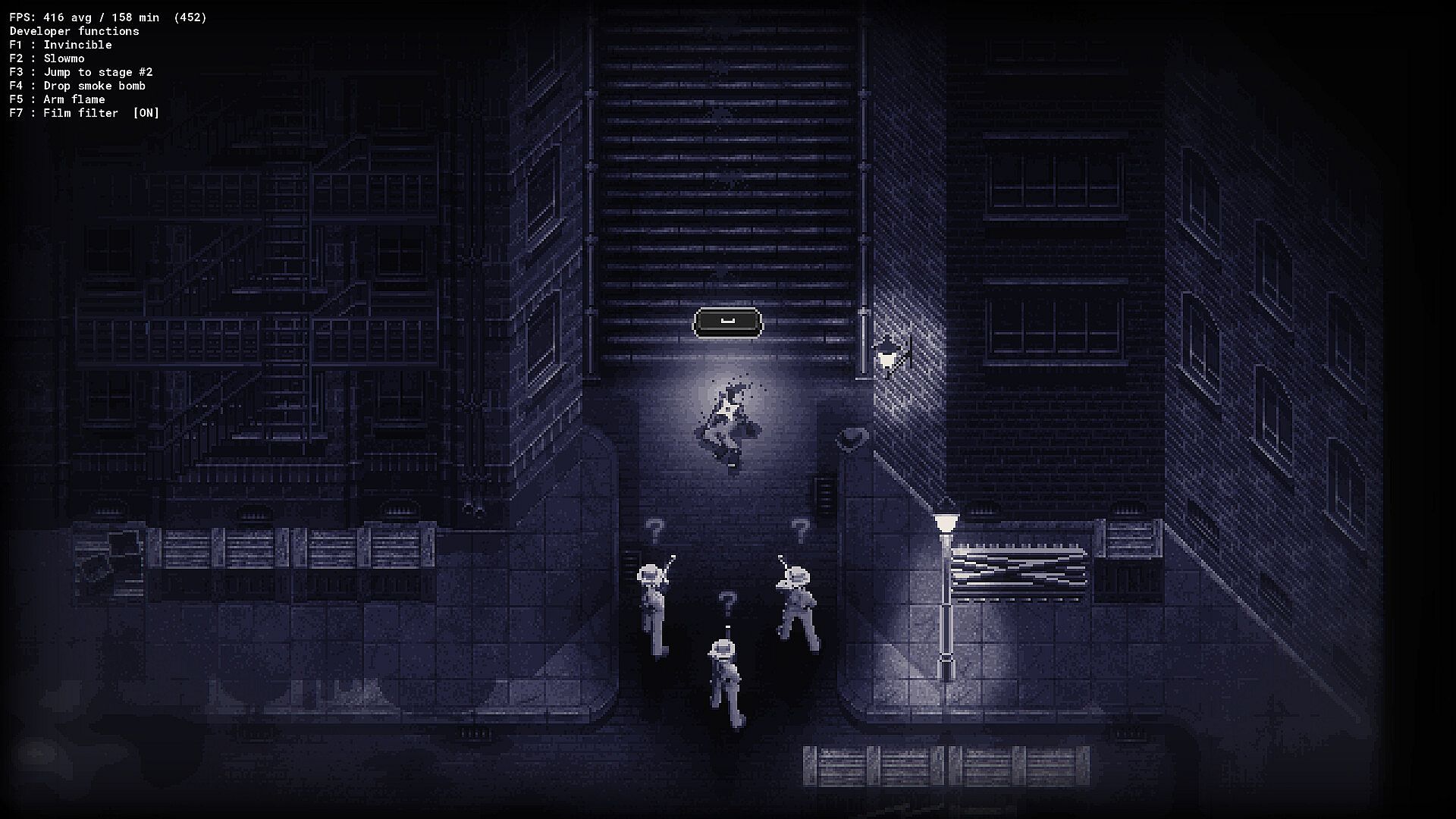
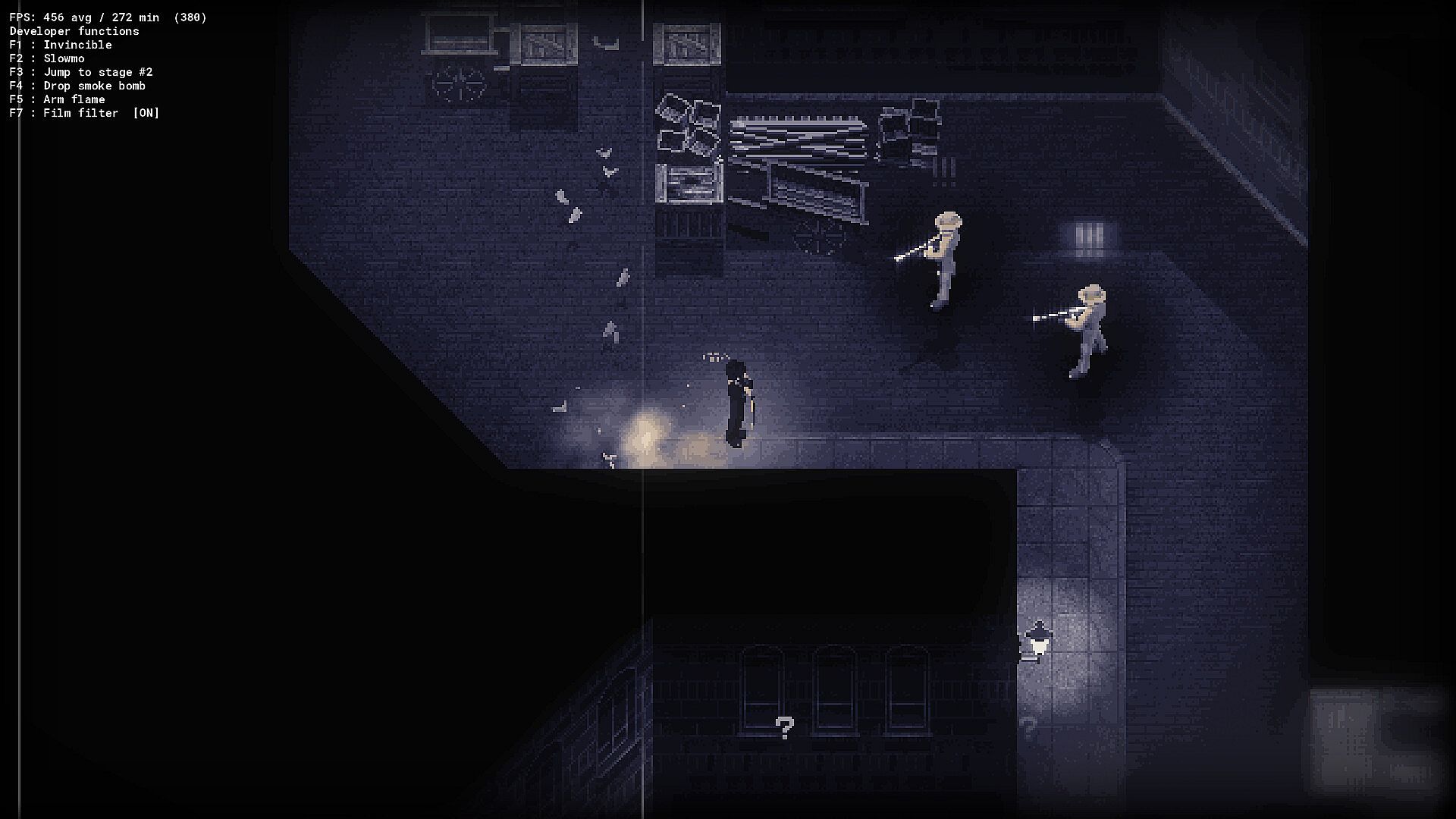
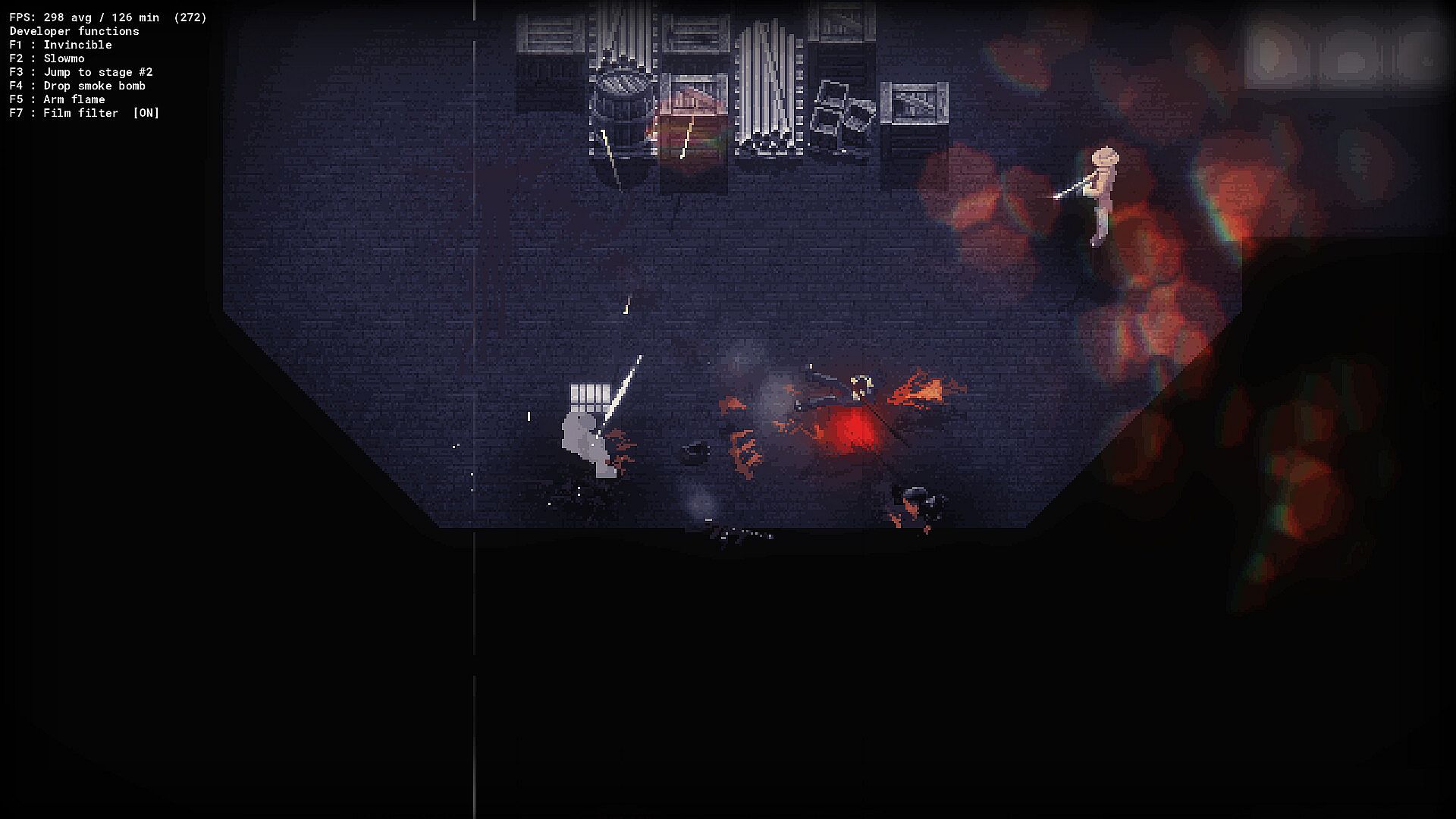
Visual presentation adds weight to every action through hand-built 3D models rendered as pixel art with a cinematic film grain effect. The hero alone features over 3,400 animation frames, ensuring that dashes, strikes, and recoveries feel substantial rather than weightless. This technical approach supports the noir aesthetic while maintaining the crisp readability required for fast action.
Game Modes
The game is built as a single-player experience focused on sequential combat encounters. There are no separate multiplayer or competitive modes described in available information. Progression revolves around mastering the core combat systems across successive challenges that grow in complexity as new charms and enemy types appear.
Players advance by experimenting with charm combinations and refining movement techniques within the same linear structure. The emphasis remains on individual skill development rather than shared or versus play.
Visual Style and Atmosphere
The 1930s noir setting blends with ninja fantasy through dark urban environments, dramatic lighting, and period-appropriate details like smoking and drinking characters. Pixel art rendering preserves sharp silhouettes while the underlying 3D work gives characters and effects tangible presence on screen.
Sound design supports the fast pace with impactful weapon strikes and environmental cues that reinforce the brutal tone. The overall presentation draws clear inspiration from Hotline Miami and Katana ZERO while carving its own identity through the specific charm system and animation density.
Is It Worth Playing?
Players who enjoy top-down action games with instant-kill mechanics and high mobility will find a focused experience here. The charm system provides meaningful variety without overwhelming complexity, allowing repeated playthroughs to test different builds on the same encounters.
Because the title remains unreleased with no player reviews available, any recommendation rests on the described systems alone. Those drawn to precise, stylish combat in a distinctive visual package should monitor its development. The single-player structure suits short, intense sessions rather than extended campaigns or social features.