

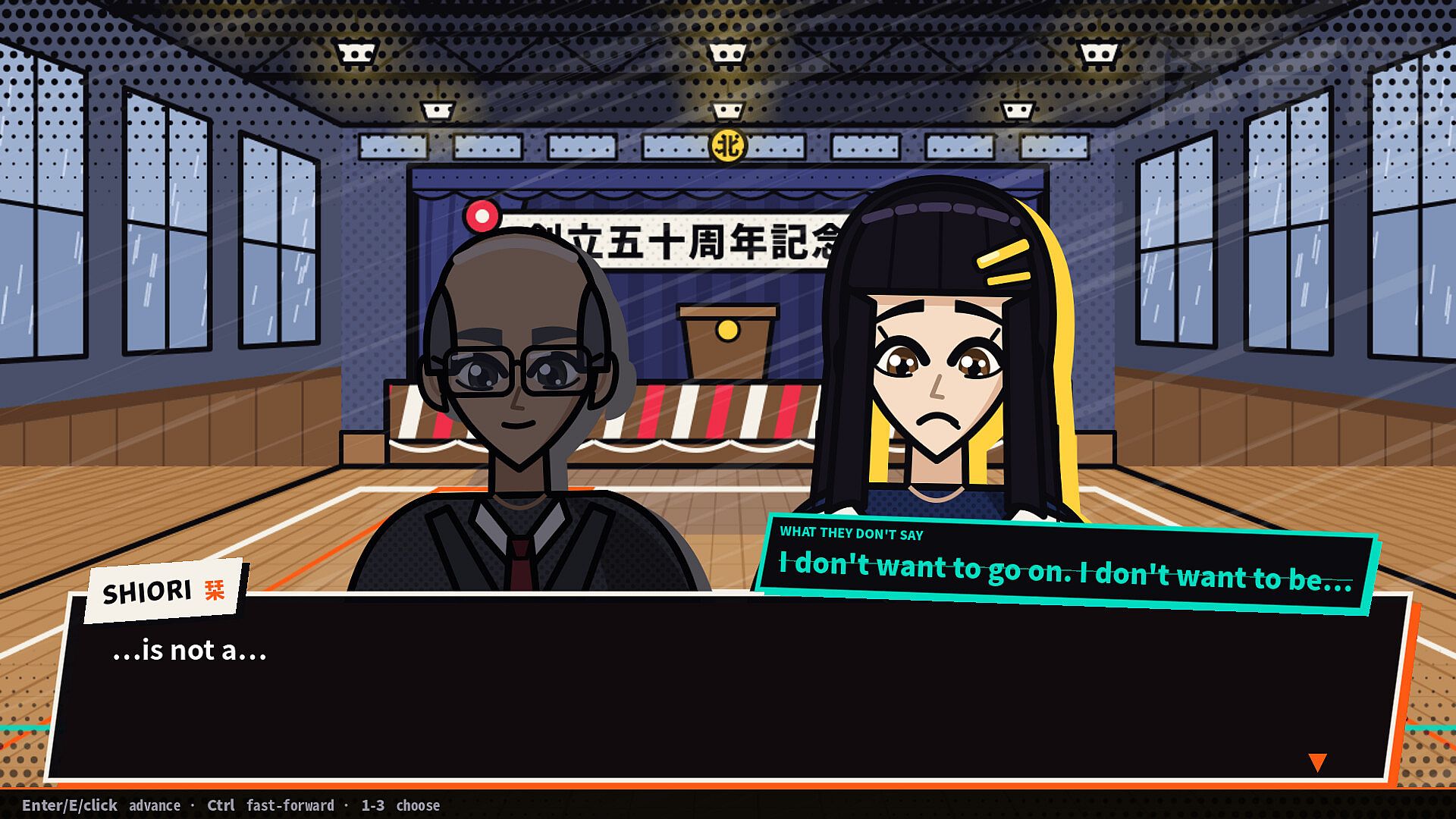

Iwanu Ga Hana is an indie RPG adventure game set in a rainy port town where unspoken words take physical form. Players follow Itsuki Kanda after his move to Shiomachi in Kanagawa, where he discovers the ability to see swallowed sentences as white text that gets crossed out. The story unfolds across a full school year filled with daily routines and midnight explorations into a hidden realm called the Naraku.
Gameplay
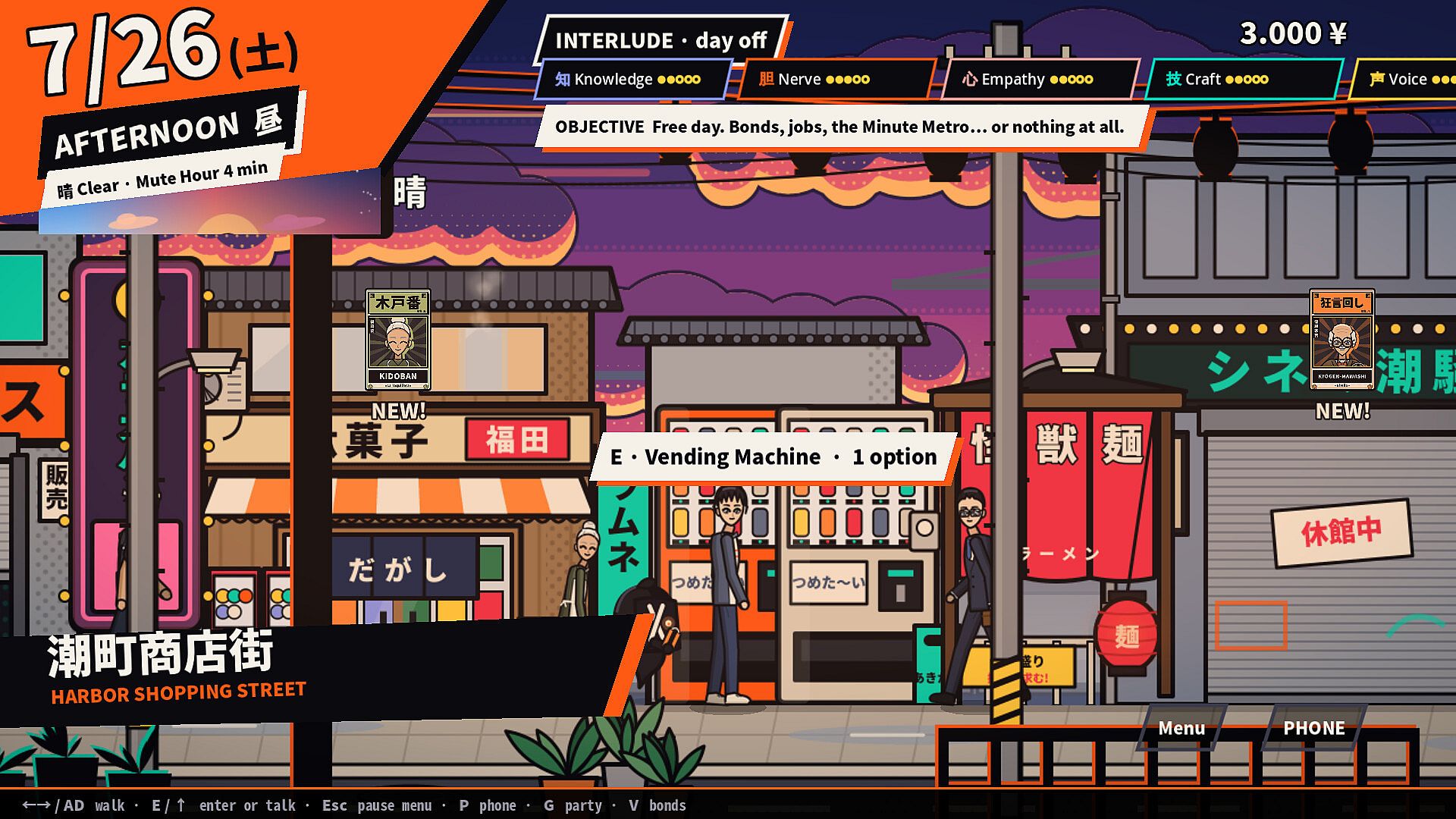
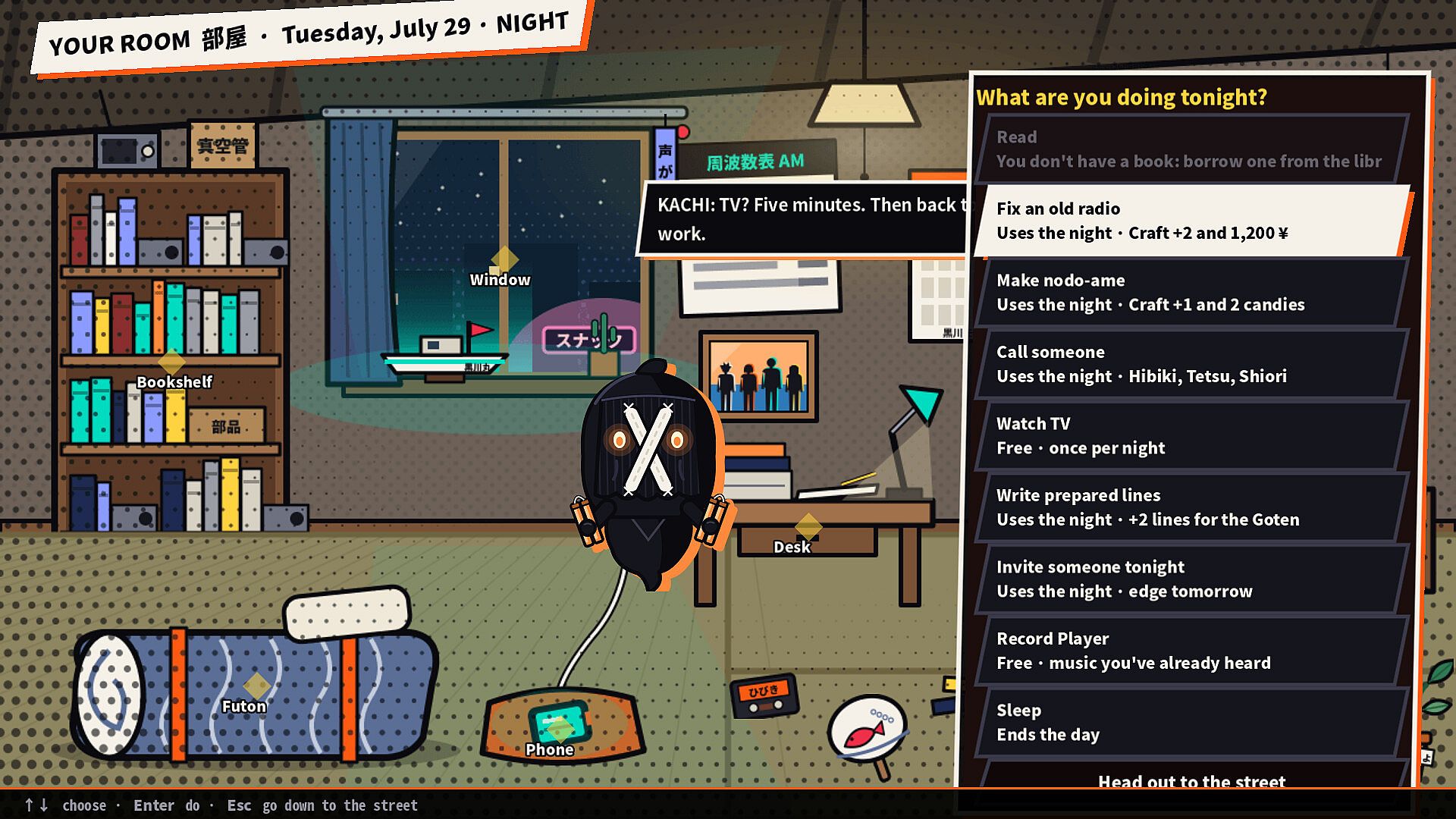
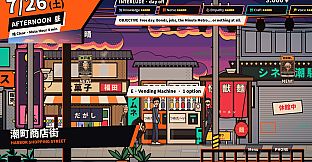
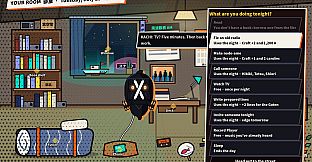
The core loop splits between daytime activities in Shiomachi and nighttime dives into the Naraku. During the day, players attend classes, take exams, work part-time jobs, and explore the town from the harbor to the old cinema. Time management matters because each choice consumes afternoon or evening slots, and episodes carry deadlines. Five social stats-Knowledge, Nerve, Empathy, Craft, and Voice-determine available dialogue options and story branches. Seasonal events such as the rainy season, summer festivals, a school trip to Kyoto, snowy winter nights, and a final spring add variety to the schedule.
Building bonds with 17 characters forms another major system. Friends often claim they are fine while hiding deeper issues visible only to Itsuki. Interactions include hanging out, nighttime texts, and gift-giving. Choices between honesty and comfort shape each friend's personal power and unlock new paths. The hand-drawn high-contrast anime style features bold cut-ins and stylish transitions throughout these scenes.
Game Modes
Daytime play centers on school life and social connections in Shiomachi. Players balance academics, jobs, and relationships while growing stats to access more options. Every day offers structured afternoon and evening periods, creating a rhythm of routine and decision-making that advances the calendar through multiple seasons.
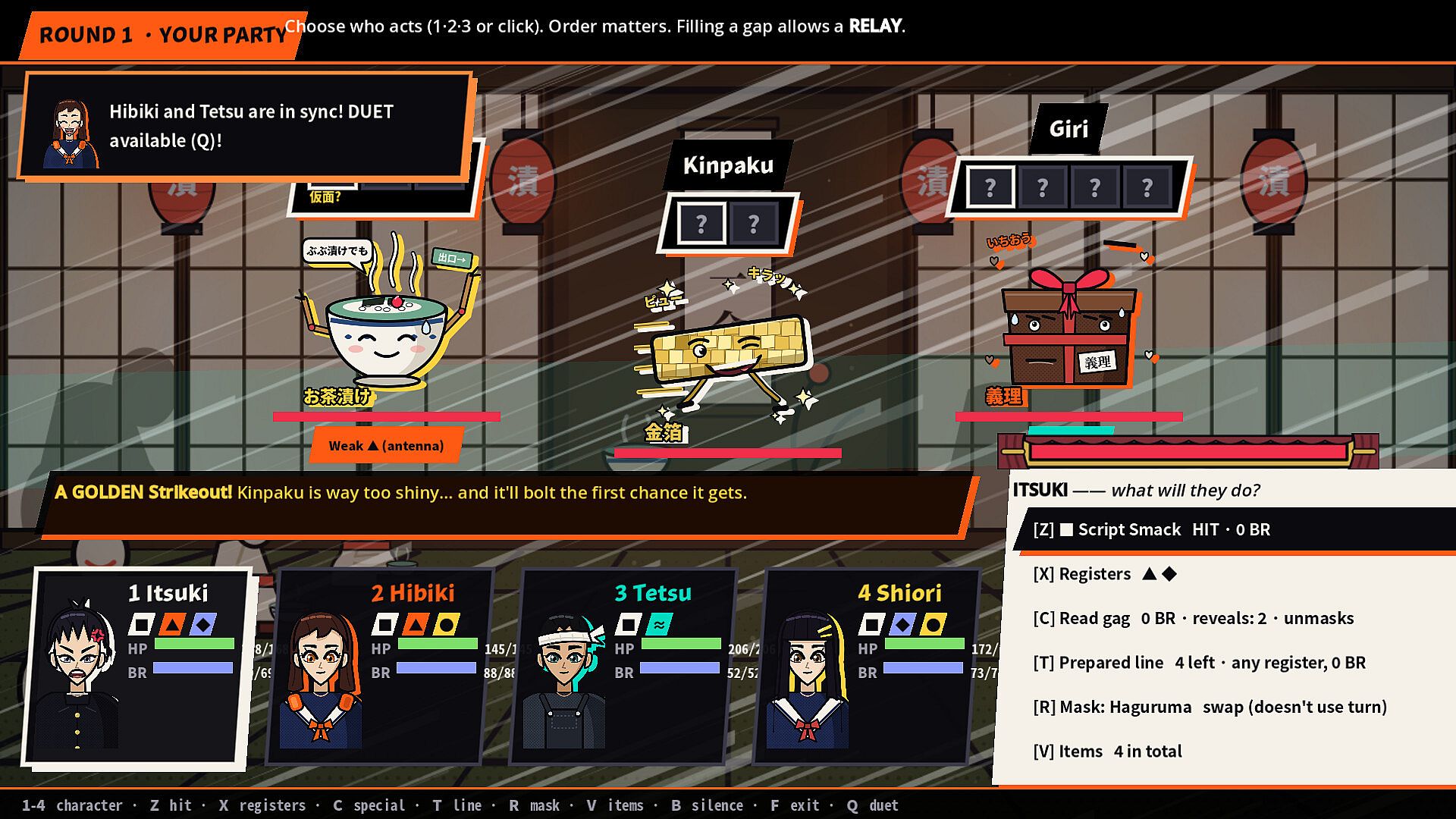
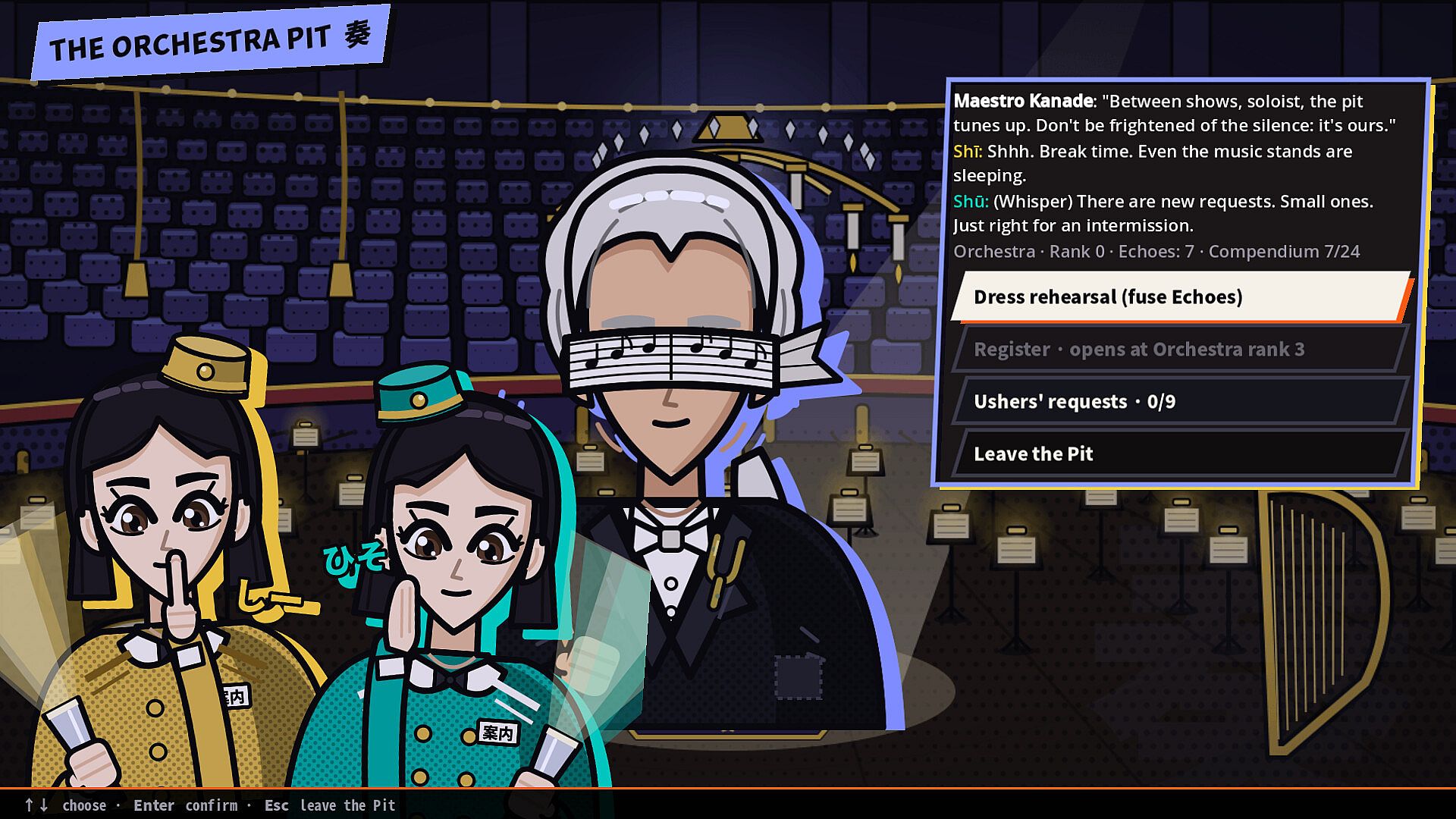
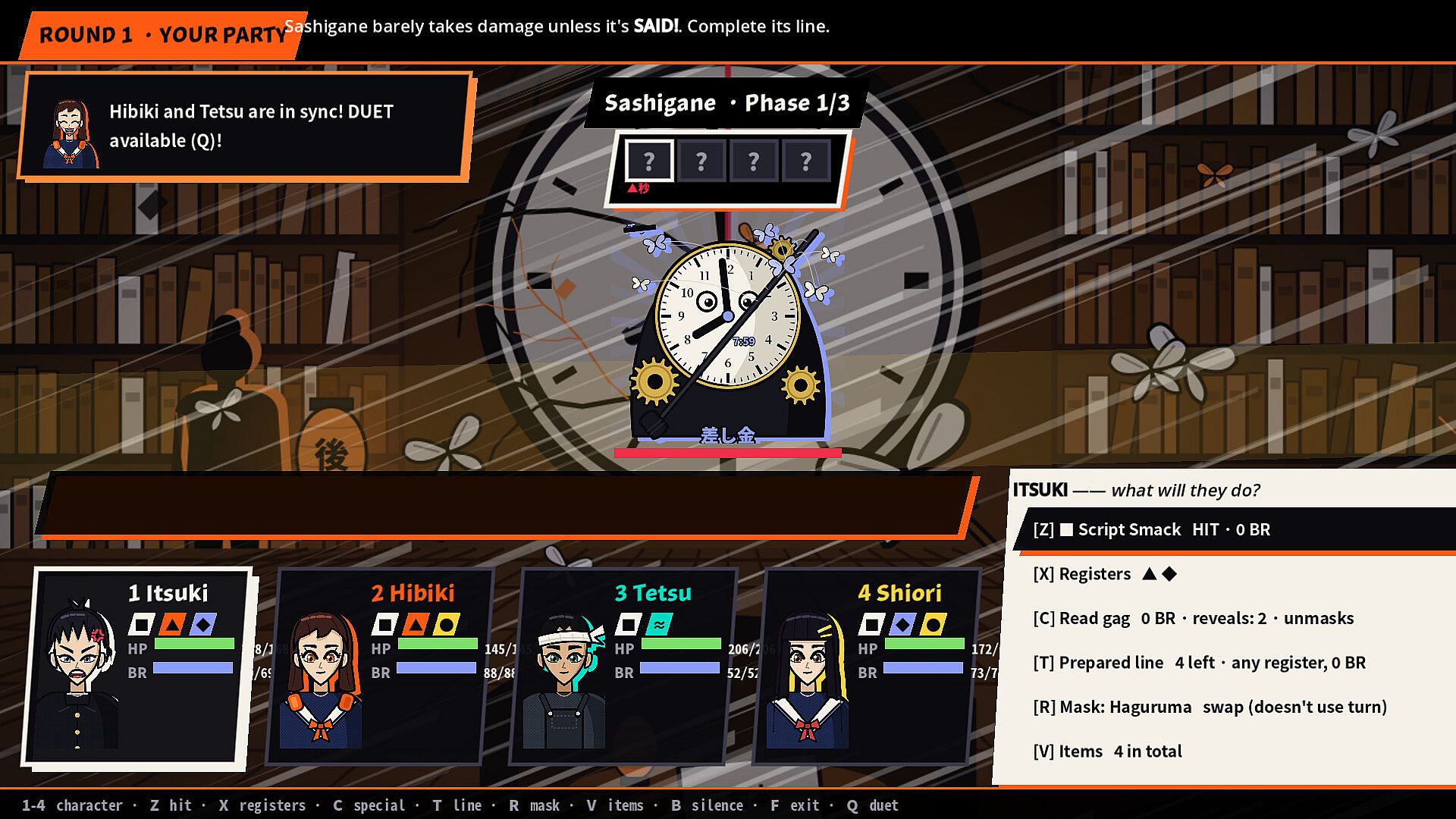
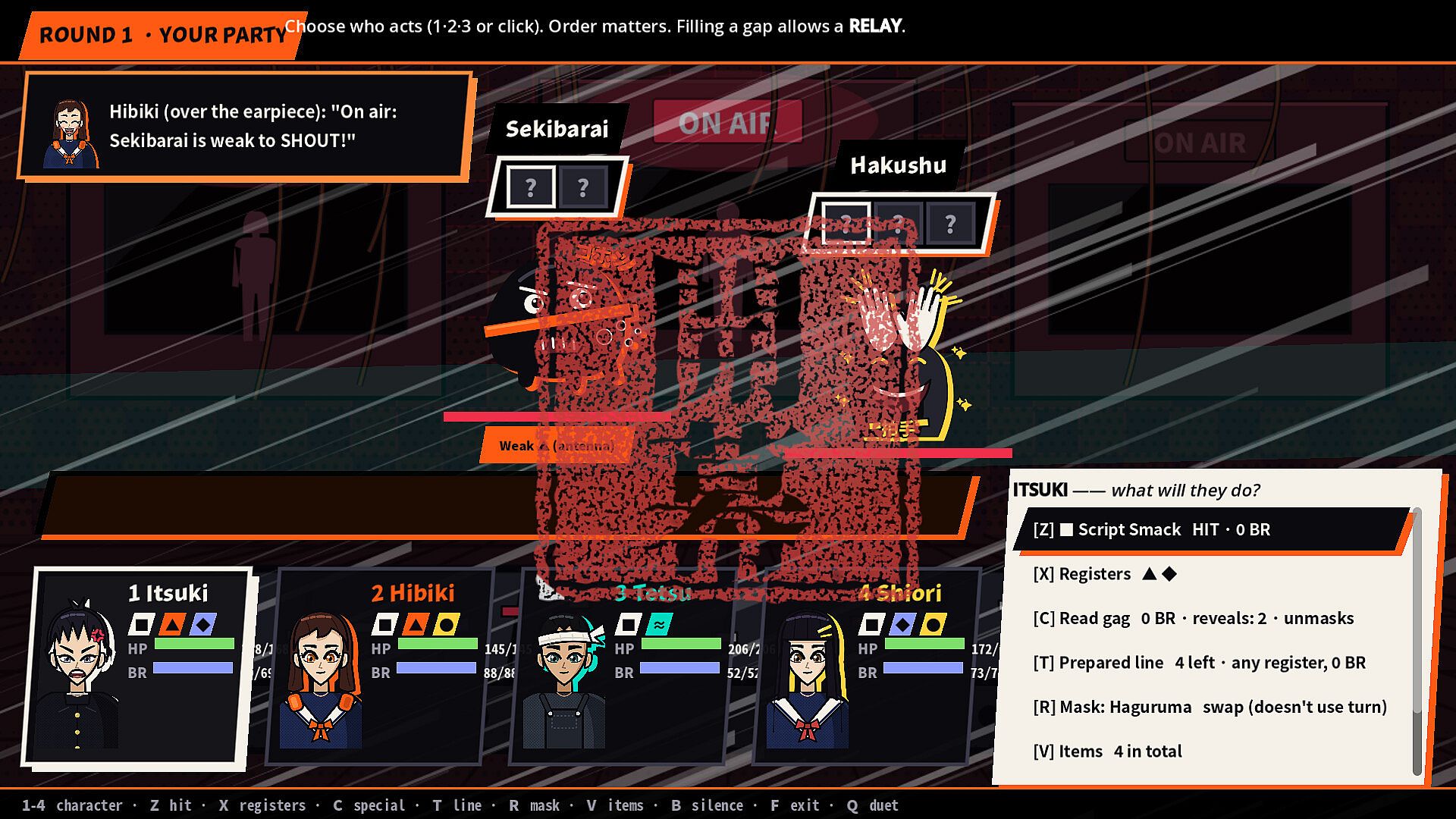
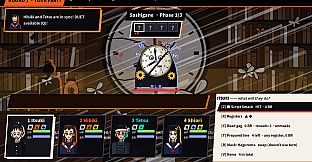
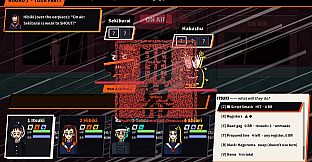
Midnight segments shift to the Naraku, a stage beneath the town where swallowed words become monsters known as Strikeouts. Exploration takes place in Gotens, themed dungeons such as a silent factory, a ghost radio station, a school council chamber, and a Kyoto inn with reversed meanings. Players use a Third Eye to reveal hidden elements, hide behind scenery, and escape before the Mute Hour ends. Combat requires reading enemy gags and filling gaps with the correct register-Hit, Shout, Whisper, Laugh, or Sob-to complete the line and trigger effects. Relays pass cues to friends, Duets chain attacks, and a CLIMAX bar powers full-screen finishers. Echoes collected during fights can be fused in the Orchestra Pit to create masks that alter combat styles.
Narrative and Presentation
The story explores themes of silence and expression through Itsuki's encounters with the student council president and other residents. Japanese voice acting covers reactions and key scenes, paired with an opening song that includes real lyrics. The game supports full play in English, Spanish, and Japanese. Multiple endings exist, including a true ending reached by addressing every unspoken element.
Visuals emphasize high-contrast line work and dynamic transitions that highlight emotional moments. The structure encourages repeated playthroughs to uncover different bond outcomes and dungeon variations.
Is It Worth Playing?
Iwanu Ga Hana suits players who enjoy narrative-driven indie RPGs that blend social simulation with dungeon exploration and turn-based combat tied to dialogue mechanics. The time-management systems and stat growth create meaningful choices that affect both daily life and midnight confrontations. Those drawn to stories about hidden emotions and the consequences of speaking or staying silent will find the bond system and multiple endings particularly engaging. The game's focus on reading enemy patterns through text and selecting the right emotional register adds a distinctive layer to fights. Availability on PC makes it accessible for those seeking a complete single-player experience with layered progression and replay value through different social paths.