




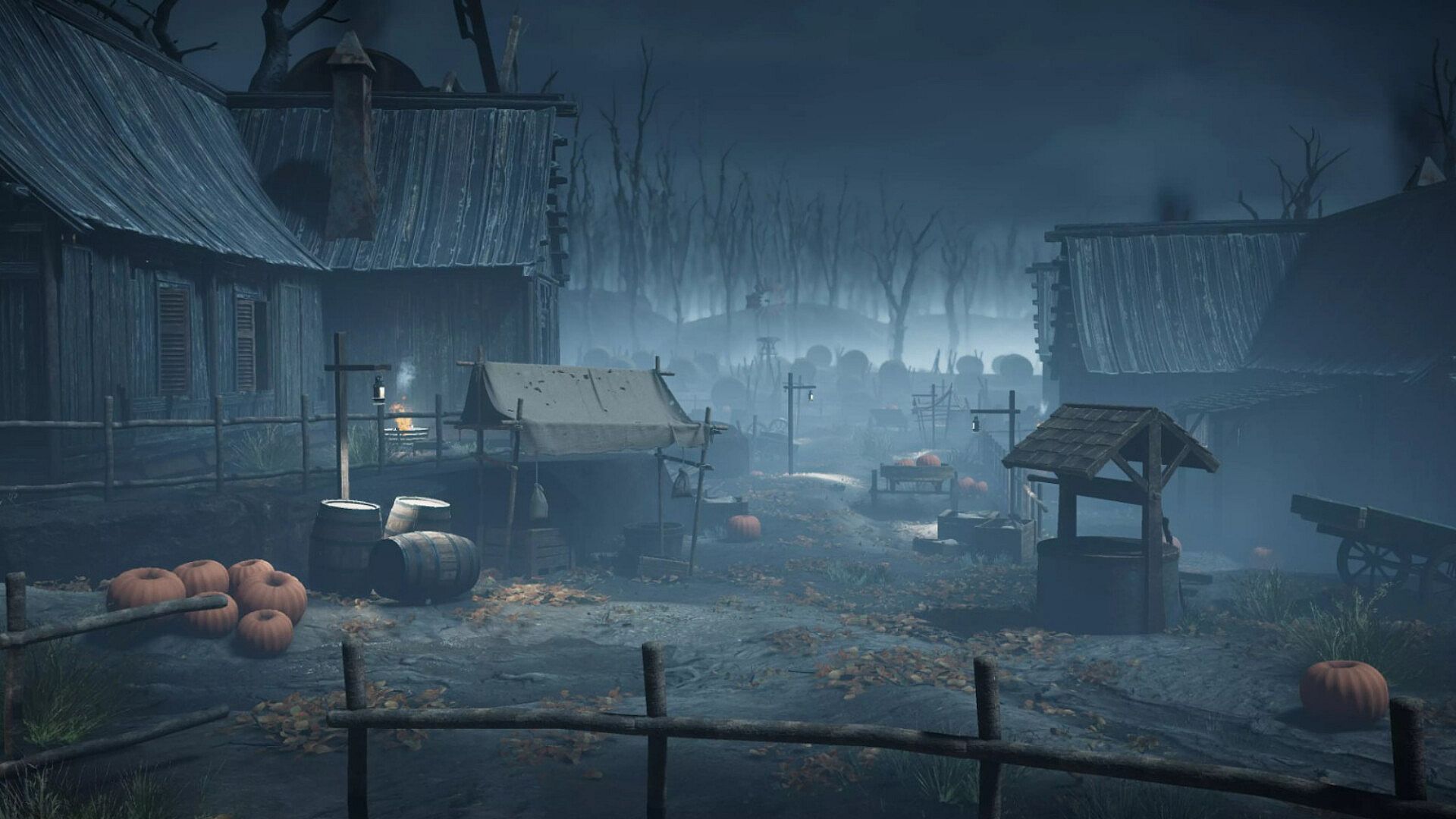
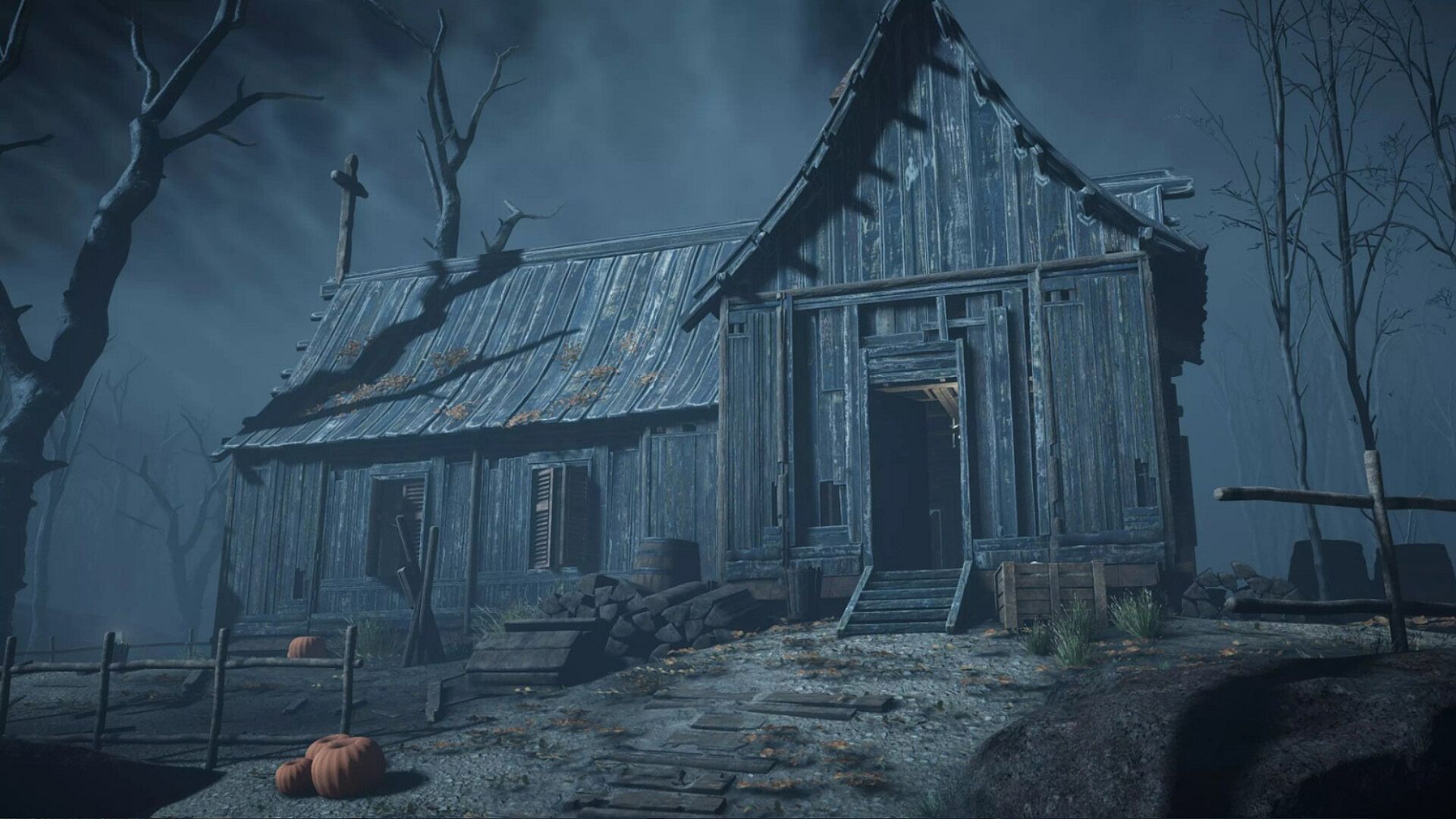
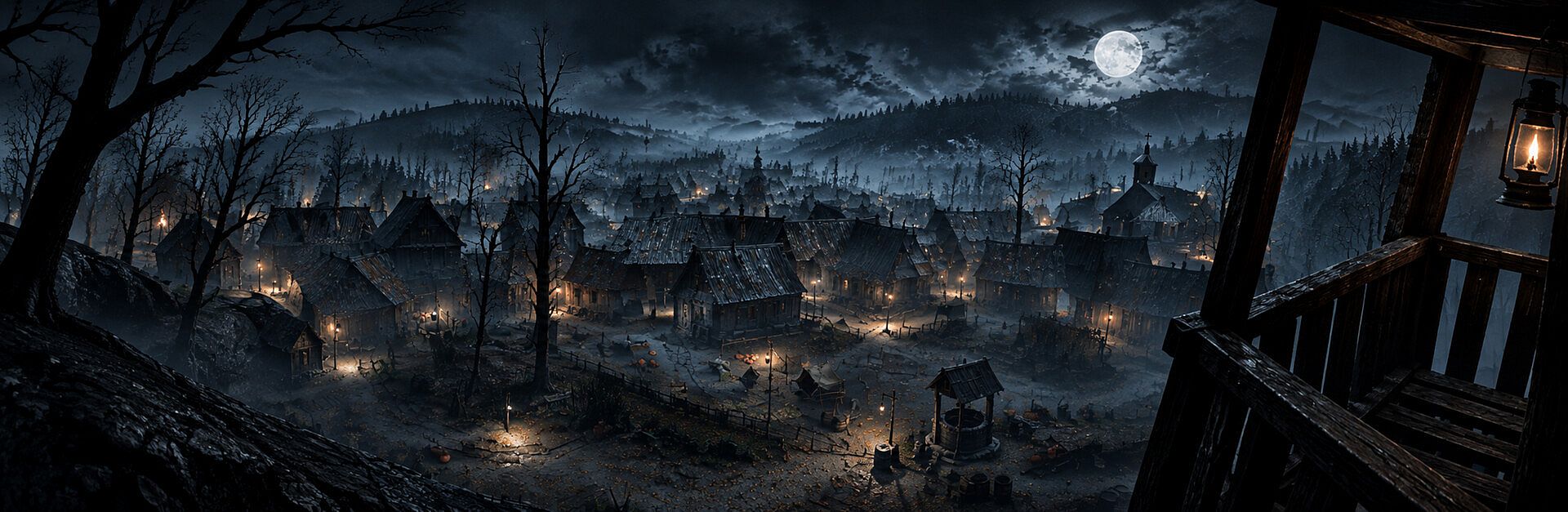
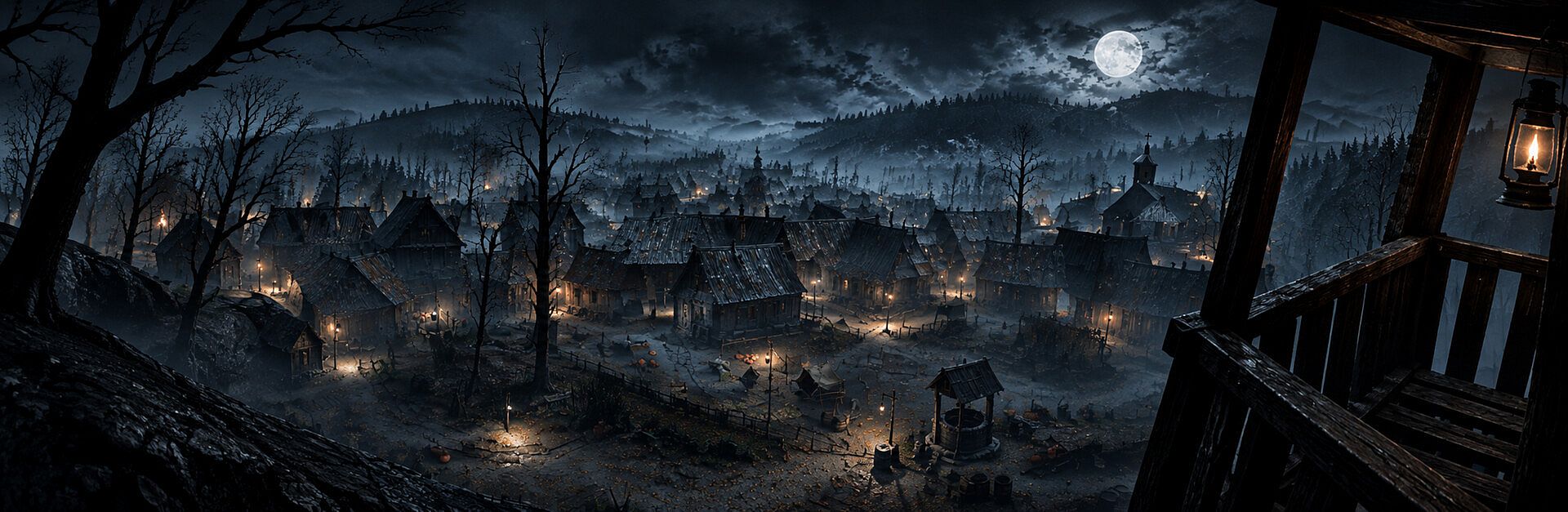
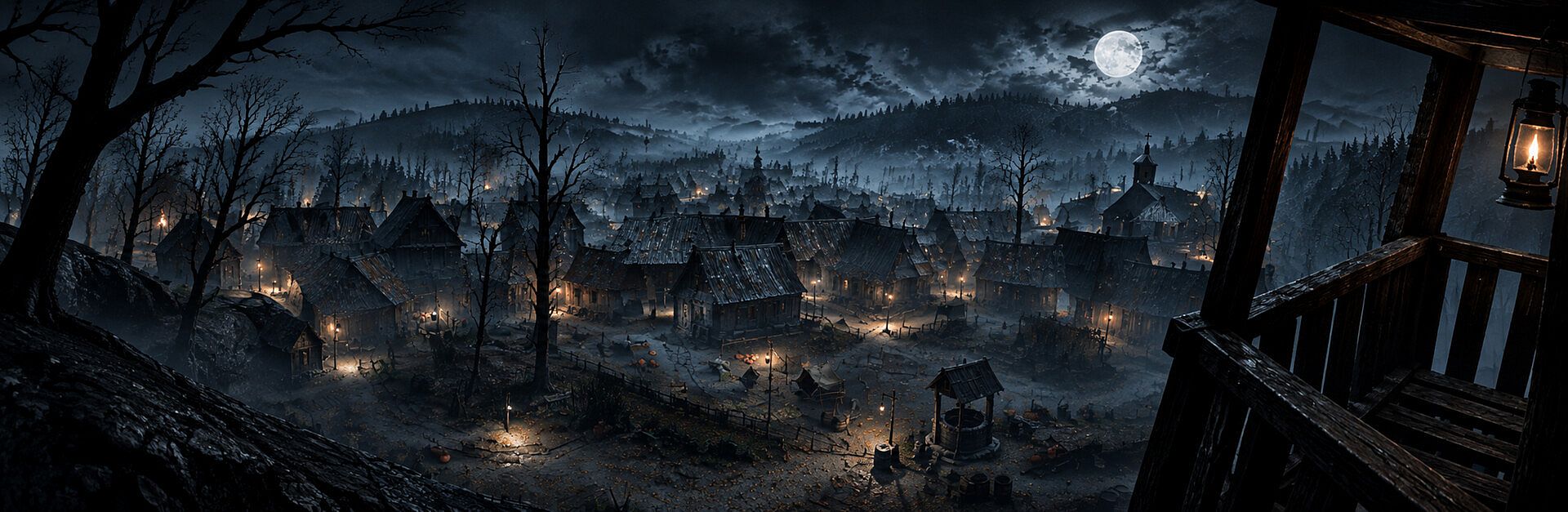
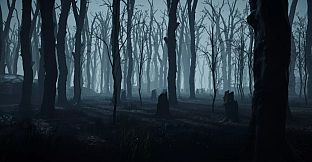
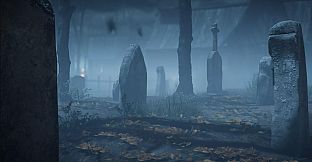
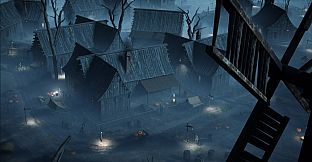
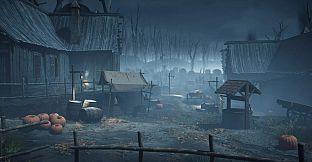
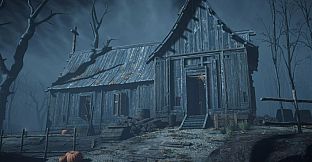
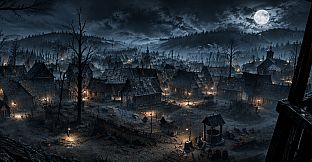
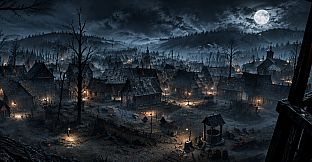
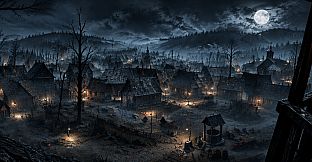
KARASİN: CİN MUSALLATI is a first-person psychological horror adventure game set in an abandoned Anatolian village. Players step into the role of an investigator drawn to the remote location by an anonymous letter that hints at unresolved events from 1987. The experience centers on uncovering the village's forgotten history through careful exploration of its decaying structures and surrounding areas.
Gameplay
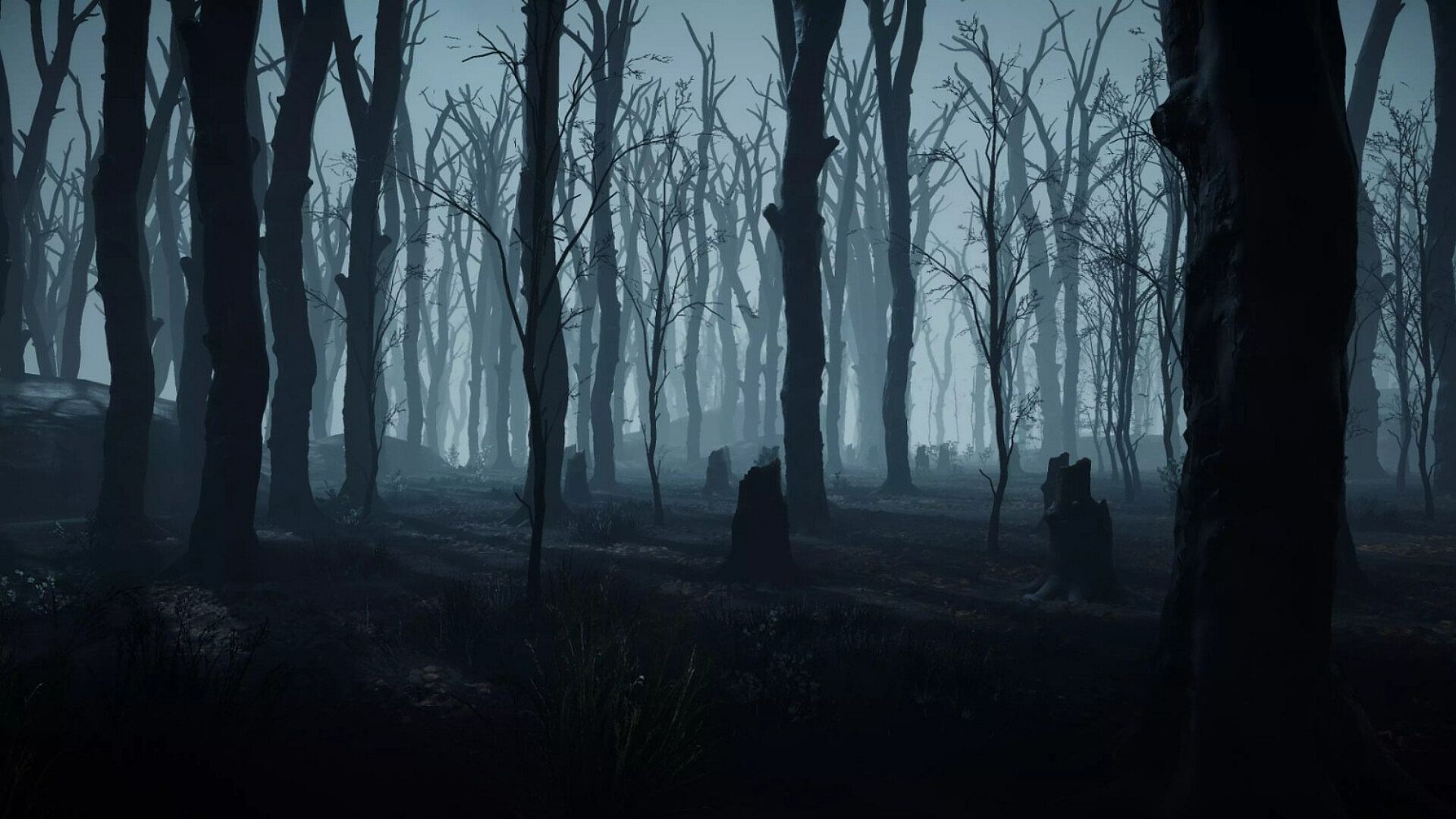
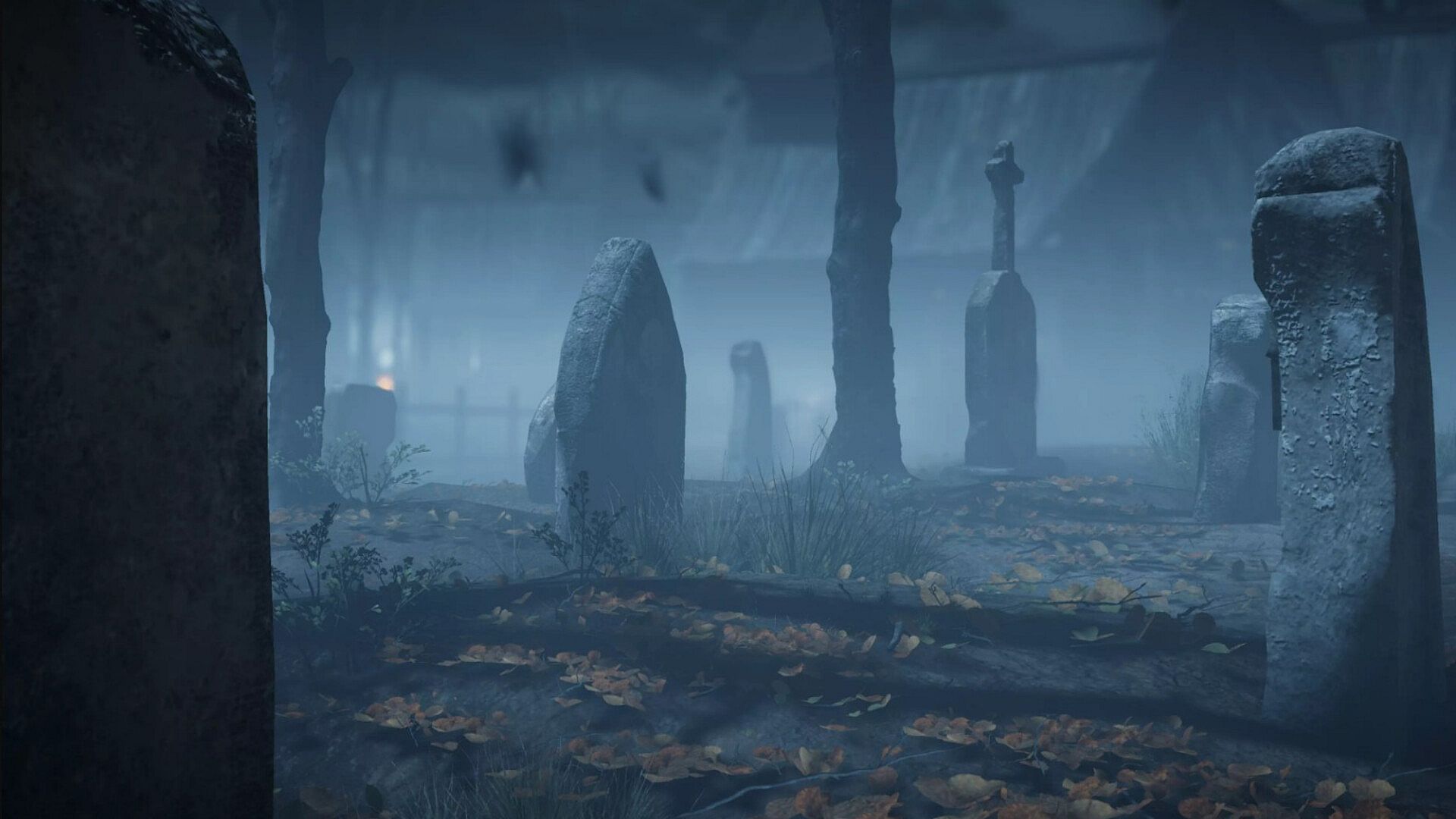
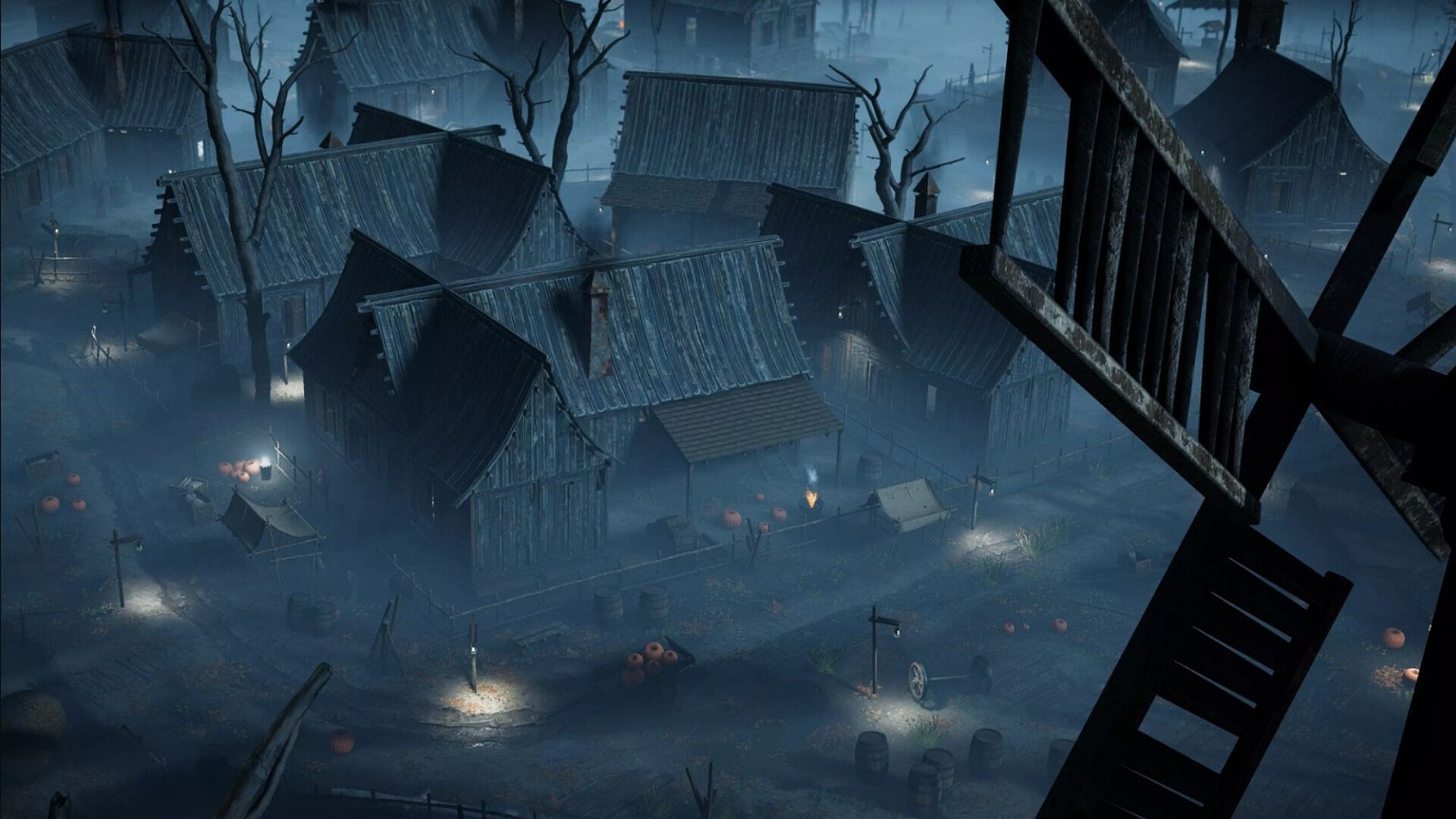
The core loop revolves around navigating the empty streets, homes, cemetery, and other forgotten sites of Karasin. Movement feels deliberate as players examine objects, read scattered notes and documents, and piece together clues left behind by former residents. Environmental storytelling drives progress, with details in the surroundings revealing fragments of the past without direct narration or guidance.
Supernatural elements surface gradually through unexpected encounters and atmospheric shifts. These moments build tension by altering the familiar spaces players have already explored, encouraging repeated visits to the same locations with new awareness. The design emphasizes immersion in Turkish rural folklore and horror traditions, where silence and subtle changes heighten unease more than overt threats.
Inventory management stays minimal, keeping focus on observation rather than resource juggling. Players collect and review documents that expand the narrative, often requiring cross-referencing between multiple locations to understand the sequence of events that emptied the village.
Game Modes
The game operates entirely in a single-player format with no multiplayer options or separate modes. The entire experience unfolds as one continuous narrative journey through the village, structured around exploration and discovery rather than competitive or cooperative play.
Progression follows a linear path guided by the letter and emerging clues, though the open layout of the village allows players to choose the order of investigation. There are no difficulty settings, time limits, or branching campaigns confirmed beyond the core atmospheric horror loop.
Story and Setting
Karasin itself serves as the central character, a once-living community left deserted after unexplained incidents in 1987. The setting draws directly from Anatolian rural culture, incorporating elements of local folklore into the visual and auditory design. Abandoned houses retain personal belongings that hint at sudden departures, while the cemetery and old well add layers of historical weight to the environment.
The mysterious letter acts as the inciting incident, pulling the player into an investigation that questions whether the village remains truly empty. Storytelling unfolds through environmental details and collected documents, allowing players to form their own conclusions about the events that led to the village's abandonment.
Atmosphere and Horror Elements
Sound design and lighting play key roles in maintaining a constant sense of dread. Ordinary village sounds fade into unsettling silences, and visual cues like shifting shadows or misplaced objects signal supernatural activity. These elements align with psychological horror traditions that prioritize suggestion over jump scares.
Exploration rewards patience, as many clues require revisiting areas after new information surfaces. The combination of realistic rural decay and folklore-inspired supernatural events creates a distinct tone that sets the game apart from broader horror experiences.
Is It Worth Playing?
This title suits players who enjoy slow-paced, narrative-driven horror focused on exploration and environmental details. Those drawn to atmospheric single-player experiences with cultural specificity in folklore and rural settings will find the approach rewarding. The emphasis on discovery through notes and surroundings provides a thoughtful alternative to action-heavy horror games.
Without confirmed updates or additional content beyond the base experience, the game delivers a self-contained story suitable for one or two focused play sessions. Fans of psychological horror that builds through atmosphere rather than combat will appreciate the deliberate pacing and attention to setting.











