

Keep Making Games is a strategy, indie, and simulation title that places players in charge of a solo game development studio. The experience begins in 1976 with limited resources including a spare room, a homebrew kit, and a starting budget of four thousand dollars. Players create games by building from genre cores, adding features through prototypes, and shipping titles across multiple market shelves while managing staff opinions and rival competition.
Gameplay
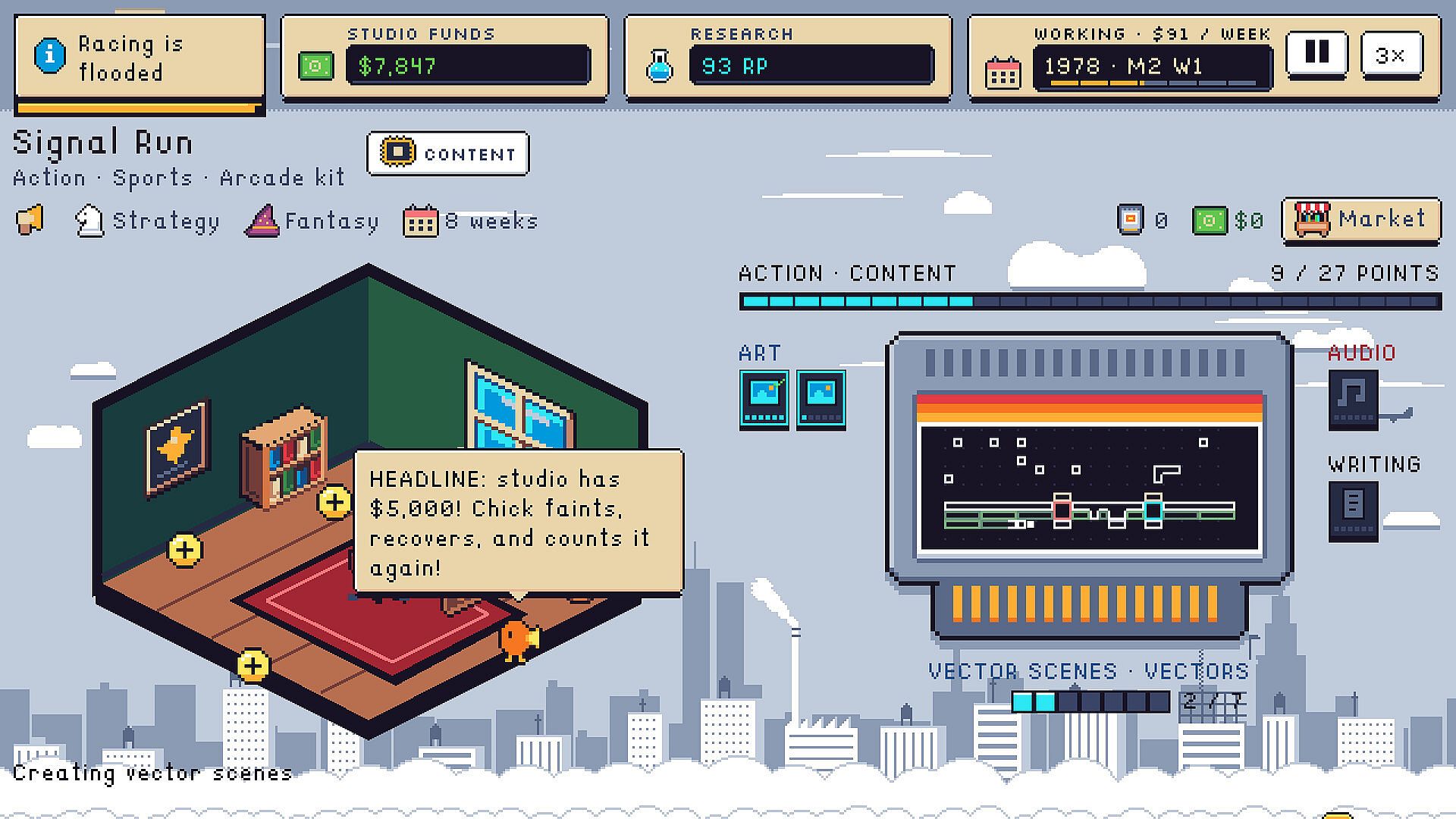
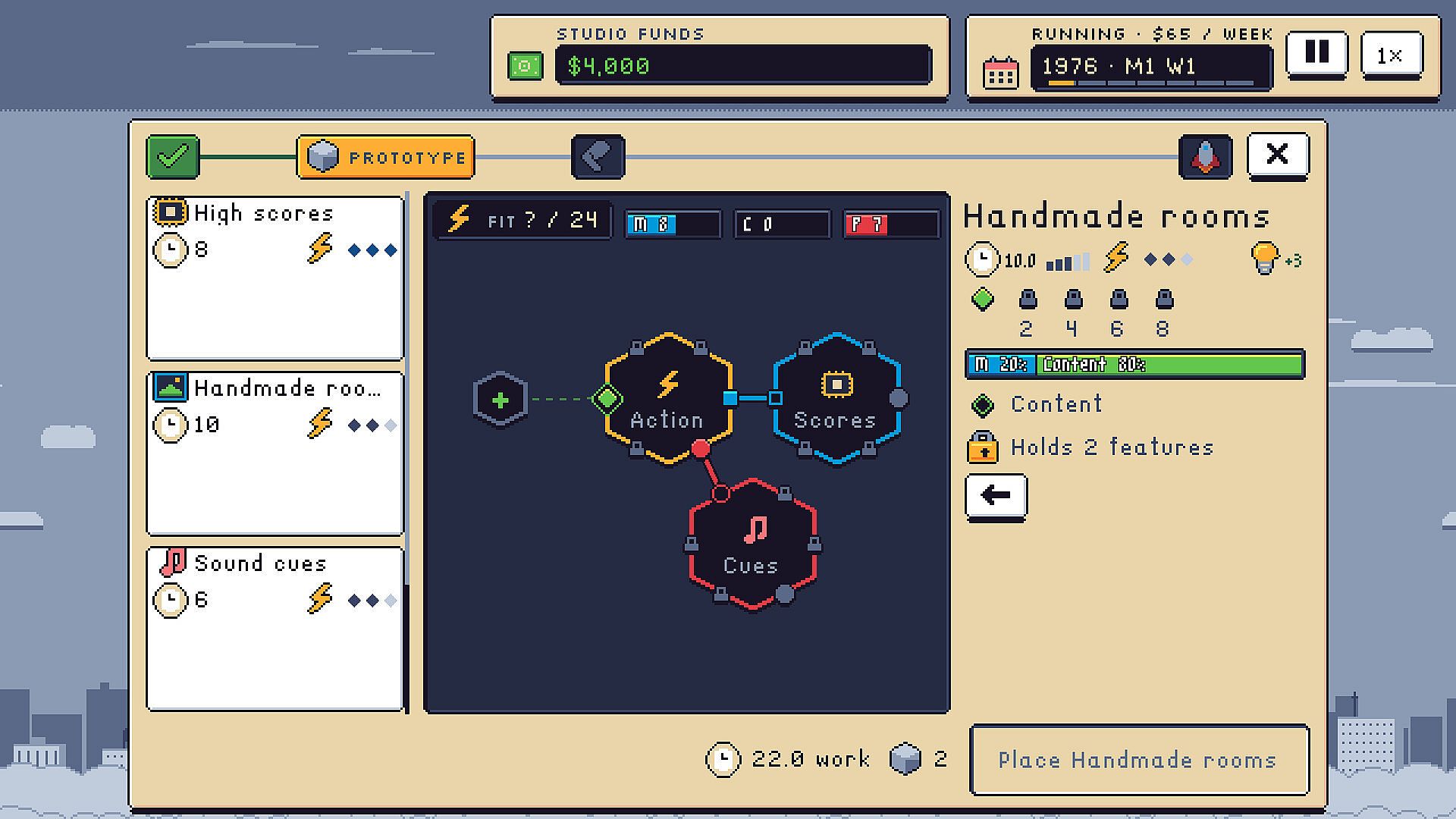
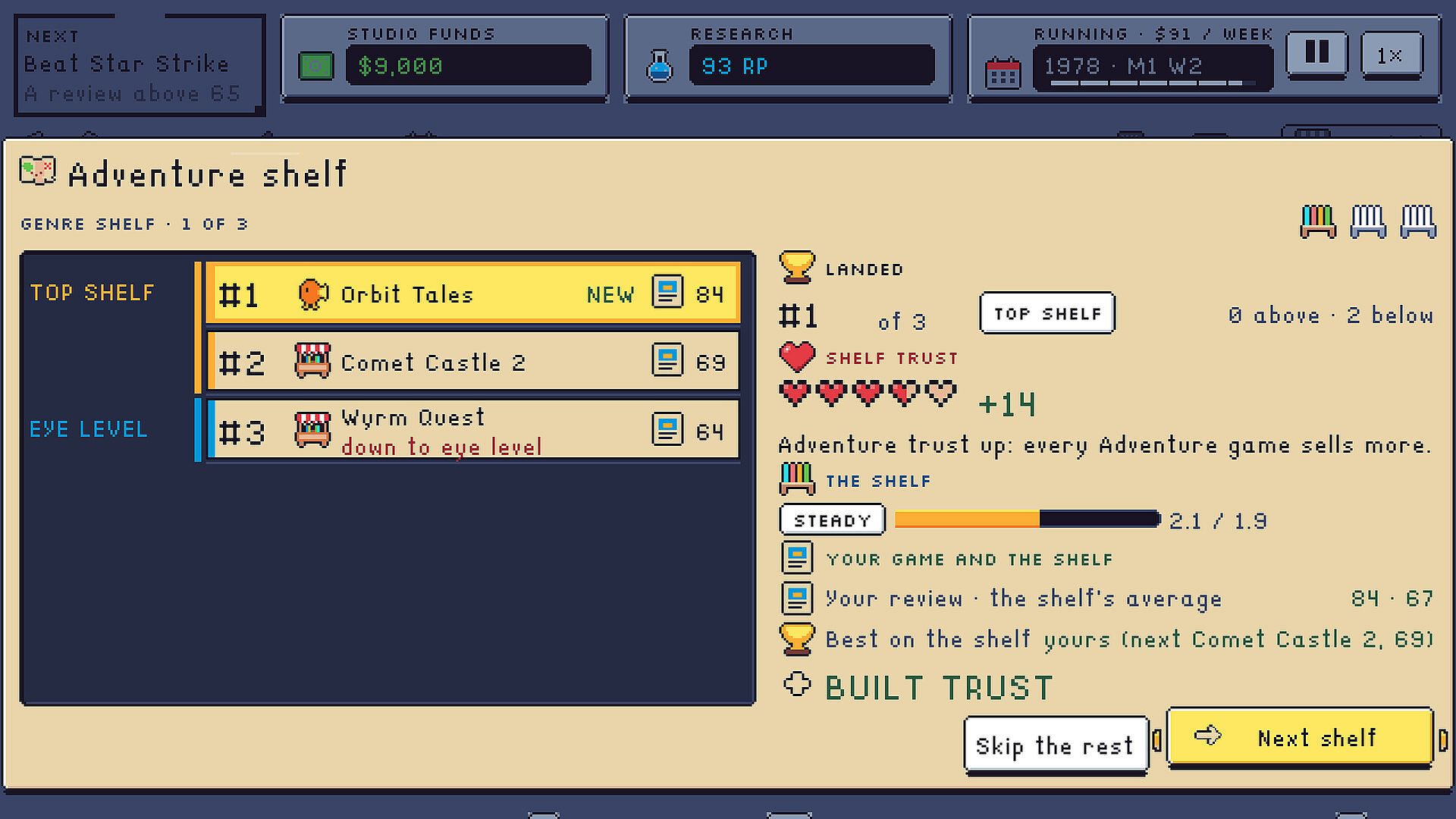
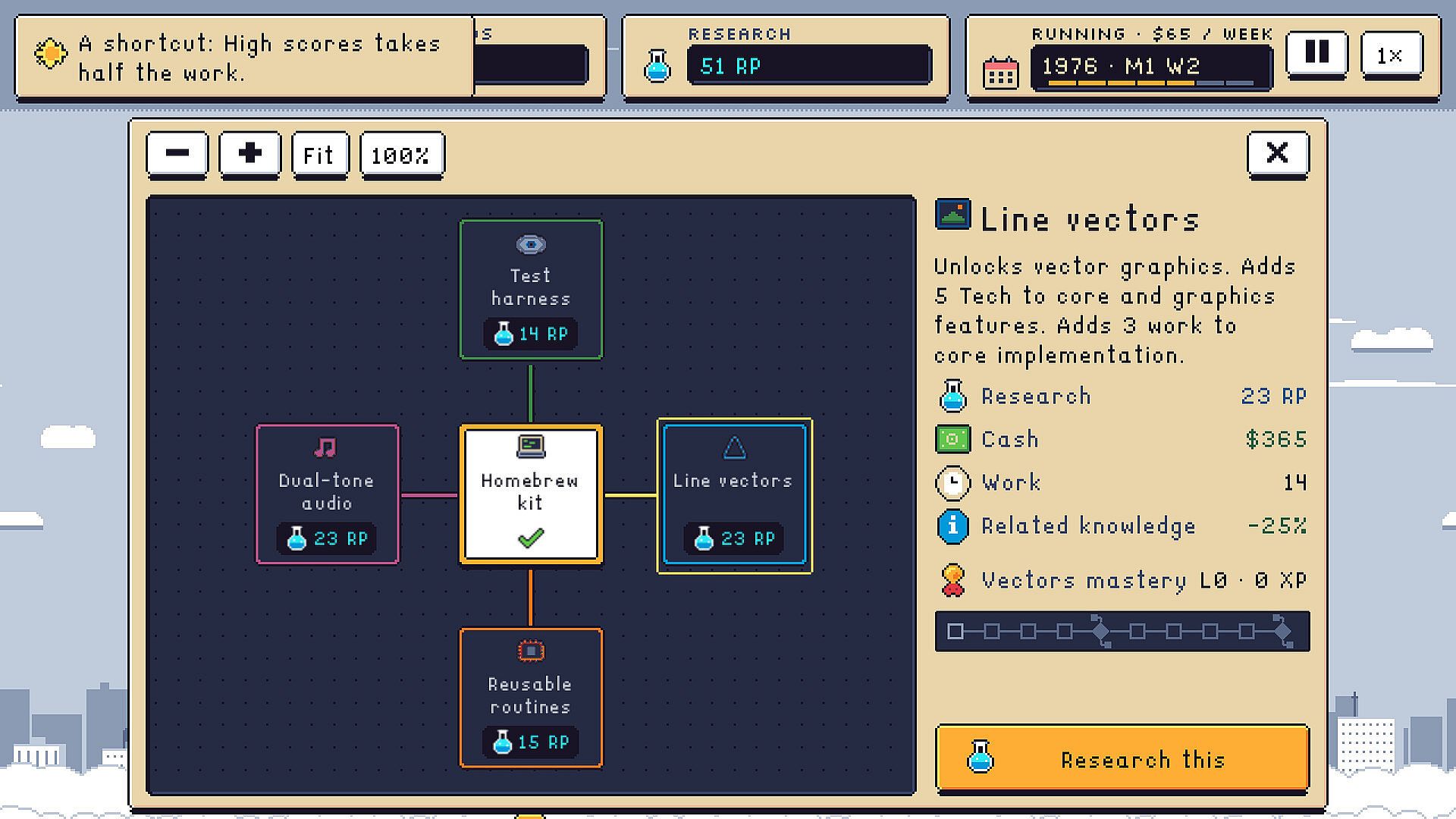
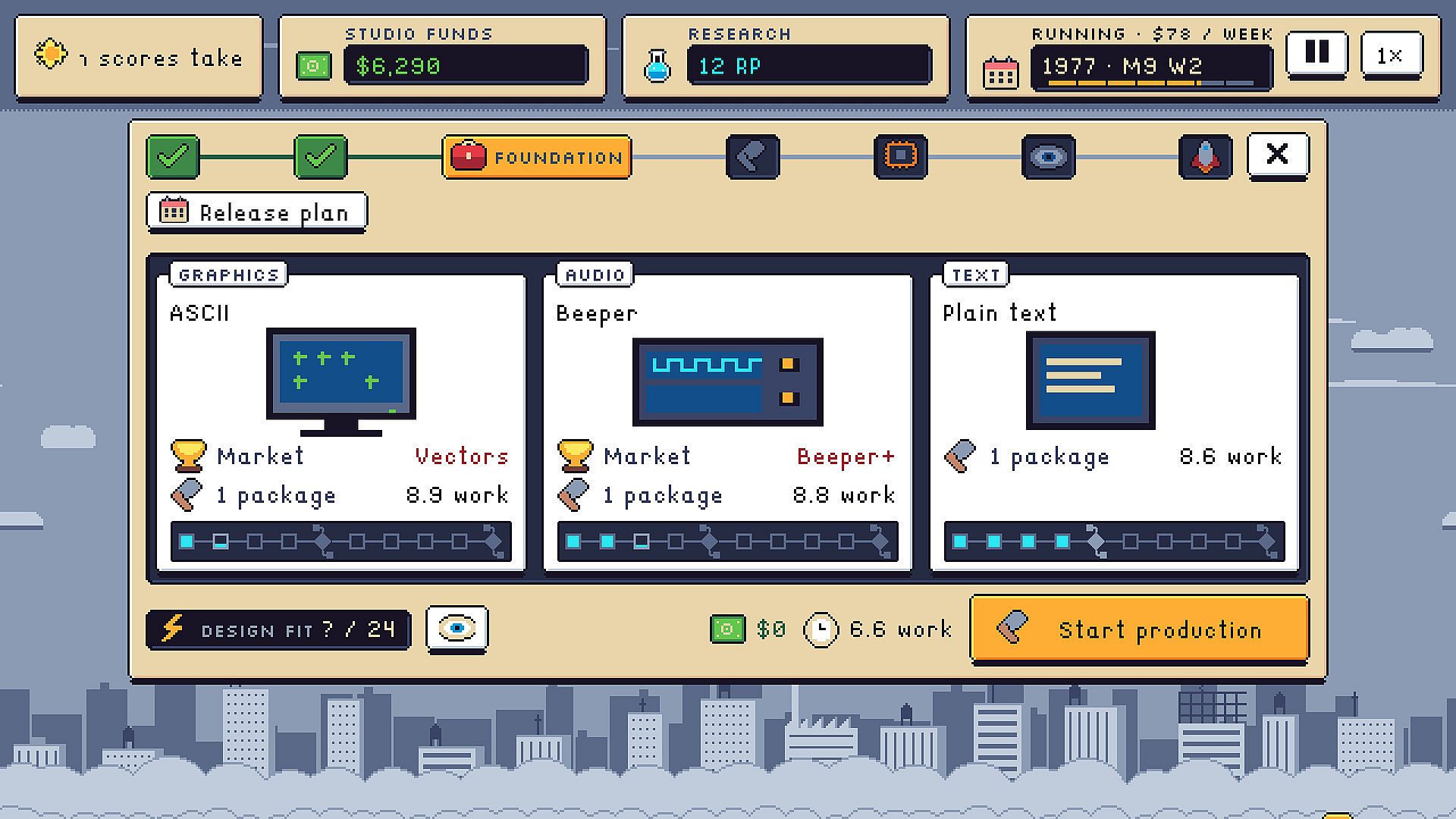
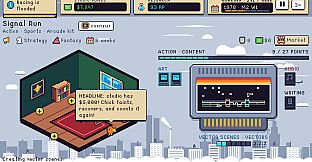
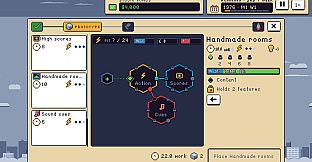
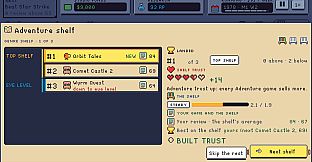
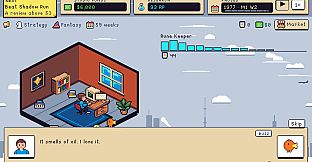
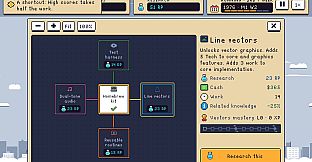
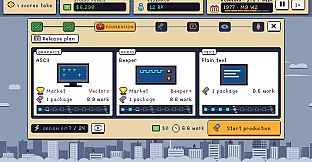
The core loop revolves around developing individual games from scratch. Each project begins with a selected genre core. Features snap onto this foundation during a prototyping phase that reveals true development costs before full production begins. The game then assembles in the studio space while staff members comment on progress and current industry news. Shipping decisions affect three distinct shelves at once: genre, theme, and hardware platform. Overcrowded shelves reduce sales for every title on them, including those from competitors.
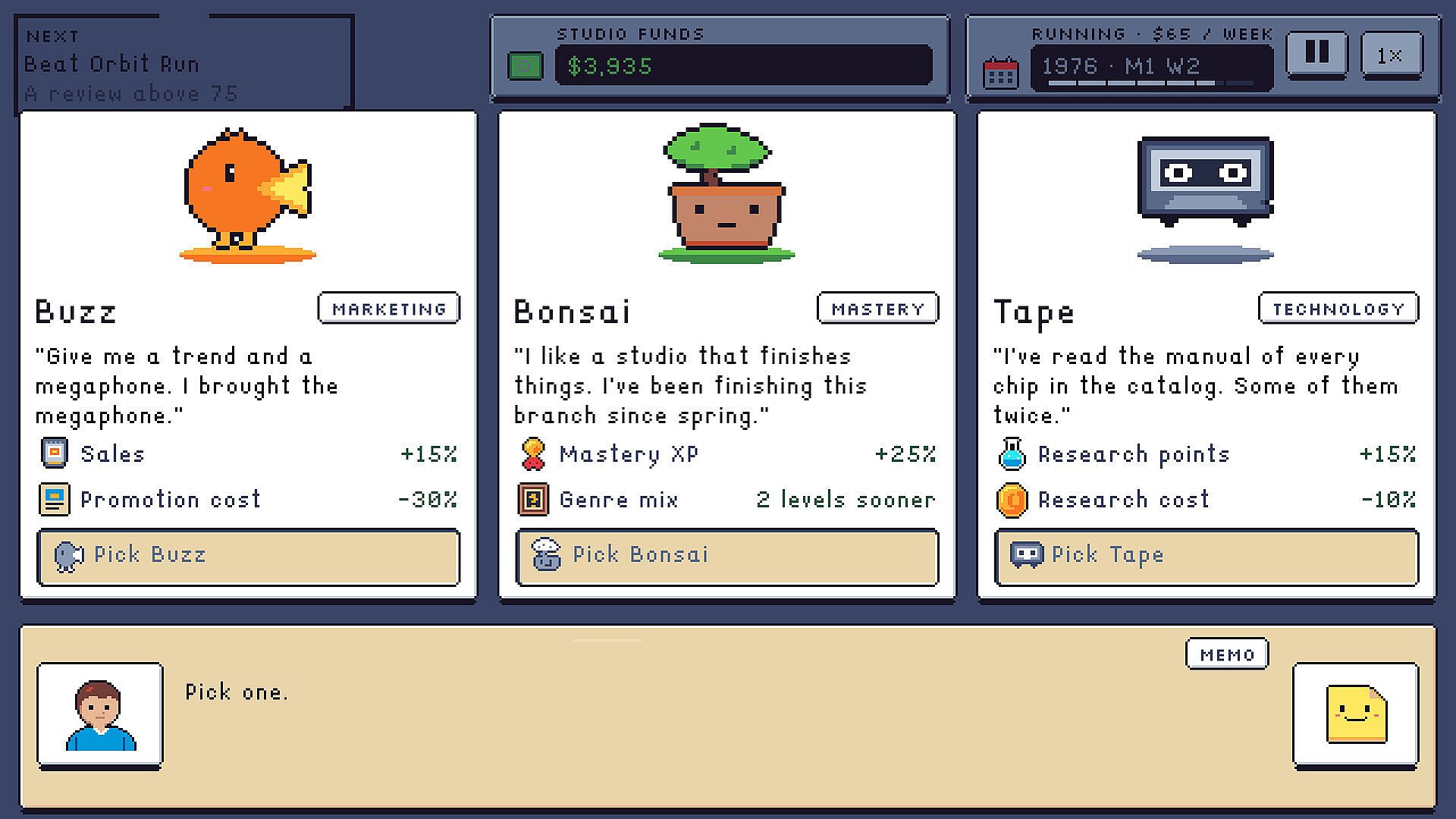
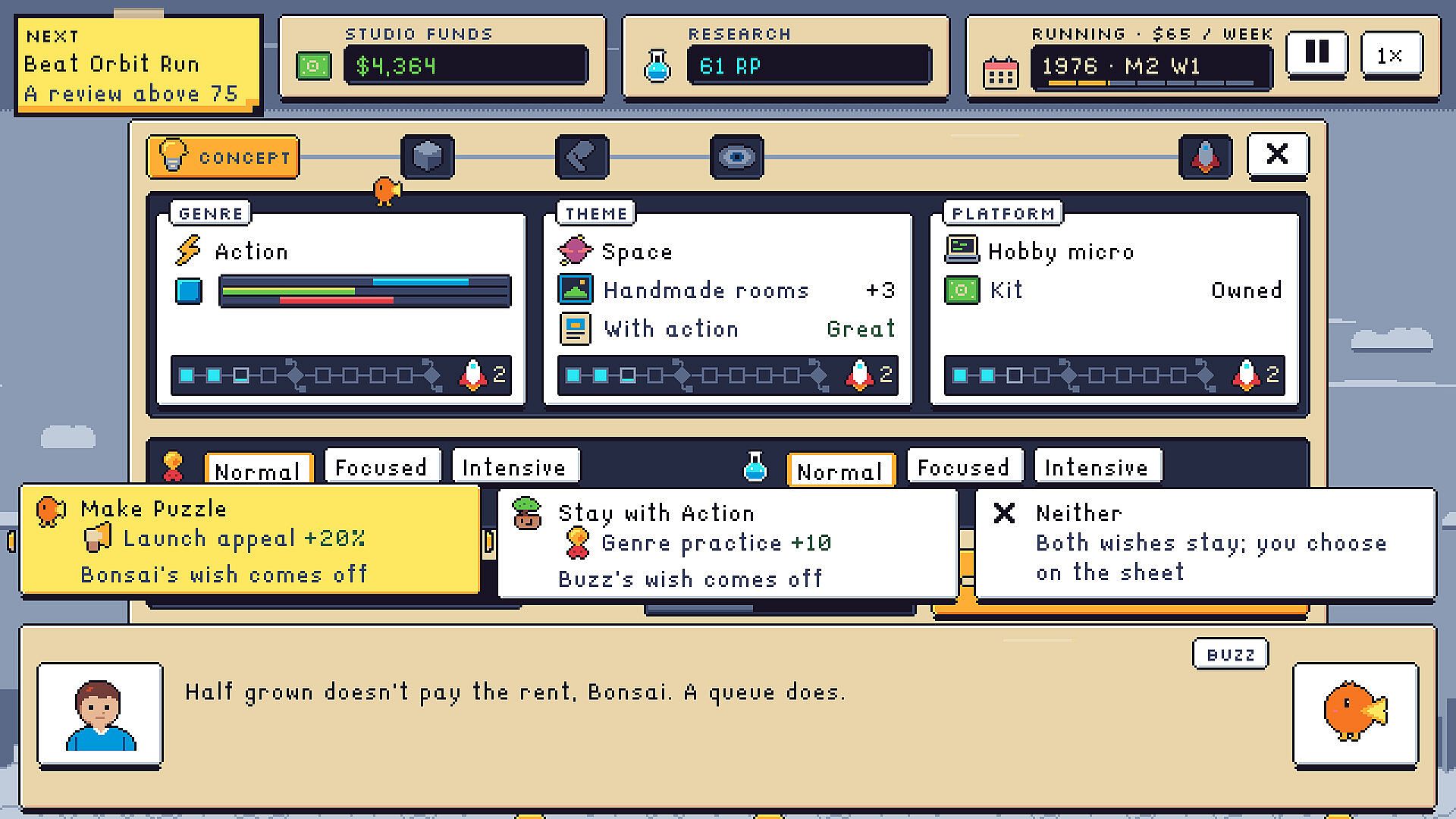
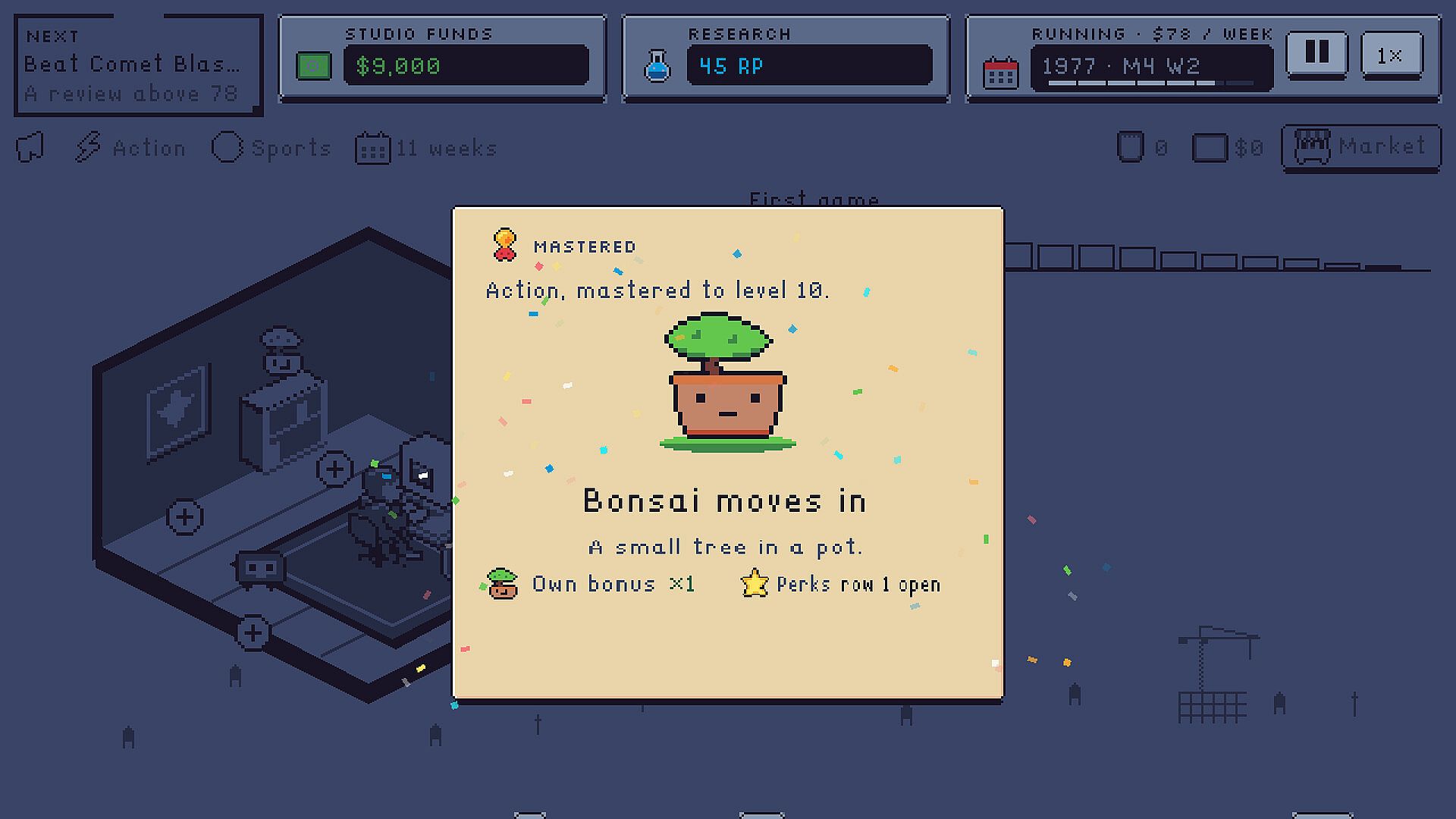
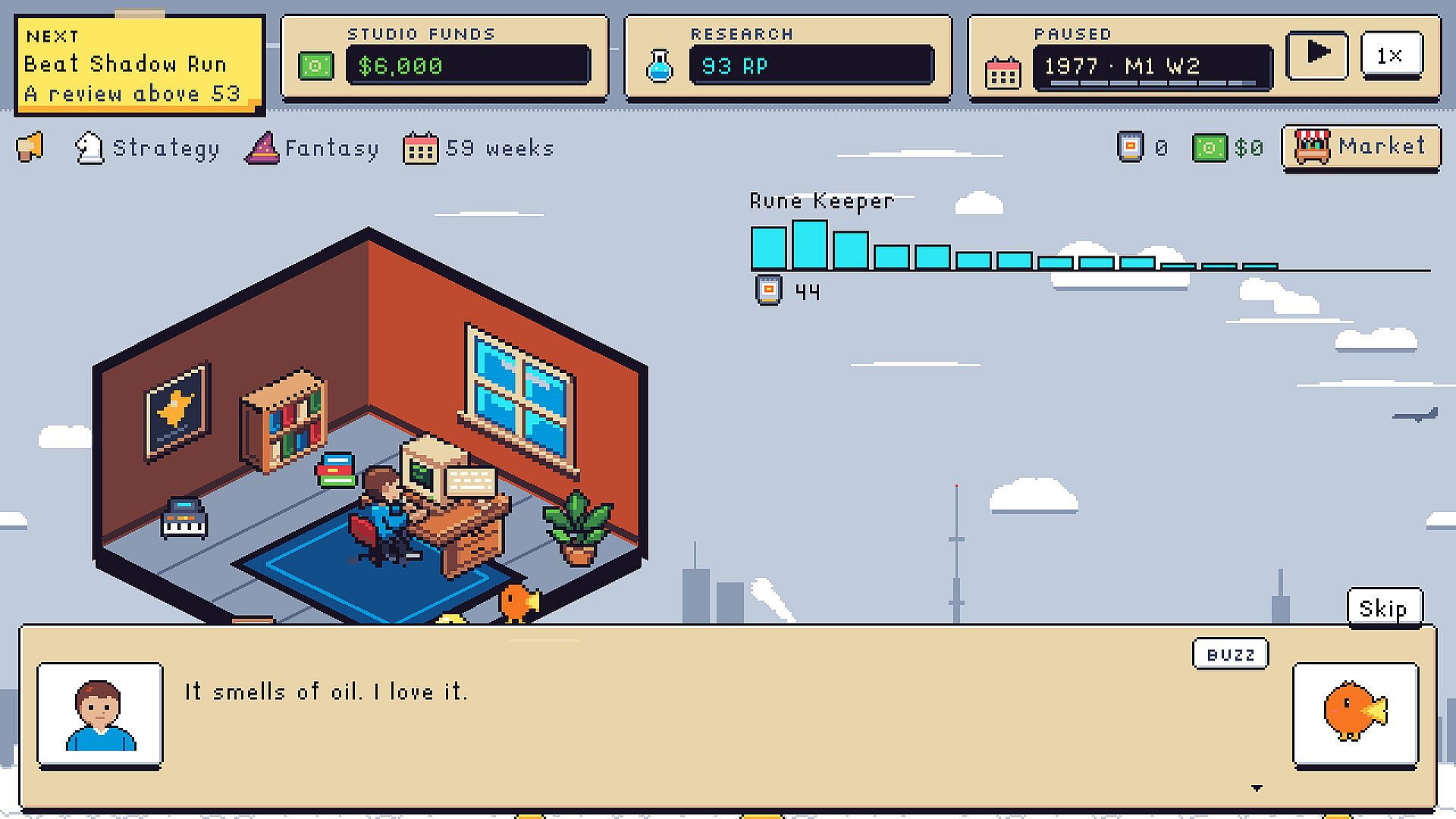
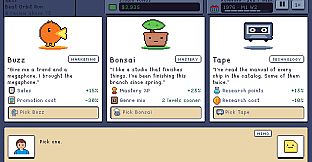
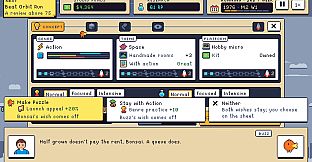
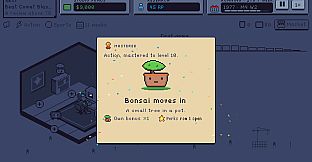
Staff consists of three unique characters unlocked progressively after the first release. Buzz provides vocal feedback through a megaphone beak. Bonsai offers perspectives from a potted tree. Tape delivers hardware-focused opinions as a cassette tape that later evolves into a floppy disk emphasizing load speeds. Each staff member evolves twice and pushes for different priorities in upcoming projects. Rival studios populate the same shelves, and players can purchase their games to either play them for genre insights or disassemble them to reduce research costs on included technologies. Old titles eventually reach bargain bins at reduced prices. Mastering one genre unlocks two additional ones, such as Platformer and Shoot 'em up branching from Action.
Game Modes
Keep Making Games operates entirely as a single-player experience with no separate modes beyond the ongoing studio management simulation. Progression centers on sequential game releases that build reputation, unlock new genres, and expand staff options. The structure encourages repeated cycles of prototyping, development, review analysis, and market positioning against AI-controlled rivals. News updates inform players when competitors release titles or advance their own research.
Market Dynamics and Reviews
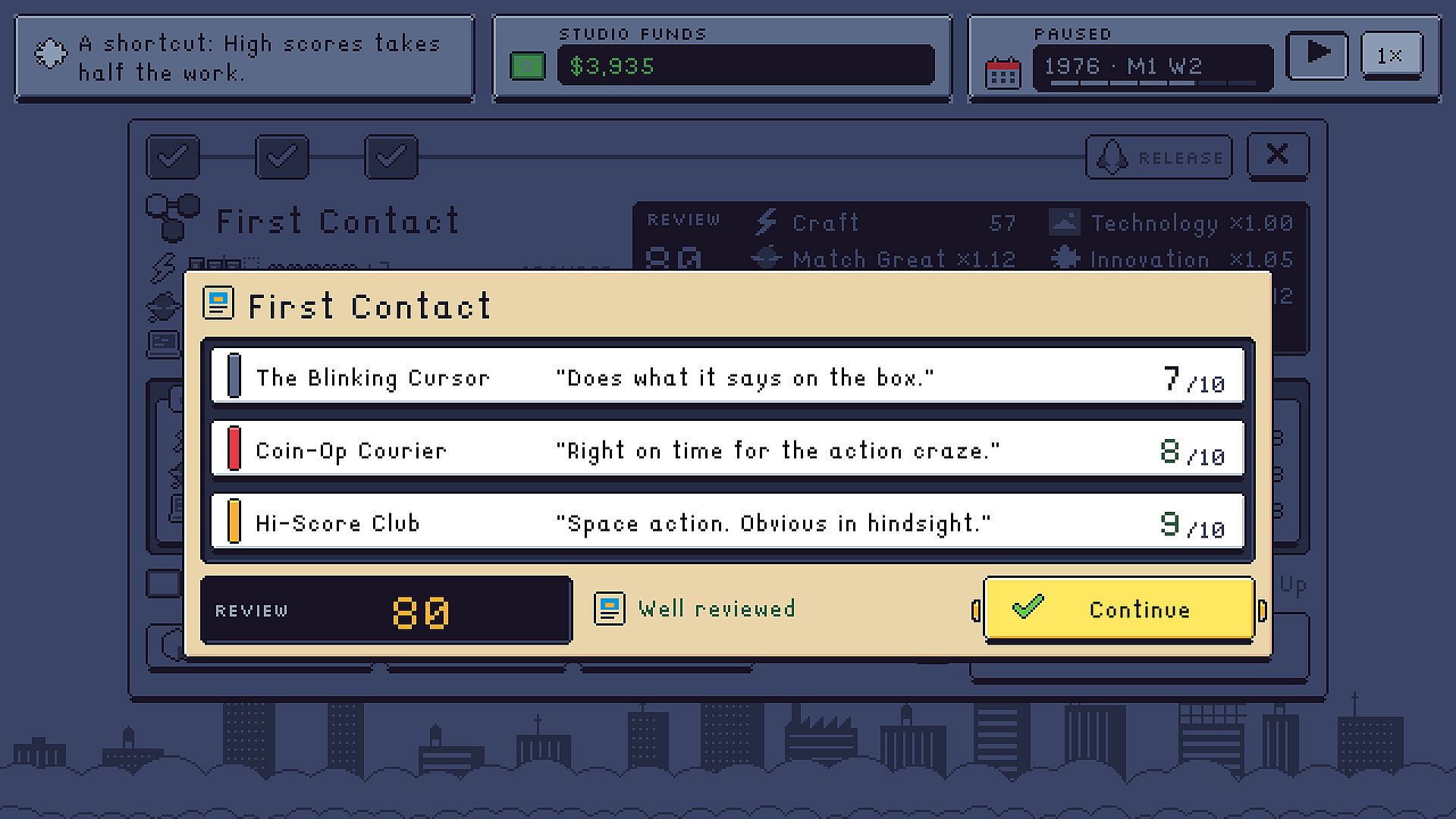
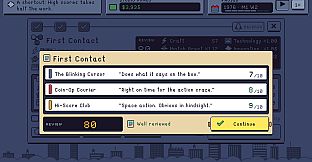
Magazines of the era provide varied feedback on shipped games, each offering distinct reasons for their scores. These reviews influence future decisions and help refine approaches to feature selection and shelf strategy. Players study rival successes by examining purchased games, while the reverse holds true as competitors analyze early releases. The system rewards careful timing to avoid flooding popular shelves and building long-term trust in specific genres or platforms through consistent quality.
Is It Worth Playing?
Keep Making Games suits players who enjoy deliberate strategy and simulation mechanics centered on iterative creation and market competition. The single-player focus delivers a contained experience built around resource management, staff interactions, and incremental genre expansion without external multiplayer elements. As an upcoming release scheduled for March 2027, it currently offers no playable content or player reception data. Those drawn to detailed game development simulators may find the described systems appealing once available, particularly if they value thoughtful pacing over immediate action.