

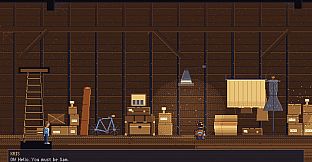
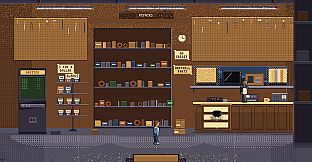
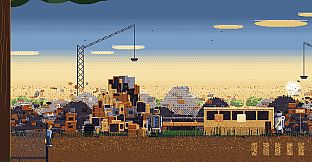
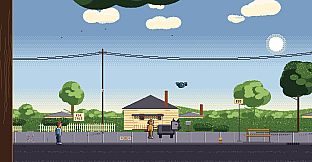
KRIS: The Last Good Summer stands as a point-and-click adventure game built around a retro-futuristic setting and classic puzzle mechanics. Players take control of Kris, an outdated household robot facing the end of his certification period, and navigate a detailed town filled with residents and environmental challenges. The core loop revolves around observation, conversation, and careful use of limited tools to progress through a narrative that examines themes of usefulness and memory.
Gameplay
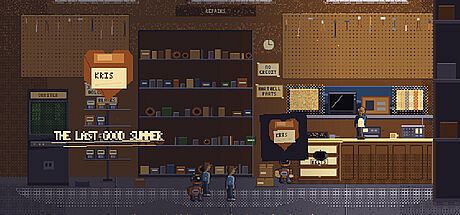
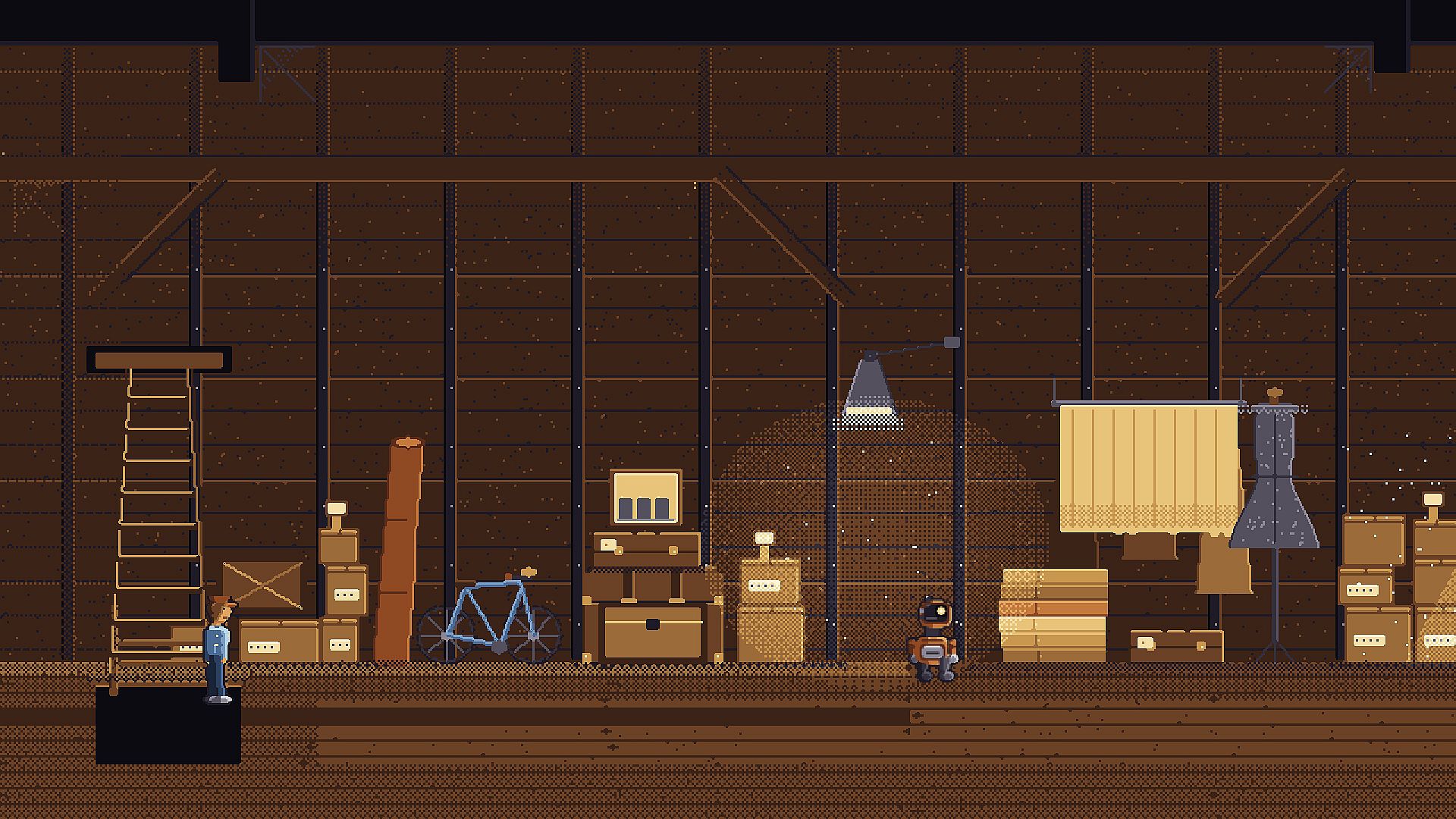
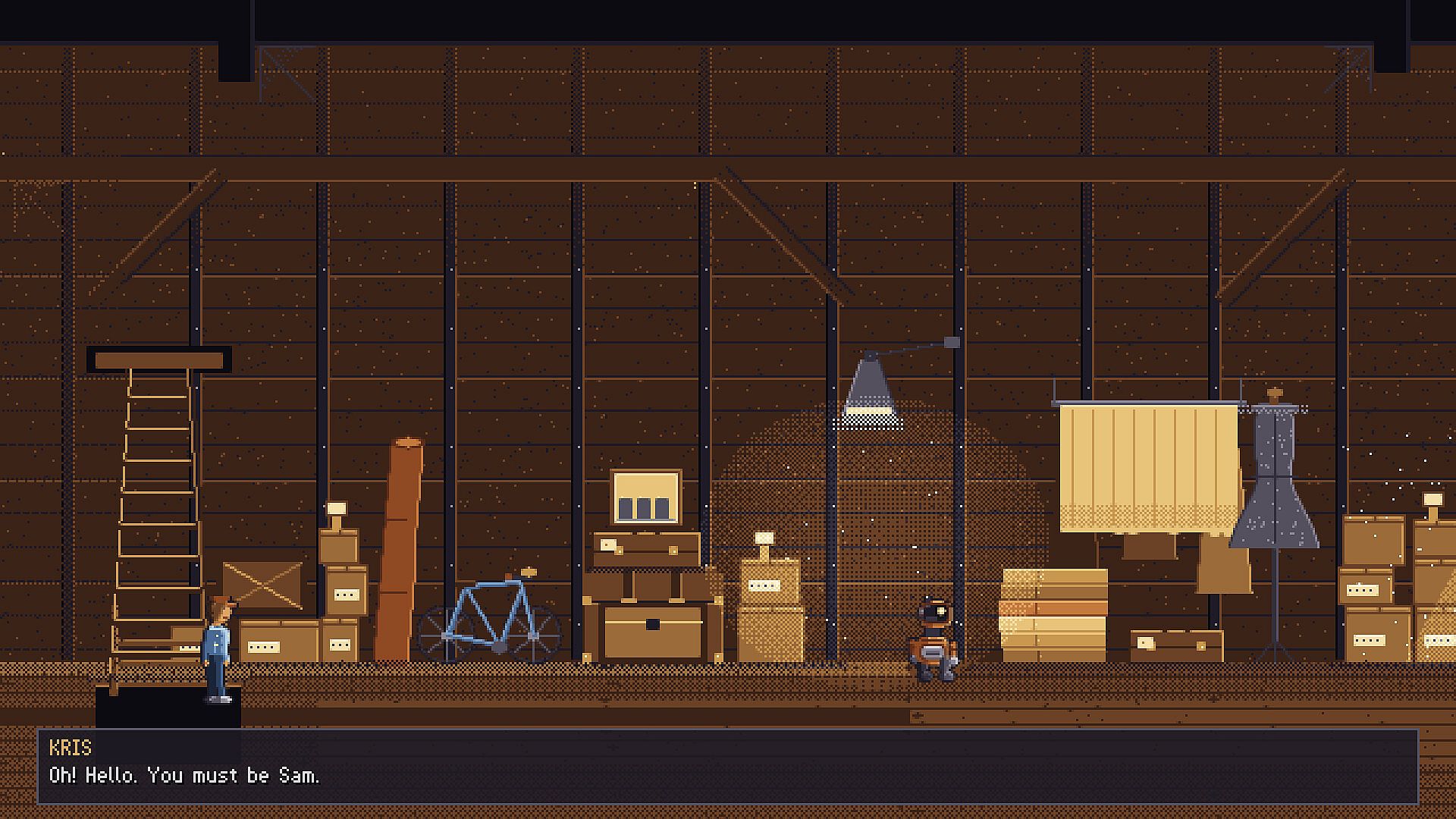
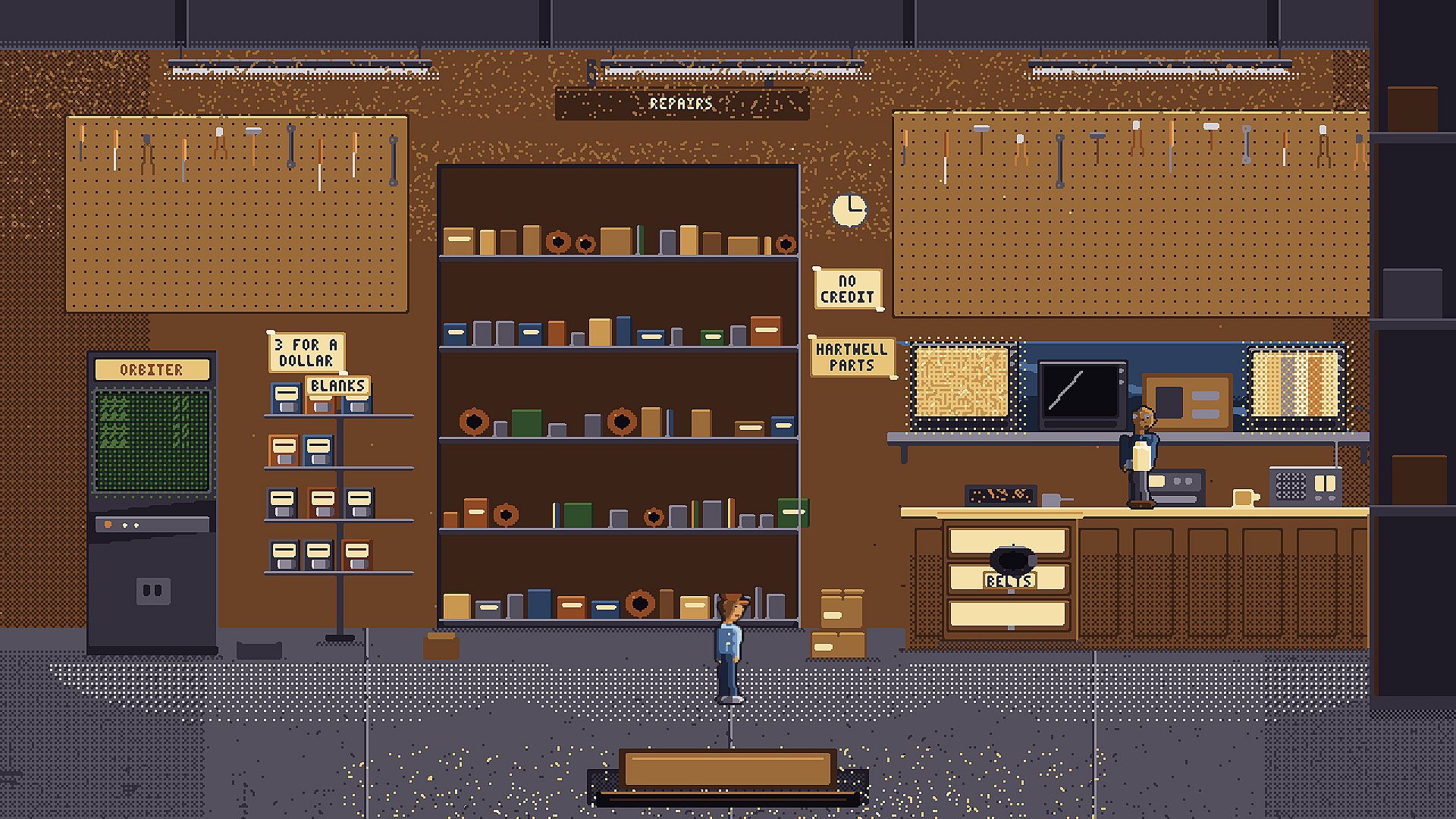
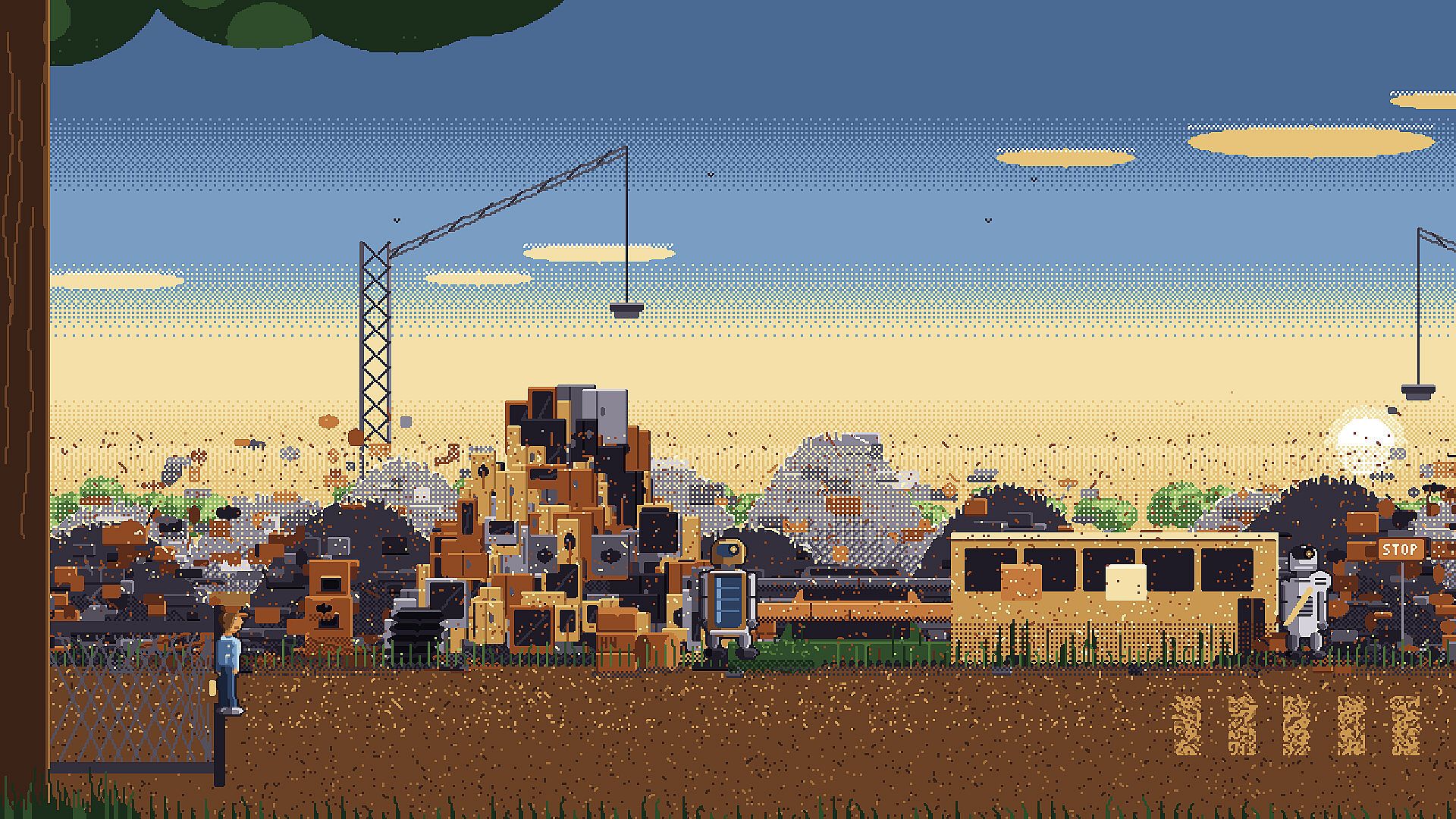
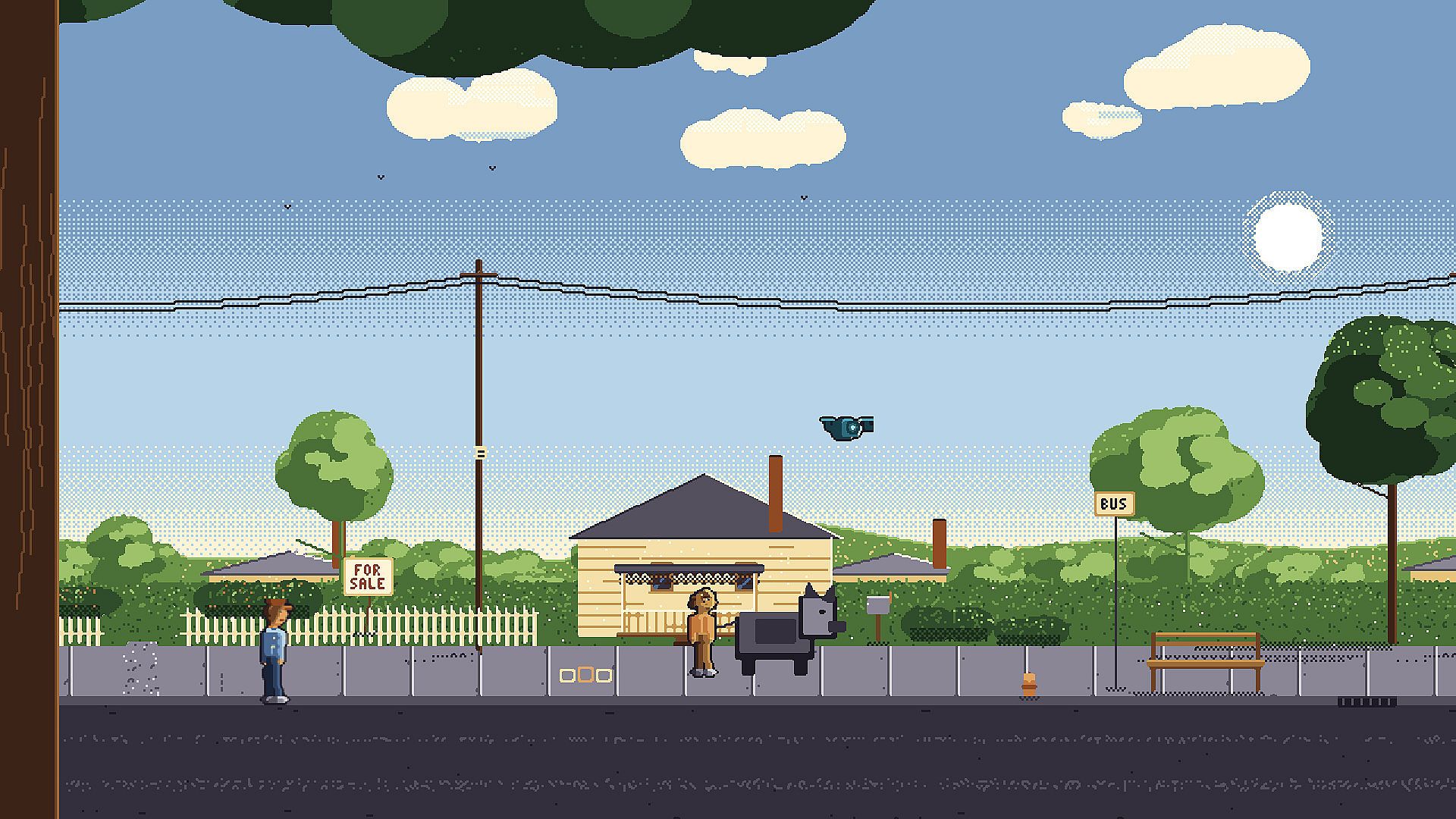
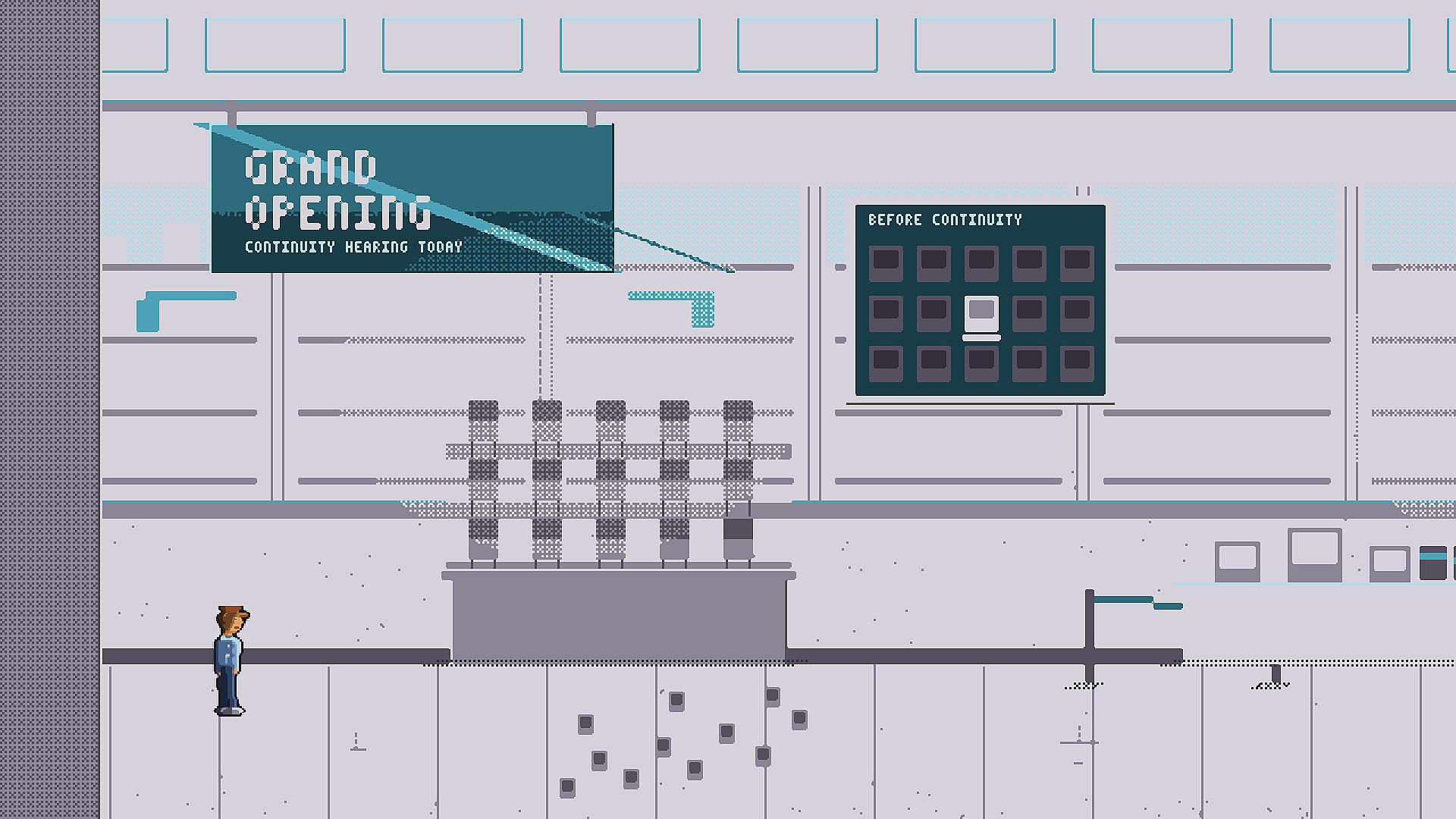
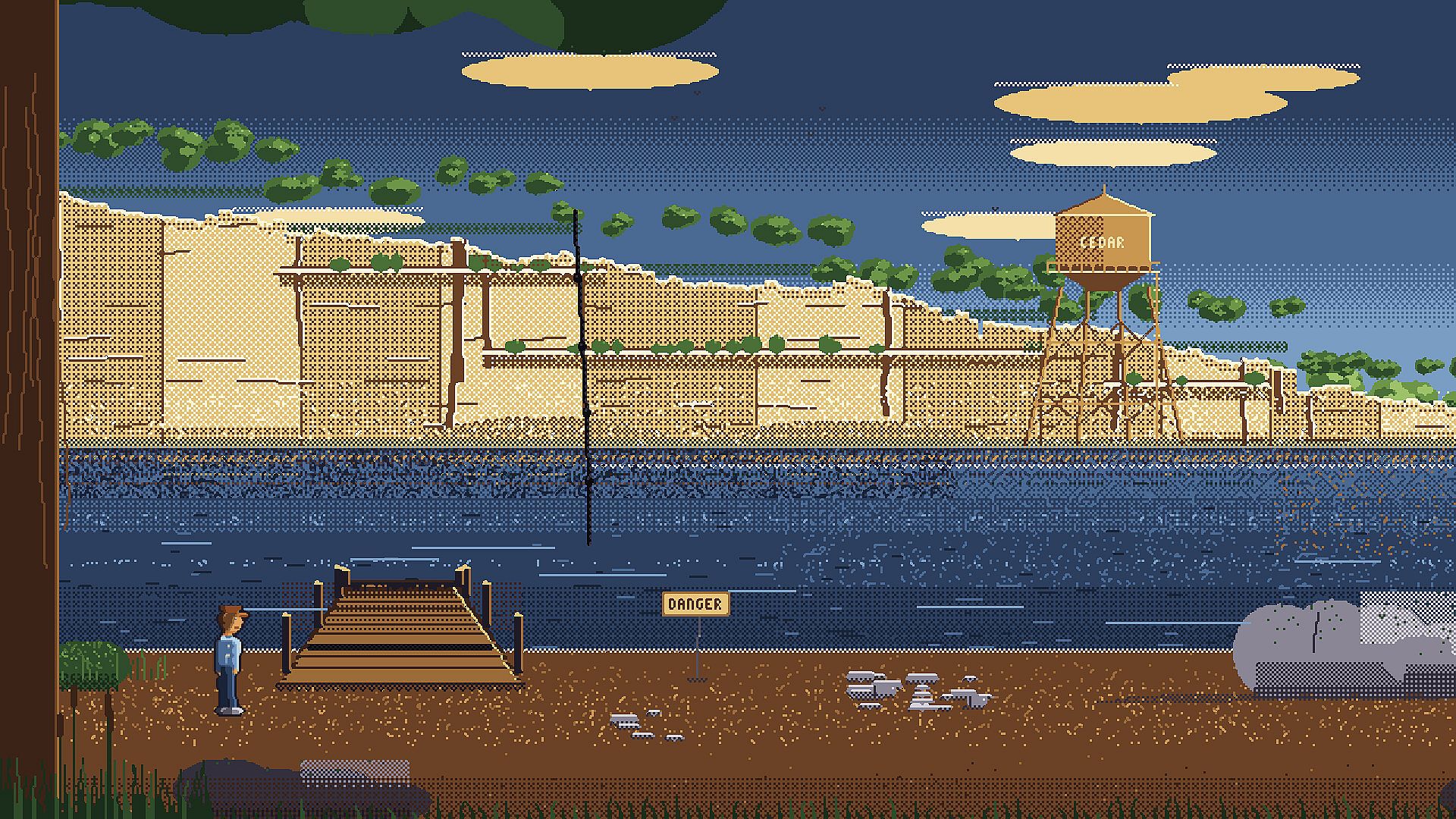
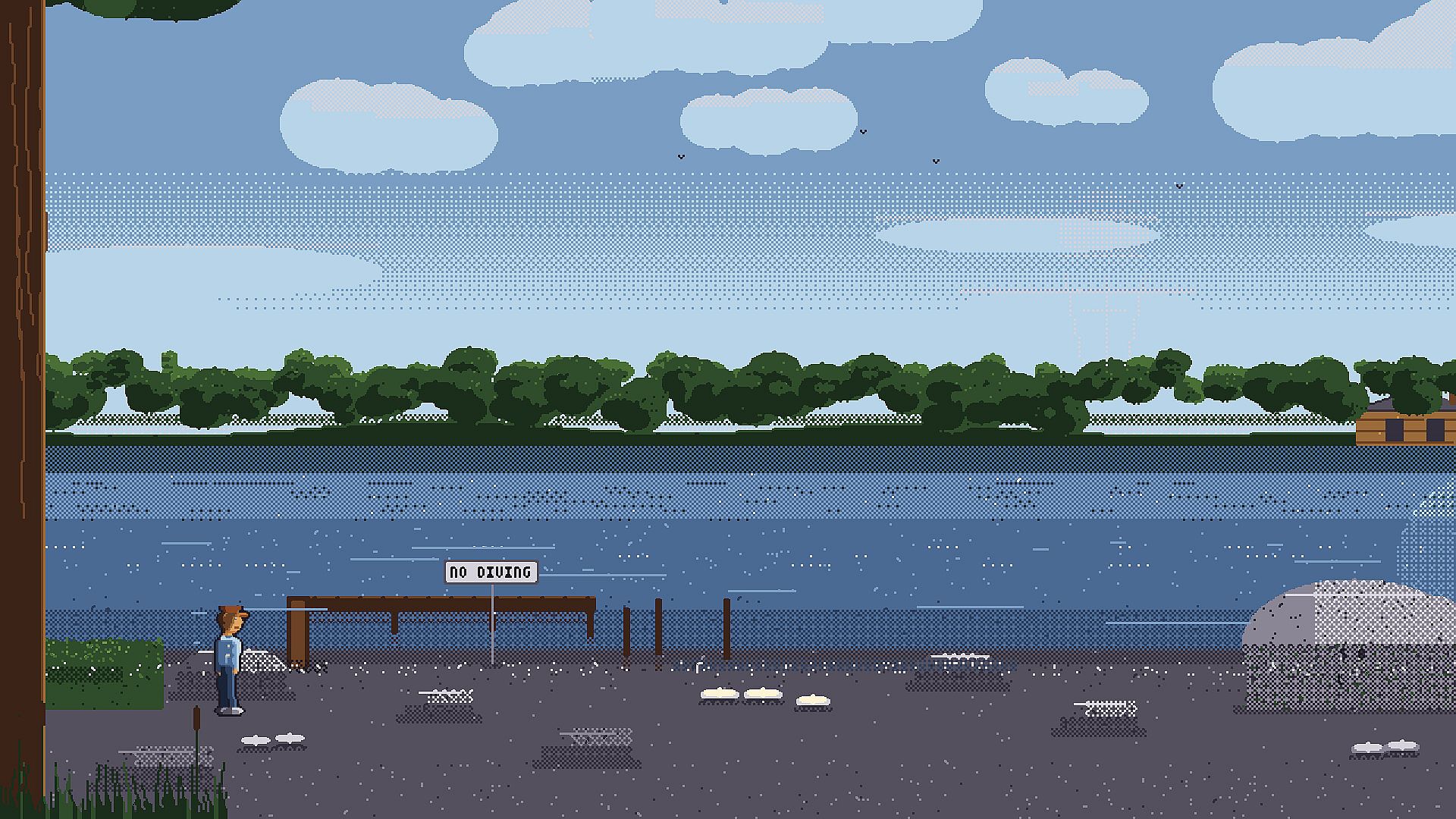
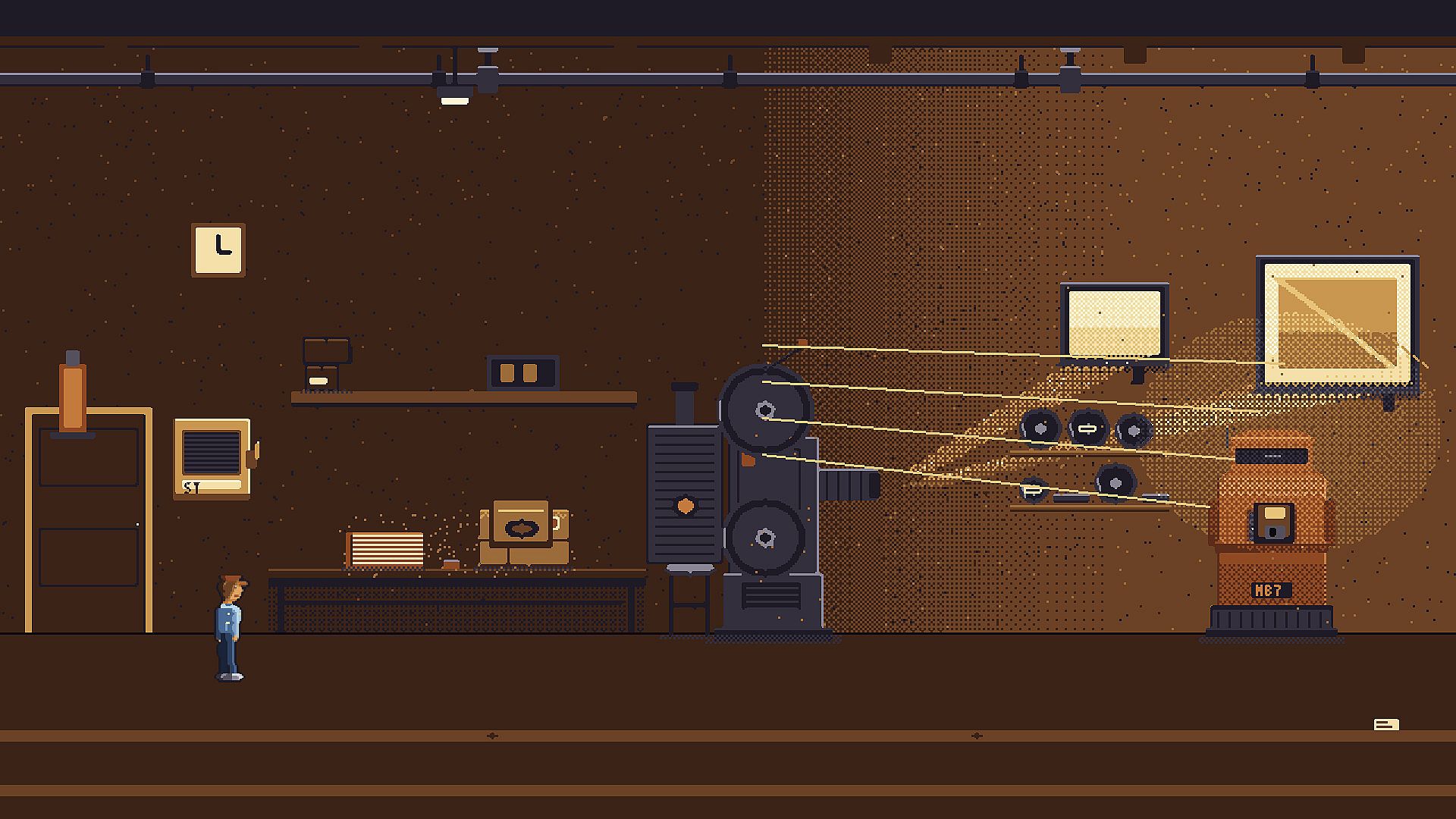
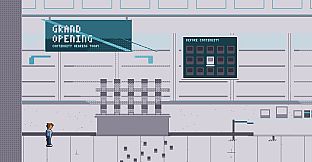
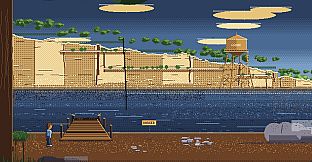
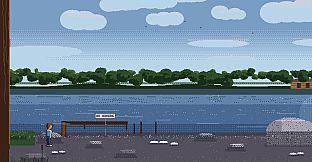
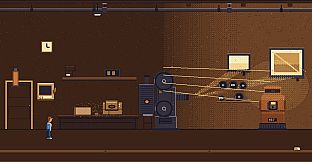
The gameplay centers on traditional point-and-click interactions within a pixel-art world rendered at 640 by 360 resolution using a strict 32-color palette. Every interactable object features dedicated frame-by-frame animations, resulting in over a thousand unique sequences across forty-five characters, with fifty-six animations dedicated to Kris alone. Movement follows realistic paths rather than instant relocation, requiring the robot to walk, kneel, reach, or haul objects as needed.
Progression depends on loading ability disks into Kris's finite memory slots. These disks grant temporary capabilities such as circuit repair, climbing, cooking, or cleaning, each opening distinct solution paths for puzzles. Because slots are limited, acquiring a new skill often requires overwriting an existing one, which ties directly into the story's focus on personal history and trade-offs. Conversations use multiple-choice options that influence outcomes and gather information from townspeople.
Puzzles emphasize improvisation and care over brute force. Players examine environments closely, combine observations with acquired abilities, and experiment with different disk combinations to find workable routes forward. The design enforces the 1993 technical constraints throughout, avoiding any modern smoothing or upscaling that would break the intended visual style.
Game Modes
The game operates as a single-player narrative experience with no separate multiplayer or competitive modes. All content unfolds through sequential exploration and puzzle resolution in the main town setting. Progression follows the story's 30-day timeframe, with choices in disk management and dialogue affecting available paths and the final hearing sequence.
Replay value stems from the memory overwrite system, which encourages trying alternative ability combinations on subsequent playthroughs. No additional game modes such as challenge runs or separate scenarios appear in the design.
Story and Themes
The narrative follows Kris as he attempts to demonstrate ongoing value before his certification expires. A collection of old floppy disks provides the means to assist residents and uncover solutions to everyday problems in the town. Multiple-choice dialogues reveal character backstories and build relationships that culminate in a central hearing.
Themes of planned obsolescence, aging, and human connection run through the experience. Retro comedy elements lighten certain interactions while the underlying questions about efficiency versus inherent worth remain consistent. The structure leads players toward a conclusion that depends on the cumulative impact of Kris's actions and retained memories.
Visual and Technical Style
Every visual element adheres to the enforced 1993 ruleset. The locked palette and resolution produce crisp pixels and warm summer lighting without anti-aliasing or soft edges. Animation serves as the default interaction method rather than an optional flourish, ensuring that touching or using any object triggers a corresponding movement sequence.
This approach creates a cohesive retro presentation that prioritizes deliberate pacing. Screens invite extended viewing before clicks occur, and the absence of modern visual effects reinforces the period authenticity throughout the town environments and character interactions.
Is It Worth Playing?
KRIS: The Last Good Summer targets players who enjoy deliberate point-and-click adventures with strong narrative focus and mechanical constraints that influence decision-making. The disk management system adds meaningful choices that connect directly to character development, while the animation detail and visual ruleset reward careful observation.
Those drawn to stories about memory, usefulness, and community will find the themes integrated into both puzzles and dialogue. The single-player structure supports focused play sessions without requiring coordination with others. As a pre-release title scheduled for September 2026, its appeal rests on the described systems and presentation rather than post-launch updates or community features.
Fans of classic adventure games that emphasize improvisation over combat or resource grinding will likely appreciate the approach. The limited memory slots and overwrite mechanic provide replay motivation tied to story outcomes, making it suitable for players who value thoughtful progression over expansive open worlds.