

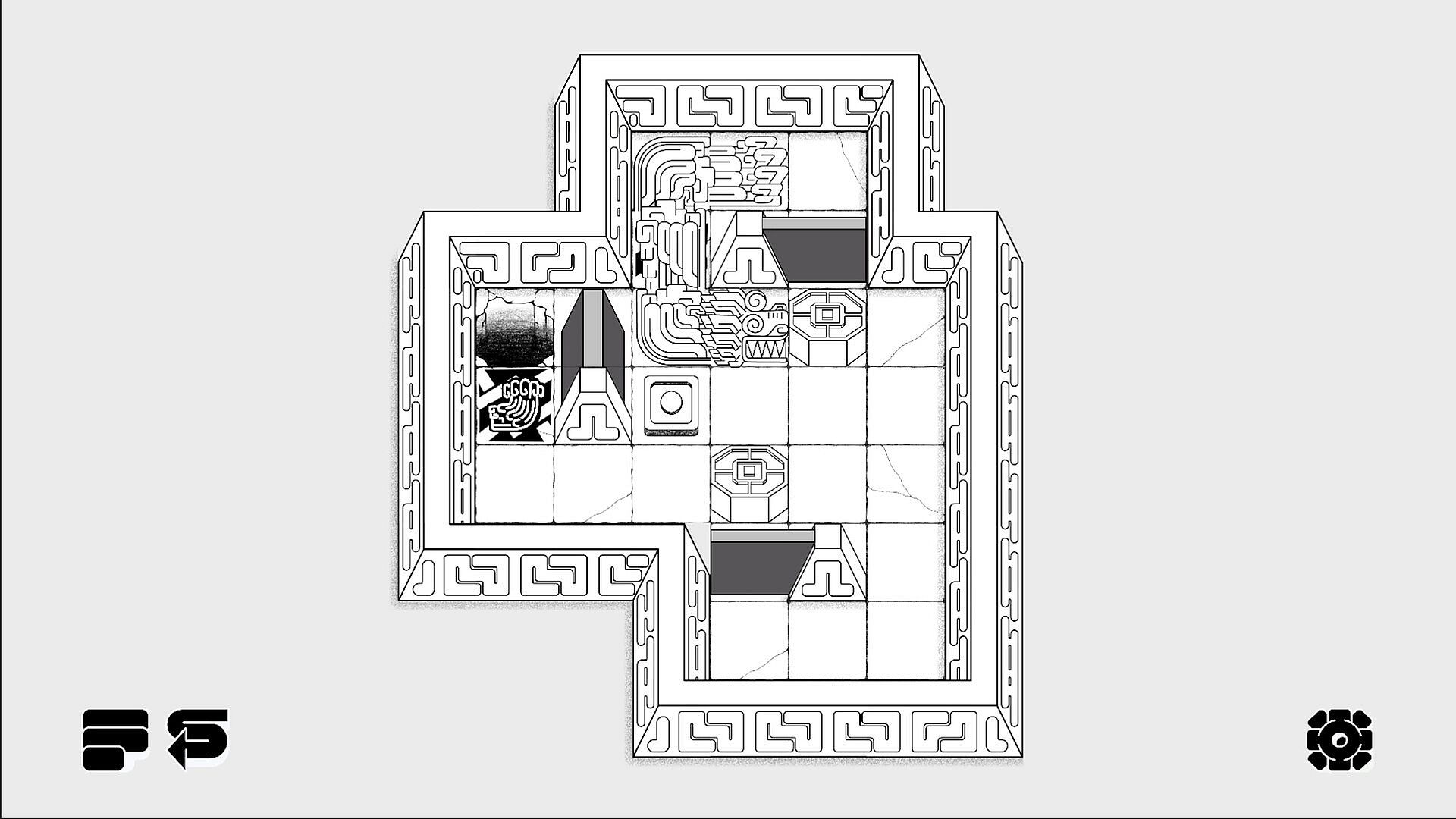
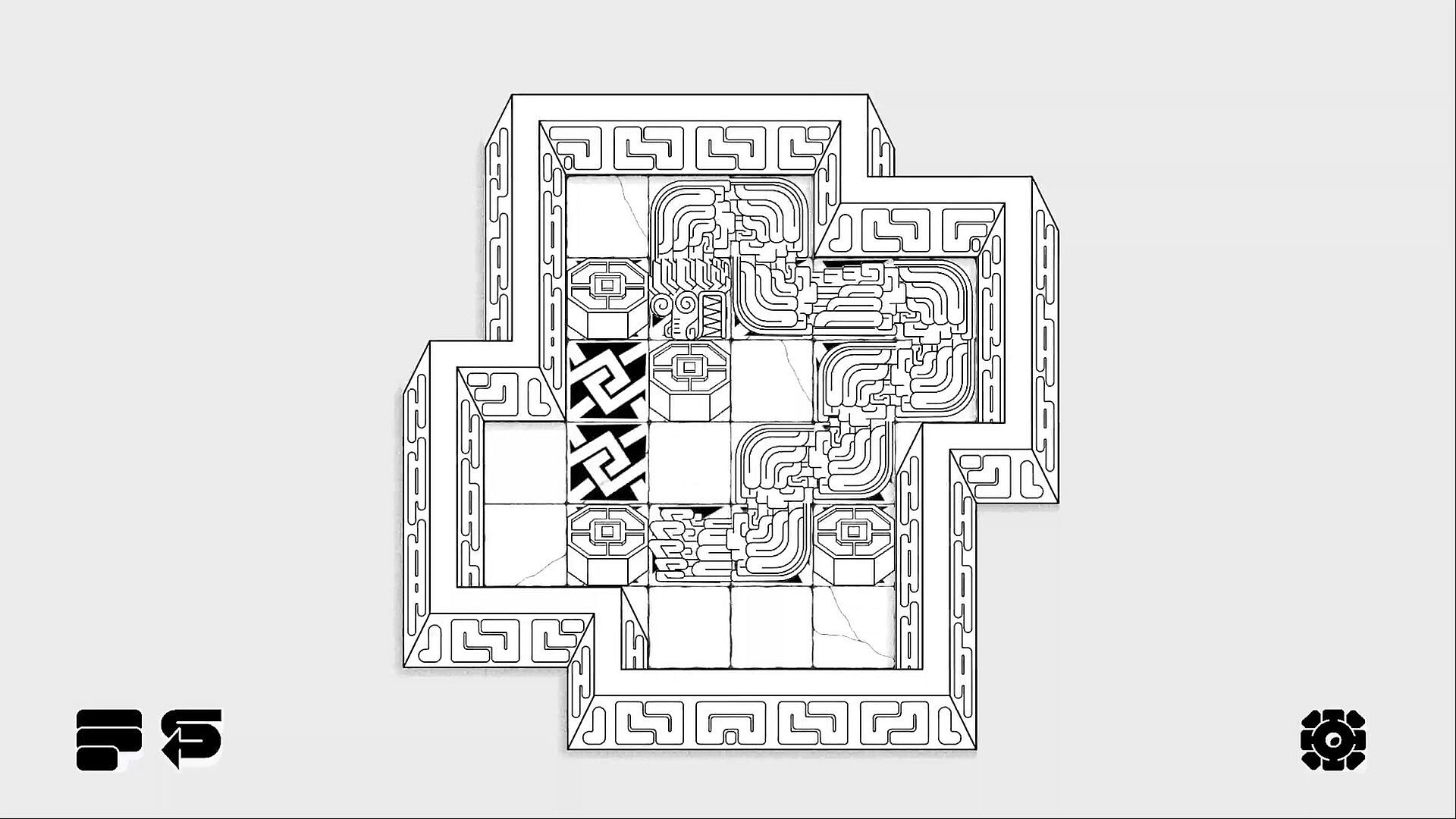
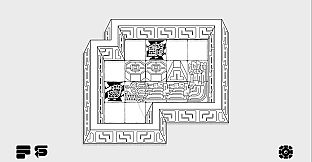
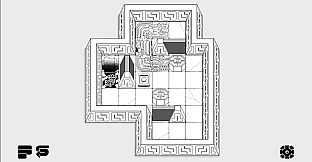
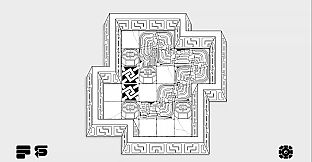
KUKULBAN is a strategy indie casual block-pushing puzzle game for PC in which players control a feathered serpent god navigating confined stone environments. The core challenge involves guiding the player's own body to an exit by pushing blocks, reshaping form, and interacting with mechanisms, all without enemies or timers. Rooms built from chambers, ruins, and devices demand careful observation and experimentation to discover viable paths through tight spaces.
Gameplay
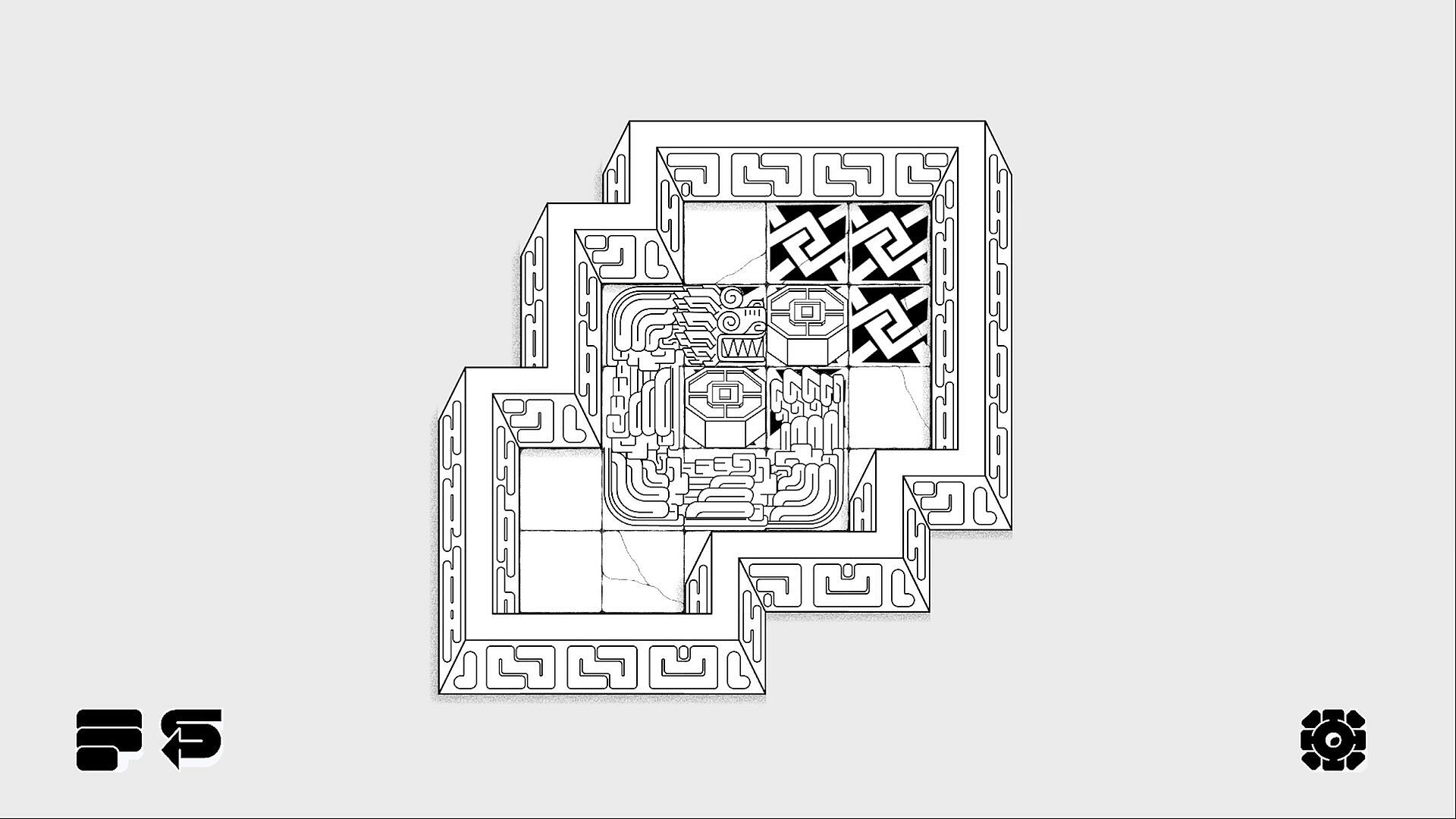
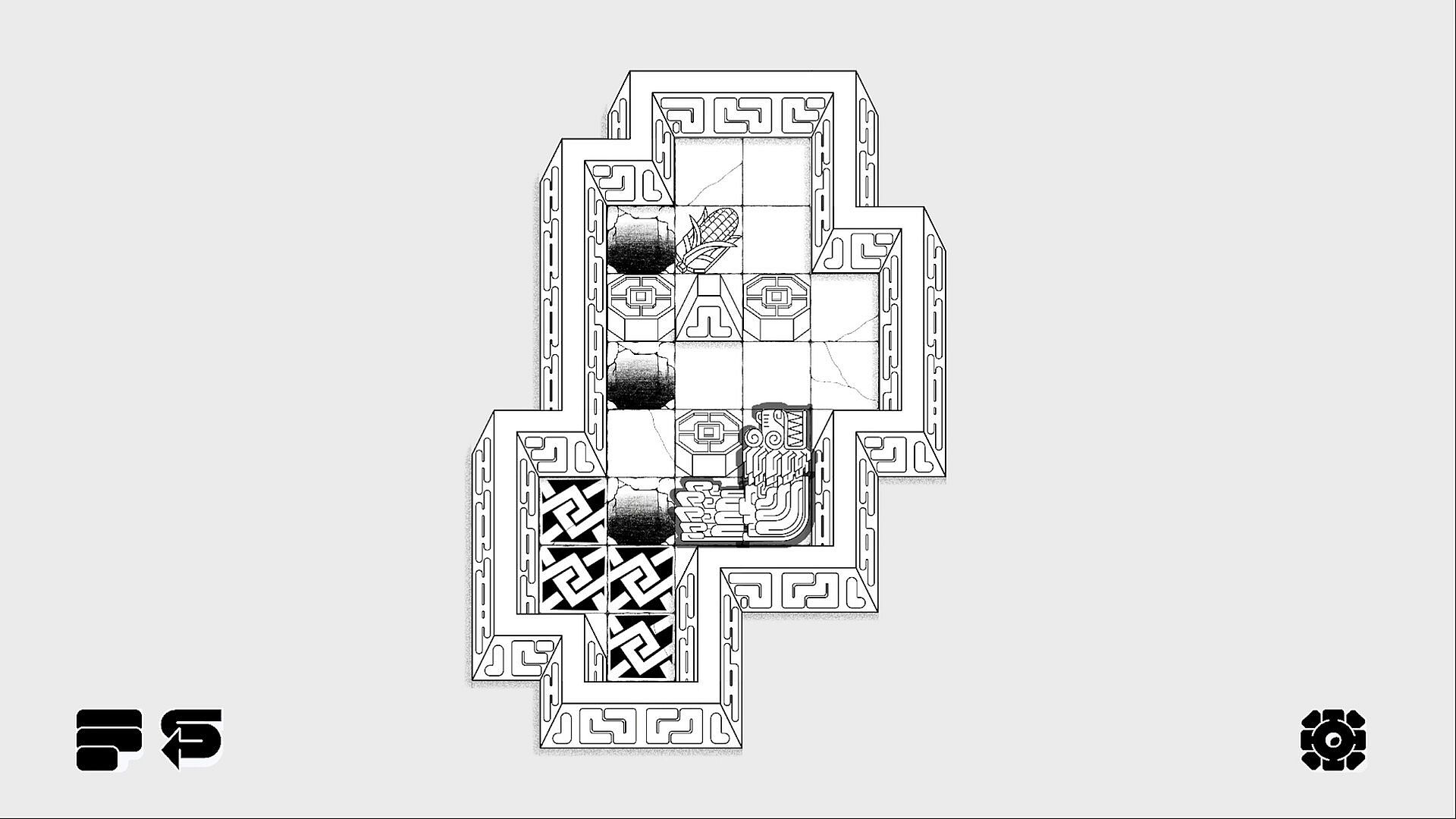
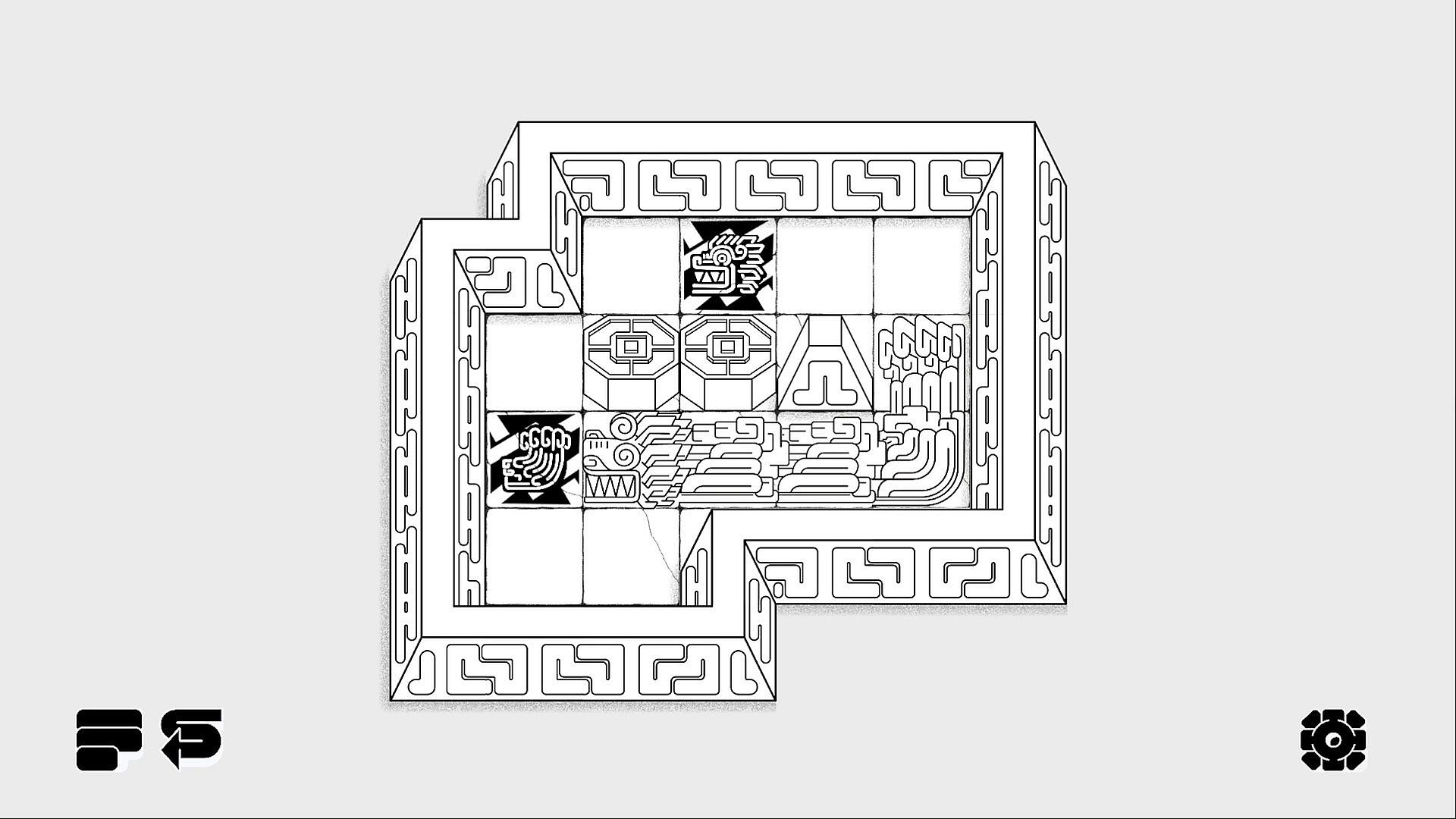
The central loop revolves around moving the serpent body itself toward each level's goal while manipulating surrounding elements. Pushing stone blocks into position creates new routes or fills gaps, and certain mechanisms alter the body's shape or length to fit through narrow passages or reach switches. Every action repositions parts of the form, which in turn changes how the surrounding space can be interpreted and traversed. Simple-looking rooms frequently conceal multiple possible sequences that only become clear after testing different orders of moves.
Progression relies on pressing switches to open stone doors, bridging holes with blocks, and activating devices that modify the serpent's configuration. The absence of time pressure allows players to pause, undo steps, and refine approaches until a solution aligns with the available space. Additional rules emerge gradually through the levels, expanding the ways the body can be used as both mover and obstacle.
Game Modes
The game operates entirely in a single-player format focused on sequential puzzle solving. Each stage presents a self-contained challenge within limited stone layouts, emphasizing logical deduction over speed or competition. No separate modes such as timed trials, endless variants, or multiplayer options appear in the design. Players advance by completing rooms that build on prior mechanics, with the serpent's body serving as the primary tool for all interactions.
Core Mechanics and Progression
Stone blocks form the foundation of most solutions, serving as both obstacles and tools that must be repositioned precisely. Holes require filling to create stable paths, while switches and doors introduce conditional elements that respond to the serpent's presence or block placements. Body-altering mechanisms add layers by letting players extend, contract, or reconfigure the form to access previously unreachable areas or press distant controls. These elements combine to reward spatial awareness and iterative problem solving rather than brute-force attempts.
Levels draw from ancient-inspired stone architecture, keeping the focus narrow and deliberate. Discoveries come from noticing how one move cascades into new possibilities, often requiring a shift in perspective about which part of the body occupies which space at any moment.
Is It Worth Playing?
KUKULBAN suits players who prefer deliberate, pressure-free puzzle experiences that reward patience and creative spatial thinking. Its single-player structure centers on methodical experimentation within compact environments, making it accessible for casual sessions yet demanding enough for those who enjoy untangling layered logic puzzles. With no confirmed release date or player feedback available at present, the game appeals most to fans of Sokoban-style titles who value the twist of controlling the moving piece itself. Those seeking relaxed exploration of mechanics without combat or time constraints will find the described systems align directly with that preference.