



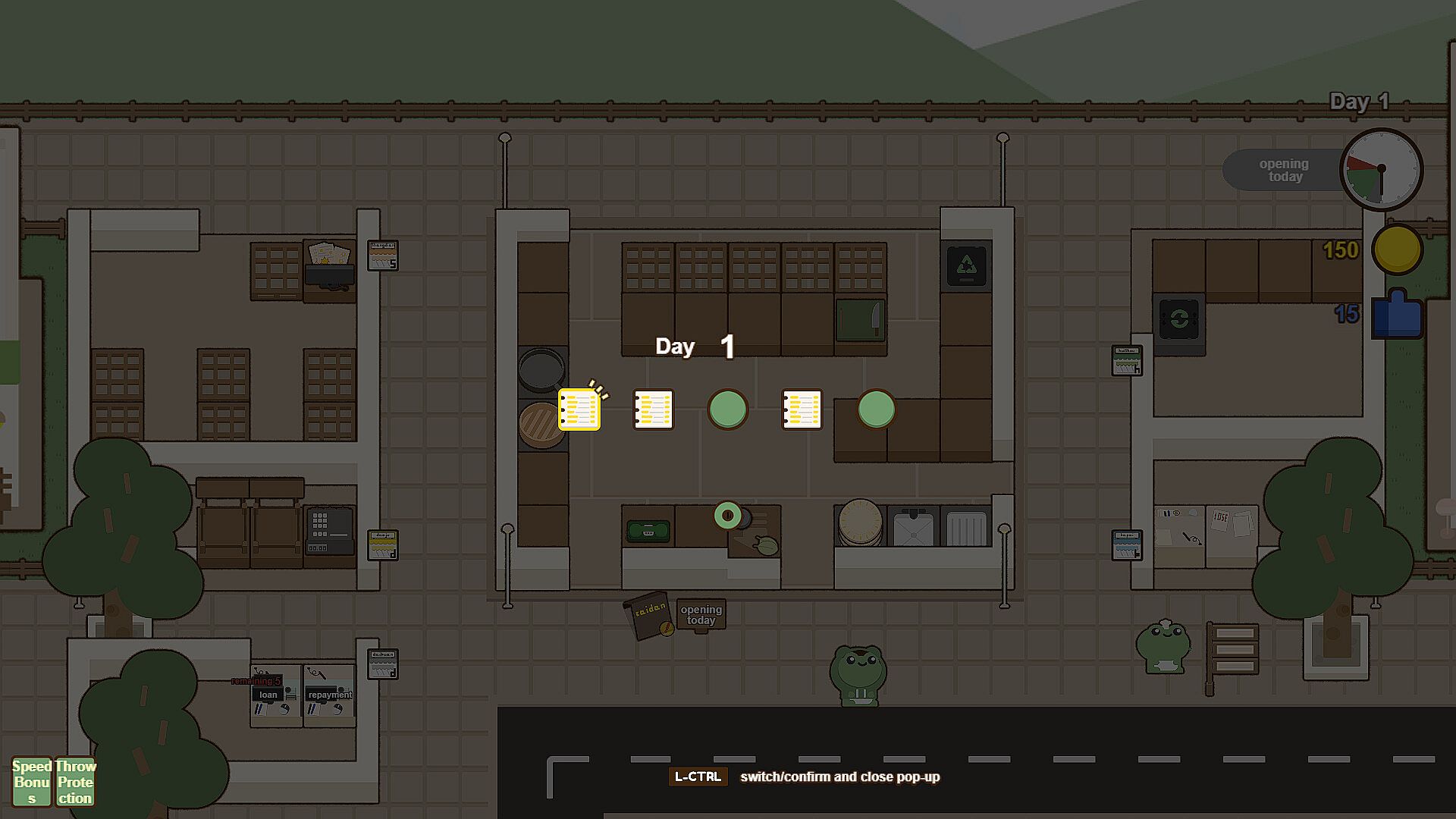



Let It Cook is an action, strategy, indie, casual, and simulation game available on PC that places players in charge of a restaurant facing nonstop customer demands and tight operational constraints.
Gameplay
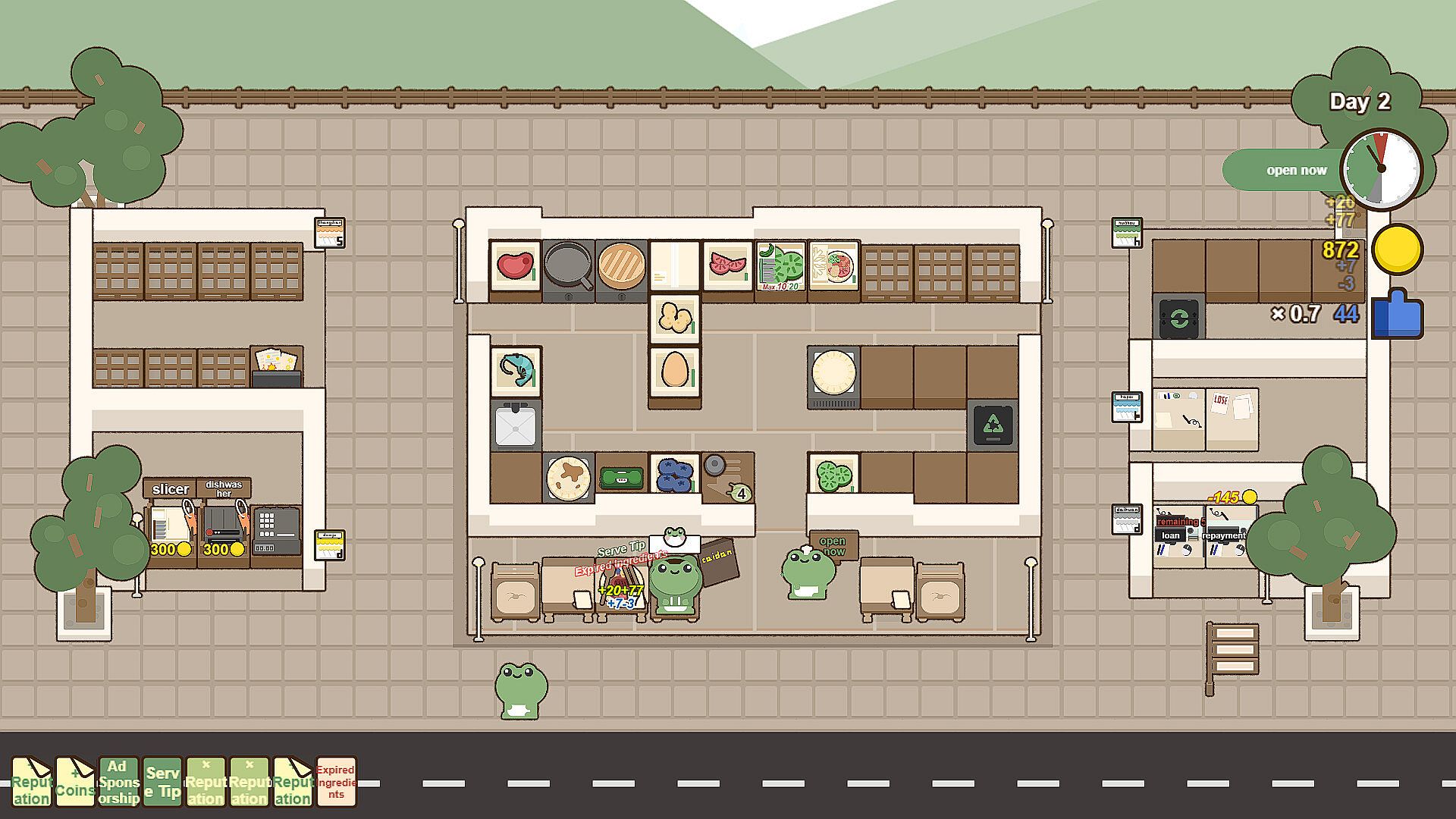
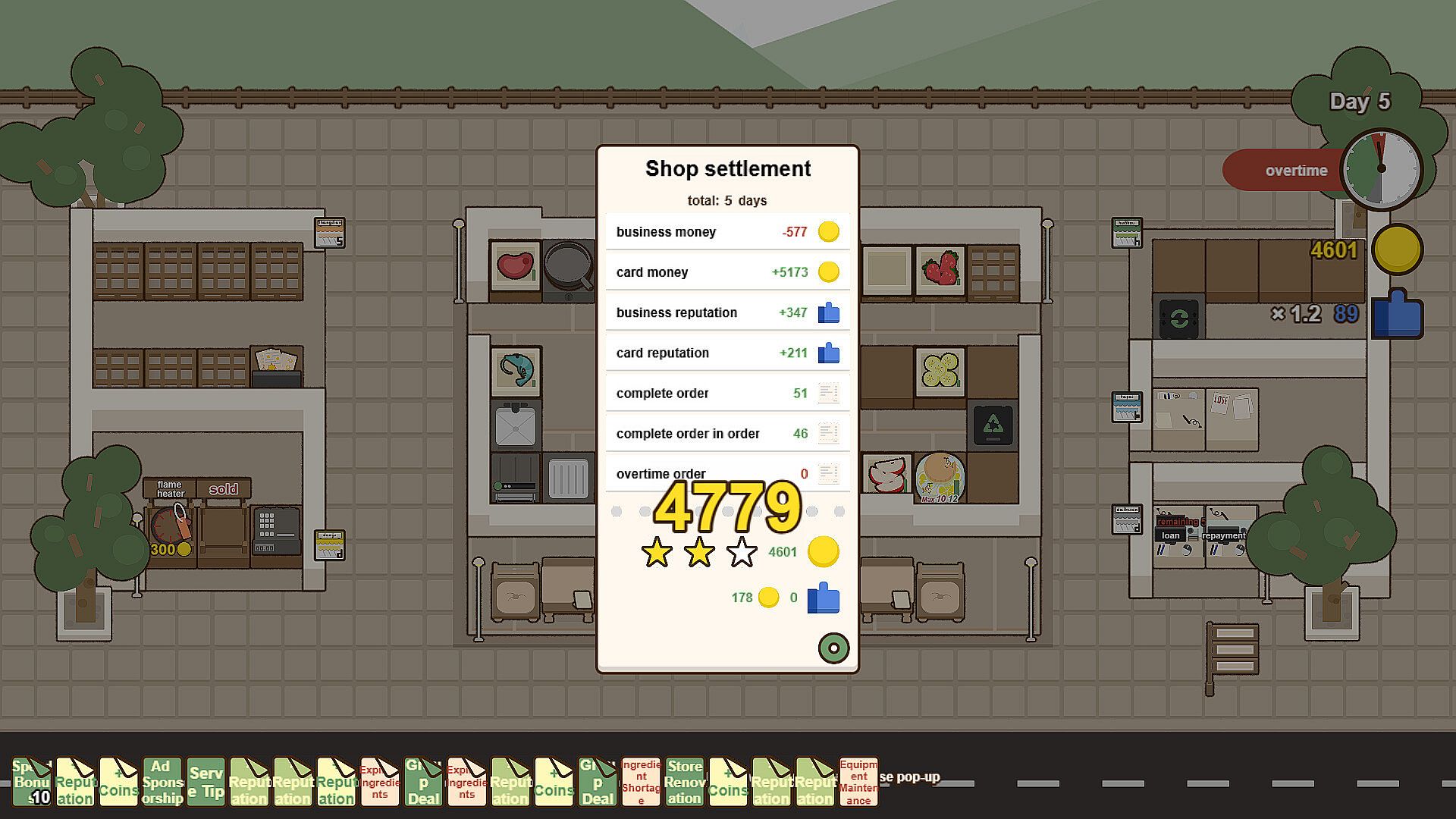
The core loop centers on managing every aspect of daily restaurant operations in real time. Players handle sourcing supplies, preparing ingredients, taking orders, cooking meals, and packing dishes for service. Orders arrive continuously, requiring quick decisions on timing and accuracy. Falling behind on orders reduces reputation, while delivering the wrong dish wastes all the effort invested in preparation. This creates a high-pressure environment where coordination between tasks determines success or failure.
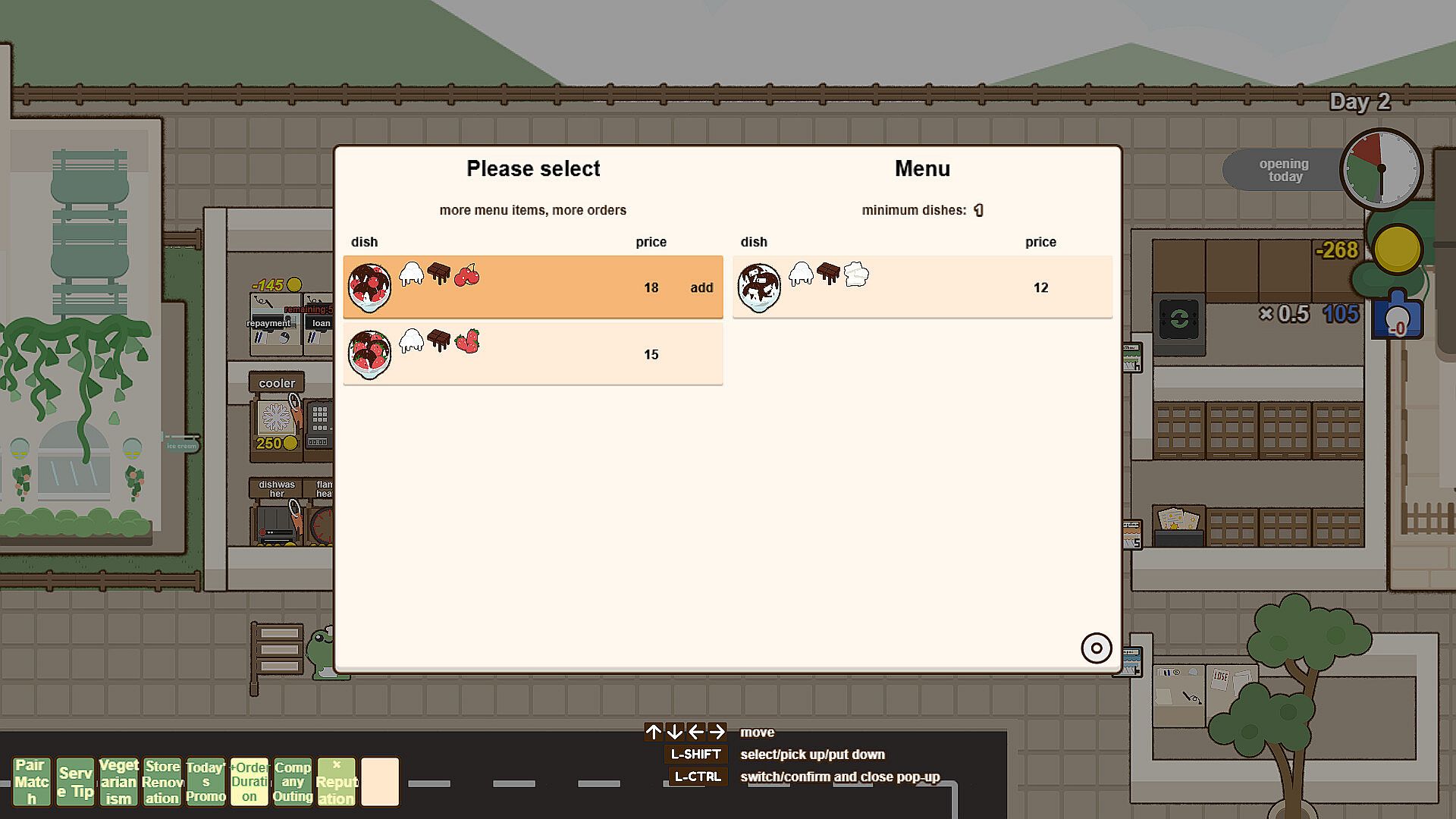
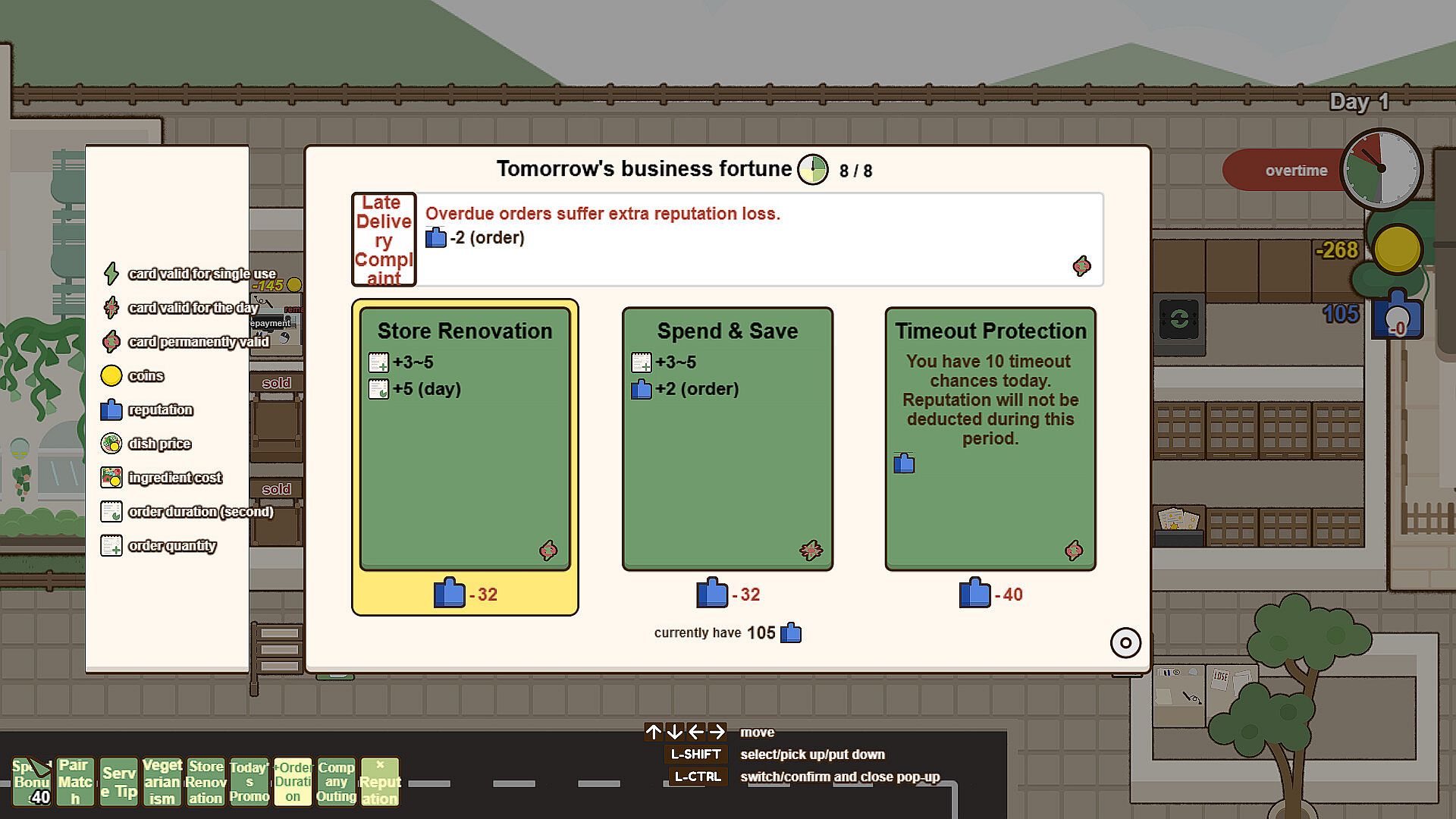
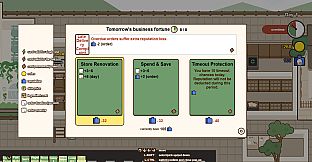
At the end of each day, players draw from three categories of cards to shape the next run. Basic cards apply straightforward add or subtract effects, multiplier cards scale outcomes multiplicatively, and buff cards provide targeted advantages. Selecting effectively can accelerate business growth, but a poor choice triggers an automatic debuff overnight. Each playthrough varies because the card outcomes introduce fresh variables that alter resource flows and customer interactions the following day.
Financial management adds another layer of tension. Gold balances can drop below zero, allowing players to take loans that must be repaid the same day. Accumulated debt steadily lowers reputation. When reputation reaches a critical low point, the restaurant closes permanently and all progress resets. This system encourages careful risk assessment during both service rushes and card selections.
Game Modes
The experience unfolds through a continuous cycle of daily restaurant shifts rather than distinct named modes. Each day tests the same core systems of order fulfillment and resource handling, with card draws providing the primary source of variation between runs. Players progress by surviving successive days while managing reputation and finances, then restart from a fresh card set after any closure. This structure emphasizes adaptation to changing conditions over separate competitive or cooperative formats.
Core Mechanics and Progression
Progression relies on surviving daily rushes while using card effects to build advantages. Successful days improve the restaurant's standing, yet the ever-present risk of debt and reputation loss keeps every shift unpredictable. The automatic debuff system after suboptimal card picks ensures that even strong runs carry forward consequences that influence future decisions. Restarting after closure allows immediate access to a new card pool, supporting repeated attempts without permanent loss of access to the core systems.
Resource decisions extend beyond cooking. Sourcing supplies and ingredient prep must align with incoming orders, and any mismatch compounds the pressure from late deliveries. The simulation captures the full sequence from supply management through final service, making each action interdependent with the next.
Is It Worth Playing?
Let It Cook suits players who enjoy intense single-player simulation experiences that combine real-time task management with strategic card choices and high-stakes financial risks. The permanent closure mechanic upon reputation failure creates meaningful tension, while the ability to restart with new cards supports continued play sessions. Those drawn to hectic restaurant operations and variable daily outcomes will find the systems rewarding through repeated attempts at balancing speed, accuracy, and long-term stability. The game remains in active development on PC with its described mechanics intact.