




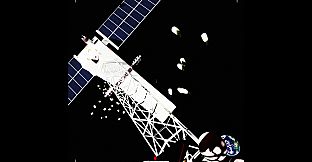
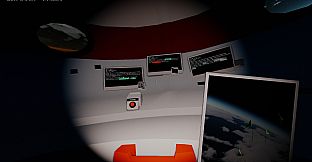
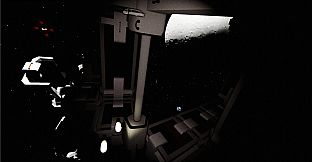
Life in Orbital Junk is an indie casual adventure game set in the abandoned orbital installations left behind after humanity shifted its focus back to Earth. Players take on the role of a remote operator controlling small maintenance drones to explore derelict satellites, space stations, and other ruins while documenting the unusual ecosystems that have taken root in these low-gravity environments.
Gameplay
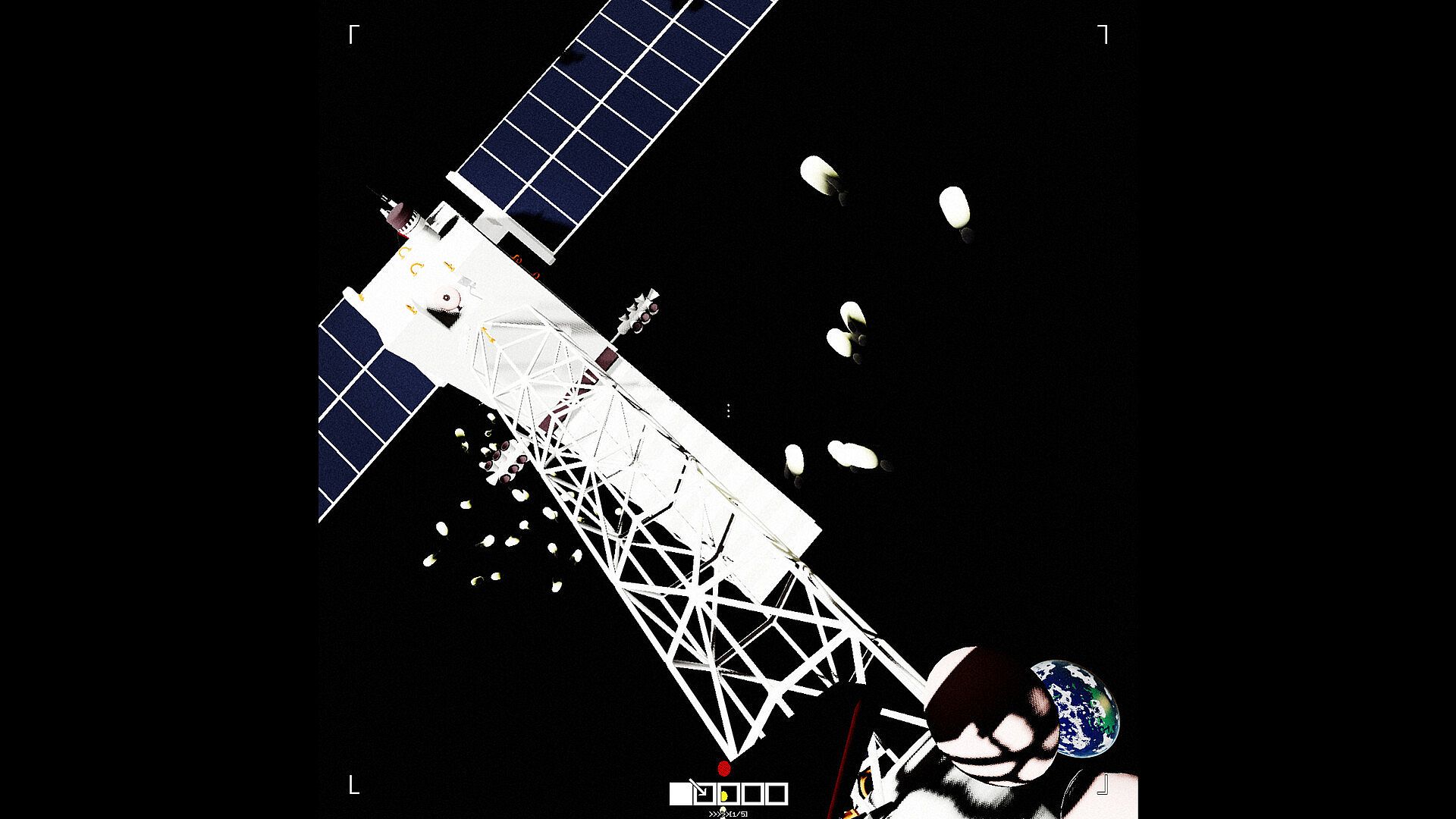
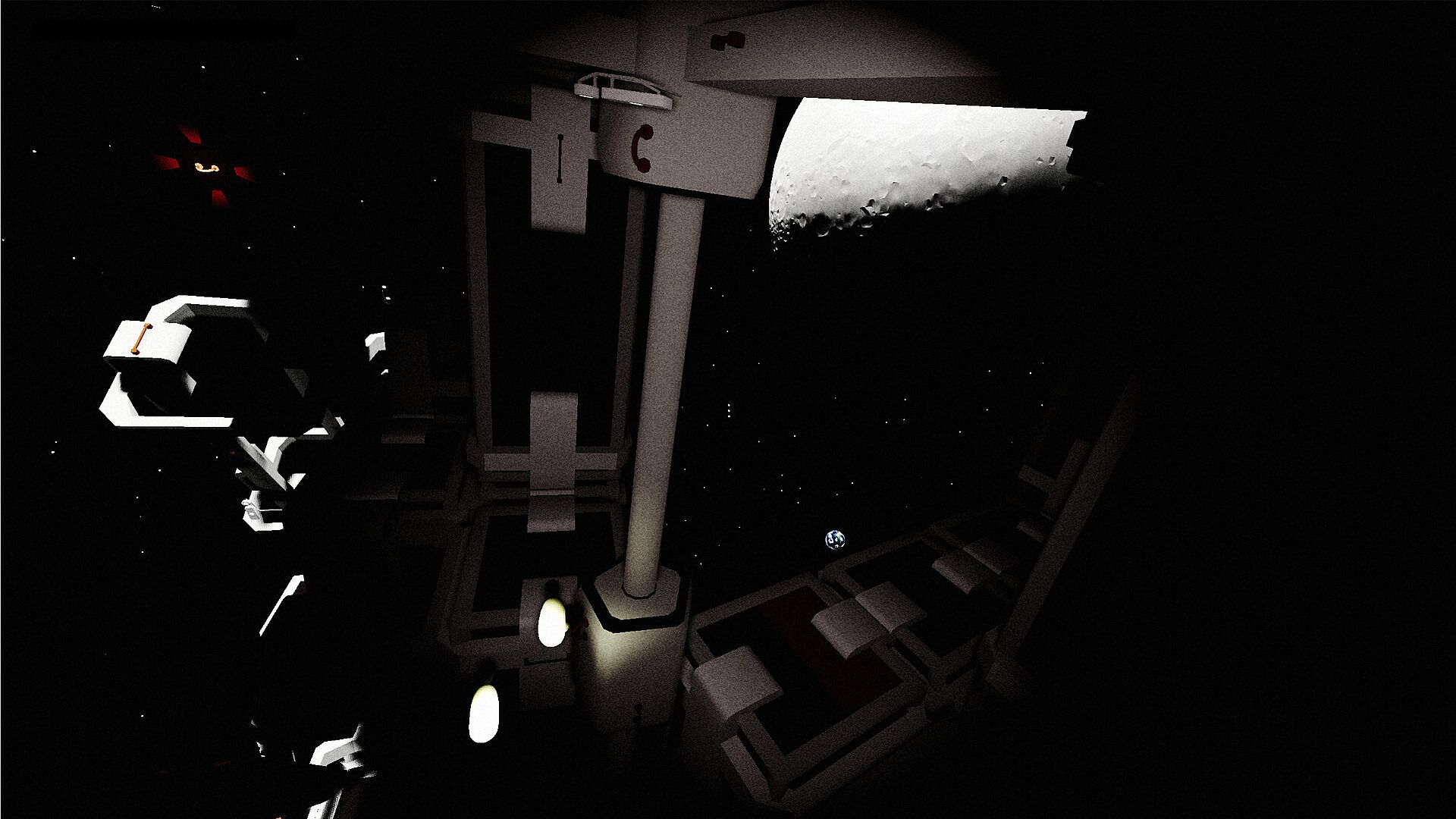
The core loop centers on piloting a single maintenance drone at a time through zero-gravity spaces. Movement feels fluid and unrestricted in direction because of the weightless setting, though each drone is tethered by a rope that limits how far it can travel from the current handle. Satellite systems occasionally enable larger leaps that bridge greater distances between points of interest. Exploration proceeds by switching between drones scattered across the ruins, allowing gradual coverage of entire orbital structures without a fixed path.
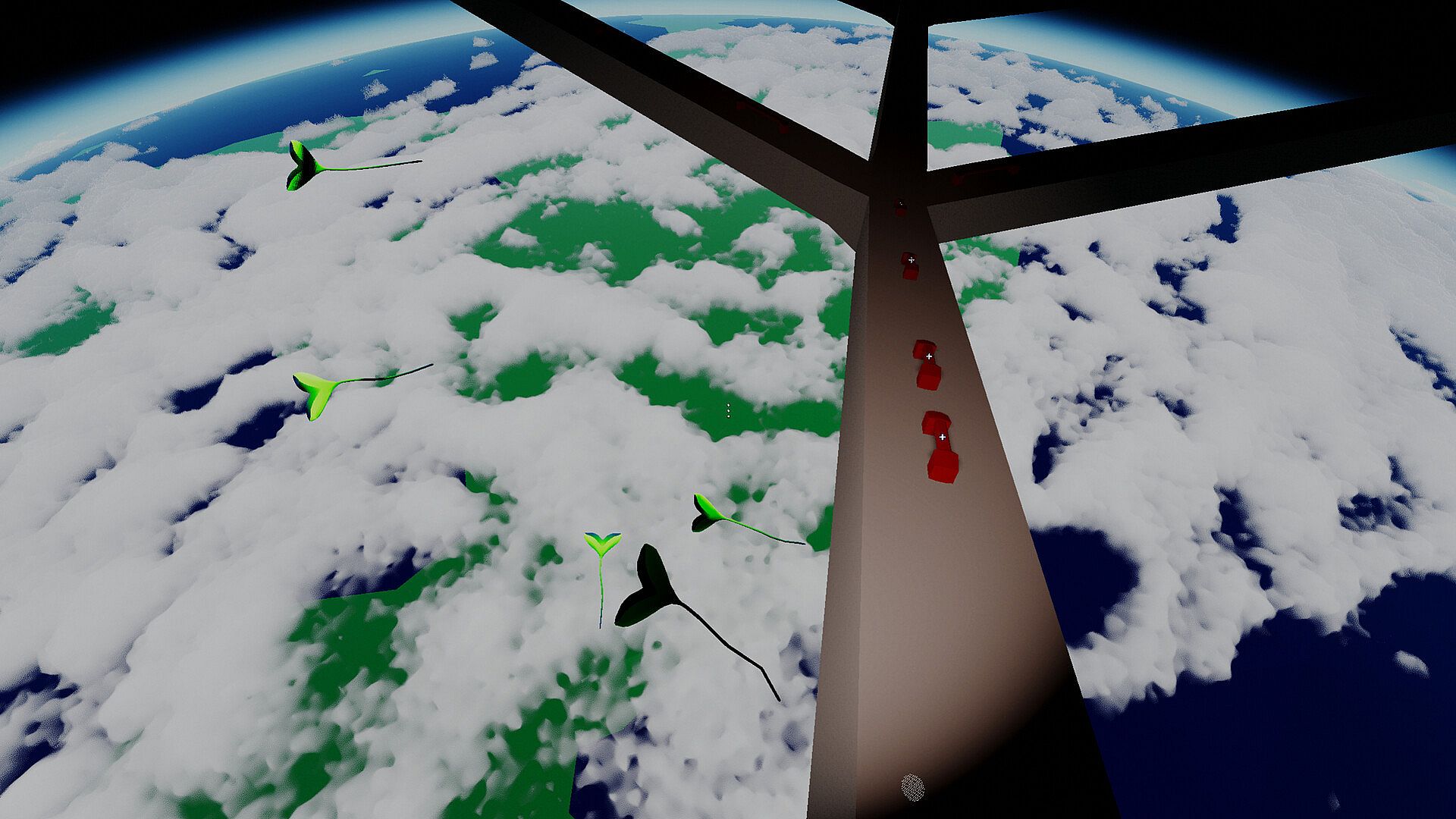
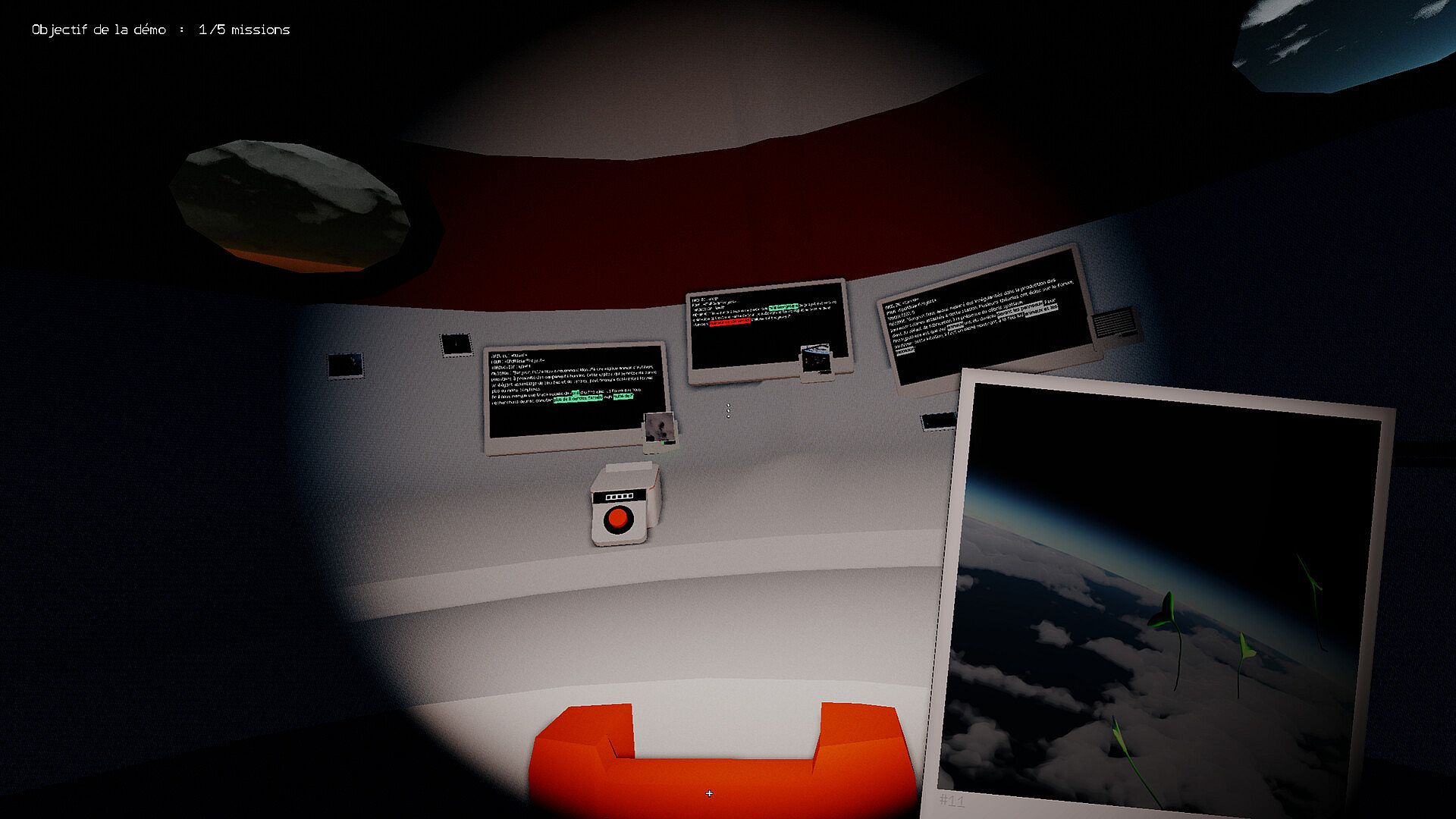
Each ruin functions as its own self-contained level orbiting Earth or the Moon. These include space stations, marooned ships, captured asteroids, industrial installations, and surveillance satellites. Within them, players encounter extraterrestrial species adapted to the vacuum and low gravity. Some animals ignore the drone entirely, others approach curiously, and a few retreat or hide, which can make capturing clear images more challenging. The photography mechanic requires positioning the drone to frame subjects and surroundings effectively before transmitting the shots.
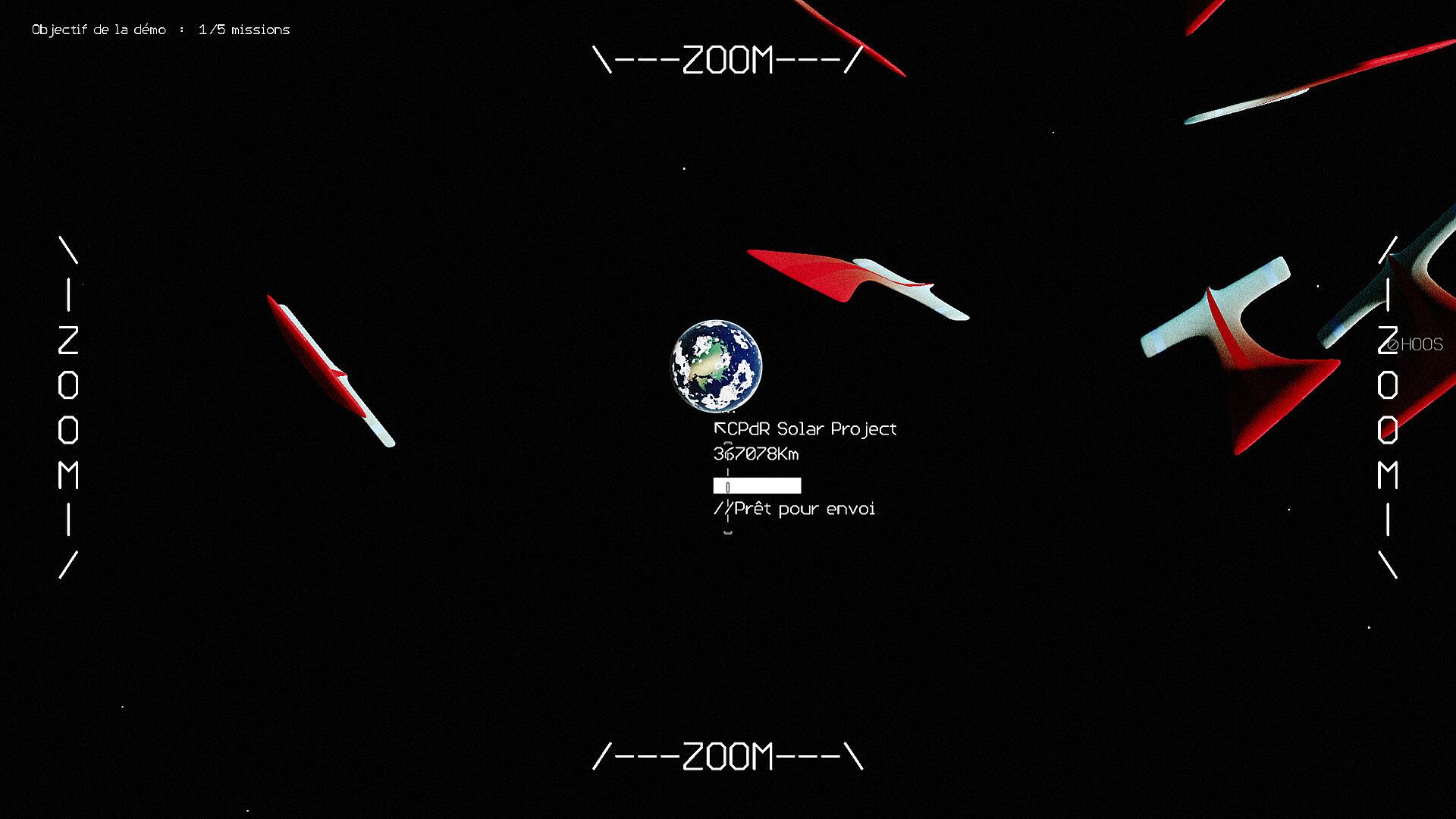
Subject proposals arrive from a virtual community of journalists, scientists, hackers, historians, and artists. Completing these assignments contributes to broader research on the orbital wildlife and helps piece together the reasons humanity abandoned space. The experience emphasizes patient observation and documentation rather than combat or resource management.
Game Modes
Life in Orbital Junk operates exclusively as a single-player experience. There are no competitive or cooperative modes. Progression is open-ended, with levels accessible in any order and at a pace chosen by the player. Each ruin offers its own ecosystem and set of photographic opportunities, encouraging repeated visits to refine shots or uncover additional details about the resident species.
The structure supports free-form discovery without timers or mandatory objectives beyond the optional subject proposals. This design suits relaxed sessions focused on exploration and creative framing of images within the unique orbital settings.
Exploration and Discovery
Travel between drones across vast distances forms the primary navigation method. The rope tether creates natural boundaries that encourage careful planning of routes through each ruin. Leaps provided by satellite systems add occasional shortcuts that reward observation of the environment. Over time, familiarity with the different types of orbital structures helps players anticipate where interesting animal behaviors or visual compositions might appear.
Documenting the ecosystems involves more than simple snapshots. Certain species require specific approaches or patience to photograph successfully, adding a layer of challenge to the otherwise calm activity. The collected images feed into the research narrative, linking individual discoveries to larger questions about the abandoned installations.
Is It Worth Playing?
Life in Orbital Junk remains unreleased with a planned date still to be announced and no user reviews available yet. Its appeal lies in the distinctive combination of zero-gravity drone navigation and photography within procedurally varied orbital ruins populated by curious alien life. The game targets players who enjoy unhurried single-player adventures centered on observation and gentle exploration rather than action or complex systems.
Those drawn to indie titles that blend casual mechanics with atmospheric discovery may find the premise engaging once it launches. The absence of generative AI in development further supports its focus on hand-crafted ecosystems and deliberate pacing. Availability will be limited to PC at launch, with family sharing supported.











