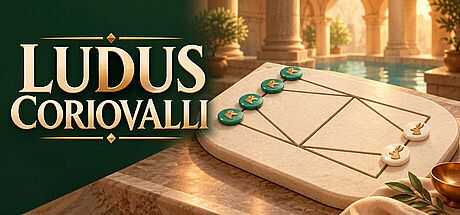


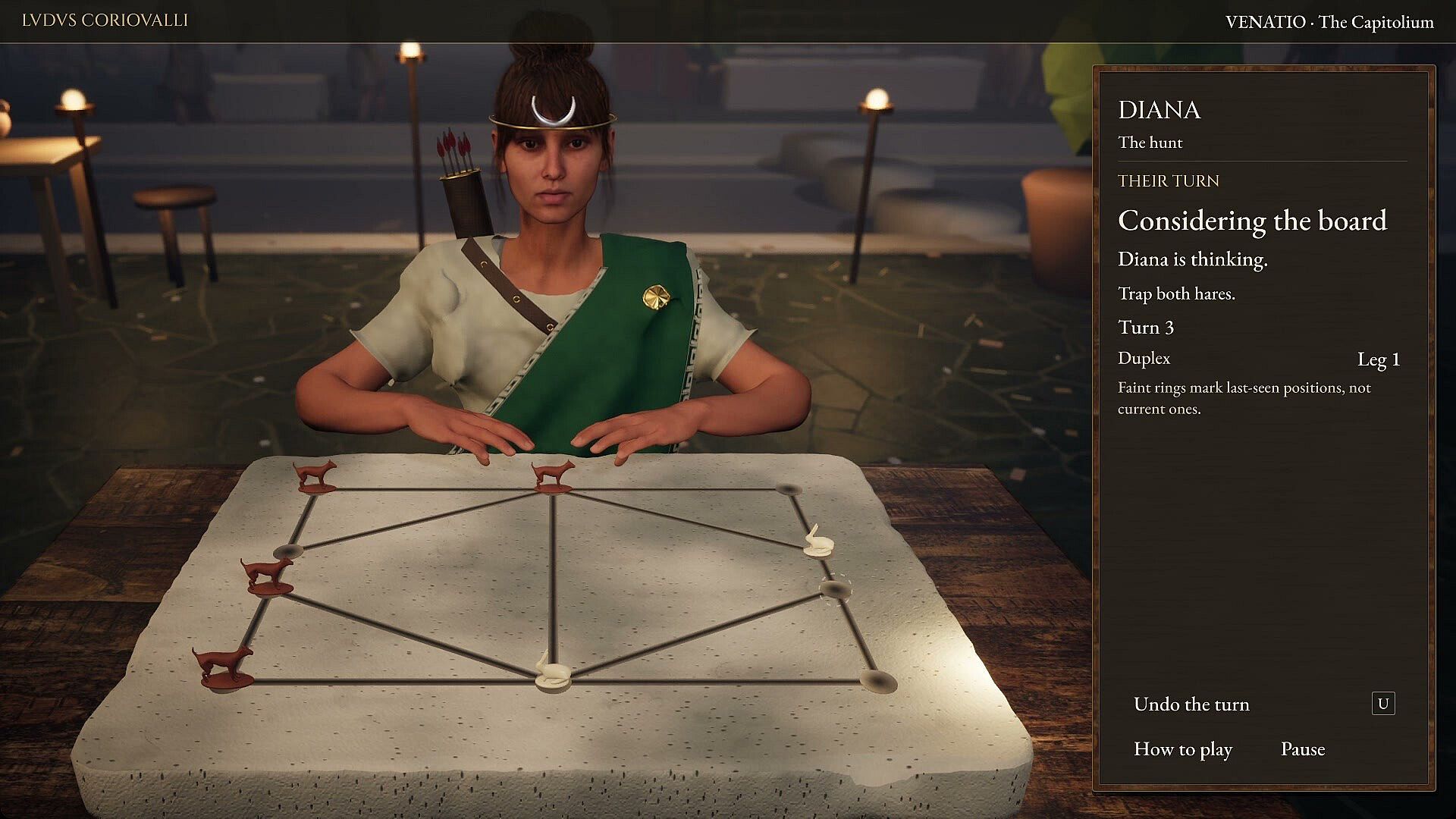
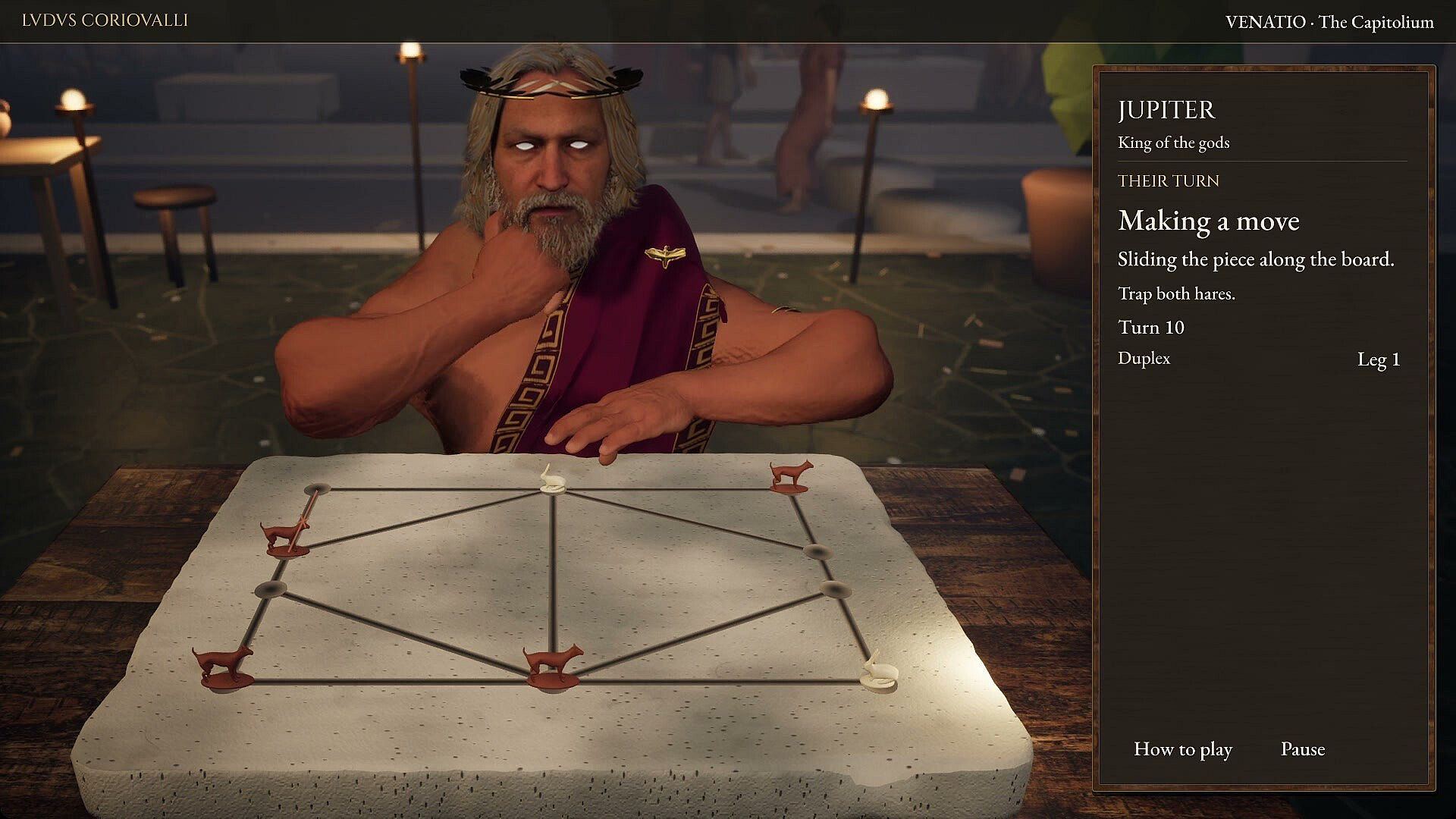
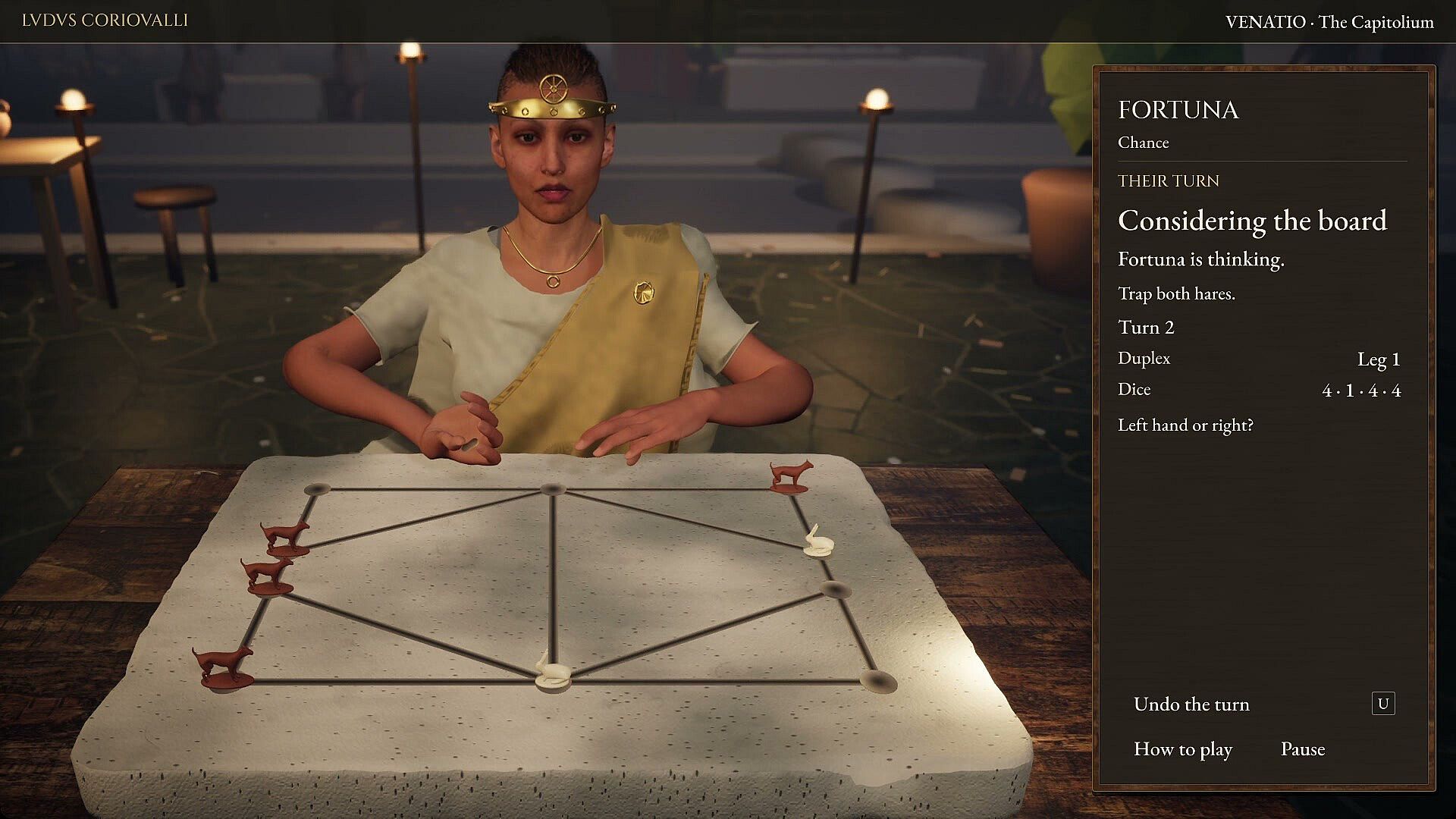
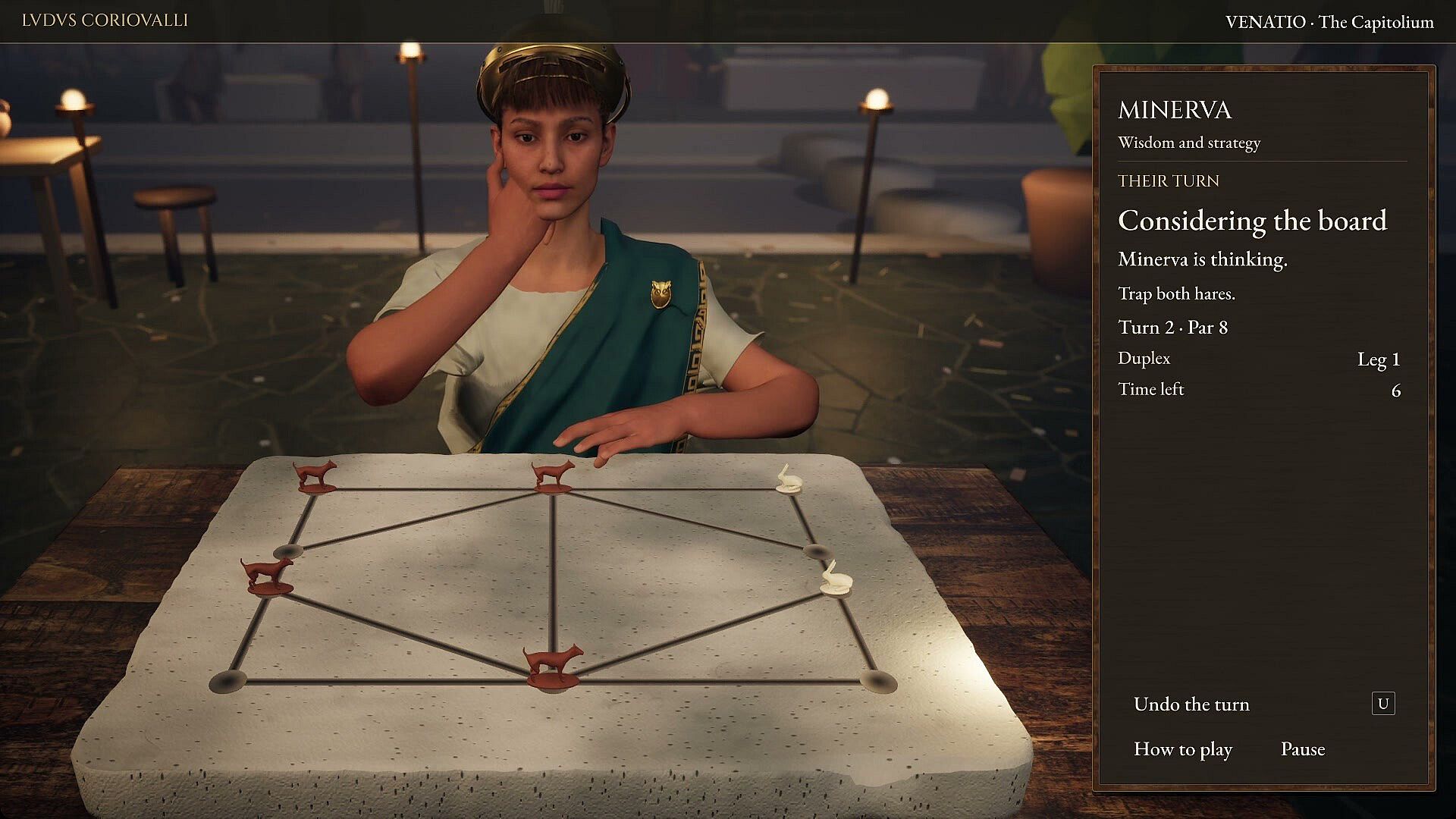
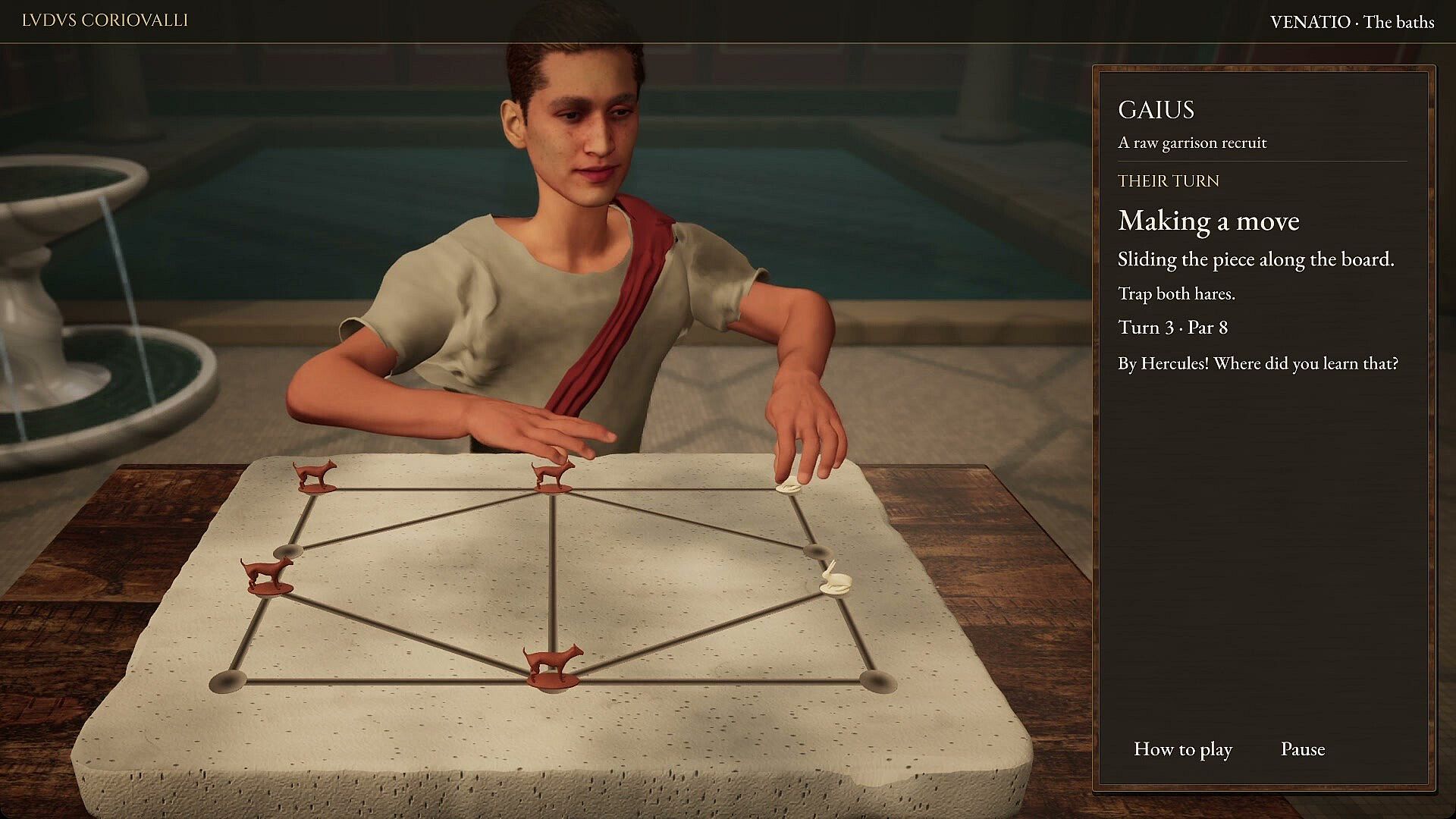
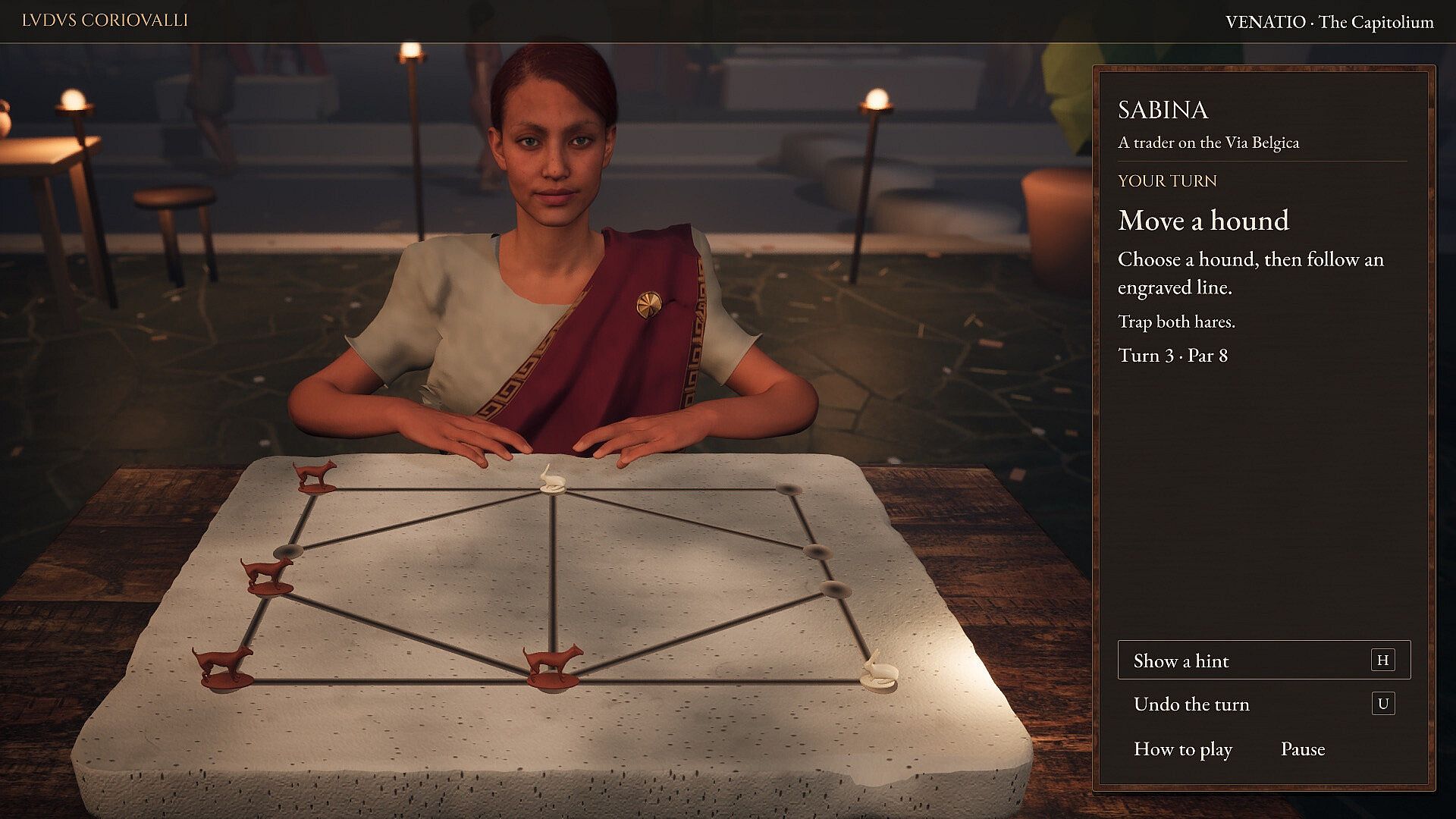
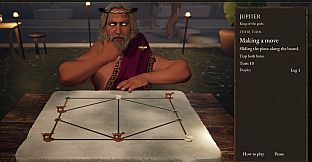
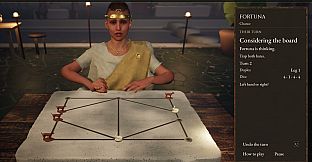
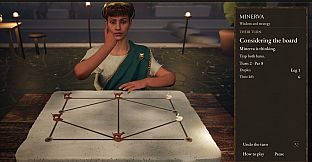
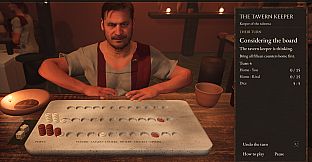
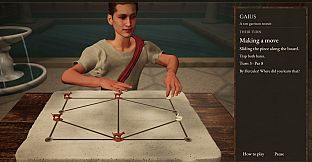
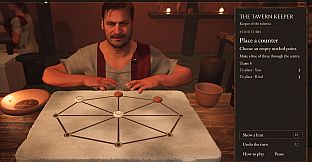
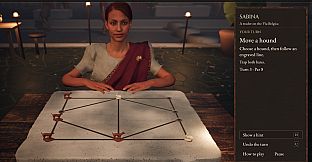
Ludus Coriovalli is a strategy indie casual game for PC that brings an ancient Roman board game back to life through modern digital reconstruction. Players engage with a blocking pursuit mechanic known as Venatio, where one side controls hounds to restrict movement and the other guides hares toward escape routes across carved stone patterns.
Gameplay
The core loop centers on asymmetric turns along connected lines on the board. Hounds move to occupy key positions and limit options for the hares, while the hares focus on finding paths that keep them mobile for as long as possible. Movement follows adjacent empty spots, with the hounds aiming to create complete blocks and the hares seeking to prolong survival. The game includes guided tutorials that introduce rules step by step, along with optional hints and undo functions in supported modes. Replays of finished matches allow review of strategies and outcomes. Six distinct stone board layouts provide variety in layout and flow, while optional rule twists adjust starting positions or win conditions for added depth.
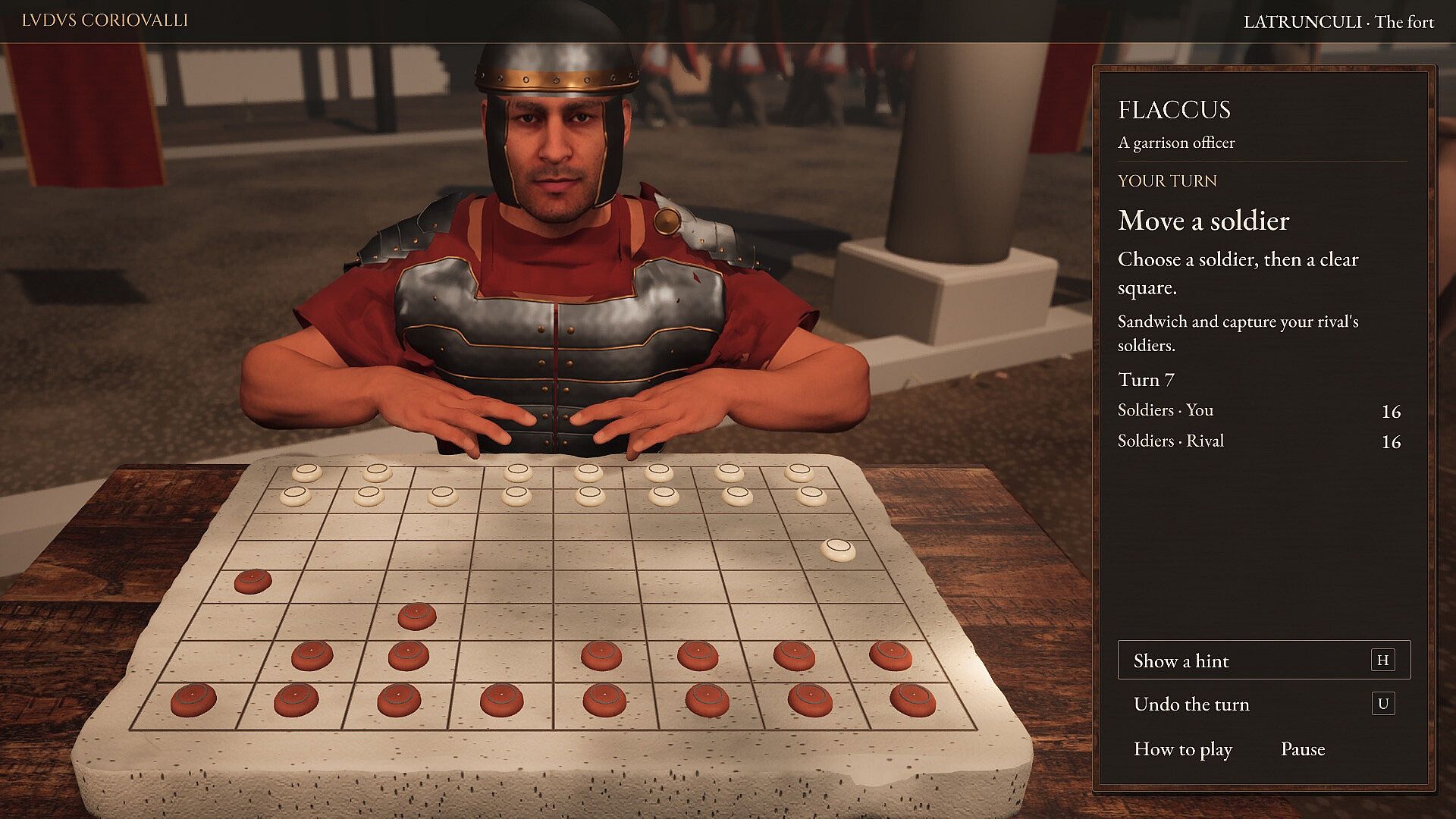
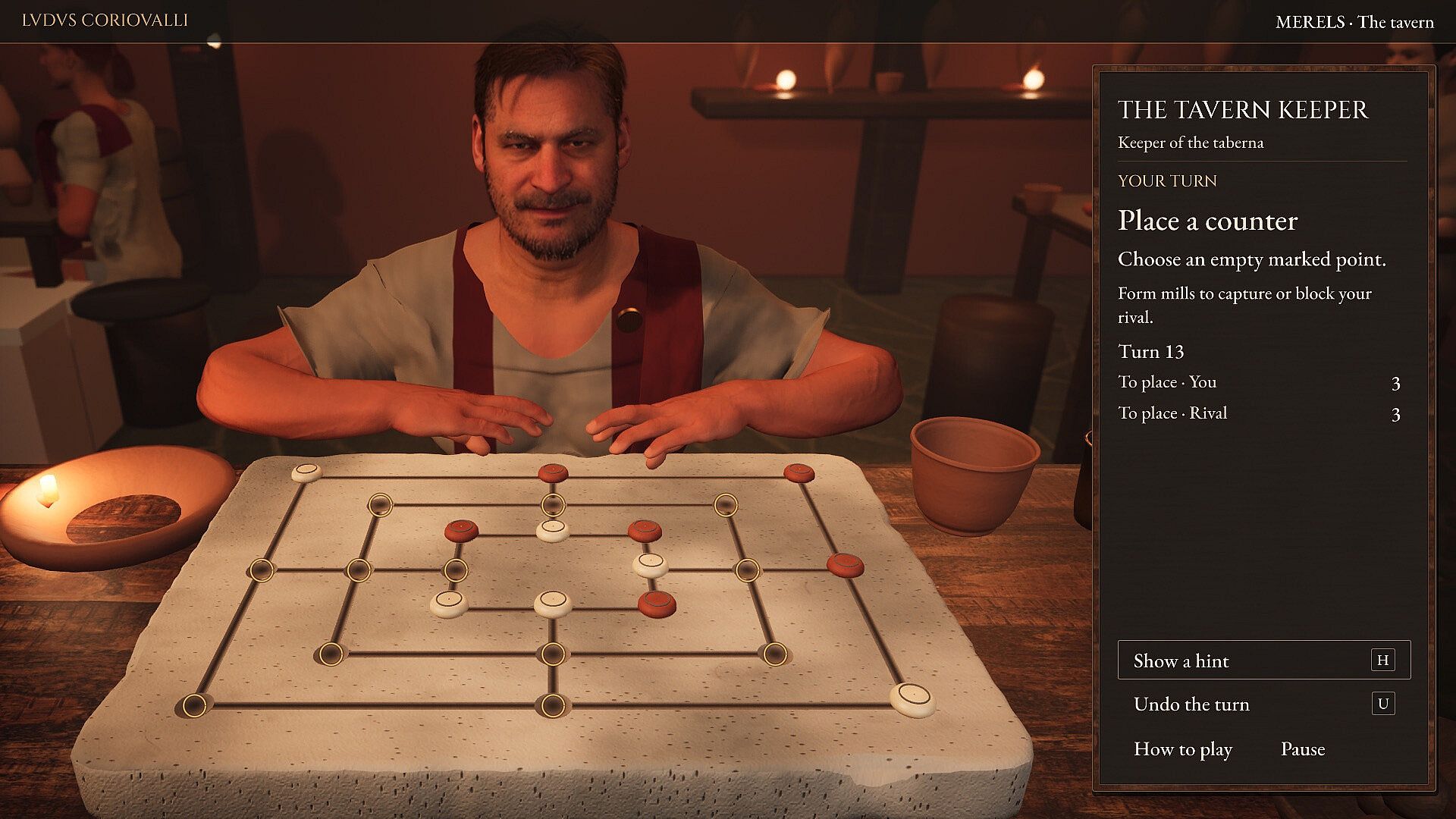
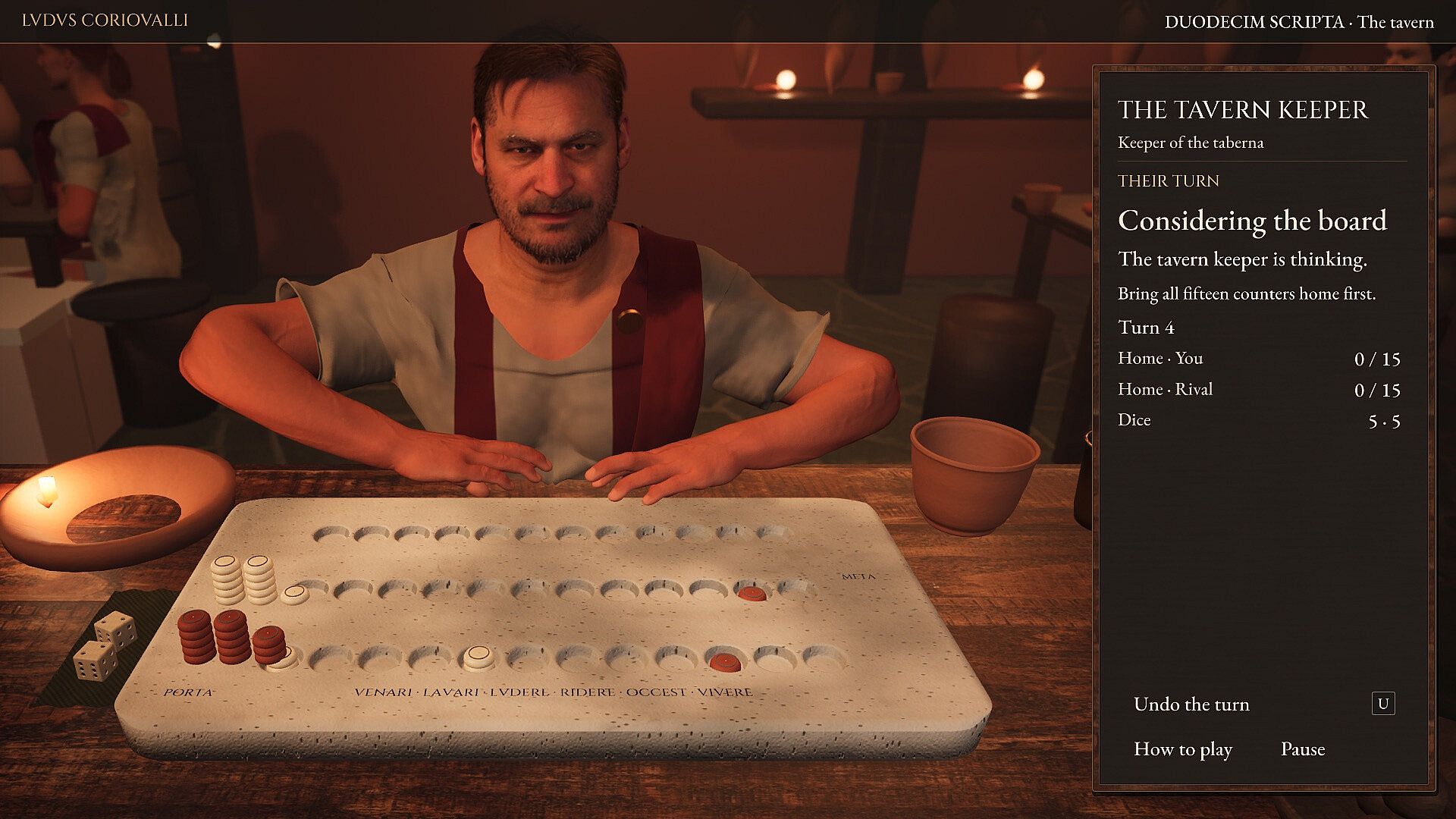
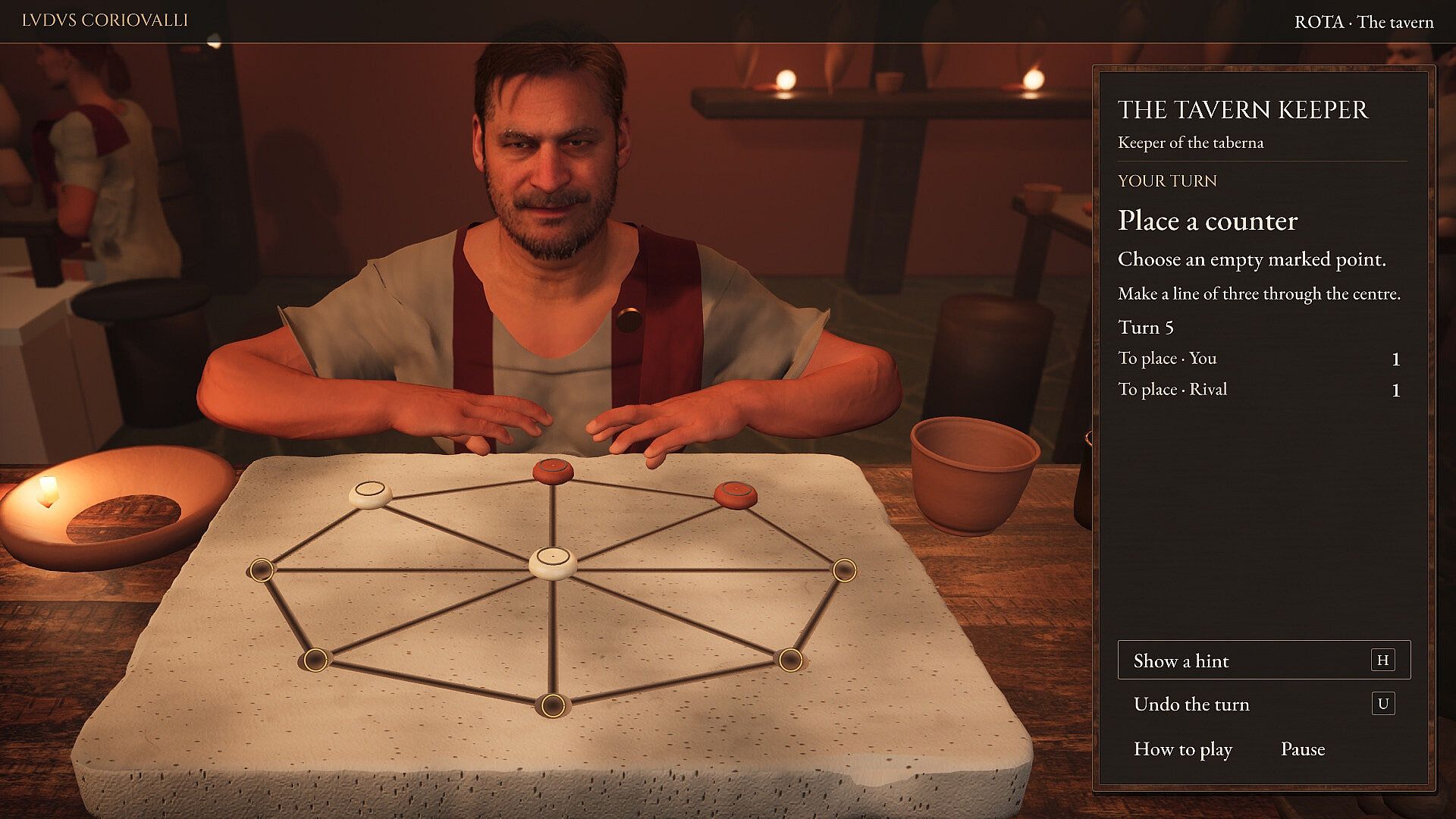
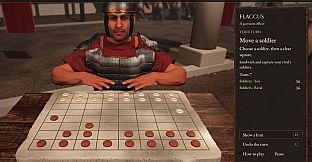
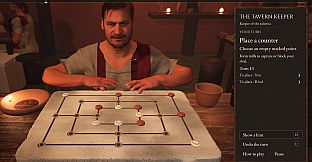
Additional Roman board games expand the experience beyond the main hunt. These include line-forming and soldier-capturing mechanics in games such as Terni Lapilli, Rota, Merels, Latrunculi, and Duodecim Scripta. Each carries its own pacing and objectives, from racing pieces with dice to positioning for captures, all played against computer opponents.
Game Modes
Venatio serves as the central mode, emphasizing pursuit, traps, and evasion across the six boards with varying opponents and rule variations. A ten-chapter campaign structures play around twenty individual hunts, incorporating illustrated story passages and an archive section that supplies historical background on the games and their era. Special challenges pit players against seven Roman deities, each with unique abilities that alter board conditions or piece behavior. The Great Hunt variant introduces elements like a kennel for piece management, markets for acquisitions, and relics that influence play.
Standalone features support repeated engagement. Daily challenges present fresh scenarios each day. A set of 126 training exercises builds familiarity with specific situations and tactics. Duplex matches require players to handle both sides of the board in sequence. A dedicated lab mode lets users adjust hunt rules freely and customize stones for experimentation. Progress, records, and saved replays track activity locally on the device.
Accessibility and Presentation
The interface supports eighteen languages and offers options for larger text, reduced motion effects, and independent audio controls. All content remains available offline once installed. Historical games appear as reconstructions and adaptations, with the archive providing context without requiring external references. No real-money elements or purchases appear in the game.
Is It Worth Playing?
Ludus Coriovalli suits players who enjoy deliberate strategy sessions and historical board game reconstructions in a single-player format against computer opponents. The combination of the core Venatio hunt, the five supporting Roman games, the structured campaign, and the training and challenge systems provides substantial variety for those interested in asymmetric movement puzzles and rule experimentation. Local progress tracking and replay tools encourage refinement of personal approaches over multiple sessions. The offline capability and adjustable interface options make it accessible for focused play without ongoing connectivity demands. Those drawn to casual yet thoughtful strategy experiences centered on ancient mechanics will find consistent value in its layered modes and historical framing.