







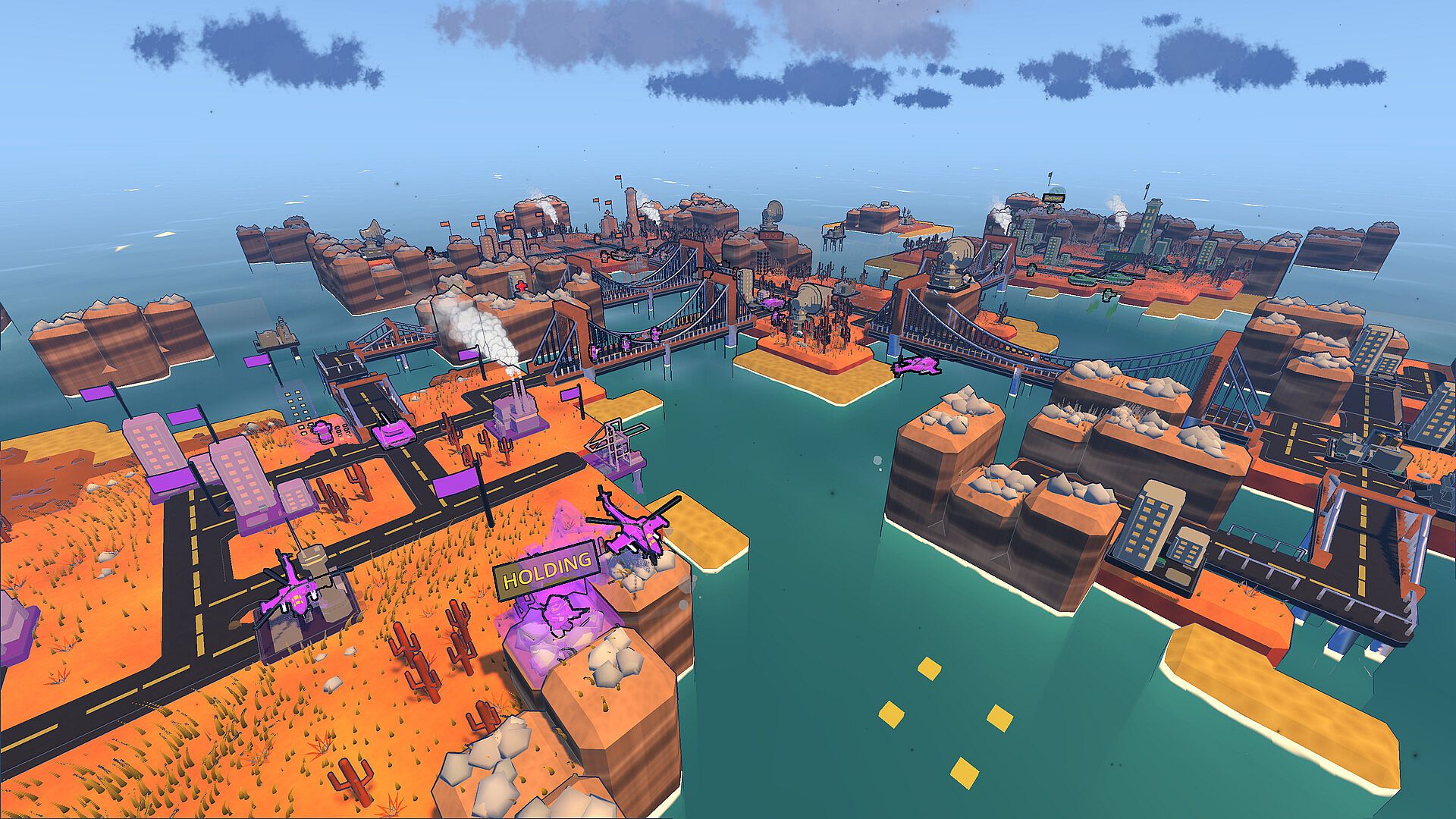
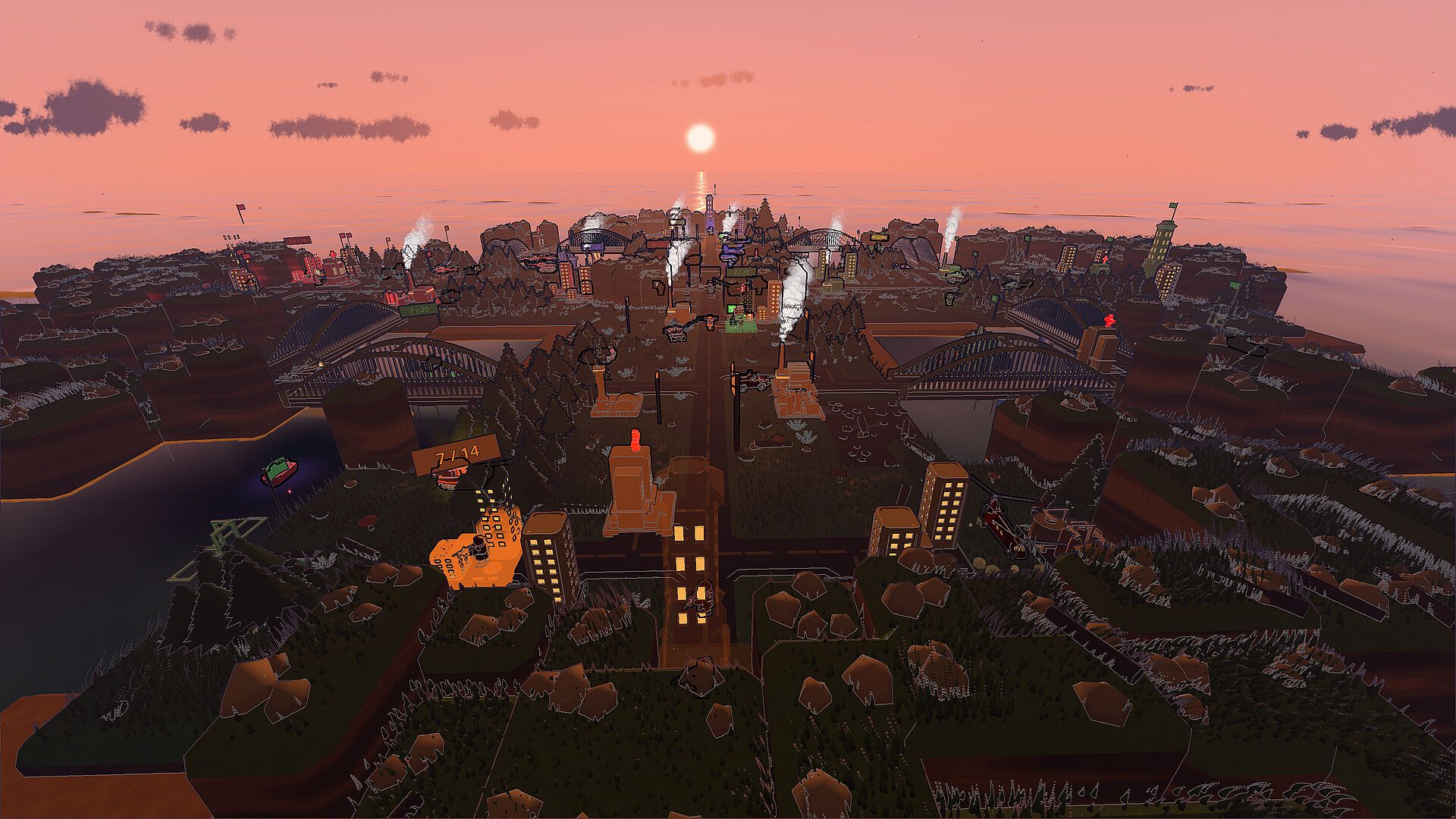
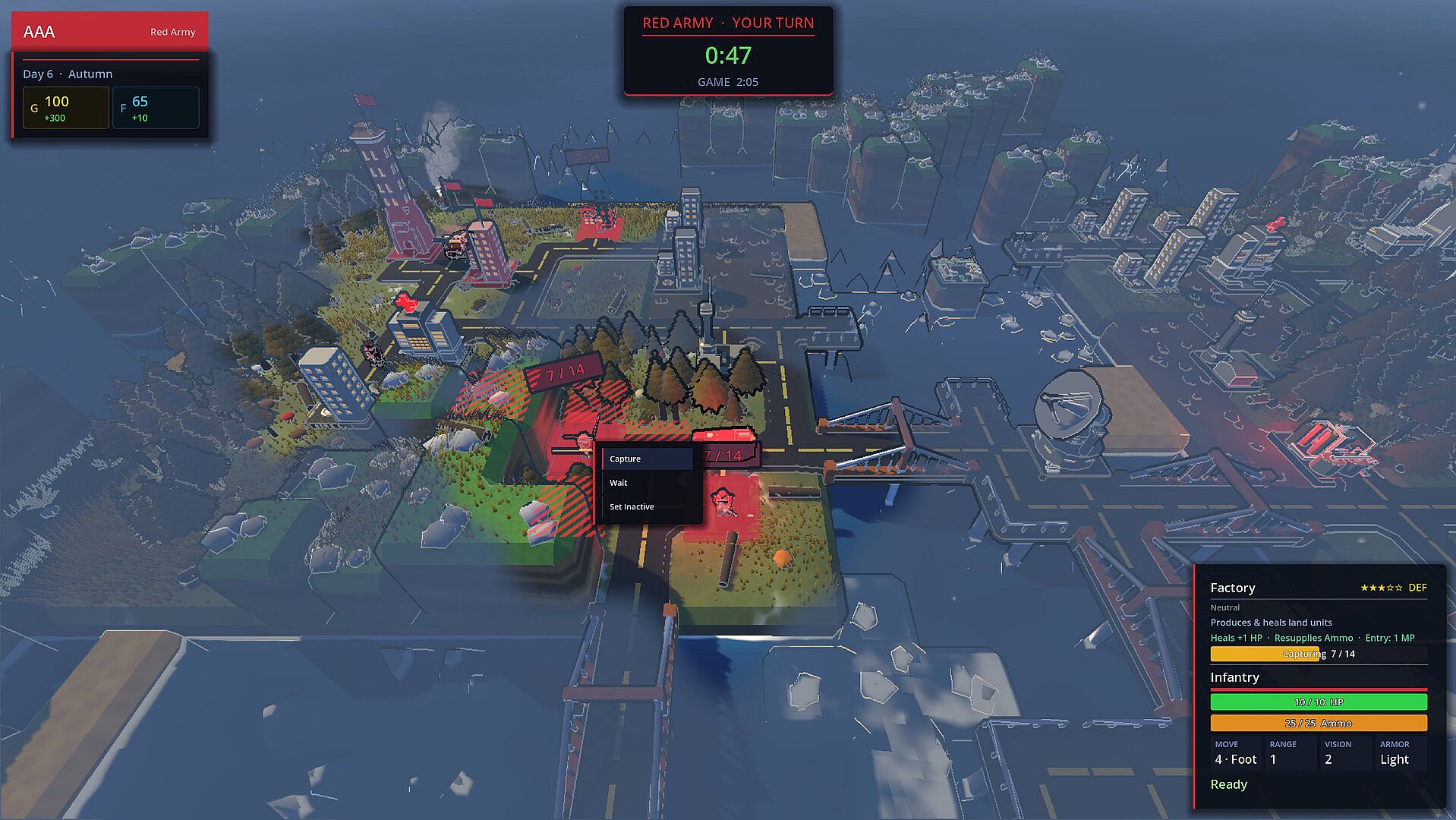
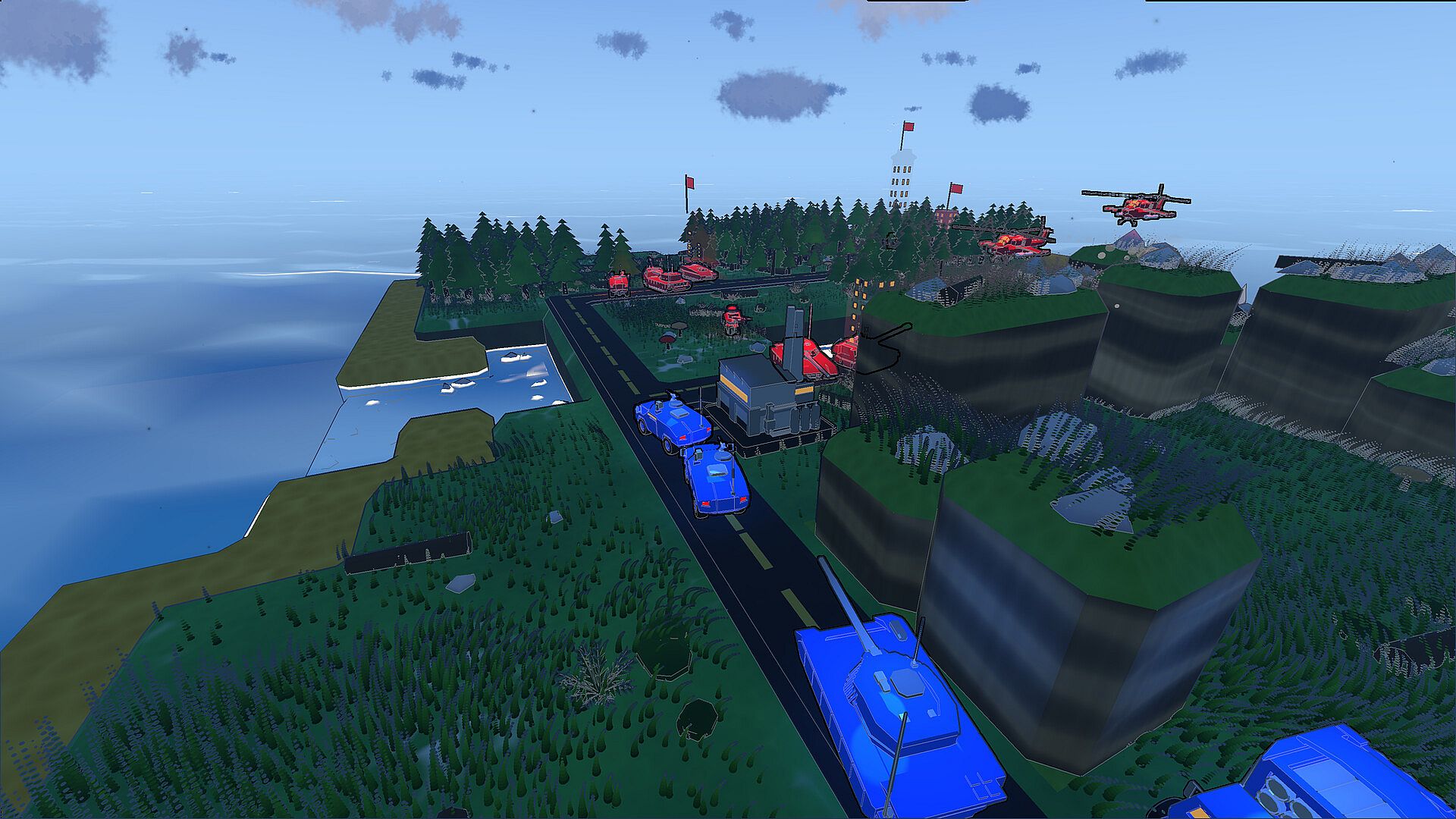
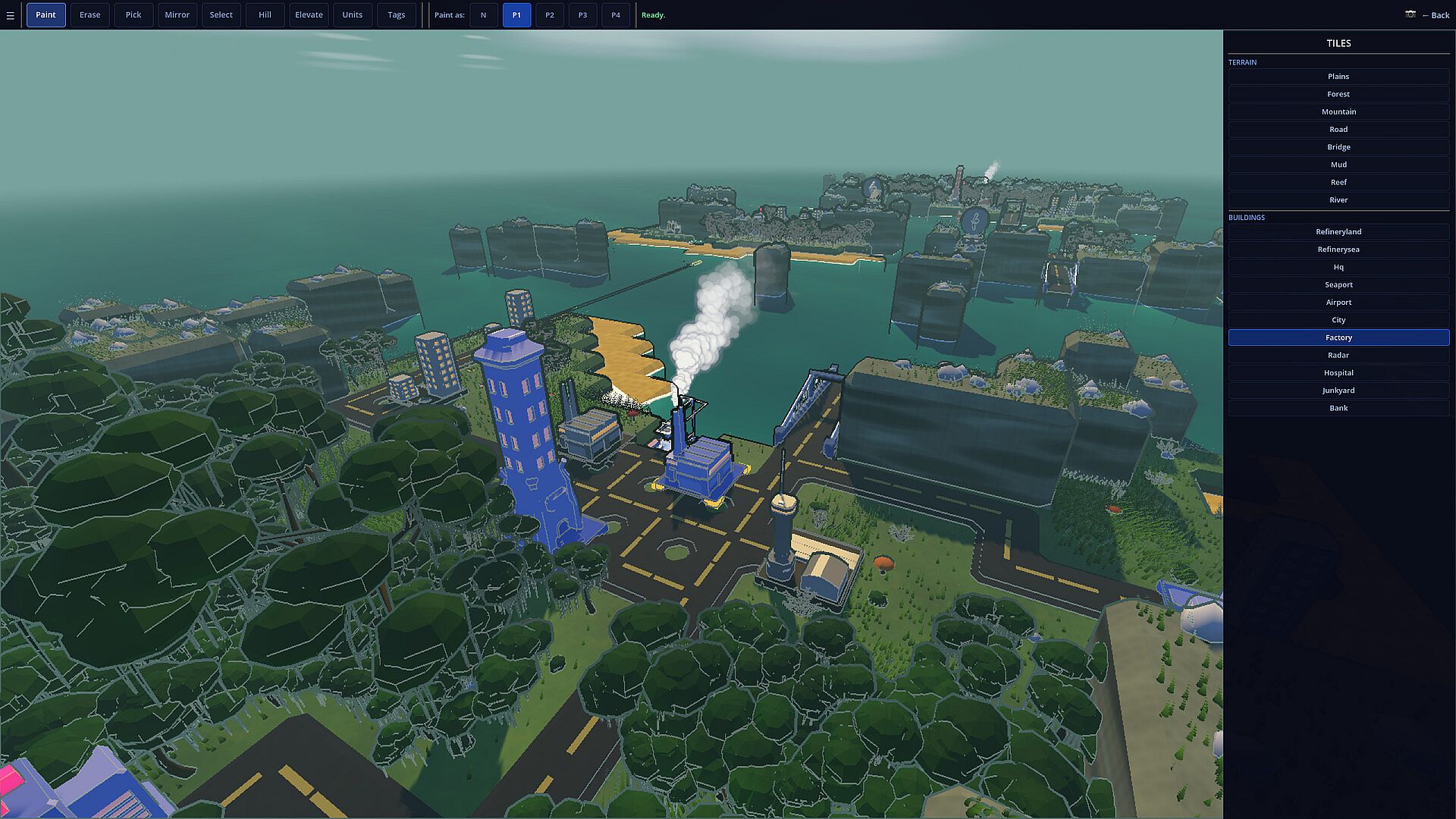
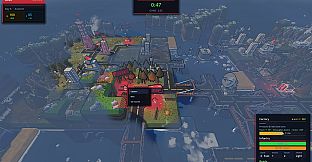
March of Reveille to turowa strategia osadzona na PC, w której kluczowe znaczenie mają decyzje taktyczne podczas kampanii wojskowych. Gracz zarządza armią, koncentrując się na pozycjonowaniu, kontroli zasobów i modyfikacjach jednostek, a nie na prostym zwiększaniu ich siły. Główna mechanika polega na wydawaniu rozkazów, które zmieniają sposób działania wojsk, oraz na zajmowaniu kluczowych punktów, niezbędnych do utrzymania operacji.
Rozgrywka
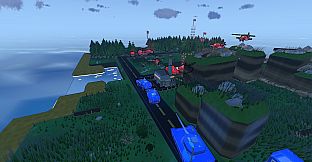
Gra stawia na drobne decyzje, które decydują o przebiegu bitwy. Gracz wybiera, które pozycje bronić, które jednostki zaangażować w danym momencie i kiedy zachować odwód. Teren bezpośrednio wpływa na skuteczność jednostek: lasy zapewniają ukrycie, góry dają przewagę obserwacyjną i obronną, mosty tworzą wąskie gardła, a drogi przyspieszają przemieszczenie kosztem większej widoczności dla przeciwnika.
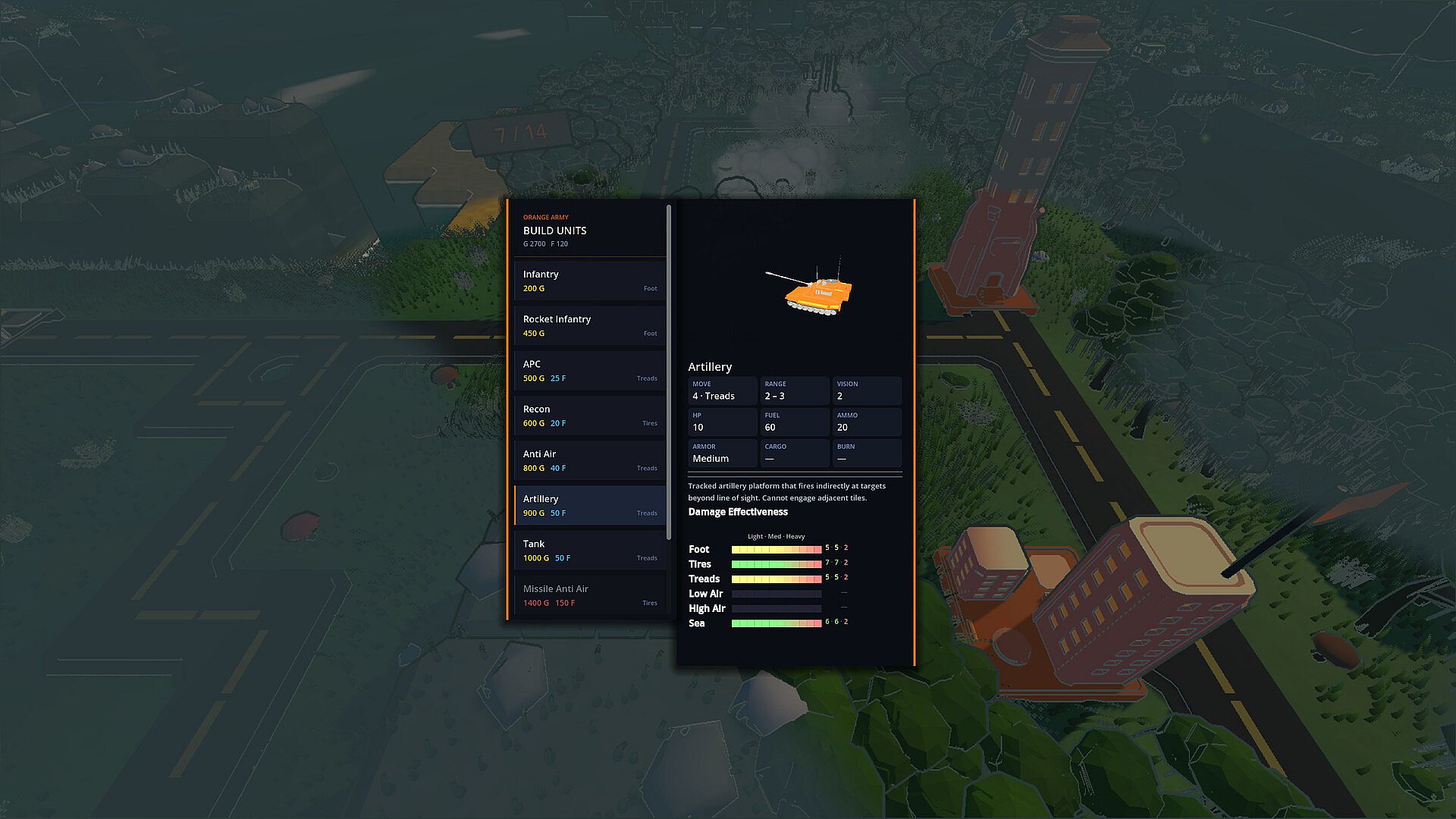
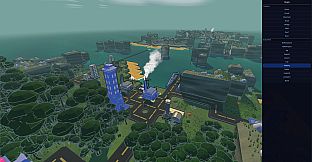
Miasta stanowią podstawę ekonomii. Ich przejęcie i utrzymanie dostarcza dochodów, które pozwalają rozbudowywać armię oraz korzystać z fabryk, lotnisk i portów. Powstaje w ten sposób cykl, w którym kontrola terytorium przekłada się na dostęp do zasobów i możliwości reagowania.
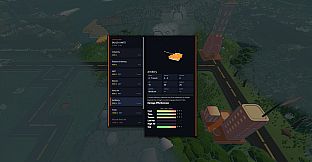
Rozkazy to główny system modyfikacji jednostek. Każdy rozkaz dodaje konkretną zdolność, ale wprowadza też ograniczenie. Przykładowo, rozkaz „Ground Pounder" na myśliwcach umożliwia silne ataki na cele naziemne, lecz pozbawia przewagi wysokości, odporności na ogień z ziemi, możliwości walki z innymi samolotami i zwiększa zużycie paliwa. W meczu można wybrać do trzech rozkazów, co tworzy zróżnicowane siły niosące wady, które przeciwnik może wykorzystać. Rozkazy nie są zwykłymi ulepszeniami - zmieniają rolę jednostek i tworzą nowe problemy taktyczne dla obu stron.
Tryby gry
Dostępne są różne tryby, odpowiadające odmiennym stylom gry. Misje to samodzielne scenariusze, których ukończenie odblokowuje nowe rozkazy. Tryb wieloosobowy online pozwala sprawdzić wybrane kombinacje rozkazów w starciach z innymi graczami. Potyczki z komputerem dają możliwość treningu i testowania ustawień przeciwko SI. King of the Hill wymaga zajęcia i utrzymania kluczowych punktów na mapie, a Dominacja - pełnej kontroli nad planszą, a nie tylko eliminacji wroga. Edytor map umożliwia tworzenie własnych pól bitew, dostępnych we wszystkich trybach.
Głębia strategiczna i podejmowanie decyzji
Sukces zależy od dostosowania się do zalet i wad wynikających z wybranych rozkazów. Każda kombinacja tworzy inny profil sił, więc przeciwnik musi stale zmieniać taktykę, zamiast polegać na stałych kontrach. Brak tradycyjnych ścieżek rozwoju sprawia, że każda rozgrywka stawia nowe wyzwania wynikające z wybranych doktryn. Teren i zarządzanie zasobami dodają kolejne warstwy decyzji - utrzymanie miast generujących dochód staje się kluczowe, by wyprzedzić przeciwnika dysponującego jednostkami wyspecjalizowanymi pod konkretne cechy mapy.
Czy warto zagrać?
March of Reveille przypadnie do gustu graczom ceniącym przemyślaną, opartą na wyborach strategię, w której modyfikacje wiążą się z realnymi kompromisami, a nie prostym wzrostem siły. Rozkazy zmieniające zachowanie jednostek zachęcają do eksperymentowania i adaptacji, zamiast powtarzania tych samych schematów. Osoby szukające turowych systemów, w których liczy się pozycjonowanie, ekonomia i asymetryczne starcia, znajdą tu mechaniki odpowiadające tym preferencjom. Gra jest na wczesnym etapie rozwoju i dostępna w wersji playtest, co pozwala bezpośrednio ocenić jej systemy przed podjęciem dalszej decyzji.











