

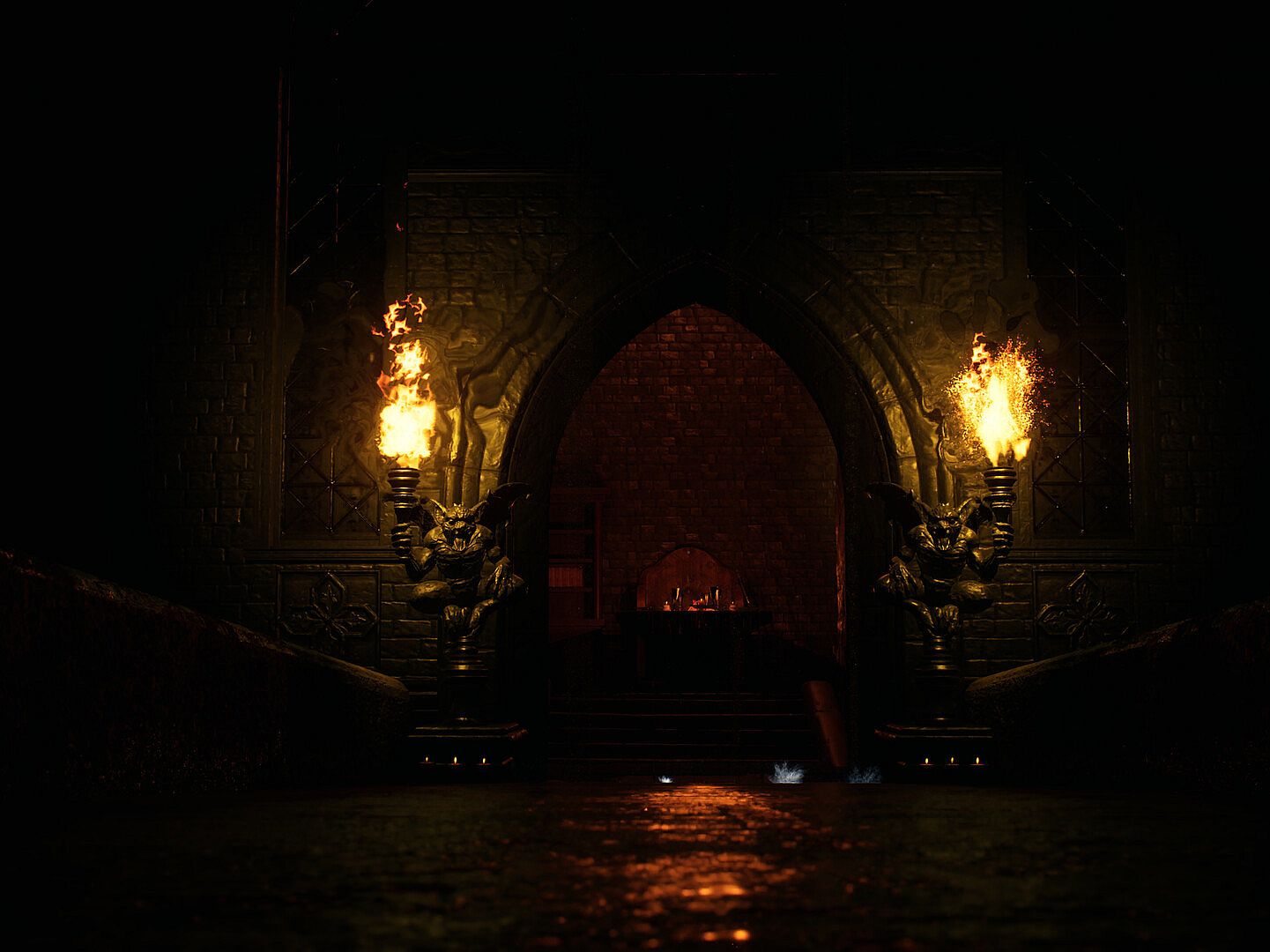

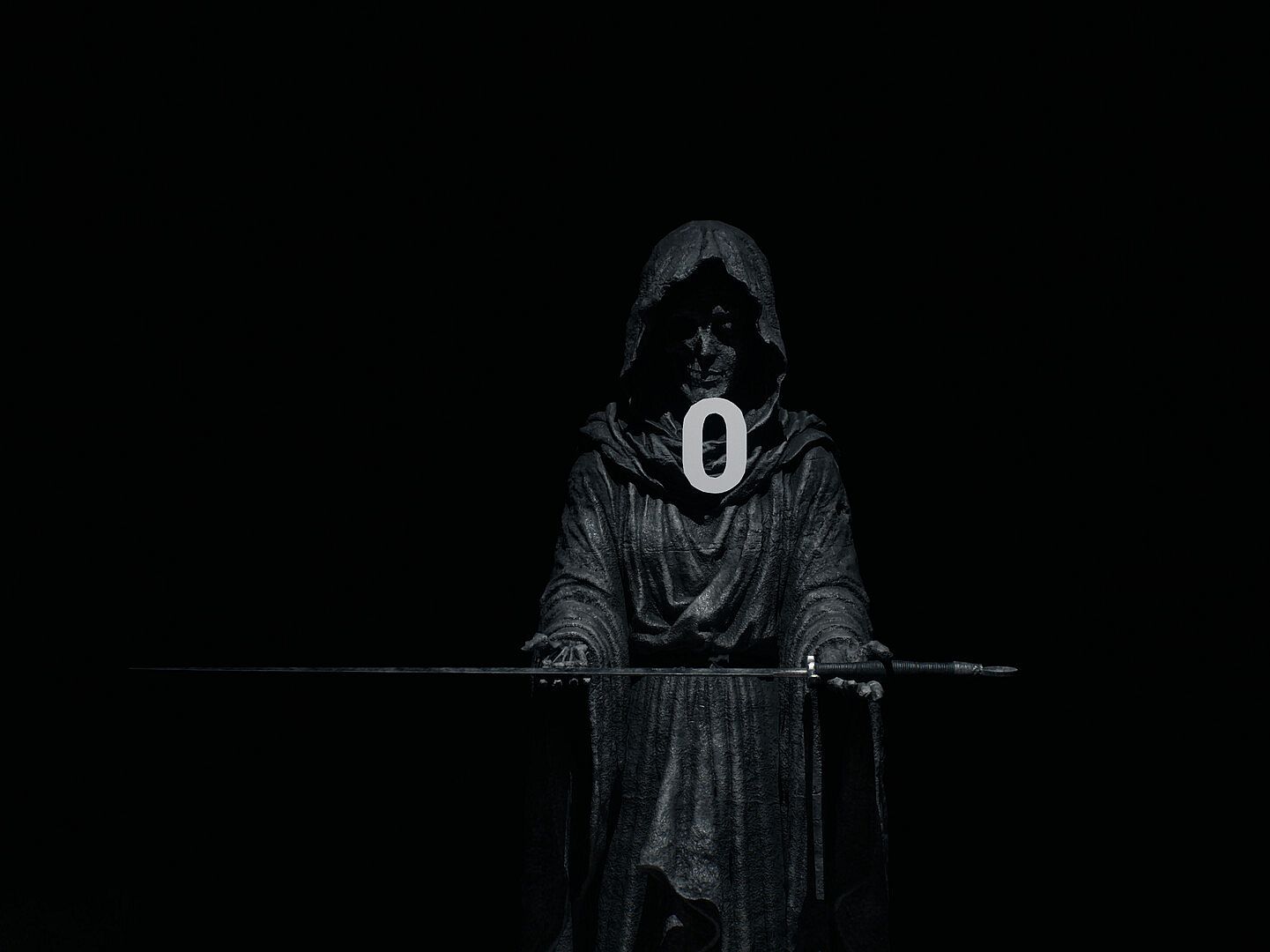
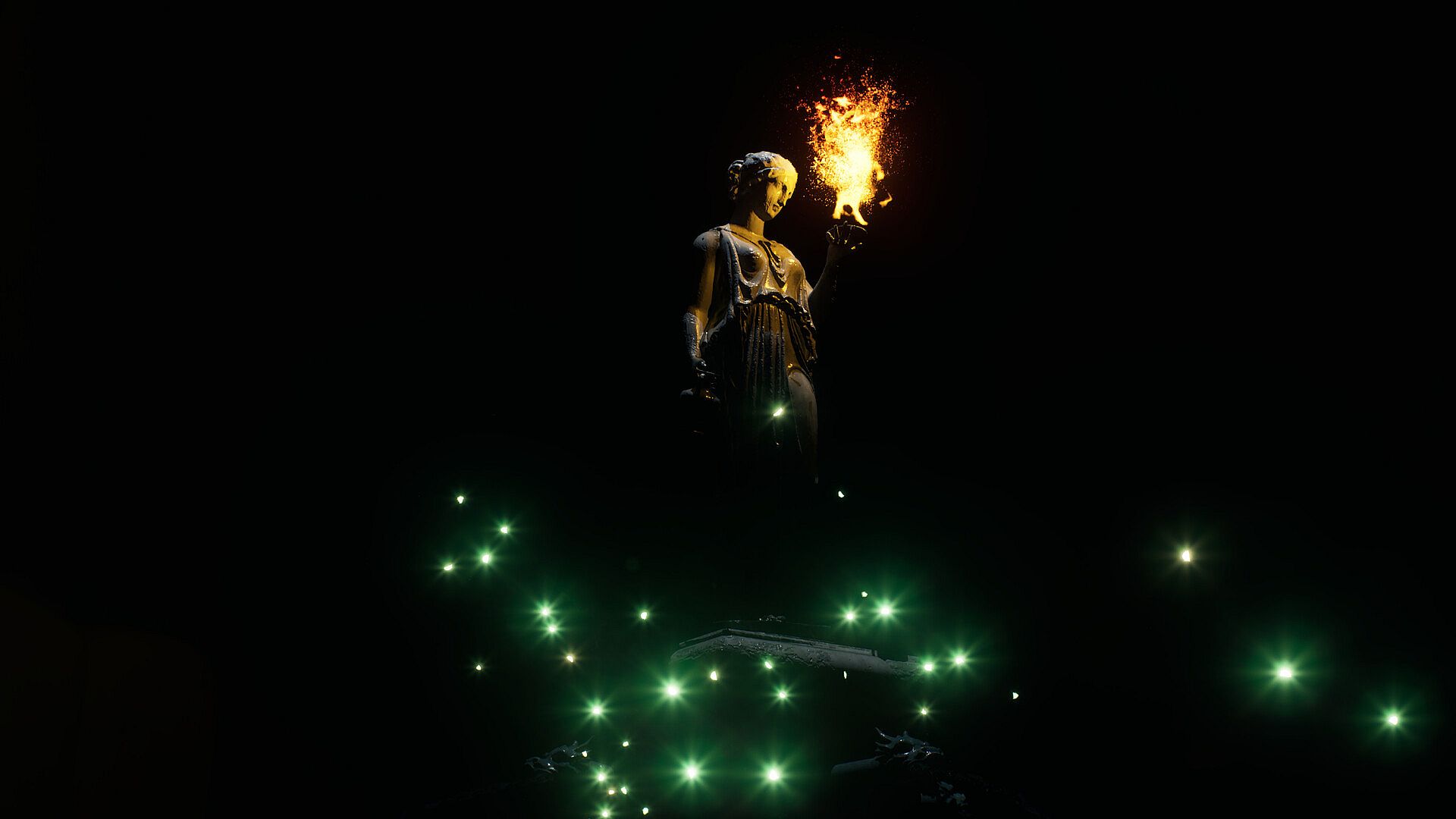
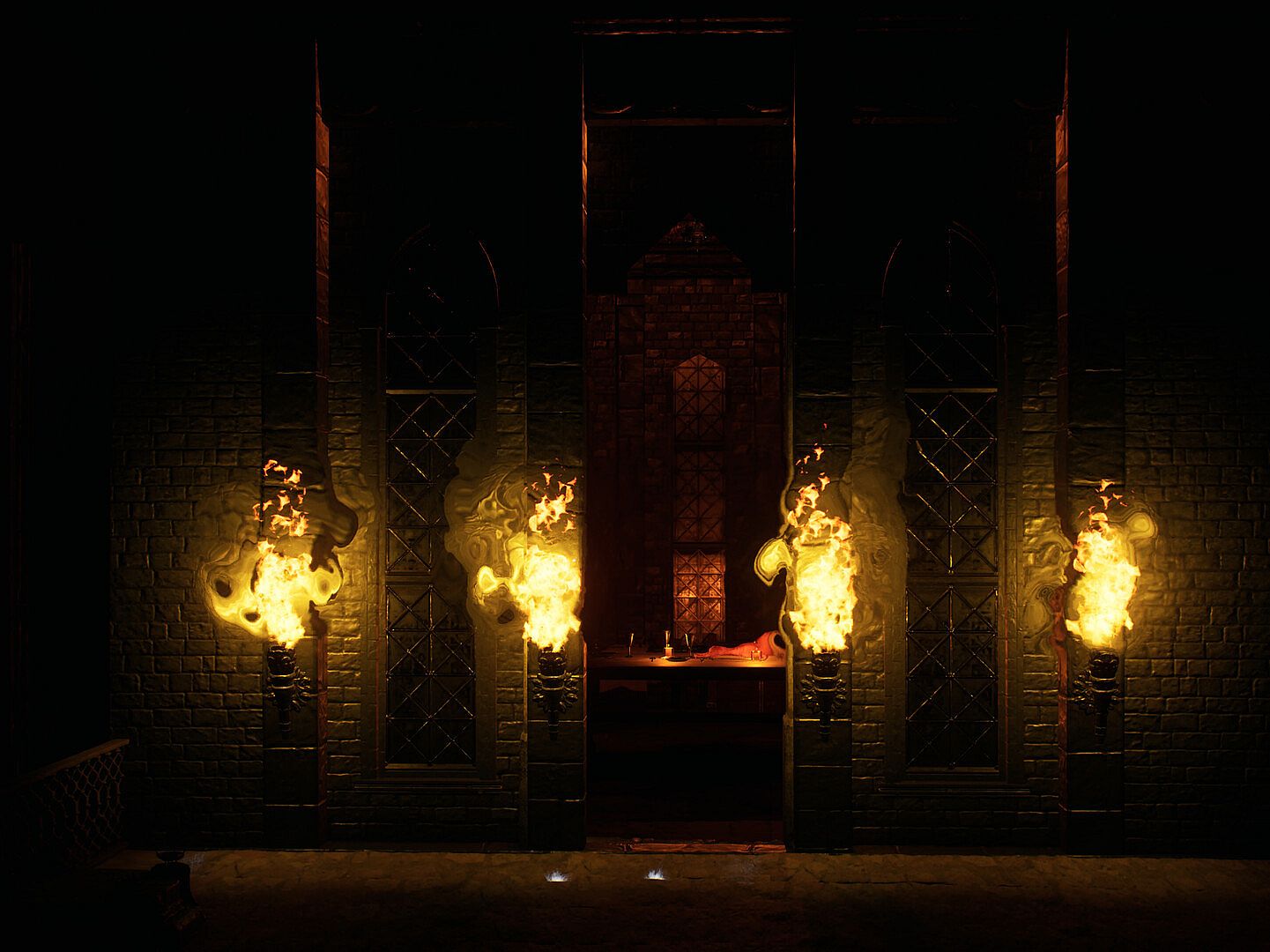
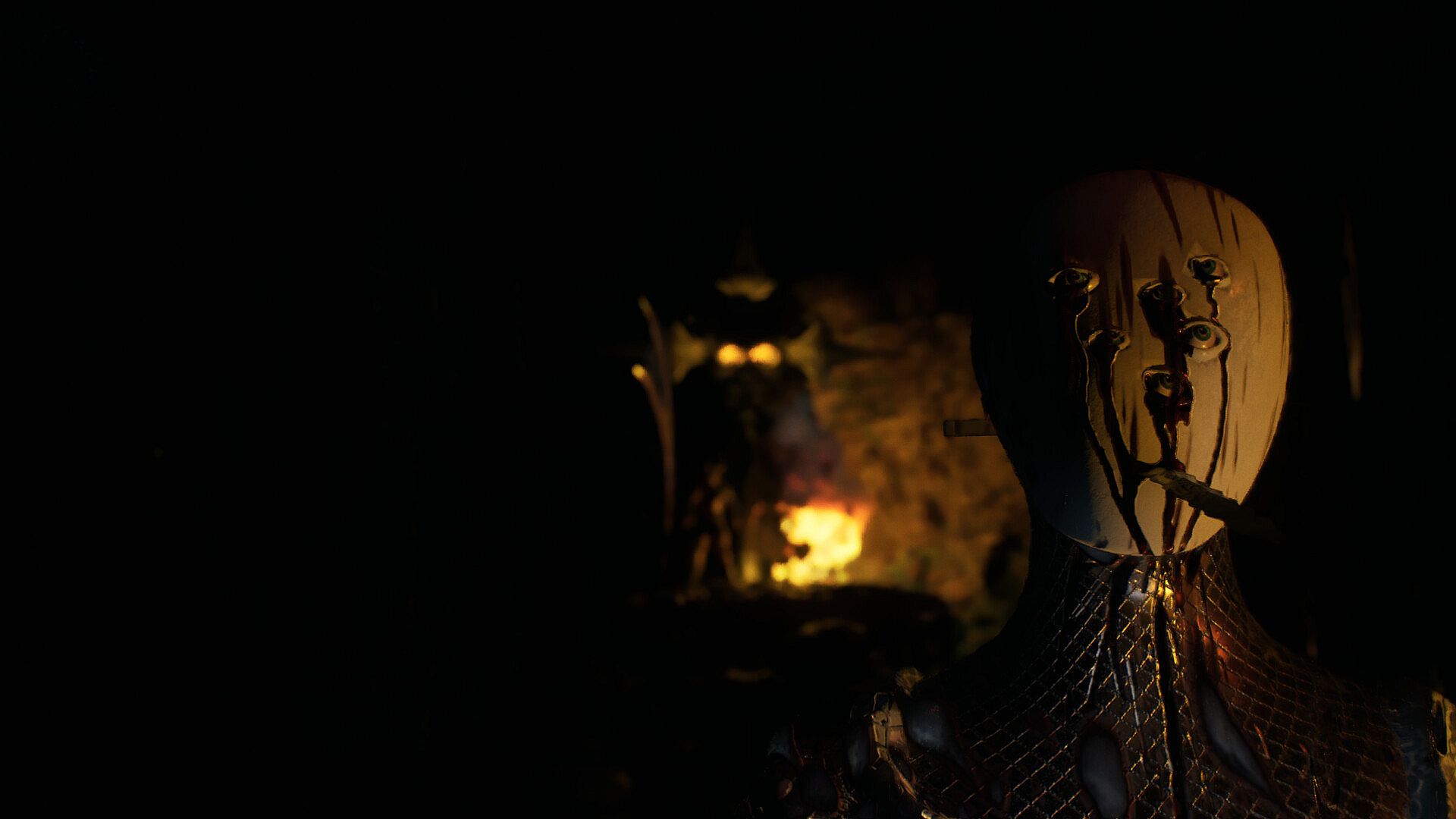
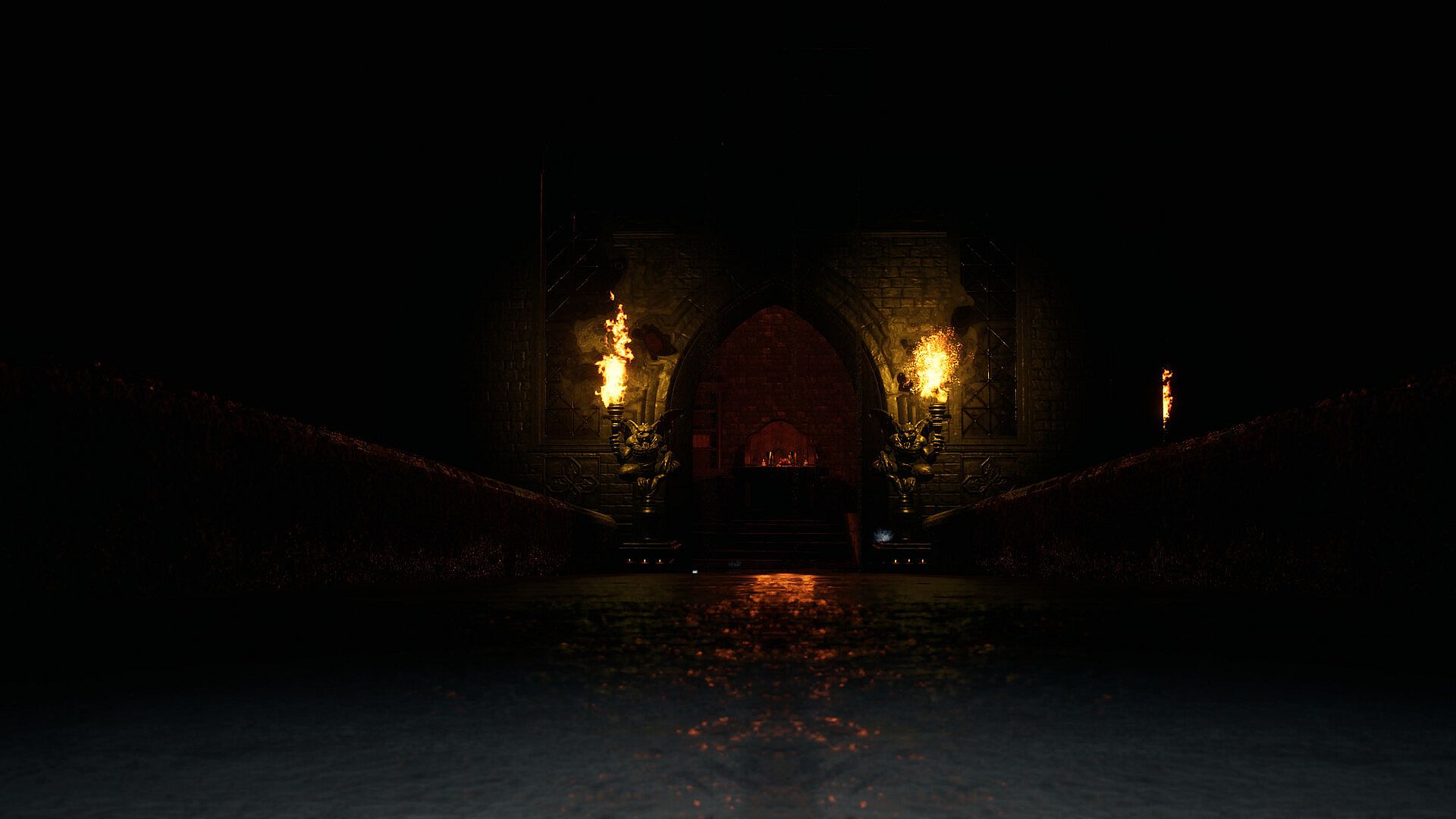
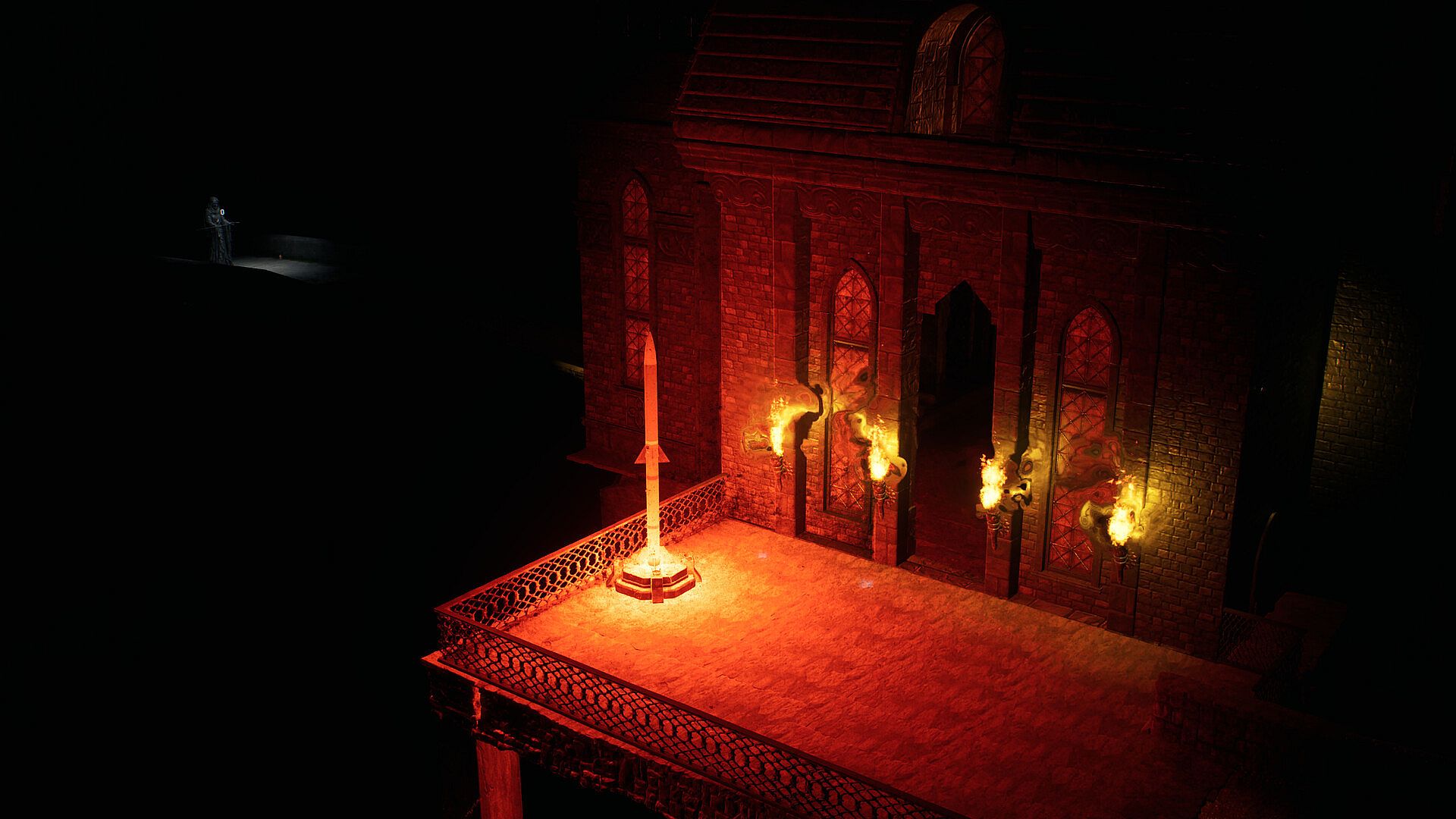




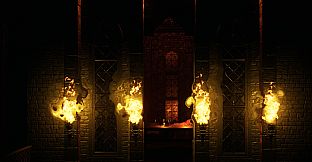


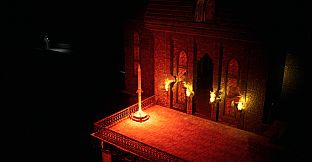
Medieval Anomaly is a first-person psychological horror game set in a medieval environment. Players take on the role of an observer navigating stone corridors and outdoor areas where reality shifts in subtle and dangerous ways. The experience blends observation mechanics with tension built around identifying changes rather than direct combat.
Gameplay
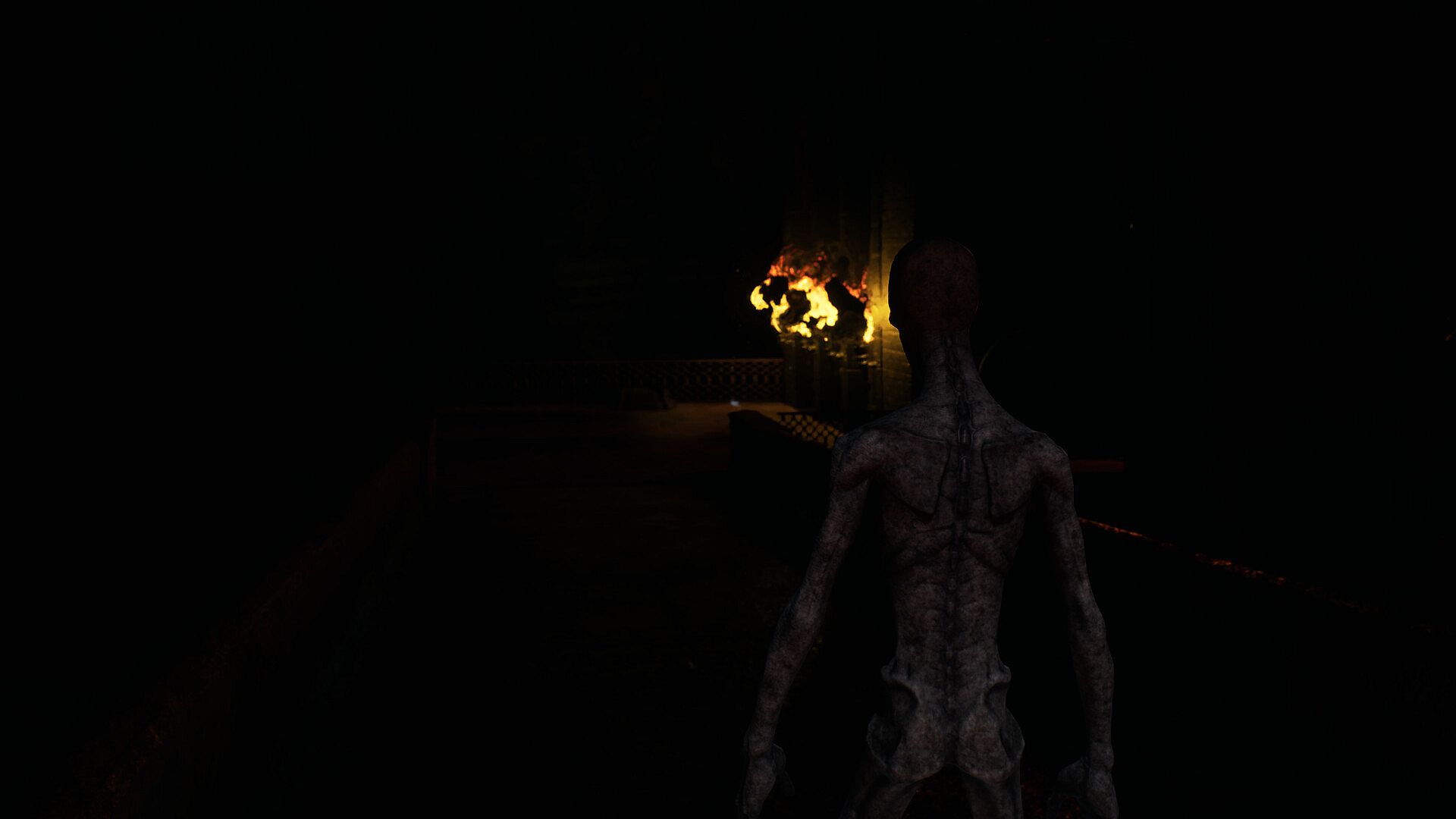
The core loop centers on careful examination of surroundings. Players move through unpredictable spaces filled with stone architecture and shifting details. Anomalies appear as alterations to objects, layouts, or the environment itself. Some changes remain harmless while others signal immediate threats. Success depends on spotting these differences accurately and reporting them to build a score. Mistakes reset progress and heighten the risk of encounters with hostile entities that emerge from the shadows or specific triggers.
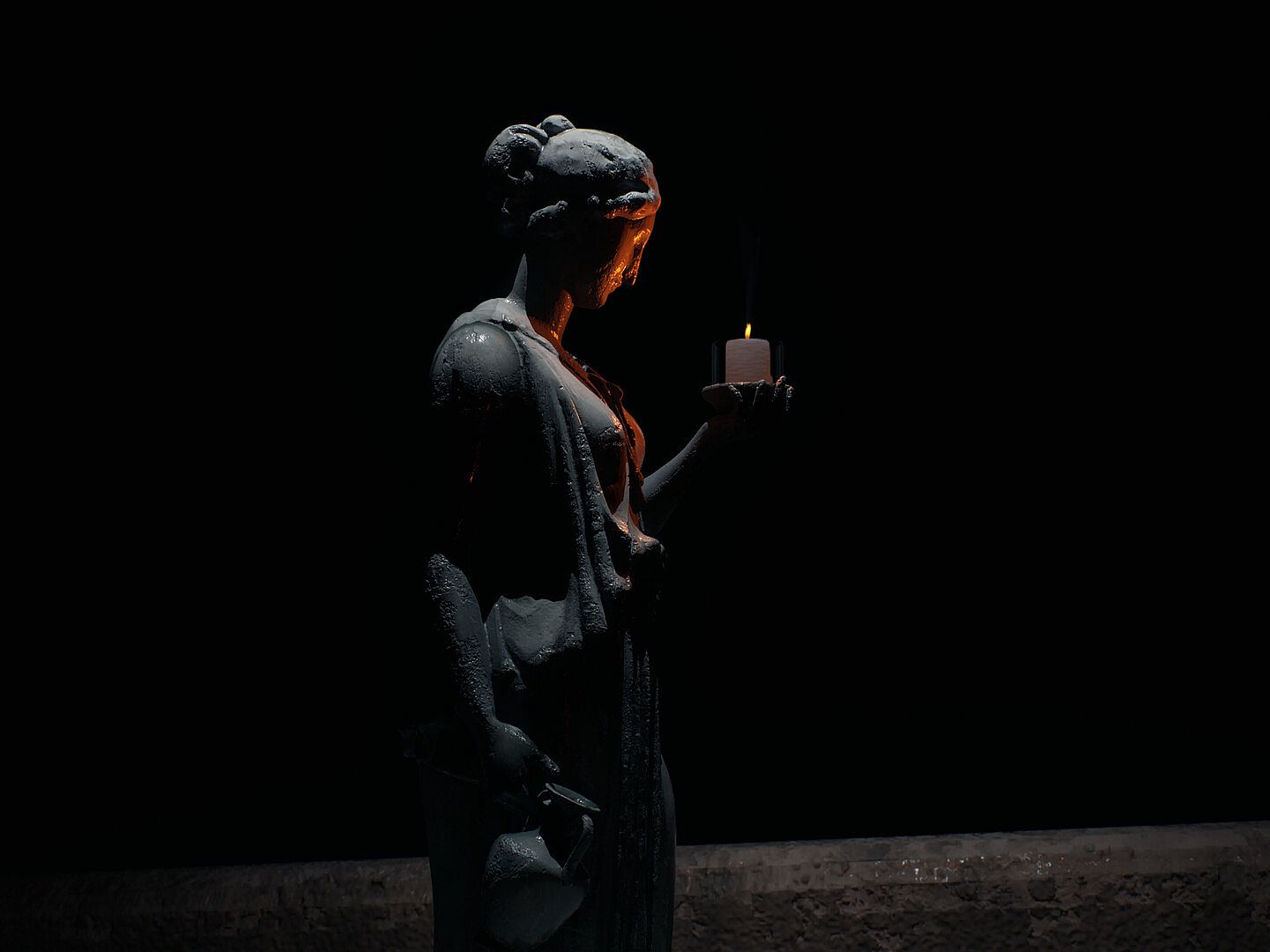
Lighting and audio play key roles in heightening unease. Realistic shadows and spatial sounds draw attention to potential distortions. The first-person view keeps focus narrow, forcing players to scan every corner without the aid of maps or external indicators. Progression involves reaching score thresholds that unlock deeper sections of the realm, each layer introducing more complex visual puzzles and sudden dangers.
Survival requires constant vigilance. Entities can appear without warning, often tied to score milestones or overlooked details. There is no inventory system or weapons; defense comes from awareness and quick decisions about when to report or retreat from a situation.
Game Modes
The game operates as a single continuous experience without separate modes. Players advance through successive layers of the environment by meeting score targets. Each layer builds on the previous one with increased anomaly density and new environmental challenges. The structure remains consistent across playthroughs, emphasizing repeated observation runs to refine detection skills and push higher scores before the session ends.
Key Features and Environments
Visuals rely on Unreal Engine 5 to render detailed textures, dynamic lighting, and atmospheric effects. The world includes three distinct outdoor locations alongside one indoor area, each populated with numerous props that support anomaly detection. A total of fifty unique anomalies and enemies appear across these spaces, ensuring variety in encounters. Gameplay length typically falls between two and three hours for a focused run, though multiple attempts to improve scores extend the time spent in the halls.
Sound design reinforces isolation through creaking wood, fabric movement, and periods of silence broken only by anomalies or approaching threats. Every visual distortion serves as part of the survival puzzle, requiring players to distinguish illusion from lethal change.
Is It Worth Playing?
Medieval Anomaly suits players who enjoy observation-driven horror over action or exploration-heavy titles. The emphasis on subtle environmental changes and score management creates a tense, replayable loop for those comfortable with short, intense sessions. The absence of combat shifts focus entirely to perception and decision-making under pressure. Those seeking longer campaigns or multiplayer elements will find the experience more limited in scope. The tight design and verified feature set make it a direct match for fans of similar anomaly-spotting games who value precision over spectacle.