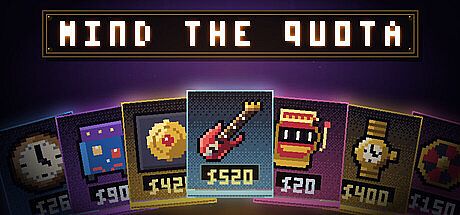


Mind The Quota is a strategy roguelike with indie roots and light RPG elements that centers on grid-based item placement and escalating demands. Players build and rearrange collections of items to satisfy rising quotas across successive rounds on PC. The experience blends casual accessibility with deeper strategic layers, where positioning and combinations determine success rather than individual item power.
Gameplay
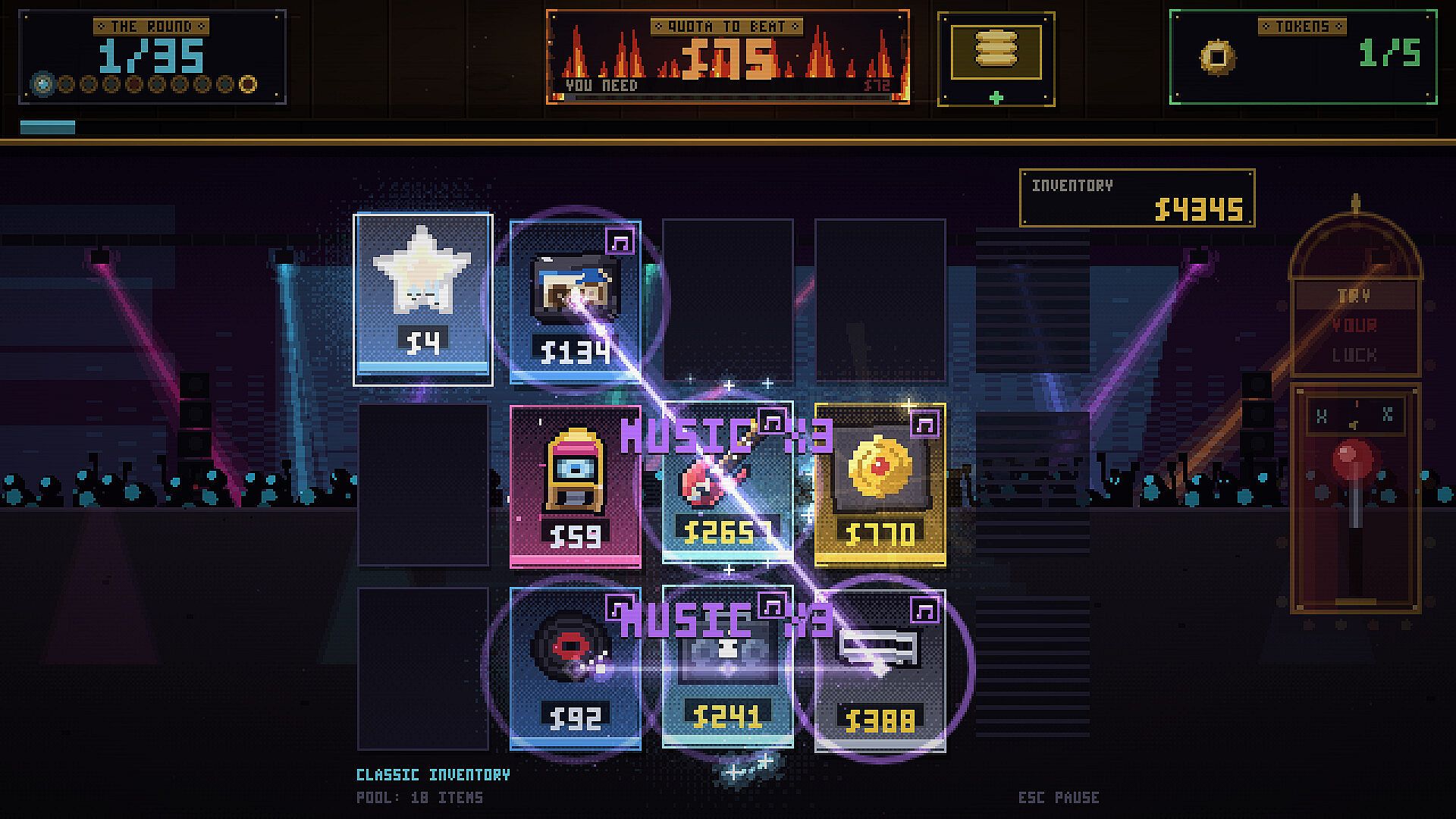
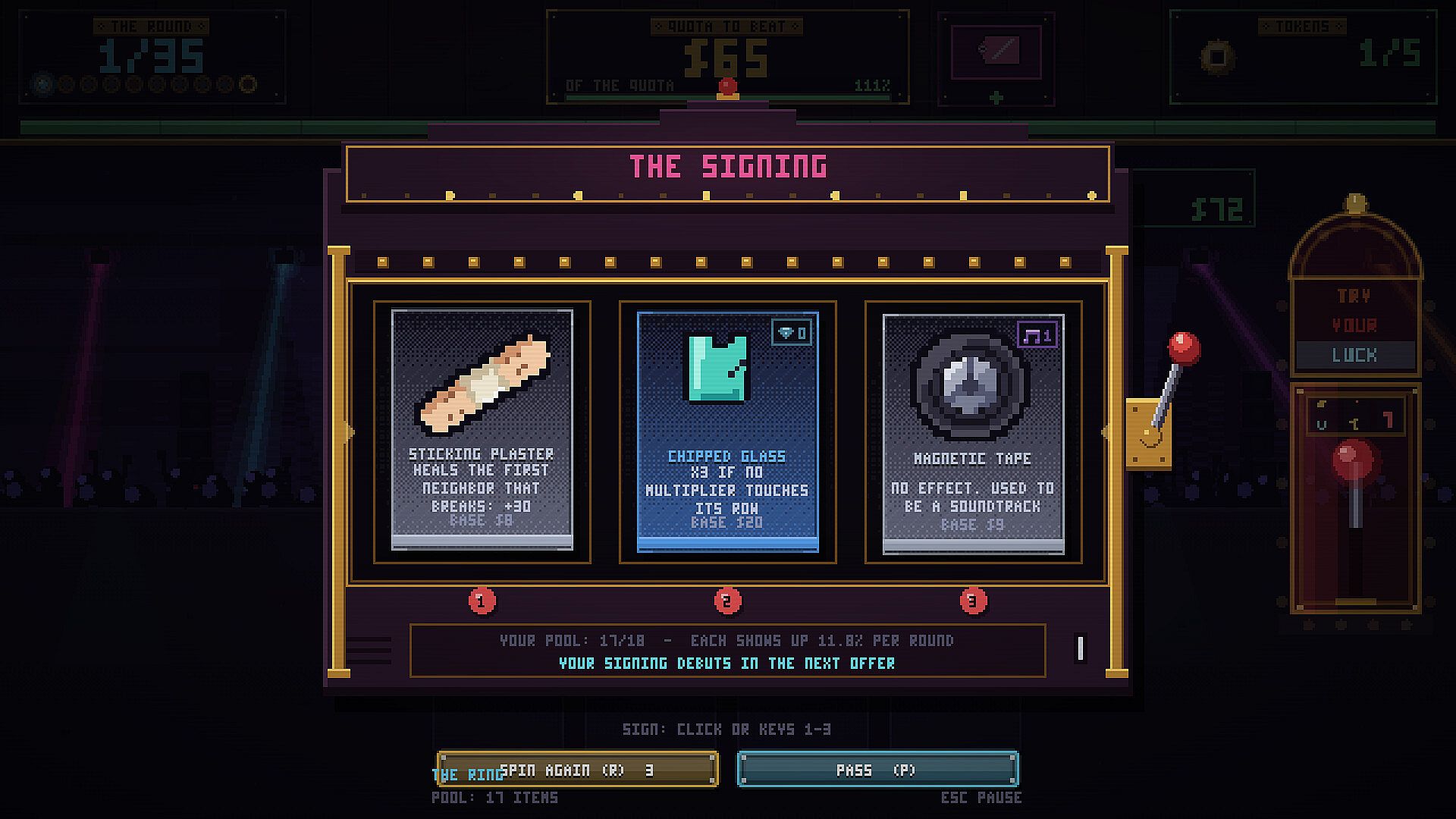
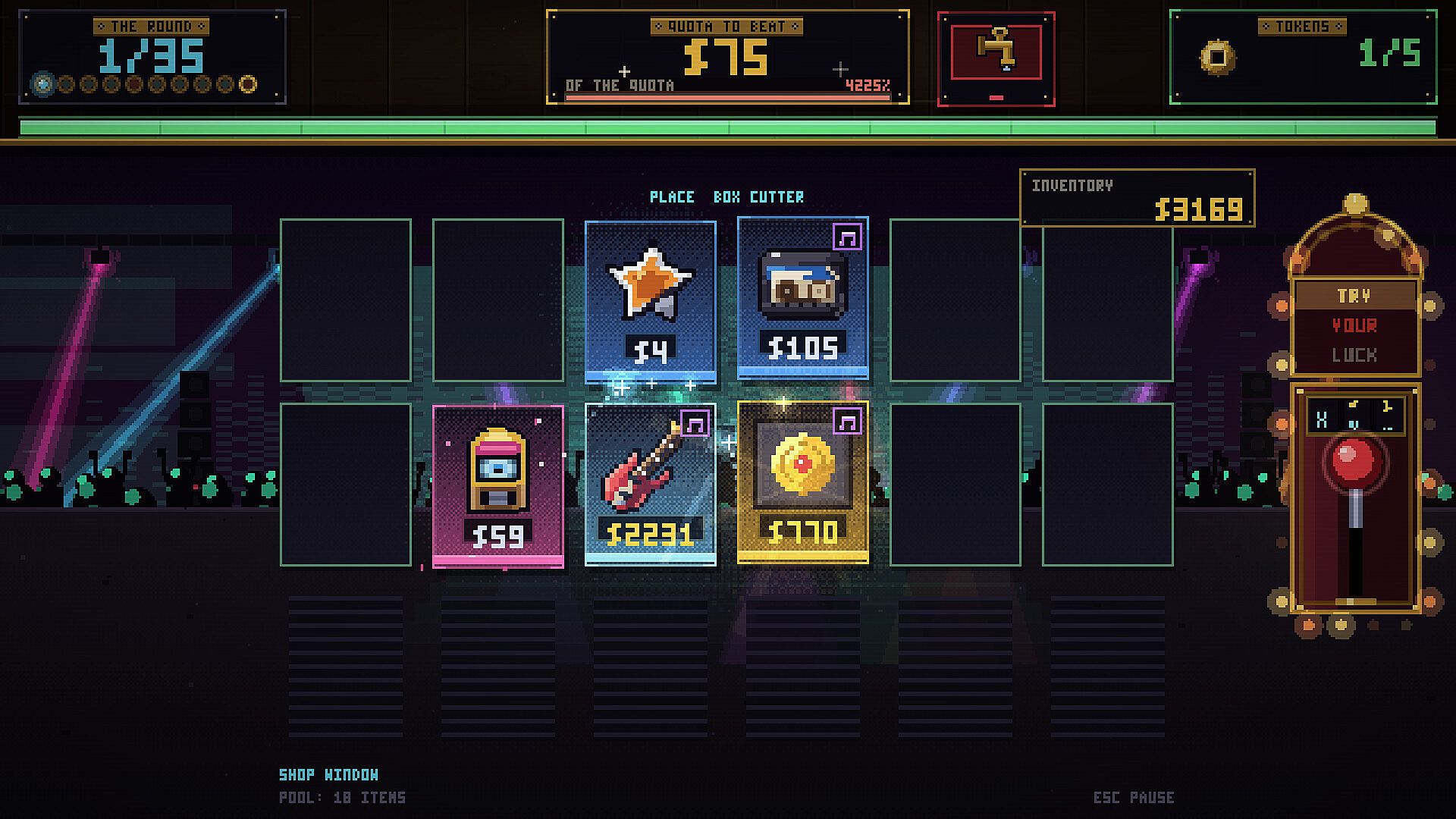
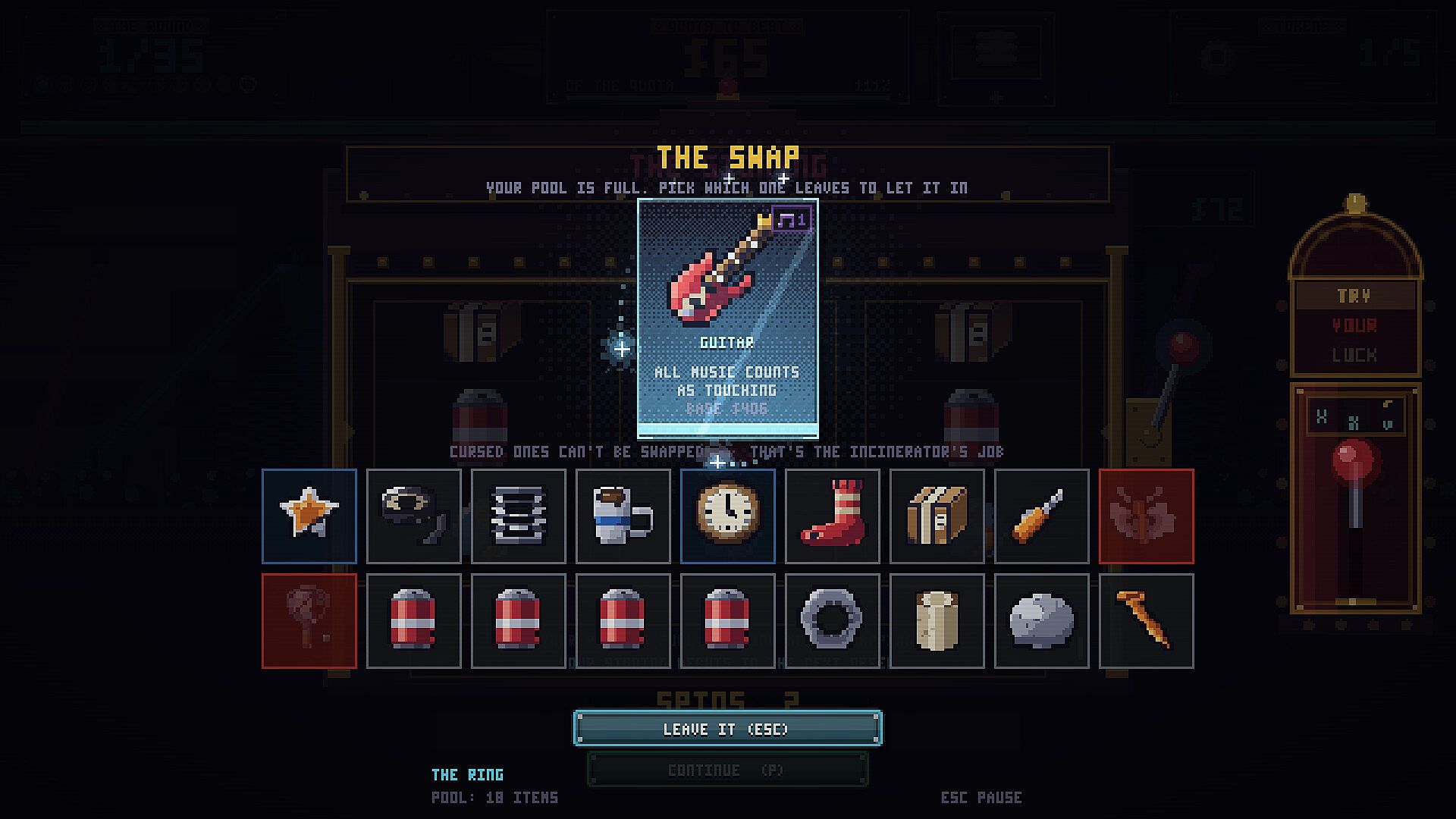
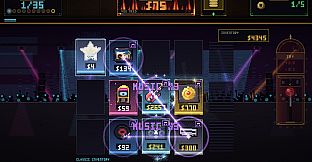
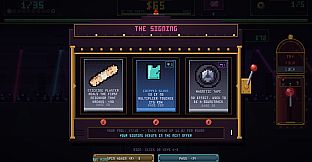
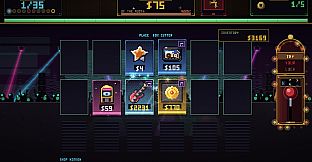
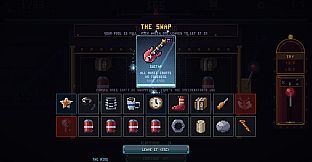
The core loop revolves around meeting a quota that increases with each round. Every round delivers a single item chosen randomly, and the player decides its placement on a grid. Items gain value through adjacency, shared rows, or membership in item families, creating layered synergies that reward careful arrangement over isolated choices. Between rounds, players expand their available pool but must manage a strict capacity limit, forcing decisions about which existing item to replace when adding a new one. This replacement mechanic keeps builds fluid and prevents stagnation.
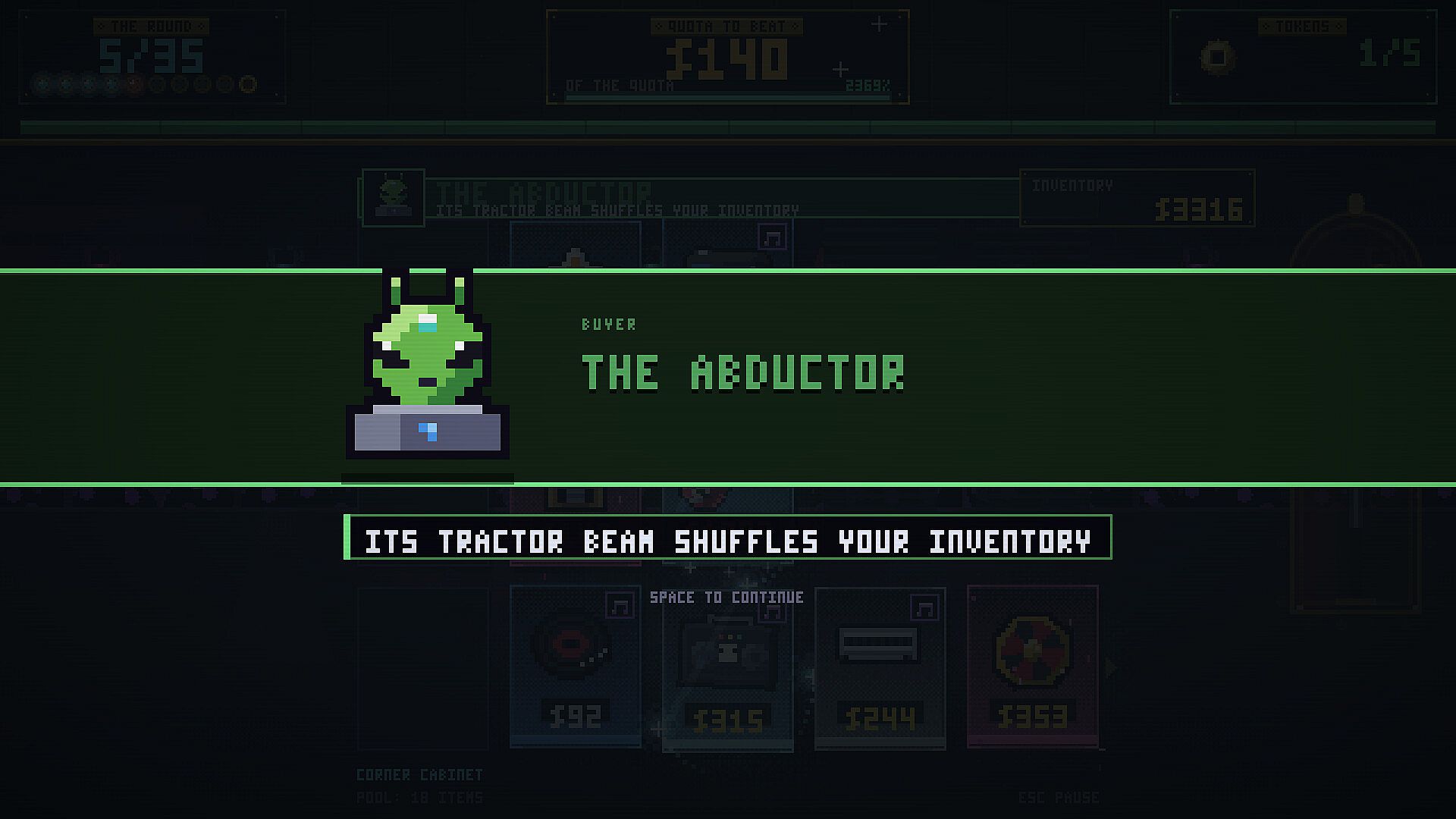
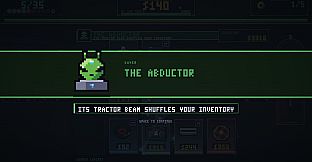
Unique buyers appear periodically and enforce temporary rules that alter the grid layout while active. Overcoming these buyers completes the round and awards a relic that carries forward into future attempts. The structure emphasizes experimentation with item interactions, as no single piece operates in isolation. The roguelike nature means each run resets progress while carrying over learned patterns of effective placements and family groupings.
Game Modes
Progression unfolds through a sequence of rounds that culminate in a final boss encounter after thirty successful rounds. Completing the boss clears the current level and unlocks the next one, establishing a campaign-style structure within the roguelike framework. The single-player focus keeps attention on personal build optimization and grid management rather than competitive or cooperative elements. Runs emphasize survival across the full round count, with each buyer encounter serving as a mid-round obstacle that reshapes strategy on the fly.
Players return to earlier levels with new relics and refined approaches, encouraging repeated attempts to discover stronger item combinations and more efficient pool management. The absence of separate named modes keeps the experience unified around the quota system and grid interactions.
Core Mechanics and Item Interactions
Item families and positional rules form the foundation of scoring and quota fulfillment. An item next to compatible pieces or aligned in the same row multiplies its contribution, while family bonuses add another dimension to placement strategy. The pool ceiling introduces resource management, as every addition requires a deliberate removal that can shift an entire build's direction. Buyers introduce disruption by rewriting sections of the grid, compelling players to adapt placements quickly or risk failing the round.
Relics earned from defeated buyers provide lasting advantages that persist across rounds and levels. These permanent upgrades reward consistent performance and reward players who master the interplay between random item delivery and intentional positioning. The system rewards observation of how different item types interact under varying buyer rules.
Is It Worth Playing?
Mind The Quota suits players who enjoy deliberate grid puzzles, roguelike progression, and strategic item management without overwhelming complexity. The casual genre tags reflect approachable entry points, while the strategy and RPG elements deliver depth through repeated runs and relic collection. Those drawn to games focused on synergies, placement decisions, and adapting to changing constraints will find the quota system engaging across multiple levels.
The single-player roguelike structure supports short sessions or longer campaigns, with each level offering fresh challenges once unlocked. Success depends on recognizing patterns in item families and buyer effects rather than reflexes or external competition. For fans of indie strategy titles that reward experimentation with limited resources, the game provides a focused loop centered on building efficient grids under pressure.