







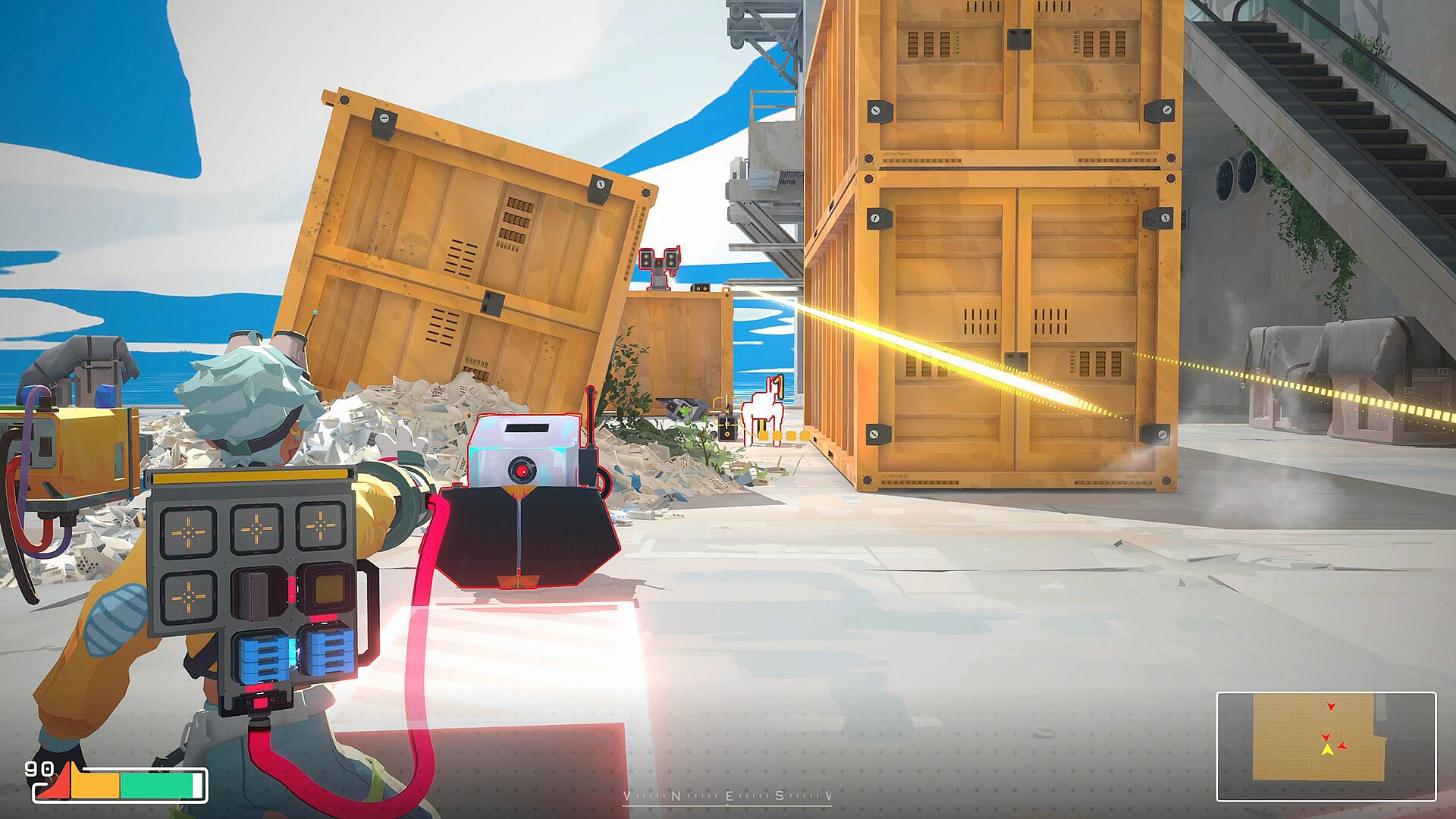
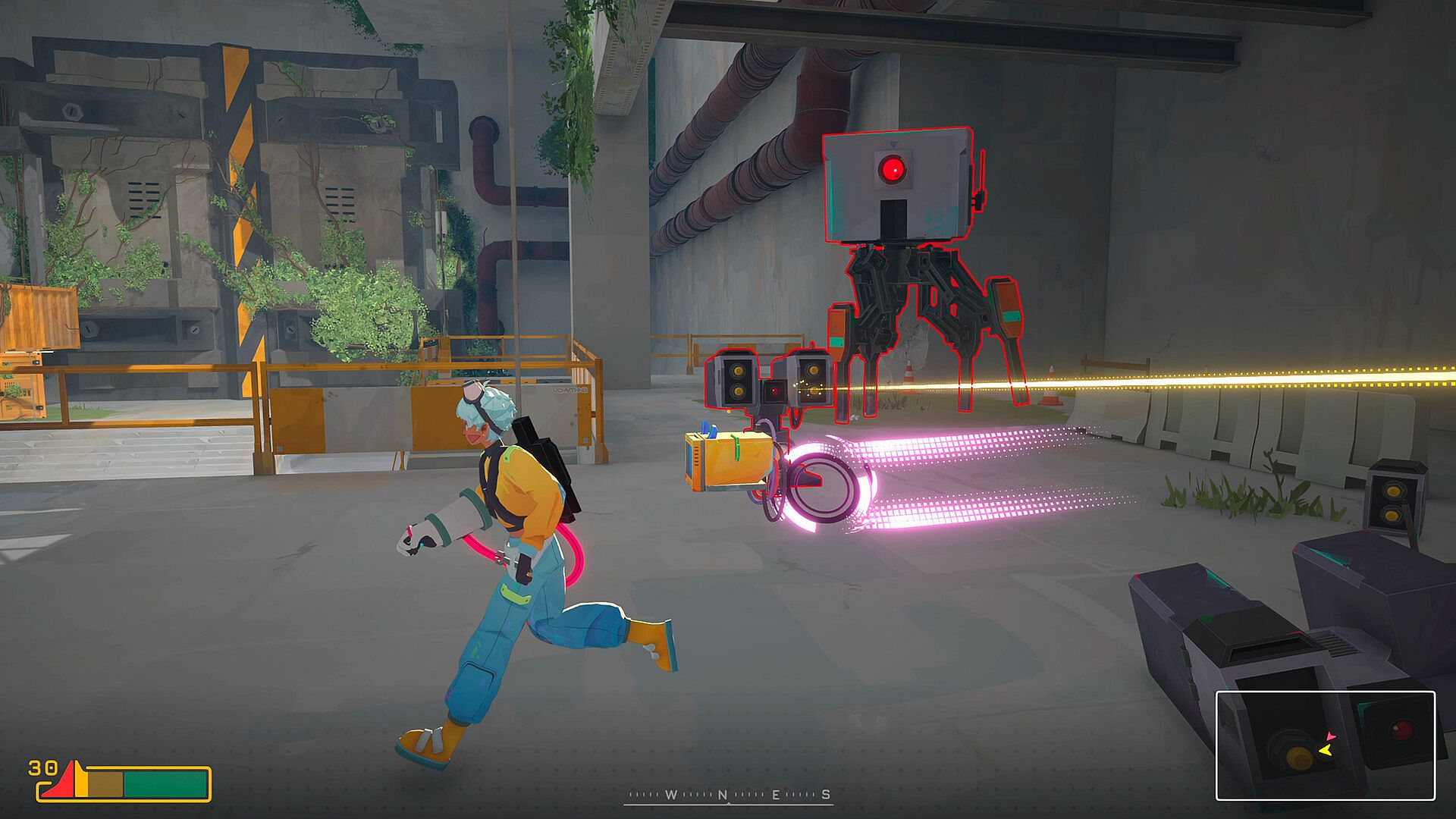
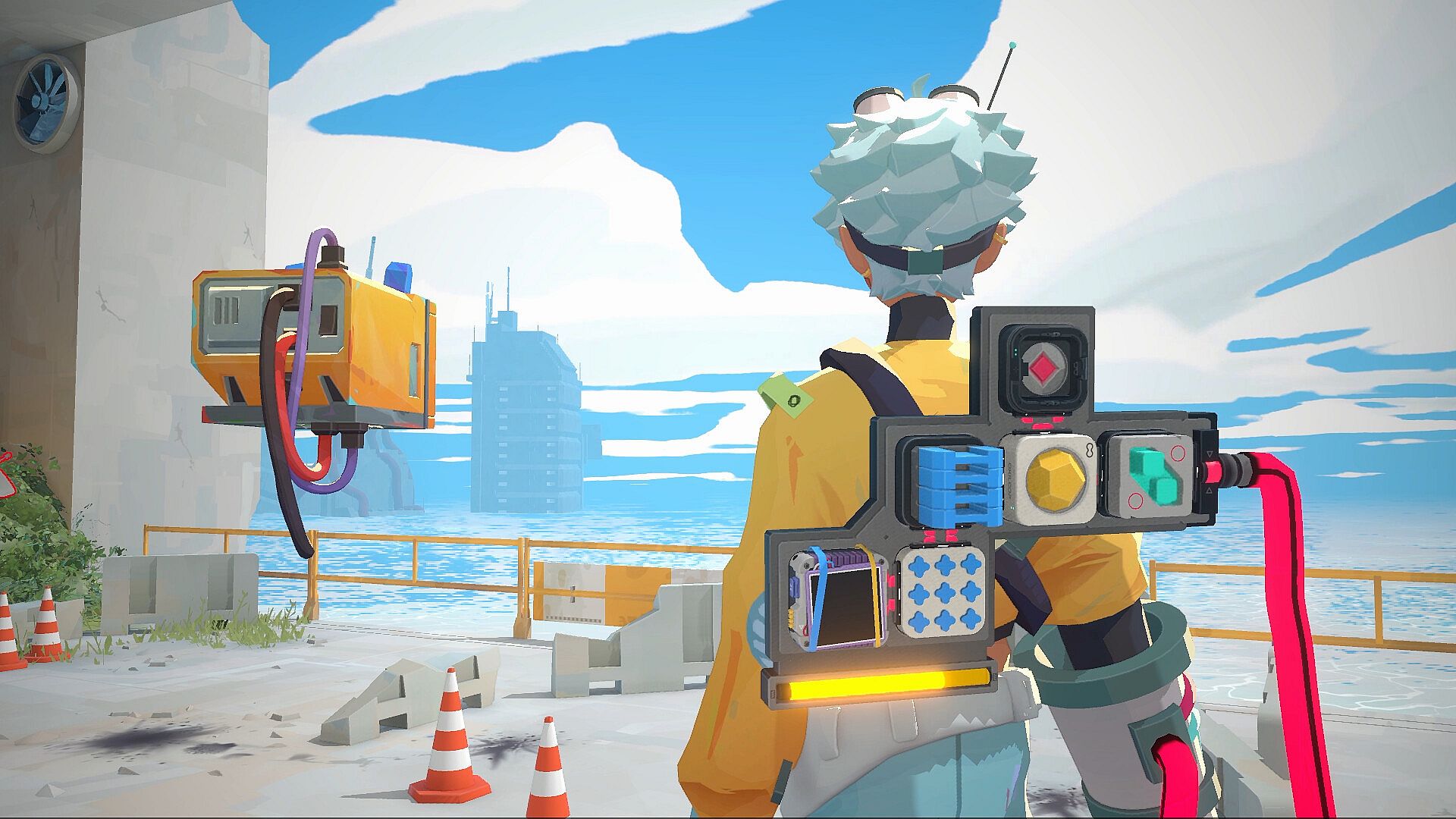
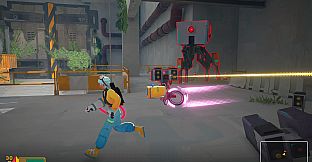

Modulink is a third-person action roguelite that blends exploration, circuit-building, and survival in a post-catastrophe world. Players take on the role of Tinker, a researcher who leaves the safety of home alongside the hovering companion Repo to recover lost technology from the Old World. The core loop revolves around finding Modules, linking them into functional circuits, and using those connections to gain abilities, solve problems, and progress through scattered settlements.
Gameplay
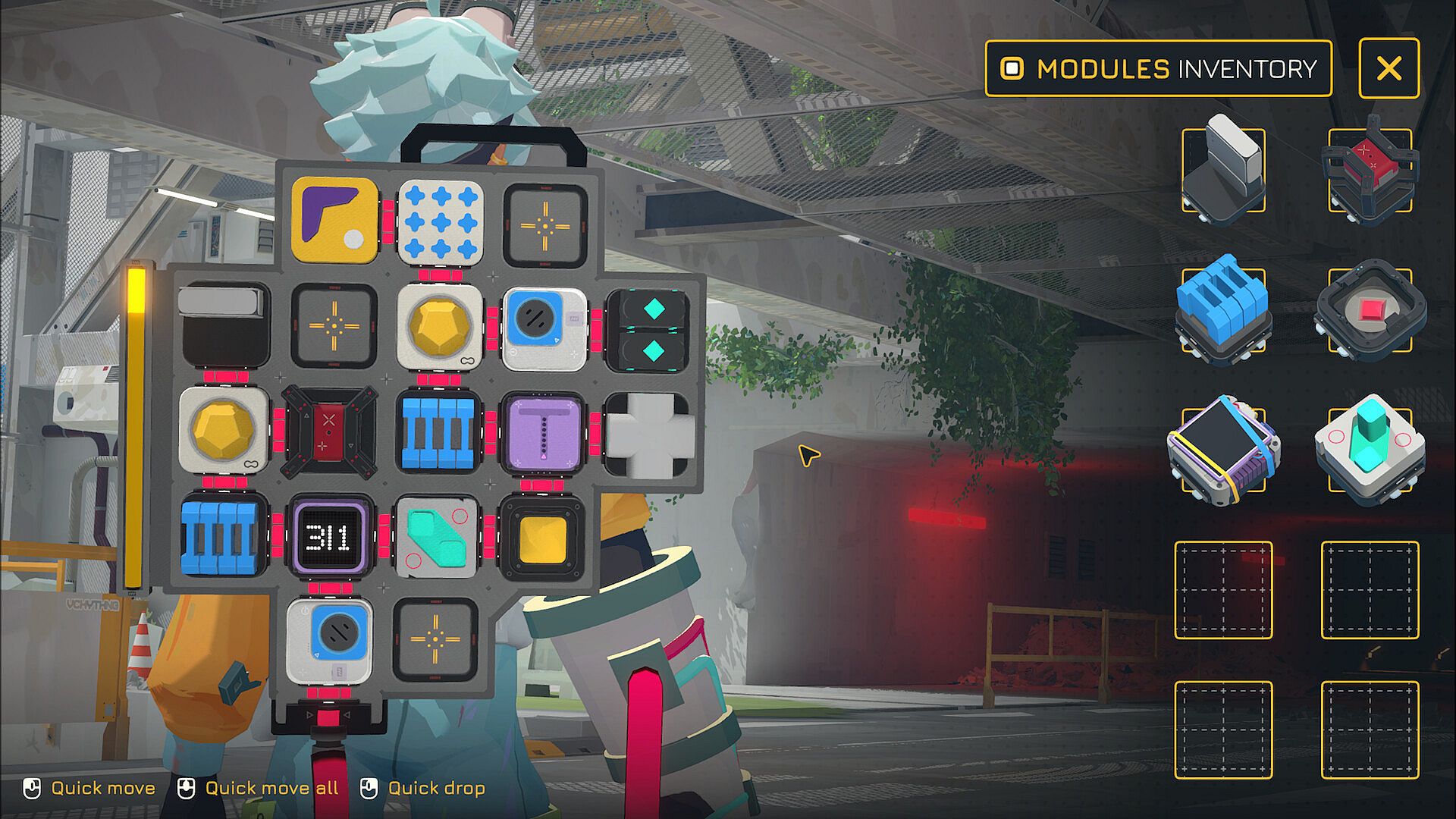
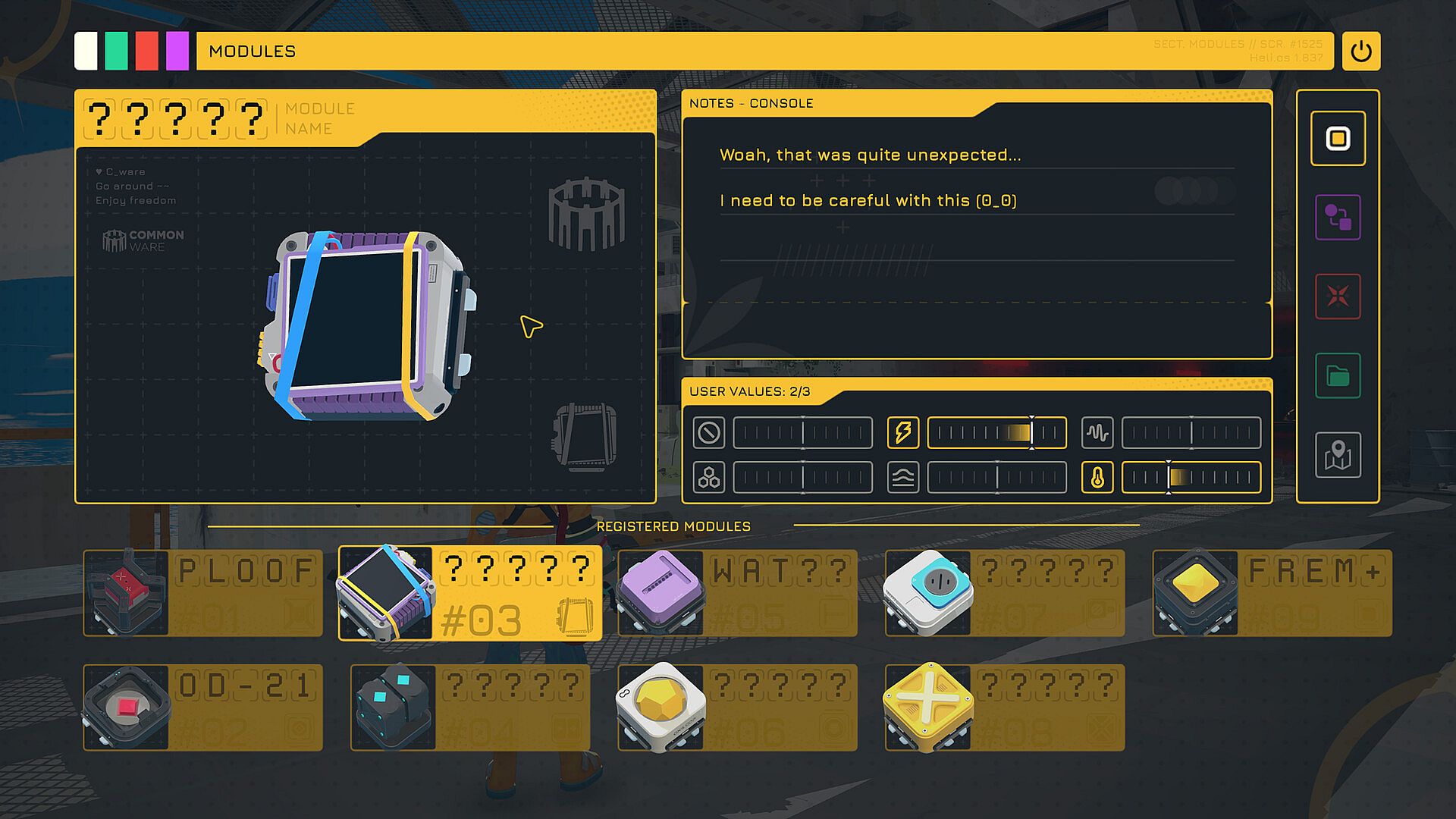
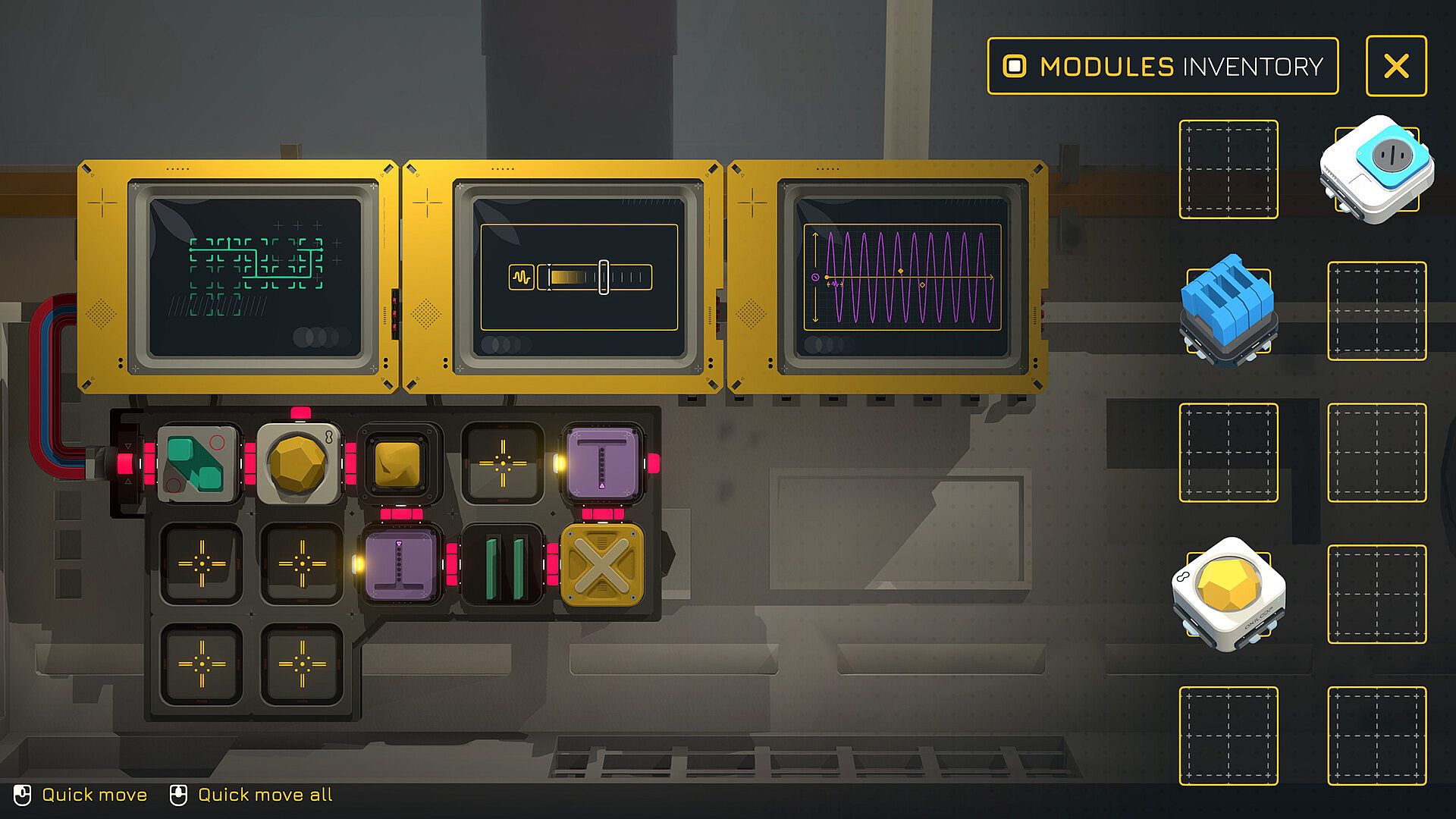
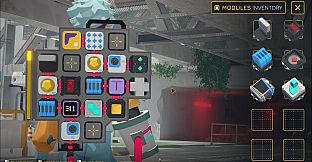
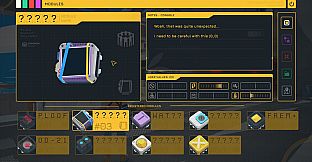
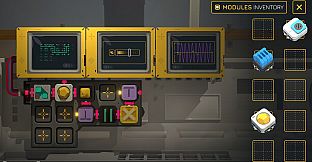
The central mechanic involves collecting Modules and arranging them into circuits. Placement and order matter, as rearranging parts can unlock new attacks, traversal options, or utility effects. These circuits extend beyond combat to include opening doors, repairing machines, and resolving environmental puzzles. Experimentation forms the heart of progress, since the game provides no direct instructions on how each Module functions. Players must test combinations, observe results, and note findings in Repo to carry knowledge across attempts.
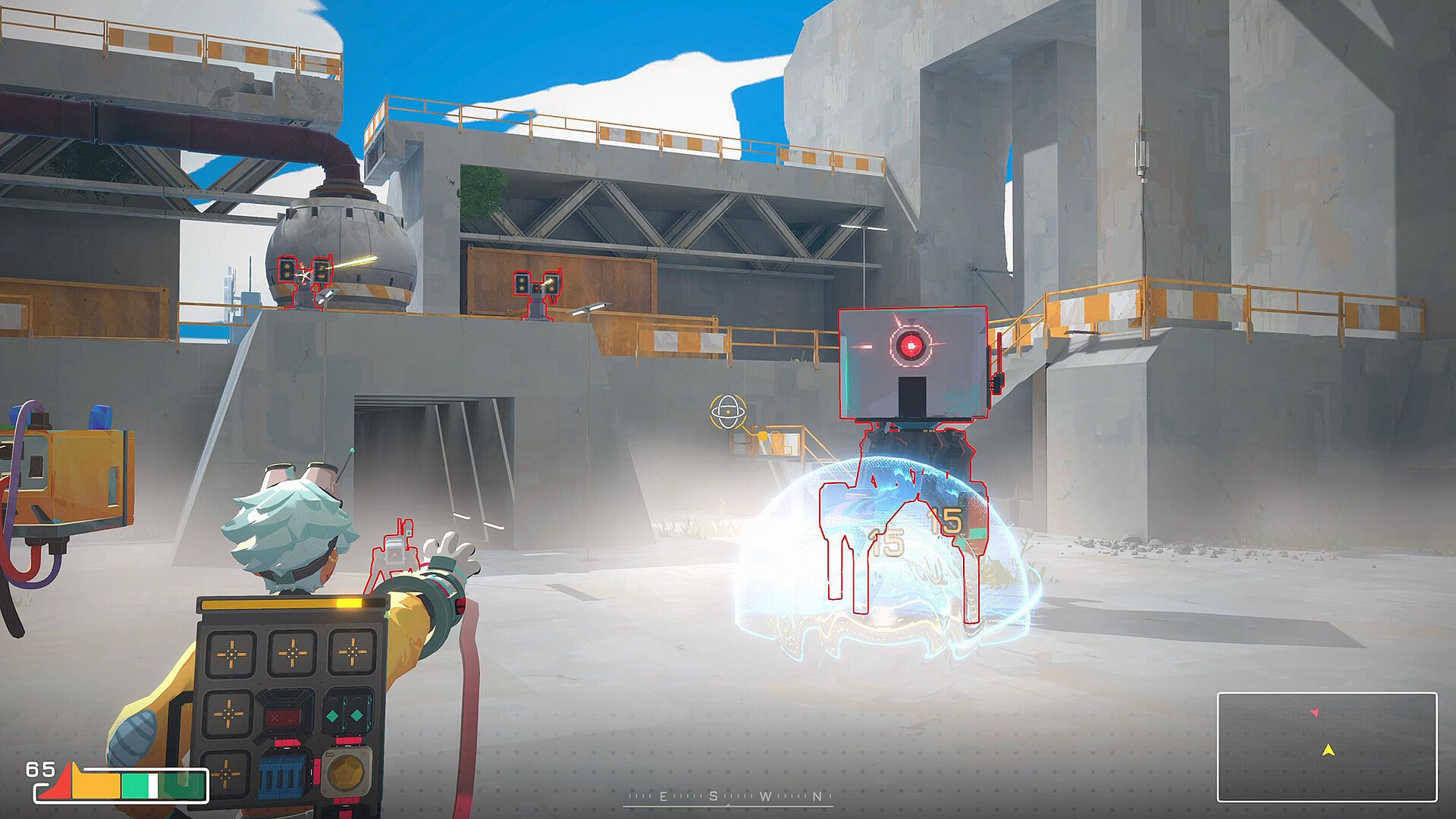
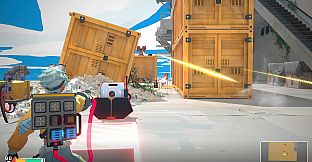
Exploration takes players through hand-crafted arenas, traversal sections, hidden rooms, and circuit puzzles that combine into fresh routes on each run. Limited resources force improvisation, while hostile machines test builds in real time. Success depends on learning enemy patterns and adapting circuits accordingly. Non-combat uses of Modules encourage interaction with survivors in different communities, from a bright mega city to a dense factory and a lightless coastal quarry. Restoring local systems and building trust between settlements adds layers to the journey.
Manufacturer-specific traits and hidden patterns in Modules reward careful observation. Ruins contain records that deepen understanding, and Repo serves as more than a journal by preserving insights that persist even when equipment is lost.
Game Modes
Modulink structures its experience around repeated expeditions that reset resources but retain player knowledge. Each run assembles combat arenas, traversal challenges, hidden rooms, and circuit puzzles into a different layout, encouraging backtracking and creative use of discovered Modules. The roguelite framework emphasizes adaptation over repetition, with procedural assembly ensuring no two paths feel identical.
Progression ties into community restoration. Applying circuit knowledge to help settlements creates lasting connections that influence future expeditions. This single-player focus keeps the emphasis on personal discovery and incremental mastery of the Module system rather than competitive or cooperative elements.
Exploration and World
The setting spans distinct regions where communities have adapted to isolation after the catastrophe. From urban remnants to industrial zones and coastal depths, each area presents unique environmental challenges that Modules help overcome. Interaction with locals reveals practical applications for circuits, turning abstract technology into tools for rebuilding trust and infrastructure.
Hidden patterns in Modules and manufacturer traits add depth to exploration. Records scattered through ruins provide context, while Repo tracks theories that carry forward. This persistent learning system rewards players who treat every expedition as an opportunity to refine their understanding of how Modules interact.
Is It Worth Playing?
Modulink suits players who enjoy methodical experimentation and roguelite runs built around a single evolving system. The emphasis on testing Modules, recording observations, and applying discoveries to both combat and world interaction creates a focused loop that rewards curiosity over speed. Those drawn to action-adventure titles with puzzle and buildcraft elements will find the circuit mechanics distinctive, particularly the way order and placement produce unexpected results.
Because knowledge persists across runs while equipment does not, the game rewards repeated play through improved insight rather than power creep alone. The single-player structure and procedural routes support multiple attempts without requiring external coordination. Early announcements highlight the core systems without additional modes or seasonal content, so expectations center on the depth of the Module experimentation itself.











