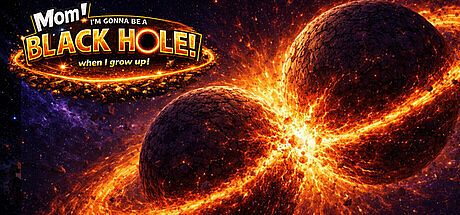


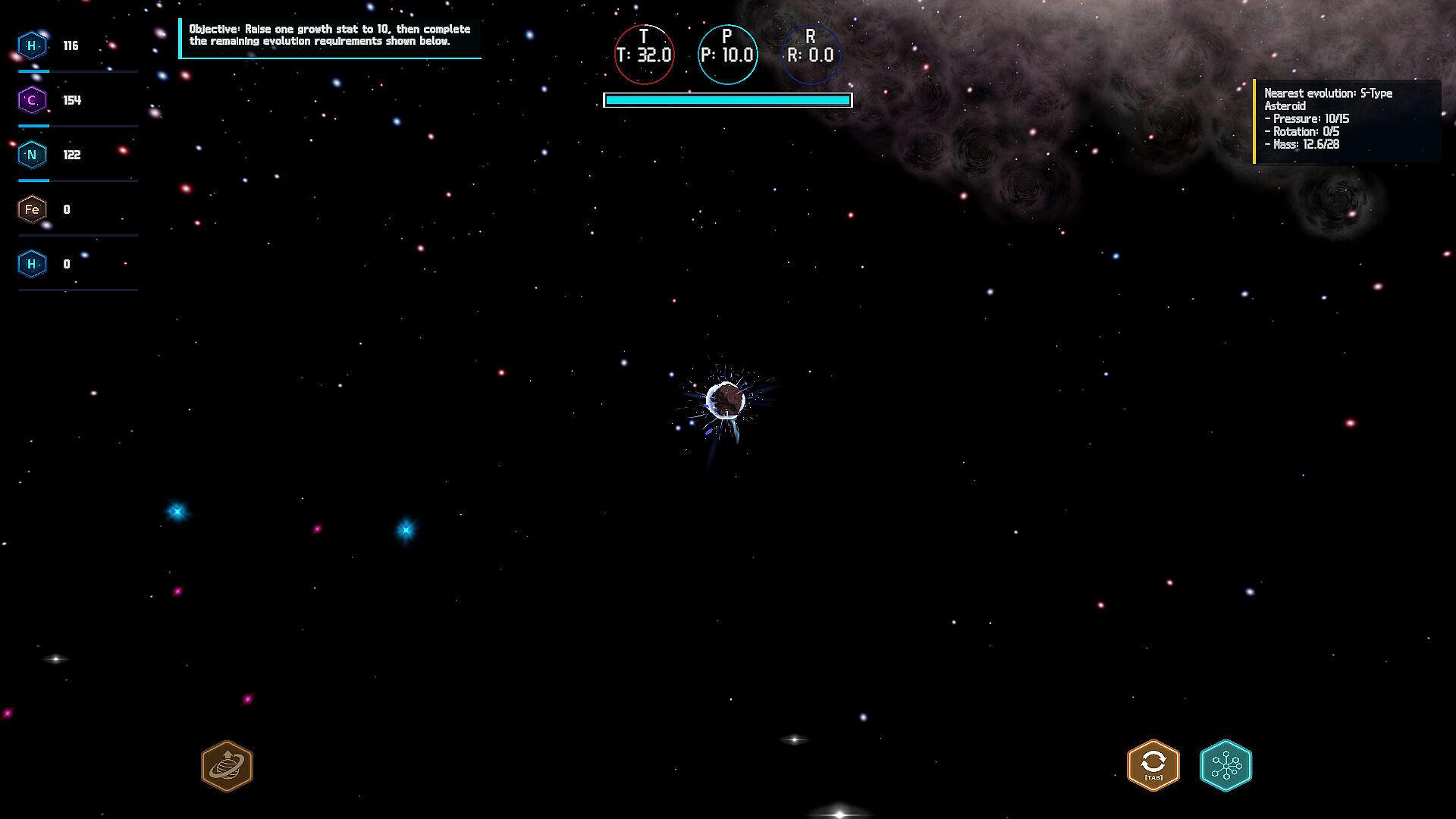
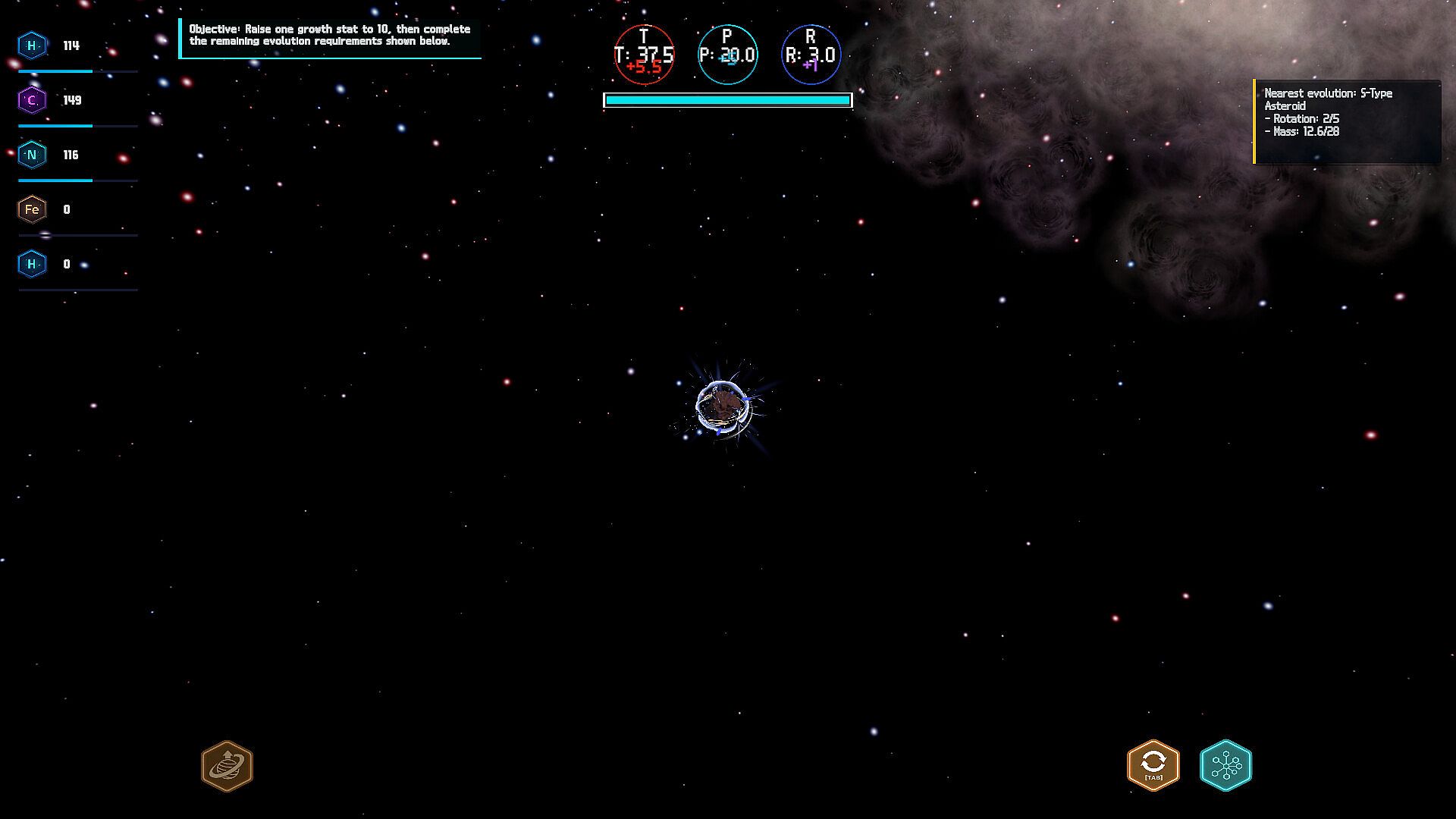
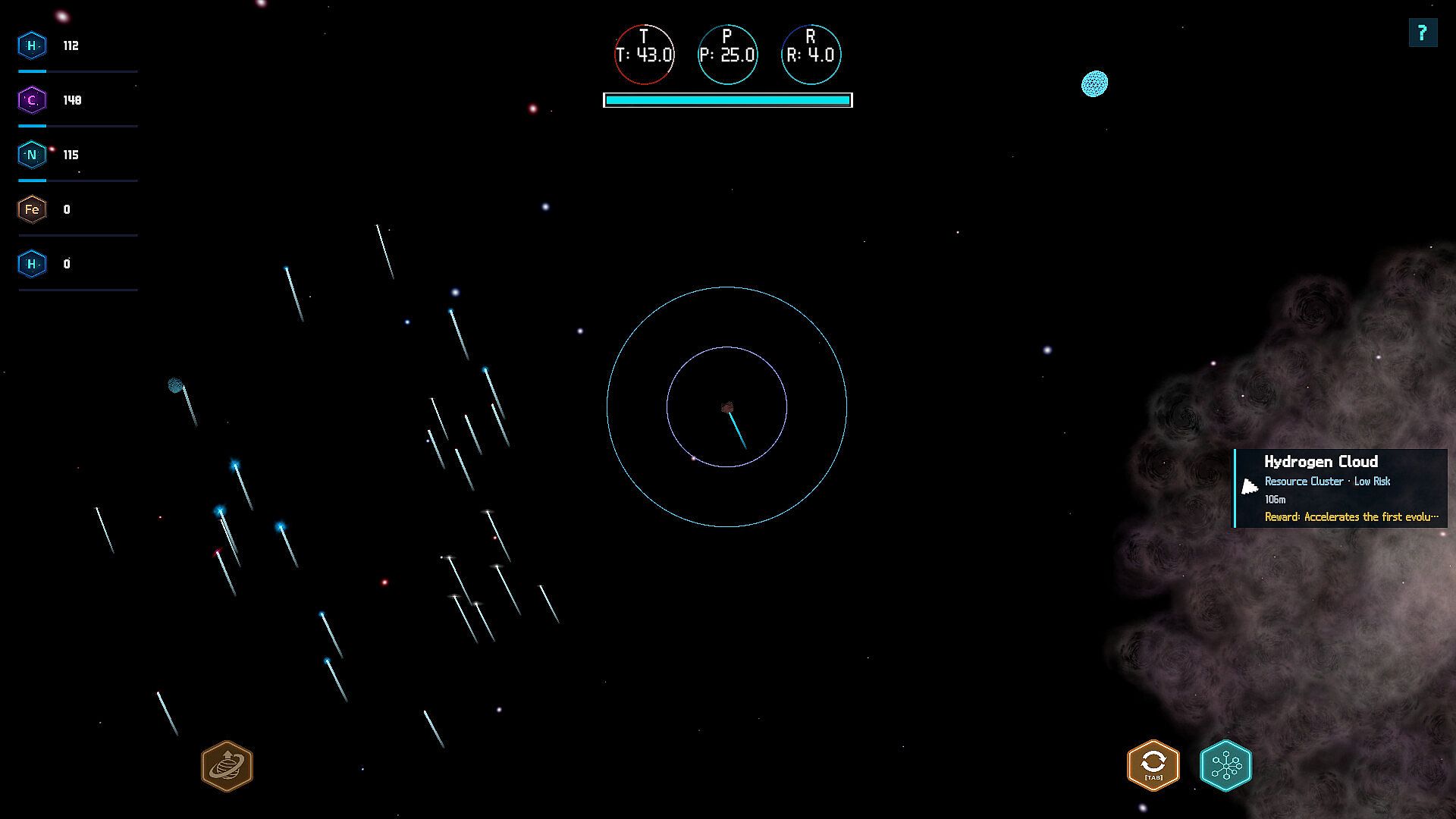
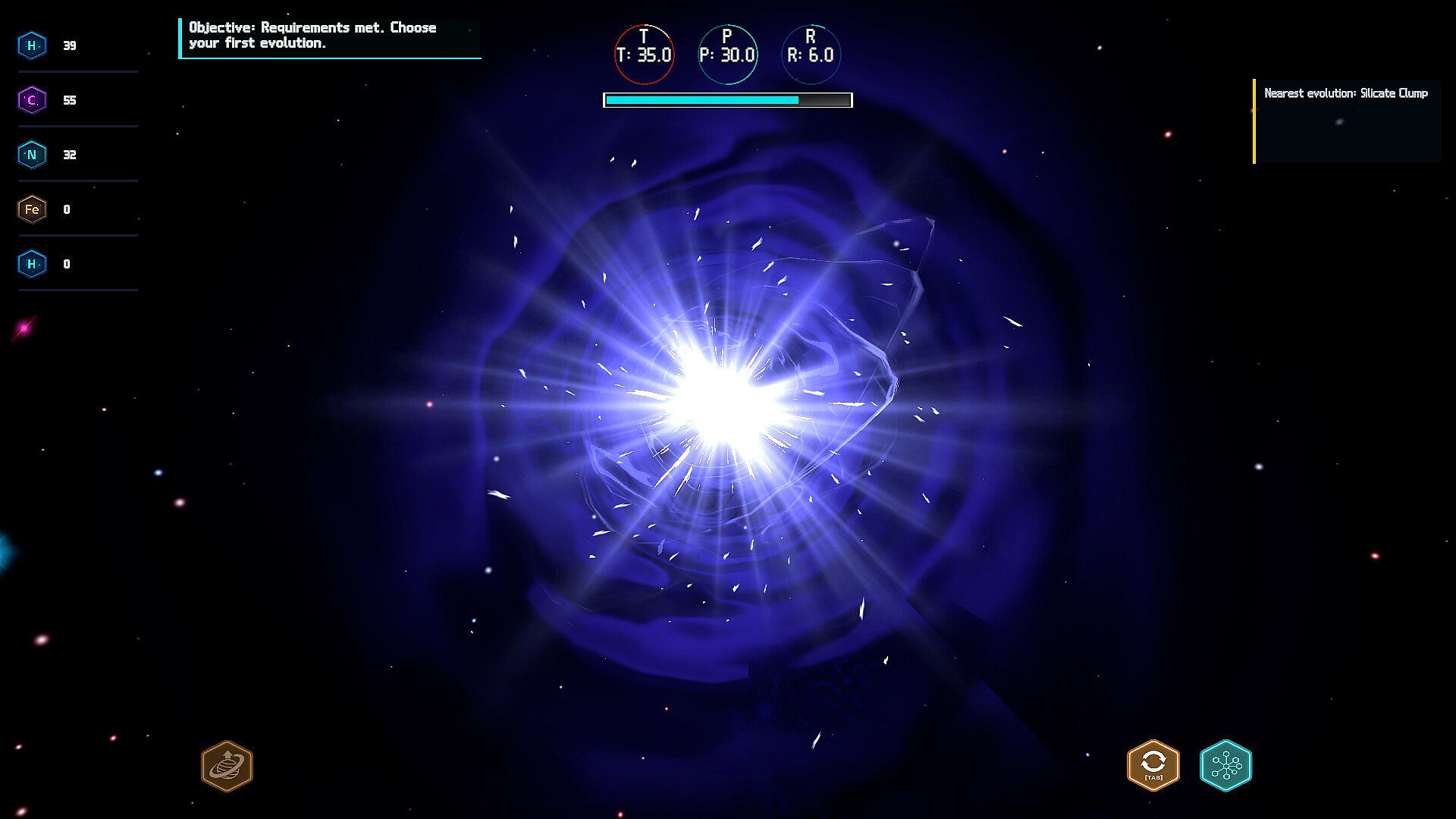
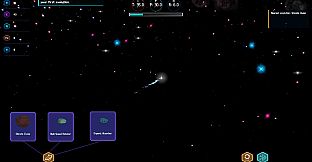
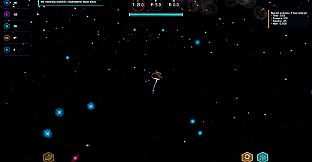
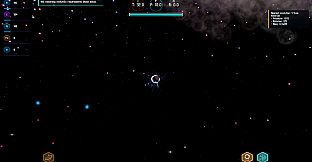
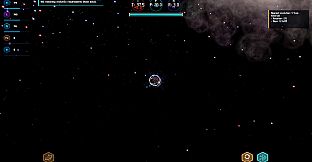
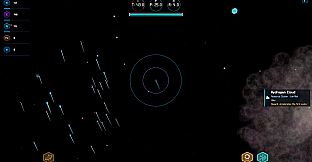
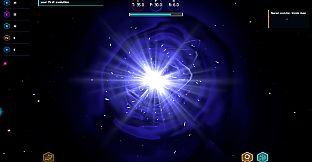
„Mamo! Chcę zostać czarną dziurą, jak dorosnę!" to indyjska gra akcji na PC, w której gracz zaczyna jako pyłek kurzu i stopniowo przechodzi przez kolejne etapy kosmicznego rozwoju, aż do osiągnięcia formy czarnej dziury. Główny trzon rozgrywki opiera się na pochłanianiu materii, sterowaniu polem grawitacyjnym oraz poruszaniu się po zmieniającym się wszechświecie pełnym zagrożeń i możliwości. Podstawę stanowi tryb jednoosobowy, a mechaniki skupiają się na stopniowym przyroście masy, zaburzaniu orbit oraz wyborze materiałów, które wpływają na dalszą ewolucję.
Rozgrywka
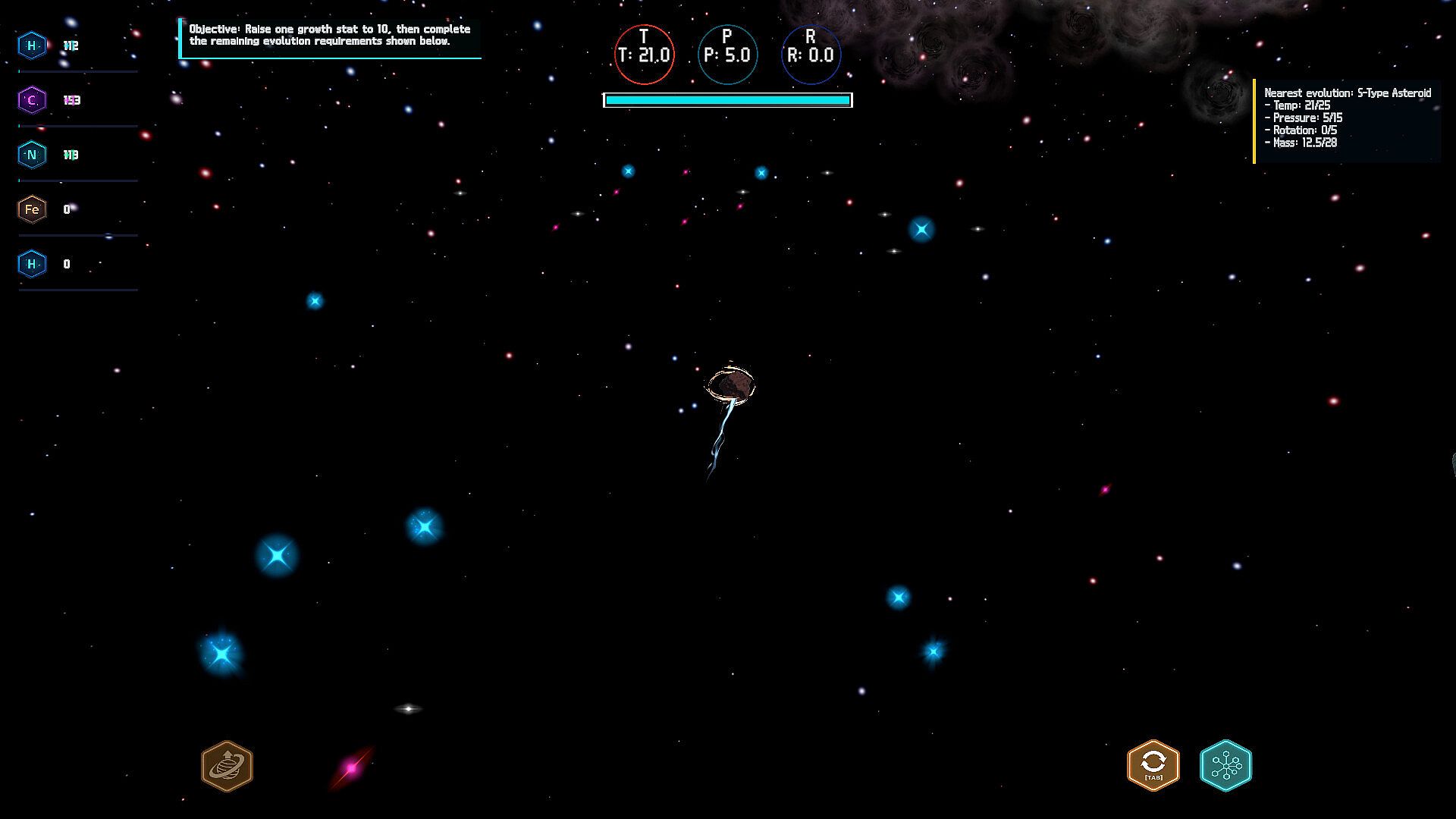
Mechanika gry polega na rozpoczęciu jako niewidoczny, niewielki obiekt i przyciąganiu pobliskiej materii, by zwiększać rozmiar i odblokowywać kolejne formy. Gracz kieruje polem grawitacyjnym, zbierając surowce, jednocześnie unikając ciał niebieskich, które same dążą do powiększania swojej masy. Rozwój przebiega przez kolejne fazy - od asteroidy, przez planetę, gazowego olbrzyma i gwiazdę, aż do czarnej dziury zdolnej wpływać na czasoprzestrzeń.
Kolizje prowadzą do dynamicznych starć, w których grawitacja i rotacja decydują o wyniku. Kluczem do sukcesu jest budowanie prędkości obrotowej i zadawanie precyzyjnych uderzeń, które rozbijają przeciwników. Zasoby pozyskane podczas tych wydarzeń bezpośrednio wspierają dalszy rozwój.
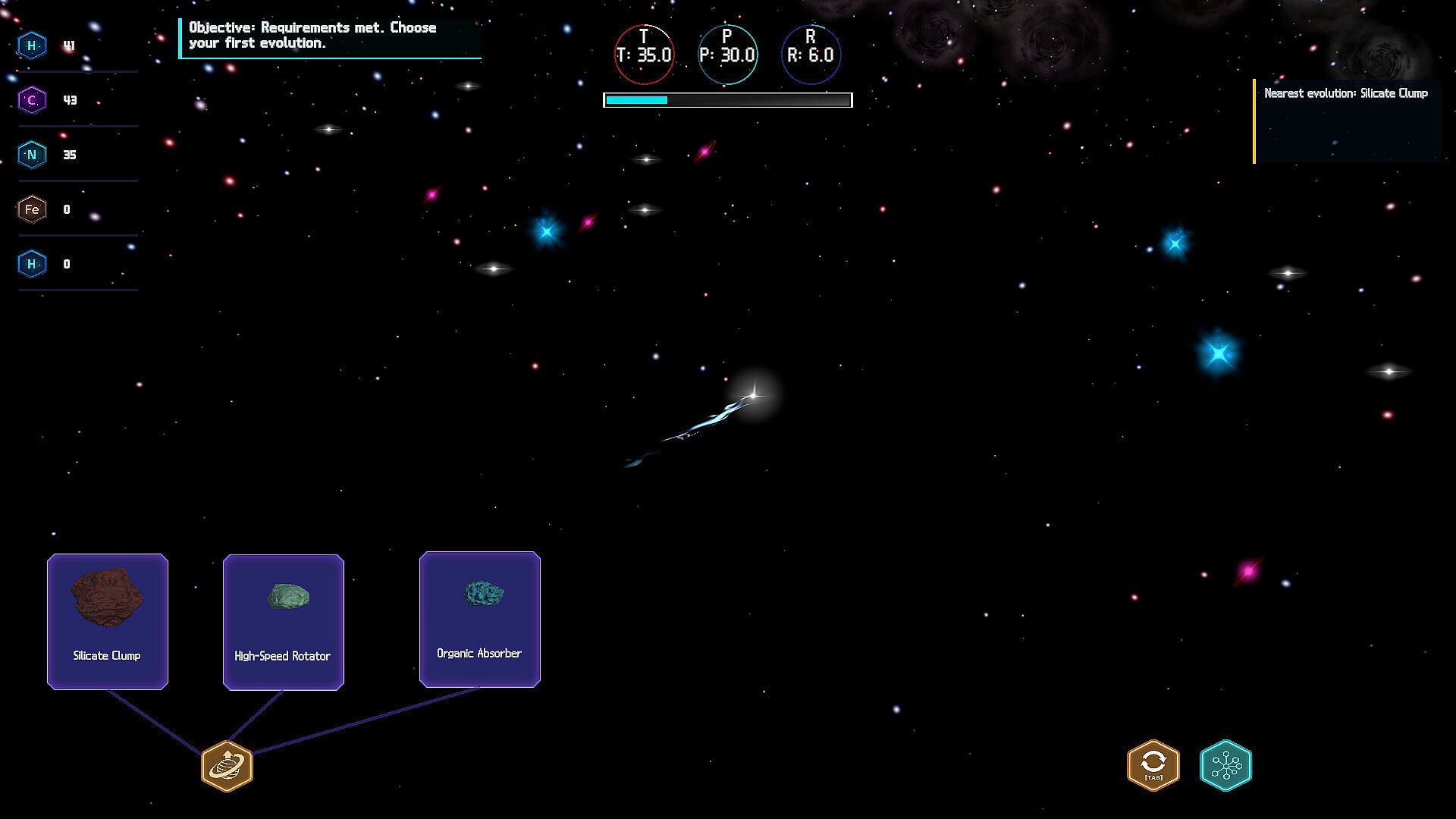
Ścieżki ewolucji zależą od decyzji dotyczących temperatury, ciśnienia, masy i składu materii. Różne kombinacje zebranych pierwiastków prowadzą do odmiennych rezultatów, nawet przy identycznym początku. Kataklizmy, takie jak deszcz meteorytów, przerywają proces, ale jednocześnie dostarczają dodatkowych odłamków, które - odpowiednio wykorzystane - przyspieszają postęp.
Tryby gry
Gra jest dostępna wyłącznie w wersji jednoosobowej - nie wprowadzono trybów wieloosobowych ani oddzielnych wariantów rozgrywki. Postęp odbywa się w ciągłej kampanii skupionej na osobistym rozwoju i przetrwaniu w obliczu zagrożeń środowiskowych. Osiągnięcia na Steamie rejestrują kolejne etapy ewolucji oraz zarządzanie zasobami, wyznaczając cele w ramach trybu jednoosobowego.
Mechaniki pozostają spójne w kolejnych sesjach i koncentrują się na kontroli grawitacji, rozstrzyganiu kolizji oraz podejmowaniu decyzji adaptacyjnych. Brak dodatkowych trybów podkreśla znaczenie podstawowej pętli rozgrywki: pochłaniania, starć i transformacji.
Ewolucja i system zasobów
Zarządzanie zasobami wykracza poza samą ilość - obejmuje także zmiany jakościowe wpływające na formę i możliwości. Gracz modyfikuje materiały planetarne poprzez selektywne pochłanianie, co przekłada się na stabilność, siłę i podatność na zagrożenia w późniejszych fazach. System nagradza świadome wybory, ponieważ nieodpowiednie połączenia mogą ograniczać opcje lub zwiększać ryzyko.
Wydarzenia katastroficzne pełnią podwójną rolę - sprawdzają wytrzymałość, ale jednocześnie dają szansę na odzyskanie cennych fragmentów. Przetrwanie uderzeń i wykorzystanie rozproszonych szczątków pozwala kontynuować rozwój, zamieniając potencjalne przeszkody w impuls do dalszego wzmacniania.
Czy warto zagrać?
Gra skierowana jest do osób ceniących przemyślane mechaniki wzrostu oraz interakcje oparte na fizyce w formule indyjskiej gry akcji dla jednego gracza. Jej nacisk na manipulację grawitacją i walki rotacyjne wyróżnia ją na tle typowych gier przyrostowych czy symulacyjnych. Wymagania sprzętowe są niskie, co zapewnia płynną rozgrywkę na komputerach z Windowsem o przeciętnej specyfikacji.
Jako premiera bez dostępnych recenzji, gra pozostaje jeszcze nieoceniona przez graczy. Osoby zainteresowane tematyką kosmiczną, personalizacją materii oraz pokonywaniem wyzwań środowiskowych mogą znaleźć w niej angażujący system, gdy tylko trafi do sprzedaży. Struktura jednoosobowa i wsparcie dla osiągnięć wskazują na spójne doświadczenie skupione na indywidualnym rozwoju, bez elementów społecznościowych czy rywalizacyjnych.