


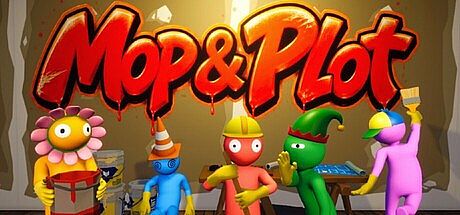


Mop & Plot is an online multiplayer social deduction game that blends task completion with hidden sabotage in a workplace setting. Players join a crew of up to 12 on PC to handle cleaning and maintenance duties before time runs out, all while using proximity voice chat to communicate and physics-based tools to interact with the environment and each other.
Gameplay
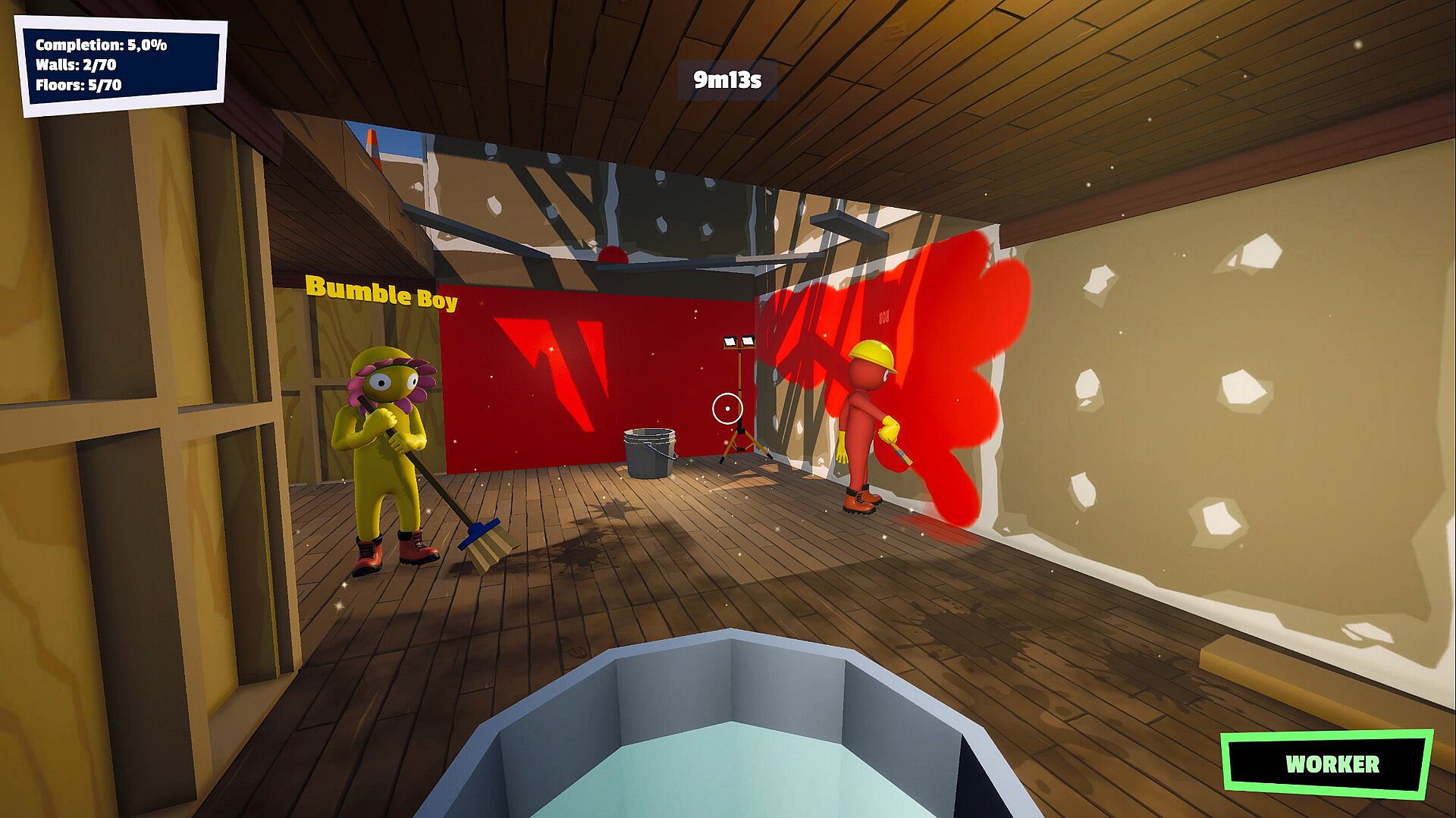
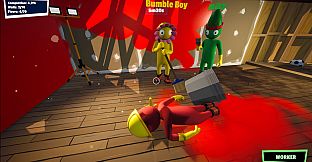
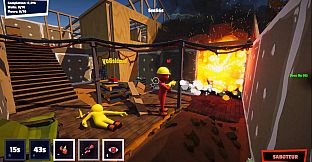
The core loop centers on dividing labor among the crew to finish a shift's objectives. Tasks include painting walls, scrubbing floors, and restoring exhibits in what appears to be a museum or similar facility. Players can split up to cover more ground efficiently, pass tools between teammates through physics interactions, and respond to sudden disruptions like fires breaking out. The physics system allows for realistic tossing of objects and environmental reactions, adding unpredictability to routine work. Proximity voice chat lets nearby players converse naturally, enabling quick coordination or private whispers that others cannot overhear, which heightens the tension of figuring out who might be causing problems.
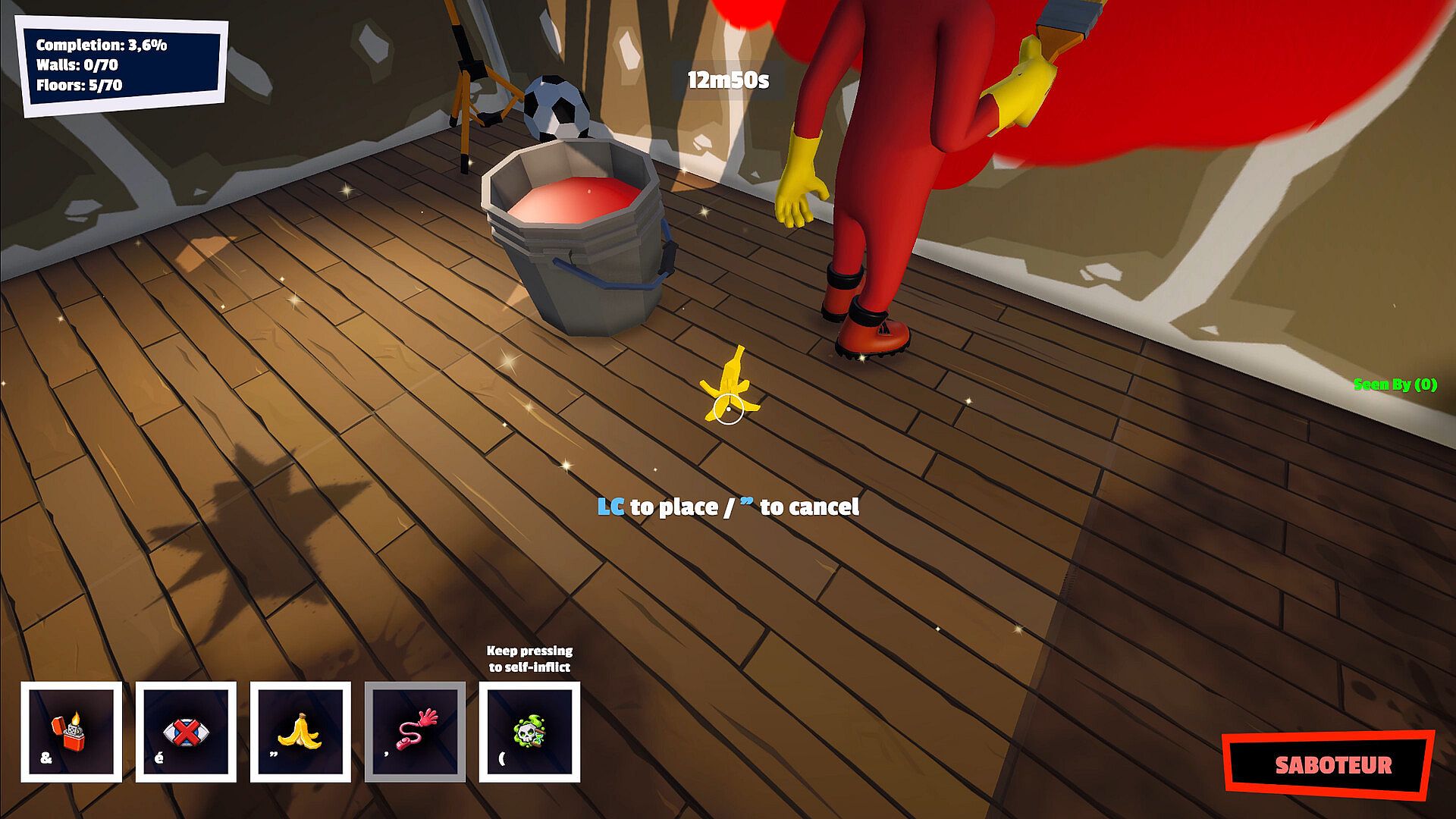
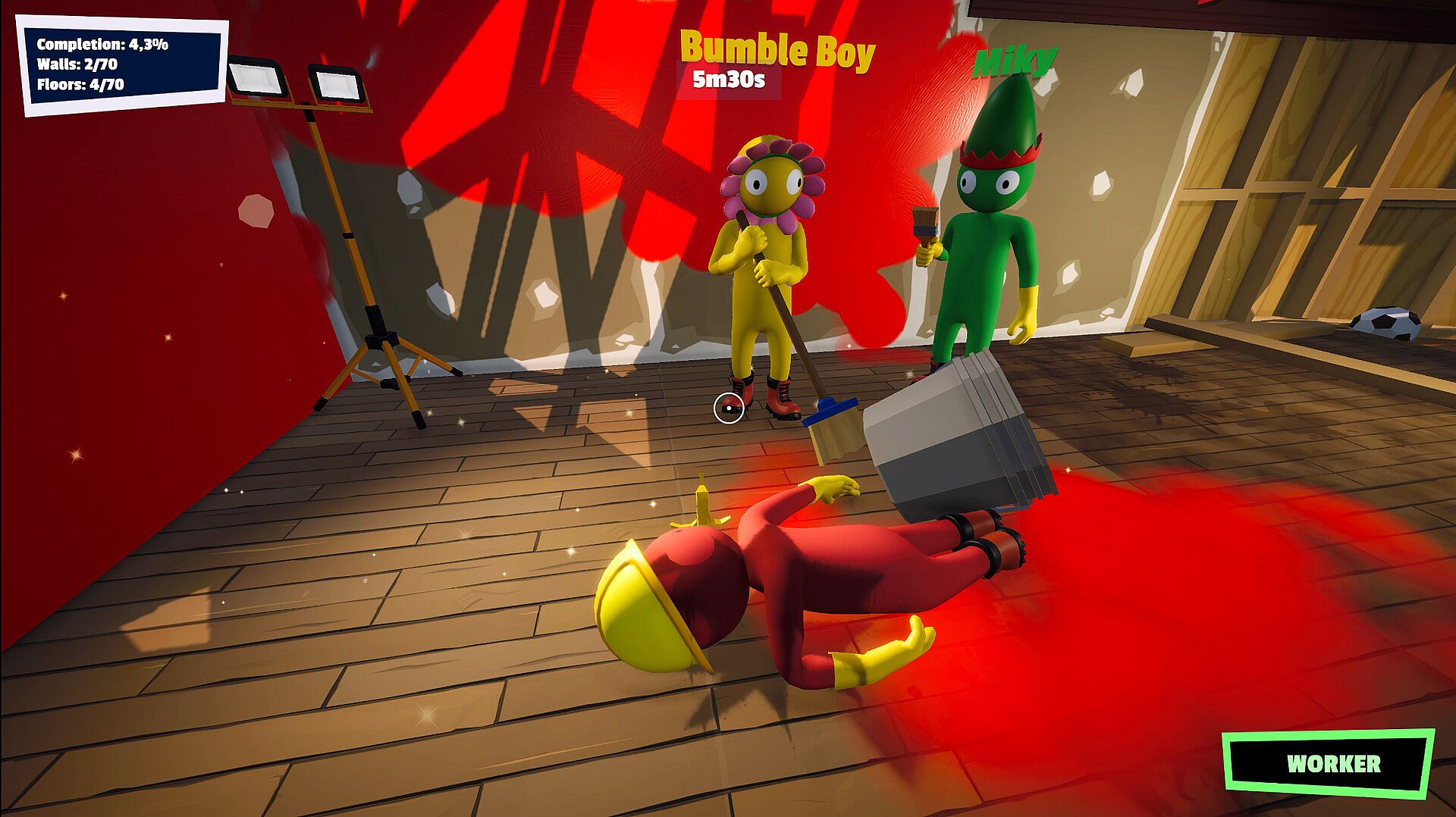
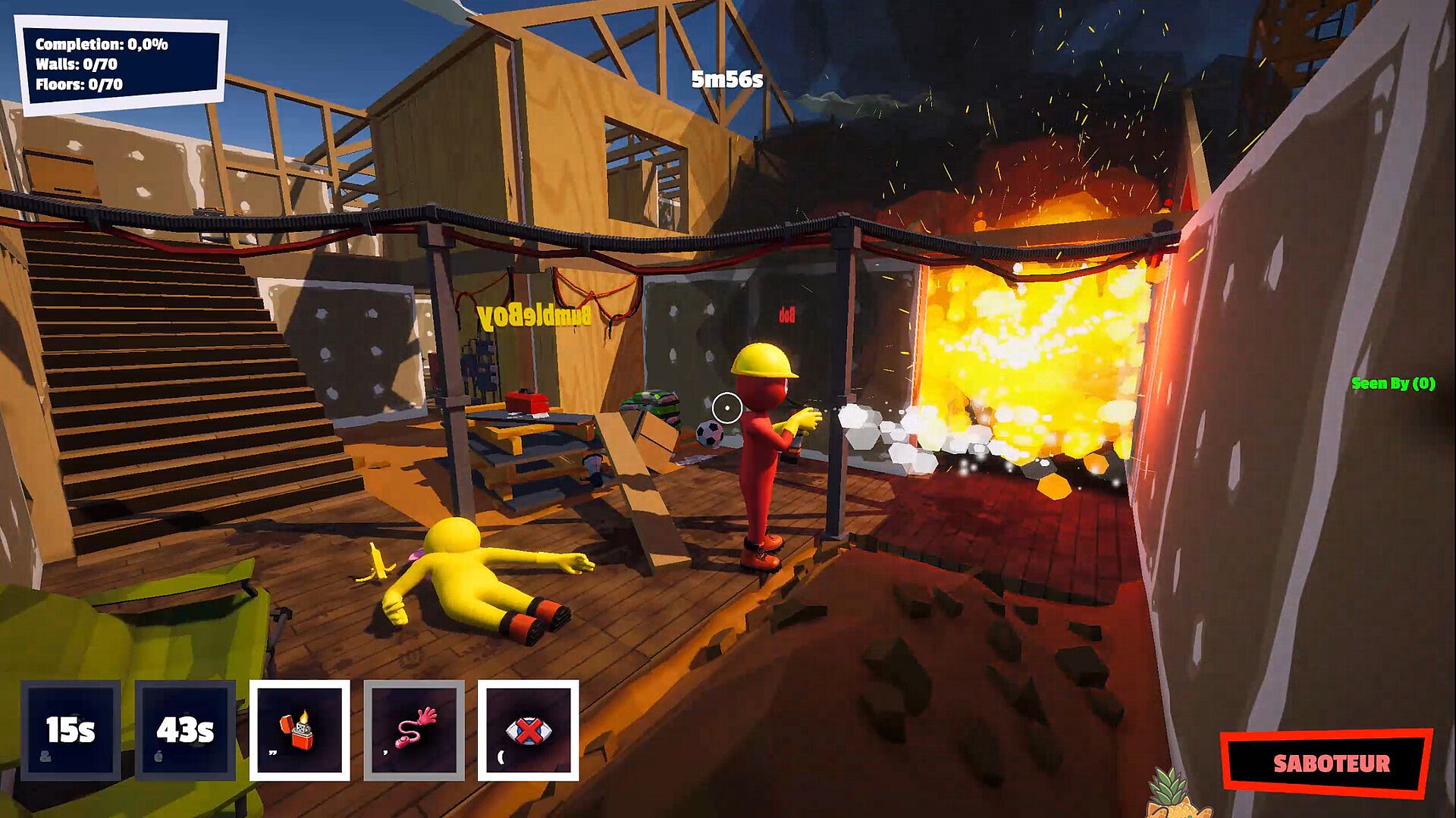
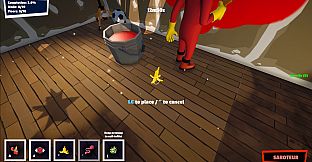
Sabotage elements integrate directly into the workflow. Hidden roles can interfere by placing obstacles such as banana peels in high-traffic areas, igniting fires, or remotely grabbing tools from teammates. These actions slow progress without immediate detection, forcing the group to balance completing duties against investigating suspicious behavior. The system rewards careful observation during the shift, as patterns like repeated fires near certain players or missing equipment can reveal intent before the final vote.
Game Modes
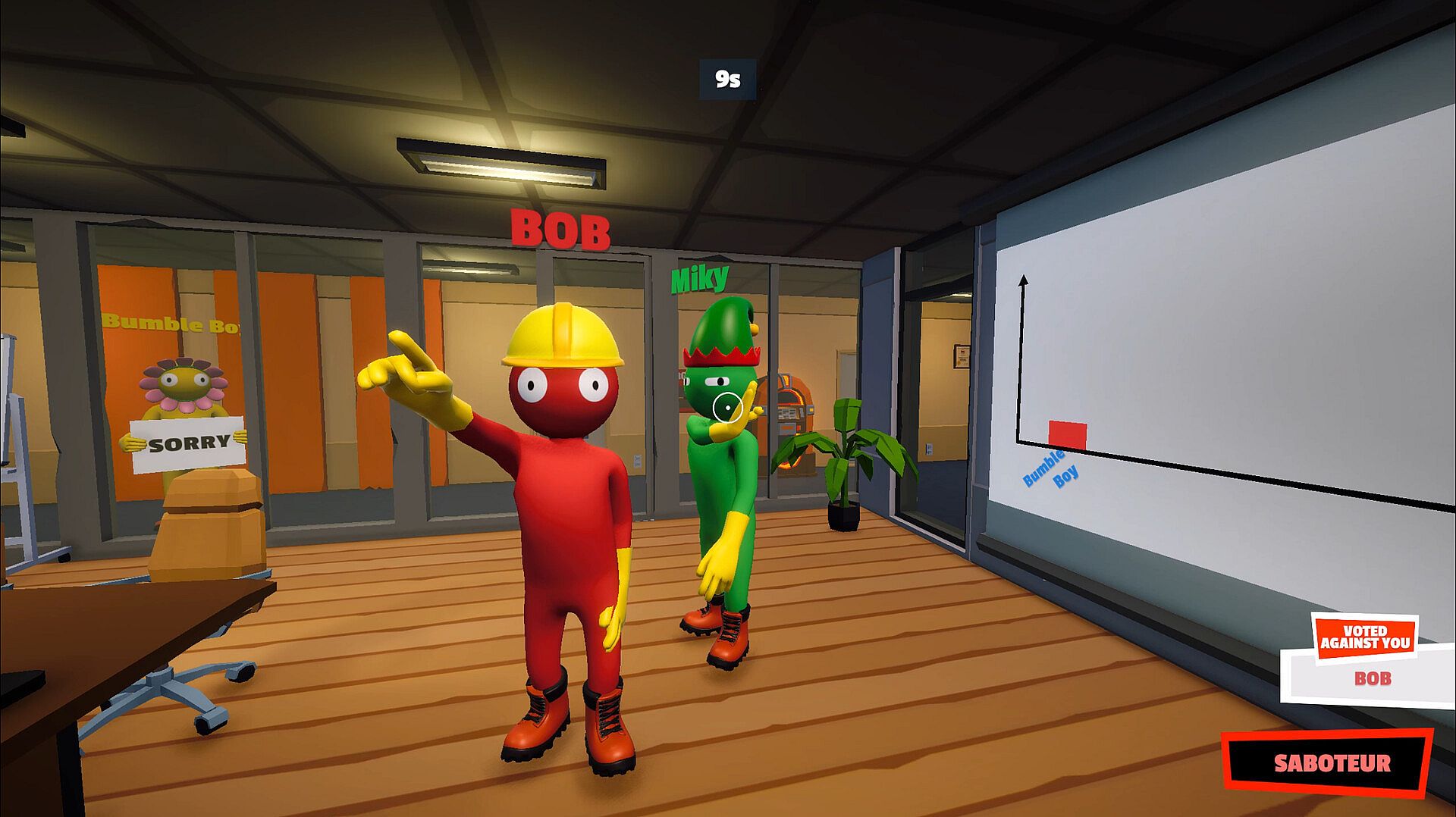
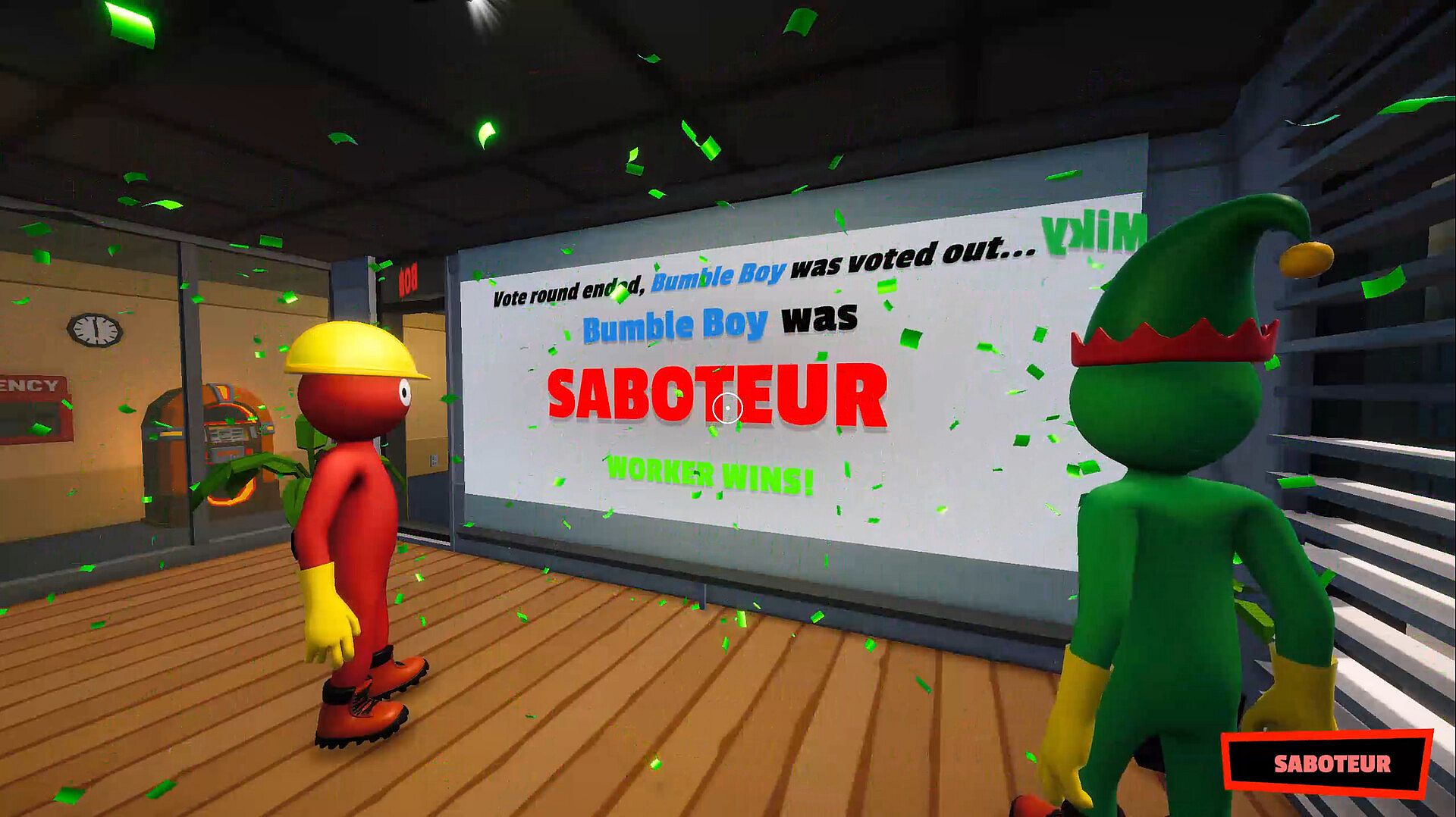
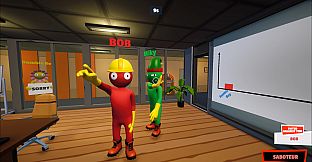
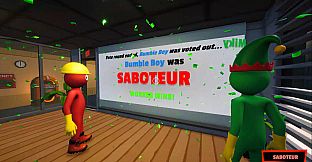
Mop & Plot operates around a single primary experience focused on shift-based rounds that combine cooperative tasks with asymmetric roles. One faction handles the bulk of the work to meet completion goals, while the opposing faction aims to disrupt without being identified. Rounds conclude with a group vote in an office area, where the majority decides who to remove based on evidence gathered through voice chat and observed actions. The structure emphasizes repeated play sessions where roles rotate, encouraging players to adapt strategies across multiple shifts.
Communication mechanics define the flow more than separate modes. Open proximity chat supports team calls during work, while the option to lean in for private talks creates opportunities for deception or alliance building. Voting happens once per shift, with win conditions tied directly to eliminating the disruptive faction or allowing their numbers to grow through successful interference. This setup keeps sessions concise yet replayable, as each round builds on the same core systems without additional variants.
Key Mechanics and Roles
Two main factions drive the conflict. Workers focus on efficient task completion and must identify saboteurs through behavior and conversation to secure a majority vote. Saboteurs earn points by leaving work unfinished and must blend in while causing enough chaos to equal or exceed the remaining workers by the end. Physics-based interactions extend to both sides, letting anyone manipulate objects in creative ways that can aid or hinder the group. The microphone requirement ensures voice chat remains central, as text alternatives would remove the proximity and tone-based deduction that defines the experience.
Environmental details reinforce the theme. Tools and hazards respond realistically to player actions, such as tossed items traveling across rooms or fires spreading if ignored. These elements create organic moments of suspicion, like a coworker conveniently positioned near every incident. The shift timer adds pressure, pushing crews to prioritize tasks while monitoring for internal threats.
Is It Worth Playing?
Mop & Plot targets fans of social deduction games who enjoy a fresh workplace twist on the formula. The combination of practical tasks, sabotage opportunities, and voice-driven deduction creates engaging sessions that reward quick thinking and observation. With a planned 2027 release and no reviews available yet, interest depends on preference for physics-driven multiplayer and proximity chat mechanics over traditional hidden-role setups. Players who like short, repeatable rounds with clear role asymmetry and environmental interaction will find the described systems appealing for group play. The indie action-casual positioning suggests accessible controls and sessions suited to casual gatherings rather than intense competitive scenes. Those seeking variety in deduction gameplay with a cleaning and maintenance theme should consider adding it to a wishlist for future availability.











