


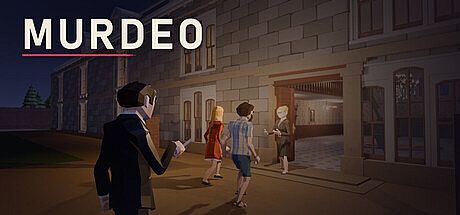





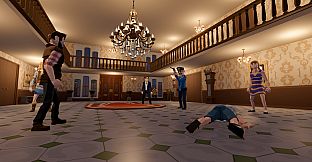
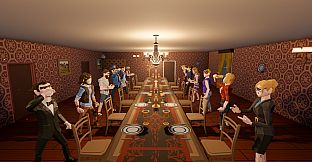

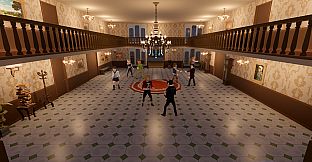
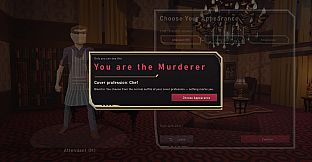
Murdeo is a first-person social deduction game set in a single country mansion over the course of one evening. Players take on roles as guests or staff, with one secretly acting as the murderer and another as the detective while the rest focus on survival. The experience blends action and strategy elements on PC, emphasizing role concealment, task completion, and tense social interactions among four to twelve participants.
Gameplay
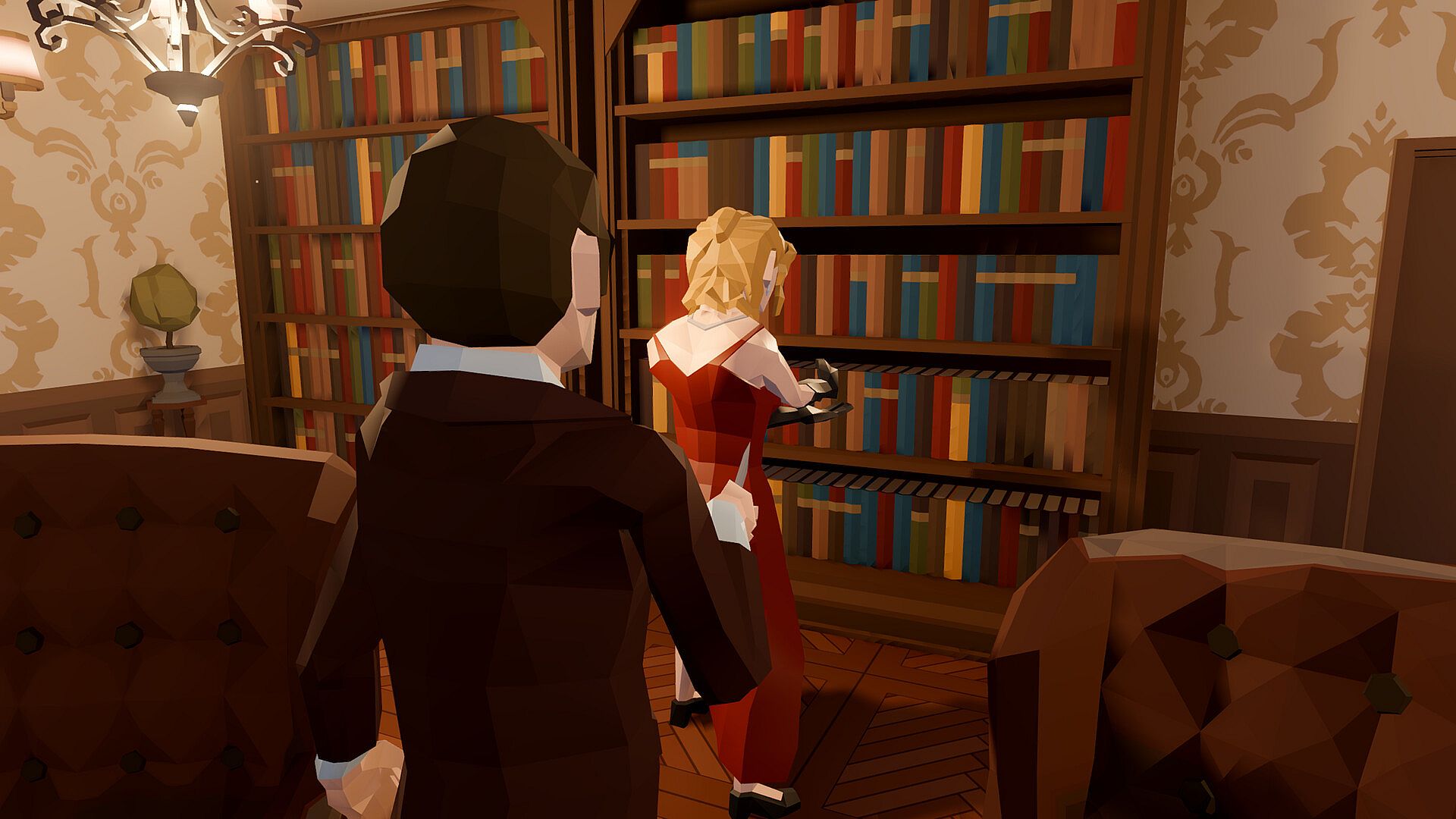
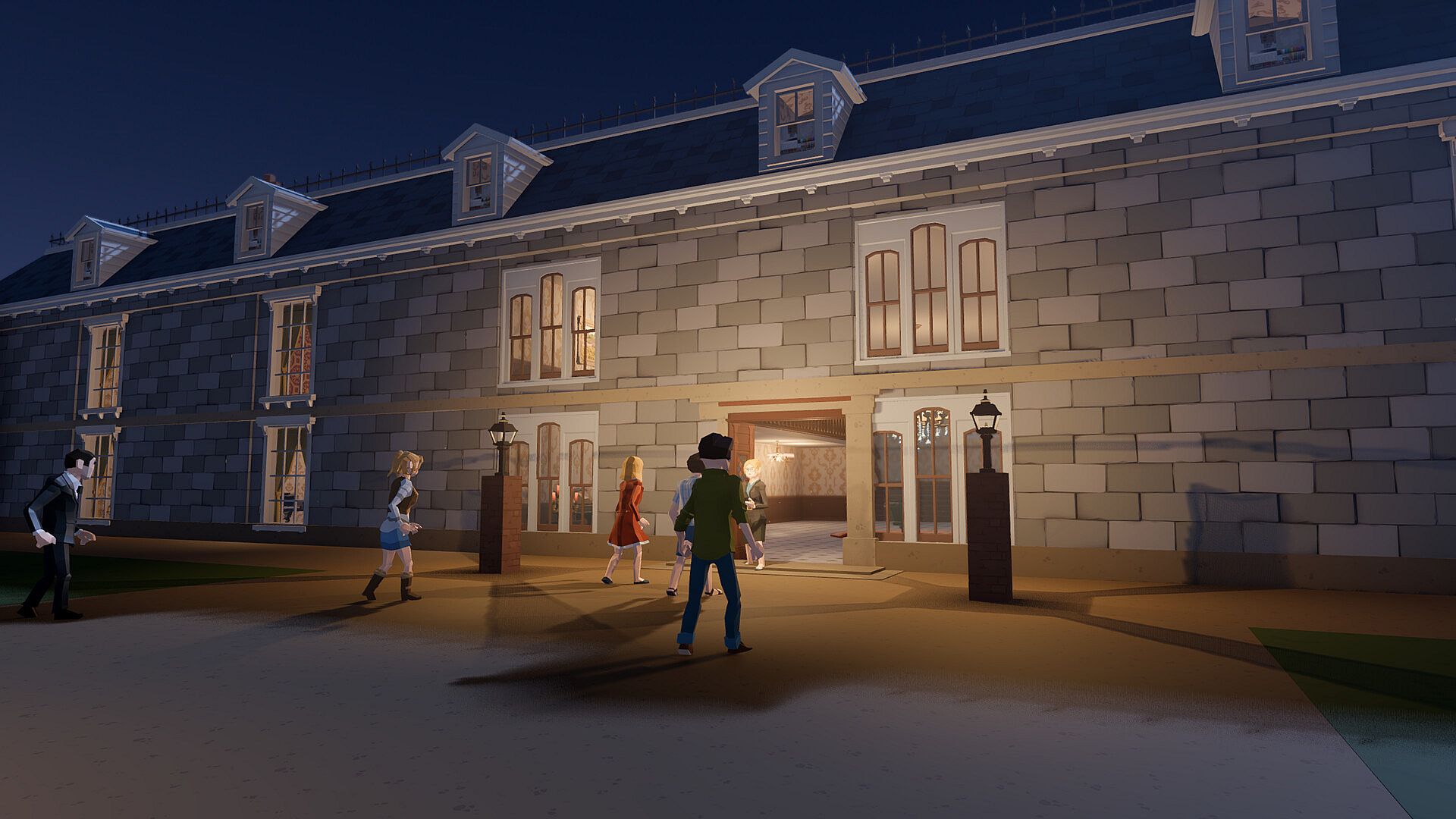
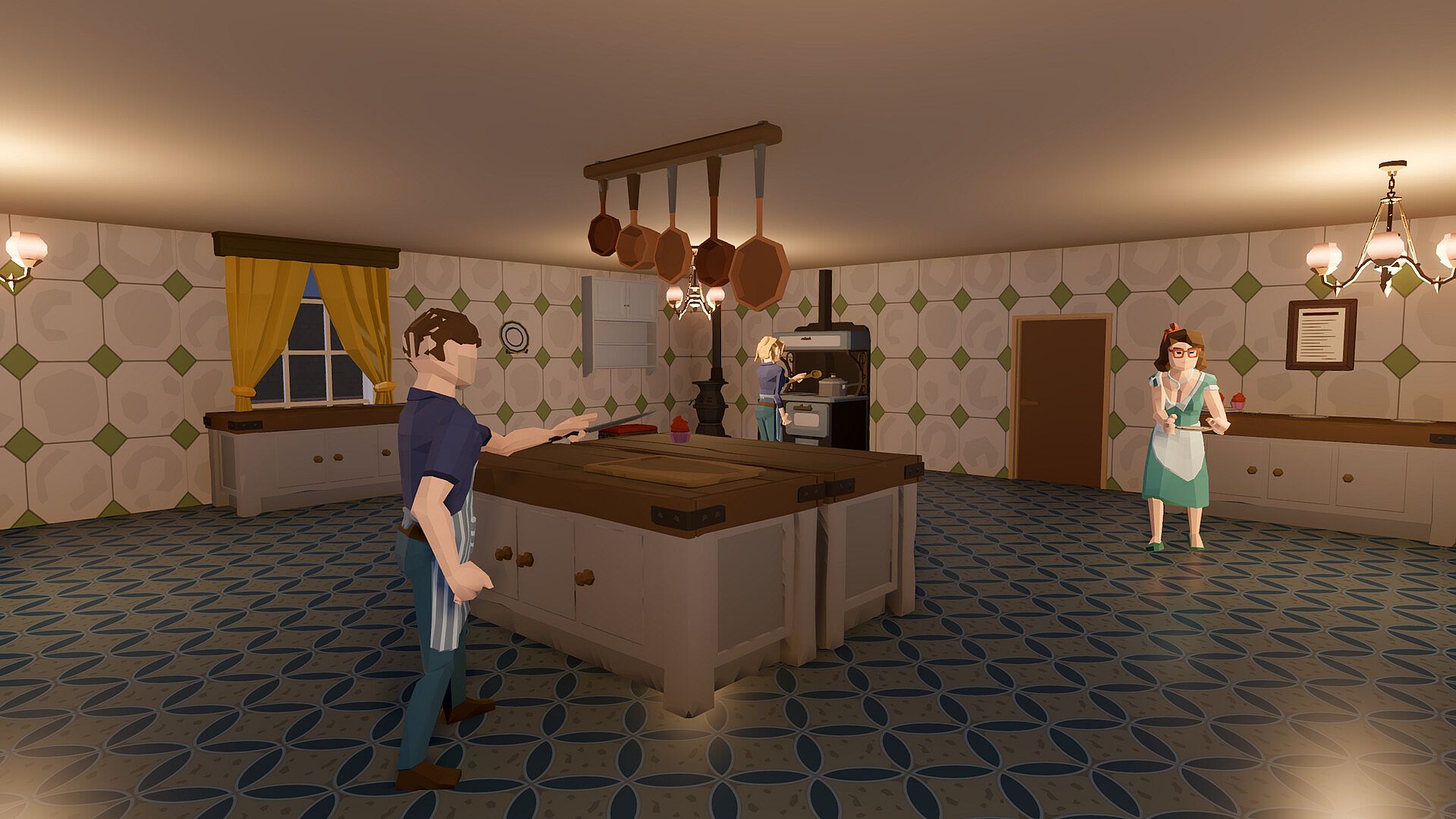
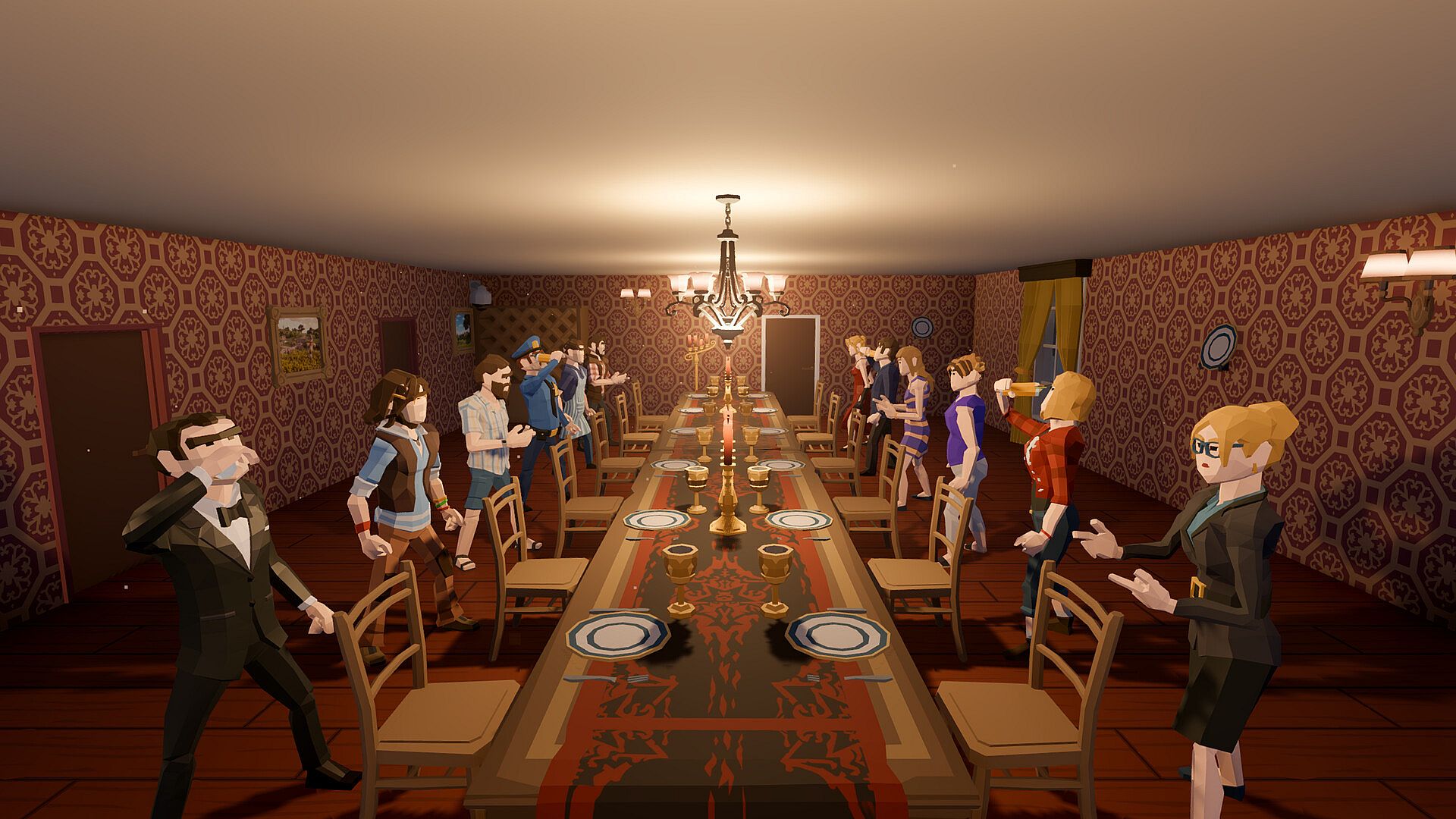
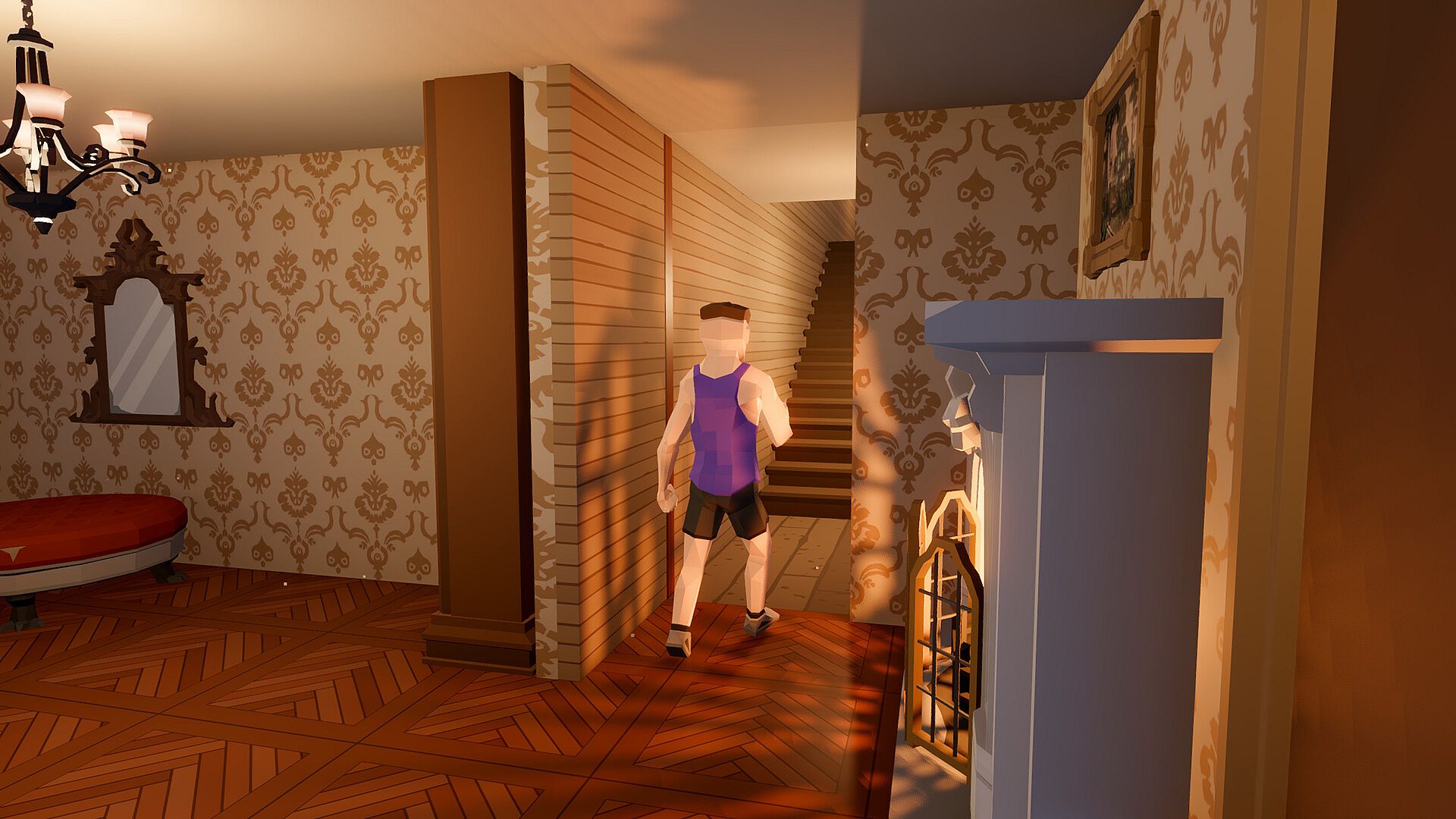
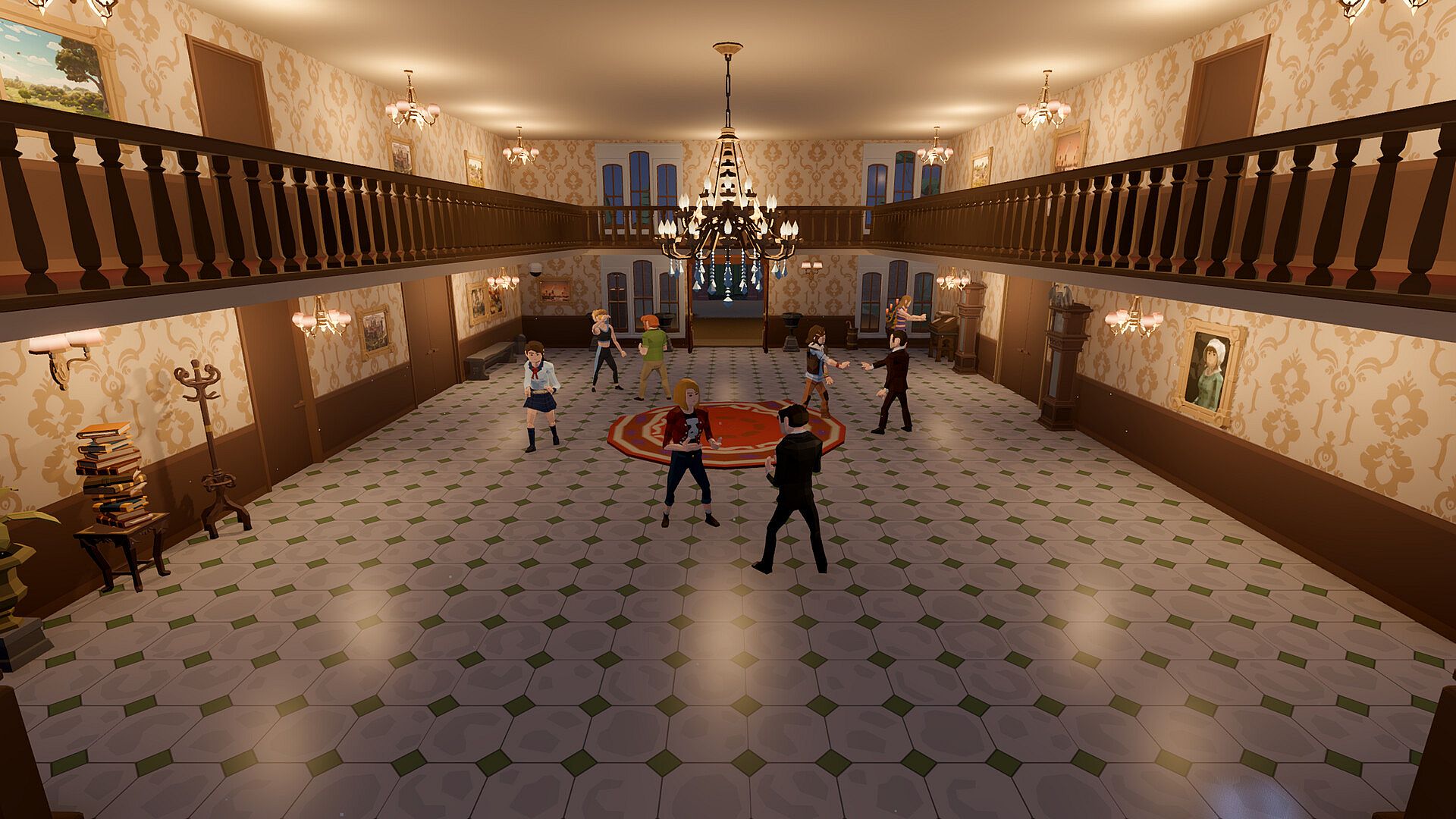
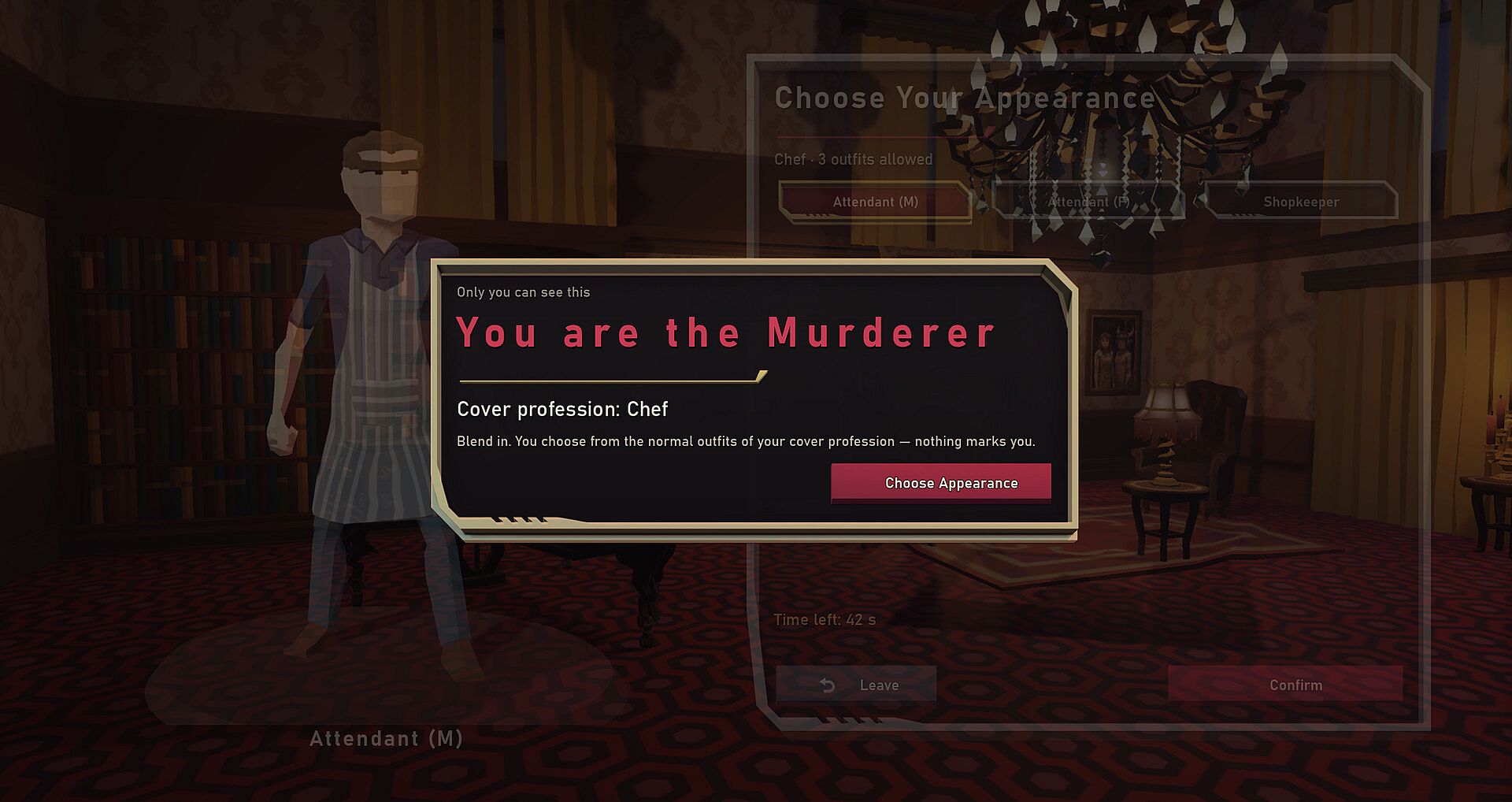
Each participant begins with a cover profession such as host, cook, maid, gardener, or janitor. Performing the associated duties around the house helps maintain an appearance of normalcy and reduces suspicion from others. The murderer also holds a cover role and must balance routine tasks with opportunities to strike. Movement through the large mansion allows access to dozens of rooms including a grand hall, dining room, library, and exterior grounds. Hidden doors and secret passages provide ways to evade detection or approach targets unexpectedly. A security hut equipped with cameras monitors activity unless the power fails, adding another layer of risk for anyone moving suspiciously.
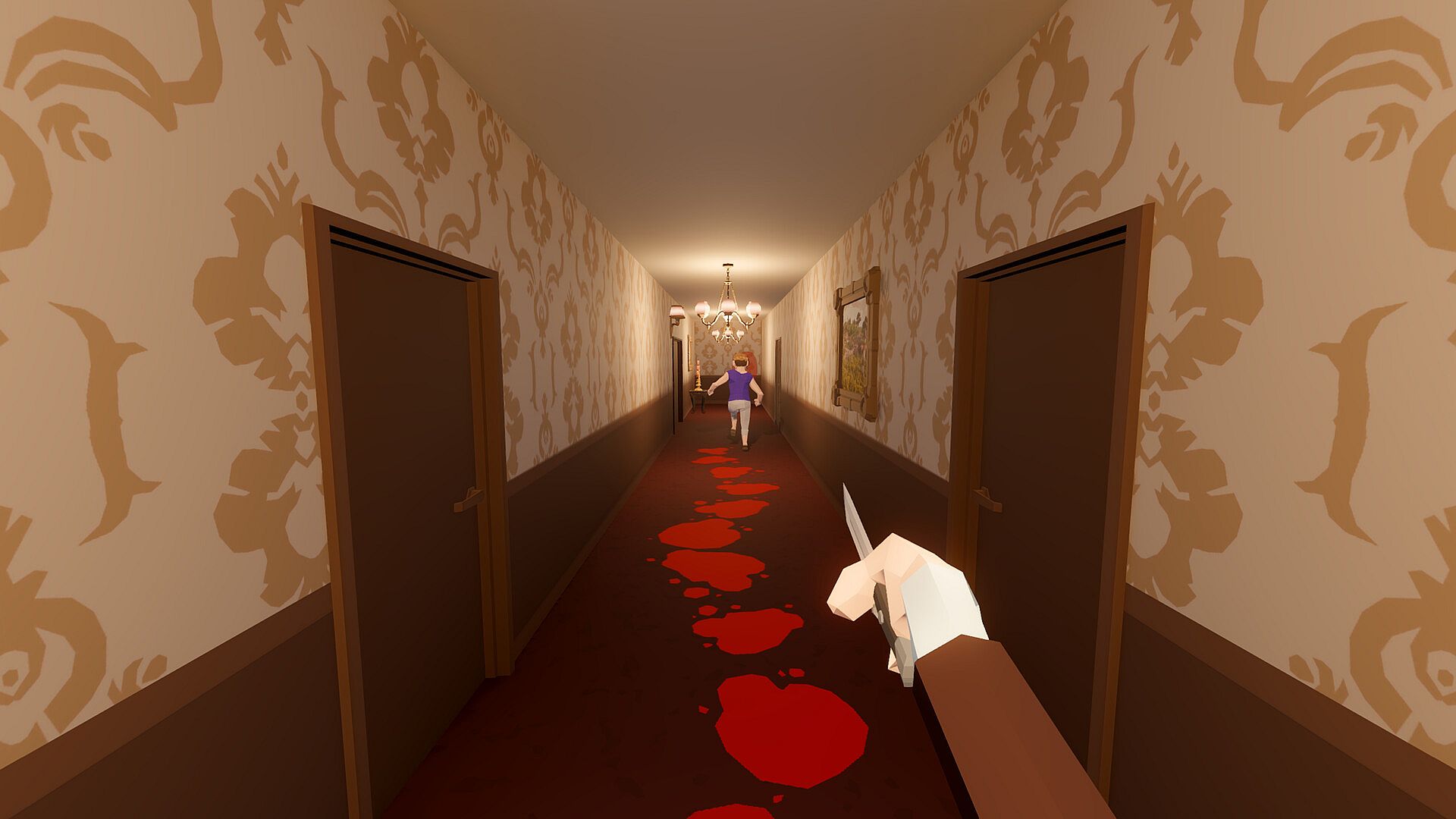
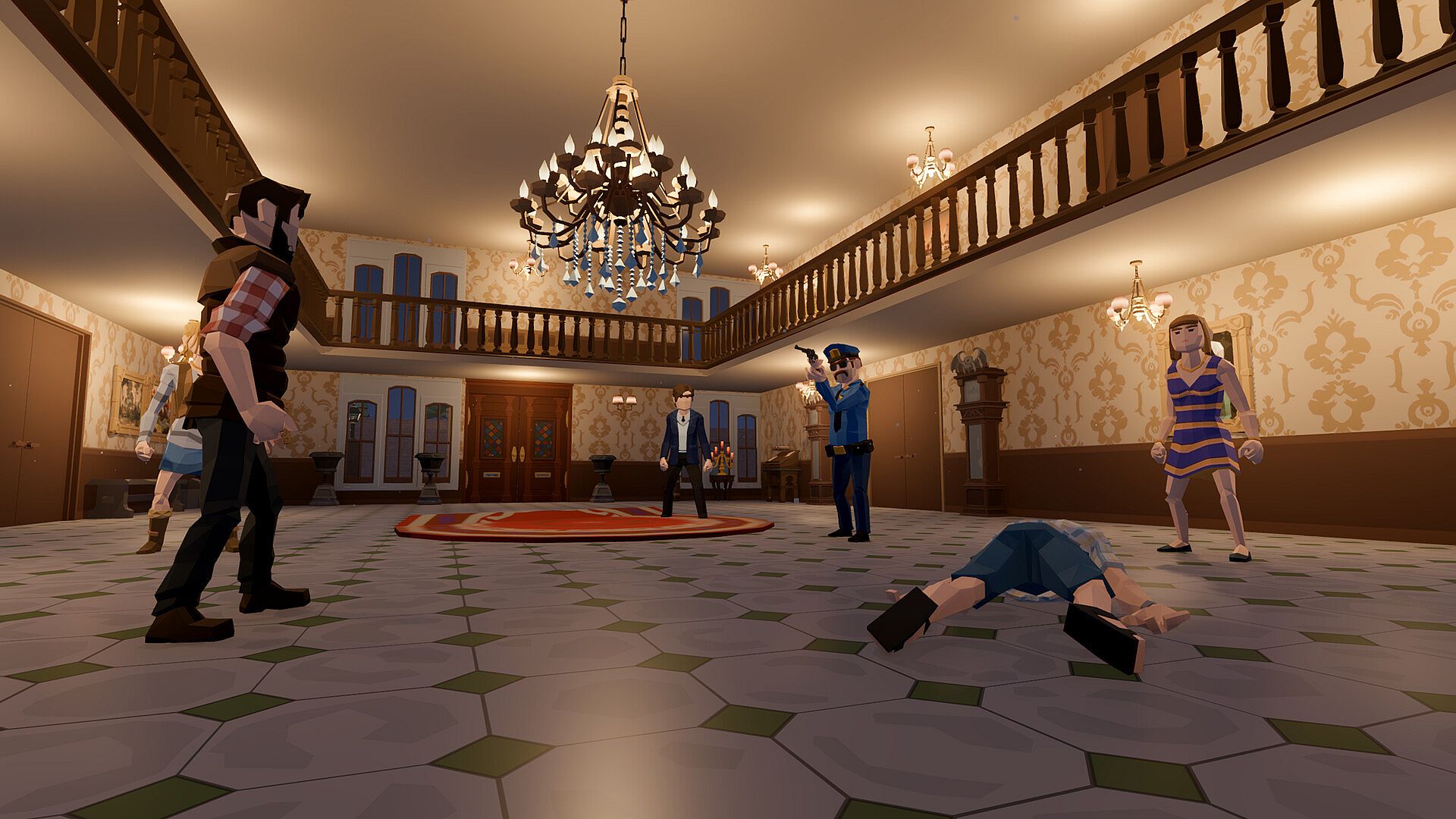
Combat remains limited and deliberate. The murderer relies on a silent knife for eliminations and must choose moments carefully to avoid witnesses. The detective carries a revolver loaded with a single round, requiring precise timing for any confrontation. Bodies can be examined for points that unlock tools, such as a trail leading toward the killer. The murderer gains advantages like assuming another guest's appearance or sensing victims through walls. Proximity voice chat transmits conversations with natural muffling through walls and doors, heightening the realism of overheard suspicions or accusations. Deceased players continue communicating among themselves but remain inaudible to the living. Spectators may join an active round to observe the unfolding events until the next session begins.
Game Modes
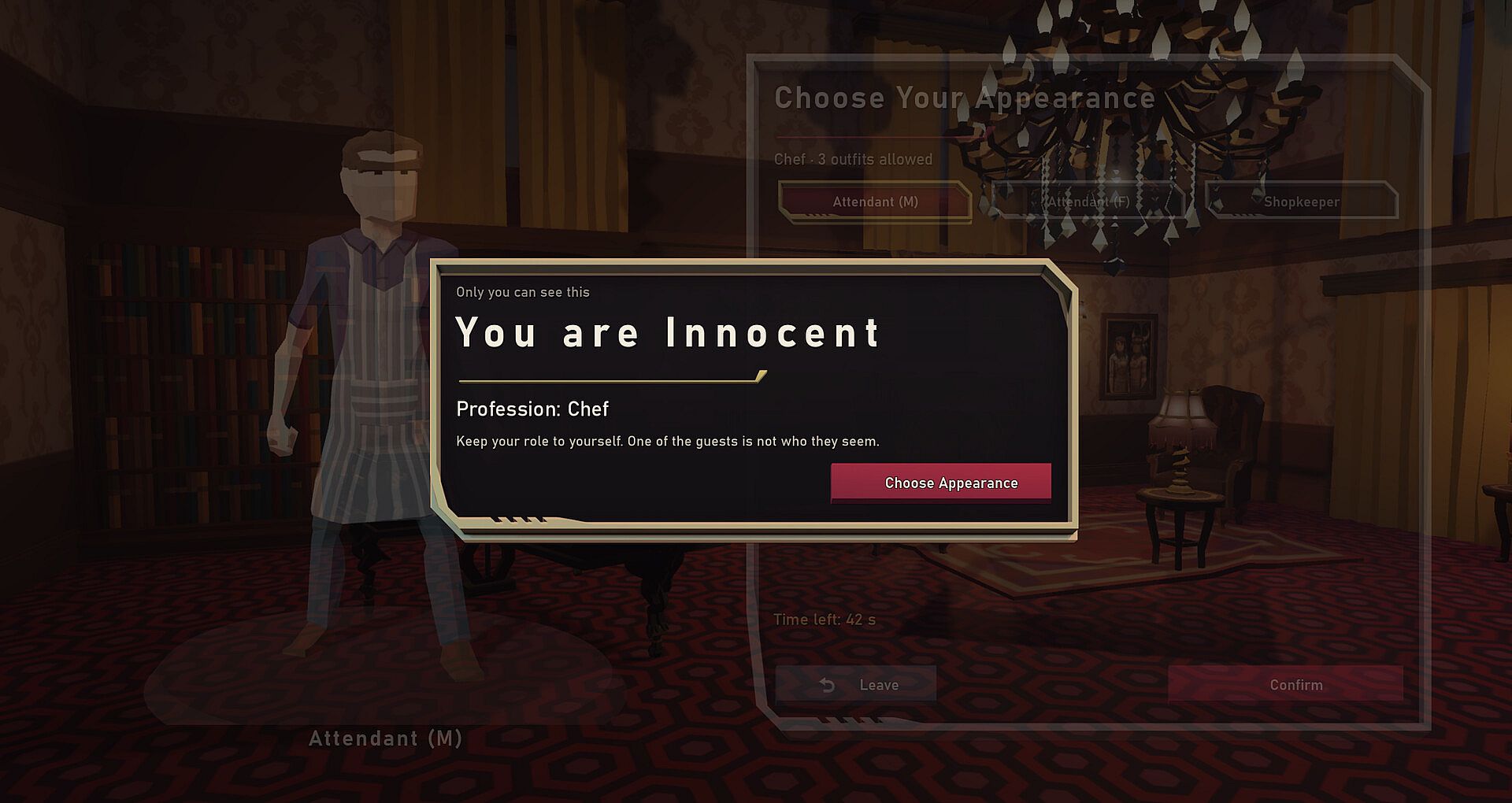
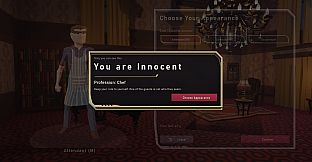
The core experience revolves around a single evening scenario in the mansion where roles are assigned secretly at the start. One player becomes the murderer tasked with eliminating others while maintaining cover. Another serves as the detective responsible for identifying and stopping the threat. Remaining players act as guests or staff whose primary goal is to complete duties and survive. The setup encourages blending into the environment through task performance, using the mansion's layout for movement and concealment, and engaging in verbal exchanges to build or break trust. No additional named modes appear in the available details, keeping the focus on this contained social deduction loop that supports variable player counts from four to twelve.
Roles and Mechanics
Role assignment drives the tension, with the murderer needing to perform convincing duties while seeking isolated opportunities for attacks. The detective's single-shot revolver creates high-stakes decision making during investigations. Other players earn safety through consistent task completion, which keeps them above suspicion. Points systems reward both sides: the detective for body examinations that reveal clues, and the murderer for abilities like disguise or enhanced sensing. Environmental features such as power outages or camera systems influence strategy, forcing players to adapt movement and timing. Voice chat proximity adds immediacy to accusations and alibis, while the ability for the dead to converse privately allows continued involvement without alerting survivors.
Is It Worth Playing?
Murdeo suits players who enjoy social deduction games that combine first-person exploration with role-based strategy and voice communication. The mansion setting and duty system provide concrete ways to stay in character, while the limited combat tools emphasize planning over direct confrontation. With support for four to twelve players, sessions scale to different group sizes and encourage repeated plays as participants rotate roles. The game remains in active development, with an explicit note that no AI-generated art, models, music, or sounds appear in the final assets, and all visual and audio elements rely on hand-made work or licensed packs. Code assistance from AI tools is disclosed separately. Those drawn to tense multiplayer deduction in a detailed environment will find the mechanics rewarding, particularly if they value proximity chat and hidden role dynamics over large-scale action.












