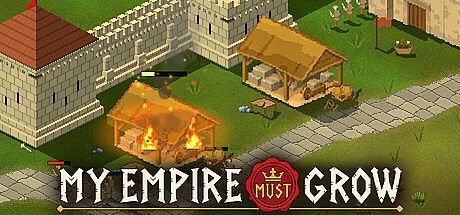


My Empire MUST Grow is a strategy simulation game that puts players in charge of a small settlement facing hostile neighbors from the very start. With just a forum, four villagers, and three kingdoms already opposed to expansion, the core challenge revolves around steady growth through resource management and defensive preparations on PC.
Gameplay
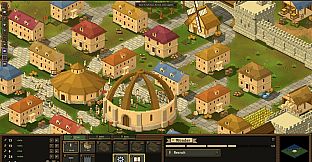
Players assign jobs to villagers to gather food from berry bushes and fields, wood from forests, gold, and stone from mines. Up to six builders can work on a single construction project to speed up progress on buildings like houses, mills, markets, universities, and palaces. These structures only become available through specific age advancements and chosen plans.
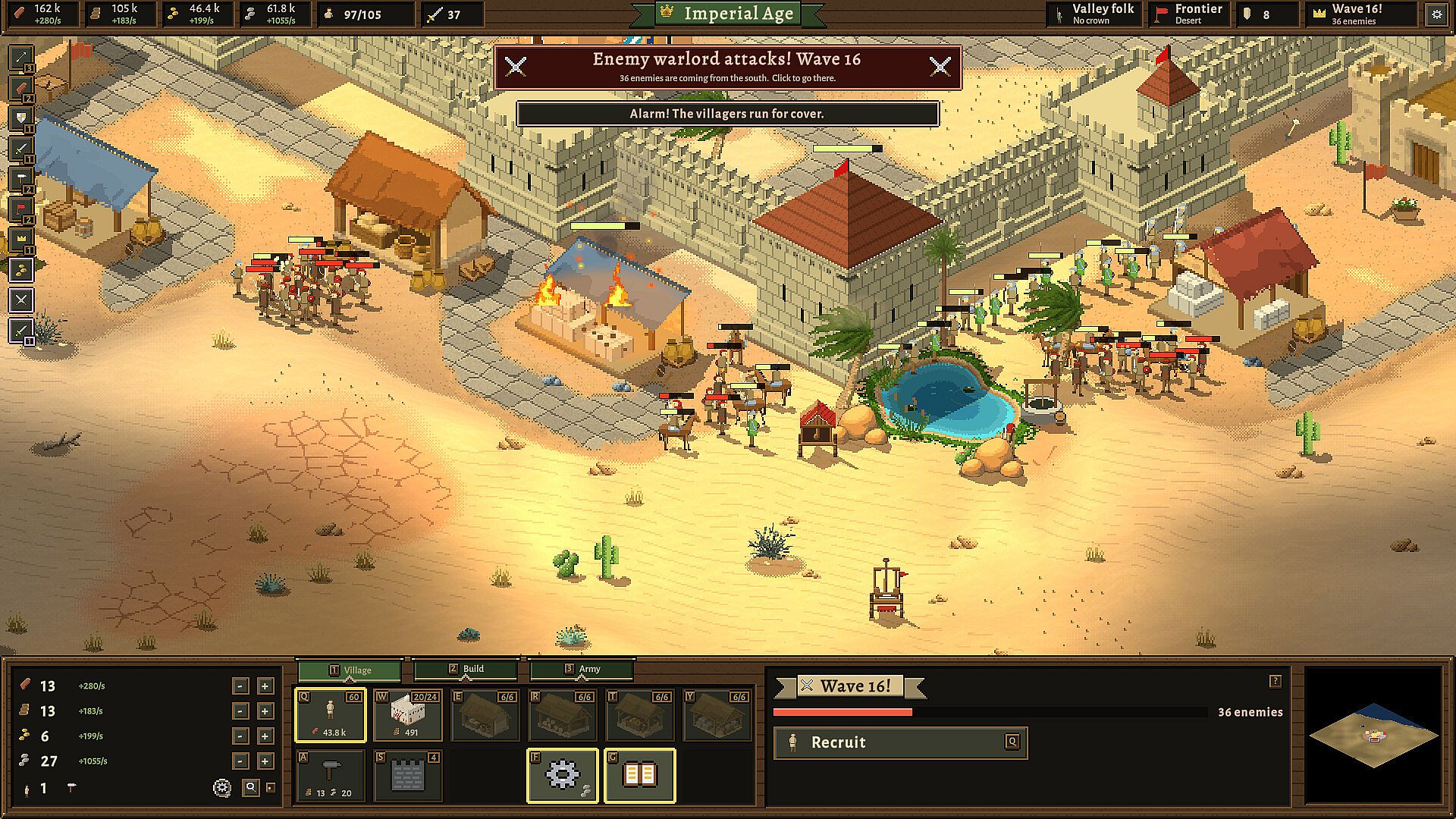
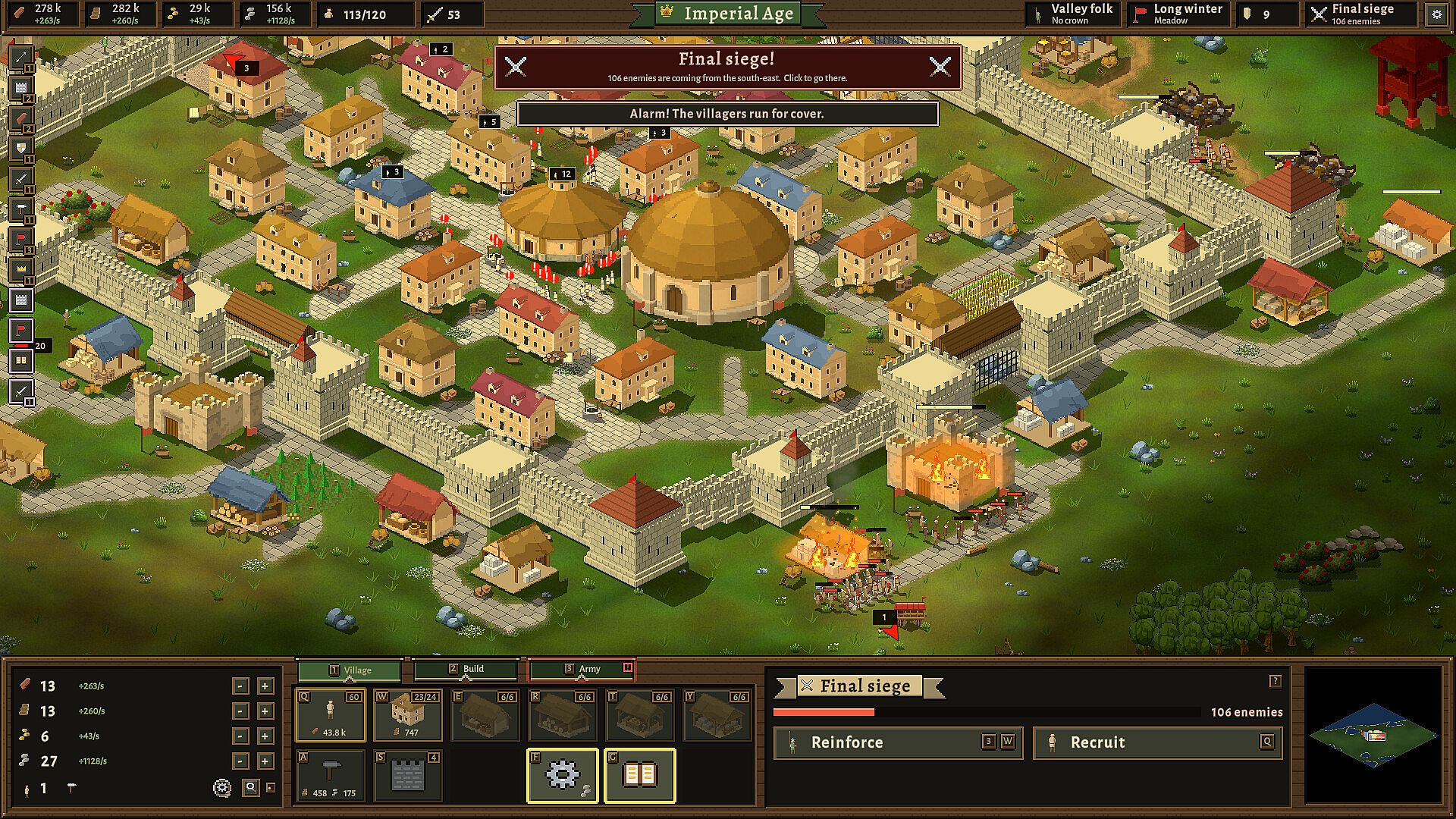
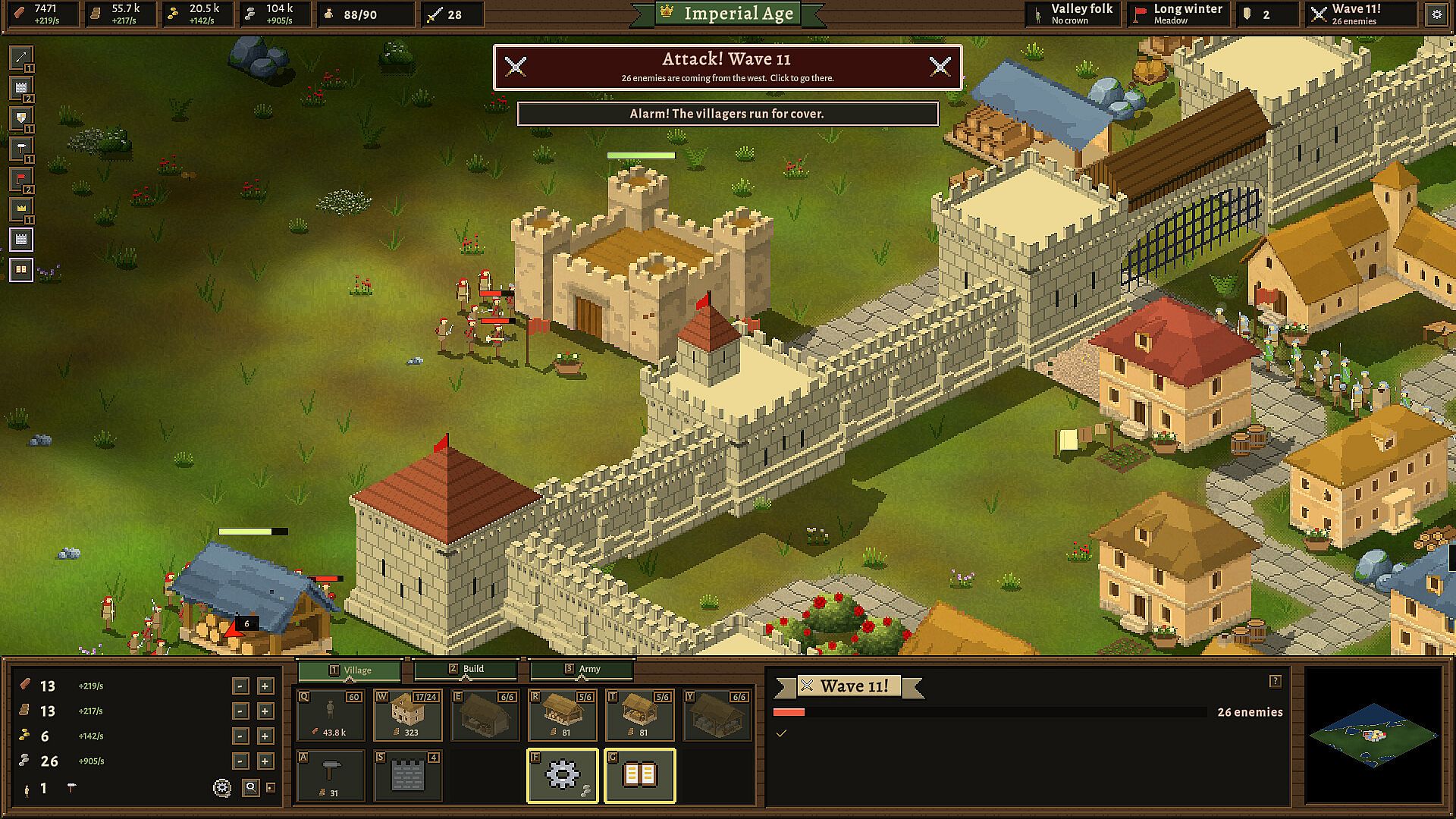
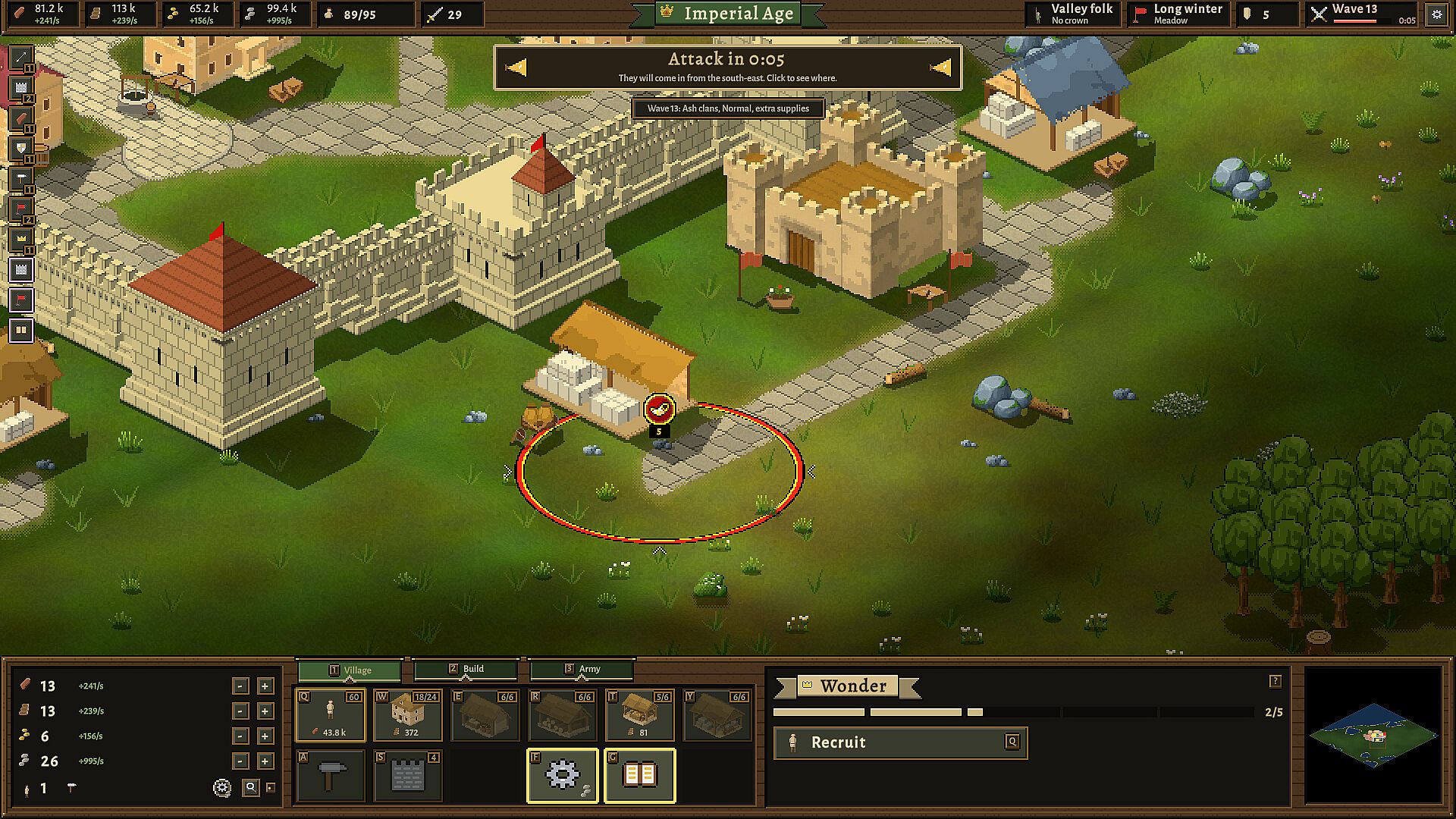
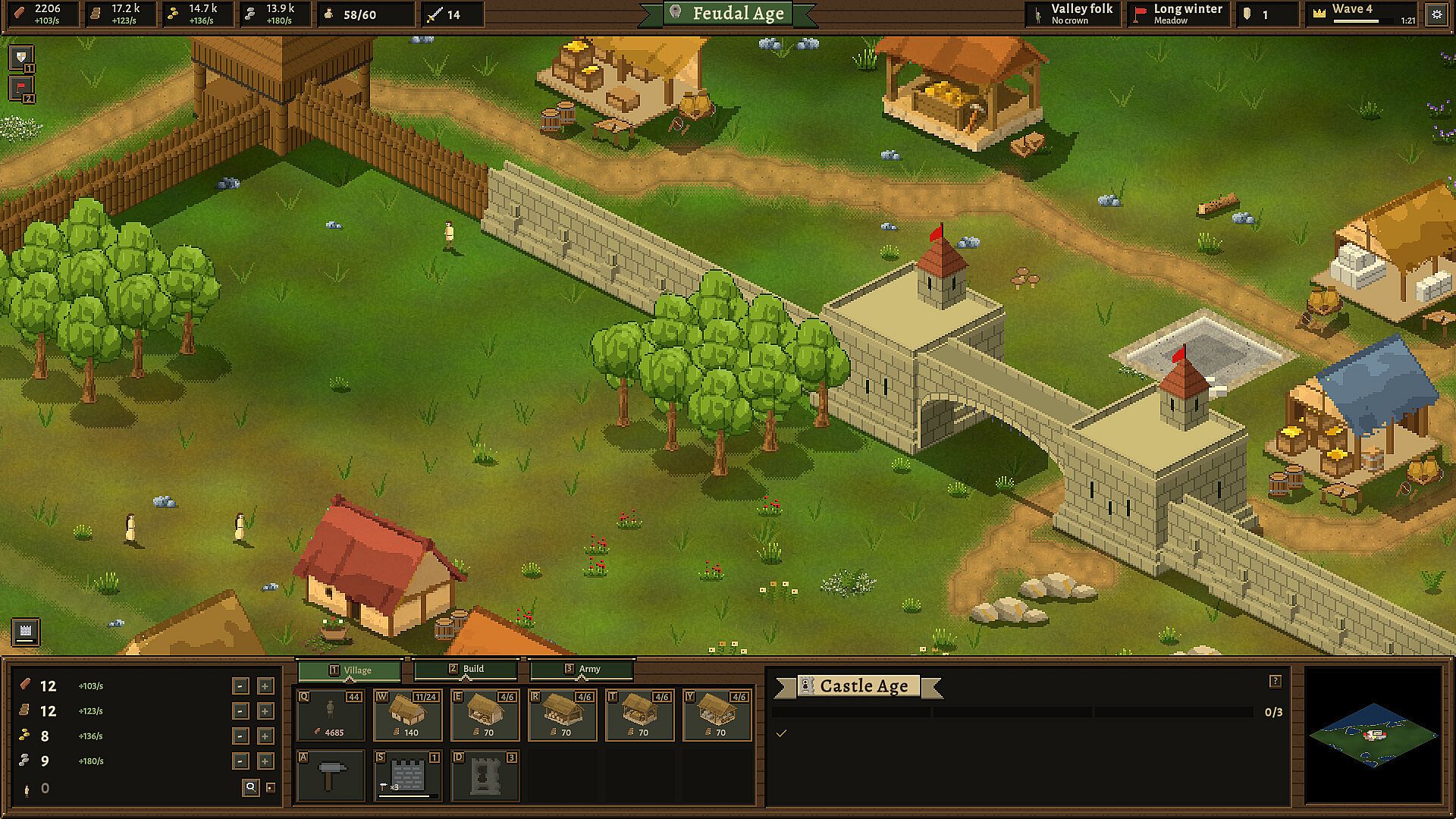
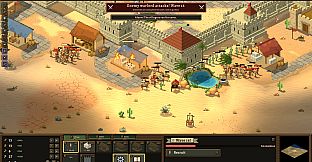
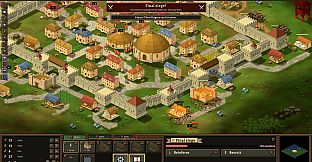
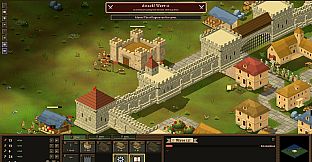
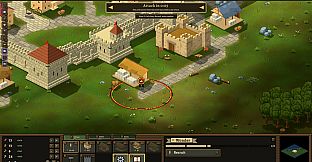
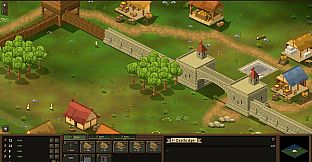
Defense forms a major part of the loop. A horn signals incoming attacks, allowing ten seconds to position palisades and stone walls section by section. Castles provide stronger positions, while trained units include militia, spearmen, archers, and riders. Every fourth wave brings a warlord leading the assault, with rams and catapults appearing in later stages. After each battle, damaged structures require repairs before the next threat arrives.
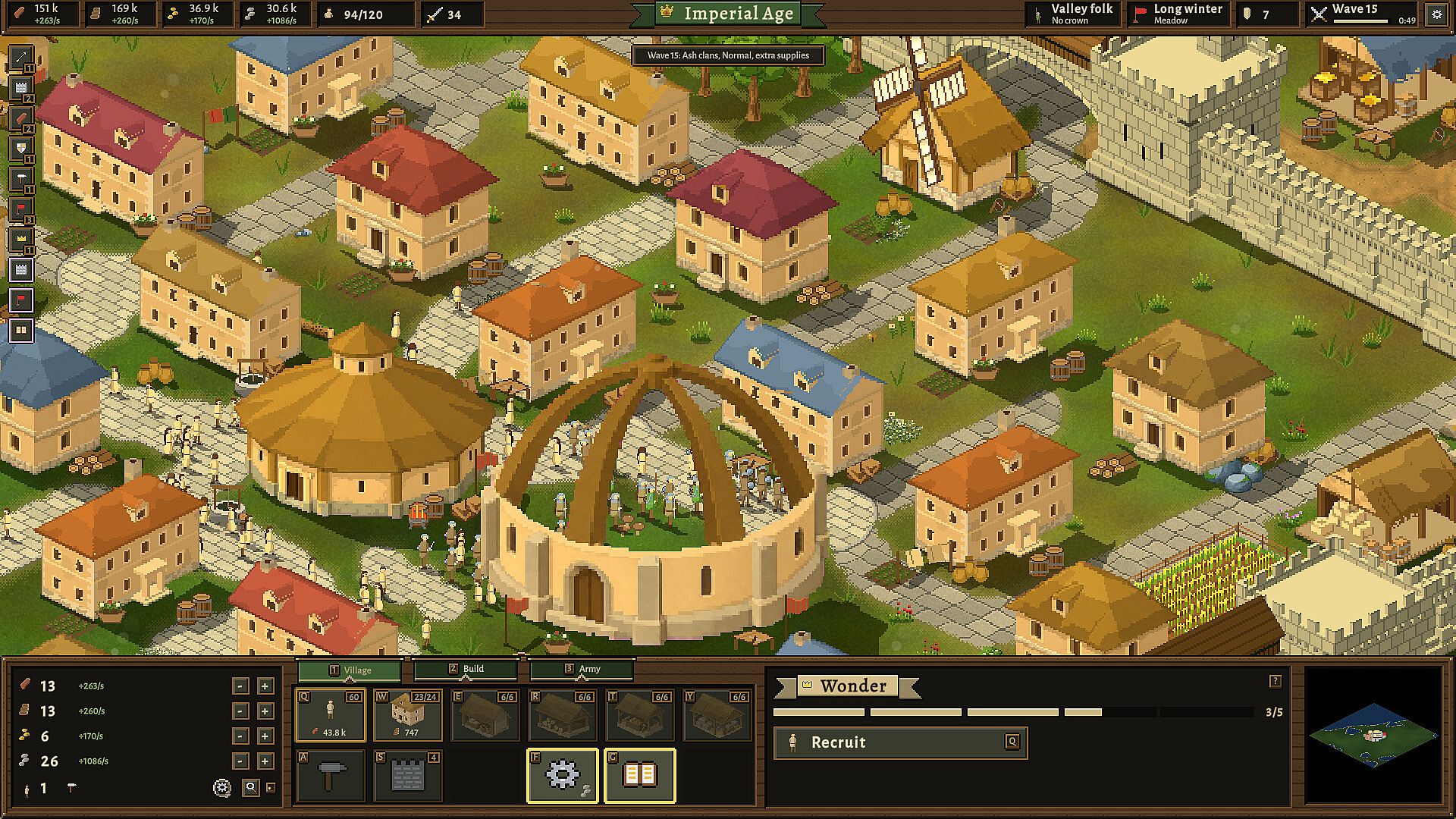
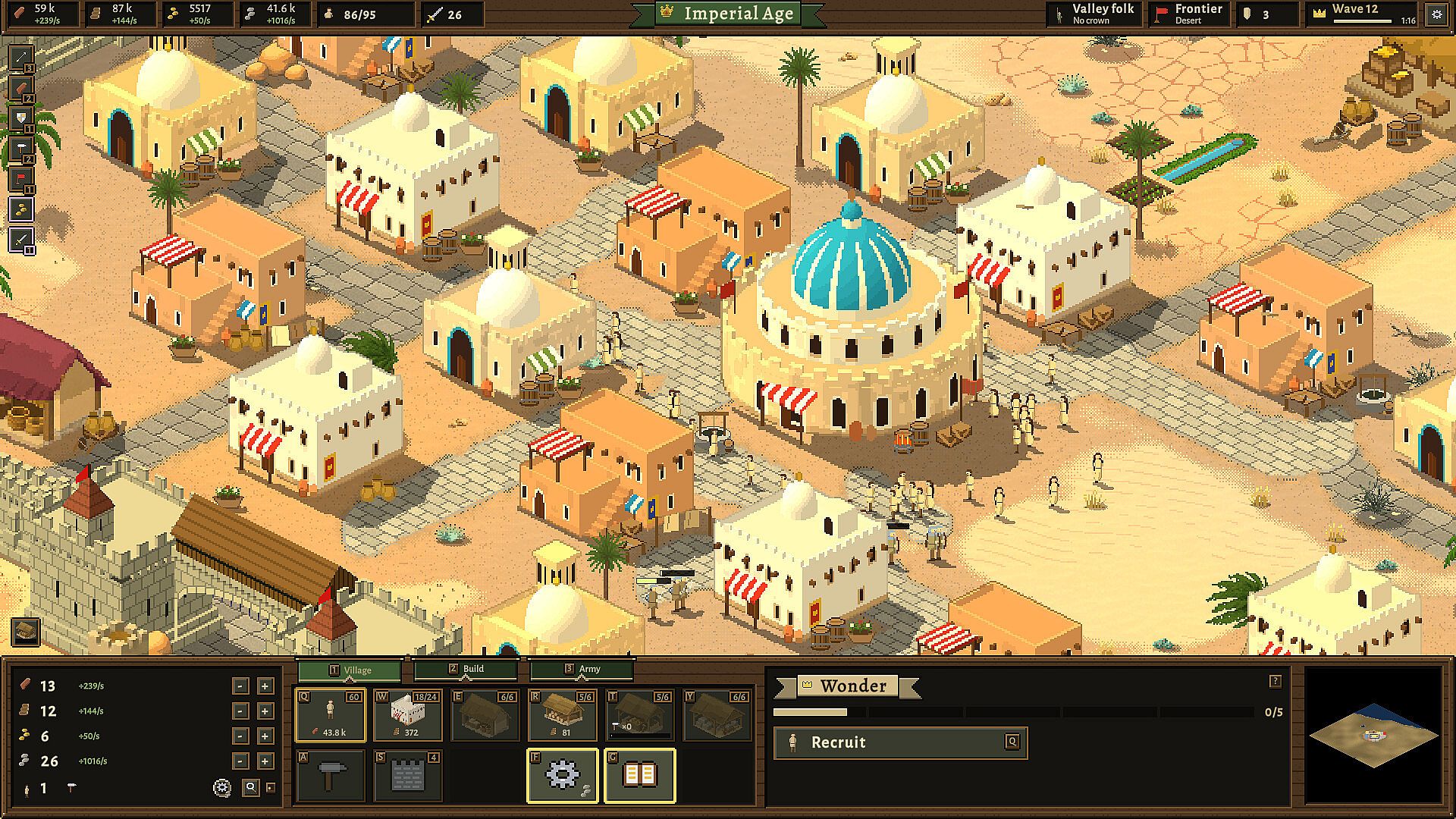
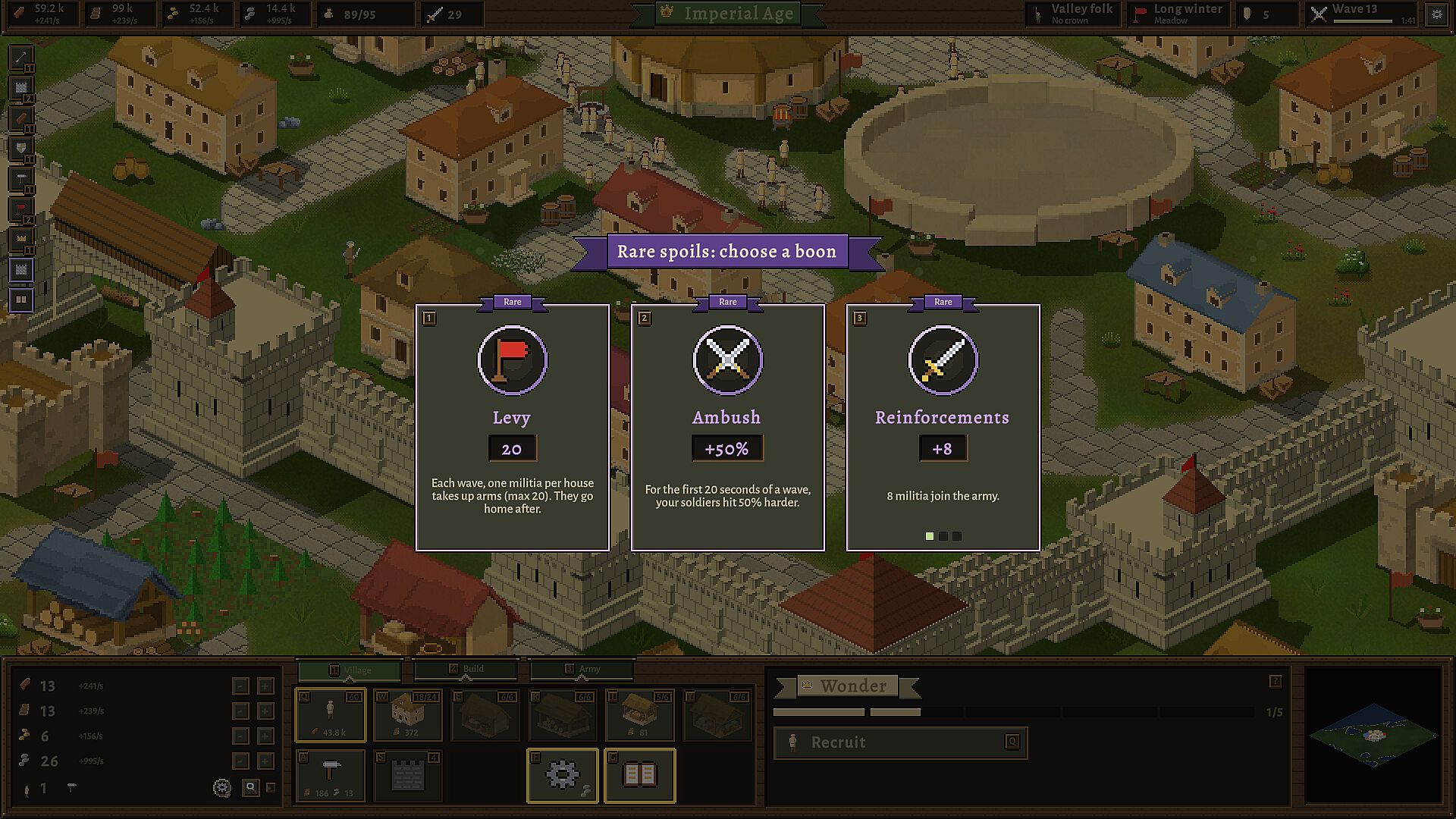
Progression moves through distinct ages: Dark Age, Feudal Age, Castle Age, and Imperial Age. Existing buildings upgrade in place rather than requiring demolition and rebuilding, so huts evolve into stone houses and palisades into fortified walls. In the Imperial Age, a Wonder is constructed in five stages. Completing the final stage awakens all three neighboring kingdoms for a decisive siege that must be held to claim victory.
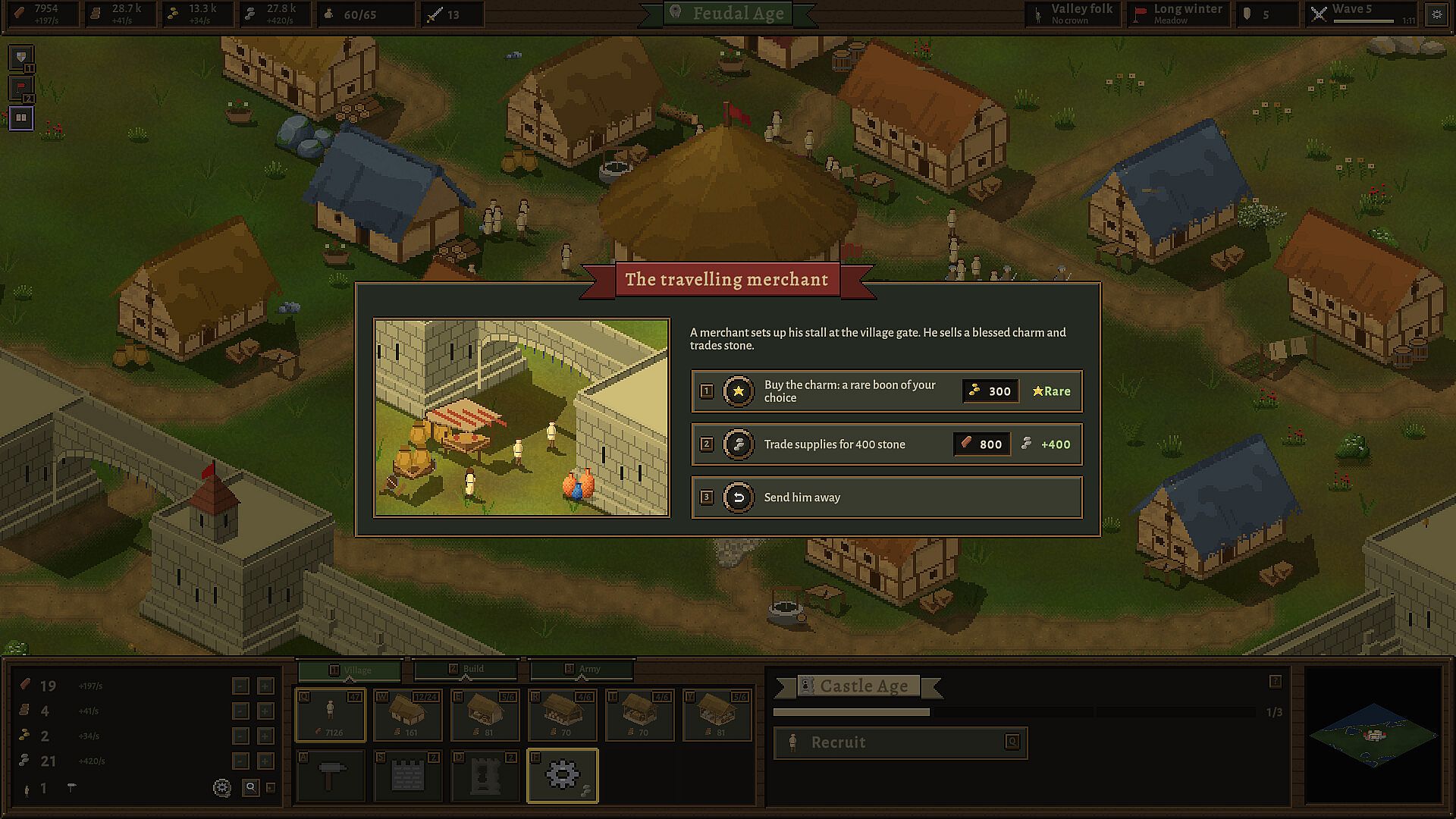
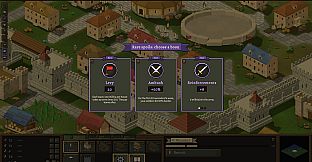
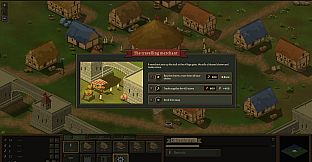
Between waves, players receive boons, some of which alter core rules such as self-repairing walls. At each new age, a plan is selected that determines available buildings. Surprises like a traveling merchant, deserters, a fever outbreak, or a sudden fire add unpredictability to runs that typically last around fifty minutes.
Game Modes
The primary experience centers on defending and expanding a single village across multiple waves until the final Imperial Age siege. Players choose the composition of attacking forces in advance, opting for waves that reward food and wood, gold, or an elite army that grants a rare boon and a relic upon defeat.
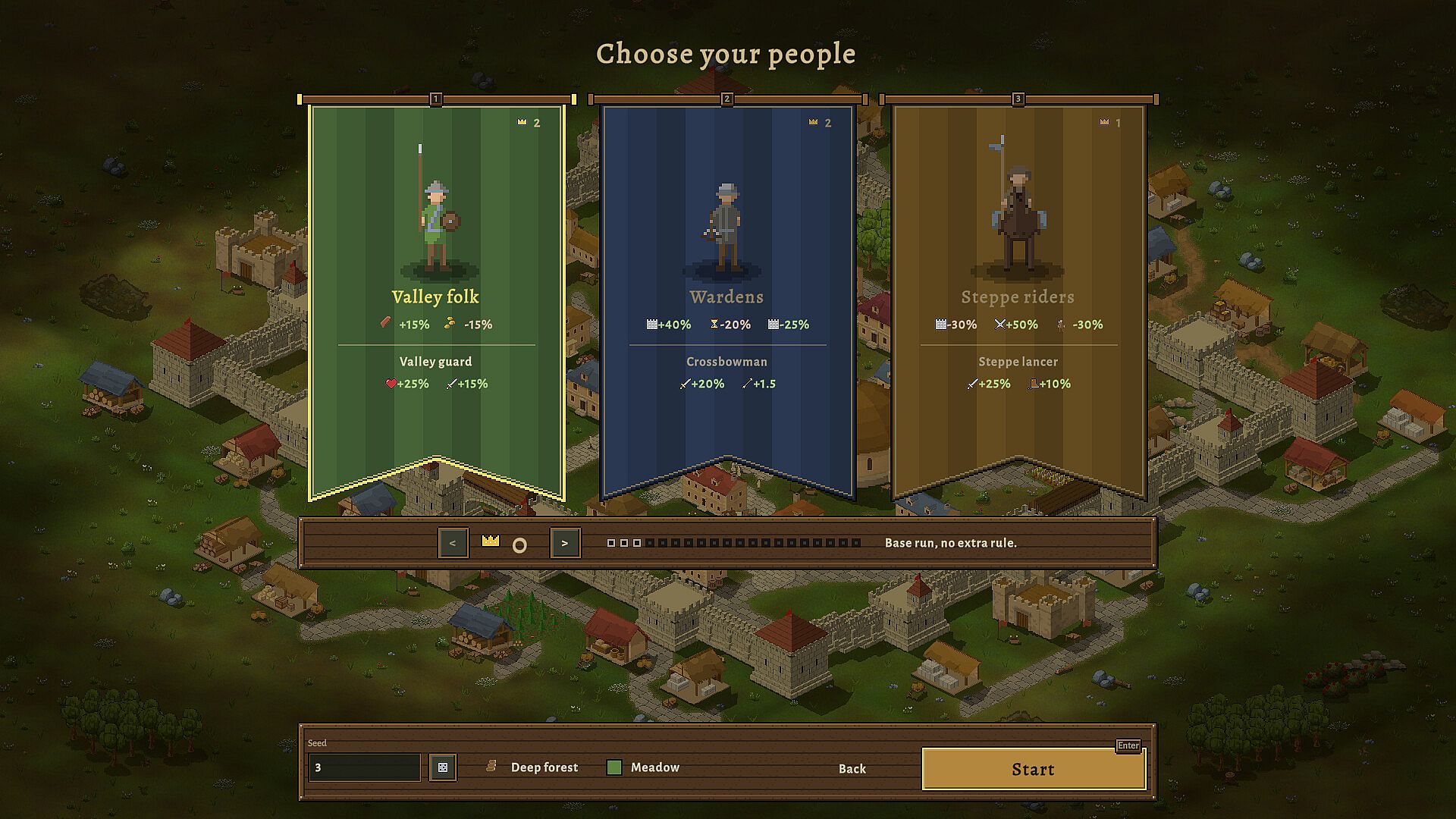
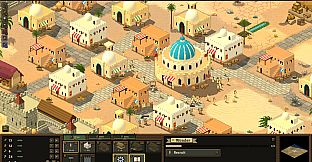
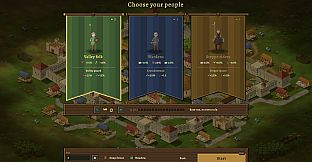
Map selection includes meadow or desert environments, each paired with one of eight map rules that modify gameplay. Eight civilizations are available, each featuring a unique soldier type along with specific strengths and weaknesses. Unlocking the next civilization requires winning at the highest crown level achieved so far, with each new crown introducing an additional rule that increases difficulty.
Relics collected from successful wave holds, warlord defeats, and completed runs feed into a Legacy shop. This system allows purchases of new civilizations, rare boons, plans, and improved starting conditions for future attempts. Runs support pausing at any time with autosave enabled, though no offline progress occurs while the game is closed.
Progression and Customization
Each victory or partial success contributes relics that expand options in the Legacy shop. Civilizations unlock progressively up to a total of eight, and crown levels reach as high as twenty, each adding a new constraint. This system encourages repeated runs with different starting conditions and rule sets.
Unit combat resolves on a per-battle basis with visible effects including fires, ruins, and the need for post-fight repairs. The emphasis remains on preparation, resource allocation, and adapting to the chosen attack waves rather than direct unit control during fights.
Is It Worth Playing?
This title suits players who enjoy deliberate village-building combined with wave-based defense and incremental empire growth. The fixed run length, pause support, and autosave make it accessible for shorter sessions, while the relic and Legacy systems provide long-term goals across multiple civilizations and map rules.
Early Access status means the game continues to receive updates focused on core systems. With thirty-six Steam achievements and support for forty languages, it offers clear milestones and broad accessibility. Those seeking a focused single-player strategy experience with persistent unlocks between runs will find the mechanics rewarding, particularly if they appreciate managing villager assignments, layered defenses, and age-based progression without multiplayer elements.