












No More Turtles is a strategy indie casual simulation game available on PC. Players take on the role of someone seeking revenge against an overpopulated world of turtles by restarting plastic production through a series of machines and upgrades.
Gameplay
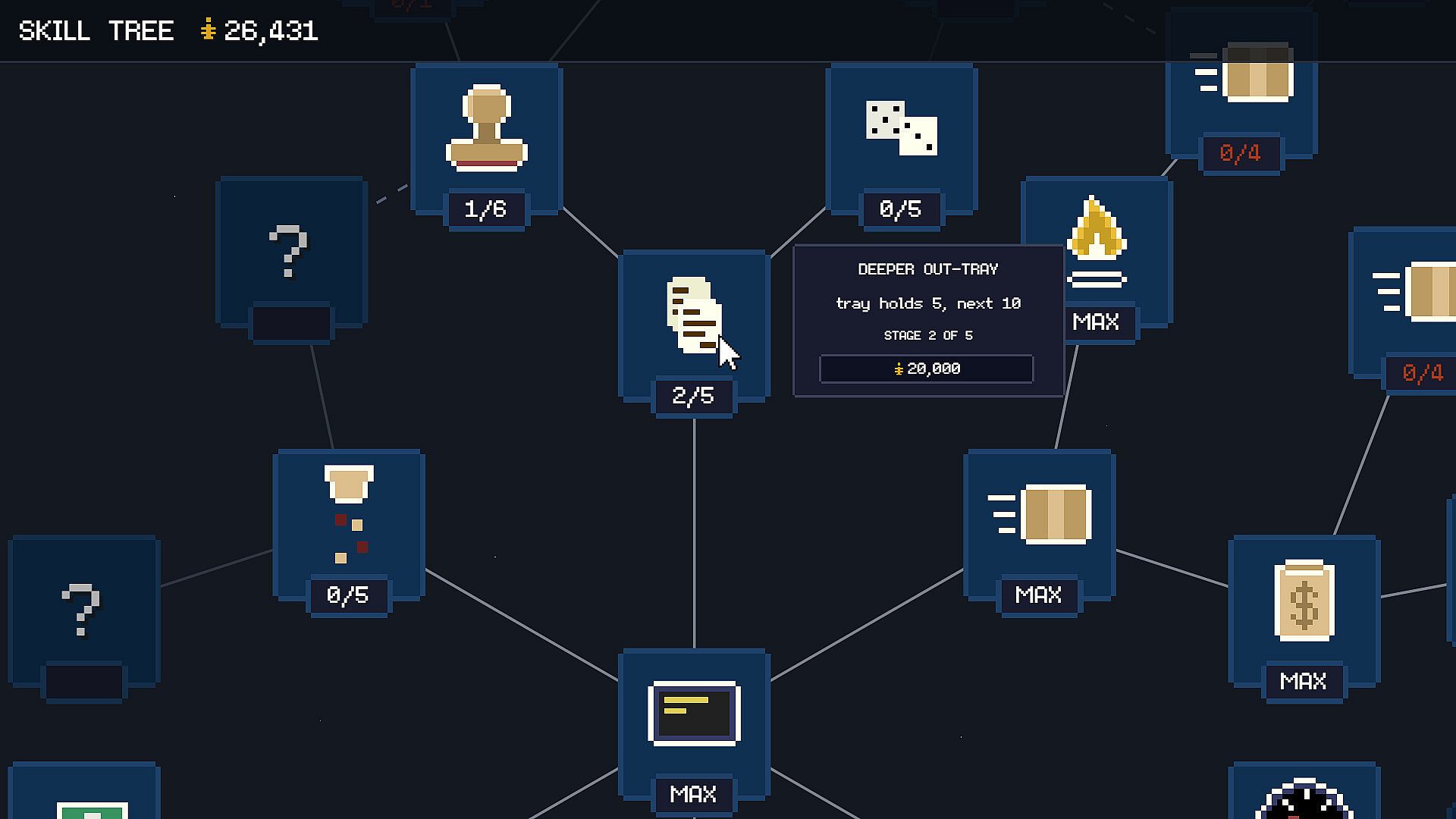
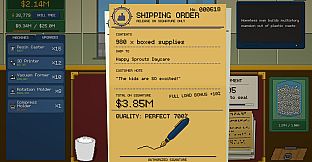
The core loop centers on pollution as the main resource. Players begin by hand-cranking an old machine found by their grandma to generate initial plastic output. This process directly counters the turtle population that has exploded in a plastic-free world. Pollution points earned from production allow upgrades to machines and operations. The more pollution generated, the faster upgrades become available, creating a steady progression toward larger scale manufacturing.
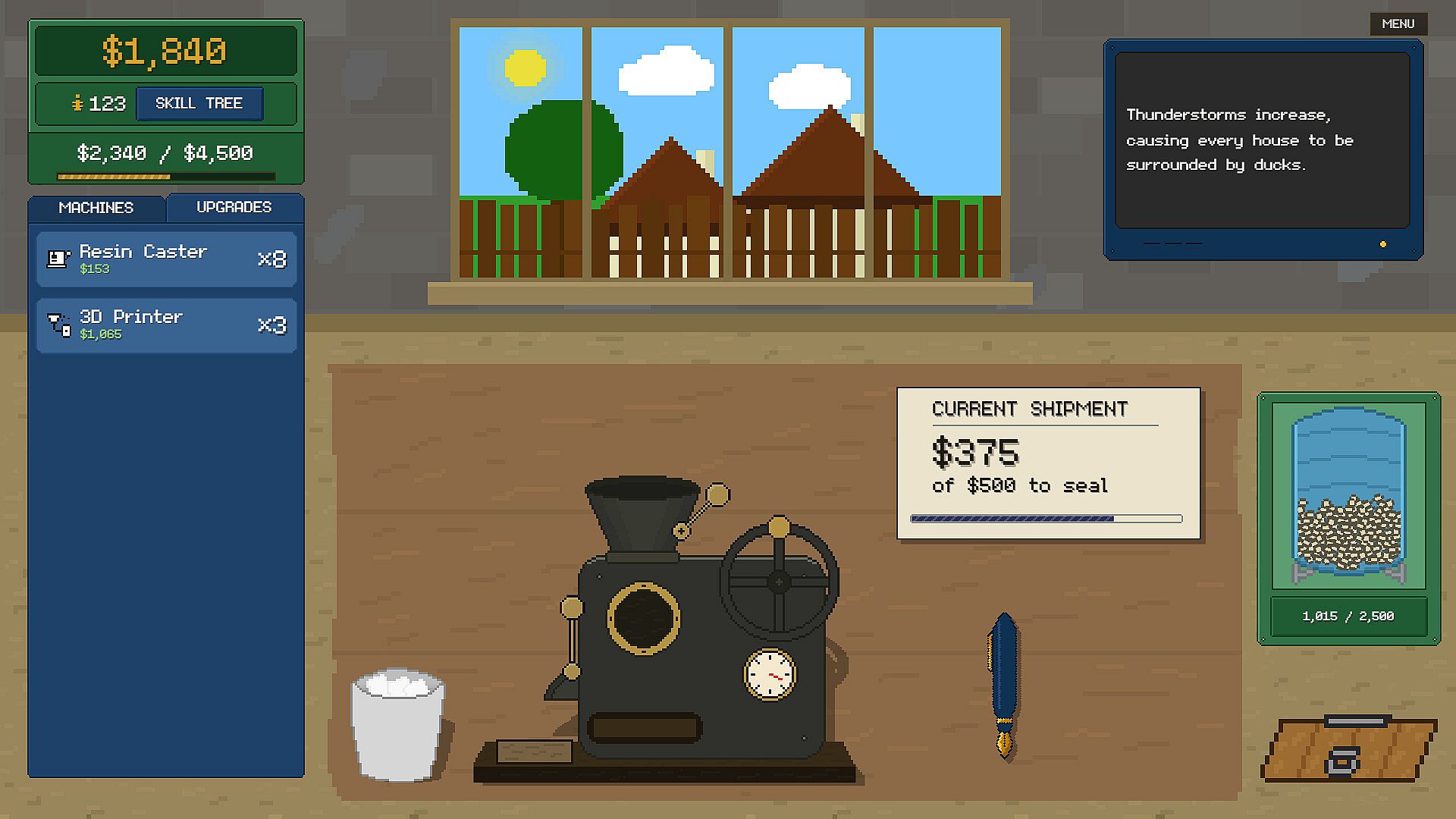
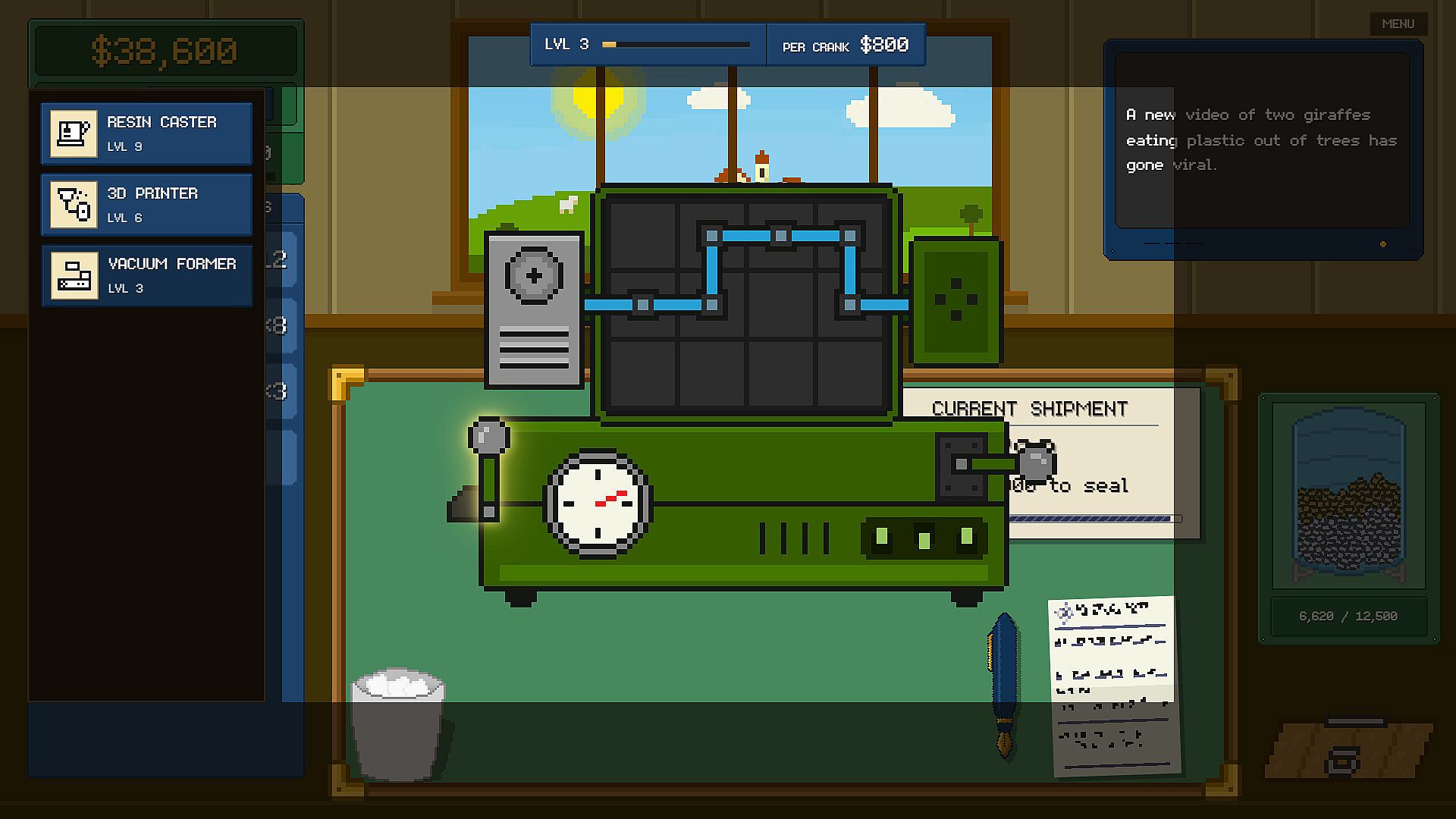
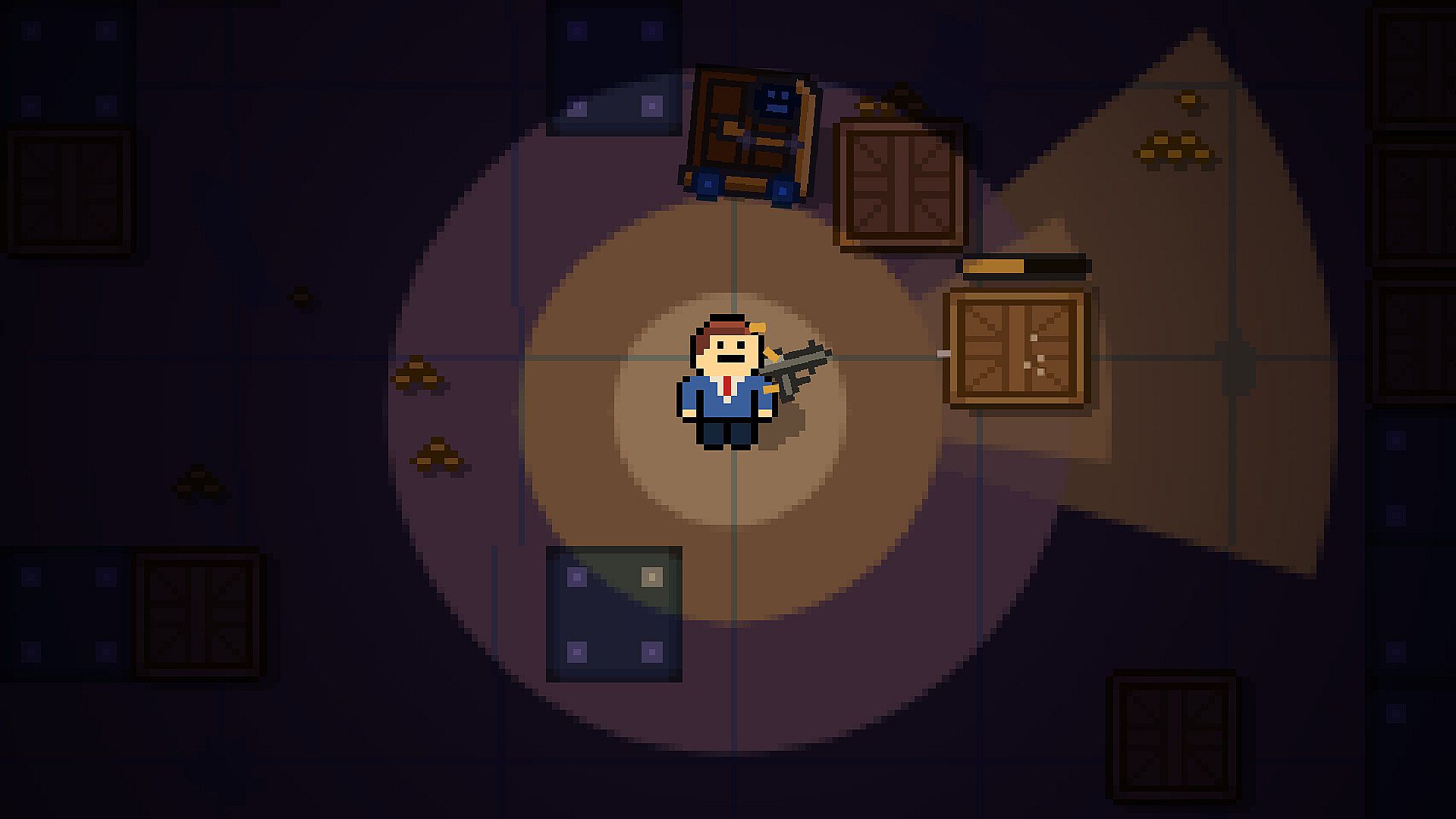
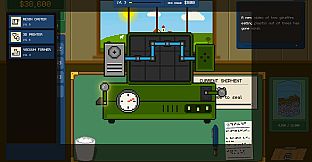
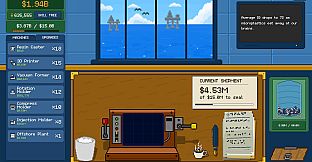
Early stages focus on manual operation. Players connect parts, fill containers, and turn cranks on basic equipment inside a garage setting. As pollution points accumulate, automatic machines can be purchased to run independently and boost output without constant input. Warehouses scattered in the environment provide loot opportunities that further accelerate growth. The loop emphasizes incremental expansion where each upgrade multiplies production capacity and pollution generation.
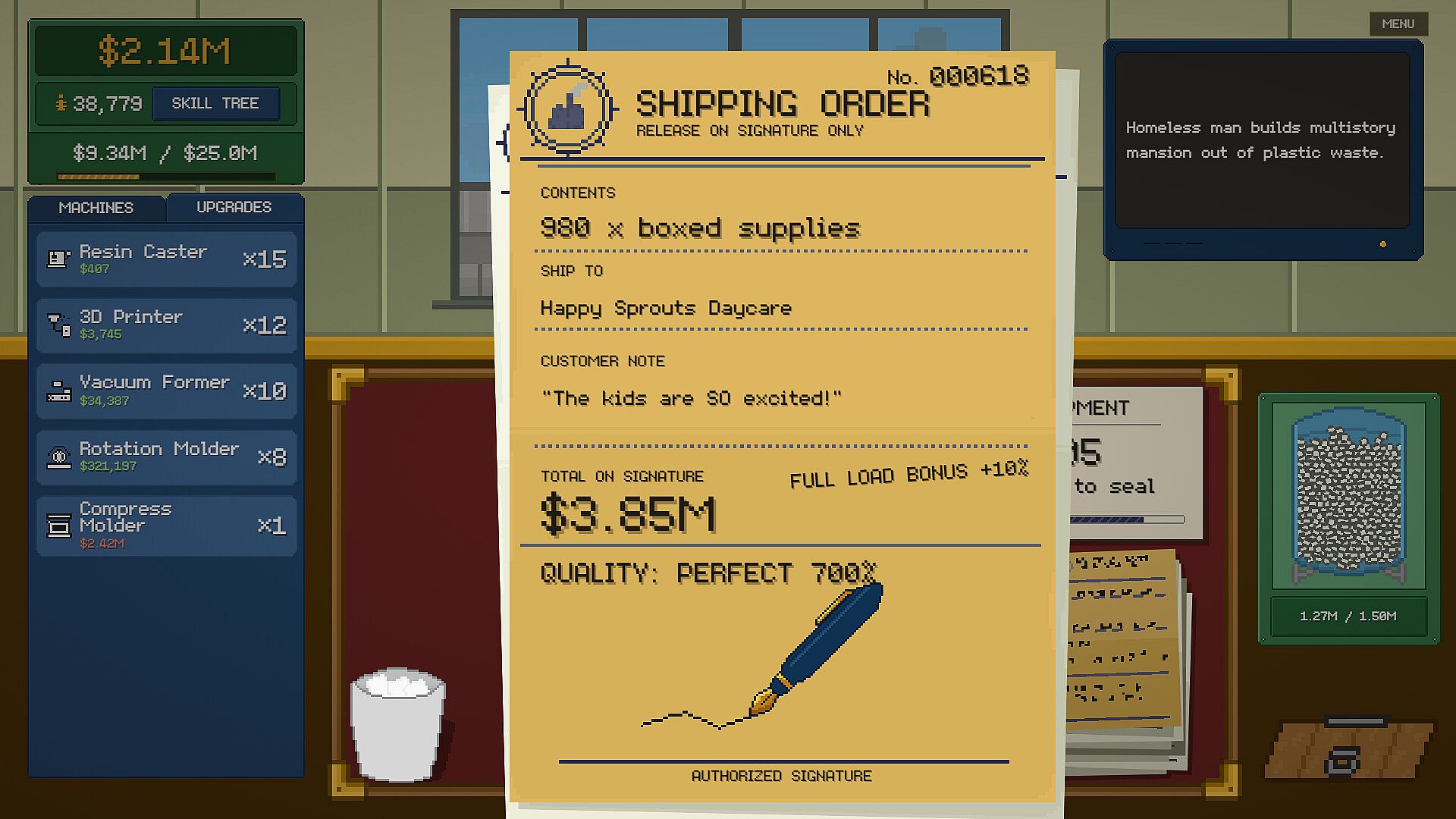
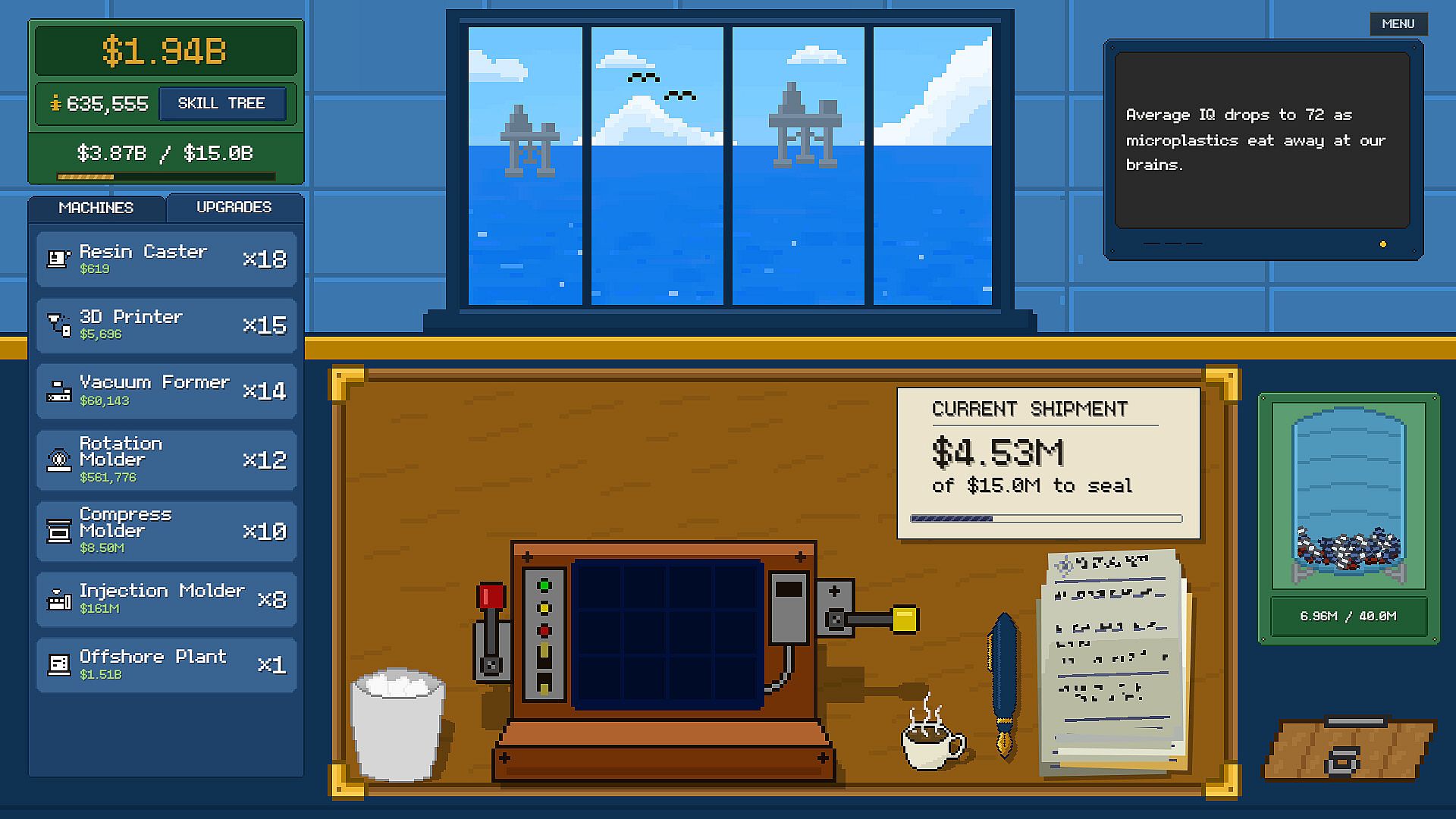
Progression moves across distinct locations. Starting in the confined garage space, operations expand to bigger facilities until reaching a massive factory. At each stage, new machine types appear that require different manual interactions such as connecting hoses, loading materials, or activating levers. These hands-on elements keep the simulation engaging even as automation increases. The goal remains consistent: scale pollution output to eliminate turtles while accumulating wealth that leads to billionaire status.
Game Modes
The experience unfolds as a continuous single-player progression without separate named modes. All activity ties into the central pollution and upgrade system across the location sequence. Players manage the full operation from manual cranking through automated factories in one unified flow. Location changes serve as natural milestones that introduce new machine varieties and scale challenges while maintaining the same core mechanics of production, looting, and upgrades.
No distinct multiplayer or competitive elements appear in the design. The focus stays on personal factory building and resource management within the revenge narrative. Players advance at their own pace through the garage-to-factory path, using pollution points to optimize output at every step.
Story and Setting
The premise stems from a global effort years earlier that eliminated plastic from the world. Without its natural predator, turtle numbers surged dramatically. The player character inherits a personal stake when migrating turtles overwhelm and kill their grandpa. Discovery of his old plastic-producing machine sparks a vow to reverse the situation and restore balance through renewed pollution.
This background frames every action. Each machine activation and upgrade represents a step toward vengeance and environmental reversal. The simulation blends light narrative motivation with steady mechanical growth, keeping the focus on operational expansion rather than complex storytelling branches.
Key Features and Mechanics
Upgrades rely entirely on pollution points earned through production. These points purchase stronger machines or enhance existing ones for higher efficiency. Automatic units reduce the need for constant manual work while still benefiting from player oversight and upgrades.
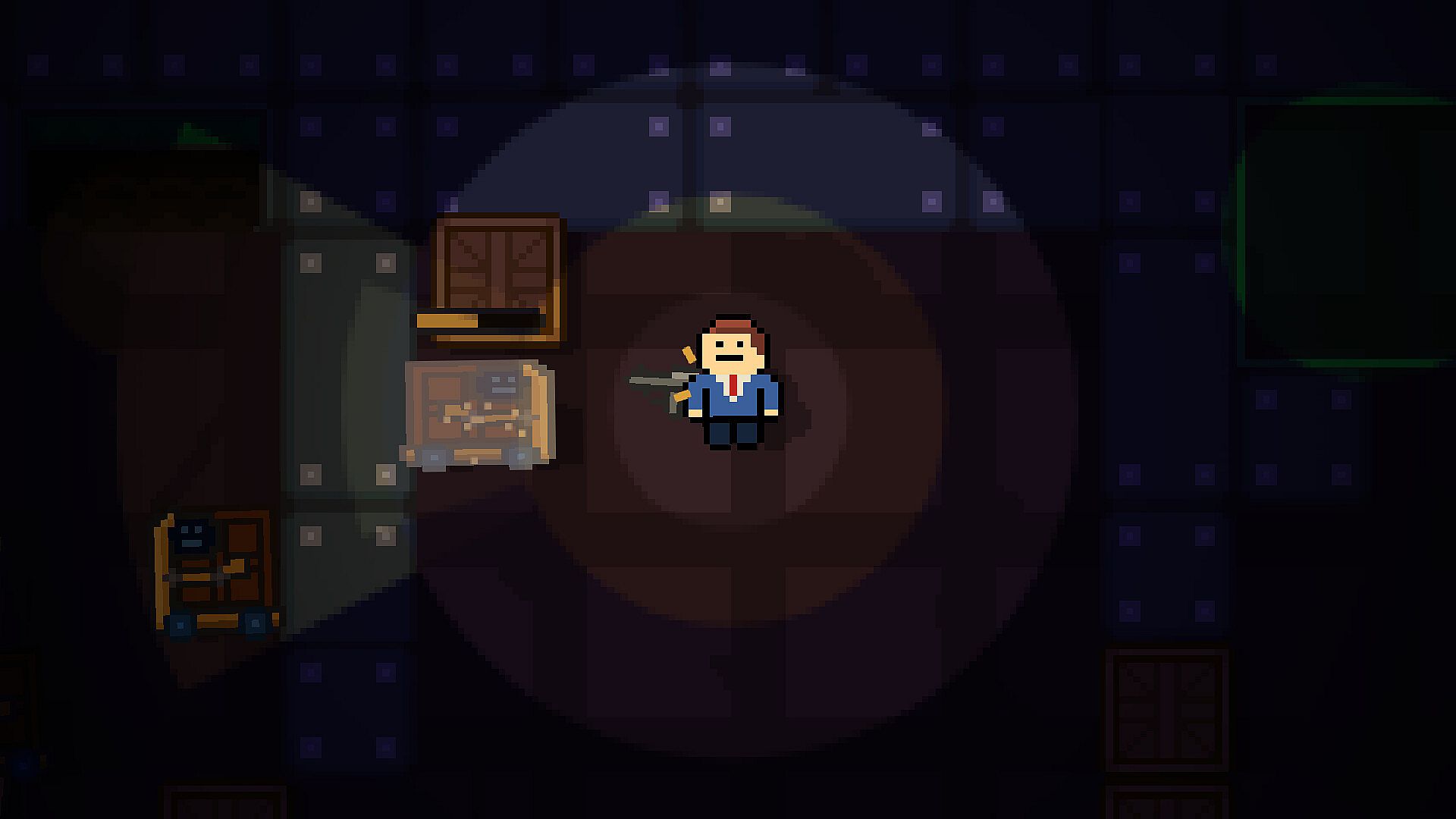
Looting abandoned warehouses adds variety to resource gathering. These finds supplement pollution points and support faster scaling. Machine operation remains tactile across all stages, requiring players to interact with specific parts even after automation begins.
The simulation rewards consistent play through compounding growth. Higher pollution levels unlock better upgrades, which in turn generate more pollution. This cycle drives the path from small garage setup to full factory dominance.
Is It Worth Playing?
No More Turtles suits players who enjoy casual strategy and simulation games built around incremental upgrades and resource loops. The pollution-driven mechanics provide a clear sense of progression through locations and machine variety. Those drawn to idle-style factory building with a unique thematic twist will find the core loop satisfying. The single-player focus and straightforward systems make it accessible without requiring prior knowledge of similar titles. Availability on PC allows easy entry for anyone interested in this style of management gameplay.











