


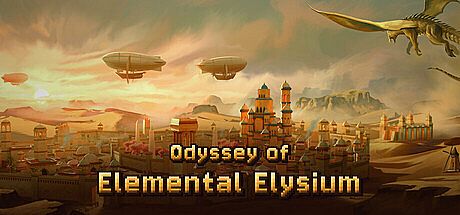


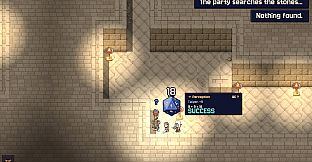
Odyssey of Elemental Elysium is a single-player fantasy RPG that combines strategy and adventure elements on PC. Set in the continent of Osira during its Fifth Age, the game follows a long journey across five elemental realms, beginning in the southern Sun realm.
Gameplay
The core loop centers on exploration and tactical combat within a detailed world built over decades. Players start with one of four heroes, each featuring a unique prologue that leads into the main story at the Emrys Adventuring Guild in Shariz. Kairus comes from desert nomads, Mal the Marbled Man from the Badlands, Professor Henry Endsworth from overseas, and Losk the Wanderer from the Sun Temple. Additional companions join later.
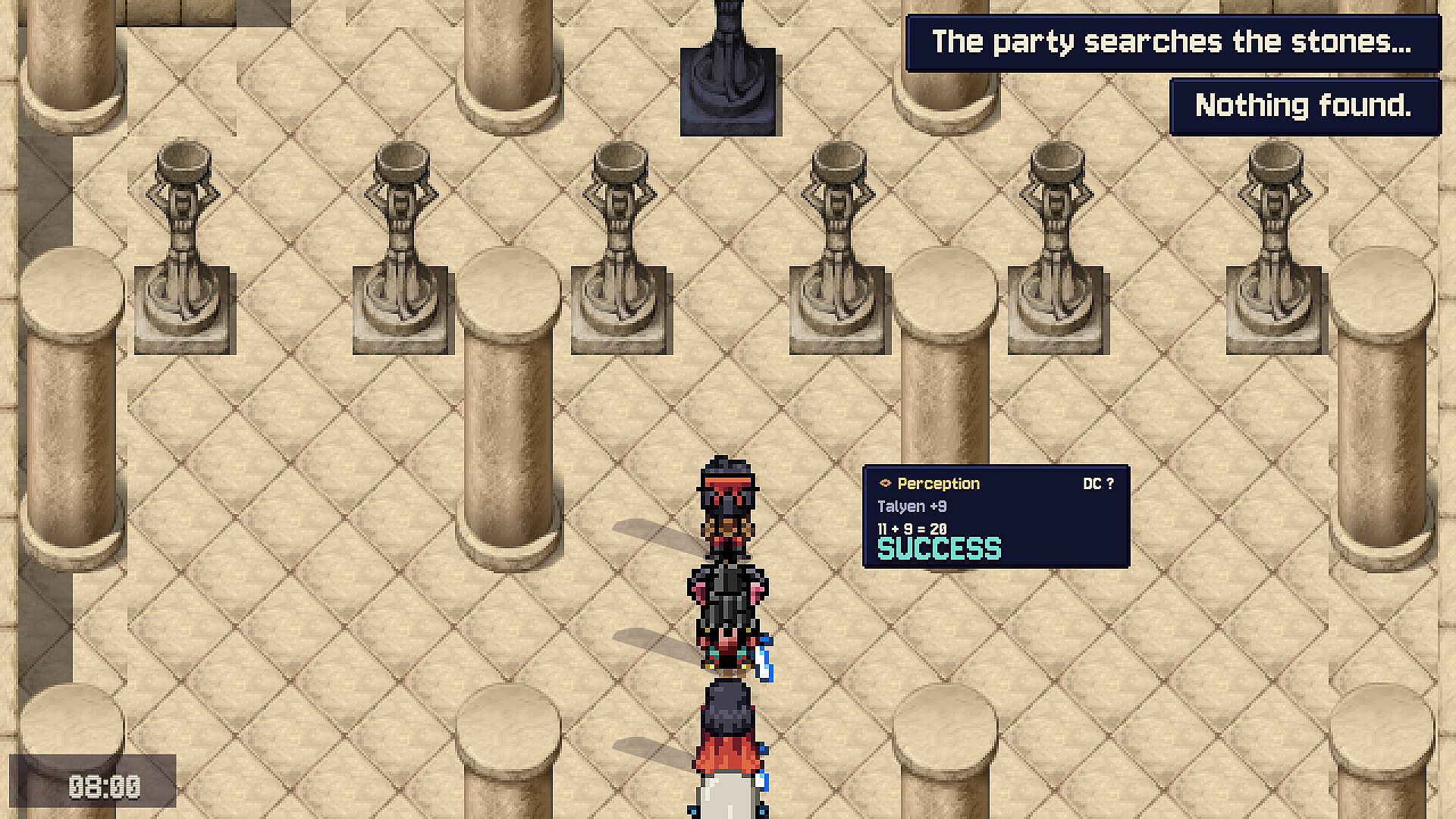
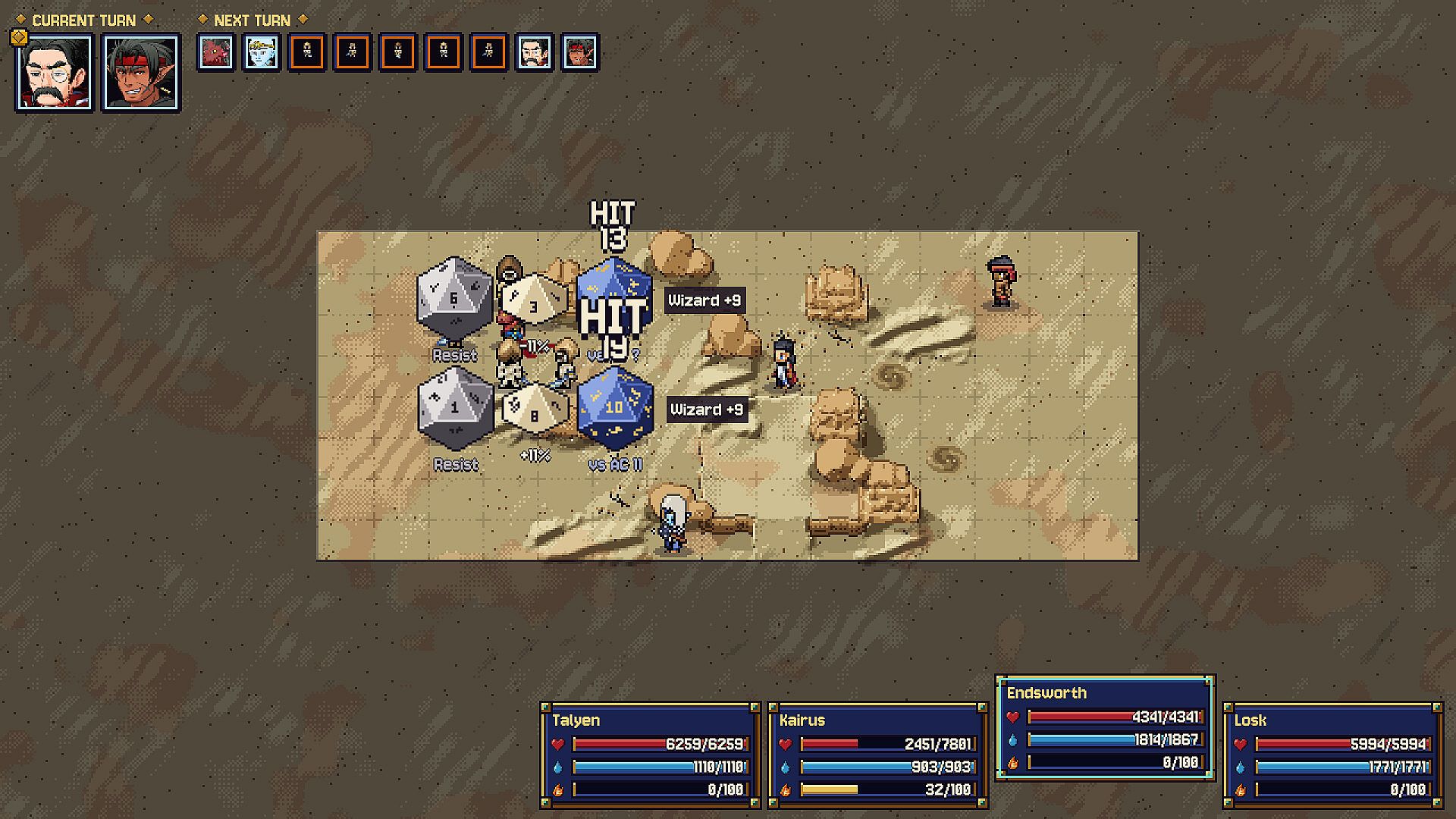
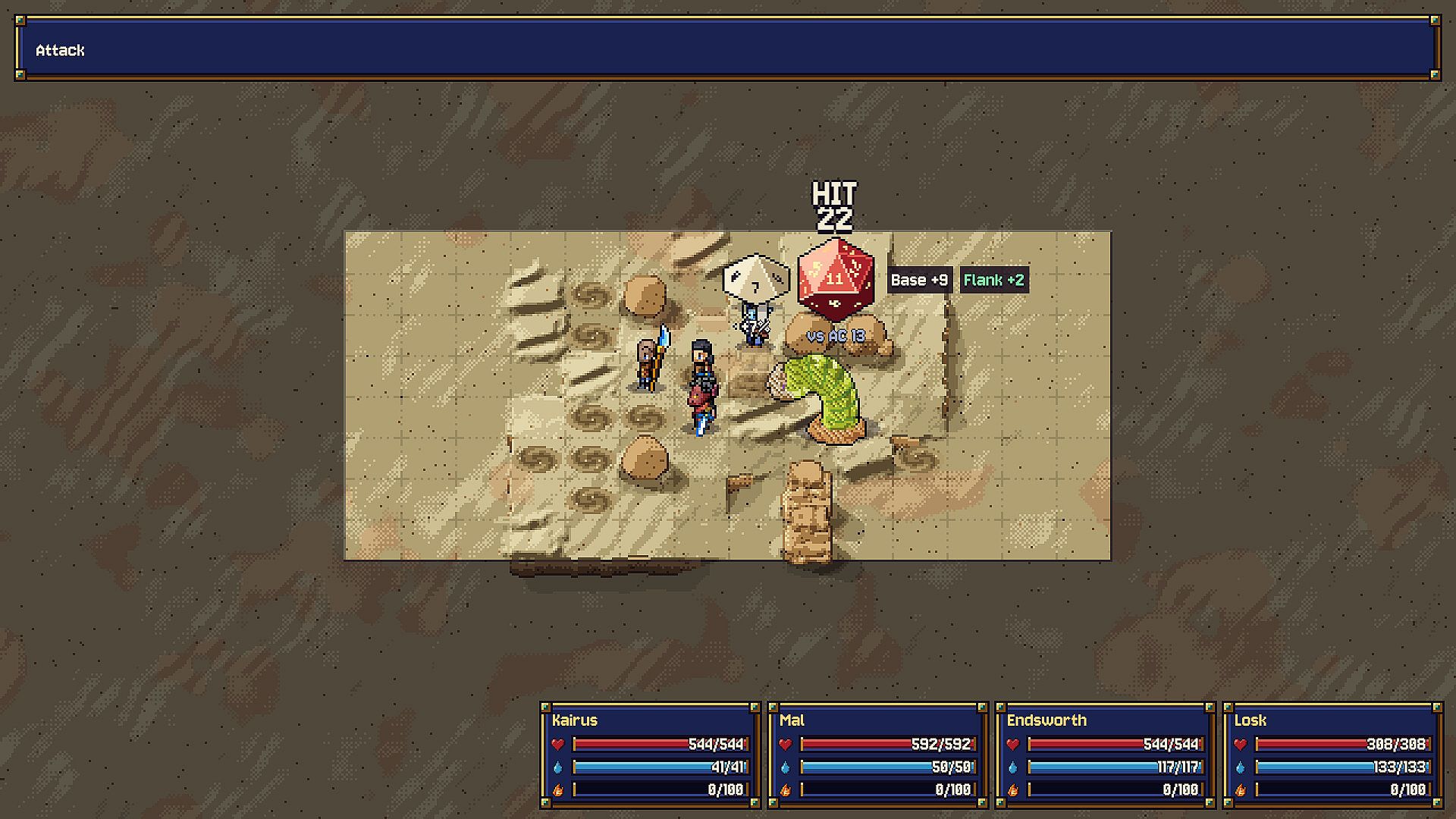
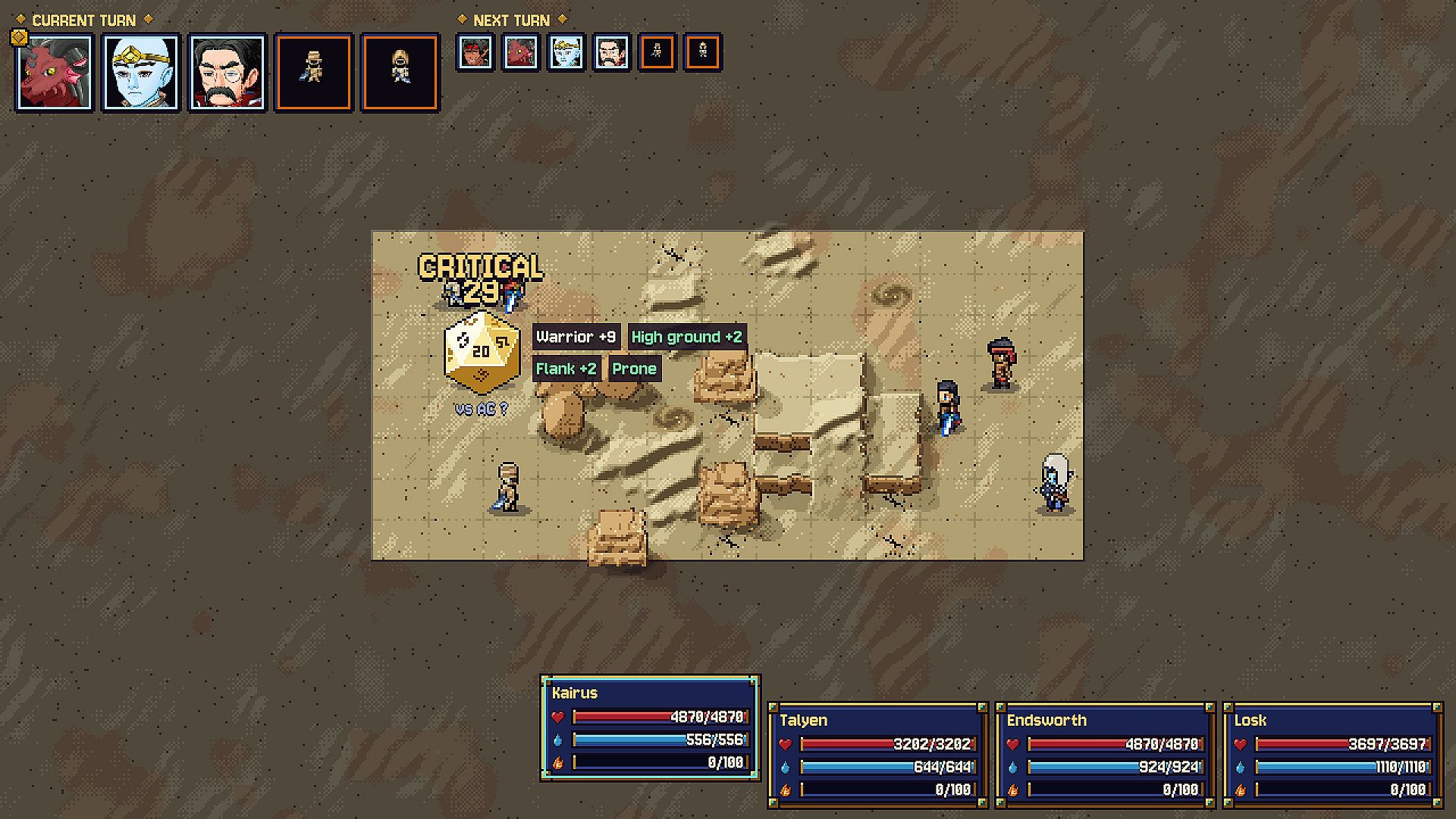
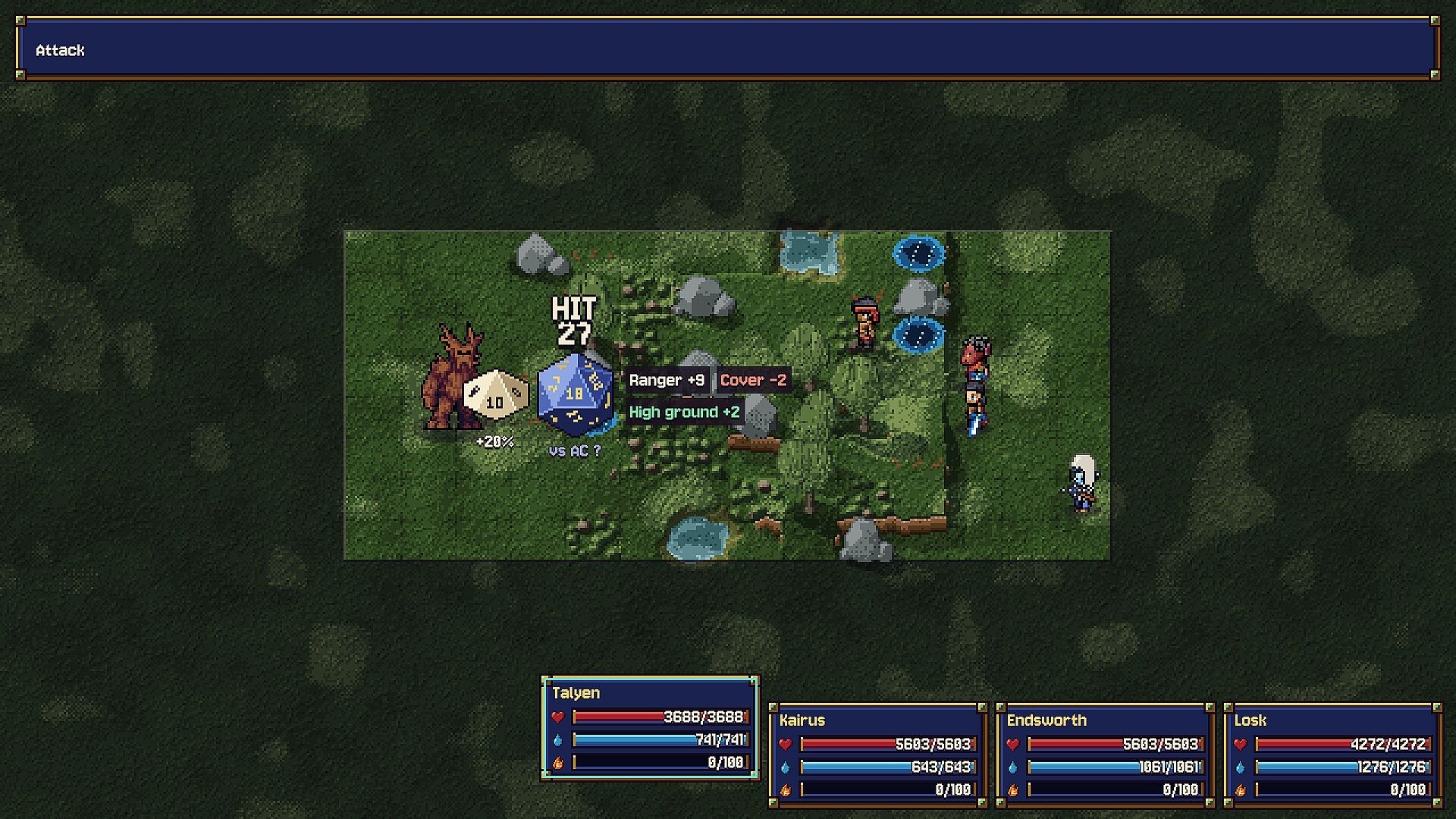
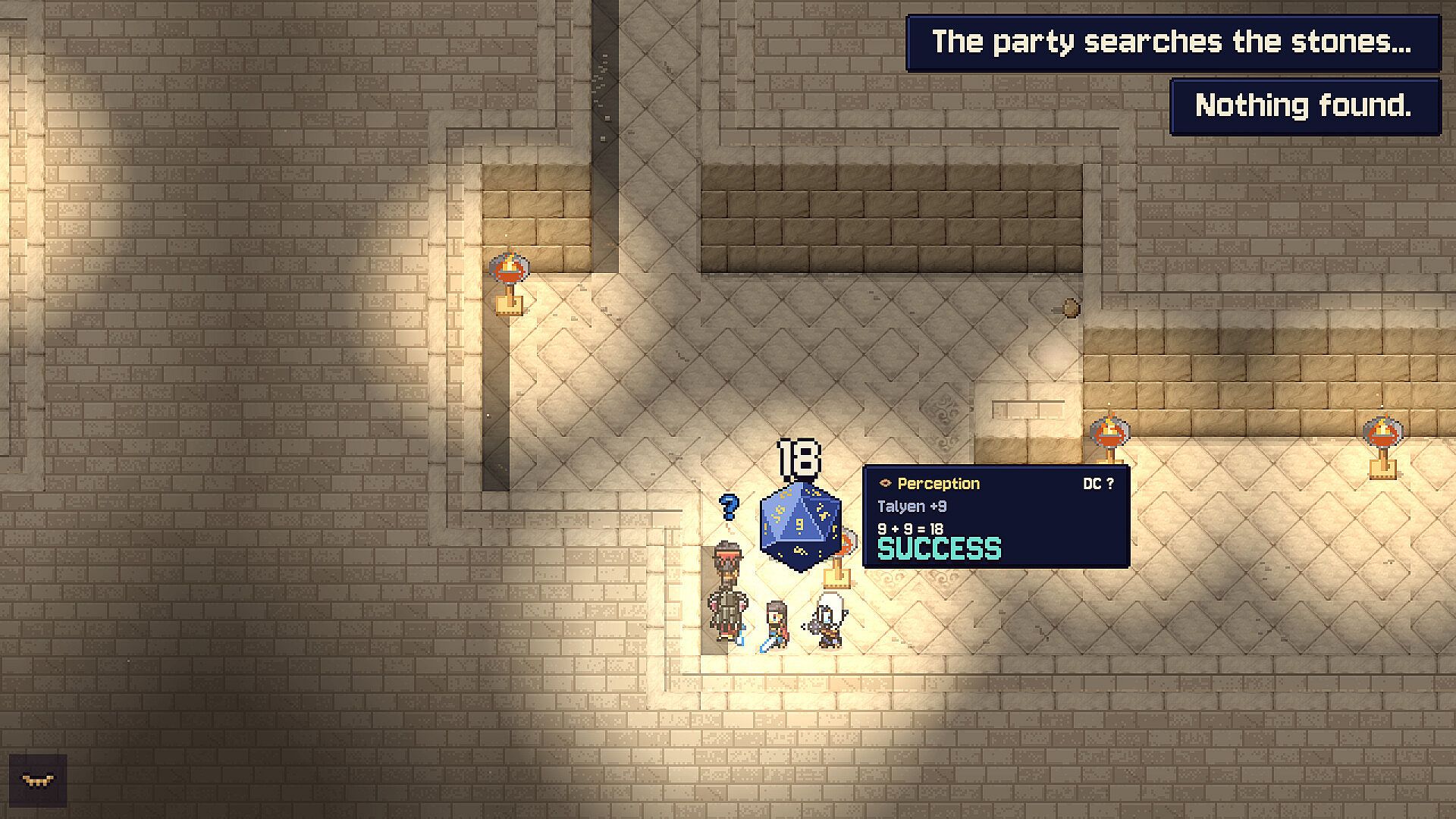
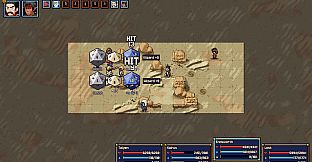
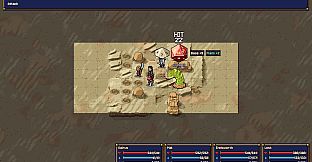
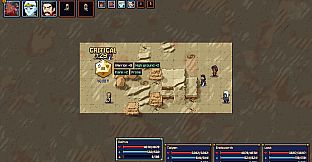
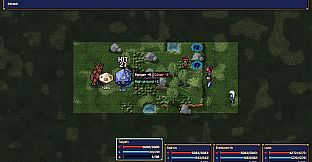
Combat occurs on environmental grids featuring dunes, city streets, tombs, burned forests, and ash plains. These boards include high ground, cover, and hazards like sinking sand or burning ground. Attacks, spells, and skill checks use a visible d20 roll that displays all bonuses, such as flanking or prone effects. Large creatures like sandwyrms or giants occupy multiple squares, and critical hits register distinctly.
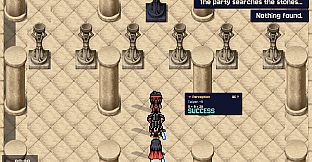
Heroes progress through class ability trees that extend to level 100. Available classes include warriors, paladins, clerics, rangers, rogues, sorcerers, and spellswords, each with animated abilities to learn and upgrade. Twelve skills govern interactions like lockpicking, trap disarming, and perception checks. Failed searches still provide information, while critical successes or failures influence the narrative.
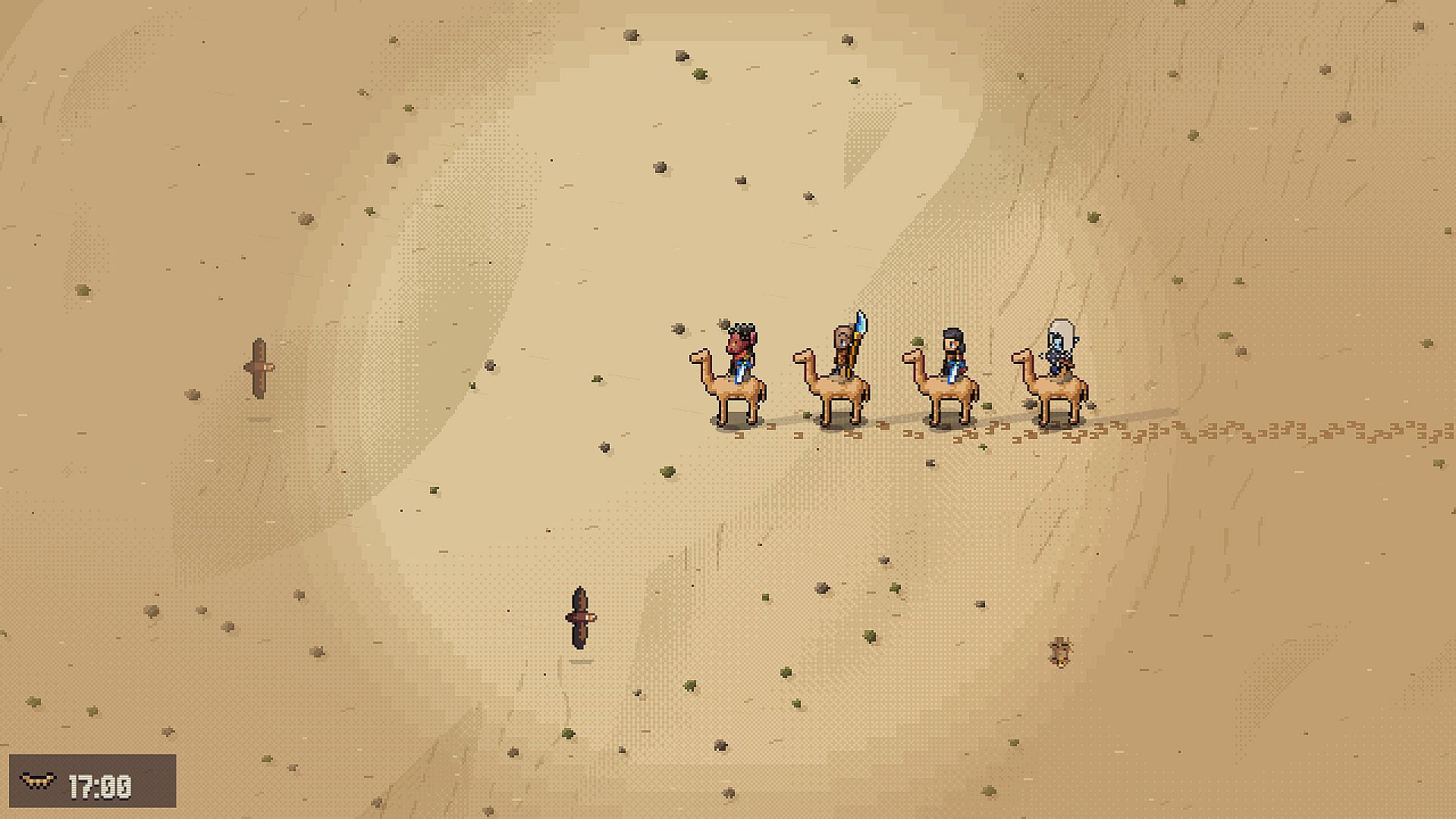
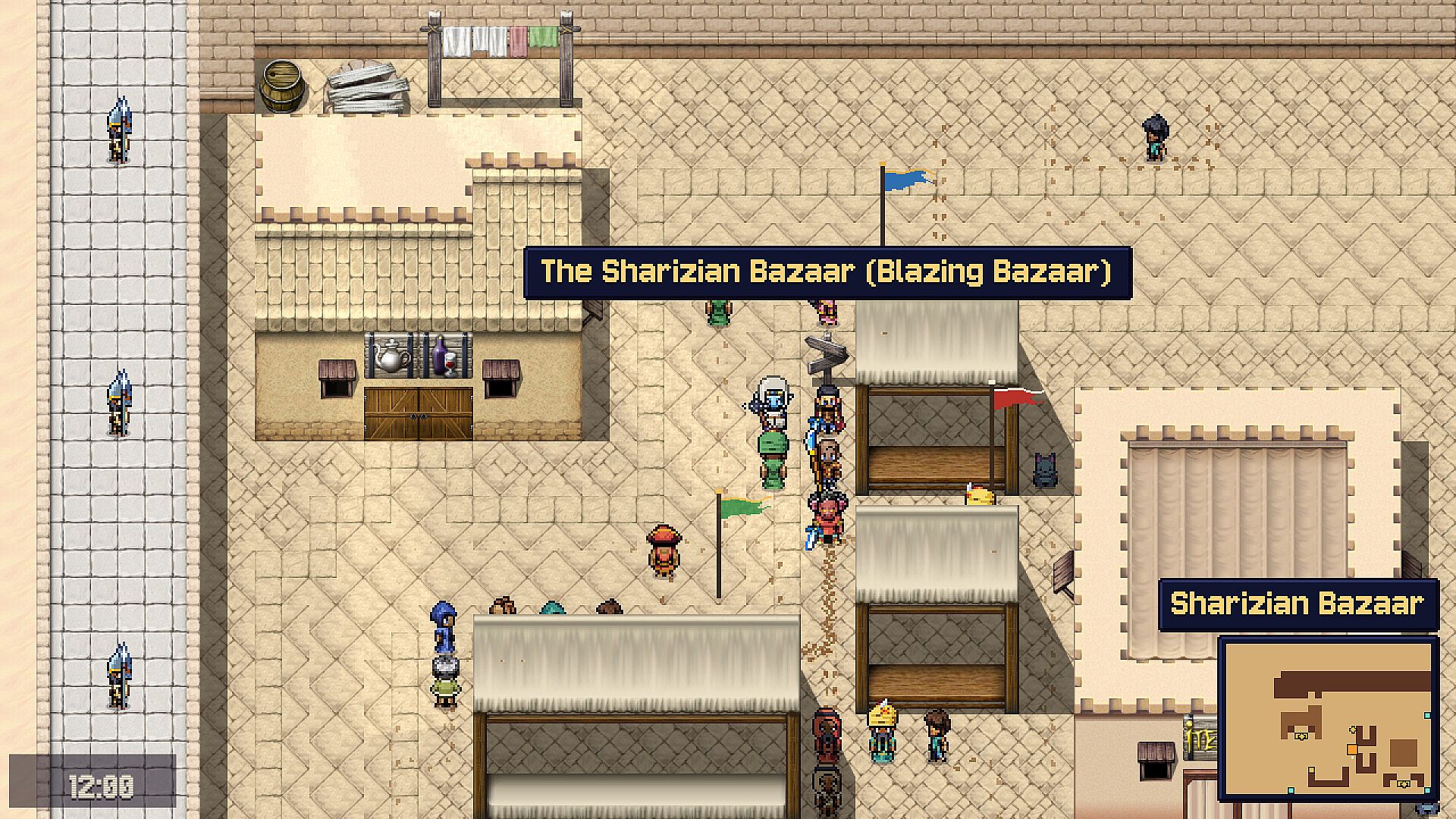
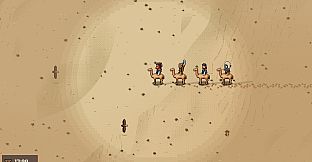
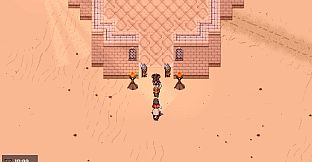
The world features dynamic day and night cycles along with changing weather. NPCs follow realistic routines, from merchants at stalls to families in homes. Roaming enemies react to sight and sound, enabling ambushes and side content through contracts and bounty boards. Waypoint stones guide travel as the world map expands region by region.
Game Modes
The game operates entirely in single-player mode with a focus on one continuous campaign. The Sun realm alone spans fifteen chapters that take players from guild trials in Shariz through the Barren Badlands, Burned Woods, and into the Netherveil. The full story extends across all five elemental realms for more than 100 hours of main content.
Choices affect standings with regional powers and companions, altering prices, access, and story progression. Four difficulty settings adjust enemy damage and information provided. Accessibility options cover text size, screen shake, camera effects, flashes, reduced motion, and weather density. Controls support mouse, keyboard, or controller.
World and Progression
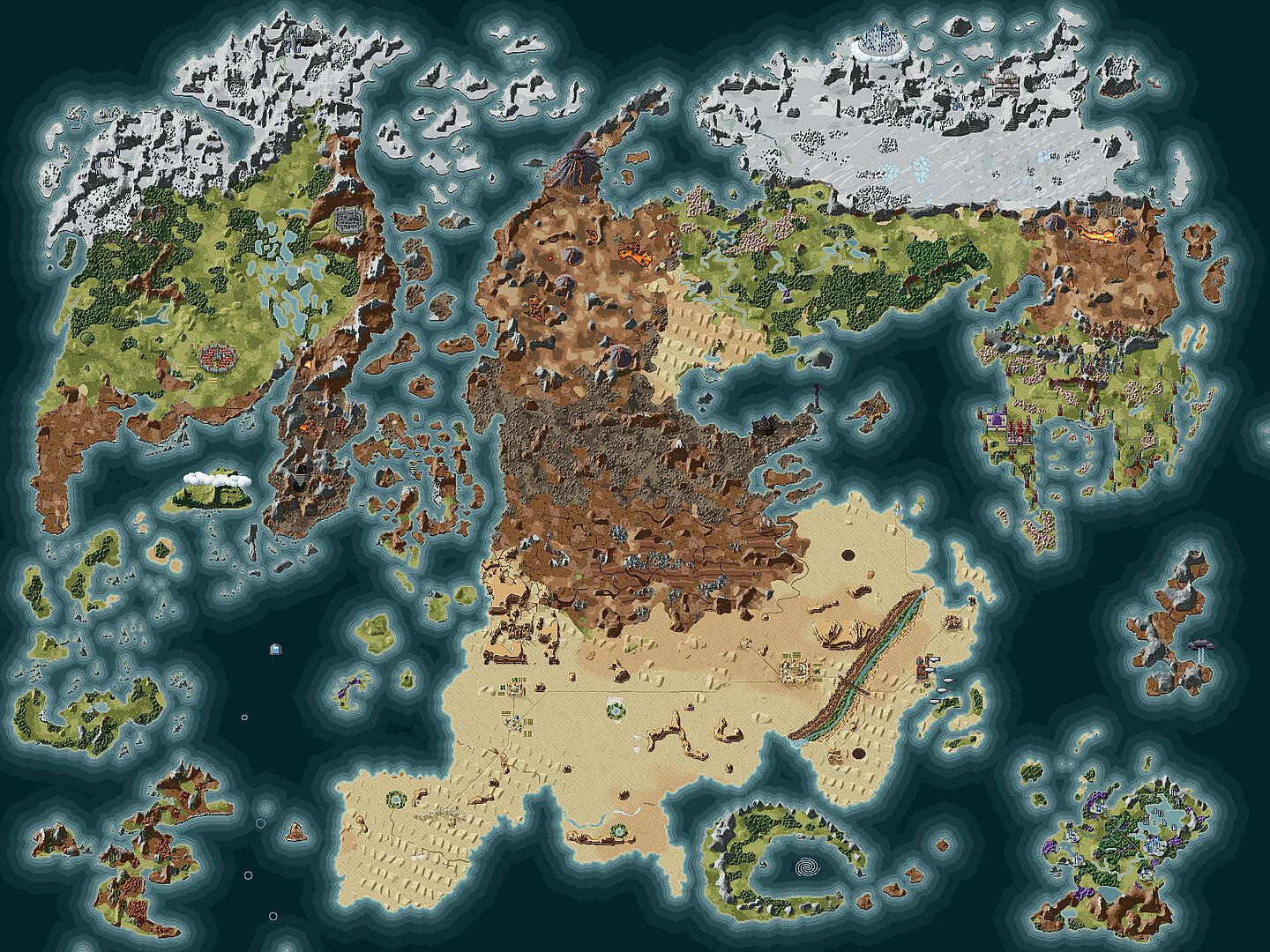
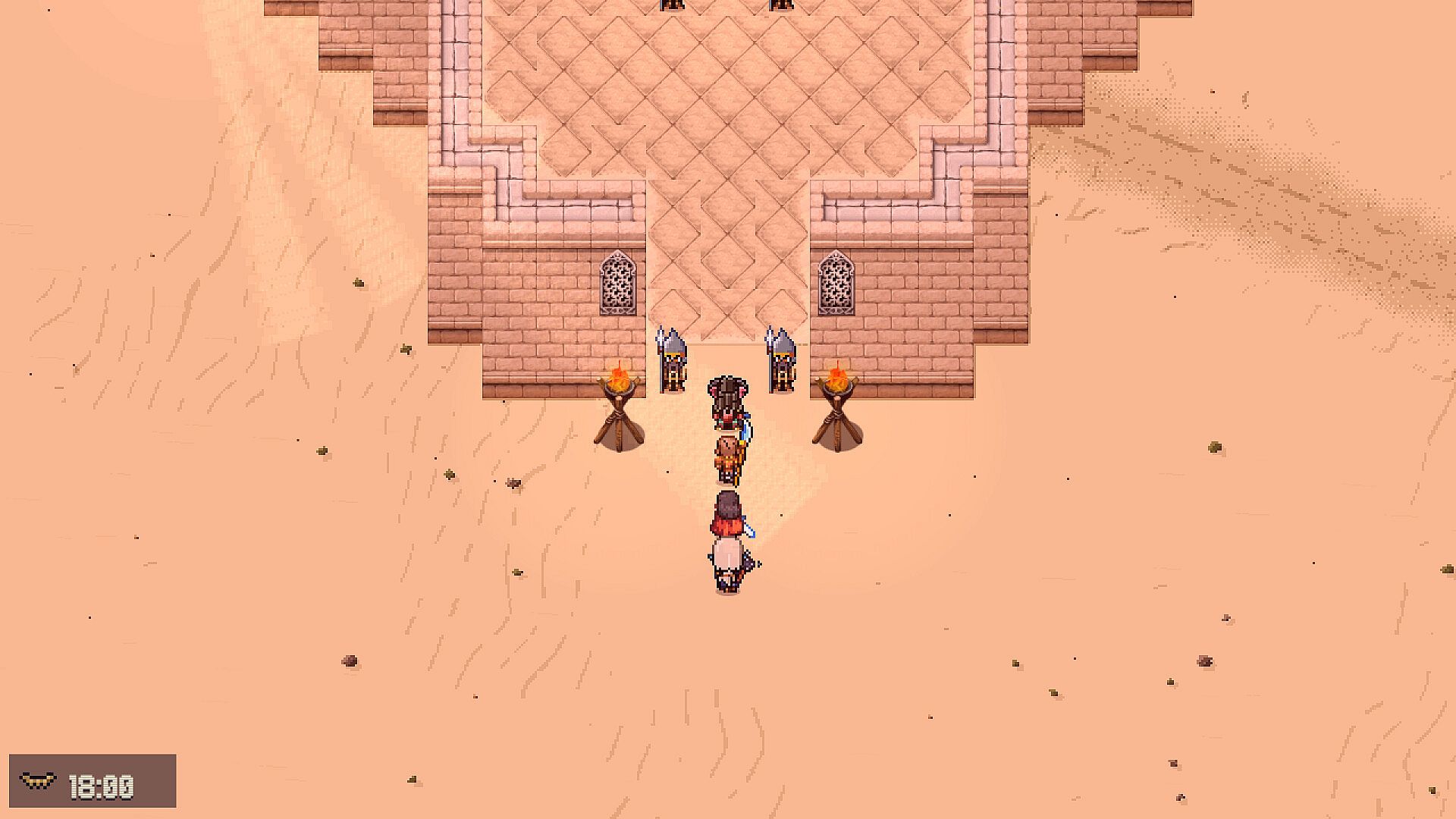
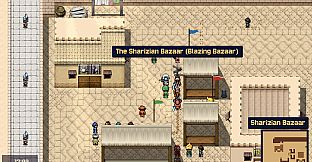
Osira consists of distinct elemental realms connected by a central road. The Sun realm includes the walled city of Shariz with its sandstone districts, the Palace of the Sun, Sun Temple, Blazing Bazaar, and Shaar slums. Beyond the gates lie nomadic tribes, Kroot raiders, sandwyrms, buried tombs, and a sealed hall of seven suns. Further north, the Barren Badlands host orc and Kroot camps, leading to the Burned Woods with its wraiths and the Netherveil plane of ash and stone under twilight skies.
Pixel art renders every location, hero, and creature with lighting that shifts by the hour. Original music and synthesized sound effects match the retro style, including footsteps on varied surfaces and dice clatter. The campaign emphasizes a living world where player decisions carry lasting consequences through reputation systems and companion interactions.
Is It Worth Playing?
Odyssey of Elemental Elysium suits players who enjoy tactical grid combat, deep character progression, and choice-driven narratives in a single-player fantasy setting. The combination of visible dice rolls, environmental hazards, and skill-based exploration creates a deliberate pace that rewards careful planning. With over 100 hours of content across multiple realms and extensive class trees, the game provides substantial replay value through different hero starts and decision paths. Those seeking a strategy-infused RPG with indie pixel art presentation and realistic NPC routines will find a focused experience here. The absence of multiplayer keeps the emphasis on personal journey and world reactivity.











