


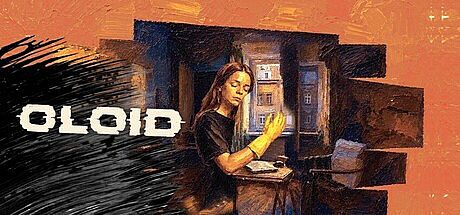



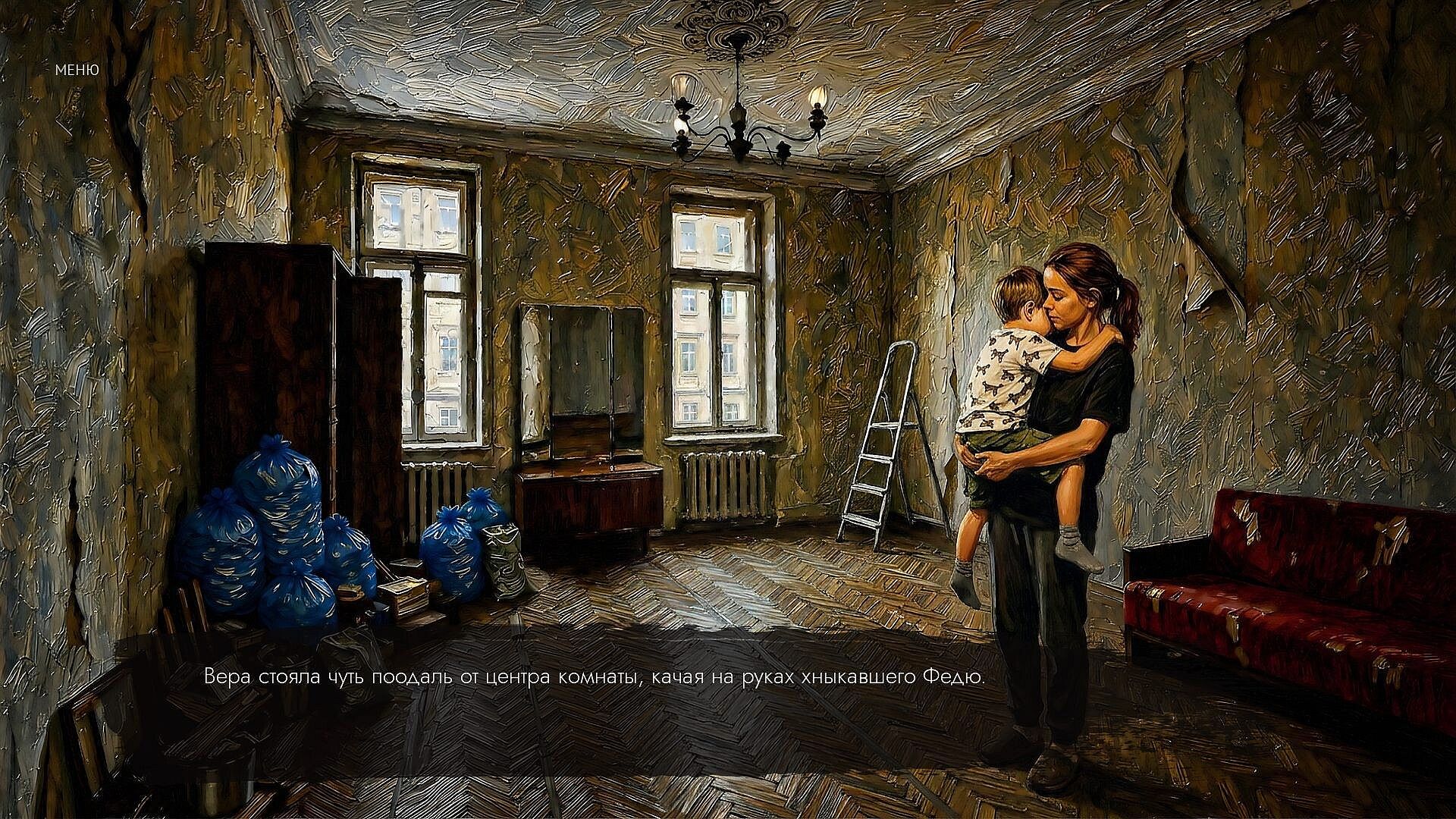
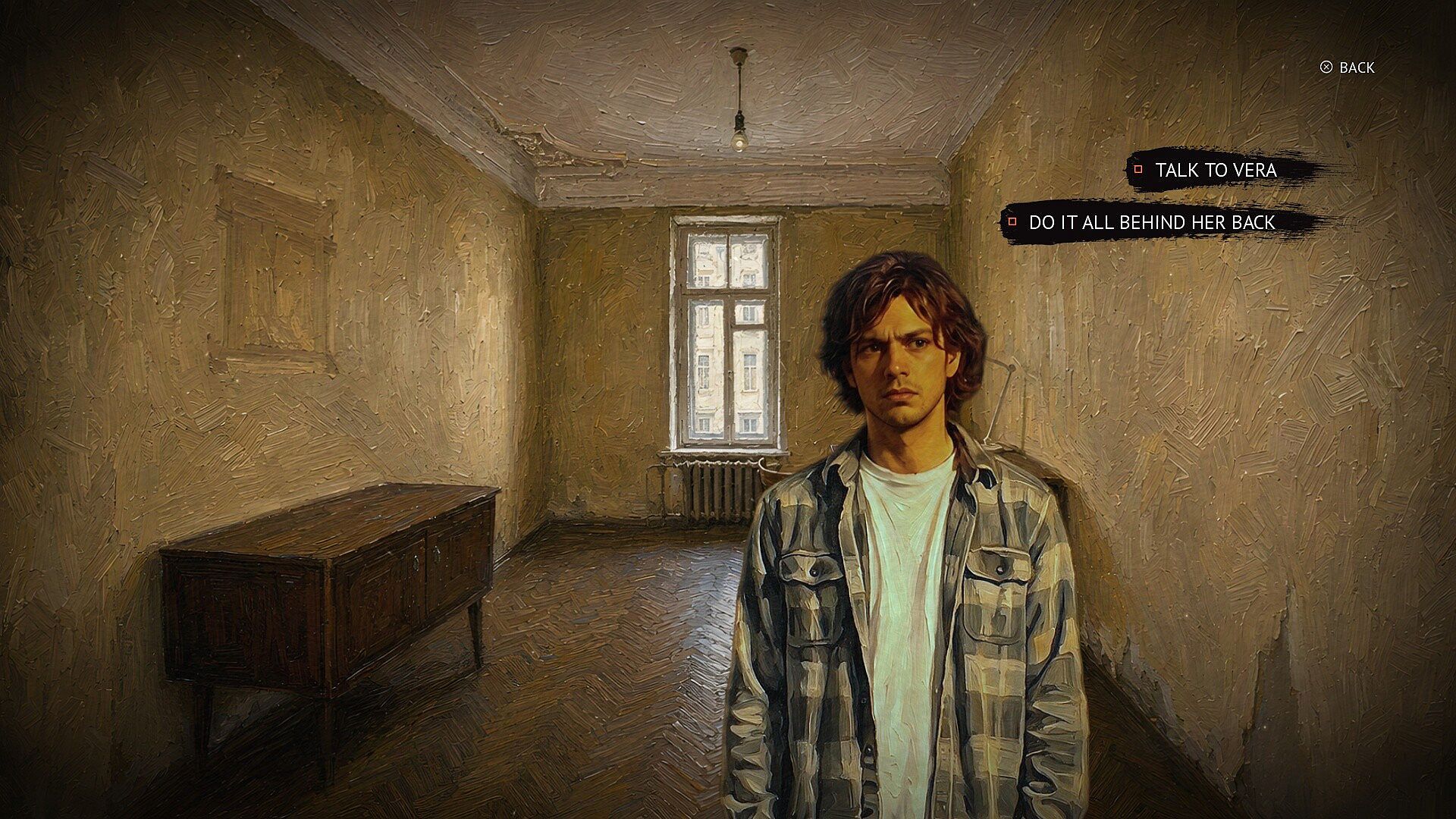

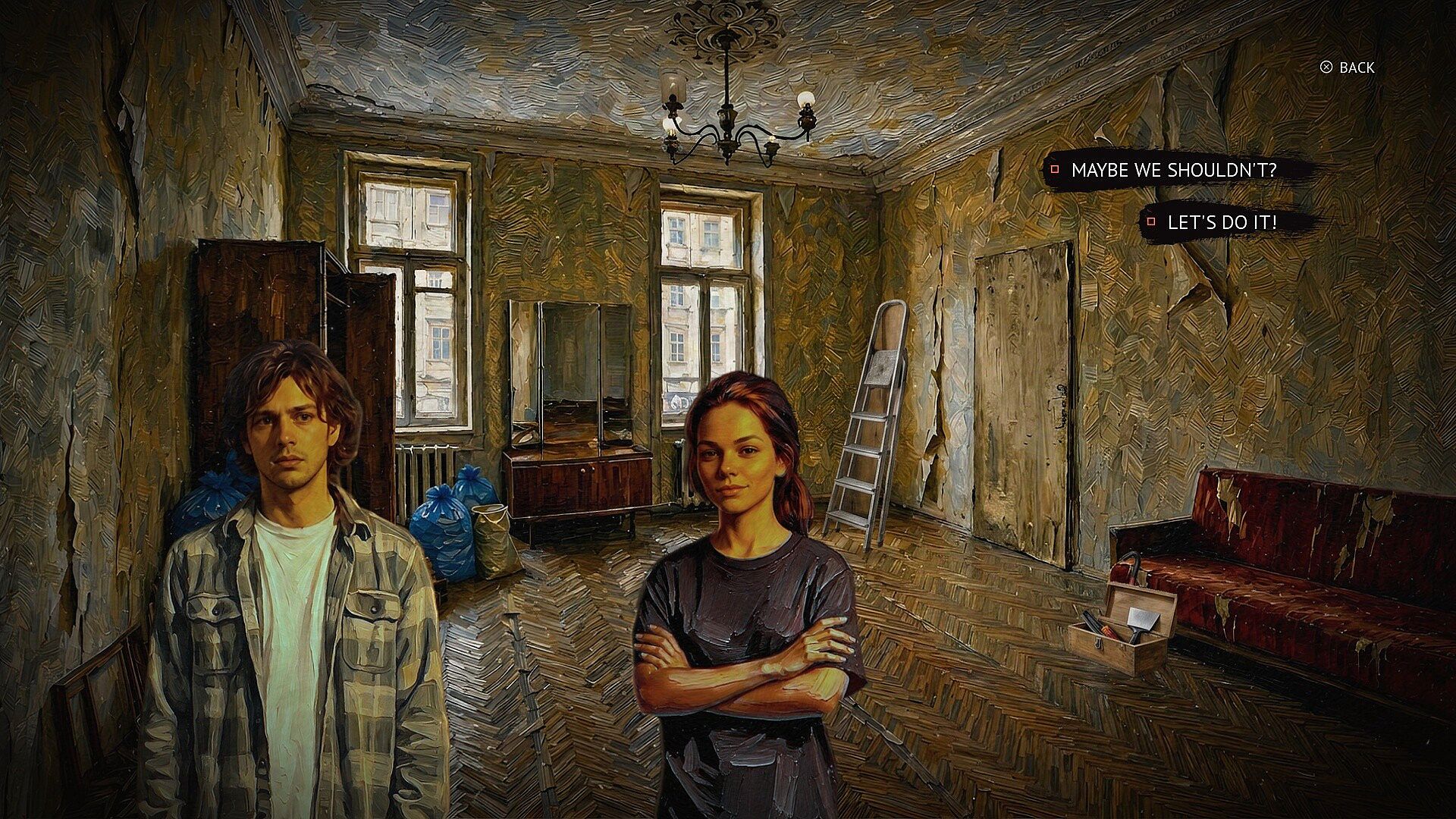
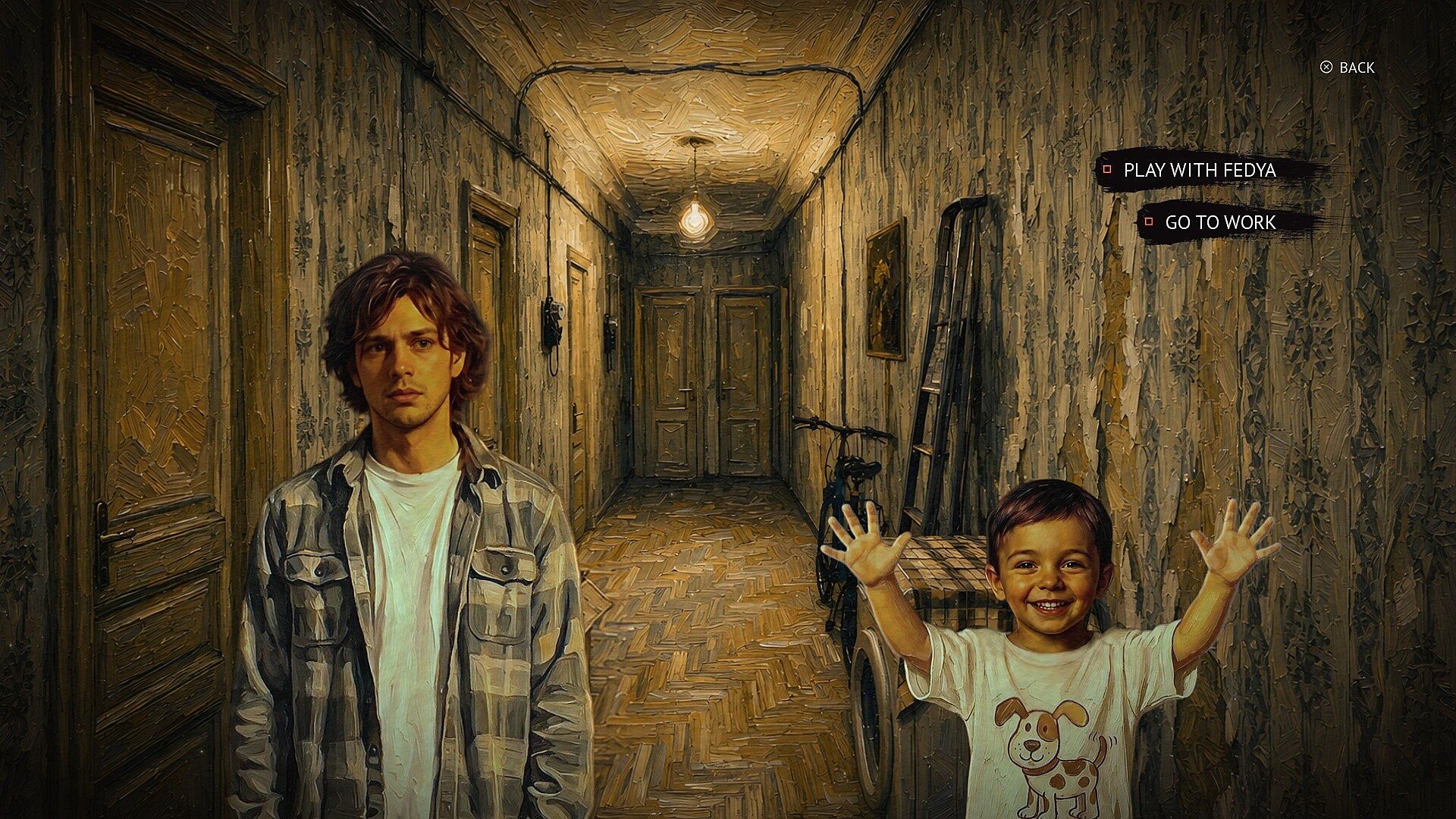

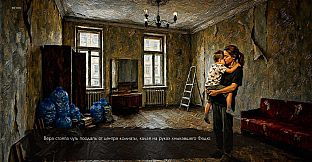



Oloid is an indie adventure game in the form of a mystical visual novel with psychological horror elements. Set in St. Petersburg in 2018, it follows the story of Egor, his wife Vera, and their young son Fedya as they settle into an old apartment overlooking a yellow courtyard well. What begins as a simple renovation and new chapter in family life quickly shifts when Egor discovers a hidden door behind the wallpaper that does not appear on any floor plan. The narrative explores what old walls conceal and the reasons some doors might be better left unopened.
Gameplay
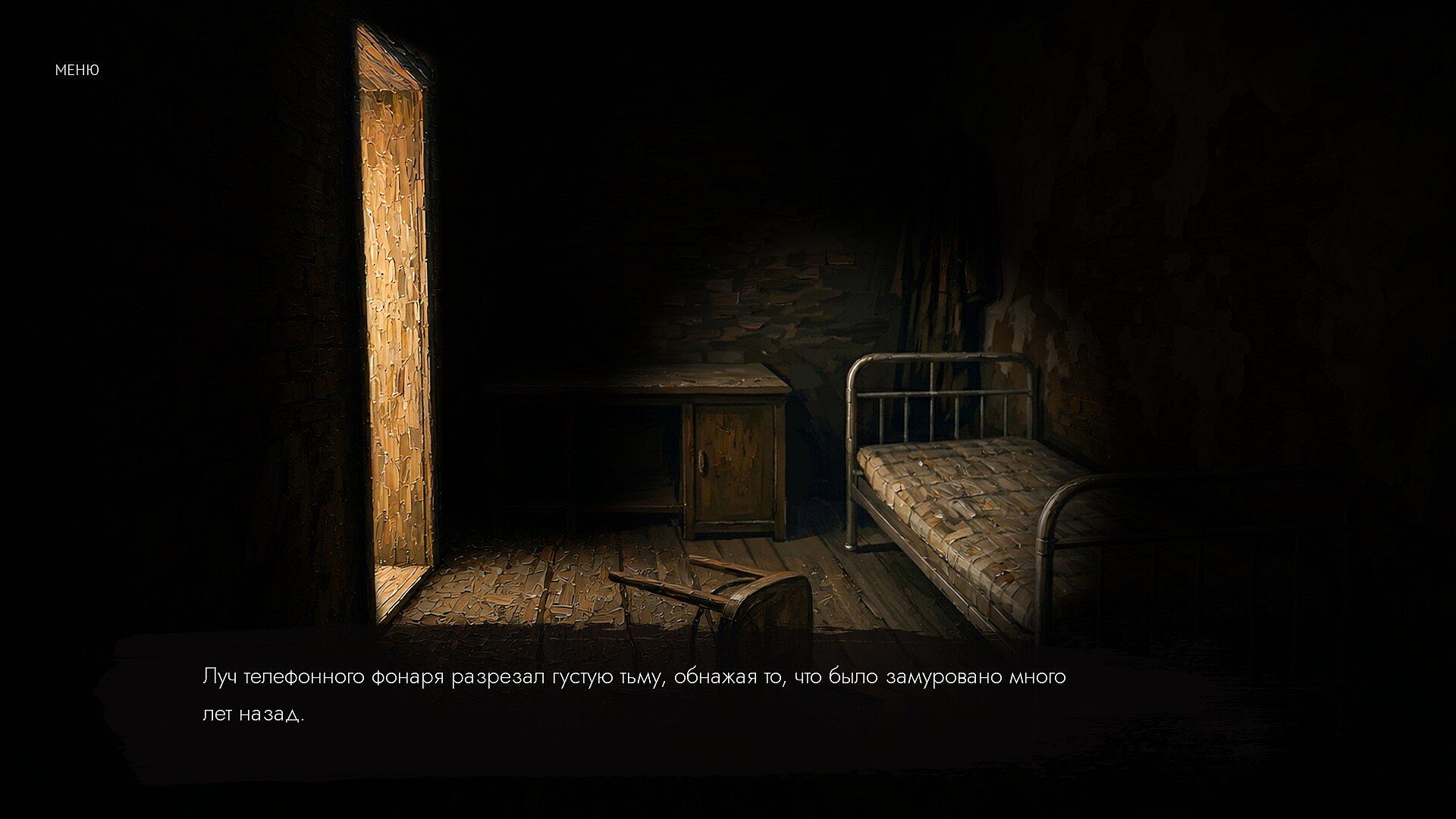
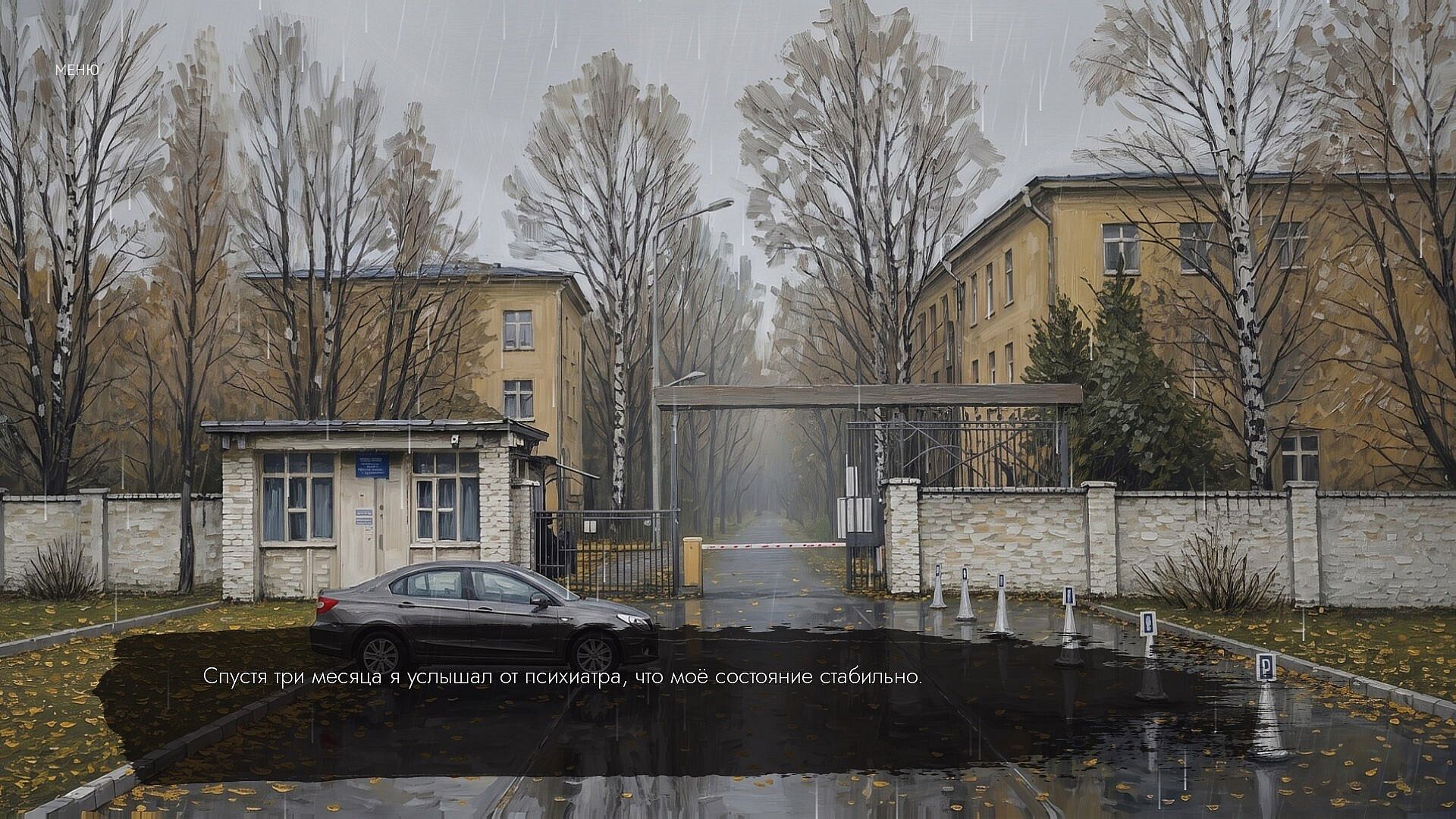
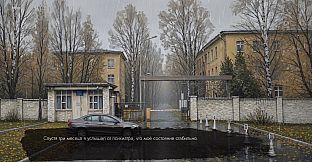
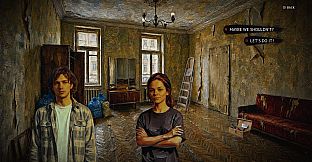
Players experience the story through a series of choices that influence family relationships and the overall direction of events. These decisions carry consequences tracked throughout the episode, culminating in a personalized summary screen that reflects the character of Egor shaped by player actions. The core loop centers on reading dialogue, making selections at key moments, and engaging with integrated mini-games that break up the narrative flow. Examples include searching a dark hidden room with a flashlight, entering a code on a safe keypad, tuning a car radio, and playing retro tank battles on an old television set with Fedya. The visual presentation uses an oil-painting style to depict locations such as St. Petersburg courtyards, wet granite streets, a psychiatric hospital, a morgue corridor, and cheap bars. Full Russian voice acting accompanies the text, which is available in English, while solo acoustic guitar music provides the soundtrack. The story extends beyond the apartment into the wider city, incorporating elements like Alik's car and a burned-out apartment as the past pursues the characters.
Game Modes
Oloid operates as a single-player narrative experience without separate competitive or cooperative modes. The primary structure consists of the main story divided into chapters, where player choices create branching paths and alter interpersonal dynamics within the family. Mini-games serve as interactive interludes rather than standalone modes, tying directly into the plot and requiring simple actions to progress. Episode I contains 28 chapters and typically takes two to three hours to complete on a first playthrough. Achievements track specific actions and outcomes, encouraging replay to explore different decision trees. The design emphasizes quiet tension built through exploration of hidden spaces and archival documents that connect multiple historical threads to the same address.
Story and Atmosphere
The plot weaves together three archival cases from different eras, all leading back to the apartment building. These documents introduce layers of mystery involving past tenants and events that begin to affect the present-day family. The tone remains grounded in psychological horror rather than overt spectacle, focusing on everyday objects like hammers, wallpaper, and hallway meters to generate unease. Locations outside the home expand the scope while maintaining the central theme of hidden histories resurfacing. The full script for four planned episodes has been completed, positioning the release of Episode I as the start of a larger arc.
Is It Worth Playing?
Oloid suits players who enjoy choice-driven visual novels that blend family drama with subtle supernatural elements and psychological tension. The integration of mini-games adds variety to the reading experience without overwhelming the narrative focus. Those drawn to atmospheric storytelling, oil-painting visuals, and full voice acting in Russian with English text will find the presentation distinctive. The game runs offline with no additional purchases required, and its short episode length makes it accessible for those seeking a contained story session. Replay value comes from the tracked choices and achievements, which reward exploration of alternate paths. It carries content warnings for violence, death, jump scares, strong language, and references to serious crimes, so it targets audiences comfortable with mature themes. For fans of indie adventure titles that prioritize consequence and atmosphere over action, the first episode delivers a focused introduction worth considering.











