

„One of You" to niezależna, swobodna przygodówka na PC, w której od sześciu do dziesięciu graczy trafia do zamkniętego gotyckiego dworu. Ucieczka wymaga wspólnego rozwiązywania zagadek, a ukryte role nieustannie podsyca nieufność w grupie.
Rozgrywka
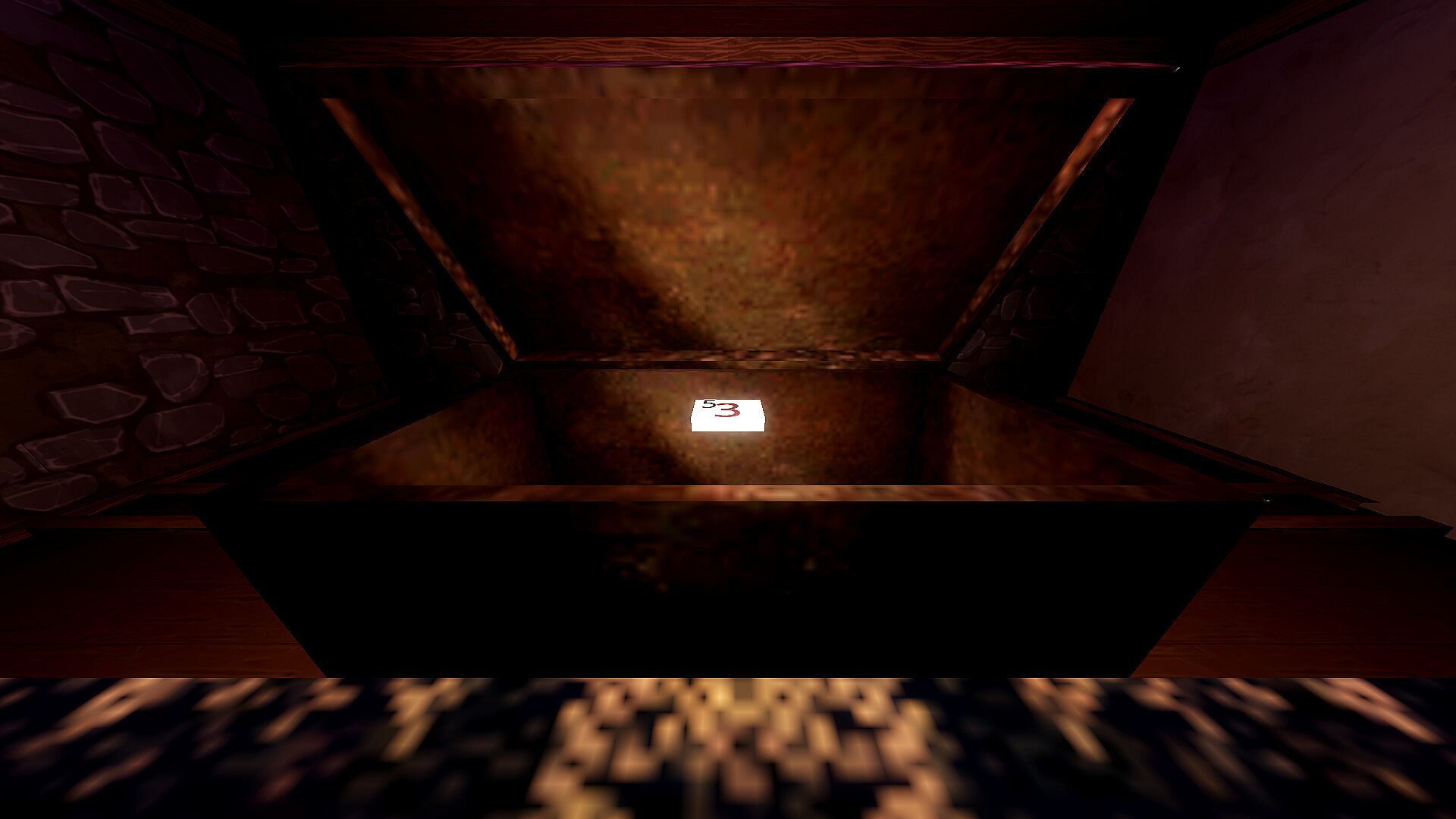
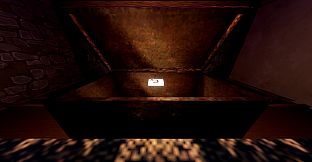
Gracze budzą się razem w rozpadającym się budynku, gdzie czekają na nich trzy drogi ucieczki. Drzwi frontowe otwierają czterocyfrowy kod - cyfry trzeba zebrać z porozrzucanych kartek, a kolejność wyznaczają wyryte symbole. Wyjście z piwnicy opiera się na ośmiocyfrowym szyfrze o odwrotnej logice: to, co działało na górze, tu zawodzi. Dach wymaga sześciu części drabiny, które trzeba odnaleźć w całym budynku i złożyć pod zamkiem opartym na symbolach. Każda runda losuje kody, rozmieszczenie kartek i symboli, więc nie da się zapamiętać stałych rozwiązań.
Spotkanie trwa od trzech do siedmiu minut. Po każdej rundzie gracze mają dziewięćdziesiąt sekund na swobodną dyskusję, a następnie oddają tajny głos, by wyeliminować jedną osobę. Głosy oddane na Admina nie mają mocy, więc nie da się go usunąć większością. Cała grupa przetrwa tylko wtedy, gdy przynajmniej jedno wyjście zostanie otwarte i wszyscy opuszczą dwór razem.
Podstawą komunikacji jest czat głosowy z ograniczonym zasięgiem - słychać oddech i kroki z sąsiednich pomieszczeń, ale kontakt zanika za rogiem. Opcjonalne filtry głosu urozmaicają późne sesje, a gracze mogą wgrać własne zdjęcia, by nadać awatarom twarze znajomych.
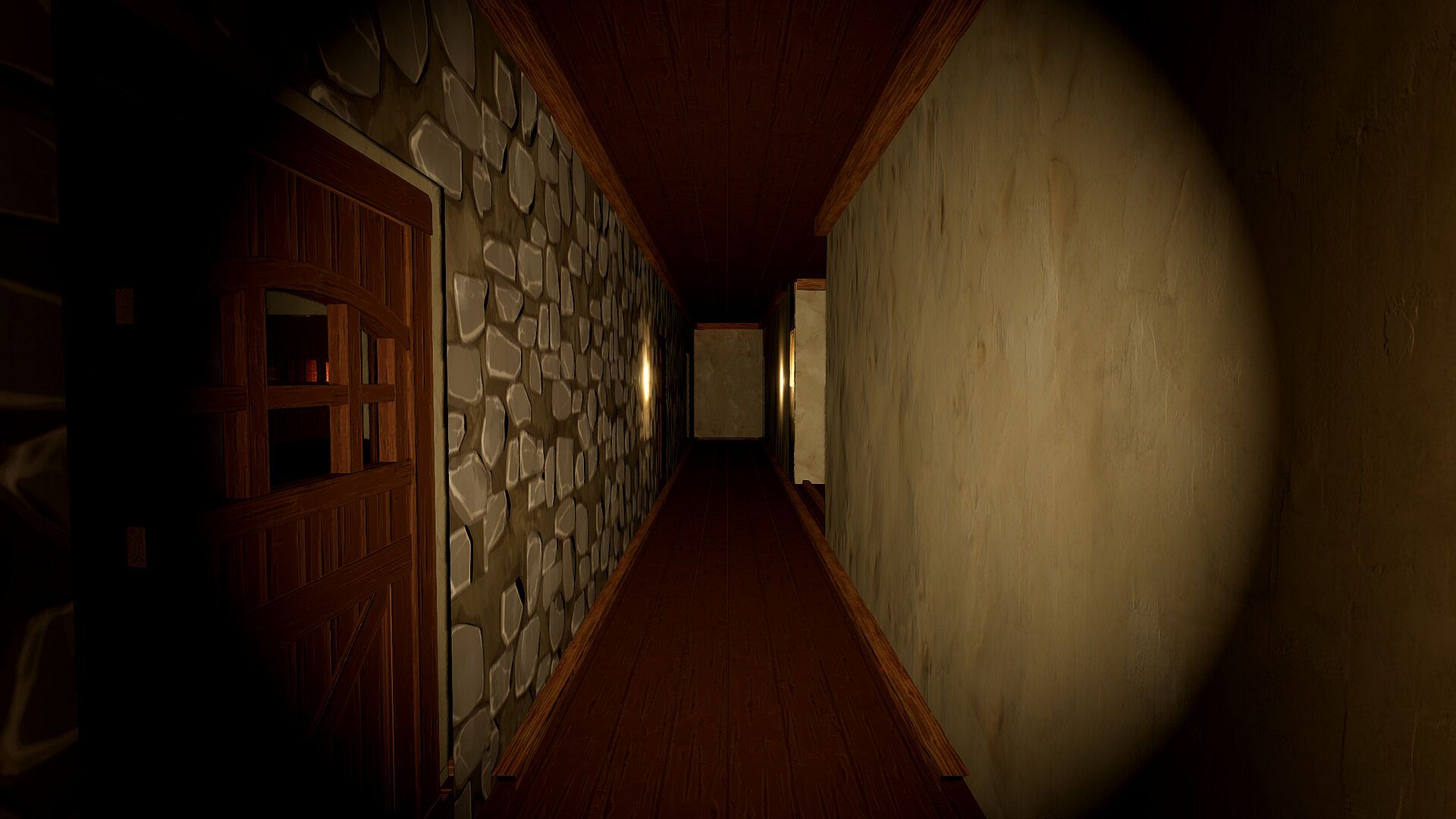
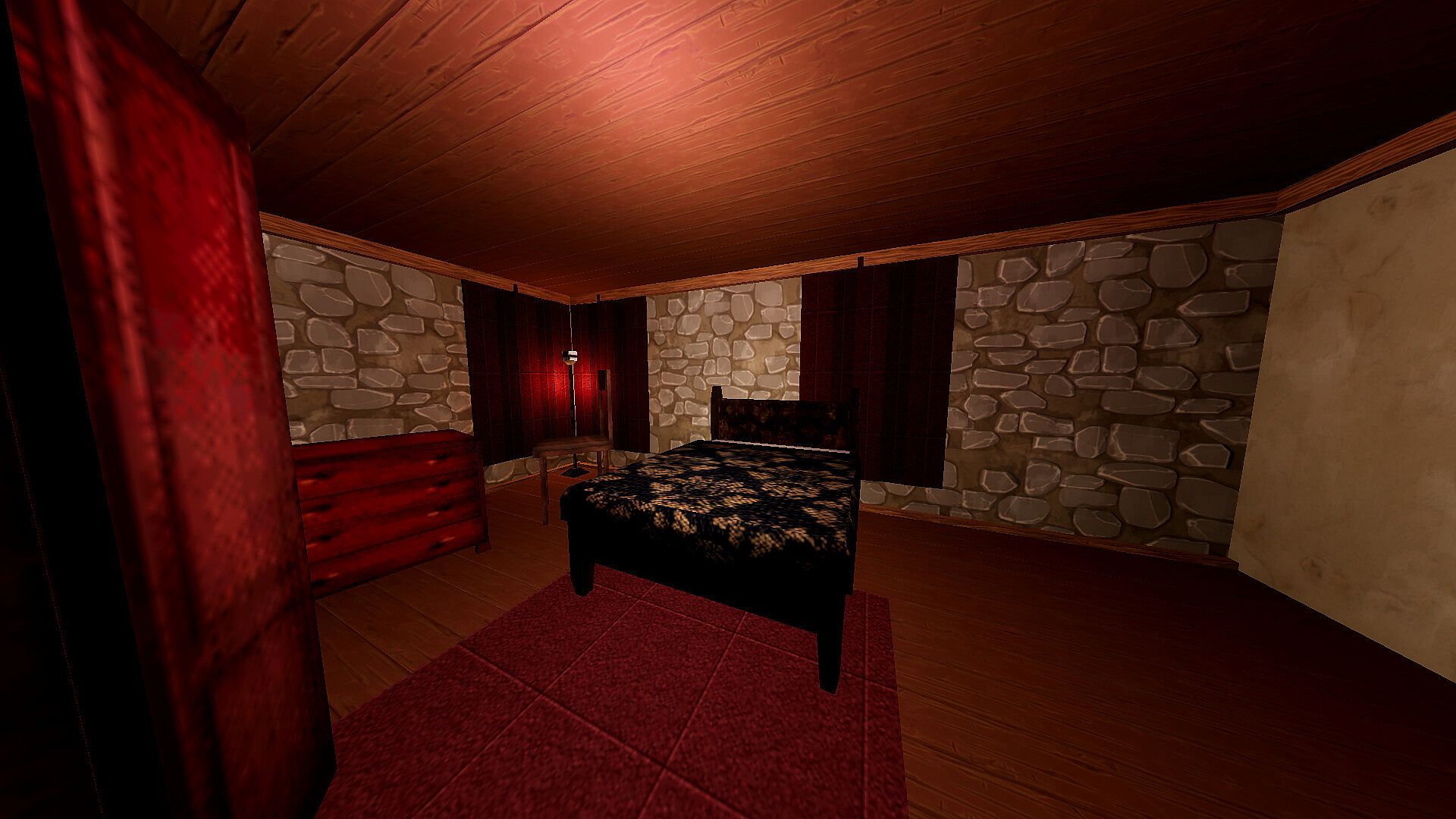
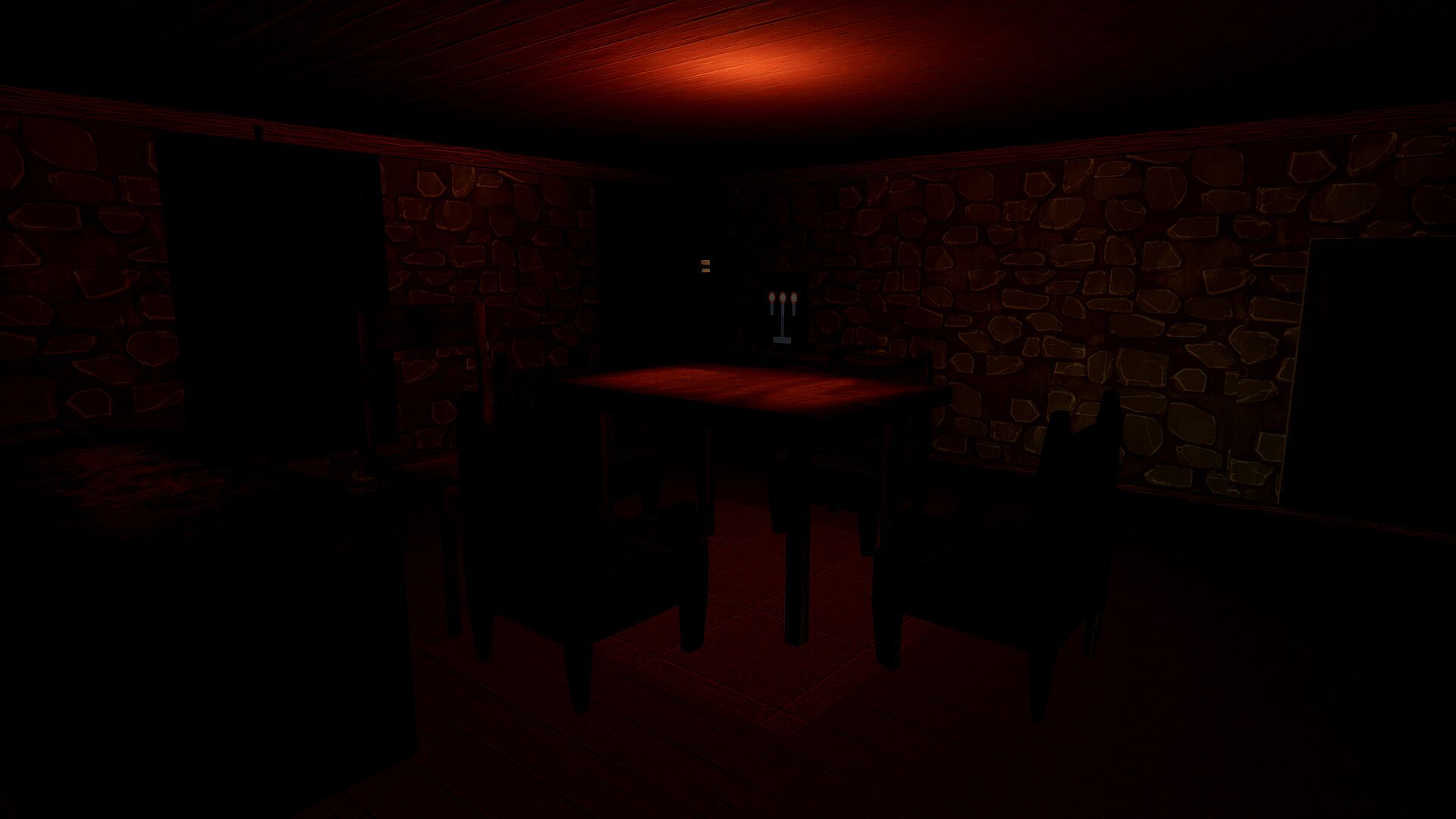
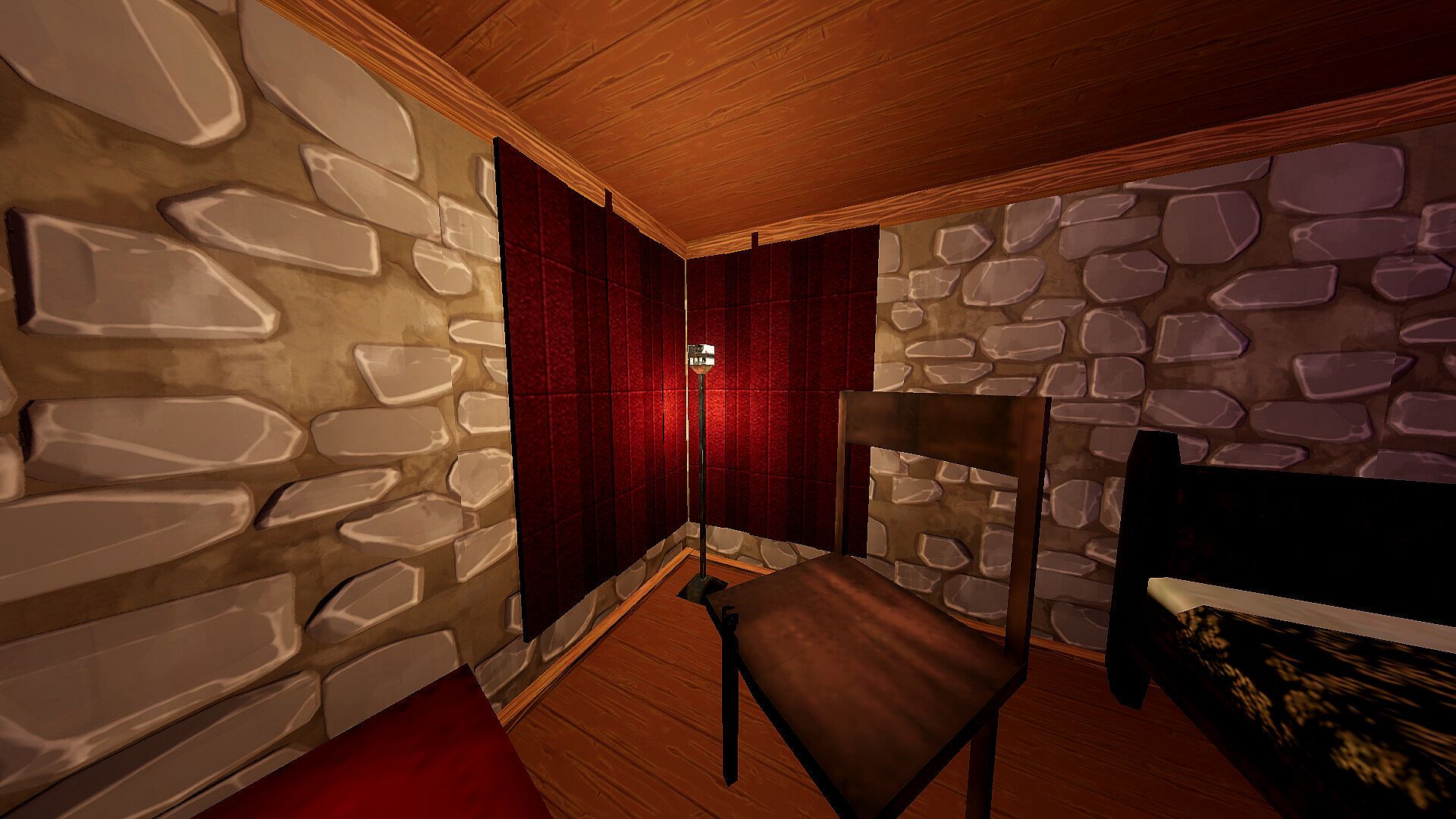
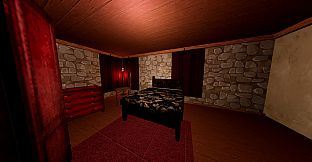
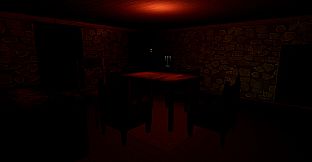
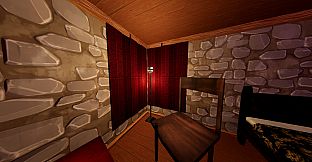
Oprawa graficzna nawiązuje do niskopoligonowych modeli z ery PSX i gęstej mgły, która ogranicza widoczność. Latarka oświetla jedynie najbliższy odcinek ścieżki, a otaczająca ciemność potęguje napięcie podczas eksploracji i konfrontacji.
Tryby gry
Całość opiera się na powtarzanych rundach o tym samym schemacie: rozwiązywanie zagadek, przenoszenie przedmiotów i głosowanie. Nie ma osobnych, nazwanych trybów - liczy się sam rdzeń rozgrywki. Każda sesja przetasowuje układ otoczenia, dzięki czemu wyzwania pozostają świeże i nie da się polegać na zapamiętanych układach. Rola Admina wprowadza asymetrię w ramach wspólnego formatu, pozwalając jednemu lub dwóm graczom zmieniać środowisko po znalezieniu przedmiotów lub bezpośrednio utrudniać ucieczkę.
Fazy dyskusji i głosowania pojawiają się po każdej rundzie, tworząc rytm krótkich wypraw i grupowych narad. Brak tradycyjnej różnorodności trybów skupia uwagę na wzajemnym oddziaływaniu mechanik zagadek i dedukcji społecznej w każdej rozgrywce.
Rola Admina
Jeden lub dwóch graczy zaczyna jako Admini, którzy znają już drogi ucieczki. Nie można ich usunąć głosowaniem, więc skupiają się na sabotażu: mogą pogrążyć pomieszczenia w ciemności, przestawiać kartki i symbole po ich odkryciu albo przesuwać elementy drabiny, by spowolnić resztę. Admini znają też tożsamość drugiego Admina, podczas gdy reszta grupy pozostaje w nieświadomości. Dzięki temu Admin staje się aktywną przeszkodą, zmuszającą pozostałych do otwierania wyjść mimo celowego utrudniania.
Perspektywa Admina przesuwa rozgrywkę w stronę bezpośredniego manipulowania otoczeniem zamiast czystej dedukcji. Sukces grupy nadal wymaga otwarcia wyjścia, więc Admin musi wyważyć zakłócenia z ryzykiem, że cała ekipa ucieknie, jeśli jego działania okażą się niewystarczające.
Czy warto zagrać?
„One of You" przypadnie grupom, które lubią połączyć dedukcję społeczną z lekkim rozwiązywaniem zagadek i komunikacją głosową o ograniczonym zasięgu. Krótkie rundy i losowe układy utrzymują tempo, a mechanika sabotażu Admina dodaje asymetrii, zmieniając sposób podejścia do każdej rozgrywki. Niskopoligonowa gotycka estetyka i ograniczony zasięg latarki budują atmosferę niepewności bez potrzeby zaawansowanej grafiki.
Gracze ceniący dyskusję, ukryte role i wspólne rozwiązywanie problemów pod presją odnajdą w pętli rozgrywki coś dla siebie. Osoby szukające rozbudowanej zawartości solo lub szerokiego wyboru odrębnych trybów mogą uznać skupioną formułę wieloosobową za zbyt wąską. Gra jest dostępna na PC i obsługuje opisane funkcje głosowe, oferując kompaktowe doświadczenie towarzyskie.