






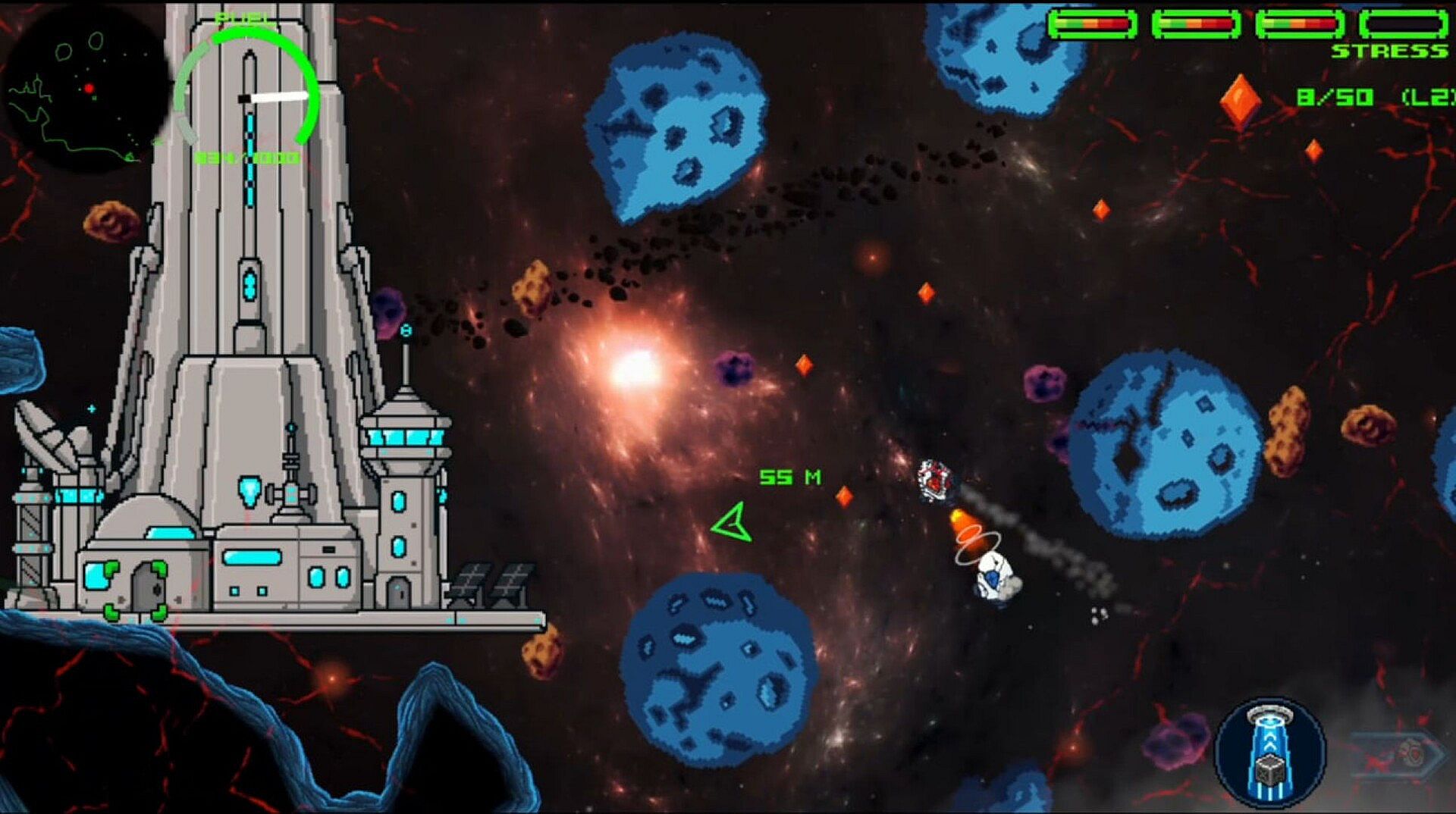
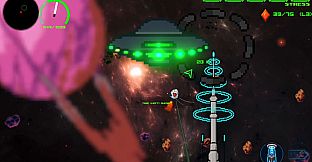
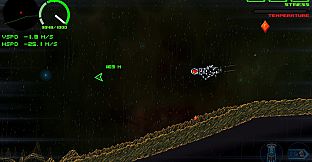
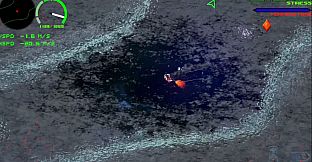
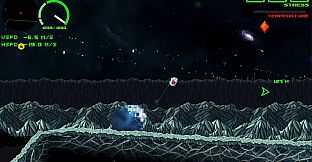
Orbit Fall is a 2D pixel-art action and adventure game built around precise control of thrust, momentum, and gravity on the PC platform. Players pilot a spacecraft through planetary descents, complete objectives on hostile surfaces, and manage limited resources to launch back into orbit.
Gameplay
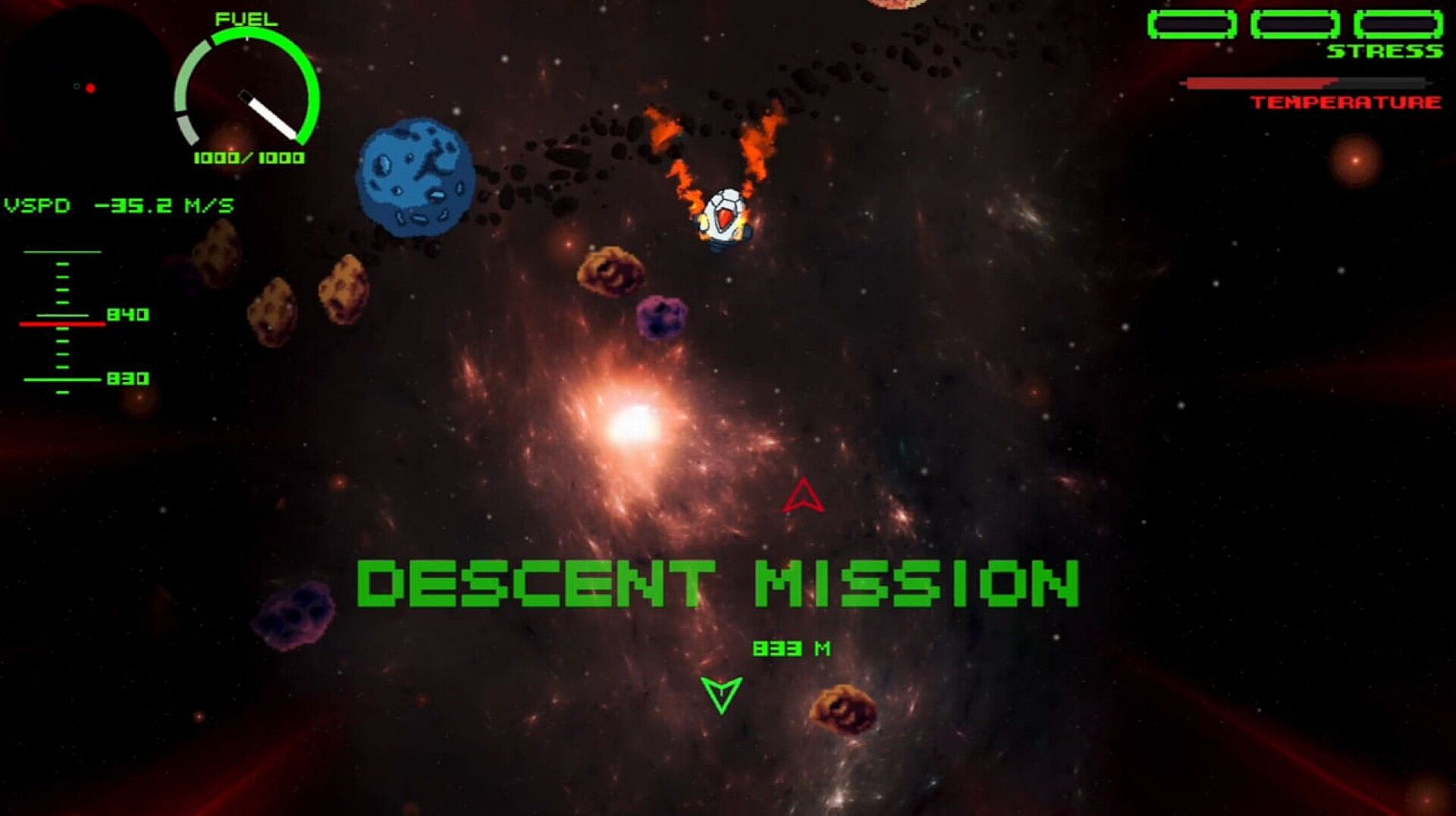
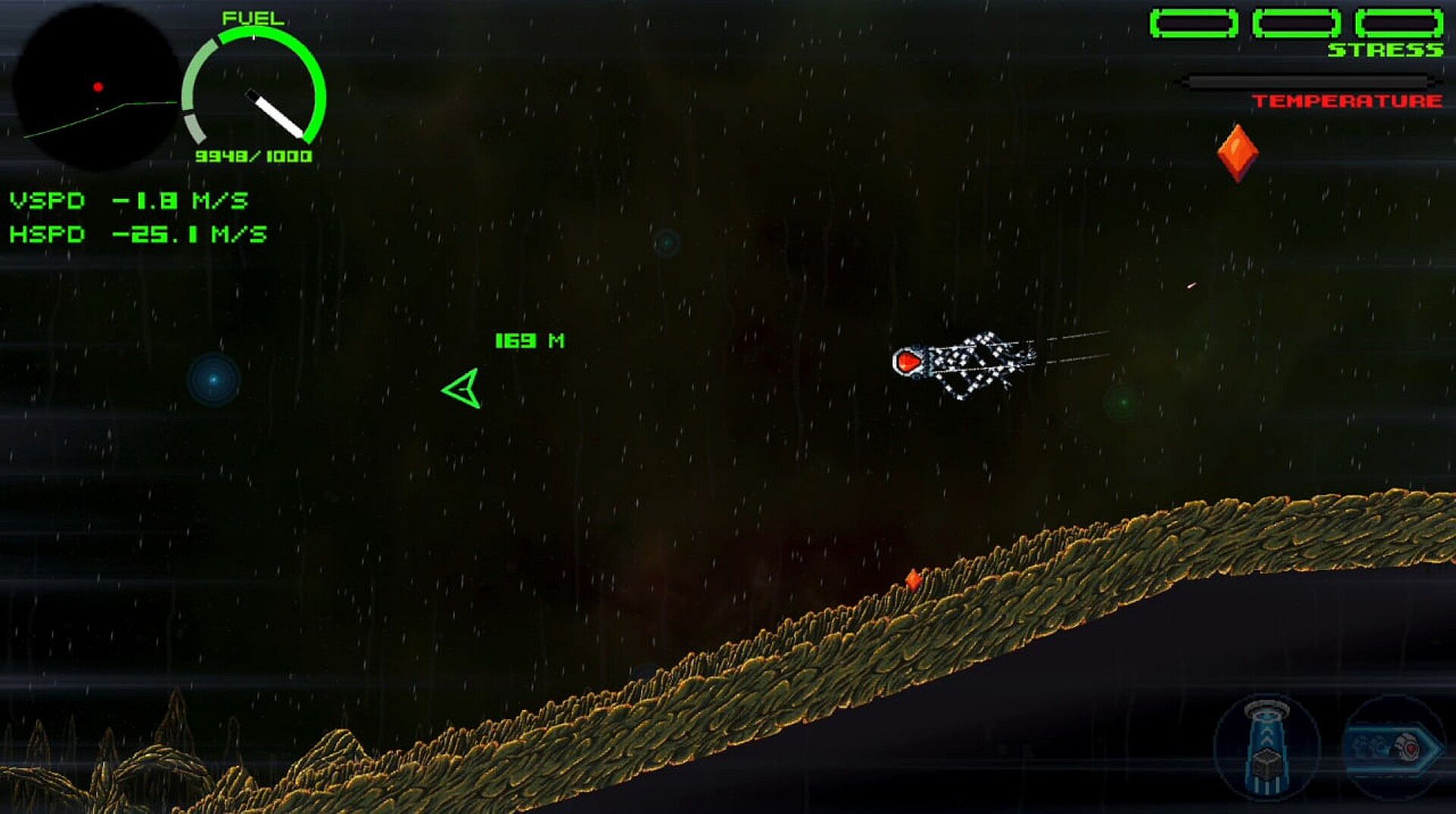
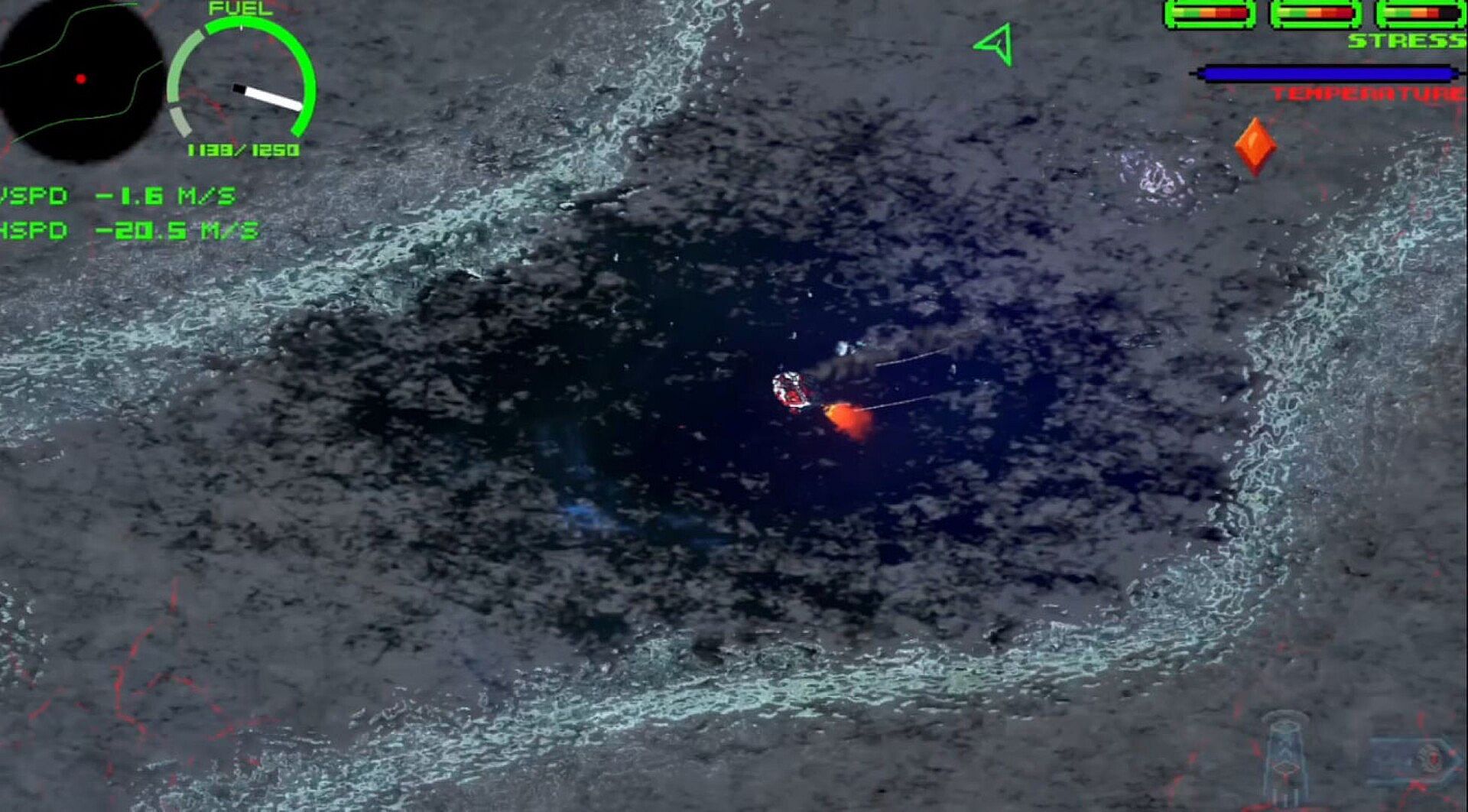
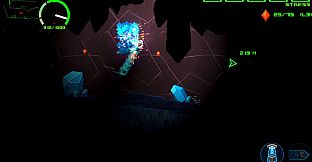
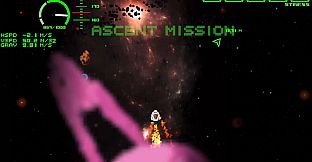
The core loop centers on controlled descent using the spacecraft's propulsion and orientation systems. Heat from atmospheric entry, variable gravity, and surface hazards demand constant adjustments to speed and rotation for a safe landing. Once on the ground, the ship serves as a versatile tool for exploration across dangerous terrain and underground areas.
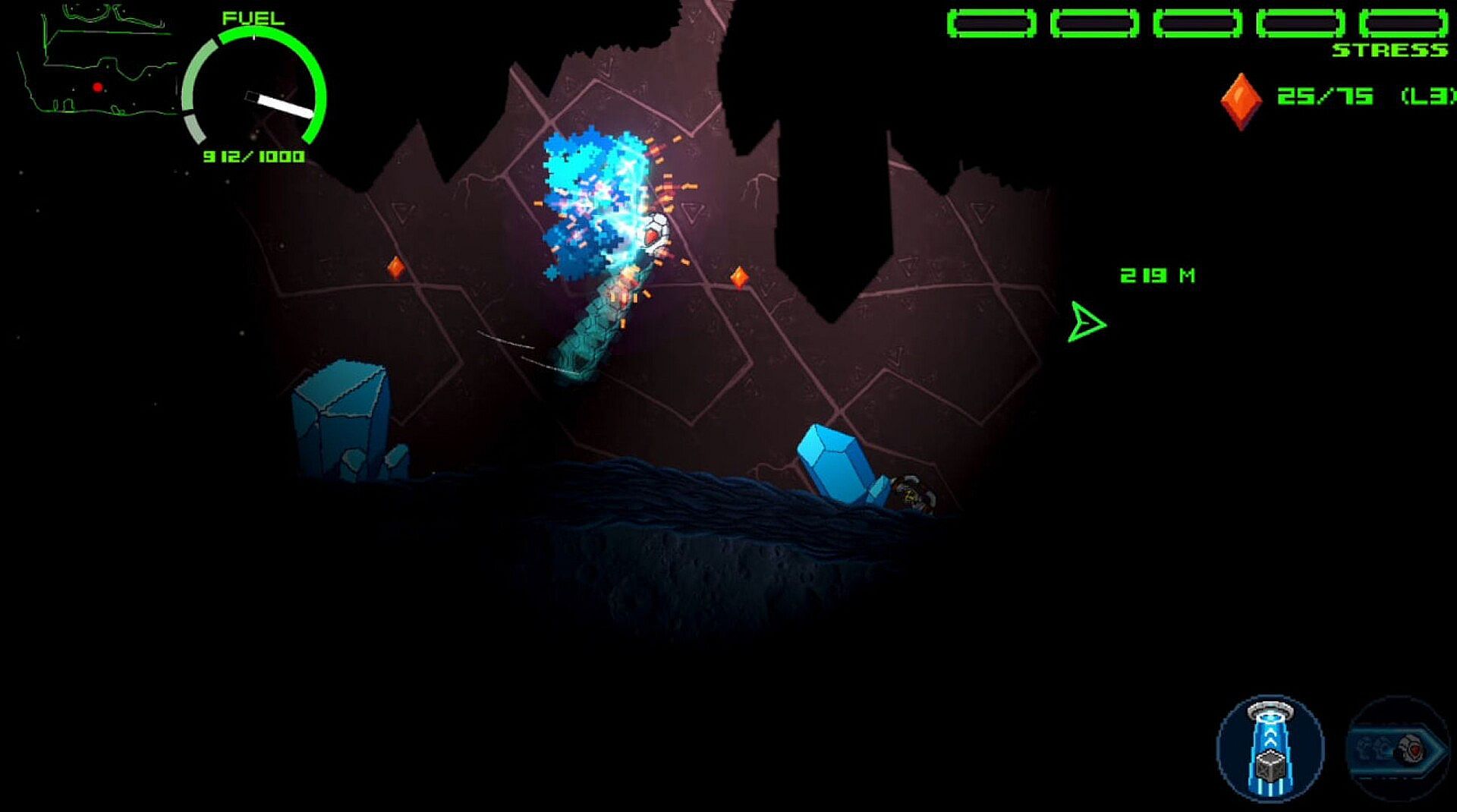
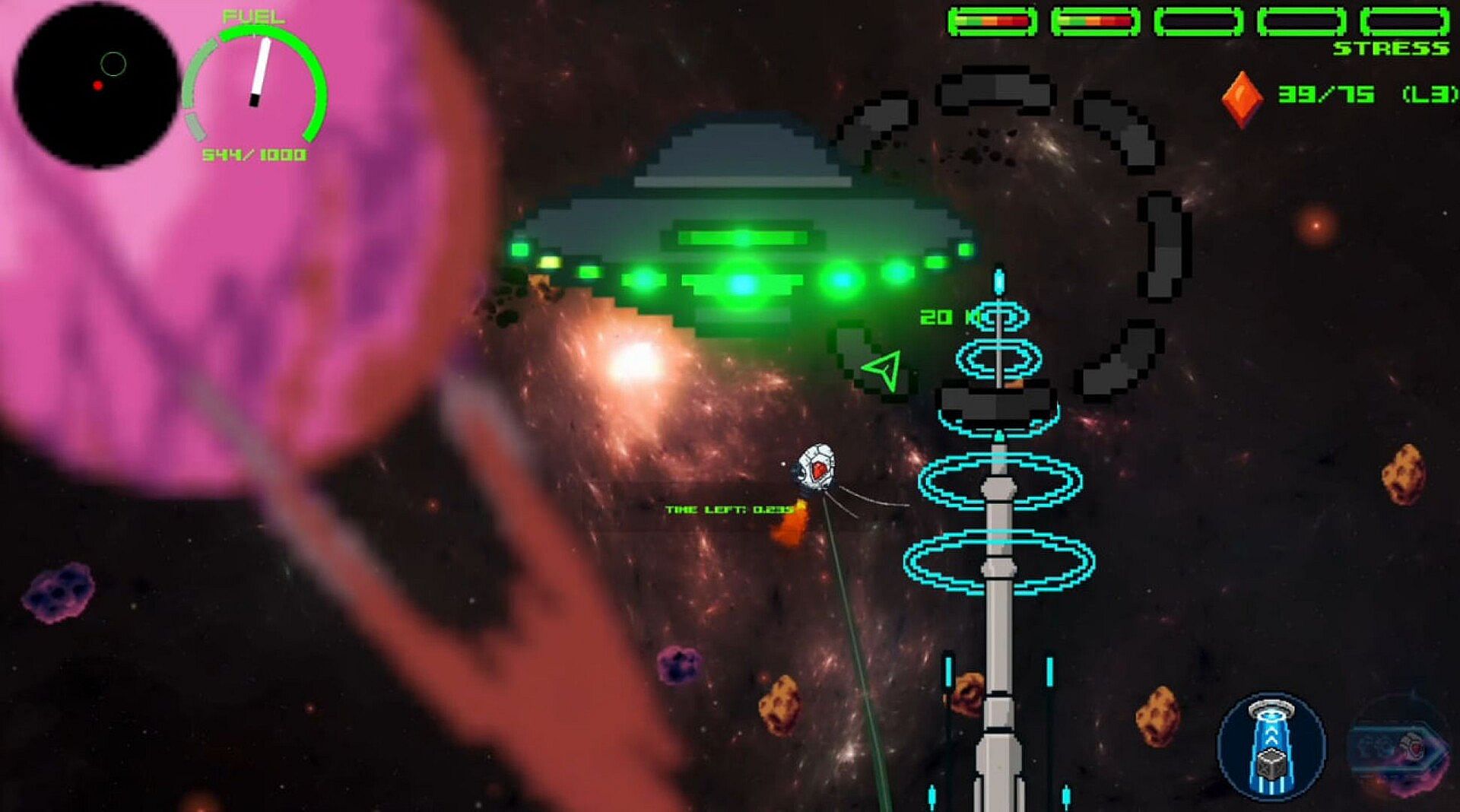
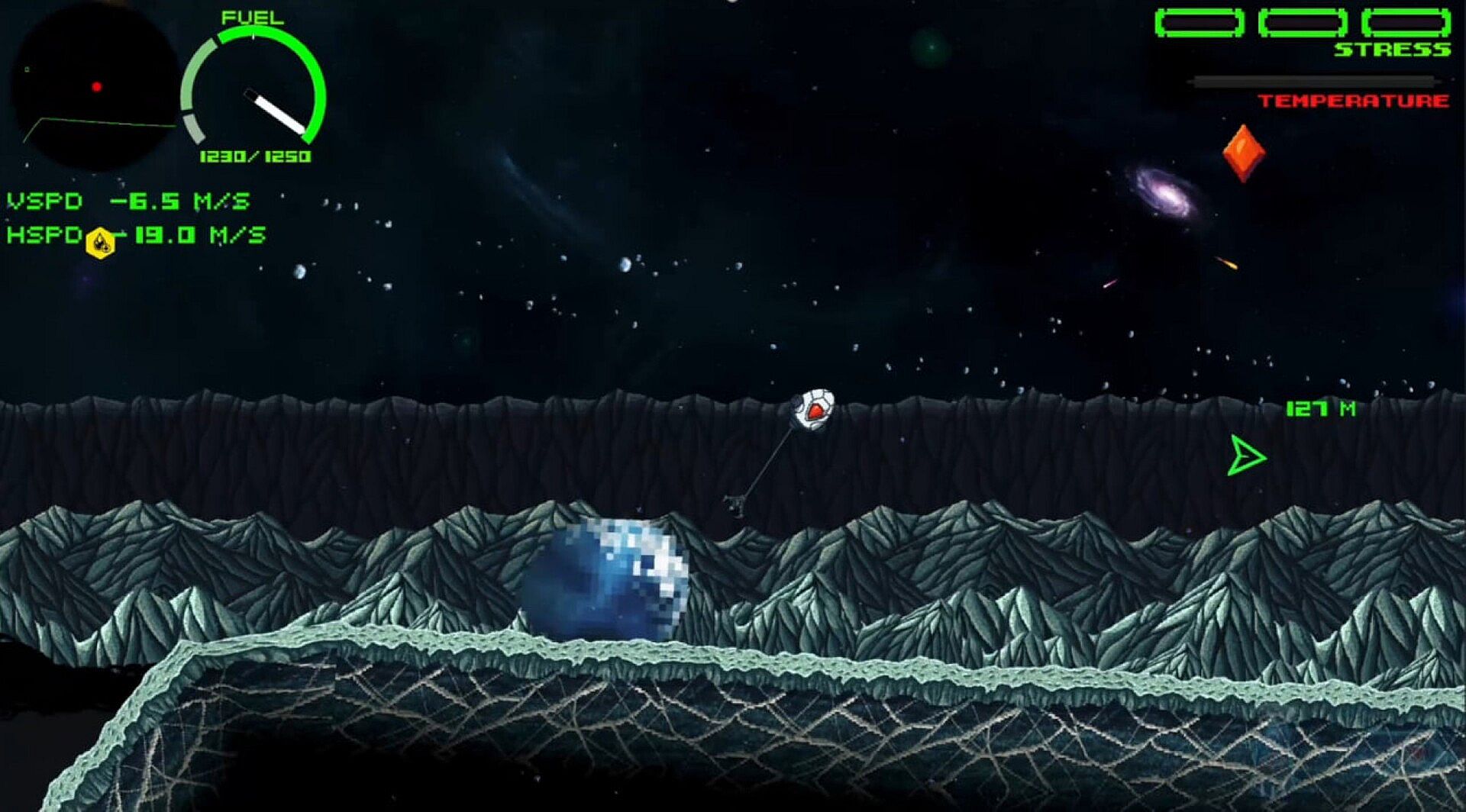
Key systems allow players to interact with the environment in targeted ways. A gravity beam moves objects, a harpoon pulls targets closer, and a dash breaks through obstacles. When momentum carries the ship out of control, stabilization tools help regain command. These mechanics tie directly into mission objectives that require careful positioning and timing.
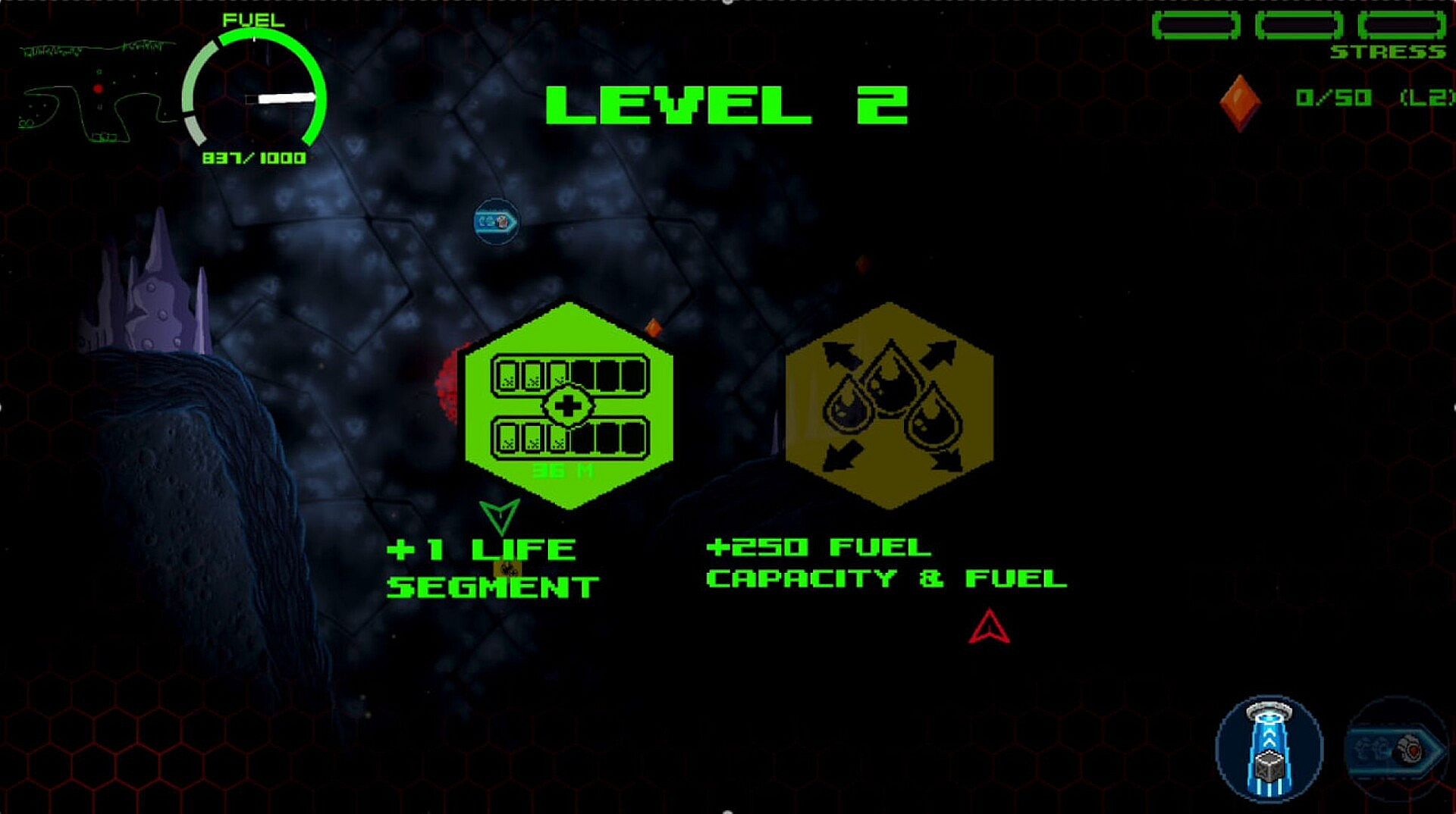
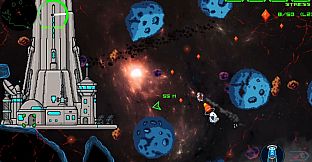
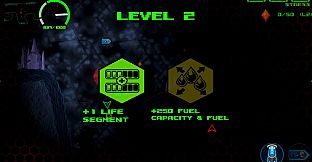
Fuel acts as the central constraint. Every thrust correction, beam use, or maneuver consumes reserves, so players must locate scattered supplies or return to bases for refueling. Hard landings or collisions damage specific ship modules, which then require field repairs or base restoration. Successful runs also unlock upgrades that increase fuel capacity, improve hull durability, and enhance overall agility.
Game Modes
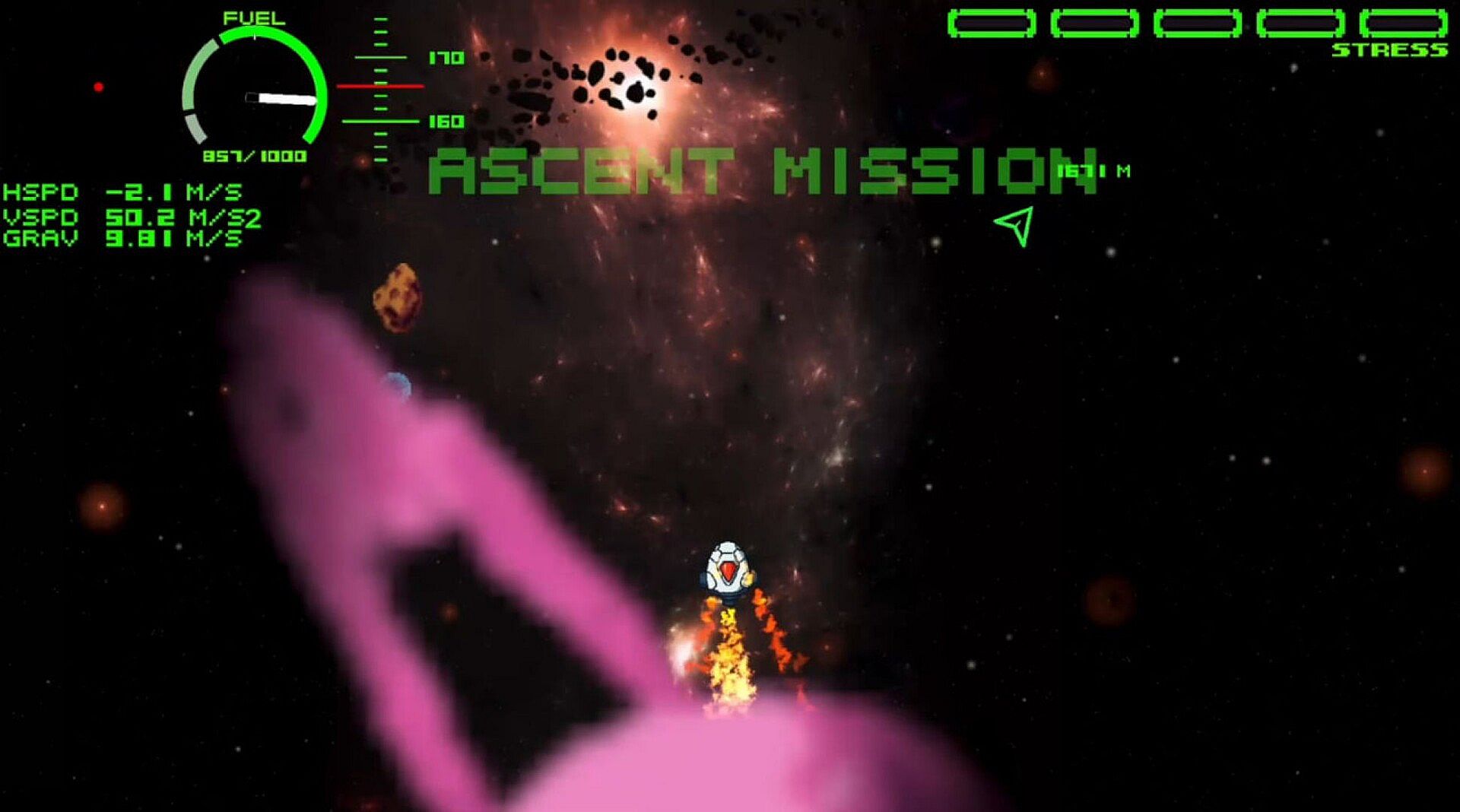
Orbit Fall operates as a single-player experience focused on repeated planetary runs. Each descent begins with the challenge of atmospheric entry and ends with the need to preserve enough fuel and intact modules for a successful orbital escape. The structure emphasizes preparation, execution, and recovery rather than separate named playlists or competitive formats.
Missions unfold across varied planetary surfaces and interior spaces, where objectives guide exploration and interaction. The return flight forms an equal part of every attempt, turning resource management into a continuous thread from touchdown to liftoff. No additional modes such as co-op or versus play appear in the game's design.
Core Mechanics and Progression
Progression comes through repeated successful missions that yield repair materials and upgrade opportunities. Module damage forces strategic choices about which systems to prioritize during a run, while fuel scarcity rewards efficient piloting and thorough searching. The gravity beam, harpoon, and dash integrate into both combat encounters and environmental puzzles, creating layered problem-solving on each planet.
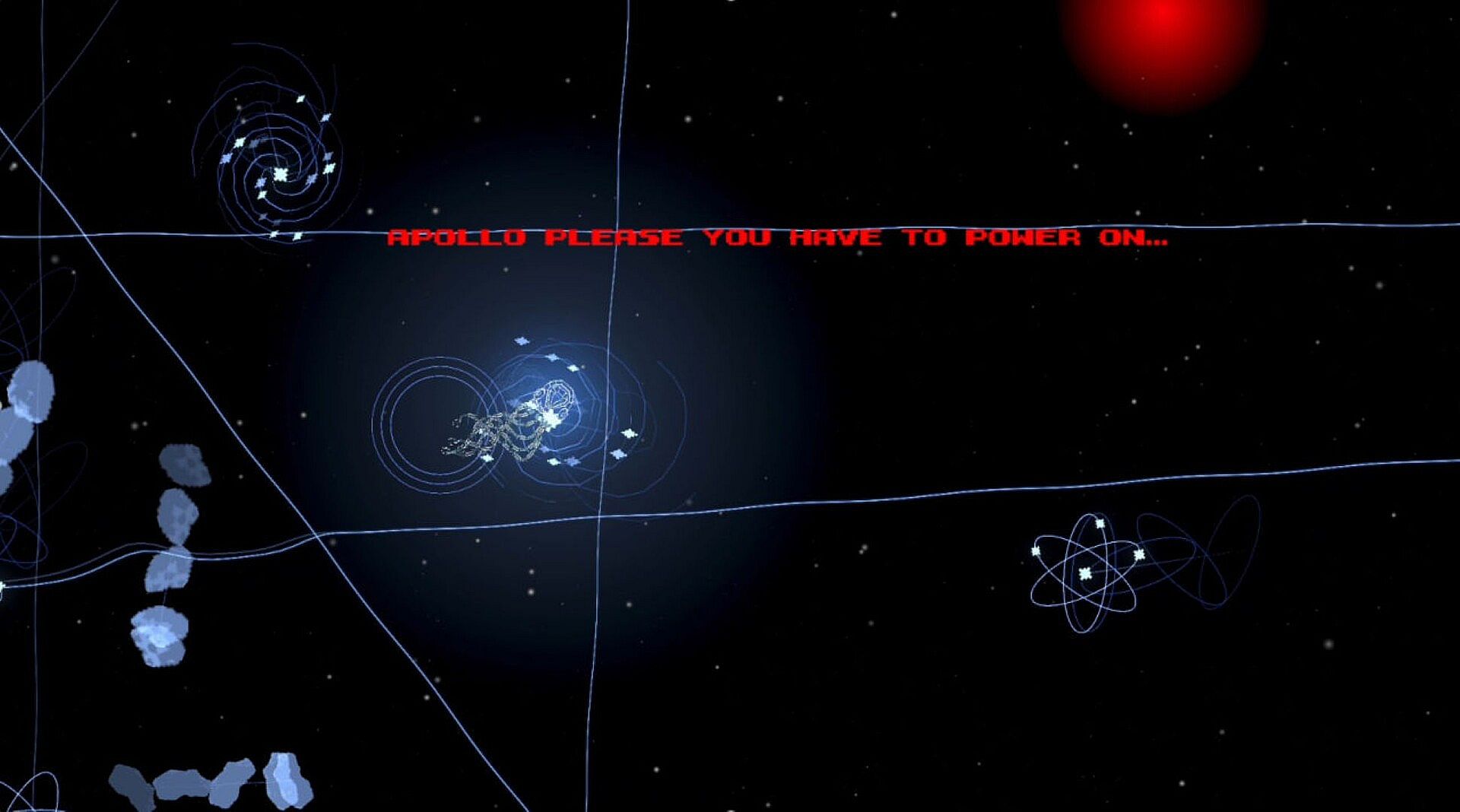
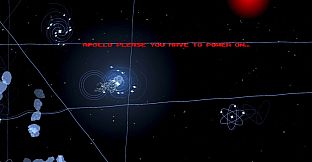
As runs accumulate, players refine their handling of momentum and rotation. The pixel-art presentation highlights the physical feedback of impacts and thrust, making every correction feel tangible. The journey eventually extends beyond individual planets into open space, where the spacecraft itself begins to reveal additional layers of its design.
Is It Worth Playing?
Orbit Fall suits players who enjoy deliberate, physics-driven arcade adventures with strong resource loops. The emphasis on fuel discipline, module repairs, and precise maneuvering creates a tight feedback cycle that rewards practice and planning. Those drawn to 2D pixel-art titles centered on spacecraft control and planetary exploration will find a focused experience built around descent, mission completion, and ascent.
The single-player structure keeps attention on personal mastery rather than external competition or large-scale systems. Without confirmed updates or additional content beyond the core loop, the game stands on its mechanical depth and the satisfaction of mastering each planet's challenges. Players comfortable with trial-and-error runs and incremental ship improvements will likely appreciate the consistent tension between risk and reward.











