






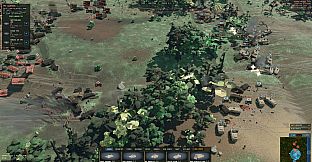
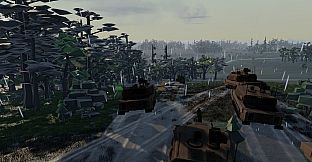
ORDNIX is a real-time wargame set on one front of a modern conflict where every decision rests with the player. Developed as an indie simulation title in early access for PC, it emphasizes procedural generation and detailed physical modeling over abstracted systems. Players requisition forces from one of eight distinct national armies and deploy them onto entirely new terrain that the game creates at the start of each match. All elements from individual shells and soldier movements to radar sweeps operate under simulation rules rather than simplified health bars or stats.
Gameplay
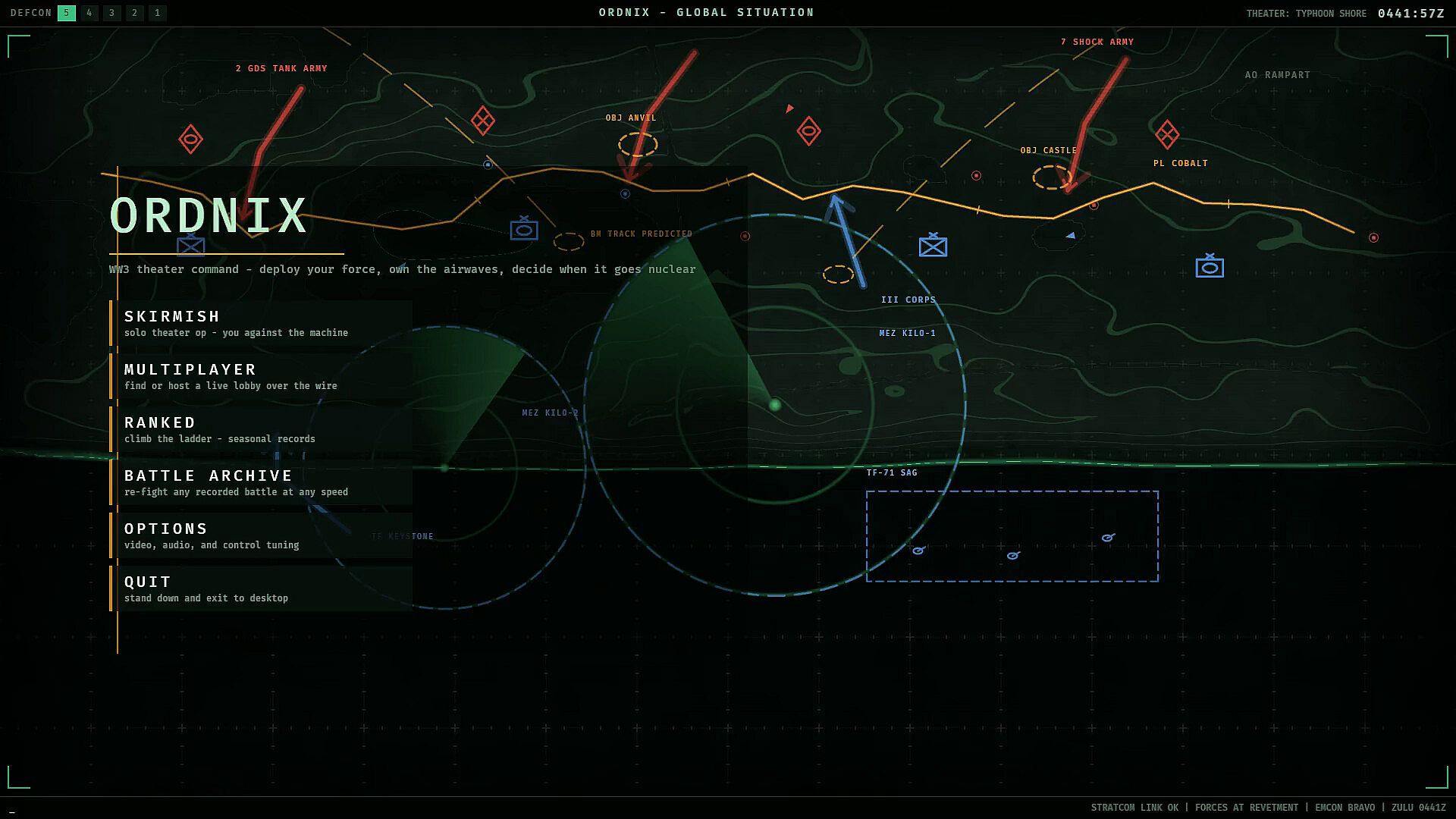
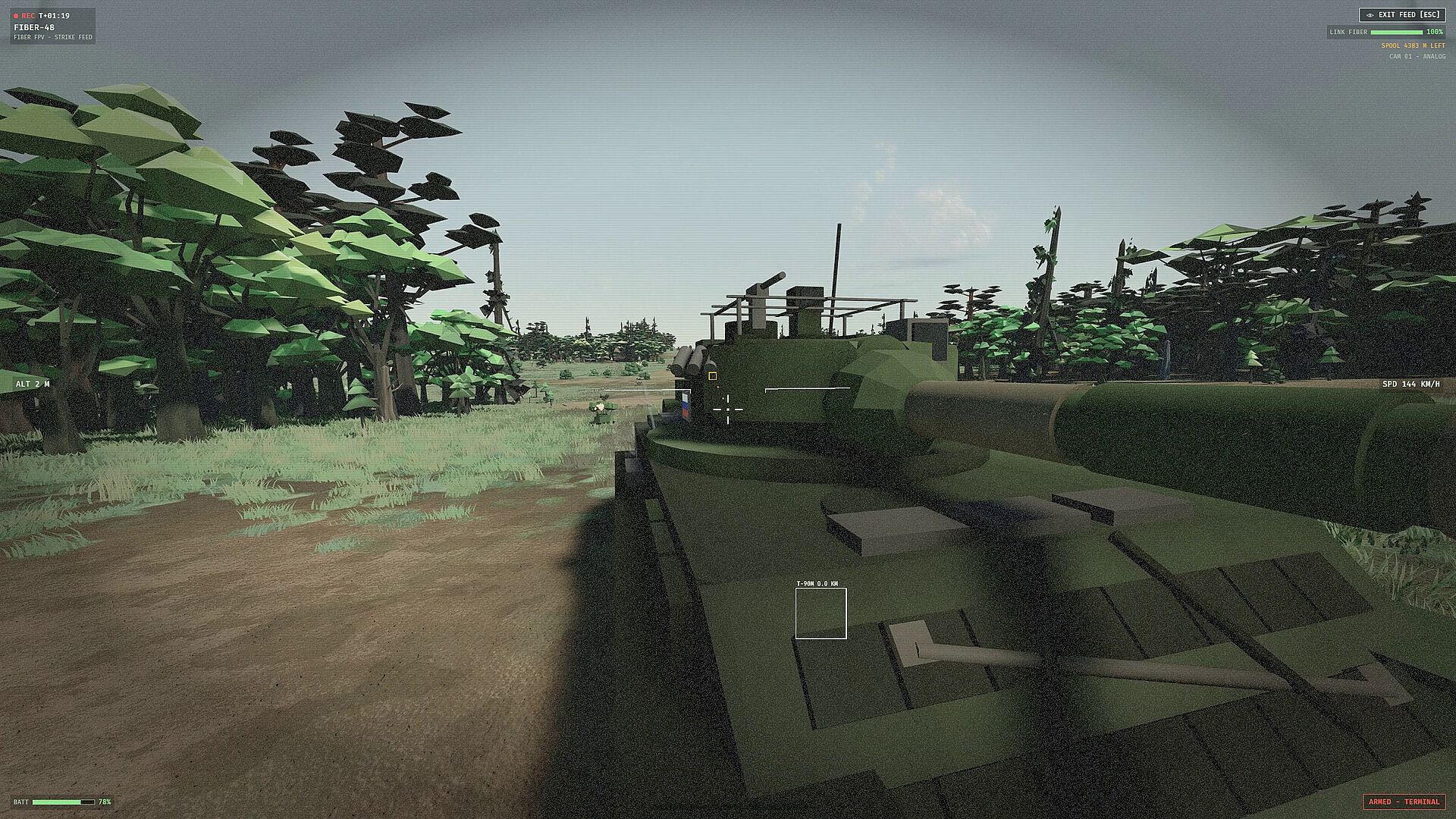
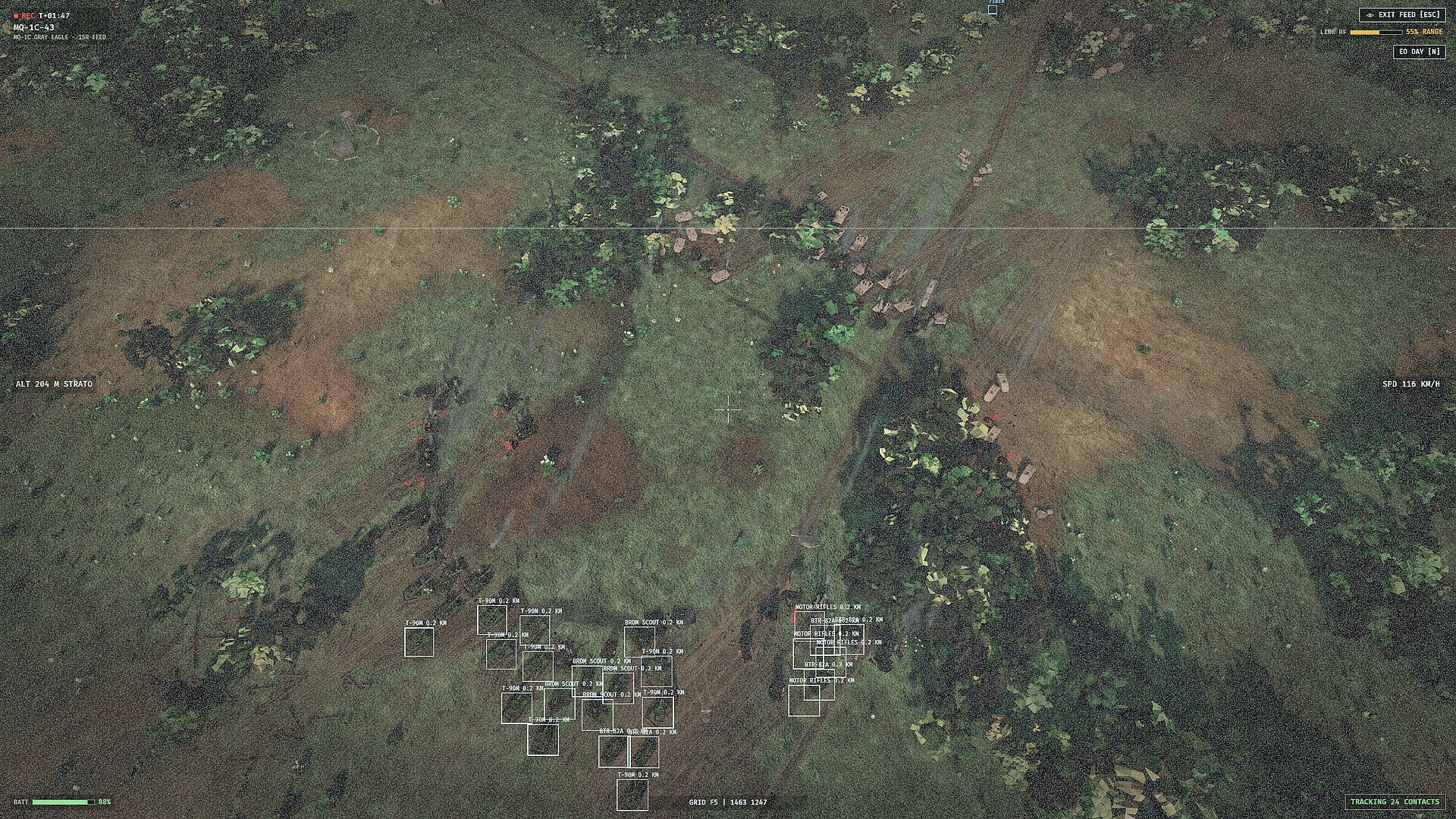
The core loop centers on reconnaissance, positioning, and precise application of force. Players must locate enemy positions before committing to engagement because detection mechanics rely on realistic physics. Radar sweeps cover the sky while ground recon pushes the contact line forward. Stealth functions through actual radar cross-section calculations, so reducing a signature does not automatically halve detection range. Jammers disrupt wireless drones, and receivers can trace emissions back to their source, with terrain influencing how signals propagate.
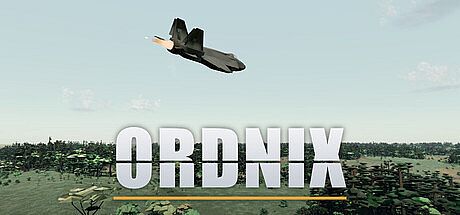
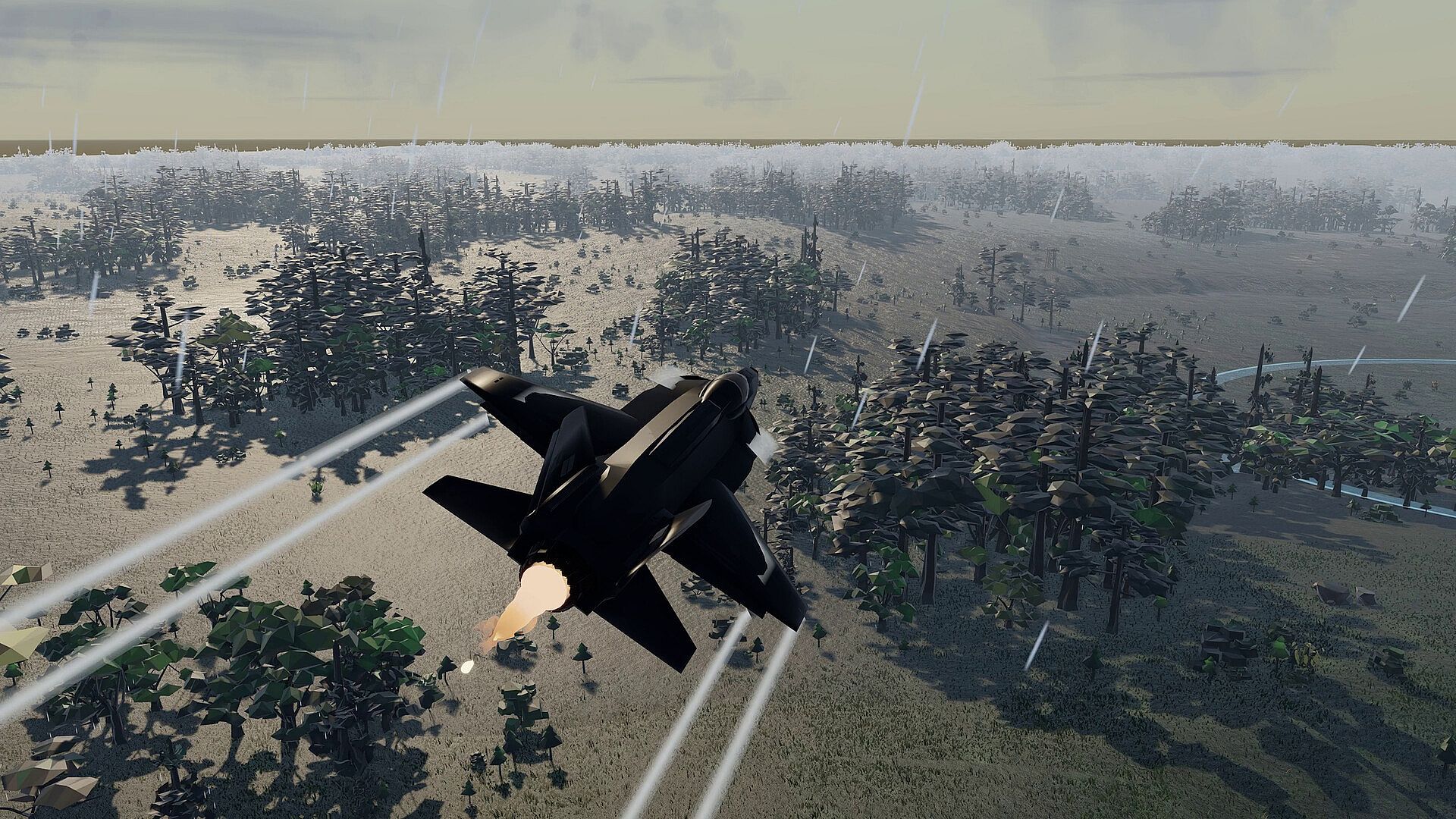
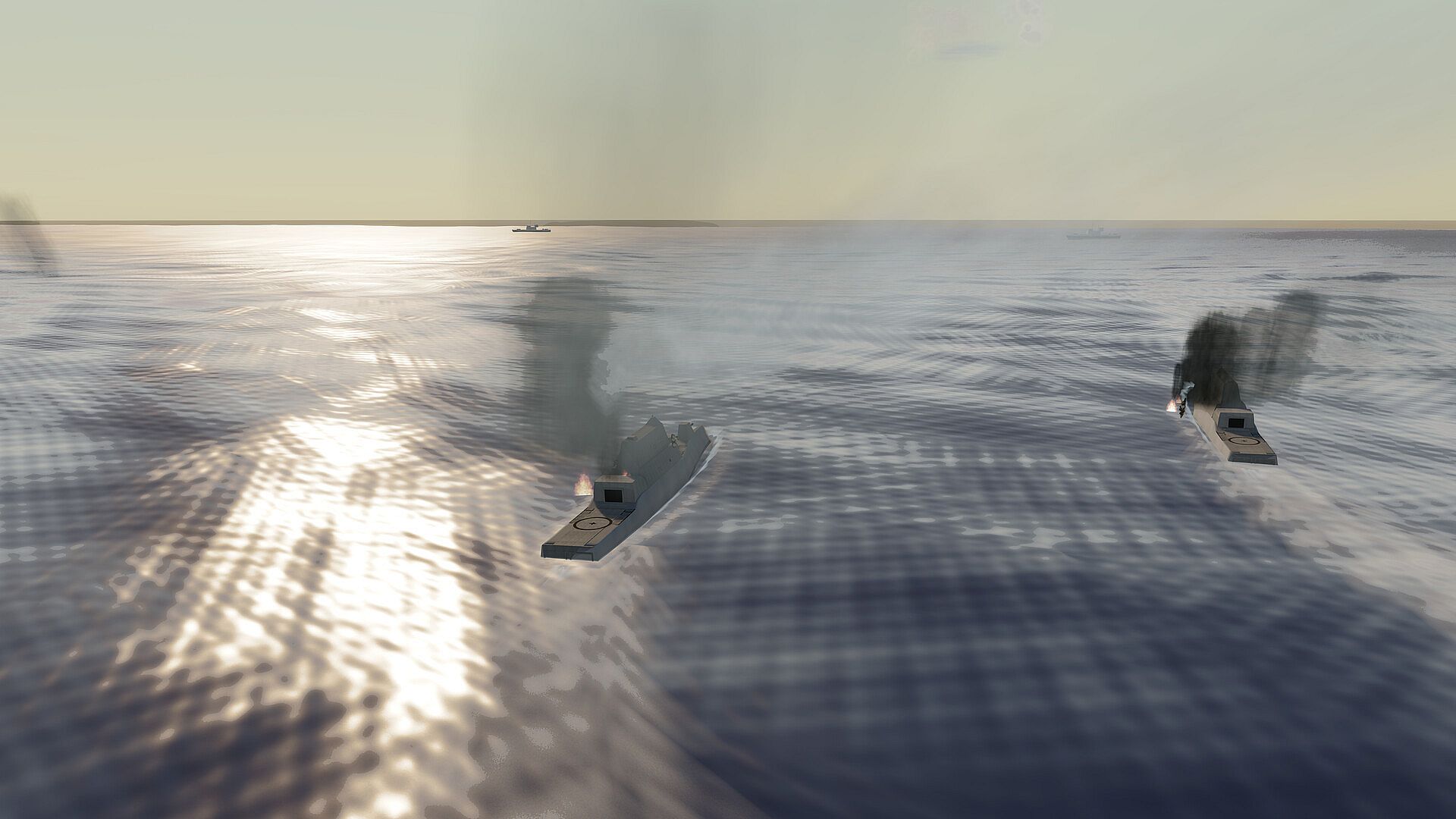
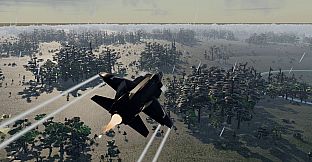
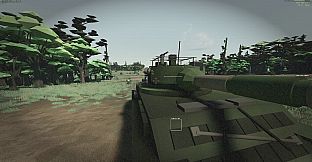
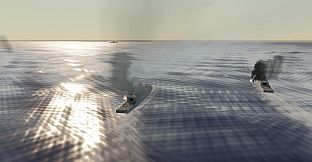
Combat resolves with attention to specific vulnerabilities. Armour penetration depends on the exact plate struck, whether glacis or flank, rather than overall durability comparisons. Air assets appear in authentic national configurations, ranging from Flanker designs to canard deltas, stealth shapes, and swing-wing bombers. Naval units behave like real vessels, with flooding that alters trim and causes sinking from bow or stern depending on damage location, accompanied by secondary explosions as the ship goes down.
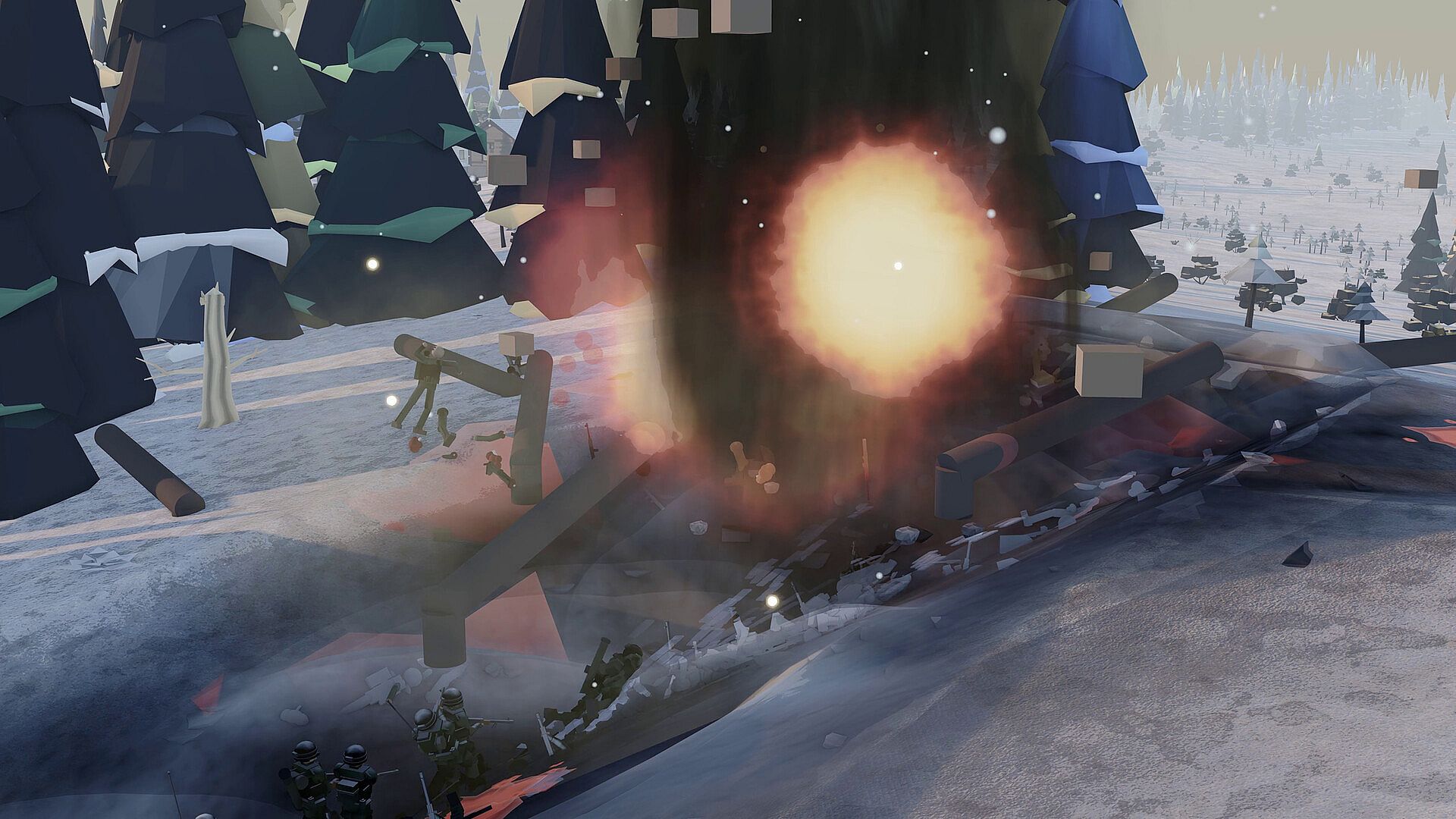
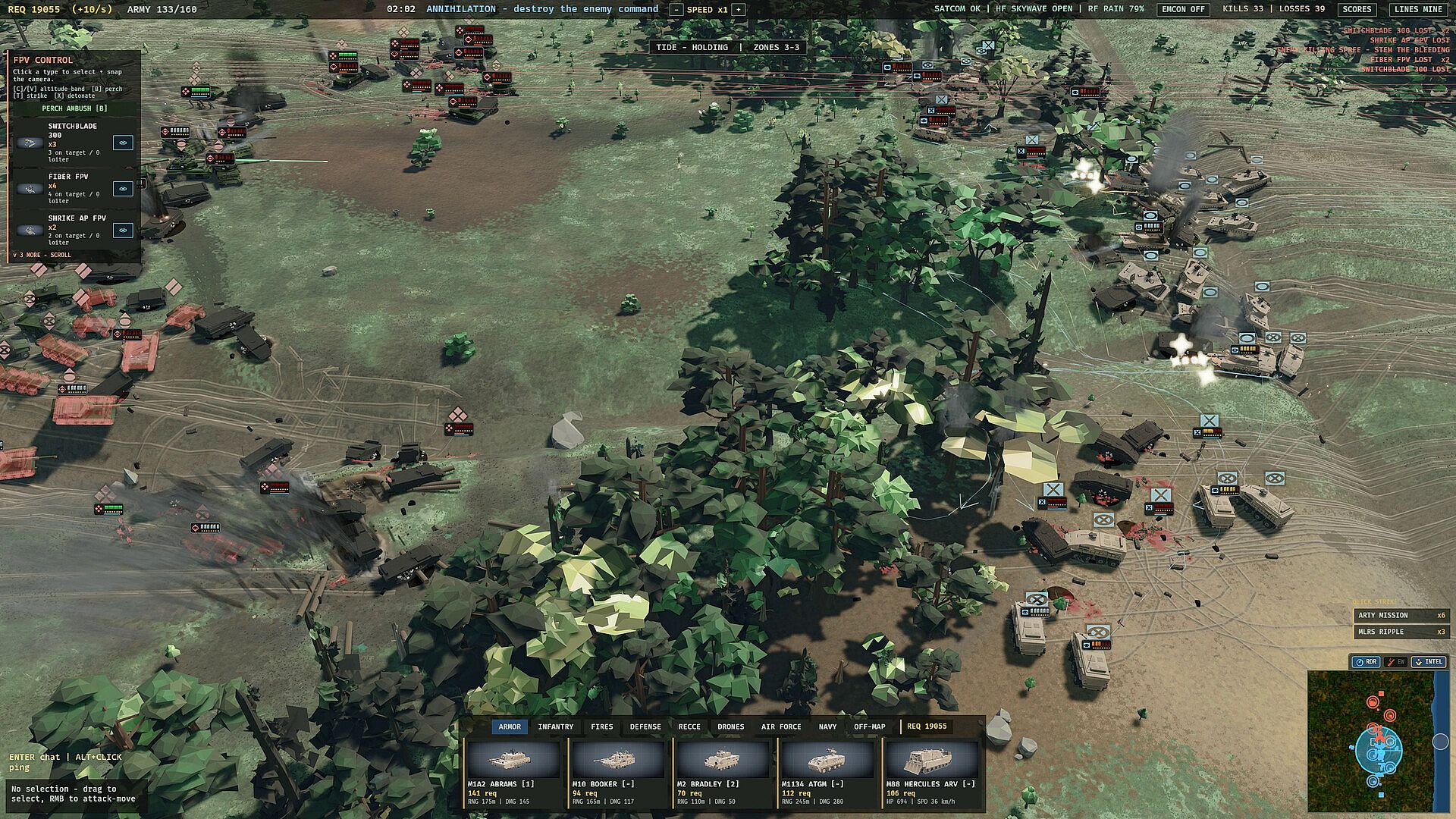
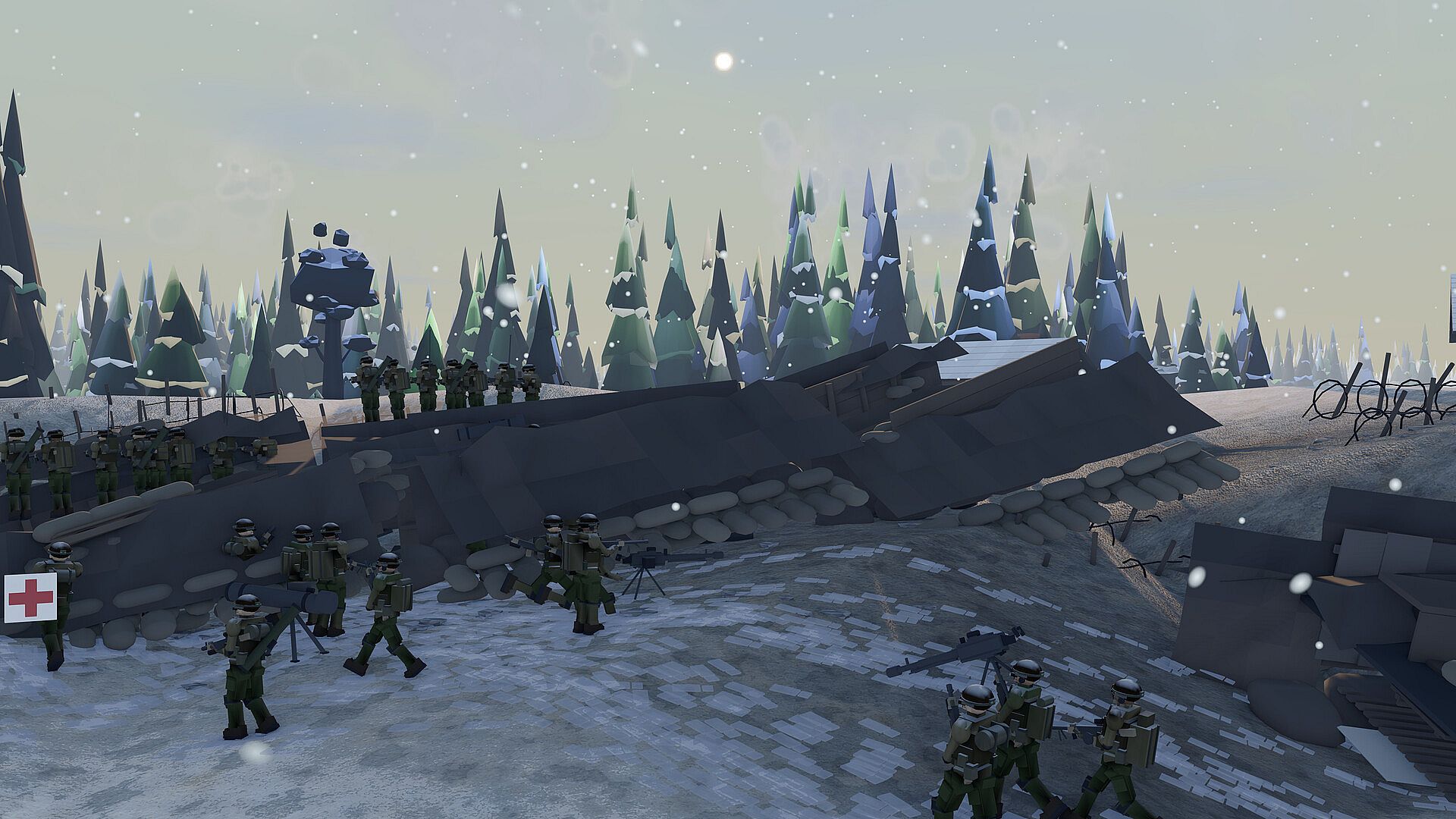
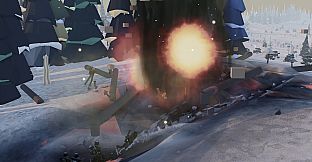
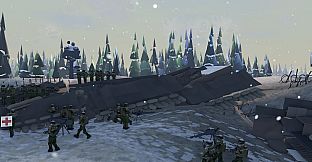
Support elements complete the picture. Submarines, mines, engineers, logistics columns, and amphibious operations allow shifts from narrow duels to broader theatre actions. Engineers excavate actual trench networks with angled traverses to avoid enfilade fire, and infantry occupies fire steps beneath cover. A position can fall either to overhead artillery or to close-quarters clearing room by room. The simulation tracks persistent changes to the battlefield, including wrecks, craters, and footprints left by prior actions.
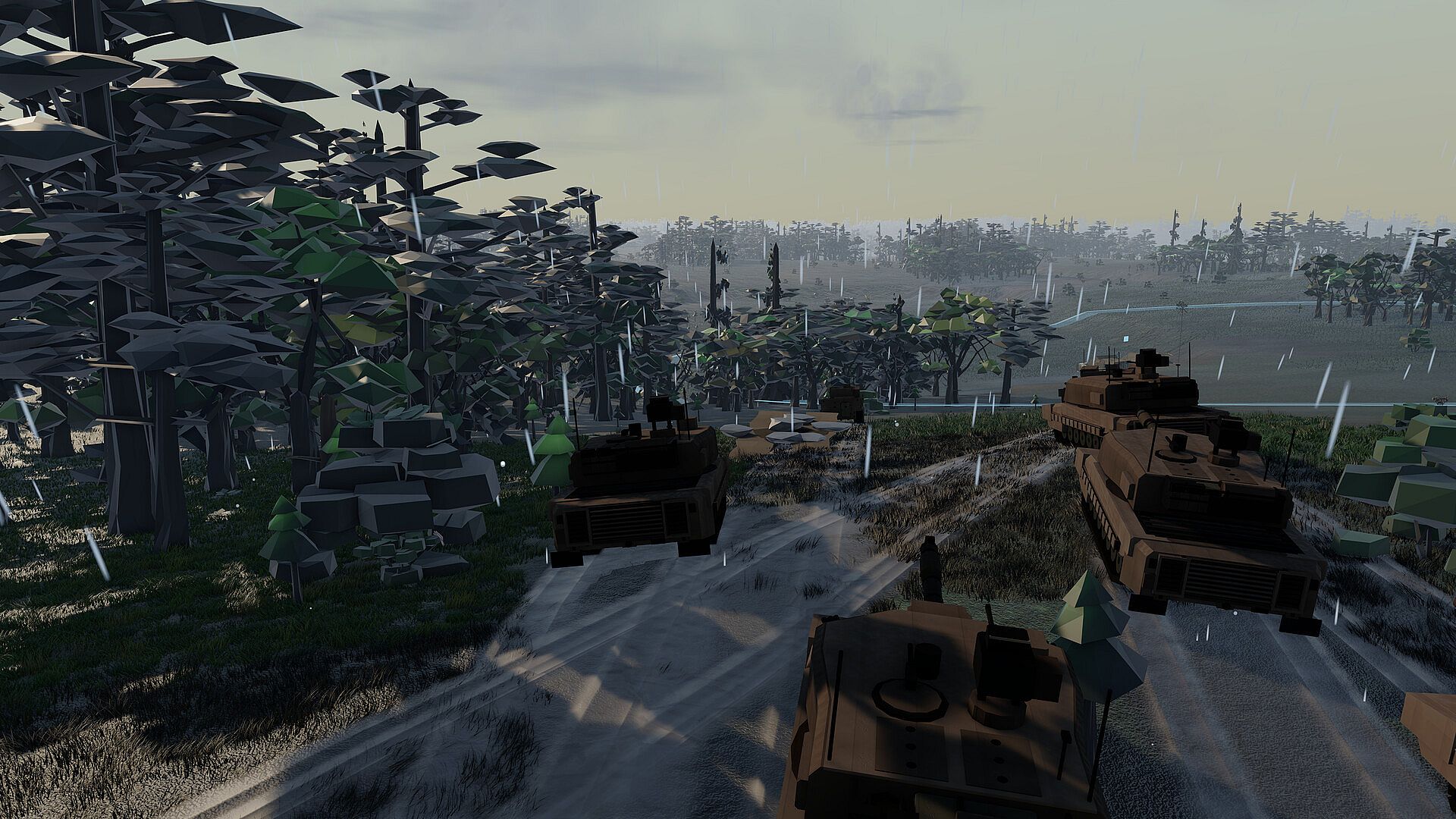
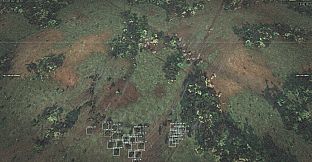
Procedural generation ensures no two maps repeat. Every model, texture, and effect emerges from code at match start, producing unique layouts that retain the marks of combat. Nuclear authorization triggers launch warnings for both sides, allowing interception, dispersal, or command-link disruption to cancel the strike entirely. The game presents mature visuals with blood effects and dismemberment from heavy ordnance, though vehicle destruction focuses on mechanical failure without crew details.
Game Modes
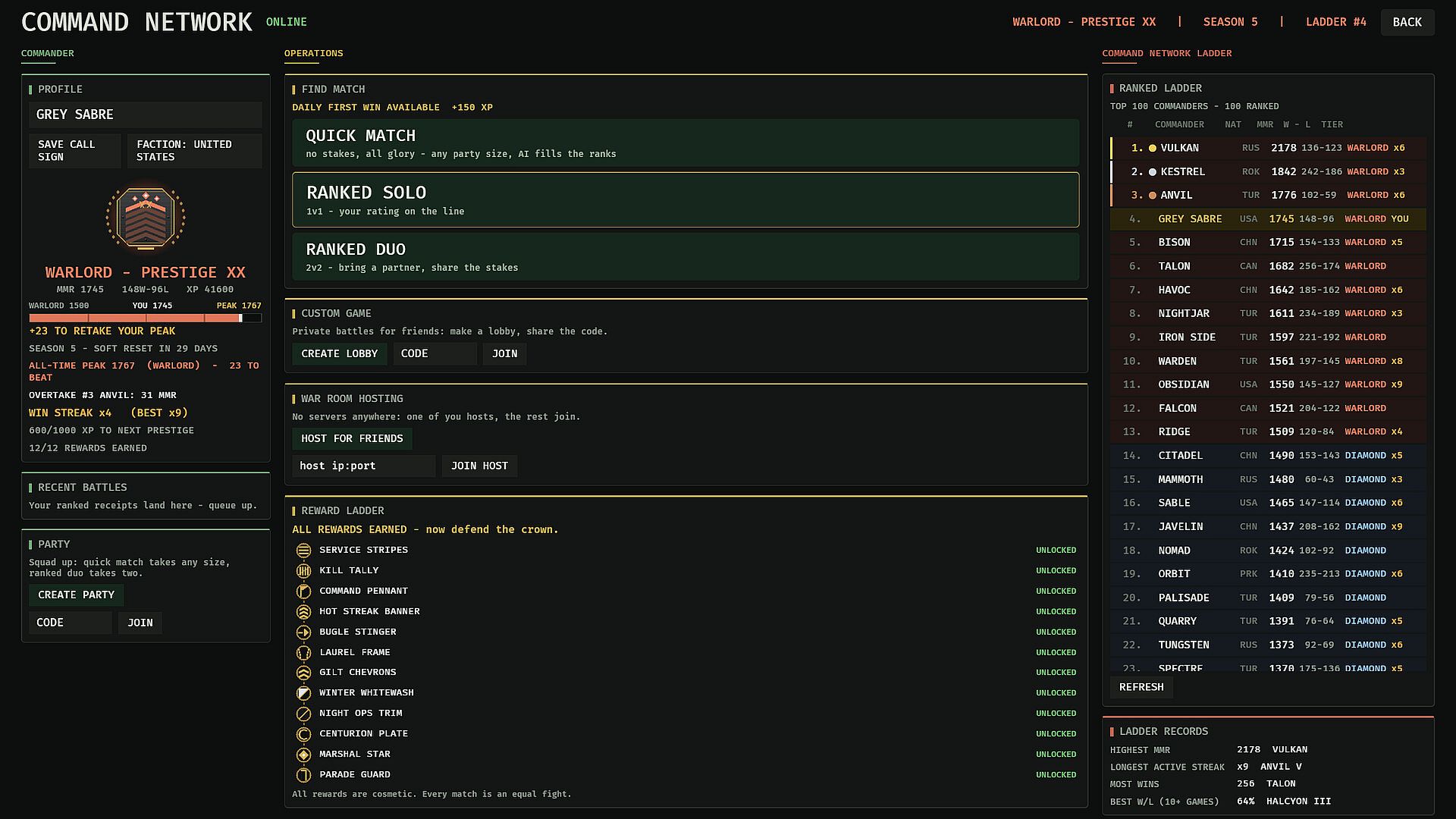
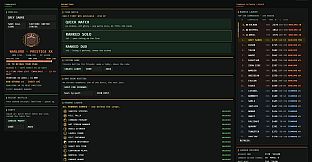
Engagements scale across different sizes and intensities. Smaller actions involve direct confrontations on confined fronts where rapid detection and targeted strikes decide outcomes. Larger operations expand into coordinated theatre efforts that incorporate air, naval, and ground assets simultaneously. Players manage multiple unit types at once, balancing reconnaissance pushes with defensive preparations and offensive maneuvers. The absence of preset maps means every session begins with fresh terrain that evolves through player actions and remains altered for the duration of the fight.
Force composition varies by chosen army. The eight available nations each maintain unique equipment rosters drawn from real-world inventories, creating inherent strengths and limitations rather than balanced universality. This setup rewards understanding the capabilities and gaps of the selected side when facing opponents with different doctrines and hardware.
Is It Worth Playing?
ORDNIX appeals to players who value simulation depth in a strategy context. Its emphasis on physical accuracy for armour, naval damage, emissions, and terrain interactions sets it apart from titles that rely on abstract hit points or uniform unit behaviors. The procedural nature of maps and the retention of battle damage add replay variety without relying on hand-crafted levels. Early access status means the experience continues to evolve through ongoing development, with the provided systems already demonstrating consistent in-engine representation of modern combined-arms warfare.
Those drawn to detailed management of reconnaissance, engineering, and multi-domain forces will find substantial systems to explore. The game rewards careful planning around detection ranges, hit locations, and unit suitability rather than overwhelming numerical superiority. Its mature presentation and focus on realistic failure states suit audiences comfortable with unfiltered depictions of conflict. Availability on PC in early access allows direct participation in the refinement process for interested strategy enthusiasts.











