






Our Fleet Is In Orbit is a single-player space strategy roguelite for PC that places players in command of an imperial reconquest across a shattered galaxy. The game emphasizes careful planning and irreversible losses in a continuous campaign where every decision shapes the path forward through hostile sectors.
Gameplay
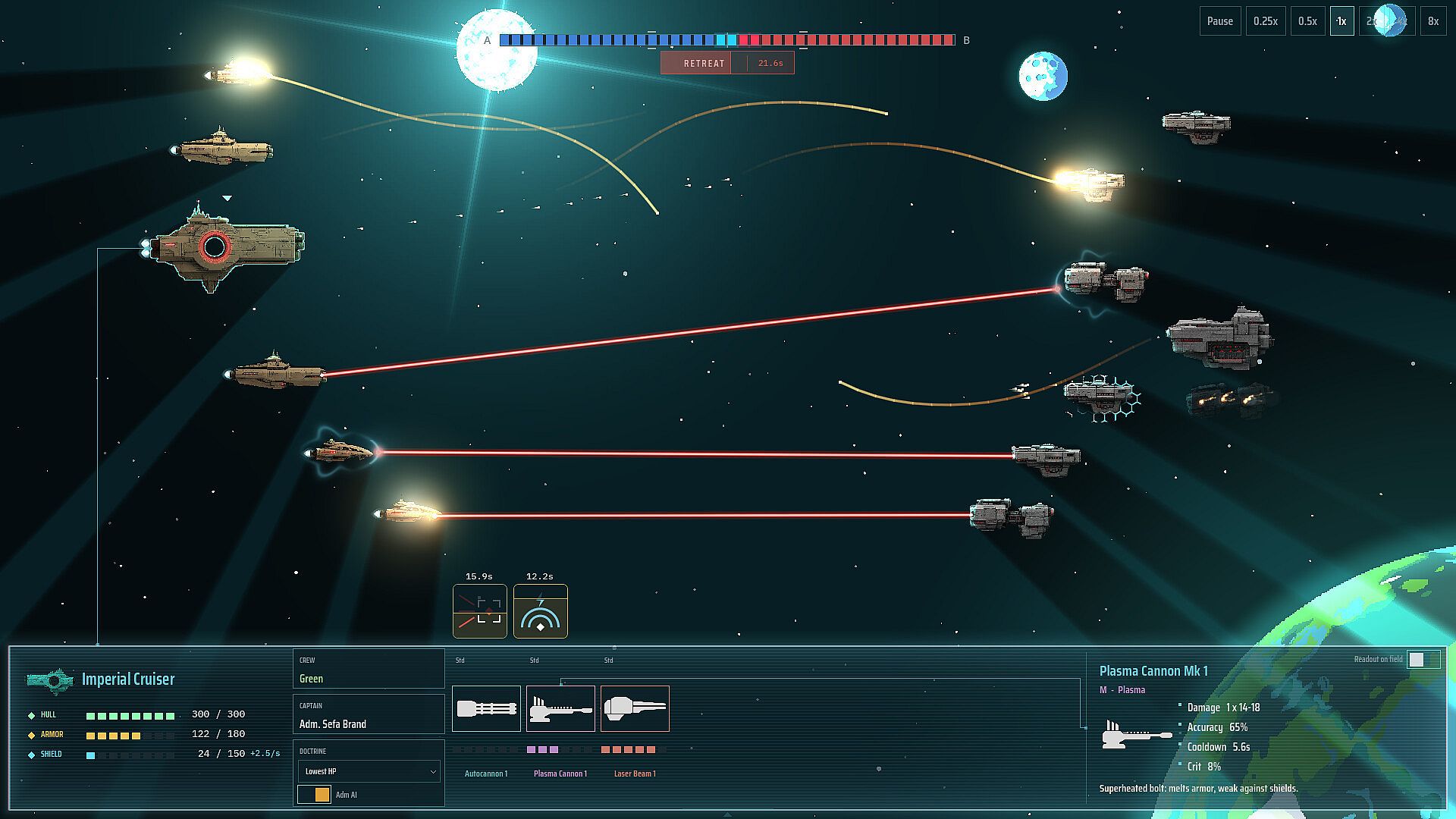
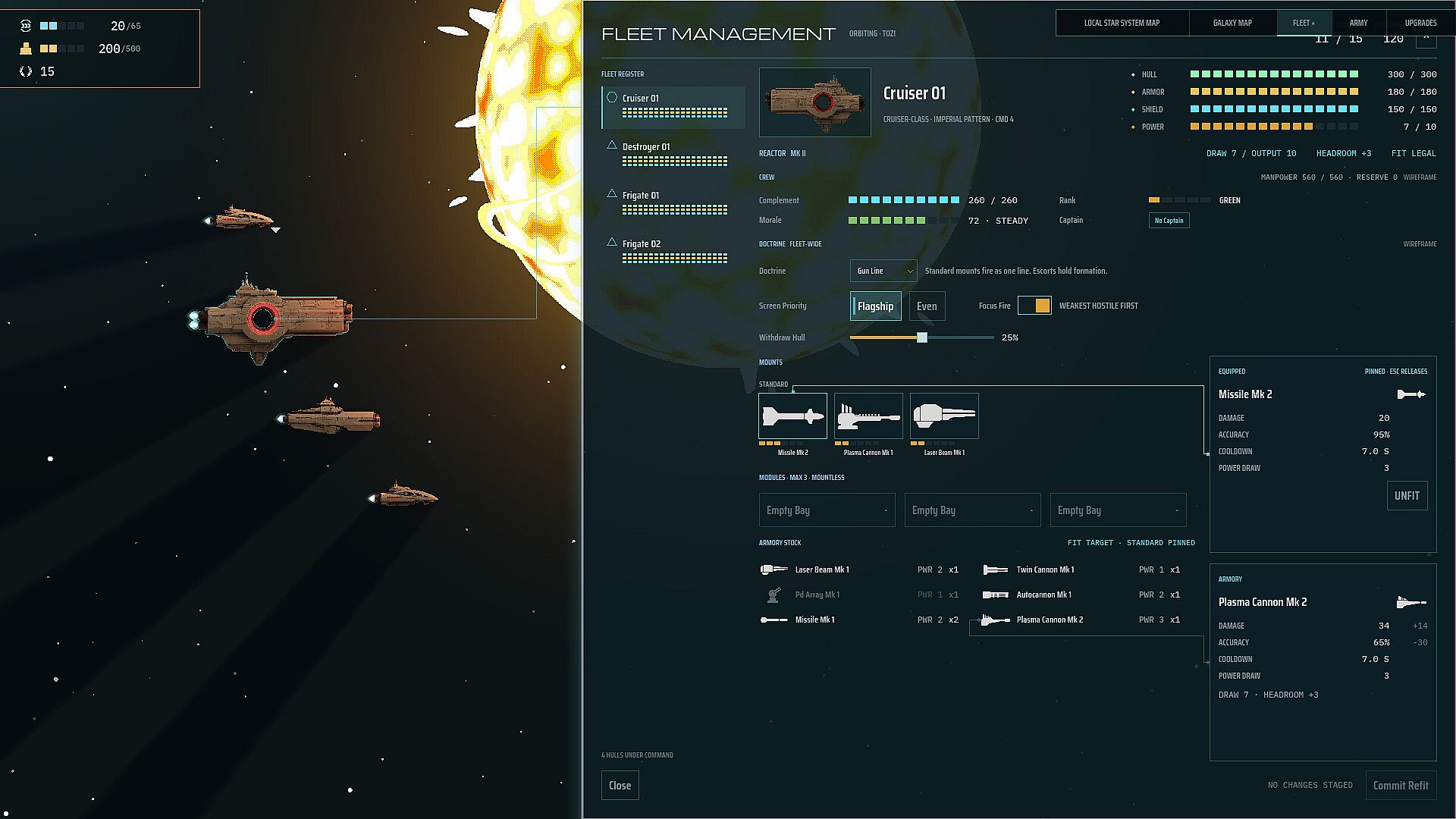
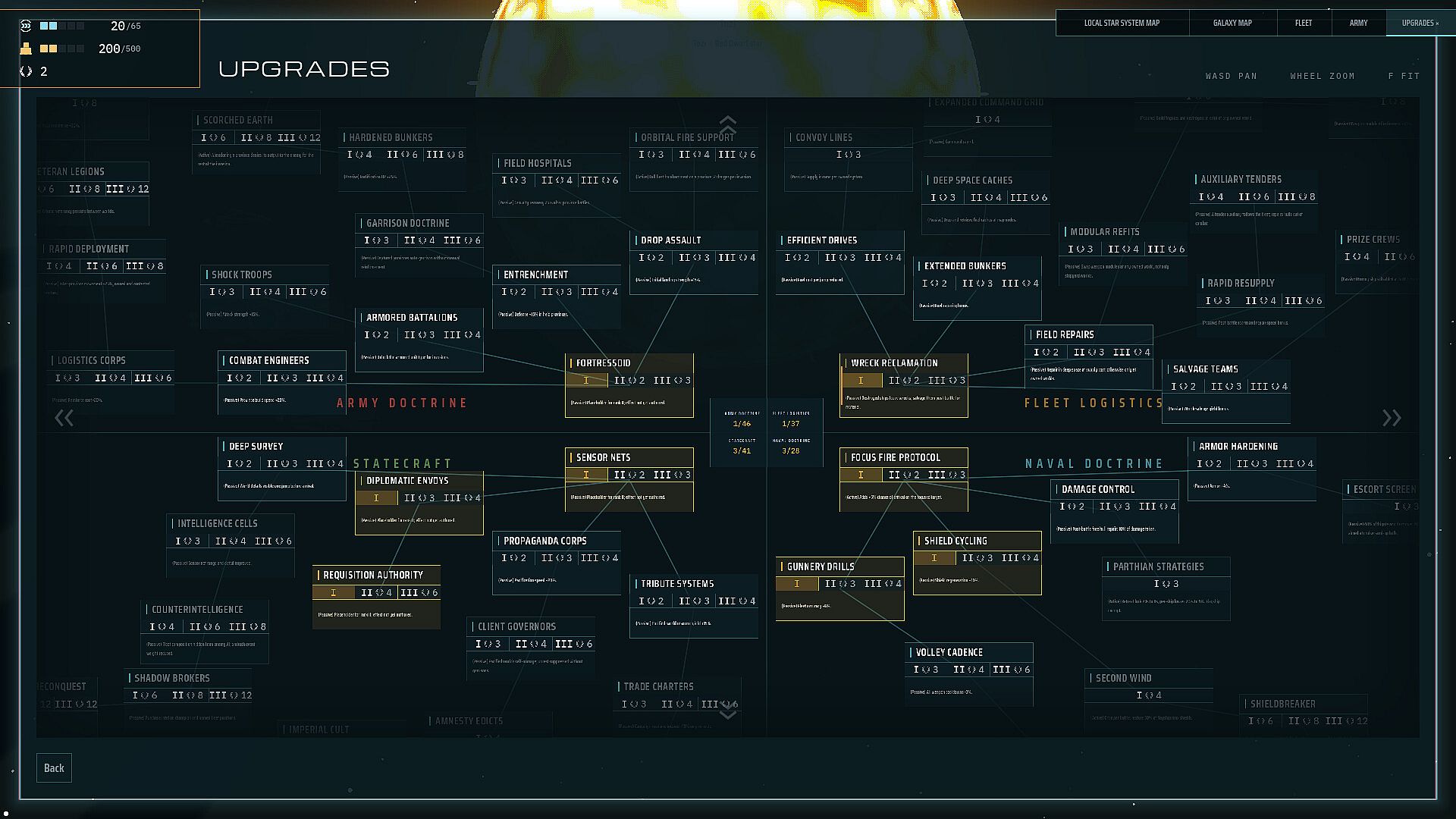
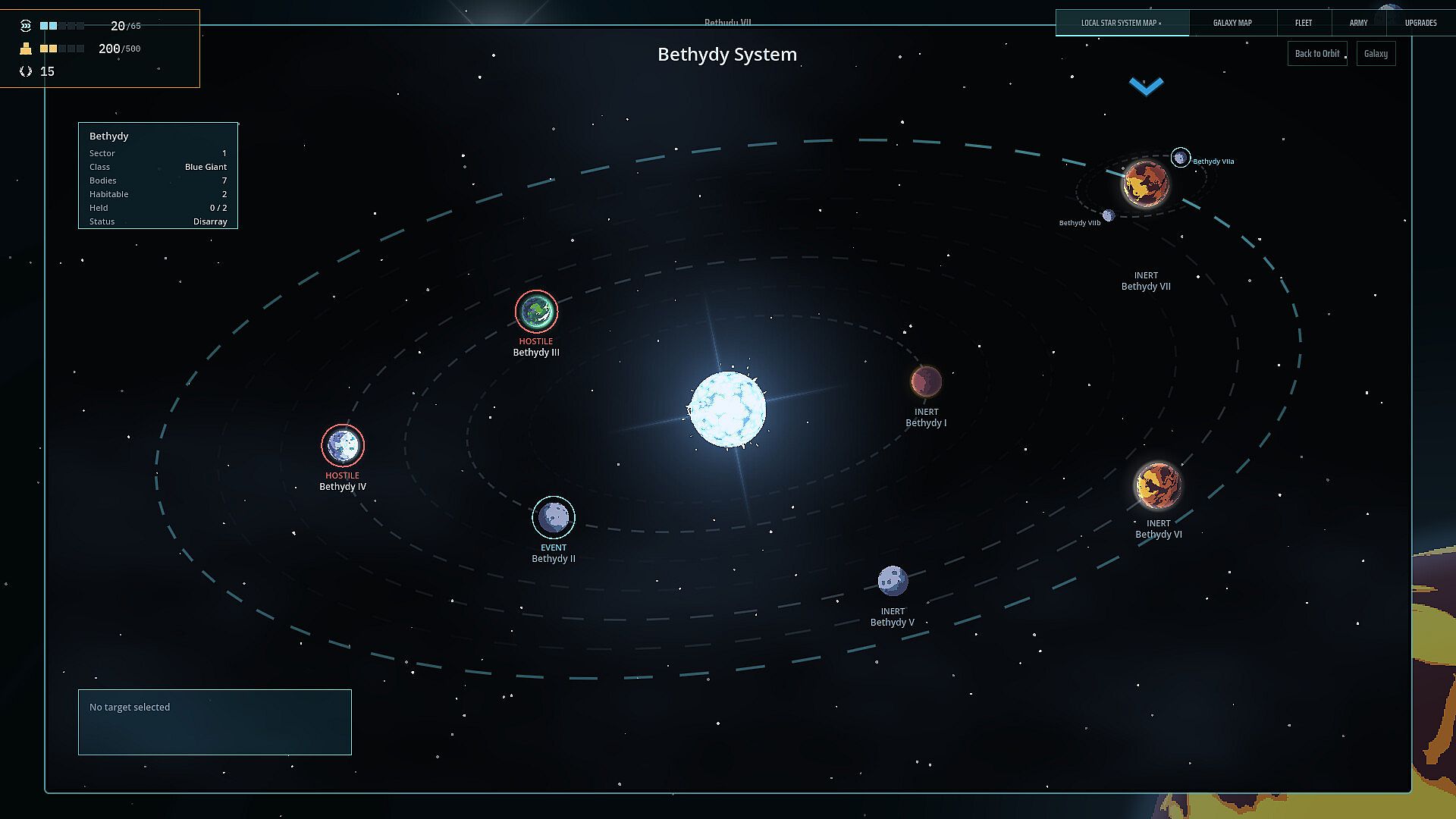
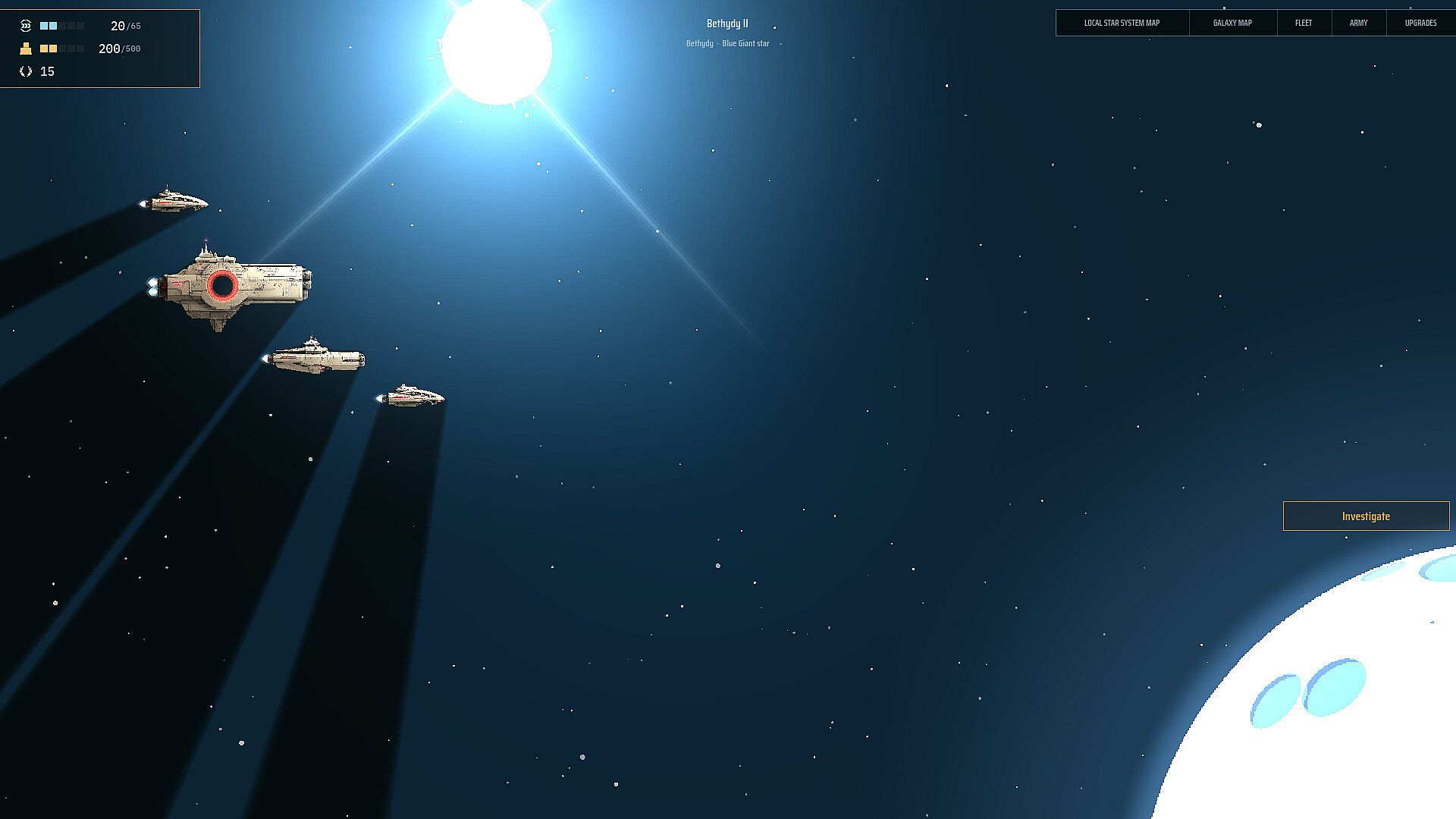
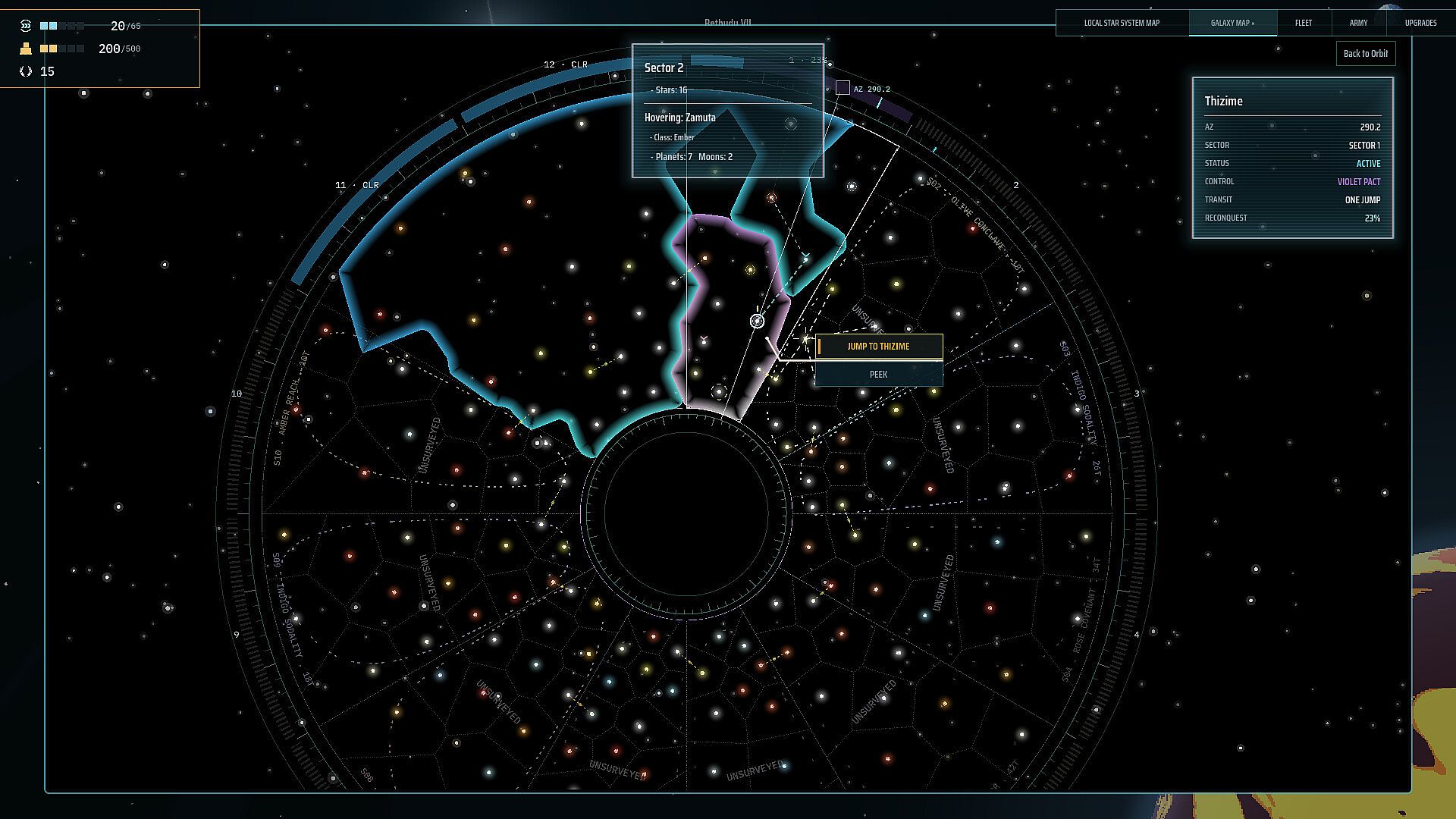
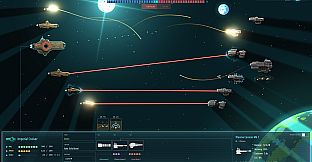
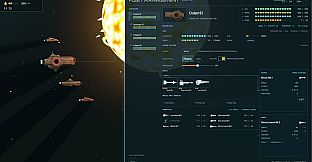
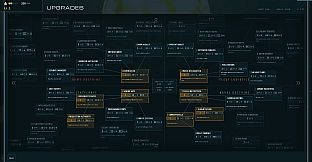
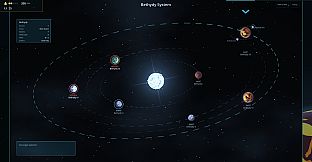
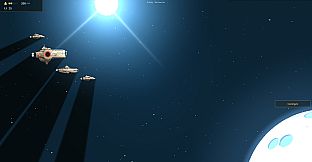
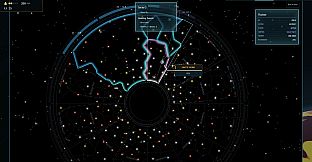
The core loop revolves around advancing through procedurally generated sectors and star systems. Players navigate routes toward sector capitals while managing fleet composition and resources. Fleet engagements occur at orbital points of interest, where combat functions as an auto-battler. Ships are prepared in advance with weapons, modules, and assignments drawn from crew experience, captains, and an upgrade tree that carries progress across the entire run.
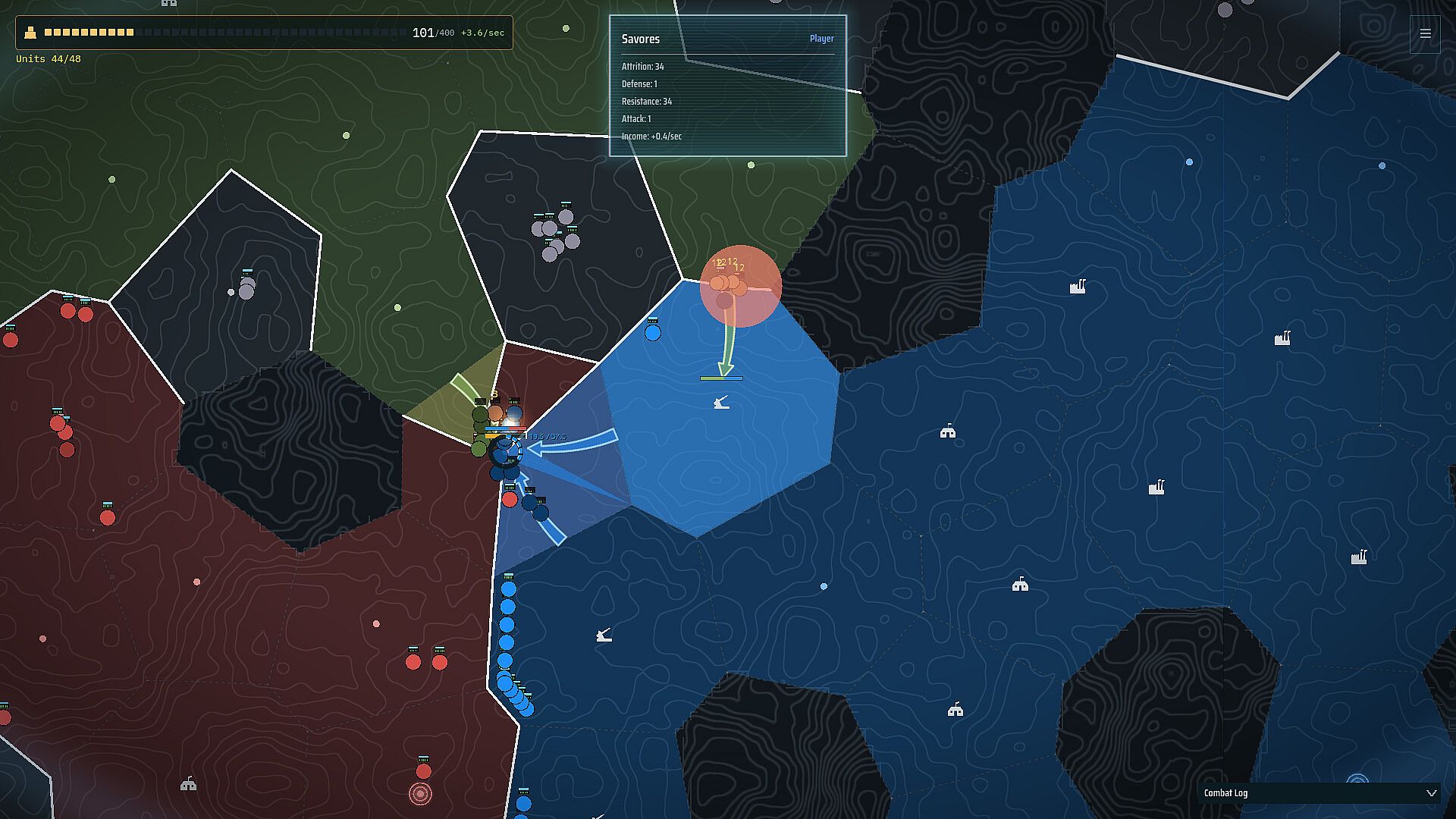
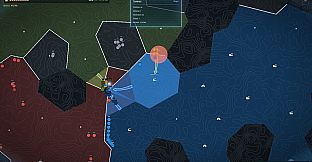
Once battle starts, vessels follow the established plan autonomously. Command skills can be activated at key moments to shift outcomes without direct unit control. Surviving forces retain their upgrades and experience for subsequent fights. Ground operations follow orbital victories, shifting to planetary invasions managed as an operational RTS. Fronts are directed at the province level, with armies executing orders independently while the same upgrade tree bolsters their capabilities. Persistent losses apply here as well, with spent forces unavailable for later stages.
Game Modes
The game features a single continuous campaign mode that serves as the sole structure for play. This mode generates unique routes through sectors filled with battles, ambushes, and encounters that offer choices and potential rewards. Progress builds toward reclaiming worlds system by system, culminating in the capture of sector capitals. No separate modes exist beyond this unified campaign experience.
Within the campaign, orbital fleet battles and planetary ground operations form the primary activities. Procedural generation ensures each attempt presents different star systems and challenges, while the upgrade tree and carried-over survivors create meaningful progression tied to survival.
Campaign Structure and Mechanics
The reconquest unfolds as one extended effort without restarts or branching paths outside the procedural generation. Sectors connect through hostile stars, requiring the conquest of habitable worlds to advance. Dialogue encounters and ambushes add layers of risk and decision-making alongside direct combat. The upgrade tree influences fleet strength, individual ship performance, and army effectiveness simultaneously, rewarding consistent survival across multiple engagements.
Resource management centers on what remains after each conflict. Destroyed ships and lost crews cannot be replaced mid-campaign, forcing adaptation with diminished forces. The same principle governs ground forces, where province-by-province advances shift borders and open or close opportunities for counterattacks. Reaching and securing an enemy capital concludes the effort for that world.
Is It Worth Playing?
Our Fleet Is In Orbit targets players who enjoy roguelite strategy with high stakes and permanent consequences. The single-player focus and emphasis on one continuous campaign suit those who prefer deliberate planning over repeated short sessions. The combination of auto-battler fleet combat and operational RTS ground invasions provides distinct phases that build on shared progression systems.
With a planned release in 2027 and no user reviews available yet, the game remains in development. Its mechanics of persistent losses and procedural sectors align with fans of challenging indie strategy titles that reward careful resource allocation and adaptation. Those drawn to empire-rebuilding themes and layered command decisions may find the approach compelling once it launches.











