

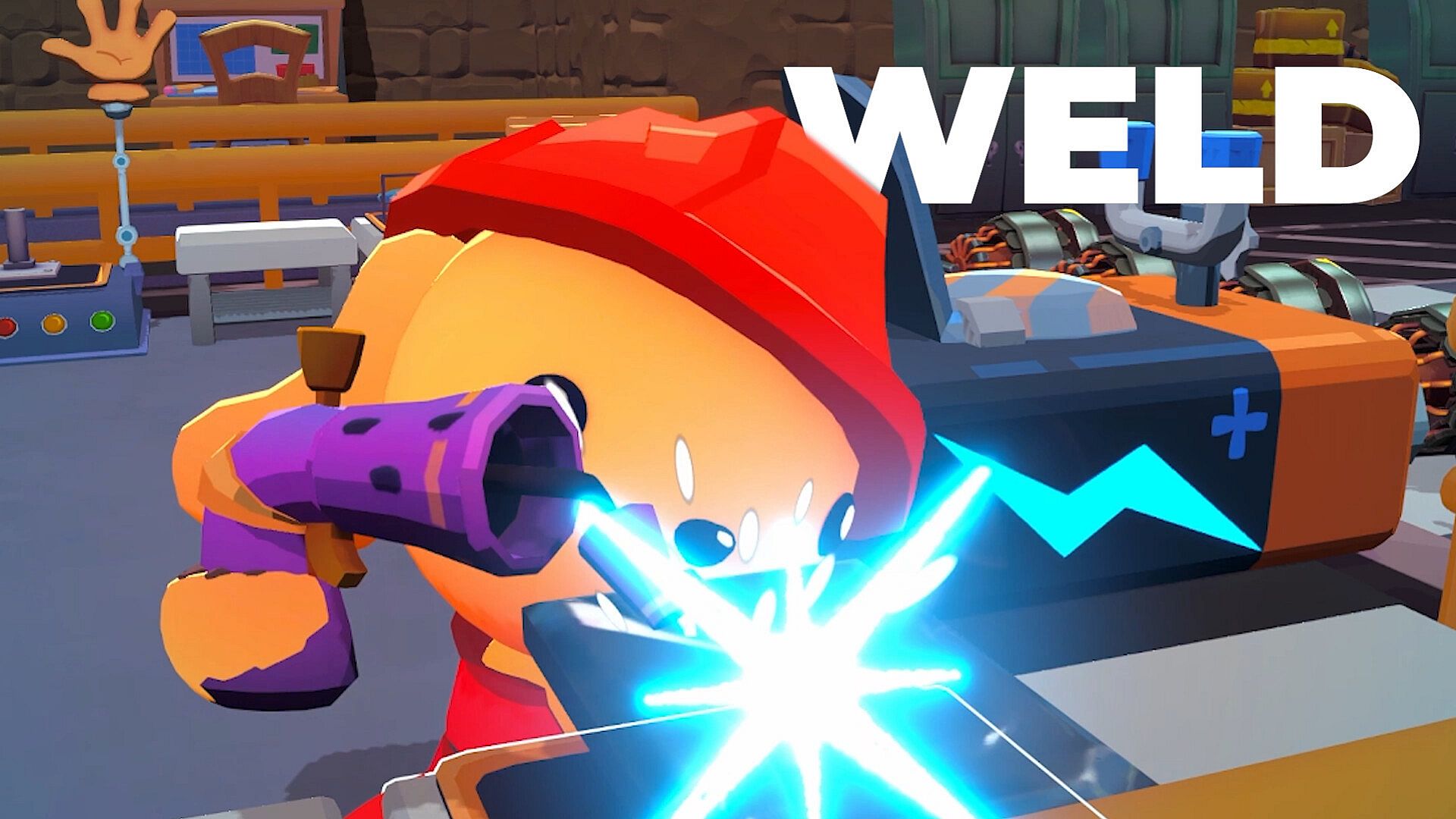
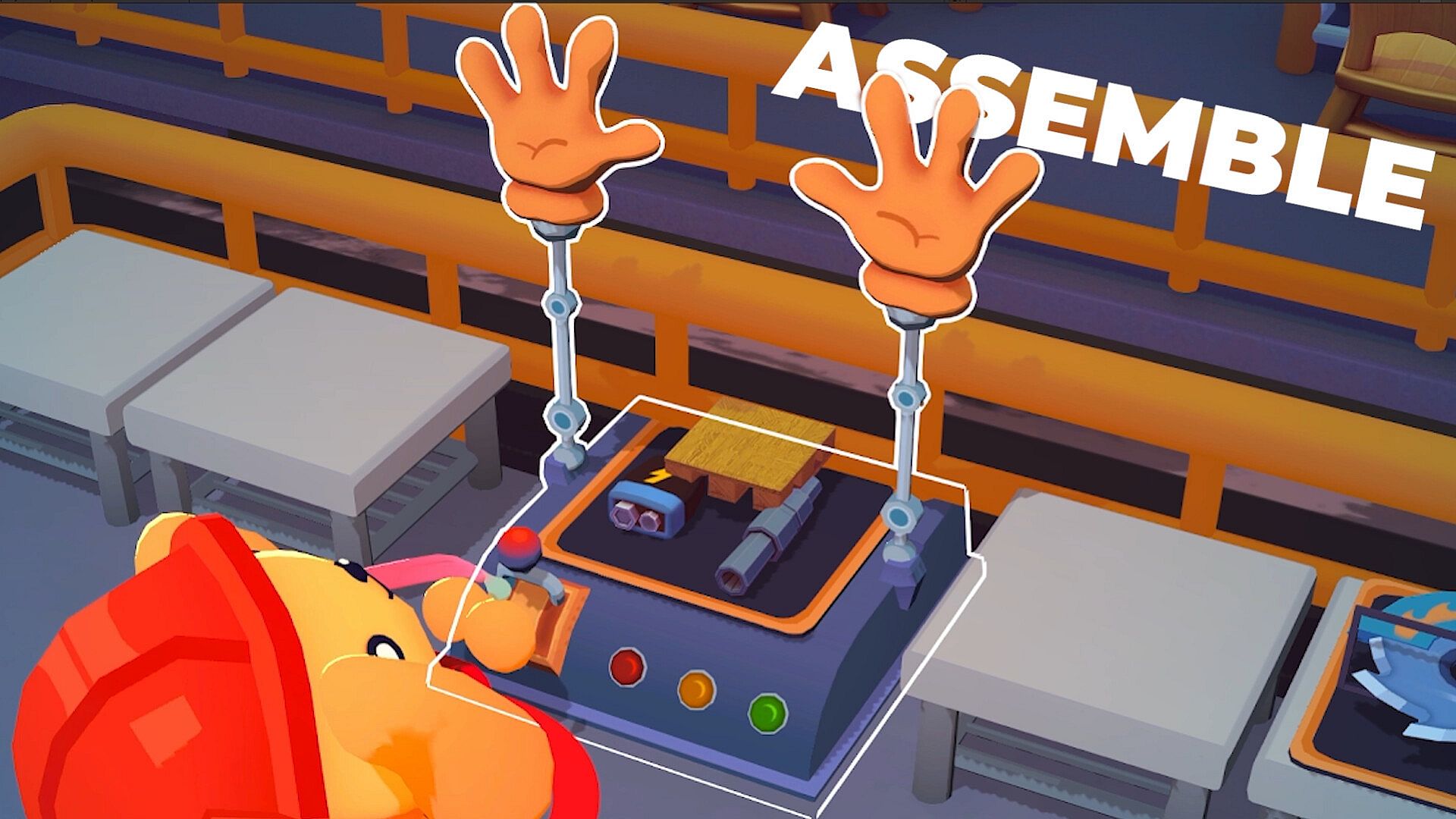
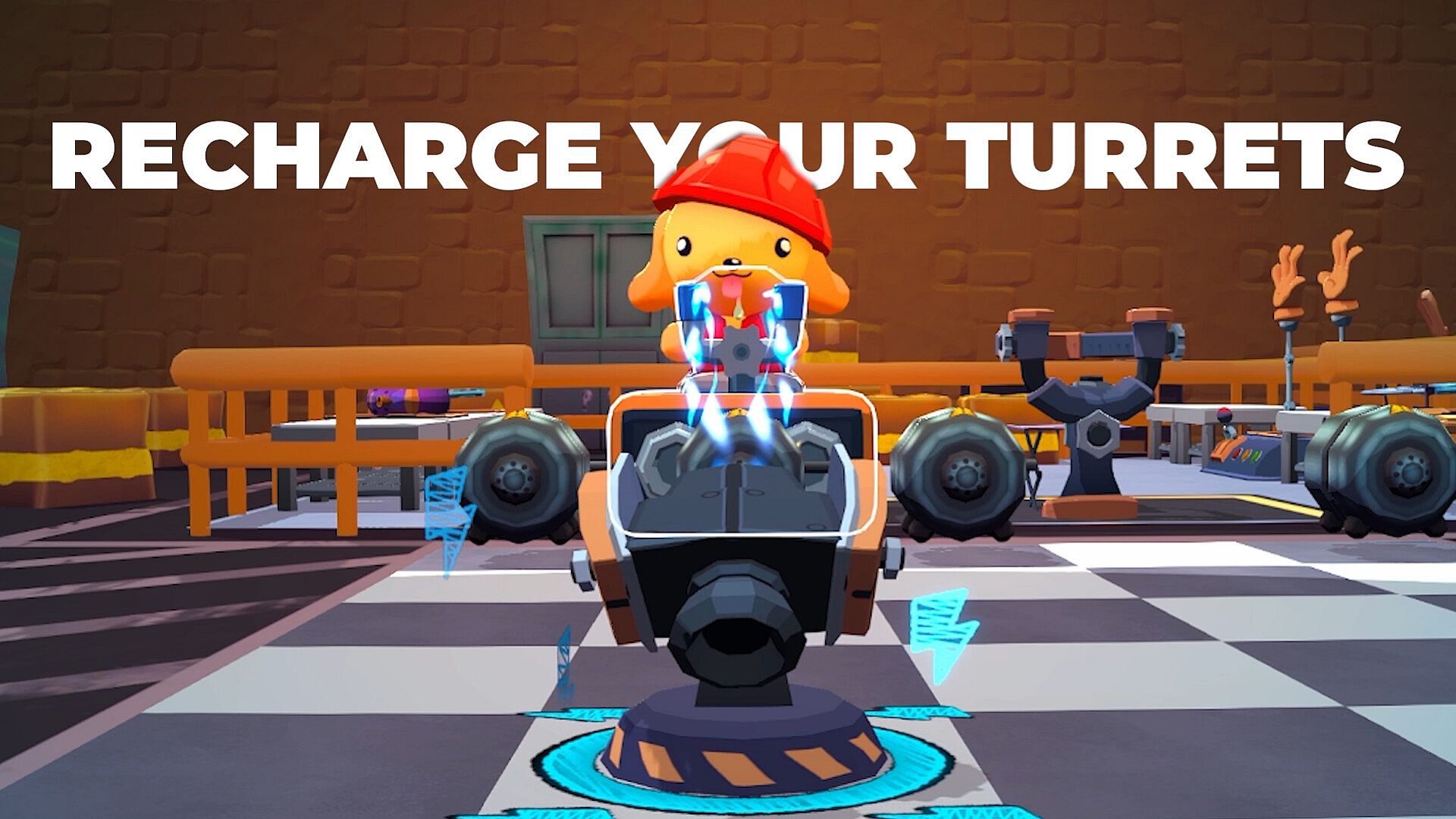
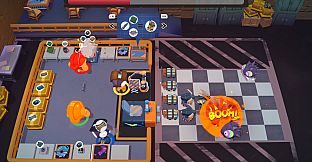

P.A.W.S. is a co-op tower defense game that blends strategy, simulation, and casual elements into a focused experience on PC. Players take on the role of engineers who must collaborate to protect a workshop from waves of threats known as the Warped. The core loop centers on construction, maintenance, and rapid response when plans fall apart under pressure.
Gameplay
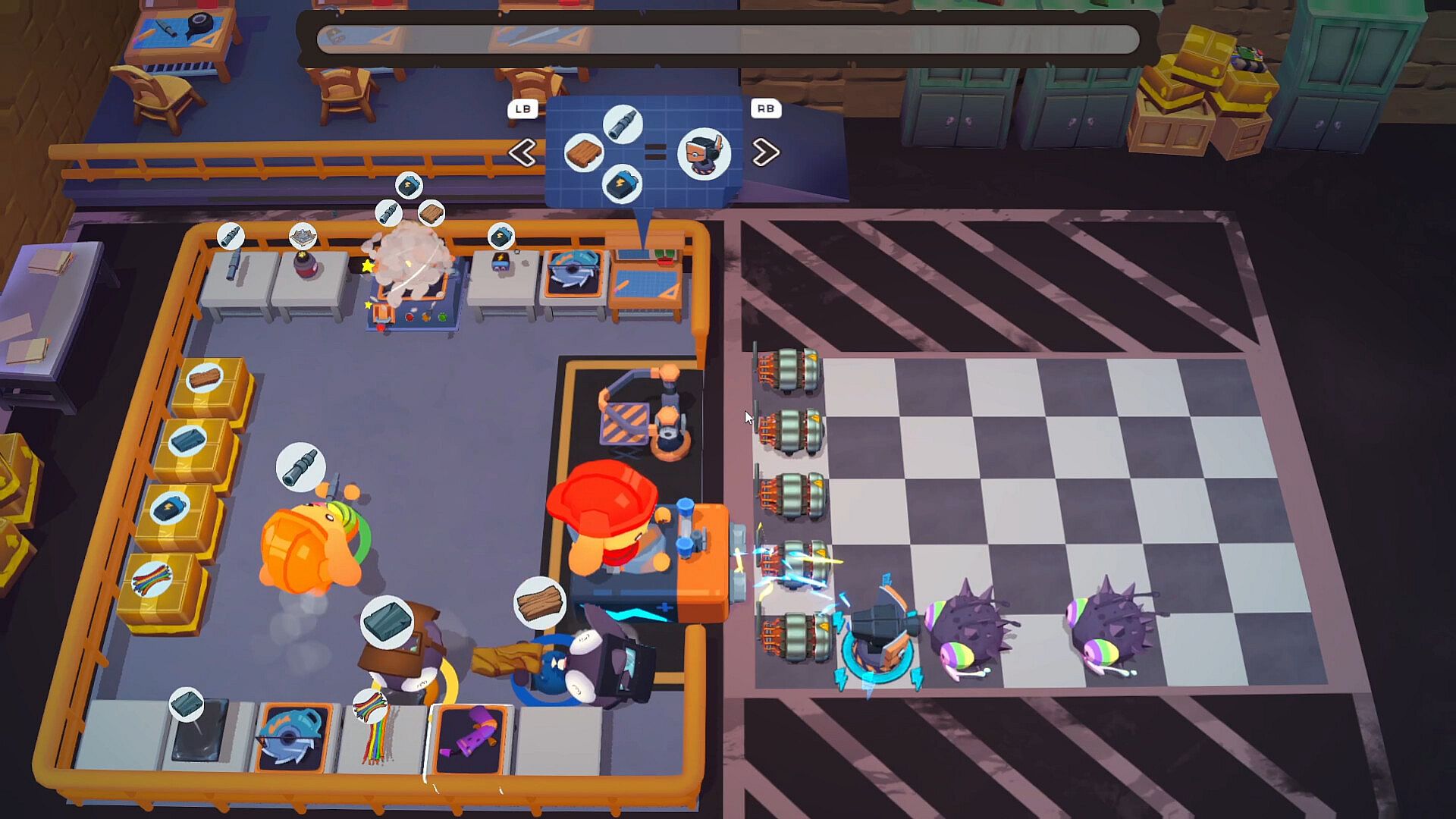
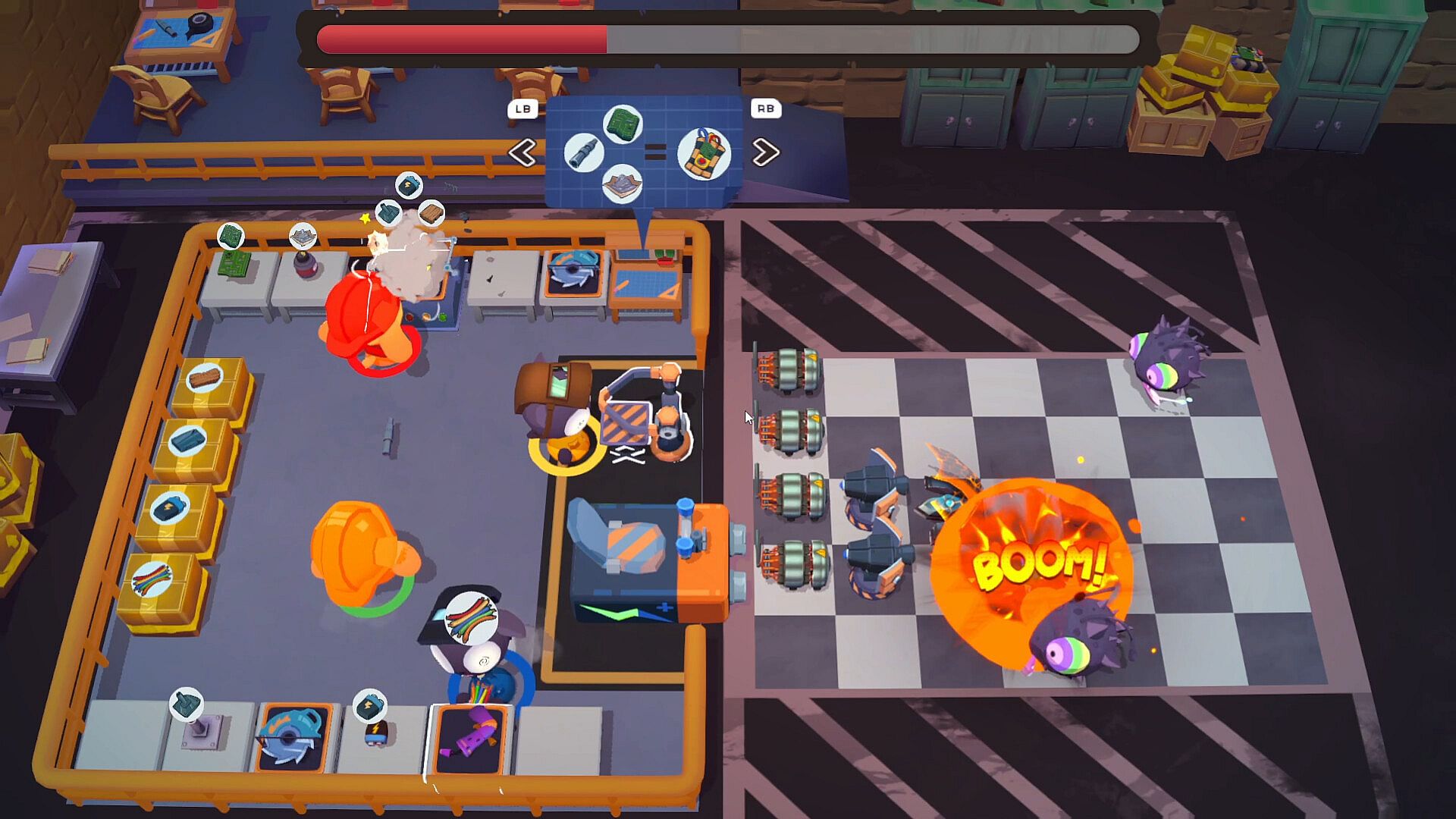
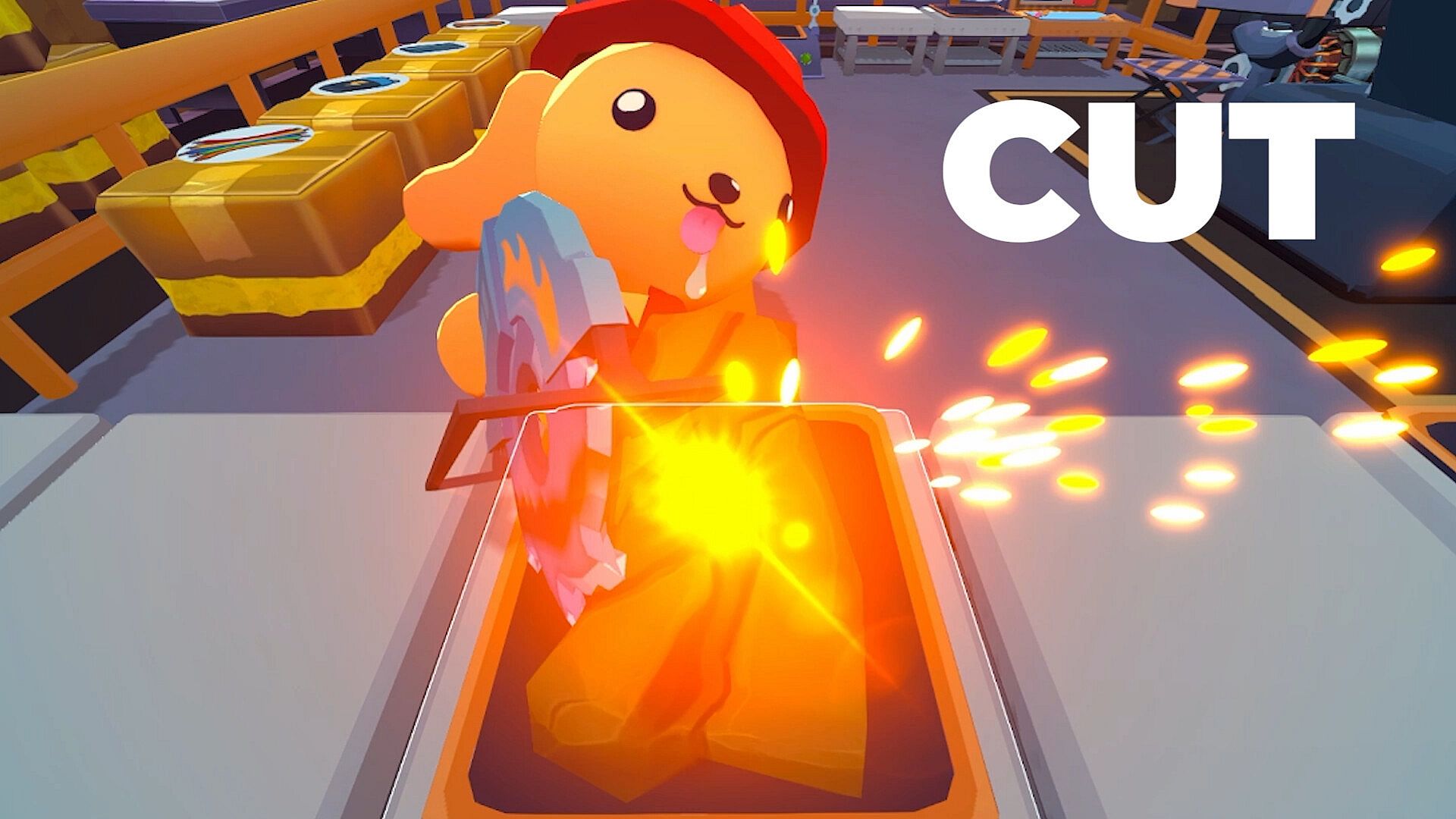
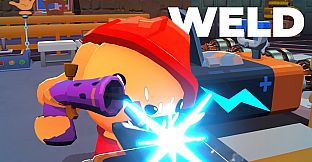
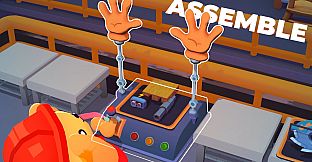
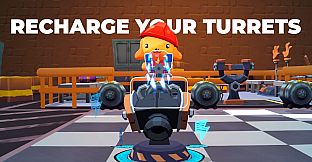
At its heart, the game revolves around building and managing defensive structures while ensuring the workshop's machines continue operating. Engineers work side by side to place towers, improvise barriers, and repair systems that degrade during attacks. The pace stays quick, requiring constant attention to resource flow and positioning to handle incoming enemies effectively.
Team coordination becomes essential because individual efforts rarely suffice against sustained assaults. One player might focus on fortifying key entry points while another keeps production lines active to generate materials for new builds. When defenses buckle, the group must adapt on the spot, rerouting power or shifting priorities to prevent total collapse. This creates a rhythm of preparation followed by frantic adjustments that rewards clear communication and shared decision making.
Simulation aspects add depth through the need to balance offensive capabilities with ongoing maintenance. Machines require attention to avoid breakdowns that could leave the team vulnerable at critical moments. The casual side keeps controls accessible, allowing newcomers to contribute meaningfully without steep learning curves, while strategy fans find satisfaction in optimizing layouts and resource allocation across repeated sessions.
Game Modes
The experience emphasizes cooperative play where multiple engineers join forces in shared sessions. Defense scenarios unfold around the central workshop, with success depending on collective building and improvisation rather than solo heroics. Modes encourage repeated attempts as players refine their approaches to different threat patterns from the Warped.
Co-op sessions support varying group sizes, letting pairs or larger teams divide tasks such as perimeter control, internal repairs, and emergency reinforcements. The structure promotes replayability through changing enemy behaviors and the need to adjust strategies when initial setups prove insufficient. Casual pacing suits shorter play windows, while simulation elements reward longer coordinated efforts that maintain workshop integrity over extended defenses.
Core Mechanics and Systems
Defense crafting forms the foundation, with players selecting and positioning structures to counter specific enemy types. Improvisation comes into play when standard placements fail, pushing teams to combine elements creatively or repurpose available resources. Machine upkeep integrates directly into the loop, as neglected systems can cascade into larger problems during intense phases.
Collaboration tools focus on real-time adjustments rather than complex menus. Engineers share visibility of the workshop layout and can quickly signal needs or take over tasks from teammates. This keeps the action flowing without interrupting the fast-paced defense cycle. The indie scale keeps the feature set tight, concentrating on these interconnected systems instead of expansive side content.
Who the Game Appeals To
Fans of tower defense with a cooperative twist will find the workshop setting and team-focused building engaging. Those who enjoy simulation management appreciate the dual demands of construction and maintenance under pressure. Casual players benefit from straightforward entry points, while strategy enthusiasts can experiment with layouts and responses across multiple runs.
The game suits groups looking for sessions that mix planning with spontaneous problem solving. Solo play is not emphasized, as the design leans into shared responsibility for keeping the workshop operational against the Warped.
Is It Worth Playing?
P.A.W.S. delivers a straightforward co-op tower defense loop centered on building, maintaining, and adapting defenses in a workshop environment. It stands out for players who value teamwork in strategy and simulation genres, where success hinges on collective improvisation rather than individual skill alone. The fast-paced nature keeps sessions engaging without overwhelming complexity, making it suitable for regular play with friends or online partners.
Those drawn to indie titles that prioritize focused mechanics over broad features will likely appreciate the emphasis on workshop survival and machine management. If co-op defense games appeal and the idea of engineers collaborating under threat resonates, the title offers consistent replay value through its core systems. Availability on PC supports easy access for group sessions, and the casual-strategy blend broadens its reach beyond hardcore tower defense audiences.