







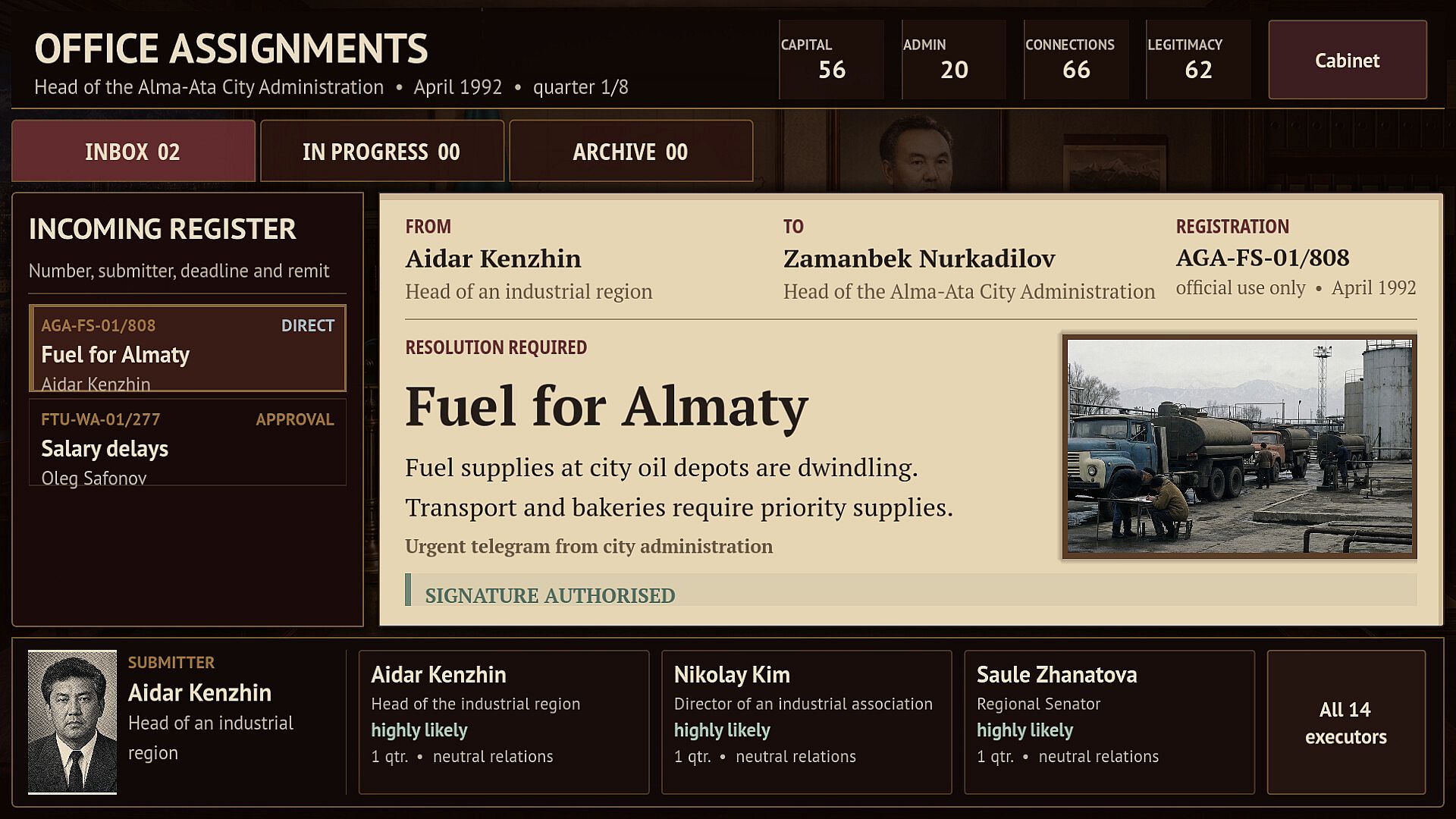
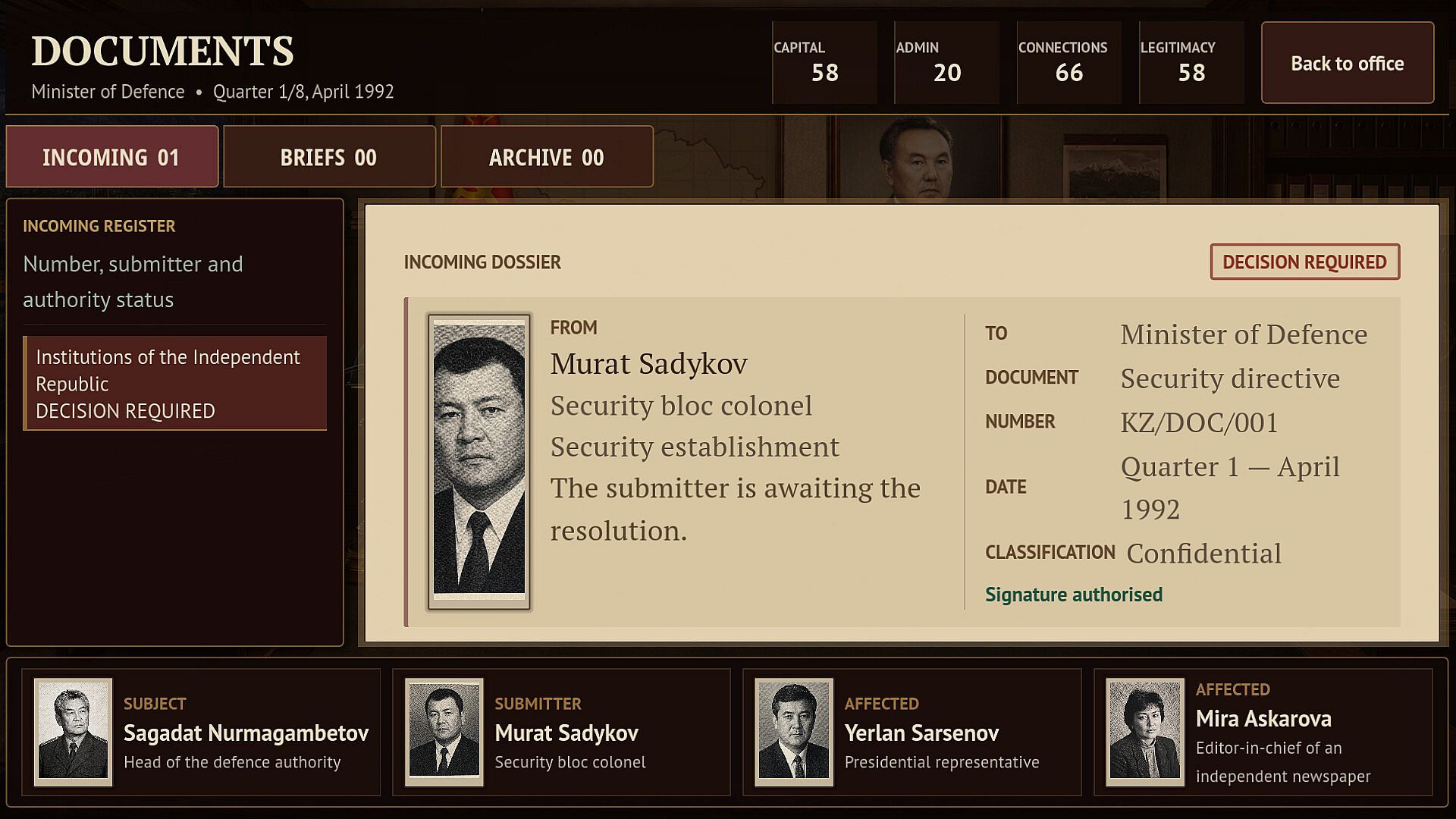
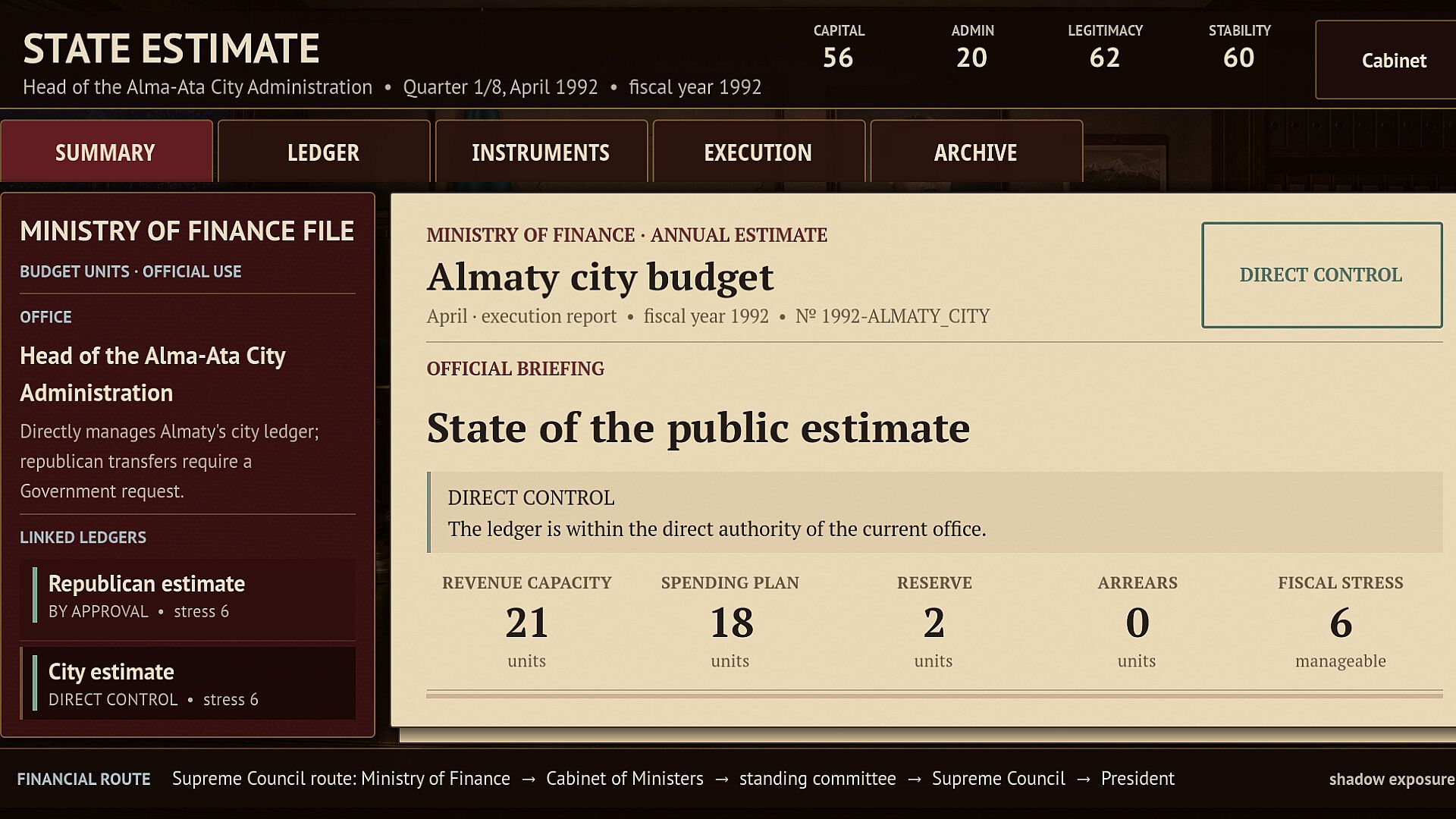
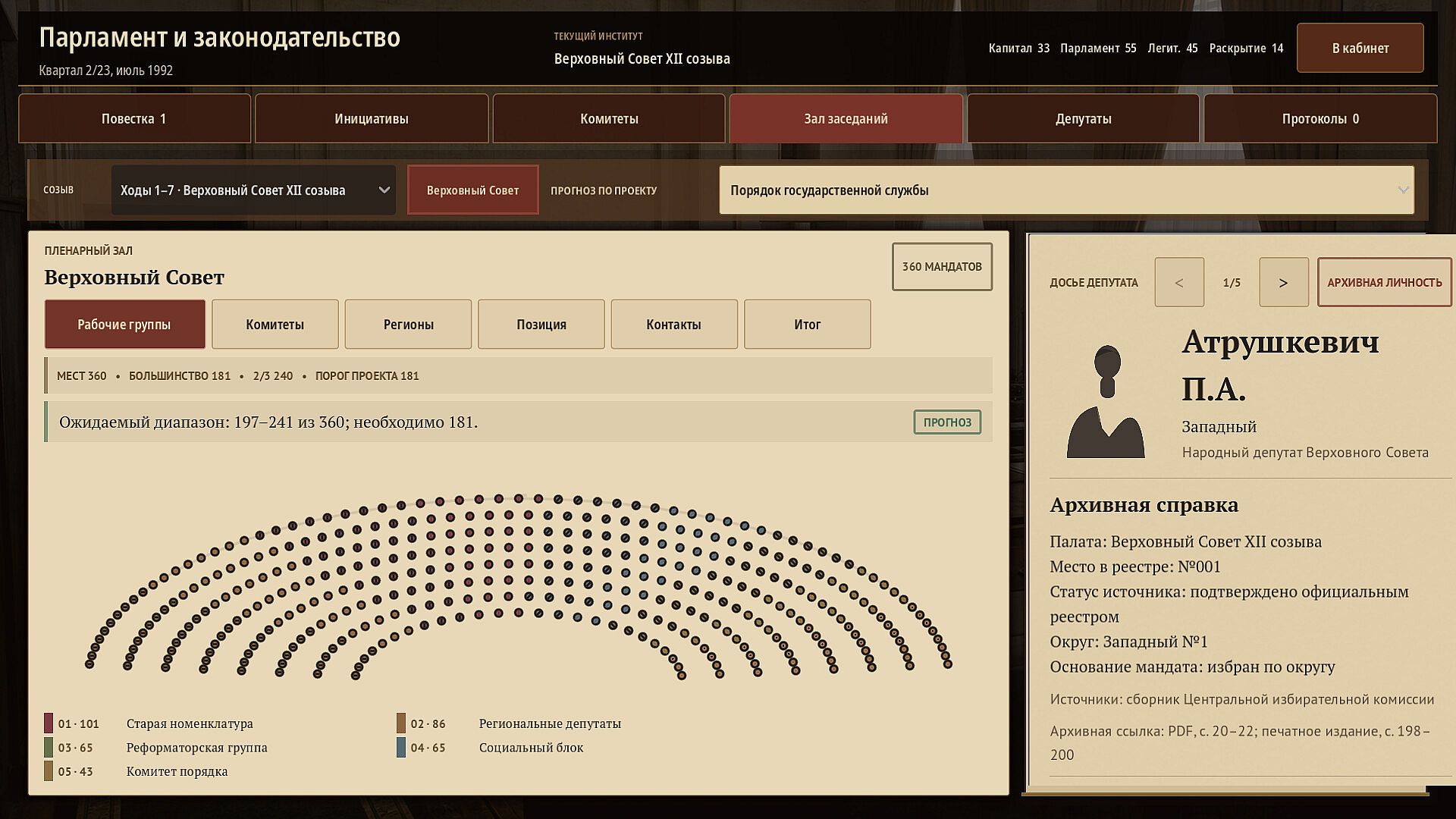
Path to Power to strategia i symulacja osadzona w burzliwych pierwszych latach niepodległego Kazachstanu. Gracz wciela się w przywódcę państwa, który od 1992 roku prowadzi kraj przez kryzys gospodarczy i polityczne zawirowania. Rozgrywka skupia się na długofalowych decyzjach kształtujących rozwój państwa, a nie na szybkiej akcji czy walce.
Rozgrywka
Podstawą jest zarządzanie polityczną ścieżką kraju. Gracz wprowadza reformy, rozdysponowuje ograniczone zasoby, buduje sojusze z wpływowymi grupami i reaguje na pojawiające się kryzysy. Każda decyzja wpływa na gospodarkę, poparcie społeczne, stabilność oraz równowagę między ośrodkami władzy. Akcja toczy się w okresie transformacji, gdy państwo musi określić swoją tożsamość pod presją historii, elit i zewnętrznych uwarunkowań.
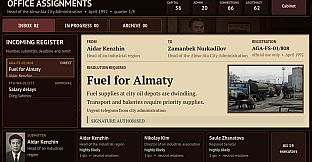
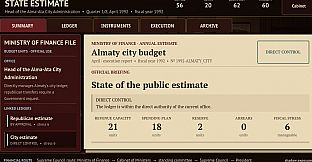
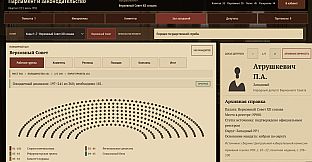
Alokacja zasobów i budowanie relacji stanowią fundament postępu. Gracz musi radzić sobie z niepokojami, negocjować z frakcjami i dostosowywać politykę, by utrzymać kontrolę i realizować cele. Symulacja śledzi powiązane ze sobą systemy, dzięki czemu działania w jednym obszarze wywołują skutki w innych. Kampanie opierają się więc na kumulujących się konsekwencjach, a nie na odizolowanych wydarzeniach.
Tryby gry
Path to Power nie oferuje trybów wieloosobowych ani konkurencyjnych. Dostępna jest wyłącznie kampania jednoosobowa, której przebieg zależy od wybranego na starcie lidera. Cztery różne pozycje wyjściowe dają odmienne sposoby sprawowania władzy. Reformer stawia na modernizację i zmiany gospodarcze, Apparatchik korzysta z istniejących struktur biurokratycznych i nadzoru instytucjonalnego, Silovik koncentruje się na bezpieczeństwie i porządku, a Regional Leader opiera się na lokalnych bazach władzy i praktycznych potrzebach regionów. Każda opcja zaczyna się od innych warunków i prowadzi własną drogą do umocnienia pozycji.
Mechaniki
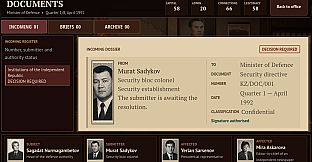
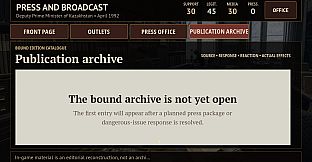
Postęp napędzają ustawy, reformy oraz negocjacje z opozycją i grupami interesu. Gracz musi balansować między kompromisami a bezpośrednią presją, śledząc wpływ tych działań na stabilność i poparcie. Układy kuluarowe i reakcje na zamieszki społeczne dodają kolejne warstwy do drzewa decyzji. Brak powierzchownych opcji sprawia, że każda zmiana polityki czy sojusz ma trwały wpływ zarówno na państwo, jak i na pozycję gracza.
Centralne znaczenie zachowują wewnętrzne relacje władzy. Utrzymywanie równowagi między autorytetem państwa a społeczeństwem obywatelskim i grupami interesu wymaga stałej uwagi. Symulacja nagradza przemyślane sekwencje działań, a karze za nadmierną ambicję lub zaniedbanie w którymkolwiek obszarze.
Czy warto zagrać?
Path to Power przypadnie do gustu graczom zainteresowanym szczegółową symulacją polityki i gospodarki. Skupienie na decyzjach niosących konsekwencje oraz odmienne style przywództwa zapewnia wartość regrywalną dzięki różnym przebiegom kampanii. Osoby lubujące się w zarządzaniu złożonymi systemami i szukaniu kompromisów znajdą tu angażującą strukturę. Status Early Access oznacza, że gra nadal się rozwija, a obecna wersja koncentruje się na opisanym mechanizmie zarządzania politycznego. Tytuł najbardziej przemówi do fanów strategii stawiających na długoterminowe planowanie zamiast natychmiastowej akcji.











