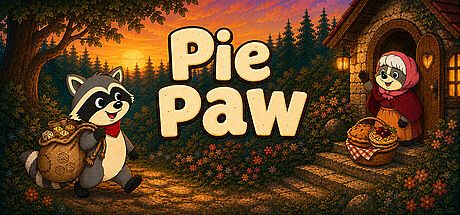


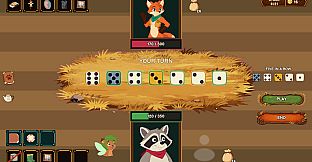
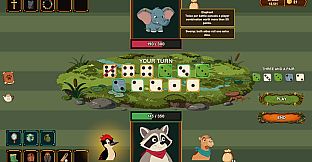
Pie Paw is a strategy indie casual game on PC that blends bag-building mechanics with roguelite elements in a relaxed setting. Players take on the role of a raccoon navigating a winding road while searching for pies, drawing dice from a custom bag to create scoring combinations and outpace rivals.
Gameplay
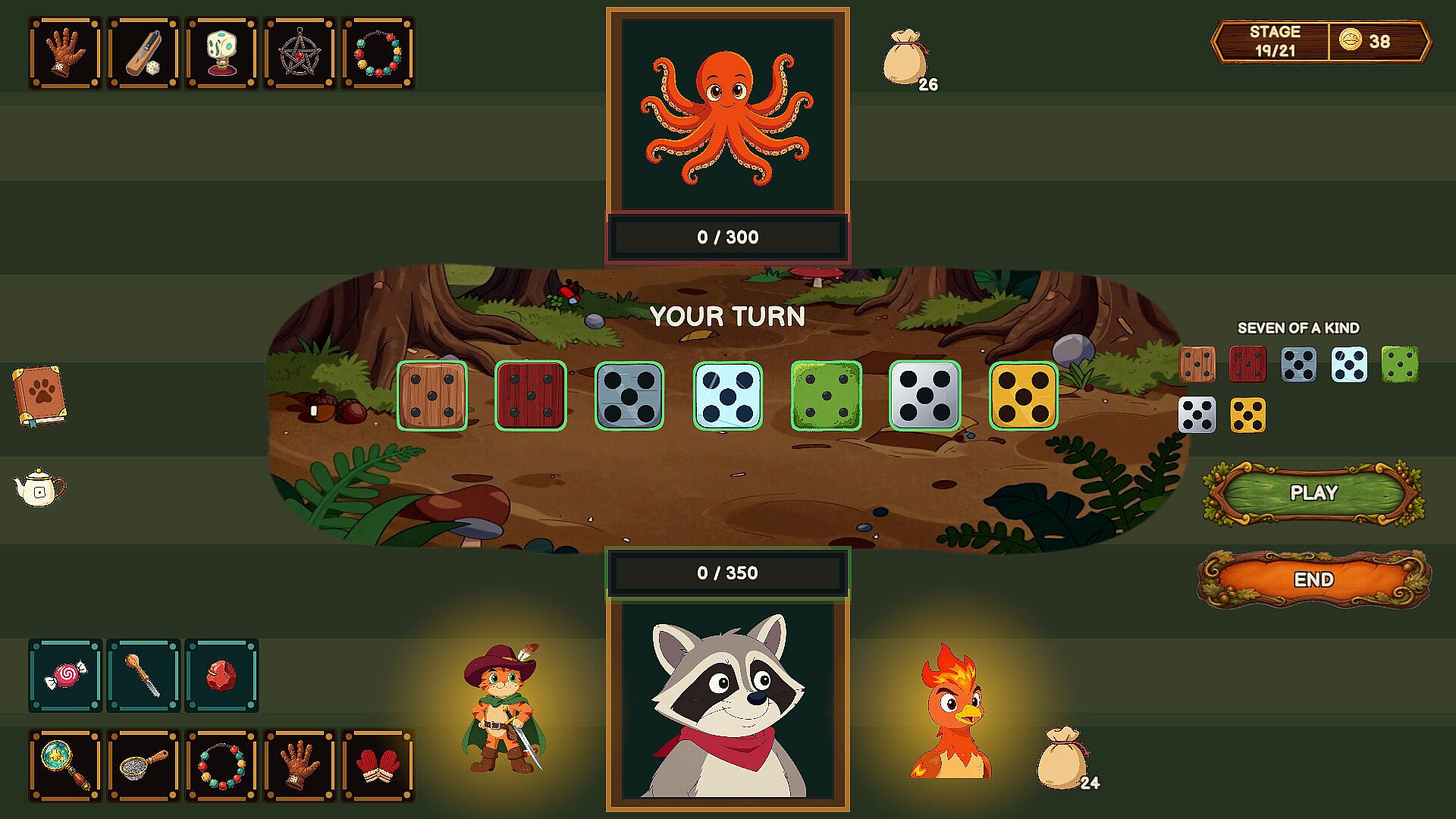
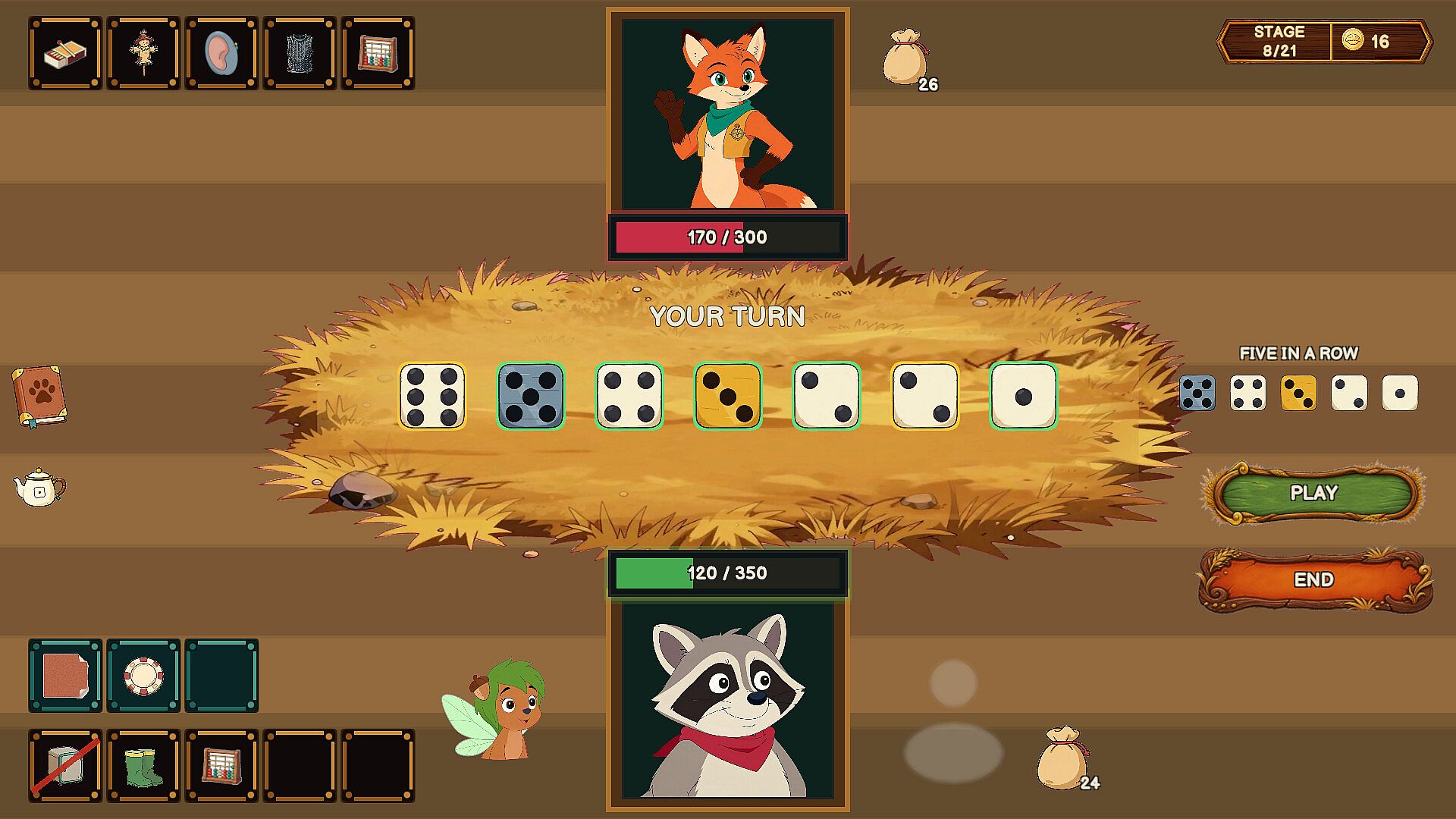
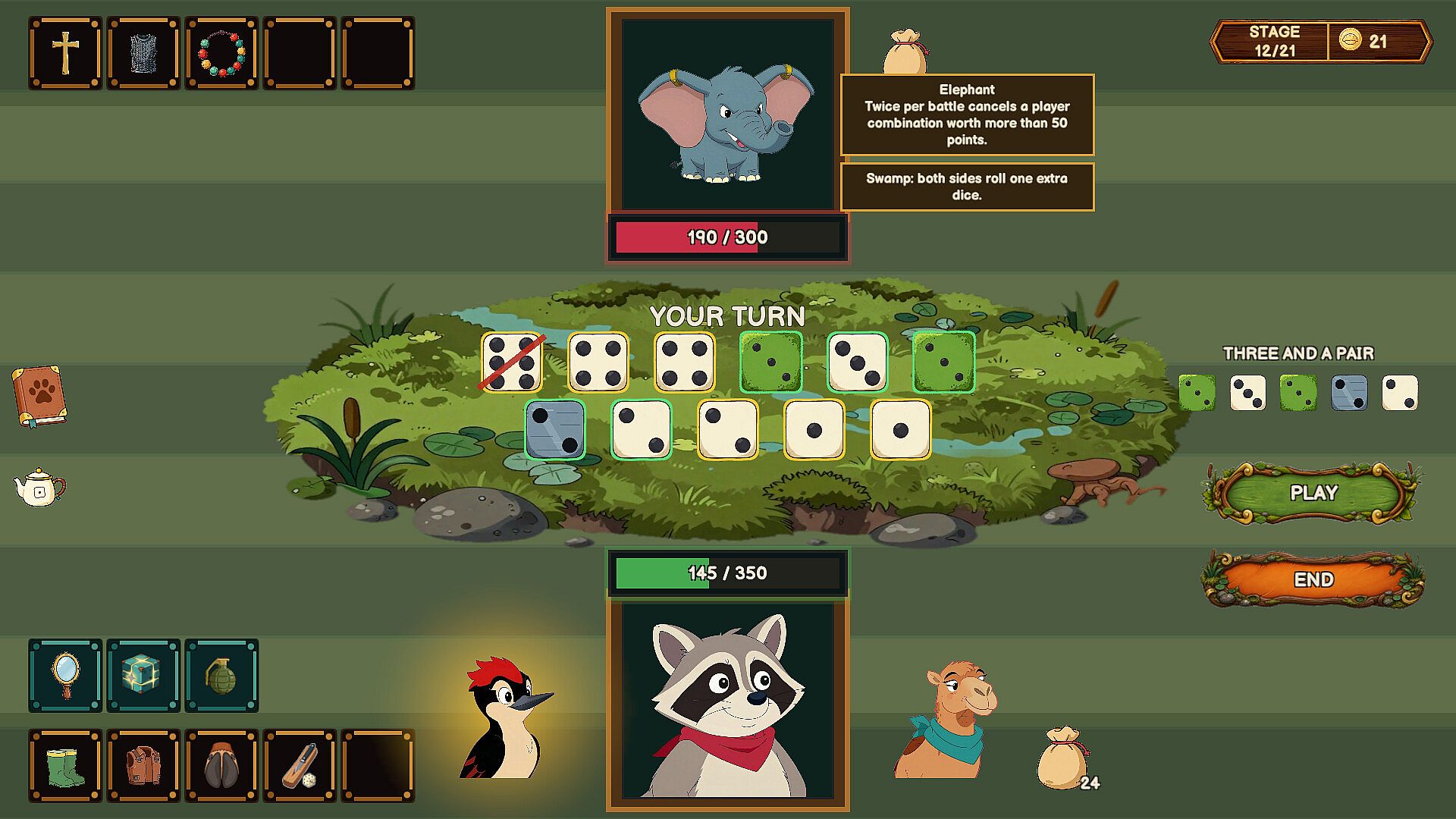
The core loop centers on building and refining a bag of dice between encounters. Players add new dice, upgrade existing ones, alter their faces or materials, and remove unwanted options to shape powerful synergies. Each run involves drawing dice, rolling them to form scoring plays, and using special dice or abilities to maximize points before a rival reaches the target score first.
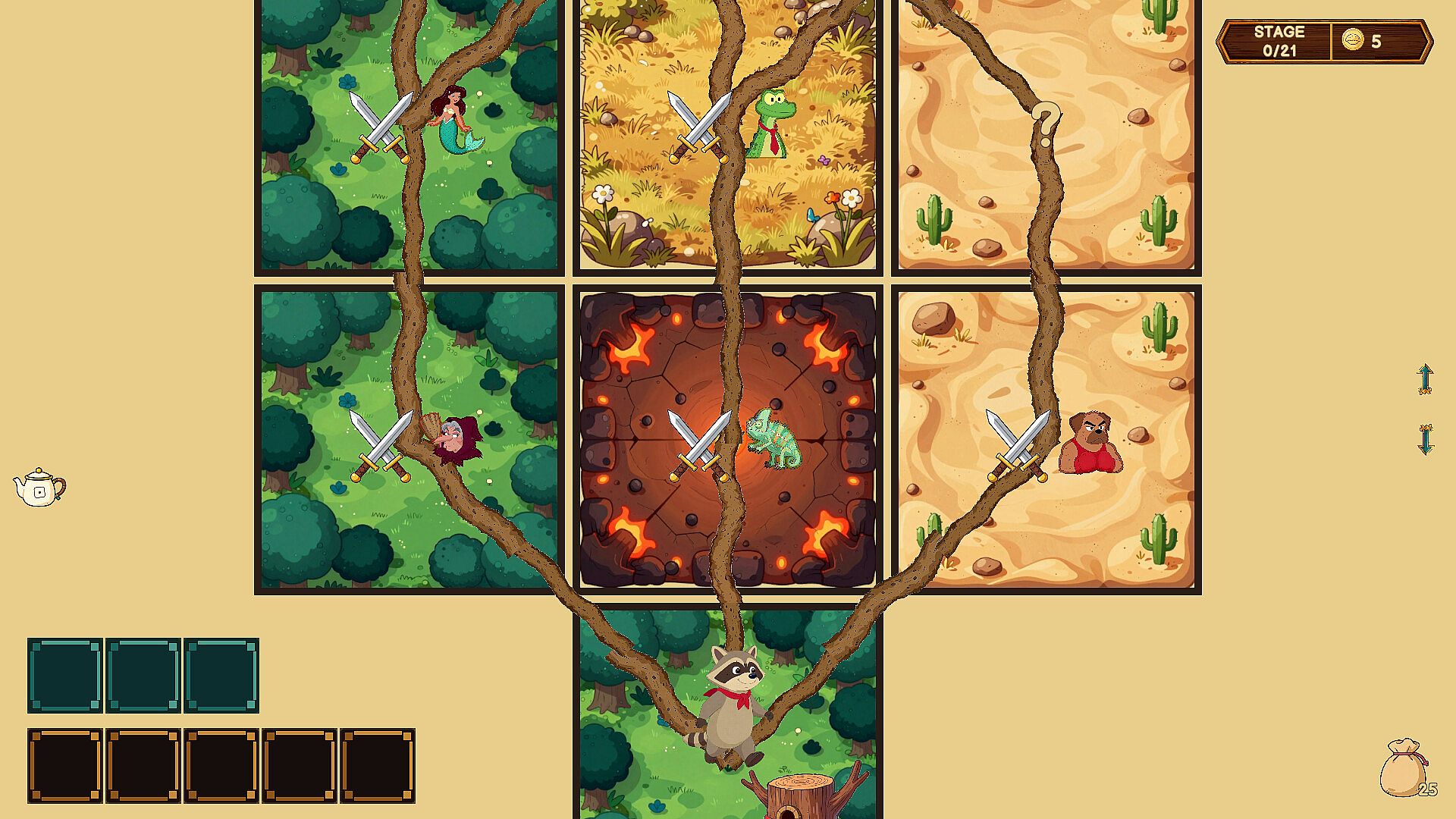
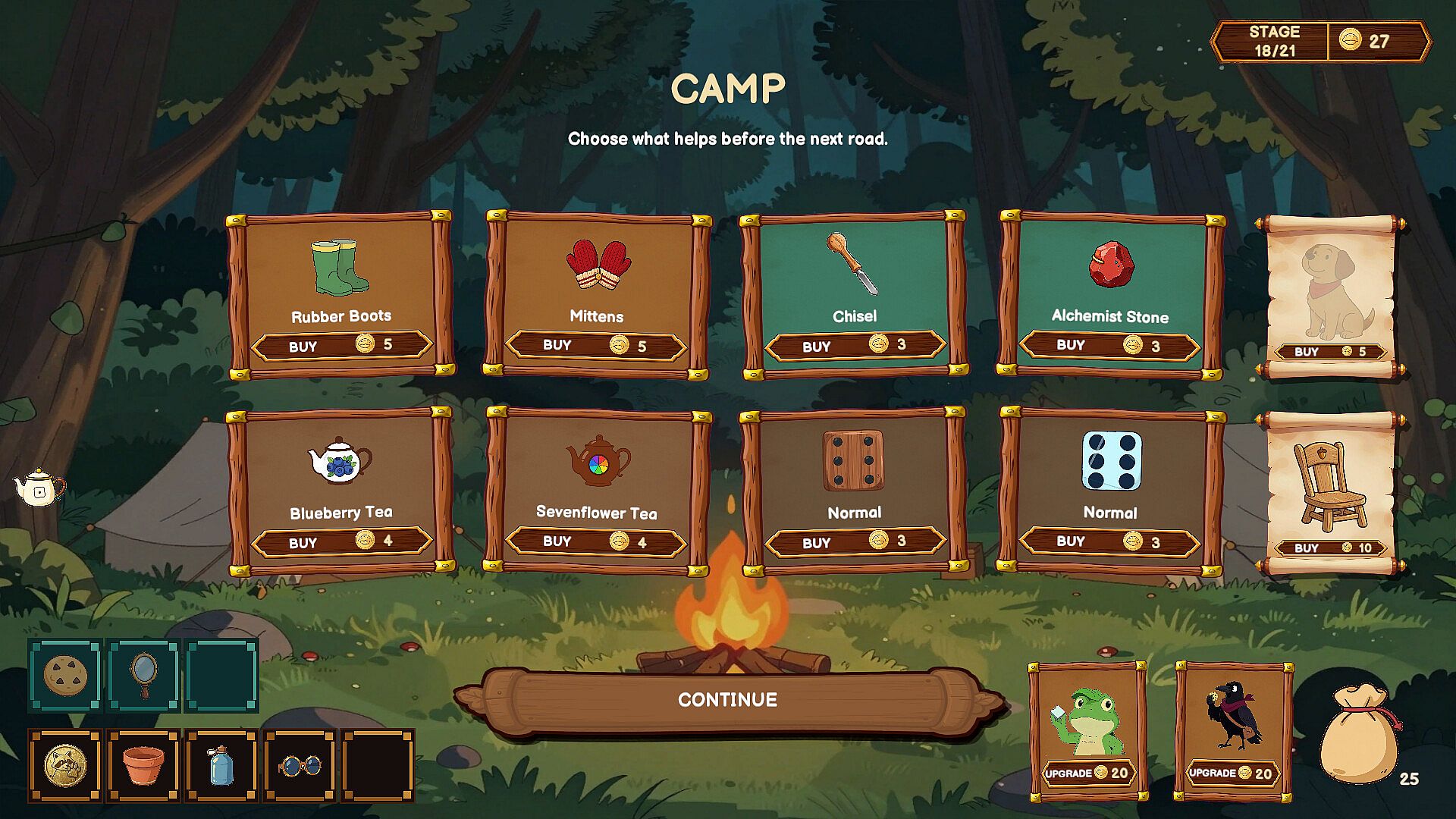
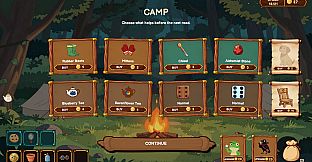
Clearing all dice from the bag grants an extra turn, encouraging careful management of resources and combinations. Between battles, the game offers opportunities to visit camp for items, teas, and consumables that enhance future rolls. The branching map leads through varied environments such as forests, swamps, and meadows, where players encounter colorful animal rivals. Each rival brings its own bag, scoring goals, and unique abilities that require adaptive strategies.
Companions join the journey to support different playstyles, while repeated runs reveal new pies, combinations, secrets, and trophies. The system rewards experimentation with dice transformations and item synergies, creating fresh recipes for success on every attempt.
Game Modes
Pie Paw focuses on a single-player roguelite structure built around individual runs across the branching map. Each attempt presents new opportunities to refine the bag and test combinations against rivals with distinct tricks and goals. The format emphasizes progression through repeated plays, where choices in upgrades and routes influence outcomes without fixed linear levels.
Players can opt for safer paths that prioritize steady scoring or riskier routes that offer greater rewards in exchange for tougher challenges. The absence of traditional multiplayer or separate competitive modes keeps the emphasis on personal bag-building experimentation and adapting to rival encounters during each journey.
Key Mechanics and Progression
Dice serve as the central tool for both offense and scoring. Upgrades allow individual dice to gain new properties, while items and consumables provide temporary boosts or permanent changes. Companions add layers of support that interact with specific combinations, encouraging players to pursue favorite synergies across multiple attempts.
The map design promotes replayability through varied routes and hidden elements. Discovering new pies and trophies ties directly into long-term goals, as each run builds knowledge of effective builds. This structure suits players who appreciate deliberate planning over fast-paced action, with the cozy presentation softening the roguelite challenge of learning from failed attempts.
Is It Worth Playing?
Pie Paw appeals to fans of casual strategy and indie roguelites who enjoy dice-based systems and bag-building progression. The relaxed tone and focus on creative combinations make it accessible for shorter sessions while offering depth through repeated runs and rival variety. Those who prefer thoughtful resource management and experimentation with synergies will find the core loop engaging, particularly if they enjoy similar titles centered on customization rather than intense competition or complex narratives.
The game stands out for its approachable entry point combined with meaningful choices in bag development. Players seeking a cozy alternative to more punishing roguelites may appreciate the emphasis on baking the perfect run through incremental improvements and clever plays. Availability on PC supports straightforward access for those matching this playstyle preference.