






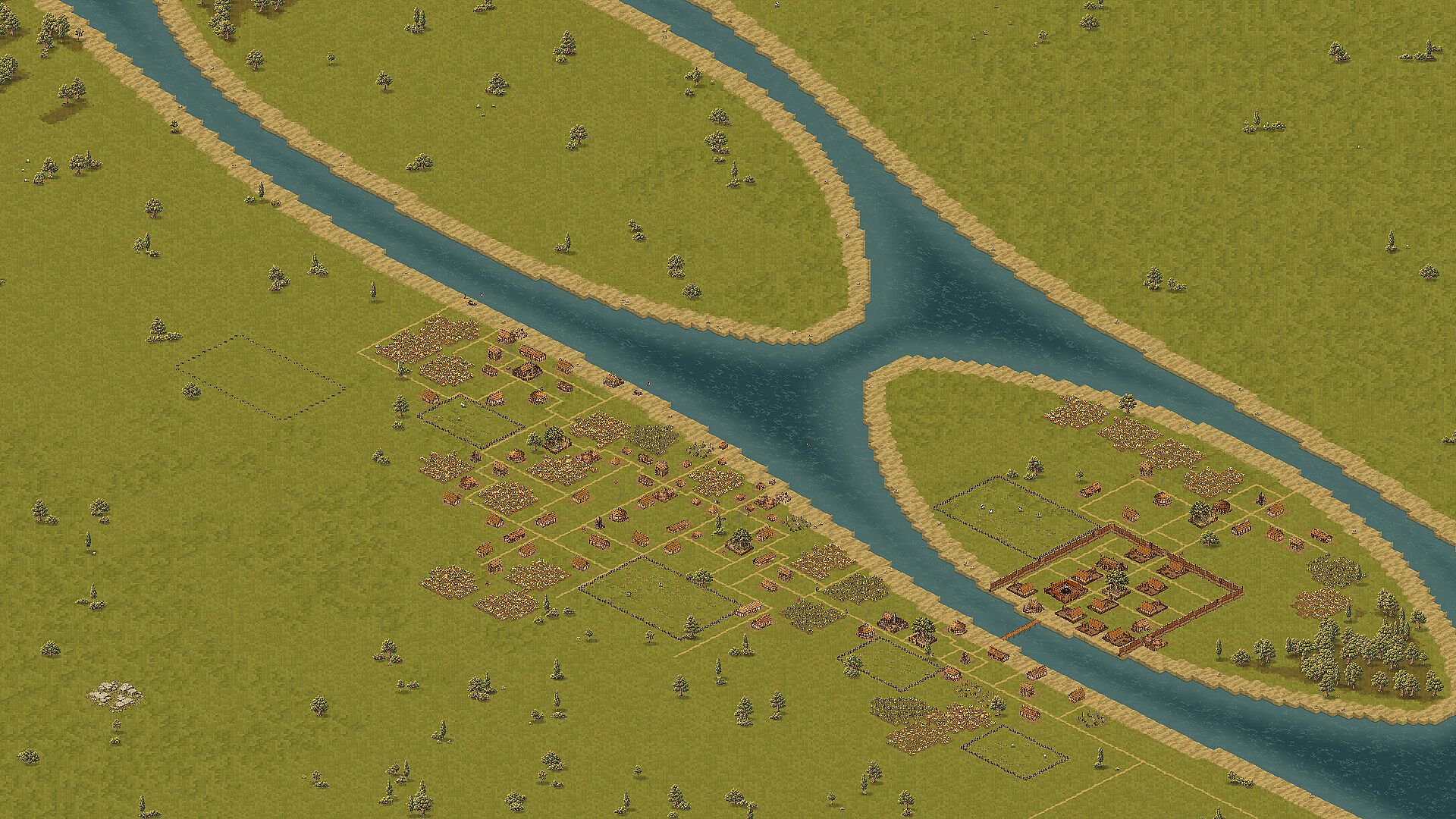

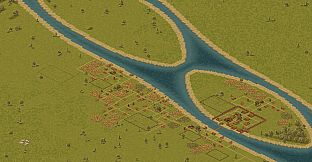

Pixel Metropolis is a strategy simulation game where players shape the growth of Paris across ten thousand years, beginning with a small settlement beside the Seine and expanding it through multiple historical eras into a modern city.
Gameplay
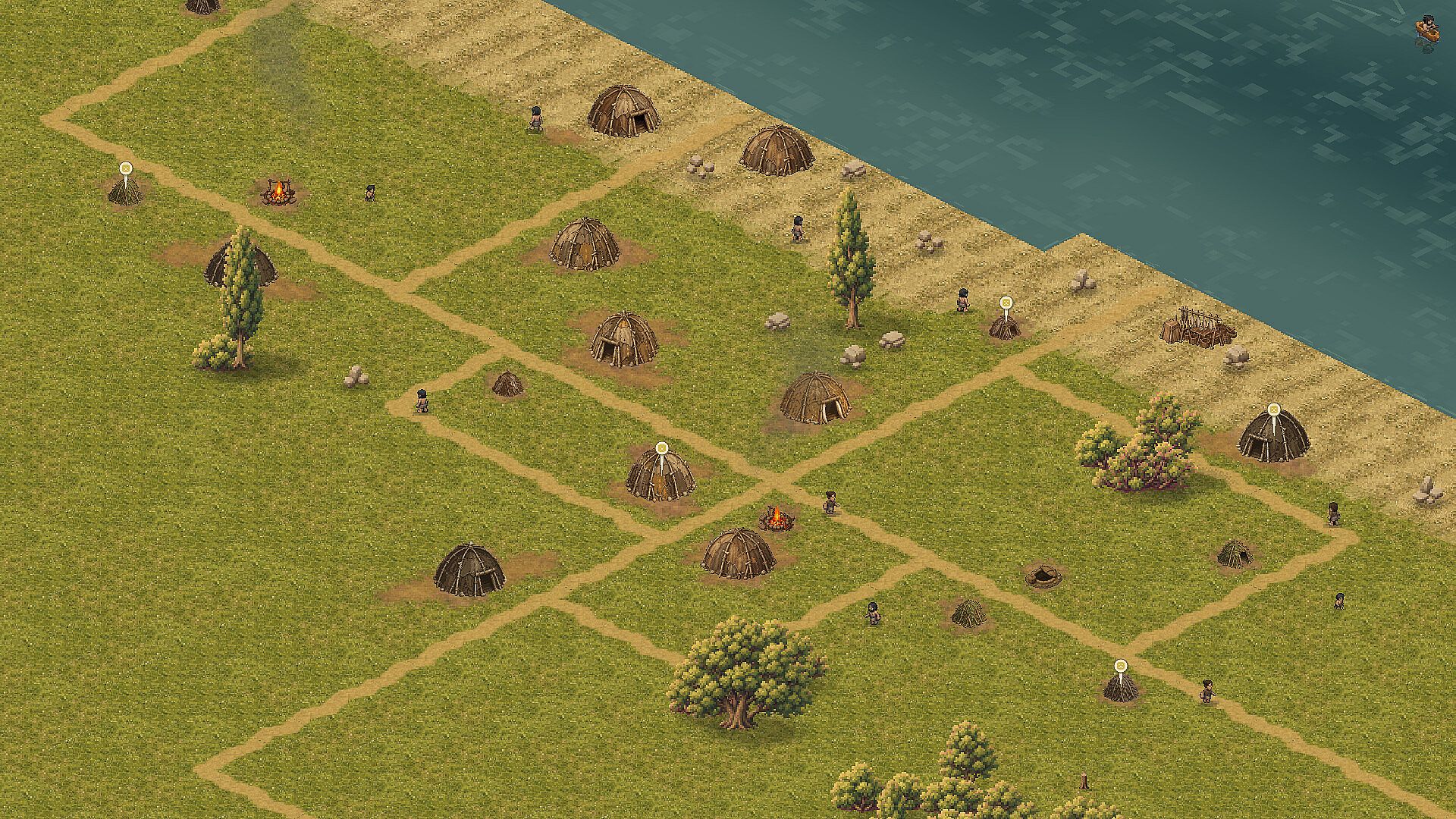
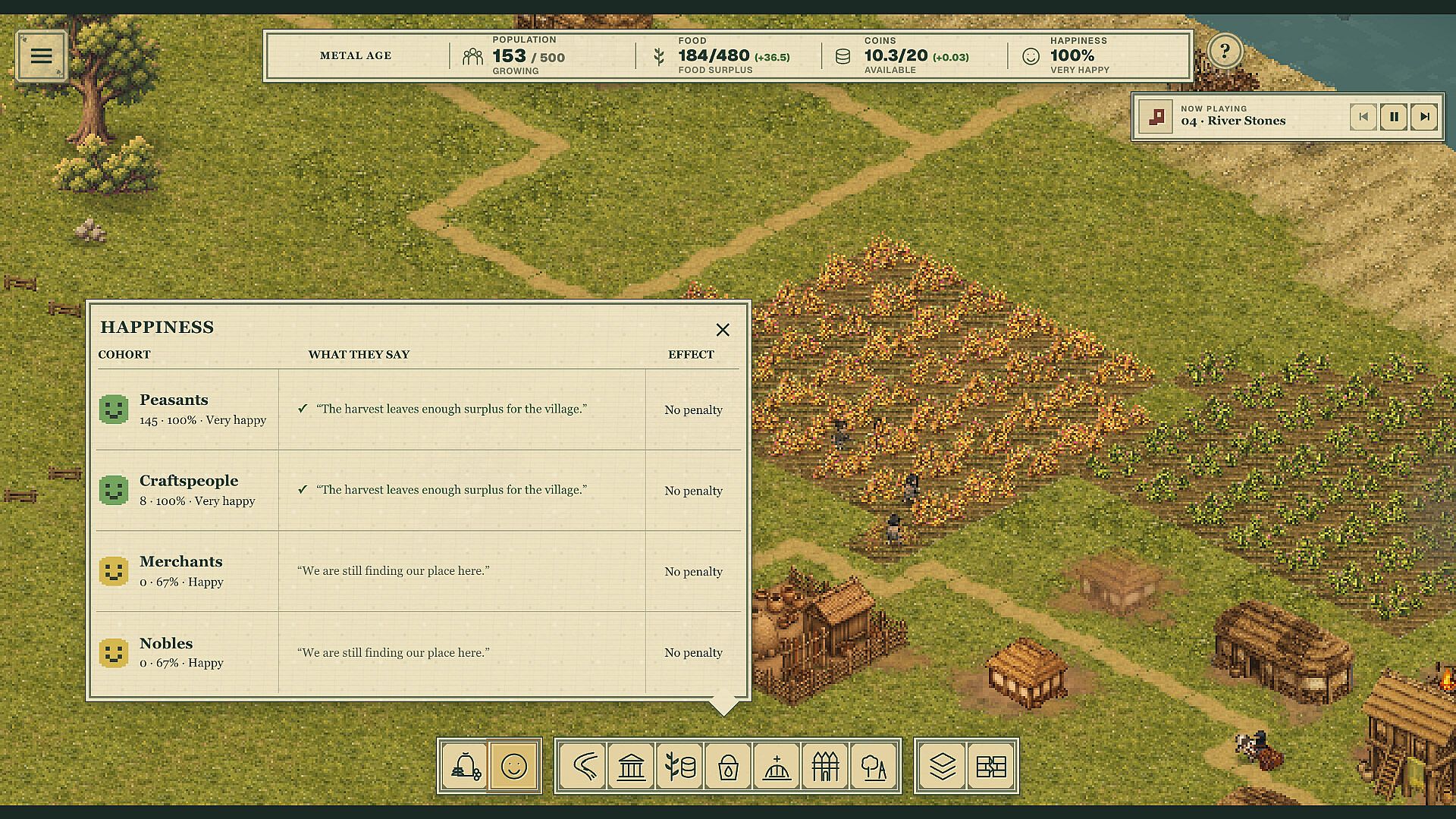
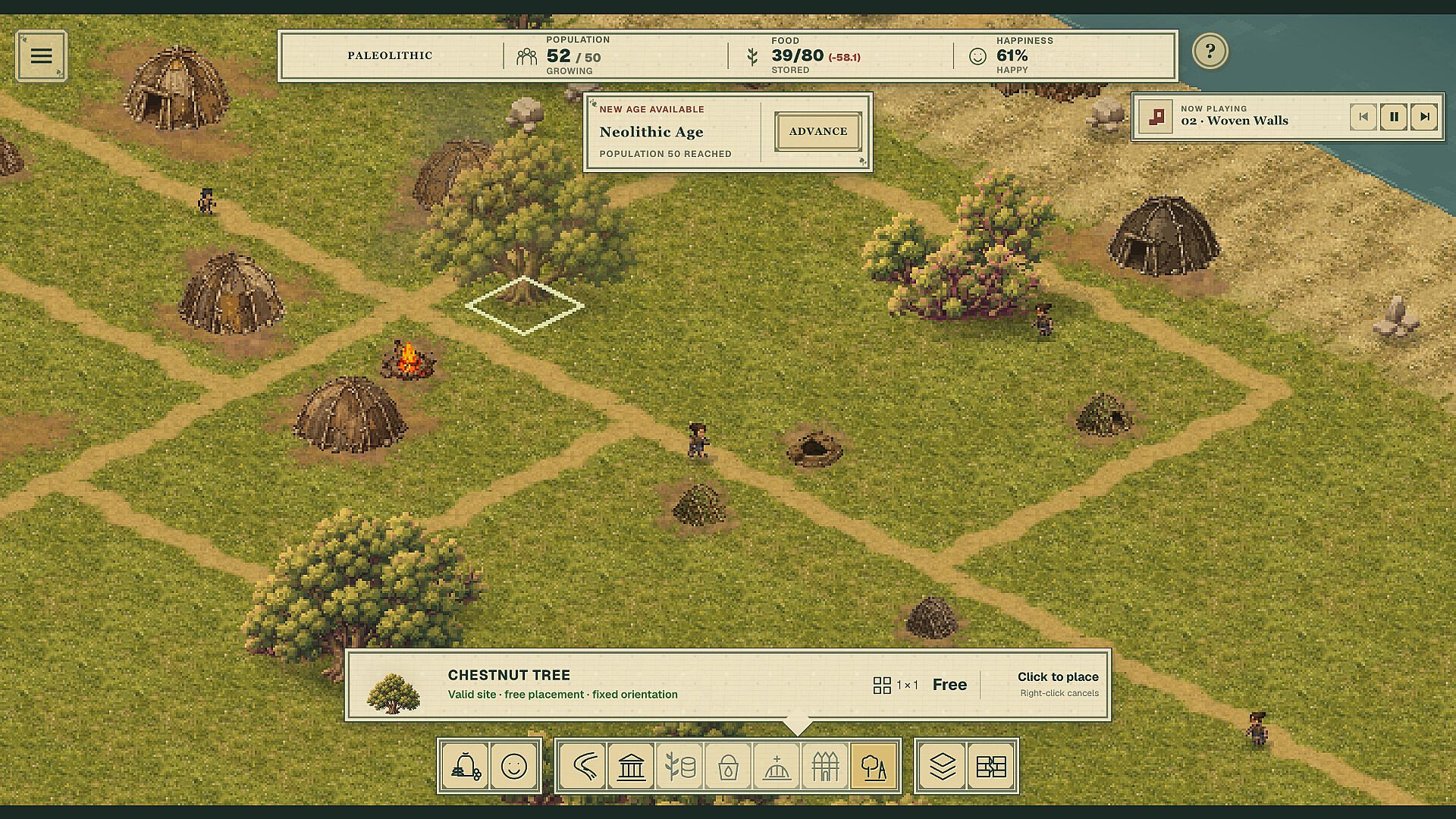
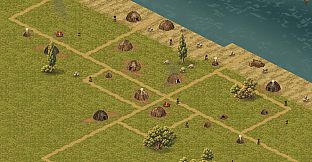
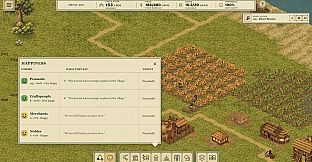
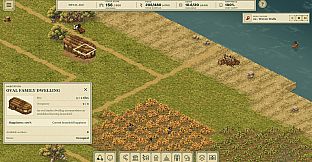
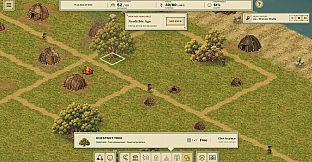
Players start with basic resources like a campfire and a few inhabitants in an untouched landscape. The core loop involves laying paths, gathering food, and establishing homes while setting conditions that allow the population to expand naturally. Roads connect areas and encourage development, wells supply water, and granaries create employment opportunities for peasants. As the city grows, services such as security, trade, faith, entertainment, education, and transport become necessary to meet evolving needs of different social groups including peasants, craftspeople, merchants, nobles, citizens, and workers.
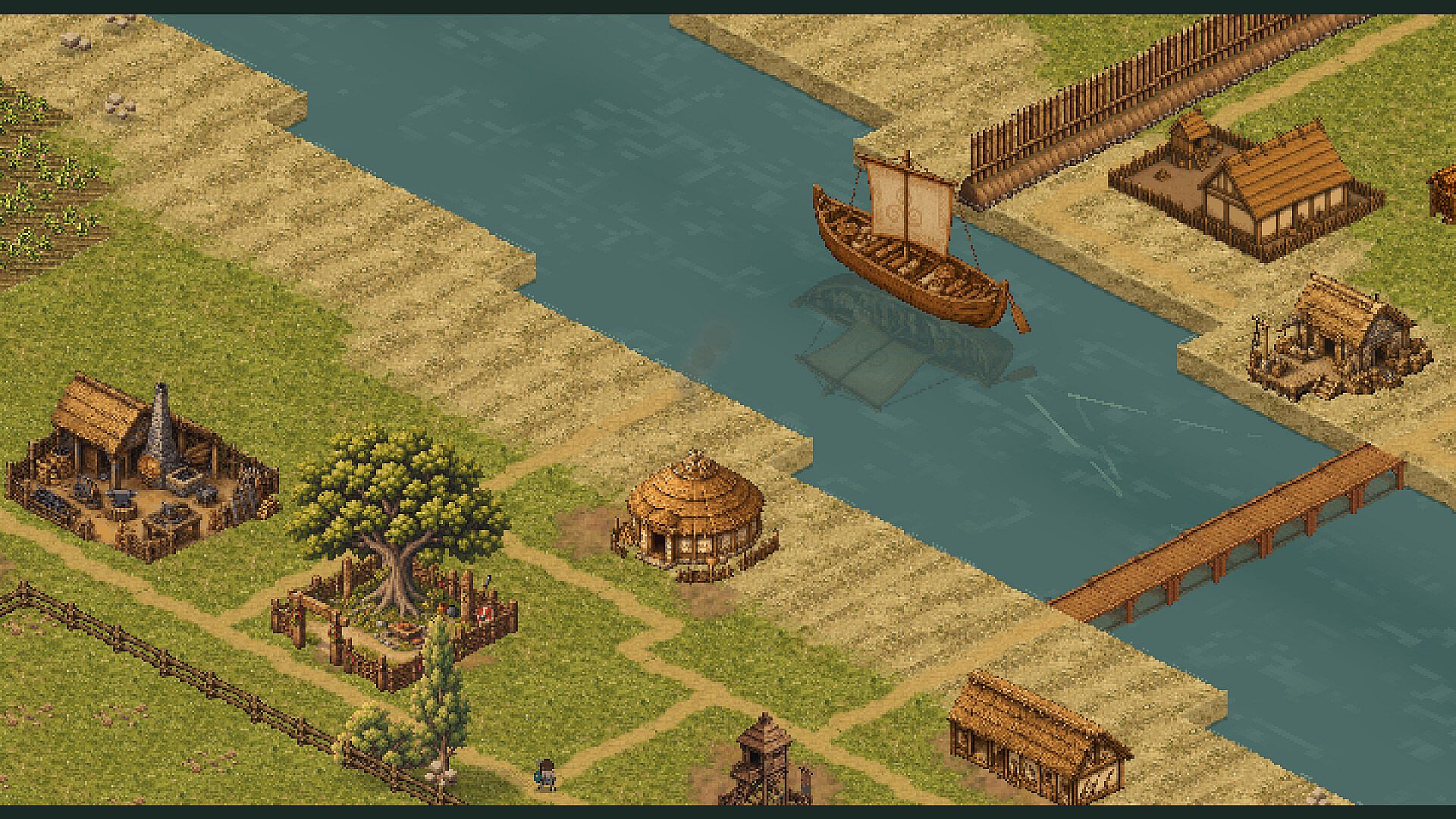
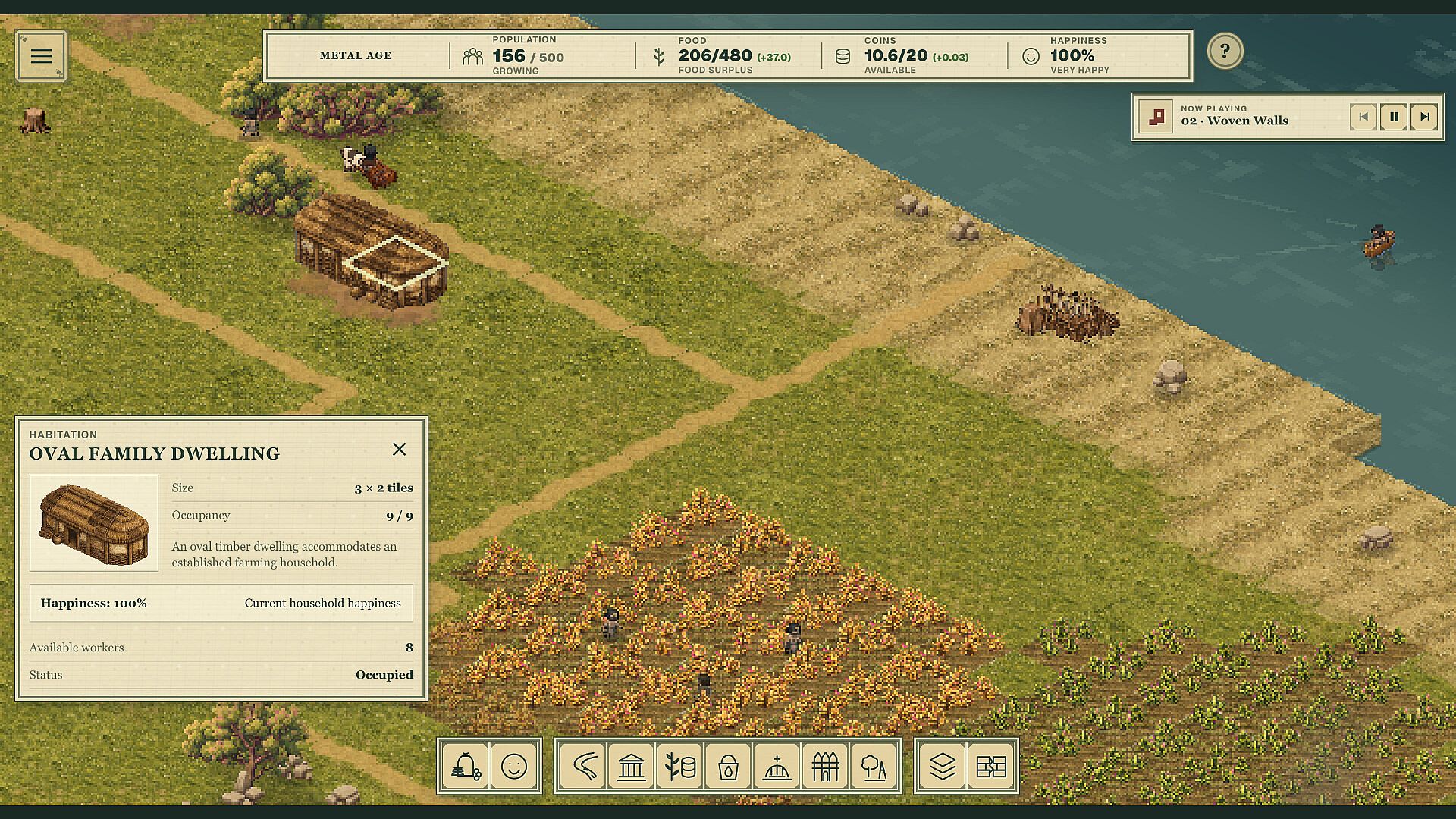
Buildings and infrastructure from earlier periods remain in place when advancing to new eras, allowing a muddy path to evolve into a medieval street and later a busy avenue. Players decide whether to replace older structures, build around them, or preserve them as historical elements. Inhabitants respond by choosing settlement locations, constructing homes, learning crafts, raising animals, and cultivating land, filling the world with activity without direct micromanagement of every action.
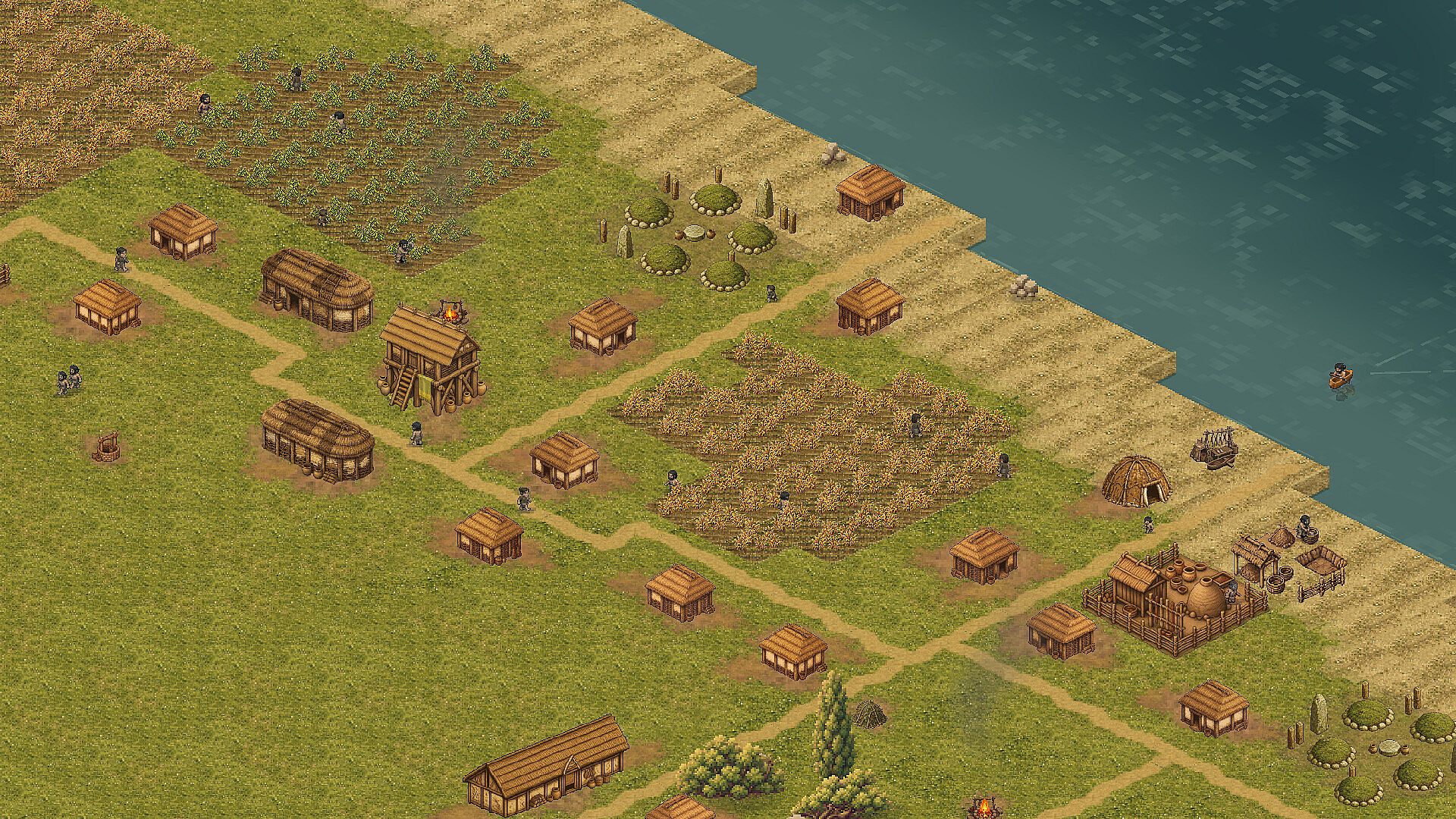
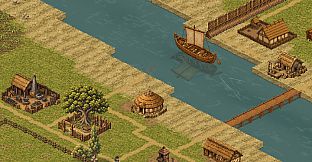
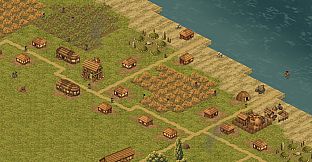
The isometric pixel-art presentation lets players zoom in to observe daily routines such as hunting, fishing, farming, building, trading, and gathering. Fields sway, boats drift along the river, and animals roam while clusters of homes develop into towns. The pace remains flexible, supporting focused planning sessions followed by periods of observation and decoration.
Game Modes
Pixel Metropolis centers on a single continuous campaign that spans seven eras from the Paleolithic to modern times. There are no separate competitive or multiplayer modes described. Instead, the experience emphasizes freeform progression where players guide overall conditions and then watch organic responses unfold at a comfortable speed. This structure supports both deliberate advancement through challenges and relaxed periods dedicated to refining neighborhoods or preserving older features.
Historical Progression and City Evolution
Each era introduces new buildings, services, professions, and possibilities while preserving the existing layout. An ancient bridge can influence district planning centuries later, and a simple hut might endure amid surrounding changes. Every generation adds layers to the city, creating a visible record of its own development. Players manage shifting community requirements that begin with basic shelter and warmth and expand to include government, modern public services, and cultural elements.
Choices about infrastructure and preservation leave lasting marks. Old roads and structures can be integrated into later designs or cleared for new growth, resulting in a Paris shaped uniquely by individual decisions. This approach rewards long-term thinking about how early layouts affect future expansion.
Visual Style and Daily Life
The game uses colorful isometric pixel art to depict a cosy world filled with small details. Players can pause to follow individual inhabitants as they perform tasks across farms, workshops, and neighborhoods. The landscape includes swaying fields, drifting boats on the Seine, and roaming animals that contribute to the sense of a living environment. Attention to these elements highlights how services and surroundings influence where people choose to settle and build.
Is It Worth Playing?
Pixel Metropolis suits players who enjoy city-building simulations with a strong emphasis on historical layering and organic inhabitant behavior. Its single continuous experience across eras provides depth for those interested in long-term planning and watching plans develop over simulated generations. The flexible pacing accommodates both strategic focus and relaxed observation of pixel-art details. Fans of indie strategy and simulation titles that prioritize thoughtful infrastructure decisions over rapid action will find the evolving needs and preservation options engaging. The developer notes the use of AI assistance in implementation while maintaining human oversight of design and quality, which supports the scale of the project. Overall, it offers a distinctive take on city growth for those drawn to detailed, generational progression in a familiar historical setting.











