

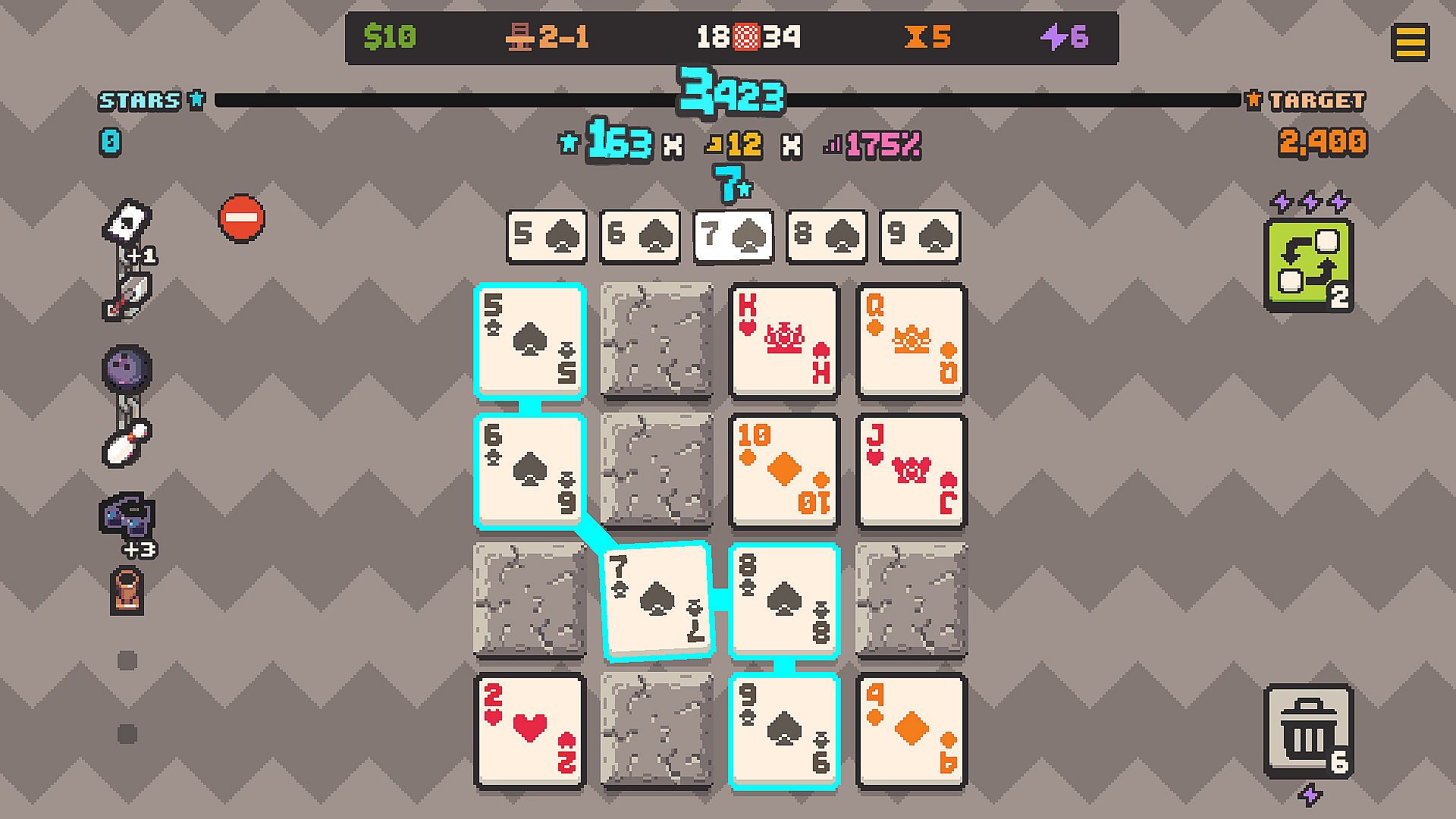
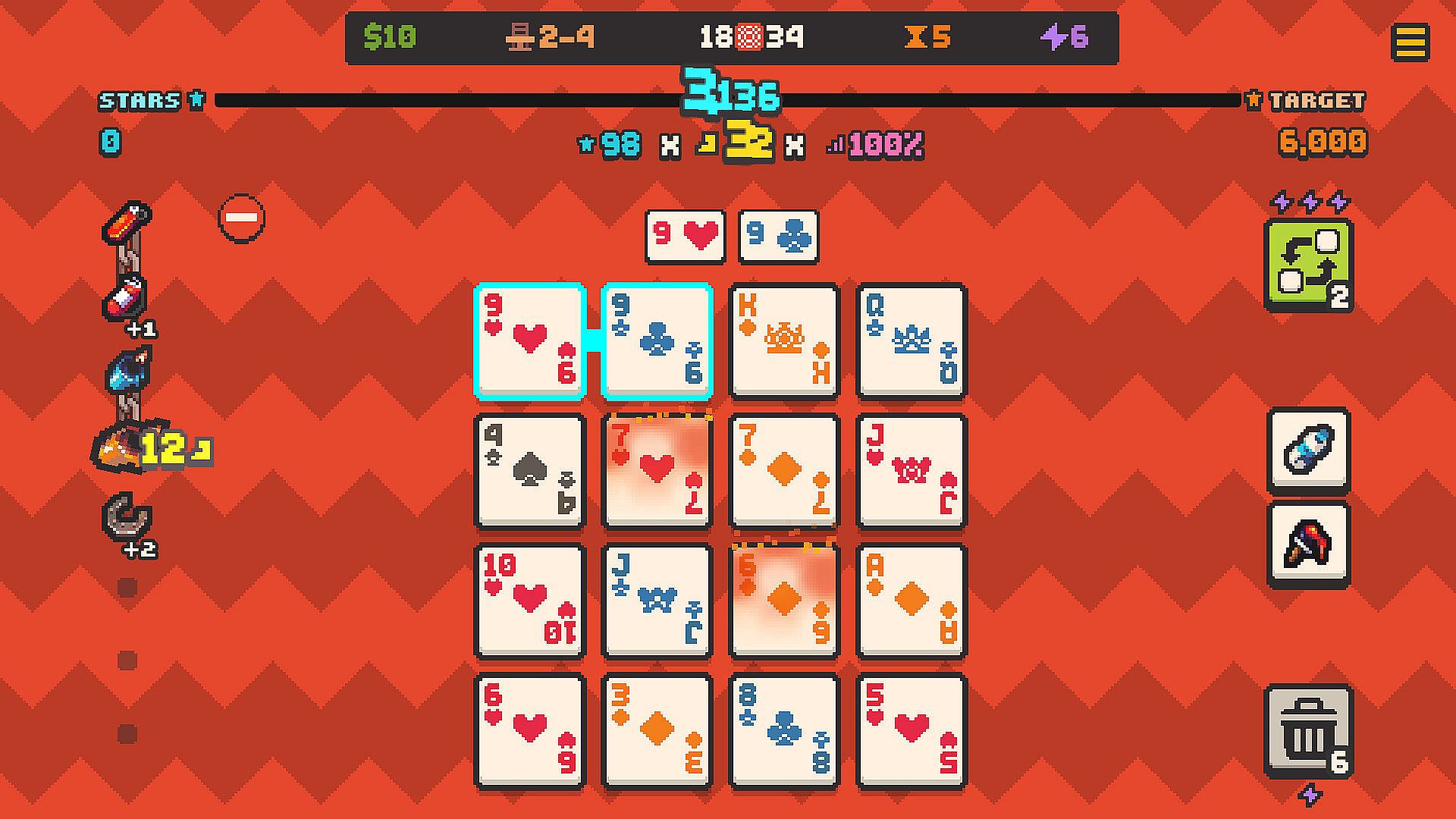
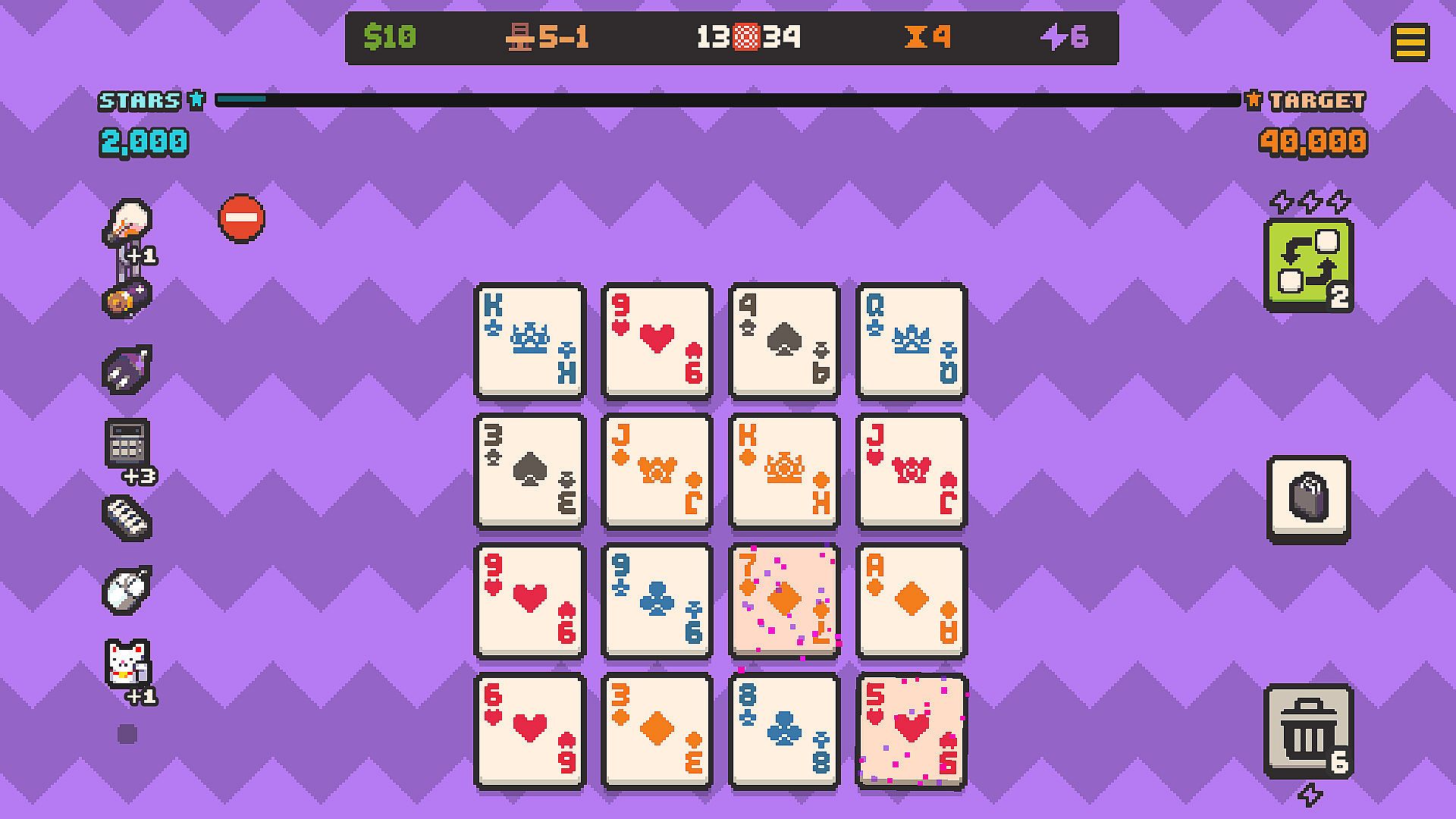
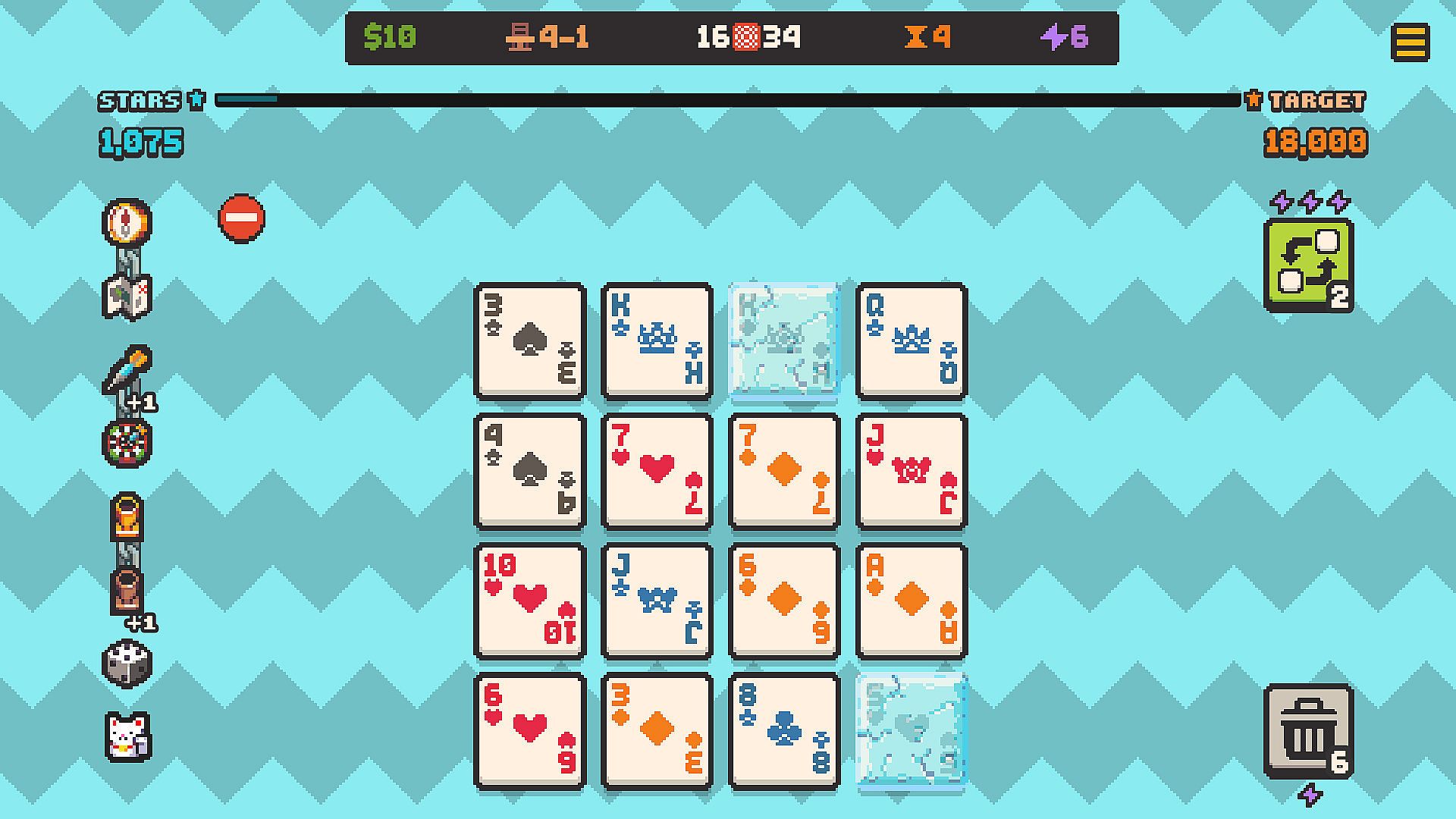
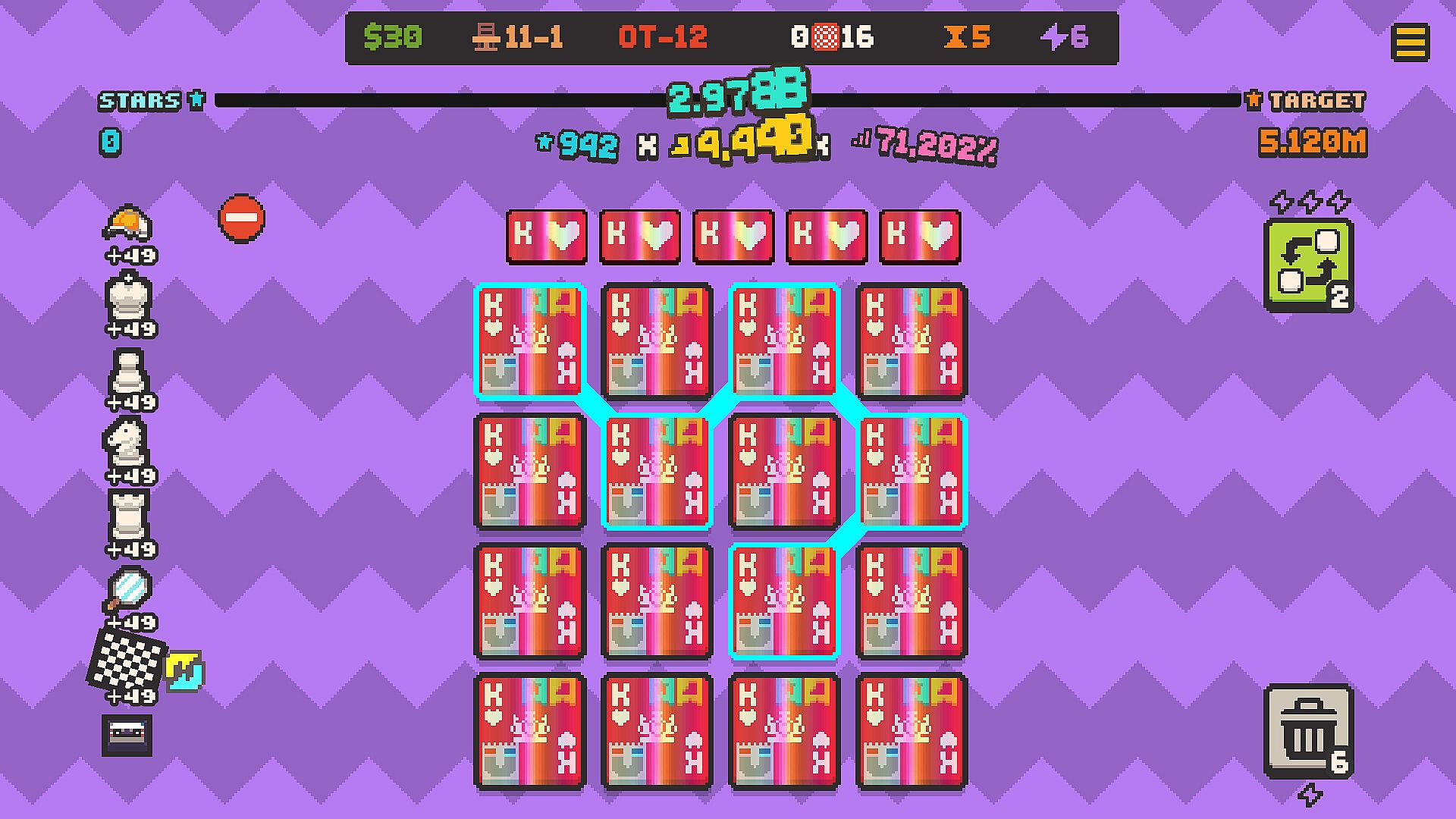
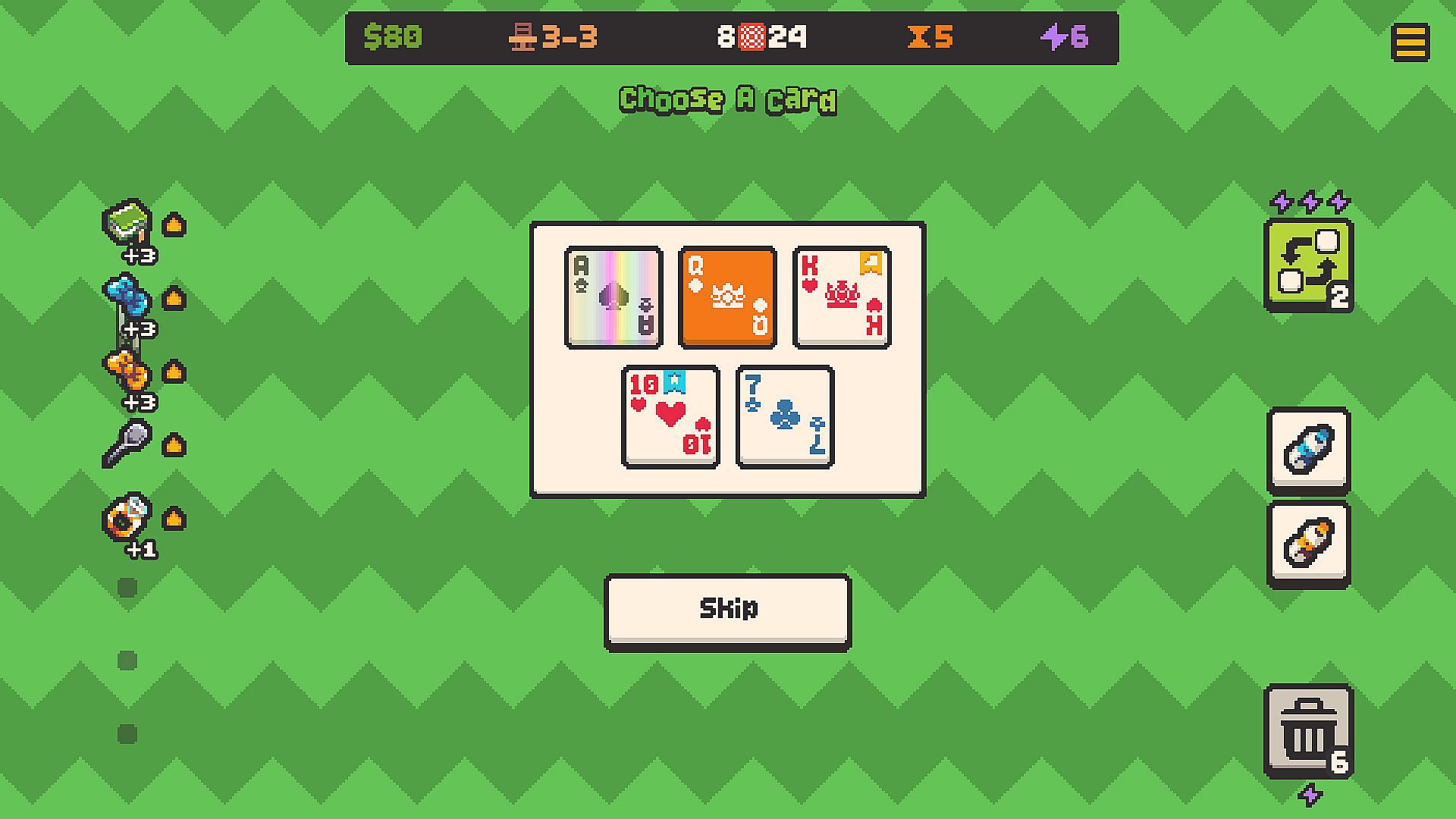
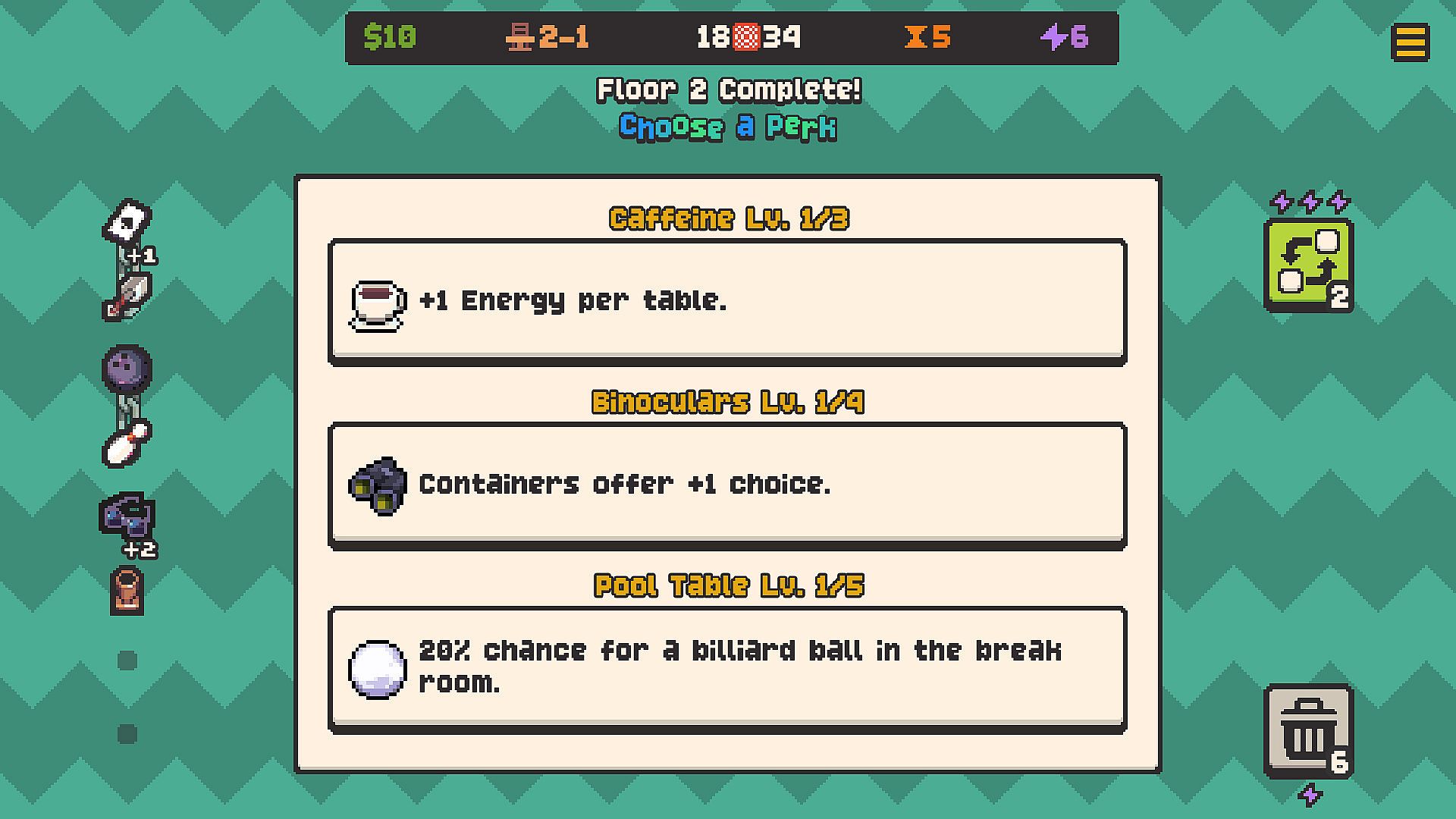
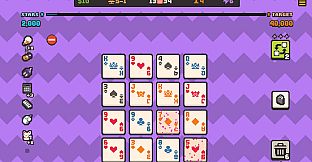
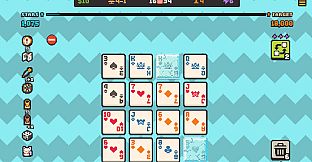
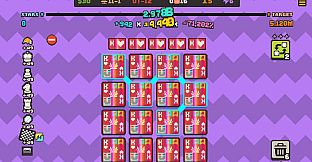
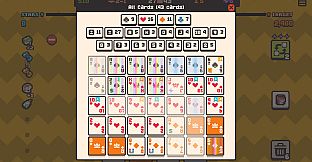
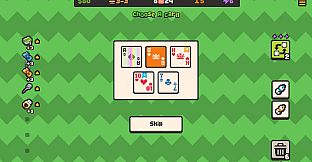
Pokermancer is a roguelike deckbuilder that turns poker hand scoring into a spatial puzzle on a 4x4 grid. Players trace connected paths across neighboring cards in any direction to form pairs, straights, flushes, and other hands, with the exact route chosen often determining the final score as much as the hand itself. New cards cascade into place after each clear, keeping every board fresh while hazards like frozen or blocked tiles add obstacles that force adaptive pathing.
Gameplay
The core loop centers on clearing the grid through linked poker hands while managing resources and upgrades between rounds. Cards occupy fixed positions on the board, and players draw paths that must connect adjacent tiles to score valid combinations. Positioning matters because longer or more complex routes can unlock higher multipliers or trigger additional effects once the right trinkets are in play.
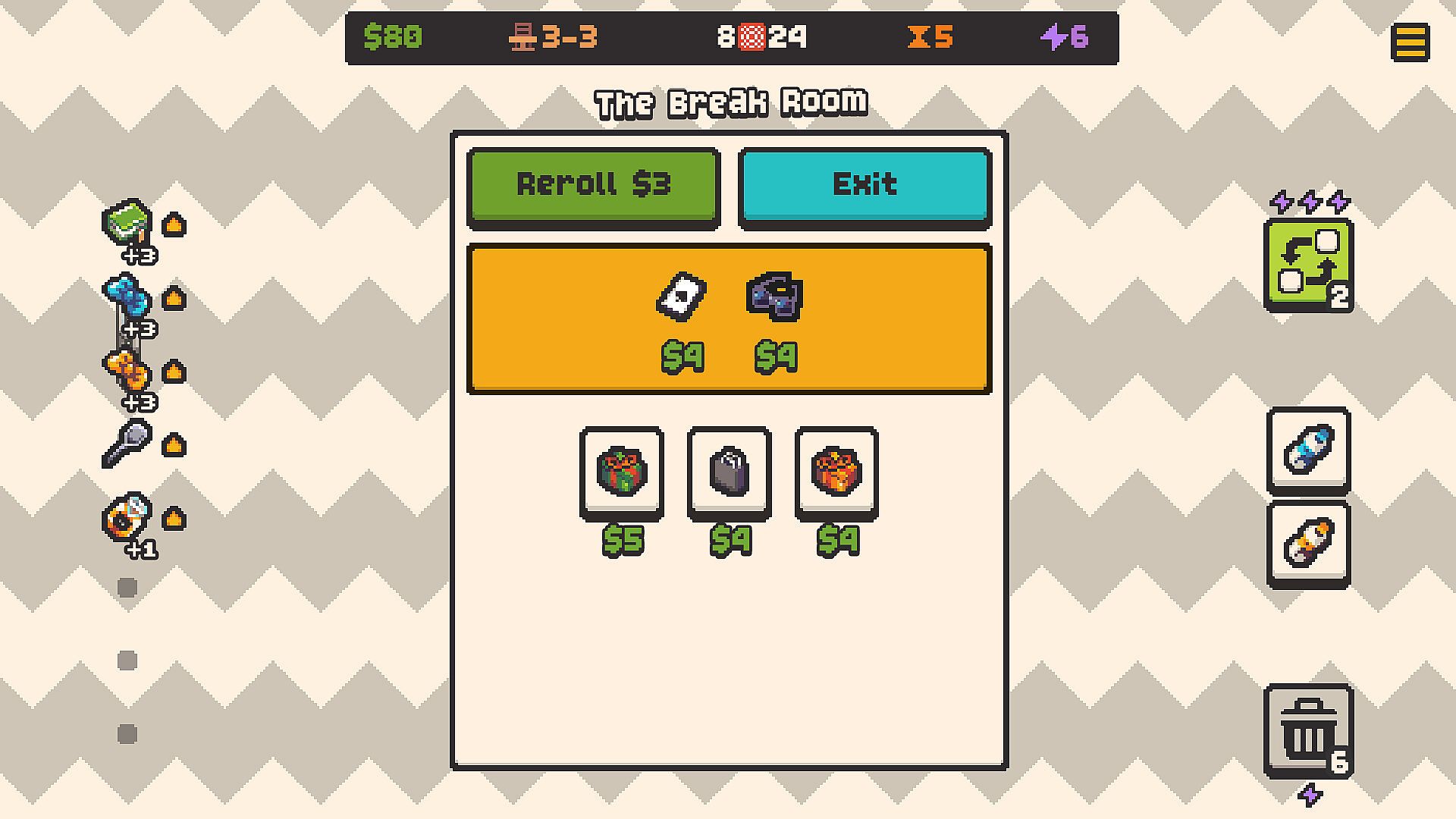
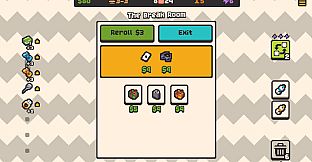
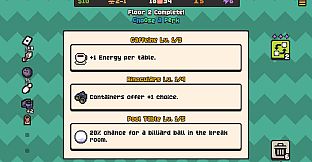
Trinkets form the main progression system, with more than 100 available to collect, upgrade, and arrange. These items boost scores, multiply hands, expand valid hand types, or activate only when specific groups sit side by side. Synergies reward careful placement, such as pairing certain trinkets to create combined effects that scale with use. Between rounds, gold earned during play is spent in the Break Room on trinkets, consumables, cards, and other modifiers that permanently alter cards or provide one-time board changes.
Eleven starting packs each bring unique perks and spells that reshape how a run begins. Spells allow discarding cards, sliding rows, previewing upcoming draws, or rummaging for items, giving direct control over the board state mid-hand. Hazards appear on later floors and can freeze, block, or discard needed cards, while more than 25 boss conditions every fifth stage rewrite core rules to break familiar strategies.
Game Modes
The game structures its content across five escalating tables that introduce new hazards and higher difficulty as players progress. Each table represents a self-contained climb with its own set of challenges and rewards.
After clearing all five tables, Overtime mode unlocks with ten difficulty ranks per starting pack. This variant tightens resources and layers extra complications to test refined builds. Endless mode extends play beyond the standard floors for those seeking longer runs without a fixed endpoint.
Unlocks and upgrades carry across every run, encouraging repeated attempts to discover new trinket combinations and spell interactions. The single-player format emphasizes roguelite progression through persistent unlocks rather than separate competitive or cooperative modes.
Key Mechanics and Progression
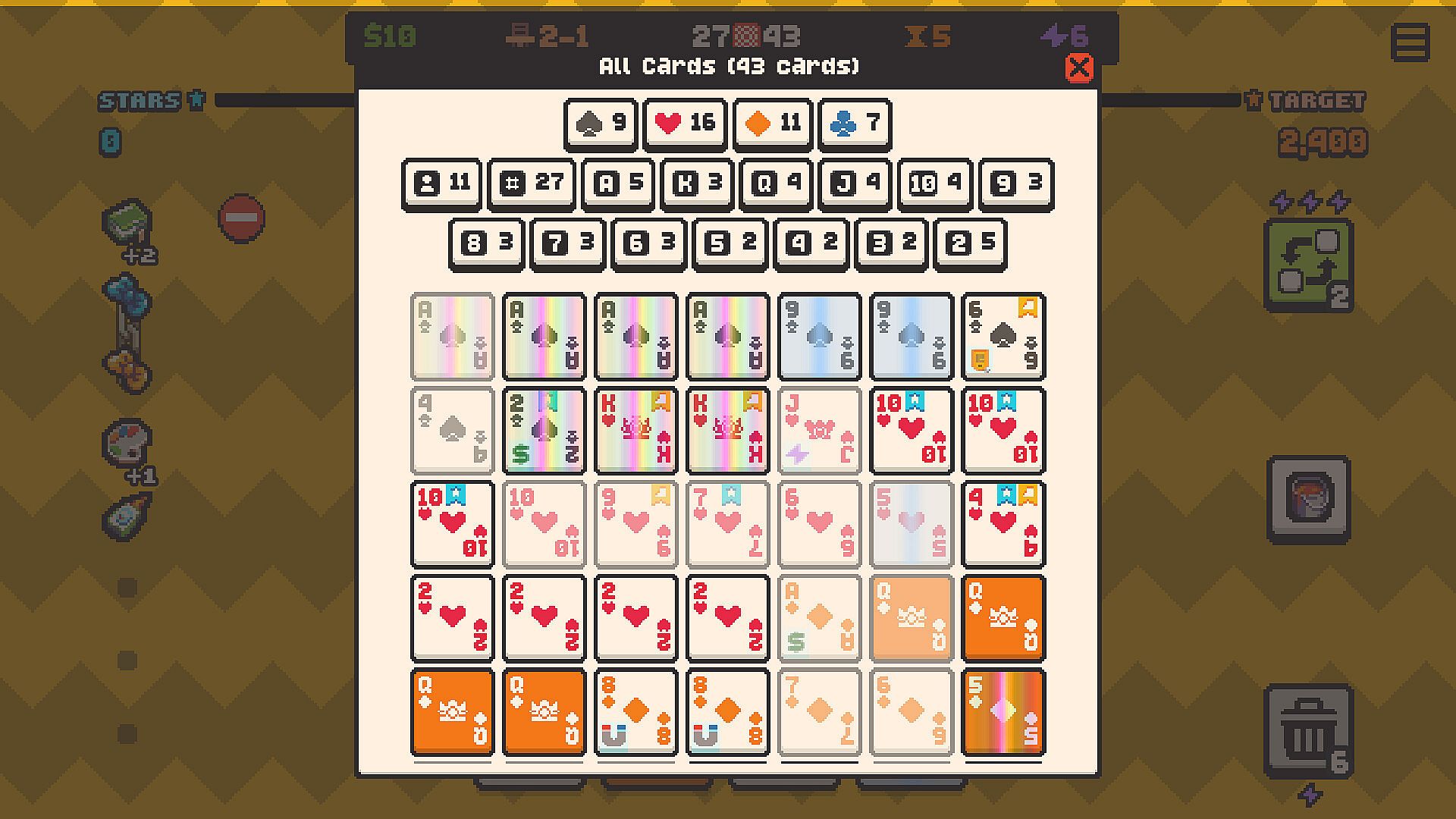
Energy can be spent during runs to swap cards and rescue otherwise unplayable boards. Billiard balls and other modifiers permanently change card properties, while consumables offer immediate board alterations such as deletions or improvements. The 30-plus items and spells expand options for controlling the grid and maximizing hand value.
Seven hazard types interact with the board in distinct ways, forcing players to plan paths around restrictions rather than simply chasing the highest possible hand. Trinket synergies that only activate when visible on the grid add another layer of spatial decision-making to every purchase and arrangement.
Is It Worth Playing?
Pokermancer delivers a focused single-player experience built around spatial path-tracing and roguelite buildcrafting. Reviews highlight its strategic depth and smooth one-handed play in portrait orientation, with players noting strong replay value from the combination of trinket synergies and rule-breaking bosses. The game runs without ads or additional purchases after the initial unlock, and all future content is included.
It suits players who enjoy roguelike deckbuilders, poker scoring systems, or grid-based puzzles that reward precise planning over luck alone. Those familiar with similar titles will recognize the score-chasing loop but find the path-drawing mechanic and hazard interactions create a distinct feel. The current version maintains consistent positive feedback for its balance of accessibility and complexity, making it a solid choice for short sessions or extended runs depending on the chosen table or mode.