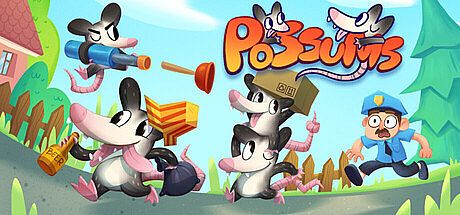


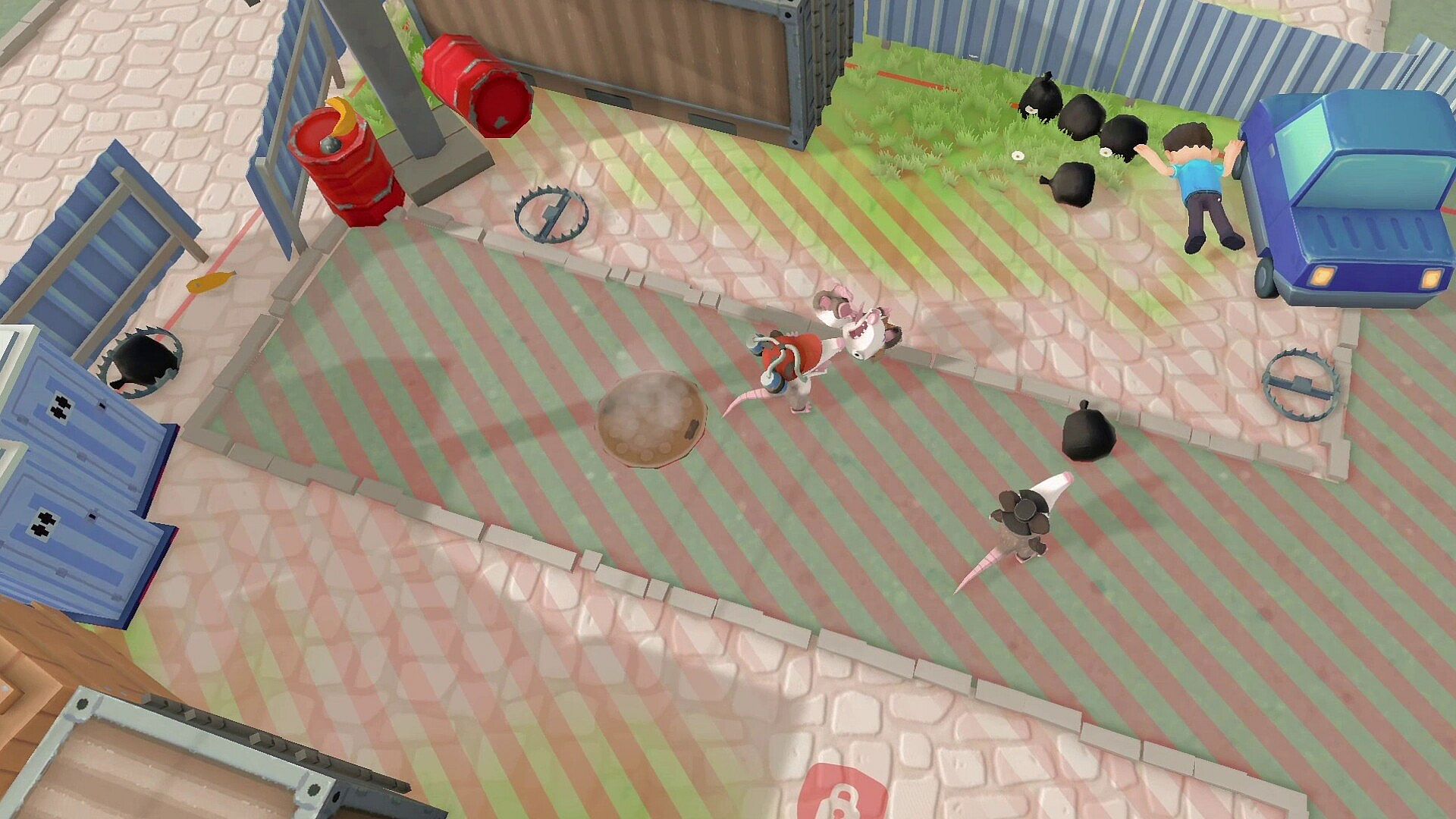
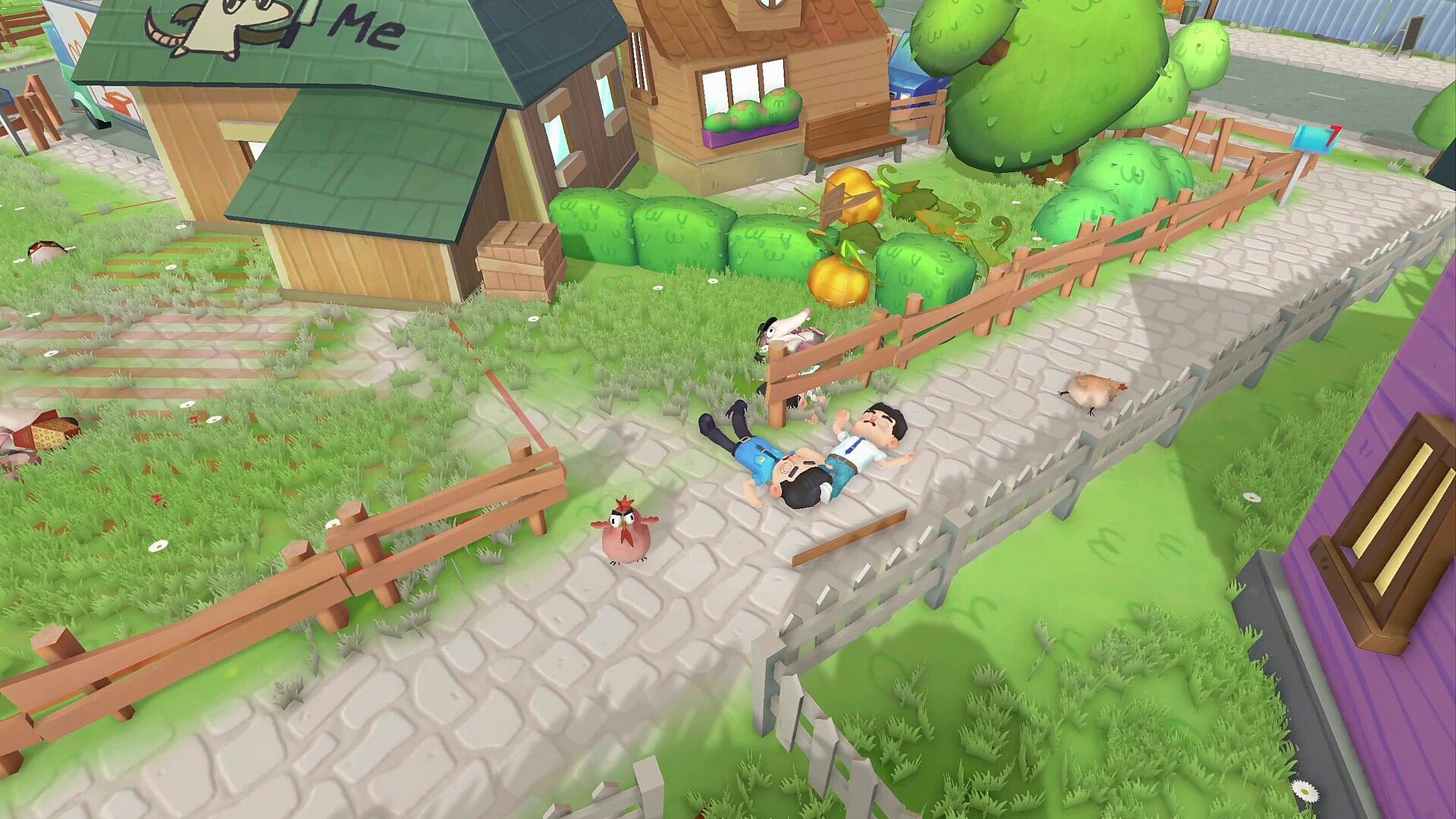
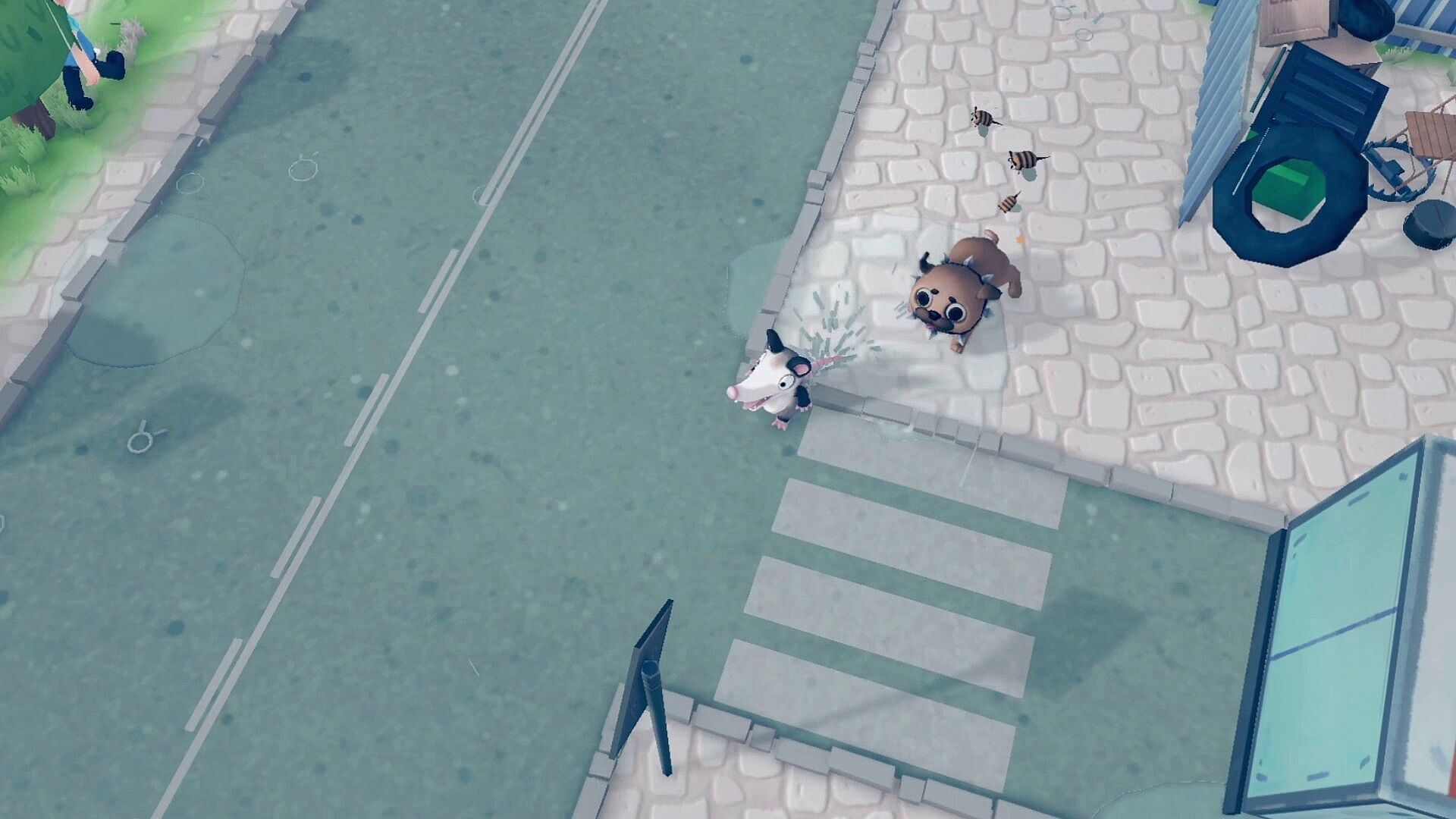
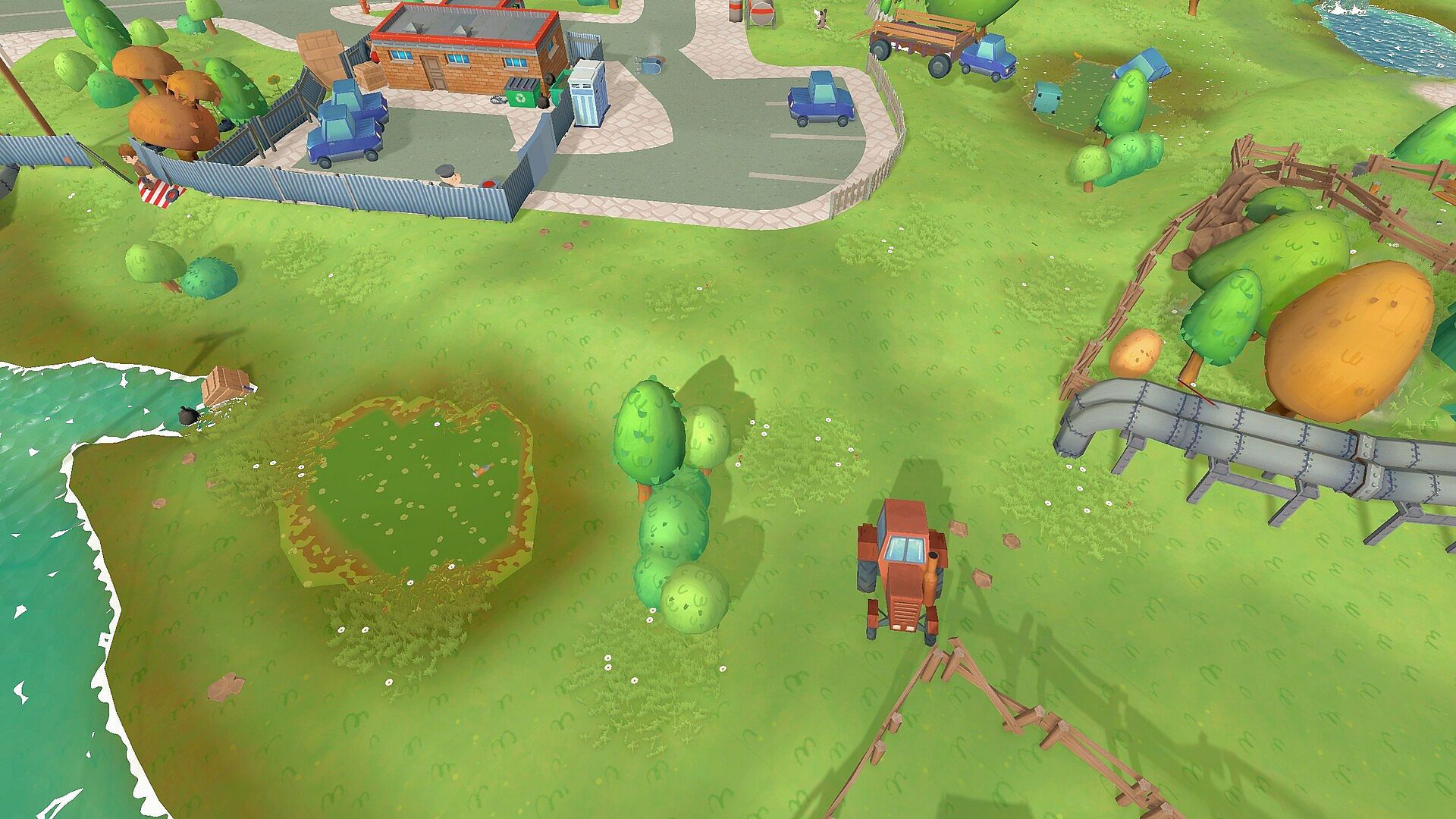
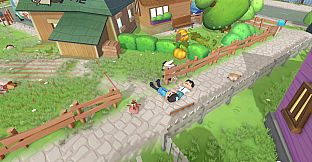
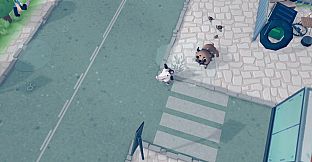
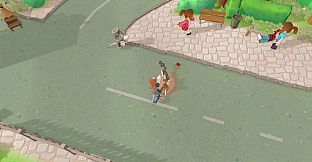
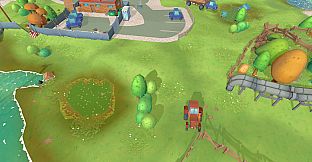
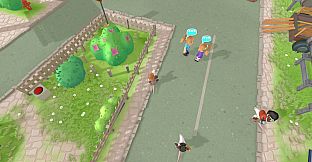
Possums is a co-op action and casual game set in a bustling city where players control possums on a mission to loot as much as possible. The core experience revolves around teaming up with friends to grab valuables, transport them back to base, and meet a quota while avoiding detection by authorities and other residents. With full physics simulation at its heart, the game emphasizes chaotic interactions in a living environment filled with reactive characters.
Gameplay
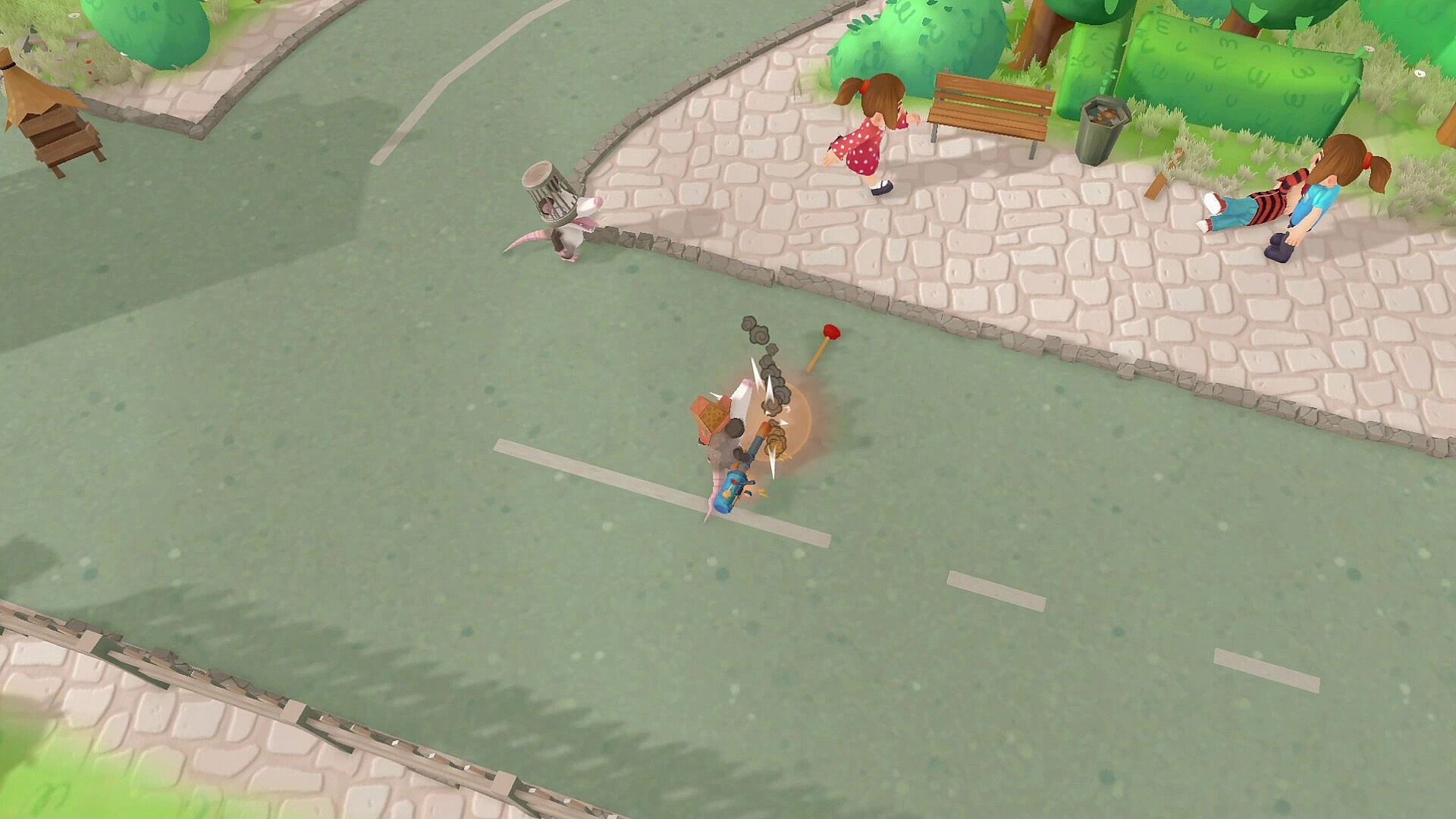
The gameplay centers on cooperative heisting in an open city environment. Players work together to identify loot, carry it through streets, and return it safely before the situation escalates. Every object responds to physics, allowing items to be picked up, thrown, stacked, or broken as needed. This extends to other players, where one possum might be used as an improvised tool or distraction during tense moments.
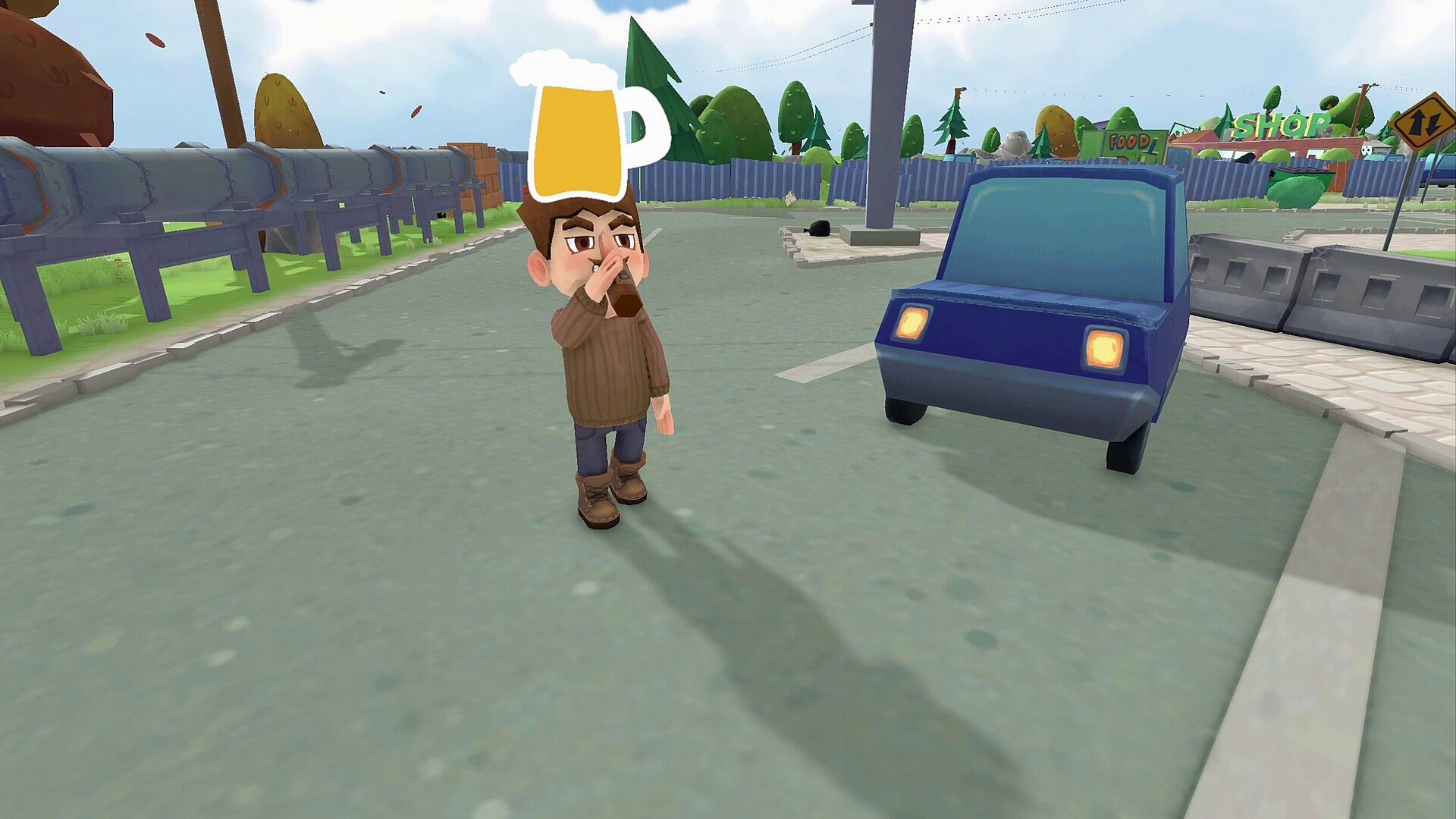
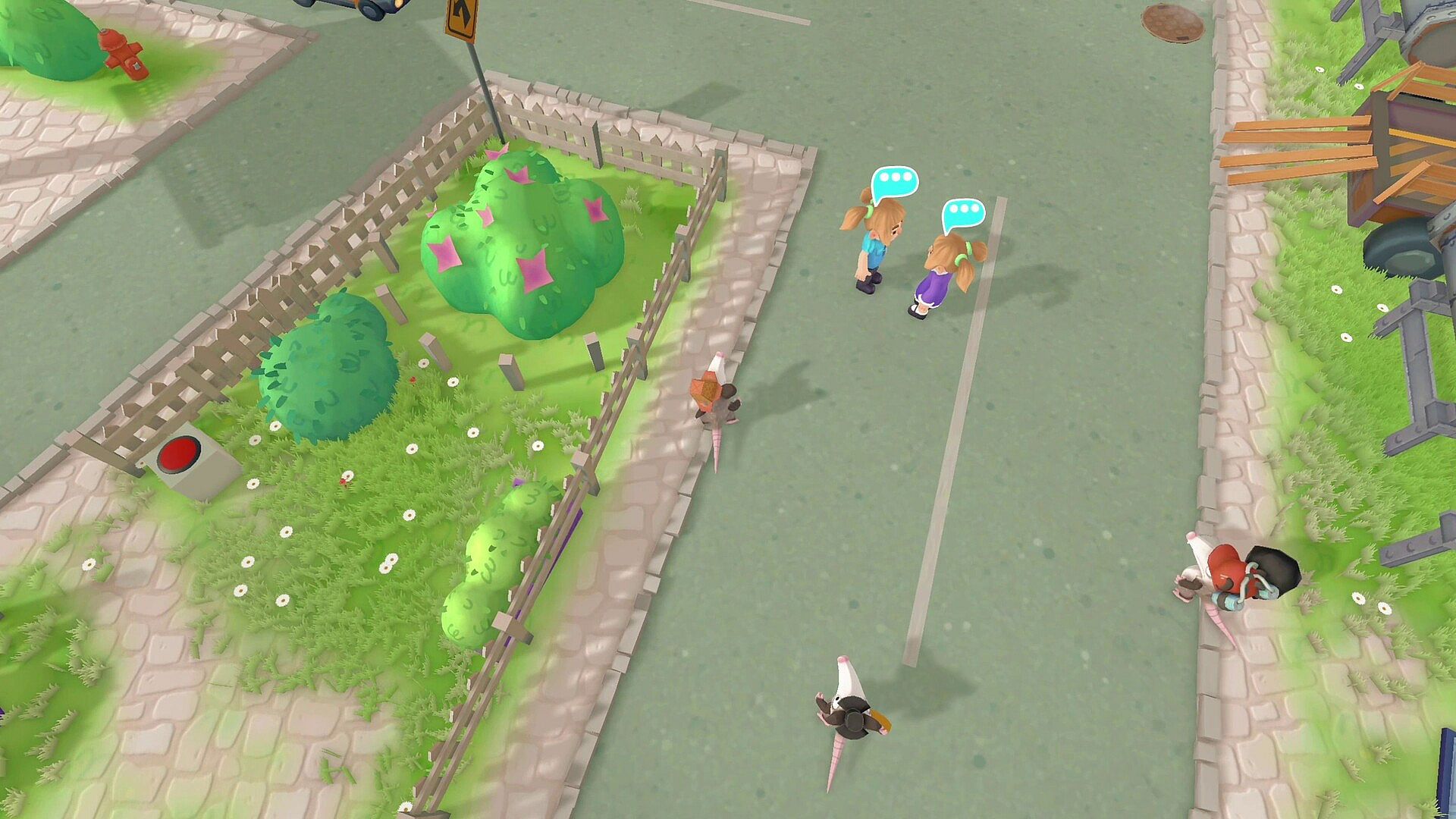
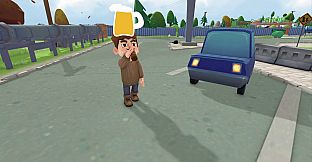
The city feels alive with its mix of everyday citizens going about their routines, drunkards seeking drinks, police enforcing order, and opportunistic raccoons causing their own trouble. These NPCs react dynamically to player actions, creating opportunities to distract, manipulate, or evade them entirely. Success depends on coordination, quick thinking, and sometimes creative use of the environment or teammates to stay ahead of patrols.
Physics-driven chaos defines the sessions, as a quiet approach can quickly turn noisy when objects collide or players improvise solutions. The emphasis stays on filling the quota through repeated runs, with the forest taxes serving as the ongoing motivation for the heists.
Game Modes
Possums focuses on multiplayer co-op sessions where teams of two to six players tackle the city together. The primary loop involves planning routes, dividing tasks like scouting or hauling, and adapting when NPCs or physics intervene. No separate single-player campaign or competitive modes appear in the available details, keeping the experience centered on shared heist attempts.
Teamwork forms the foundation, with mechanics that reward collaboration but also allow for humorous sacrifices or distractions involving fellow players. Sessions build around meeting escalating demands for loot while managing the risks of an increasingly alert city.
Key Mechanics and Features
Full physics interaction stands out as a defining element. Loot, tools, and even other players can be manipulated freely, leading to emergent strategies during runs. This system supports both careful planning and frantic improvisation when things go wrong.
NPC interactions add layers of strategy. Different character types respond uniquely, from citizens who might ignore subtle movements to police who actively pursue disturbances. Raccoons introduce additional variables that players can exploit or avoid. The result is a sandbox-like heist space where creativity in using the environment and allies determines outcomes.
Progression ties directly to quota completion across multiple attempts. Each successful haul builds toward the goal, while failures reset the immediate effort but encourage refinement of tactics and team roles.
Is It Worth Playing?
Possums targets players who enjoy lighthearted co-op experiences with strong physics elements and reactive worlds. The concept of animal heist crews navigating a human city offers a fresh twist on familiar multiplayer chaos, appealing especially to groups that like experimenting with objects and teammates in unpredictable ways.
As an upcoming title planned for release in Q1 2027, it currently has no player reviews or completed sessions available for assessment. Those interested in the described mechanics of team-based looting, NPC manipulation, and physics freedom may find it worth following for its potential in casual multiplayer settings. The game supports online co-op and includes achievements, with system requirements that run on modest hardware.
Its casual action focus suggests accessibility for shorter sessions or longer coordinated efforts, provided the core loop of quota-driven heists resonates with the group's play style. Early interest stems from the unique premise rather than established performance metrics.