





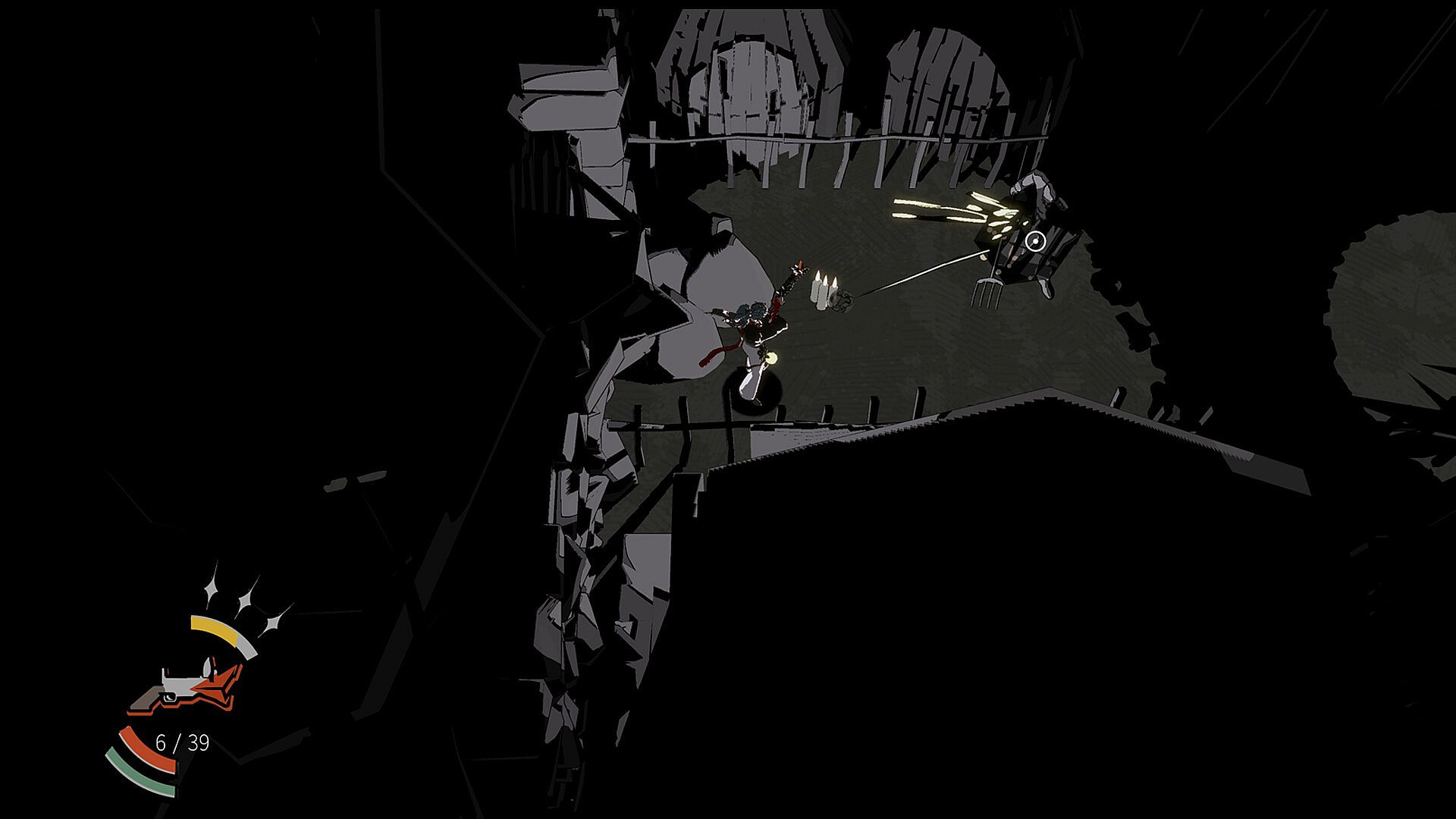
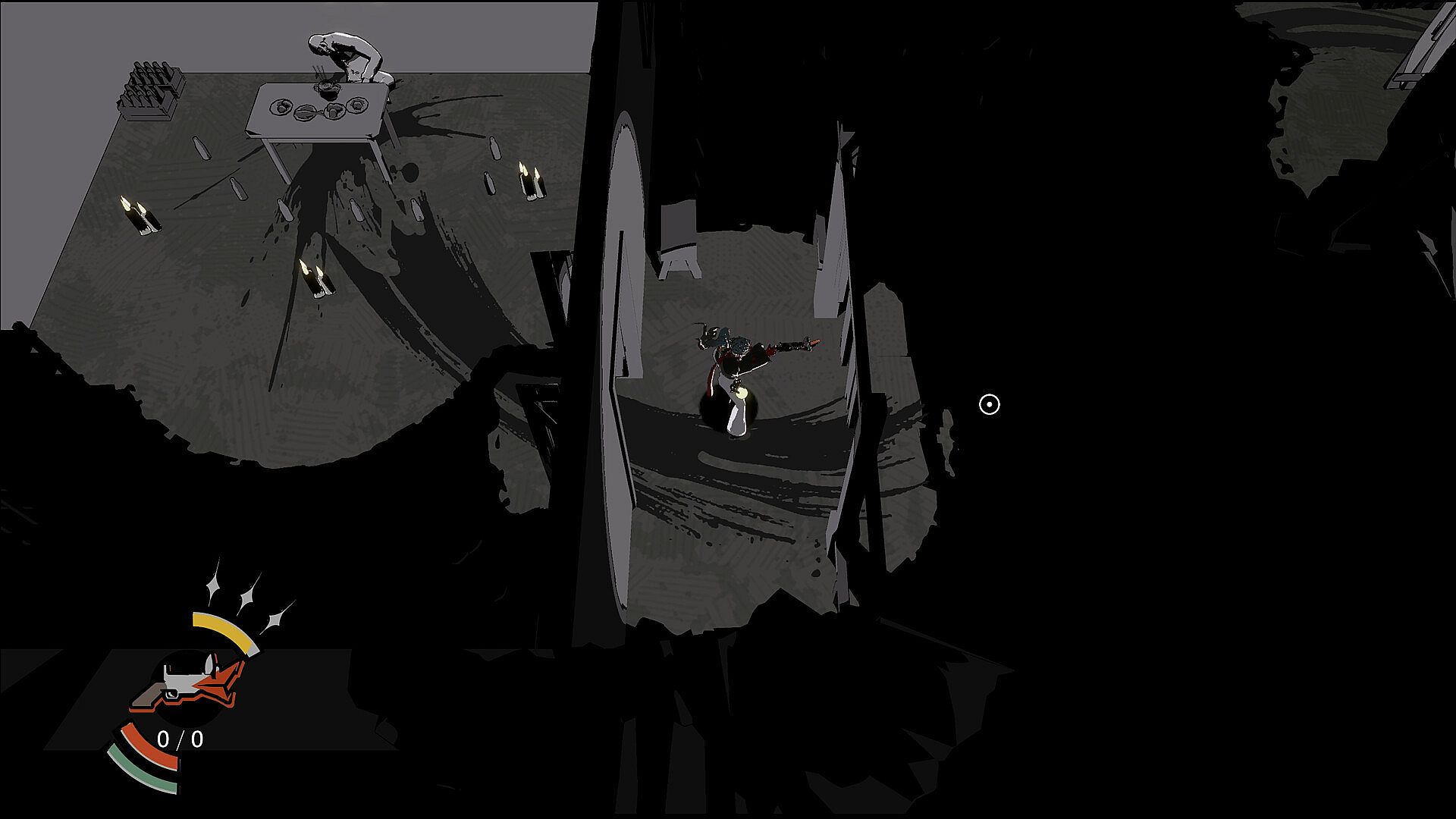
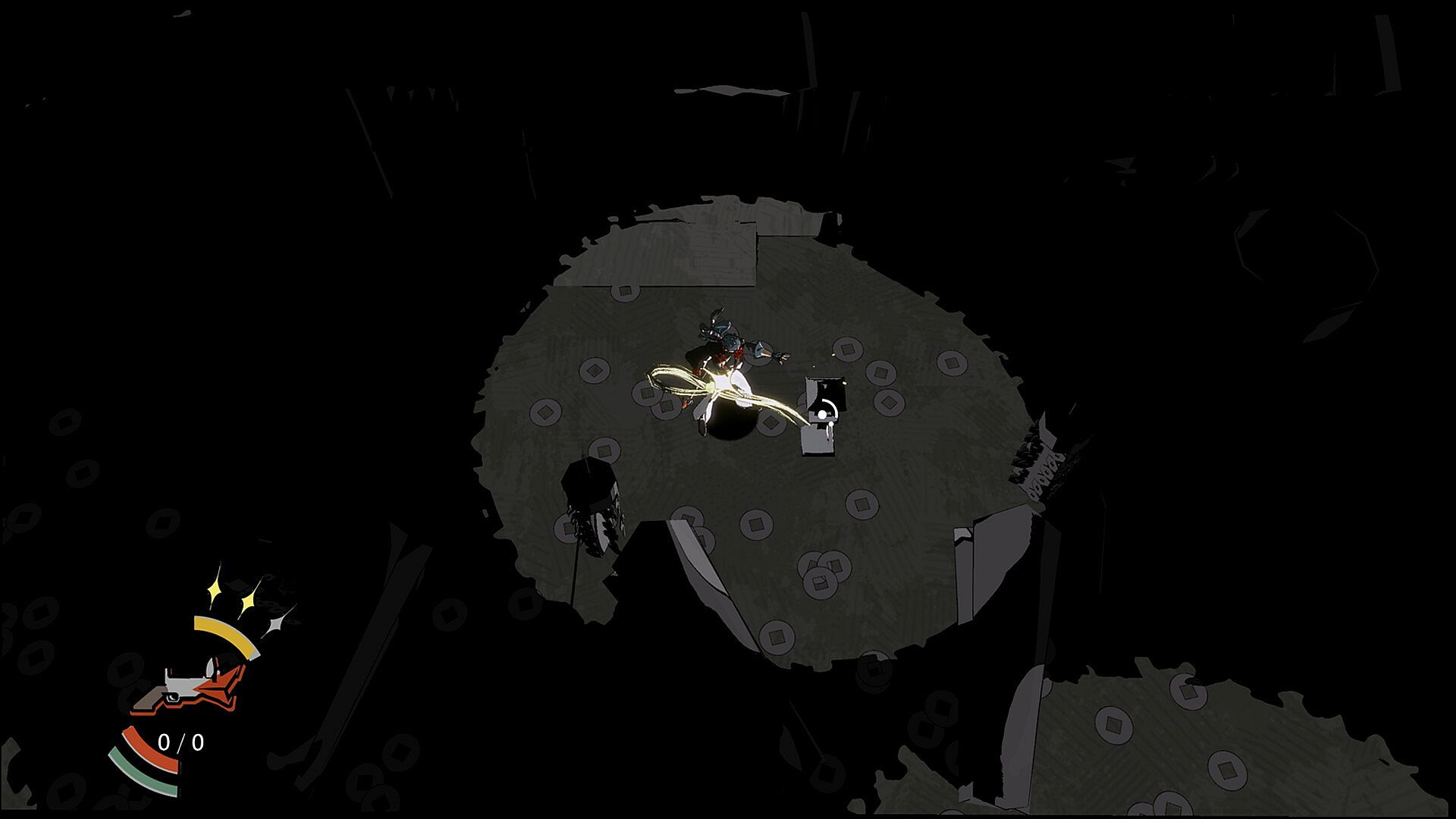
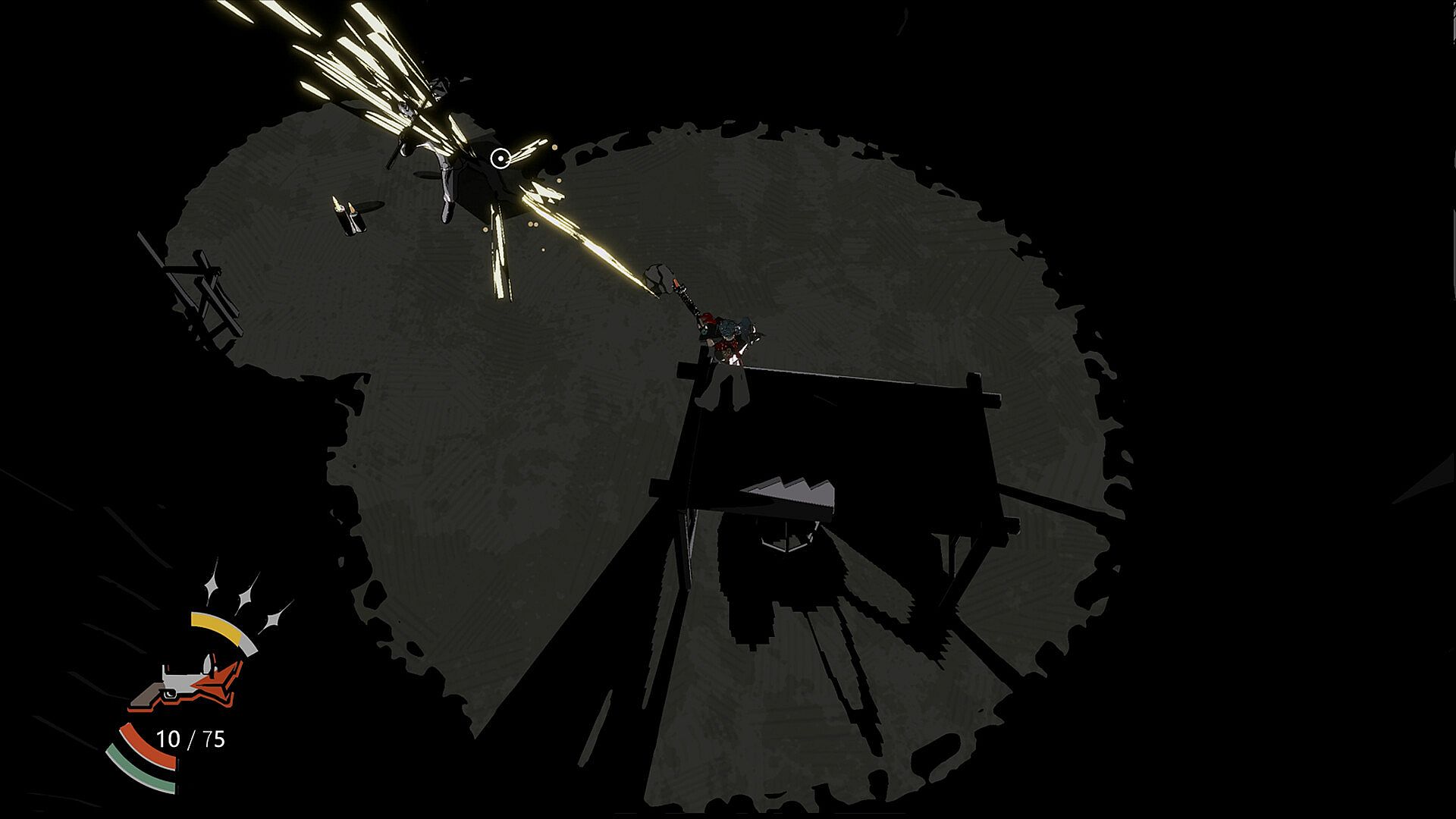
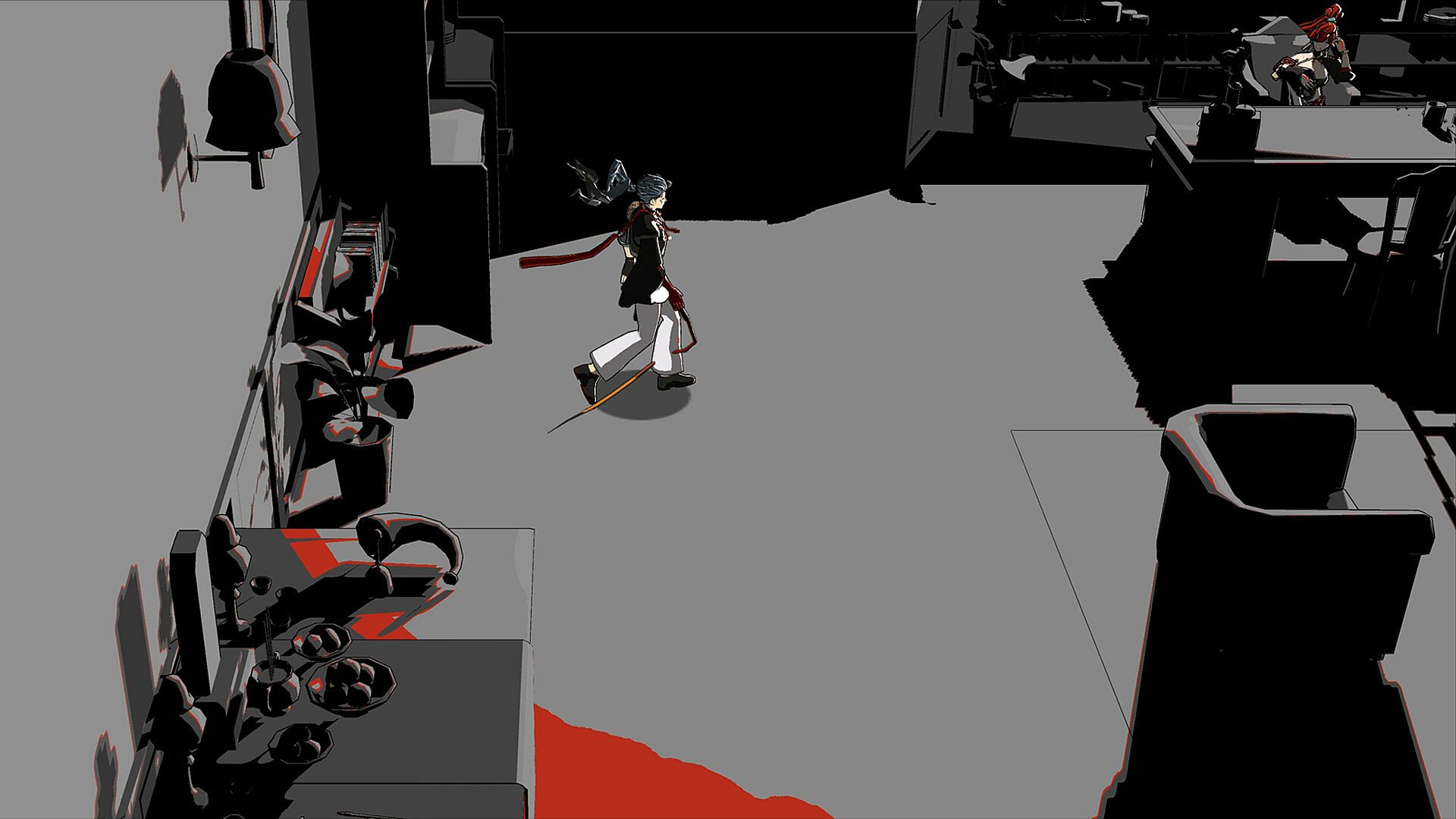
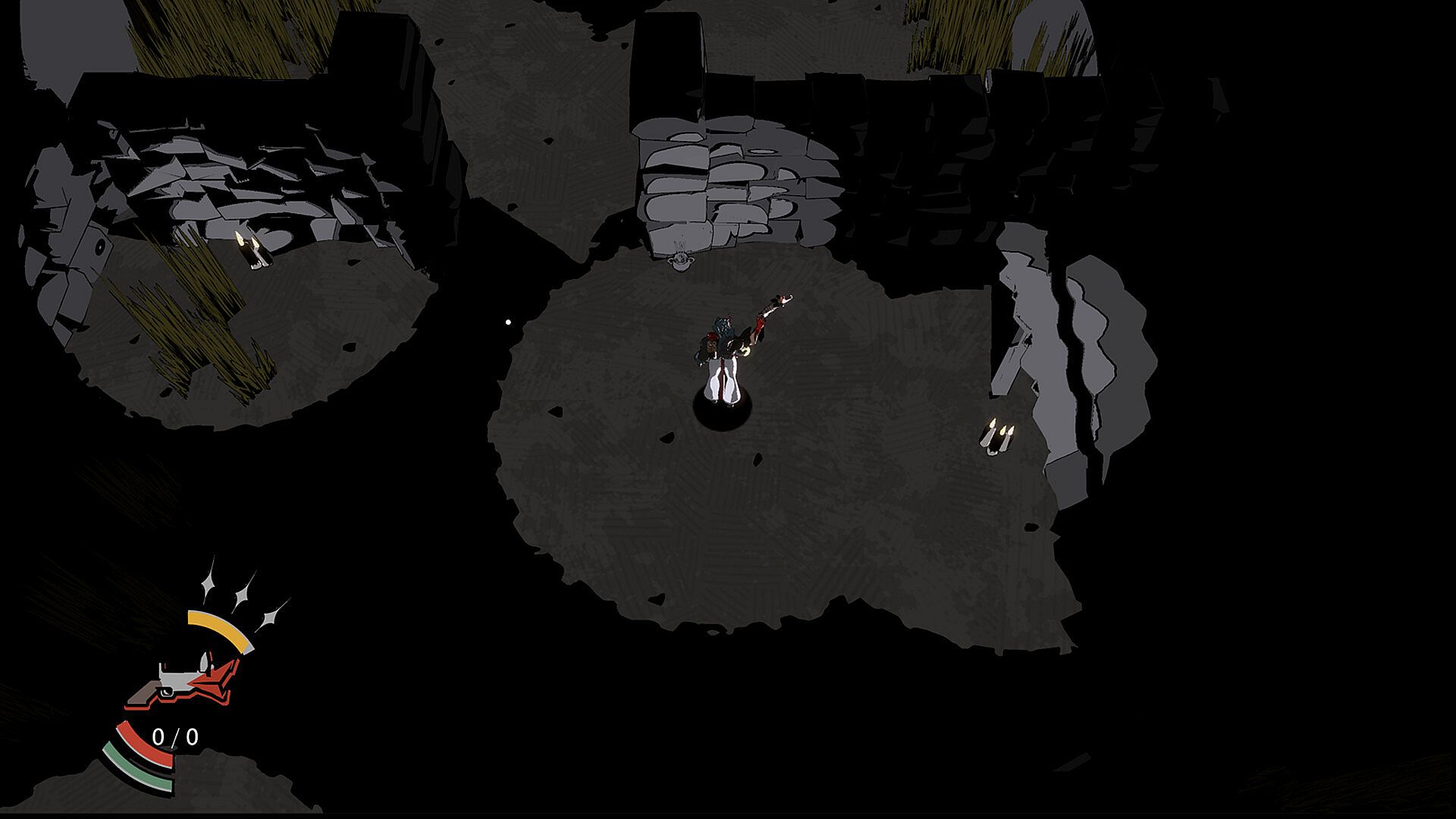
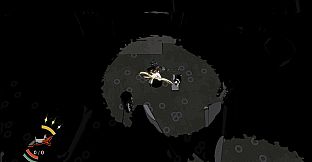



QIXIANG: THE HUMAN CANDLE is an action, indie, and adventure game developed for PC. Players awaken gravely wounded in a gloomy graveyard and must survive by drinking a strange soda infused with trapped souls. This elixir sustains life but triggers a grotesque mutation inside the body. With a missing master and ghouls prowling the shadows, the central challenge revolves around managing a personal light source alongside firearms while descending into sunless depths filled with folk-inspired threats.
Gameplay
The core loop centers on light manipulation in thick darkness where ghouls remain completely invisible without illumination. Maintaining personal light drains fuel steadily, turning every environmental candle into a tactical choice. Players decide whether to ignite nearby candles to reveal surroundings, stun ghouls, and set up executions or to devour flames entirely for powerful, ammo-free shots from their weapons.
Combat draws from a Chinese folk arsenal that includes matchsticks, glutinous rice, and copper coins as tools for exorcism. Firearms receive modifications through collected talismans at hidden phone booths that function as safe houses. These locations allow free customization of loadouts to suit different combat approaches without external restrictions.
A spirit-seeing companion joins the journey and provides occult sight. She marks weak points on invisible ghouls and can be directed to ignite distant lights, creating opportunities for coordinated advances through hazardous areas. Resource management stays strict with limited carry capacity, forcing careful decisions on every item and fuel scrap across distinct zones such as sacrificial altars, prisons, and testing grounds.
Game Modes
The experience consists of a single tightly paced single-player linear survival adventure. No additional modes appear in the design. Progression follows a fixed narrative path where players piece together the story behind the human candle through scattered diaries and folk puzzles encountered in each zone.
Exploration stays focused on survival rather than open-ended freedom. Every section demands constant attention to light levels, ammunition, and companion positioning to avoid being overwhelmed by ghouls in the dark.
Key Mechanics and Progression
Light serves as both a defensive tool and an offensive resource. Igniting candles creates temporary safe zones and reveals threats, while consuming flames powers direct attacks that bypass normal ammunition needs. This system creates tension between preservation and aggression in every encounter.
Talisman modifications at safe houses let players experiment with different firearm builds. Choices made here influence how effectively certain ghouls can be handled later, encouraging repeated playthroughs to test alternative loadouts within the same linear structure.
The companion adds a layer of support without removing player agency. Directing her to handle distant lights or highlight vulnerabilities requires timing and positioning that integrates directly into the resource management loop.
Is It Worth Playing?
QIXIANG: THE HUMAN CANDLE suits players who enjoy linear single-player survival adventures that emphasize resource scarcity and environmental interaction. The light manipulation system and folk-inspired weapons create a distinct rhythm of tension and release that rewards deliberate play.
Those drawn to games with strict inventory limits and narrative discovery through environmental storytelling will find the structure engaging. The companion mechanic and talisman customization add variety without expanding into multiplayer or branching paths.
Anyone seeking fast-paced action or open-world freedom may find the deliberate pacing and linear design less appealing. The game delivers a focused experience built around its core survival and light mechanics rather than broad accessibility options.












