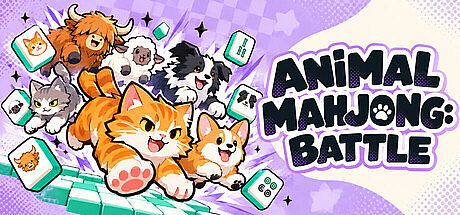


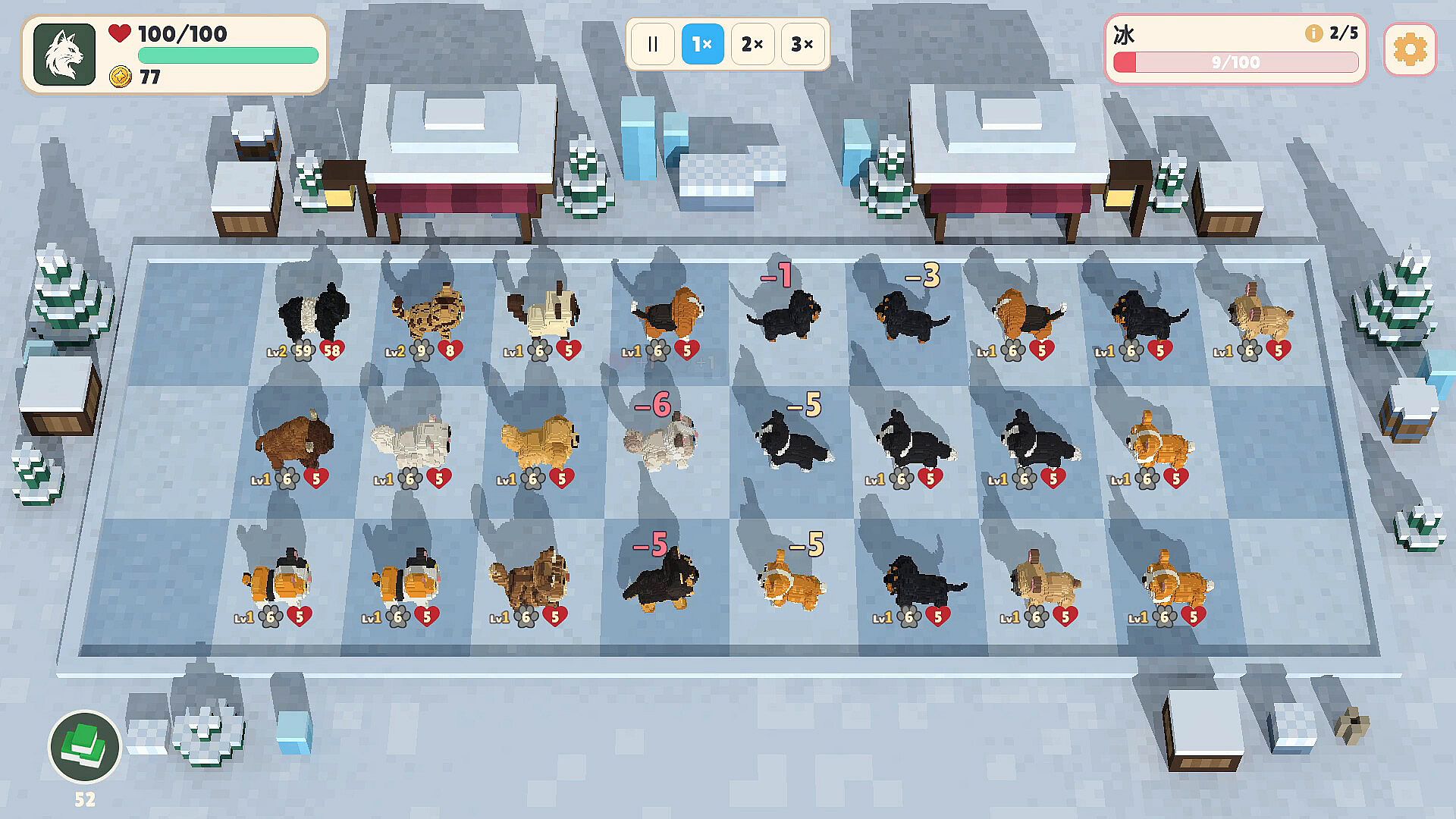
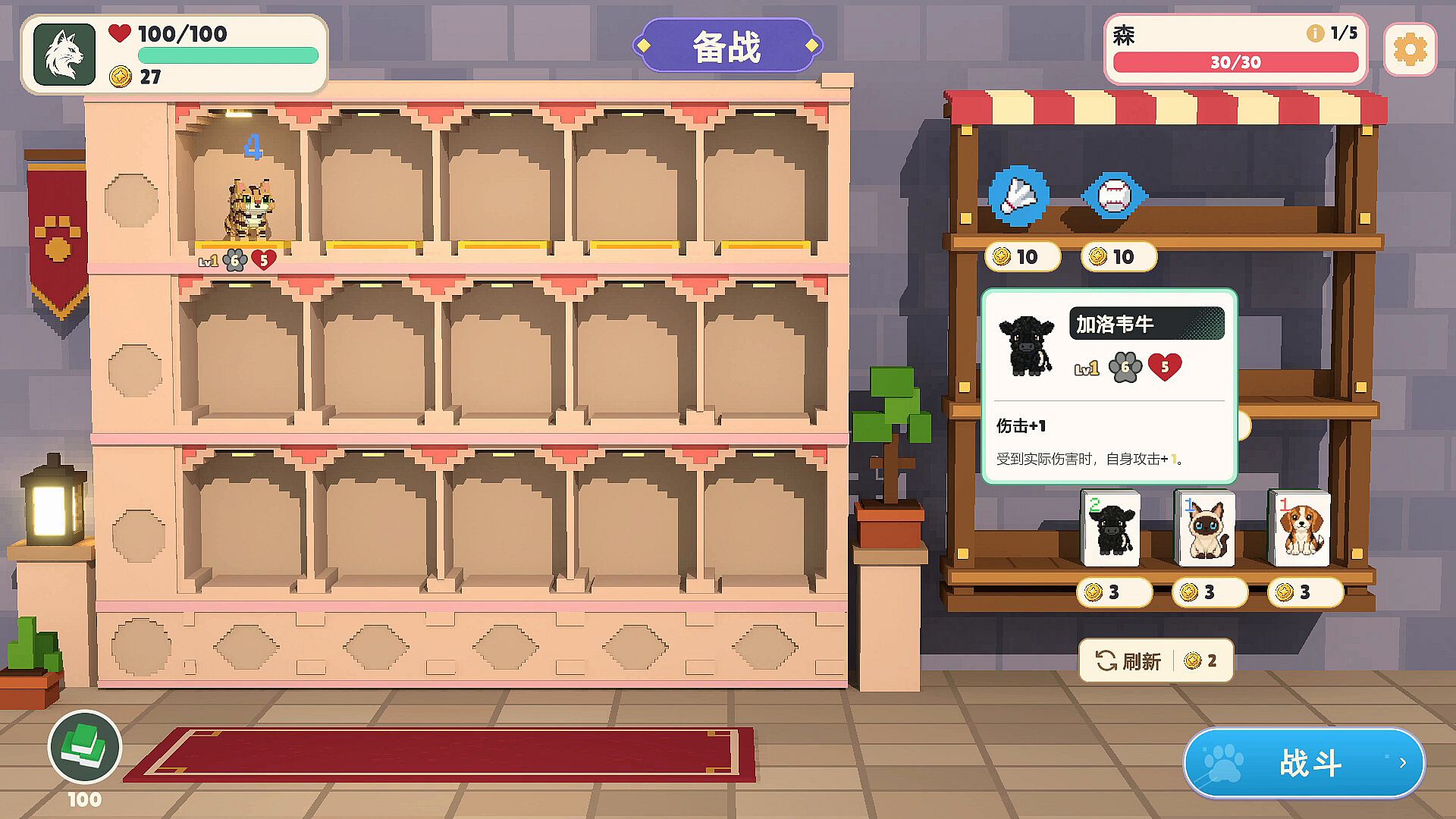

Animal Mahjong: Battle is a strategy indie game for PC that blends auto battler mechanics with mahjong-inspired animal tiles. Players build and manage squads of voxel companions drawn from shop tiles, then watch them fight automatically on a grid while refining formations between rounds. The experience centers on resource management, squad composition, and positioning to overcome a series of boss encounters.
Gameplay
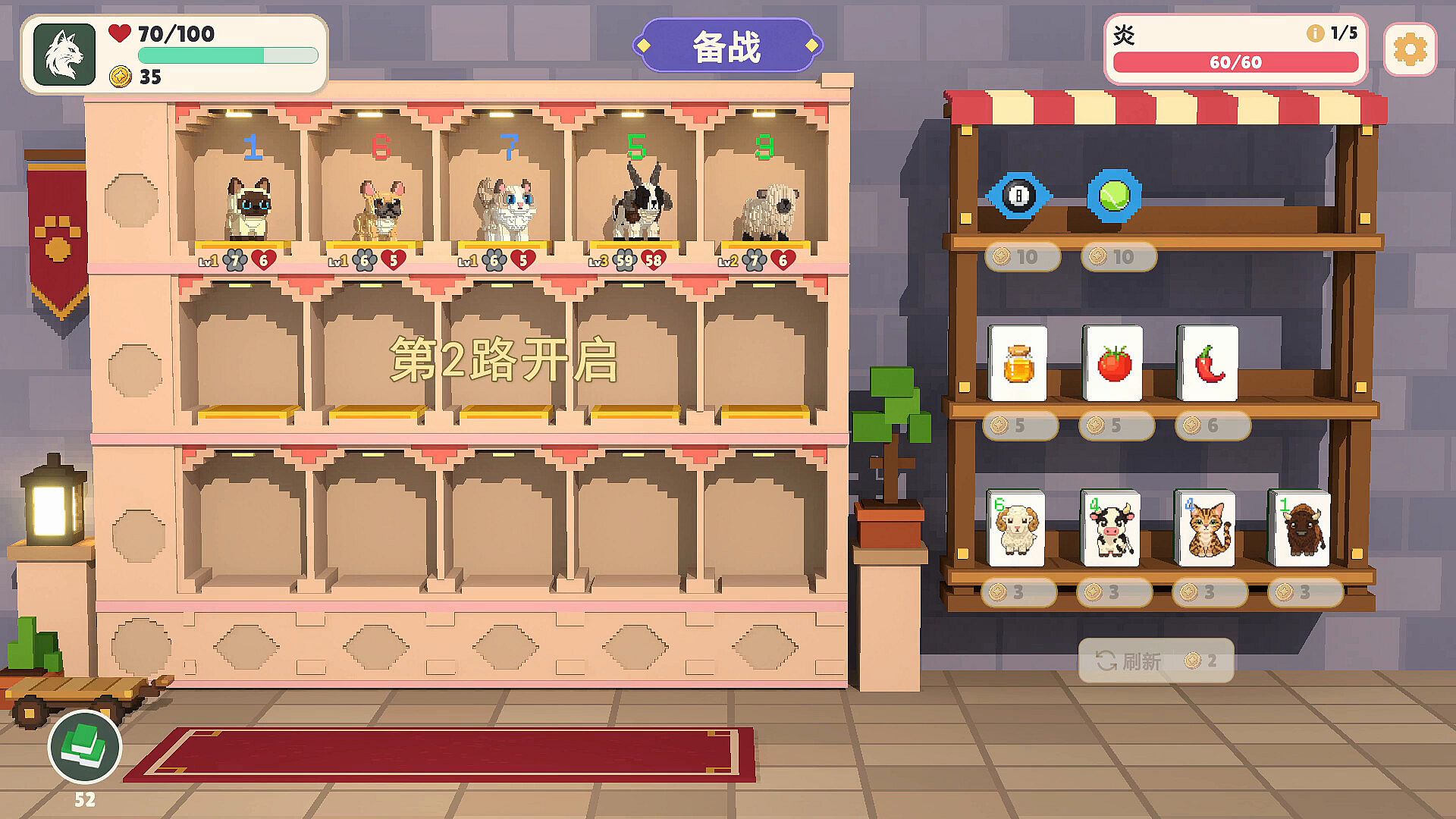
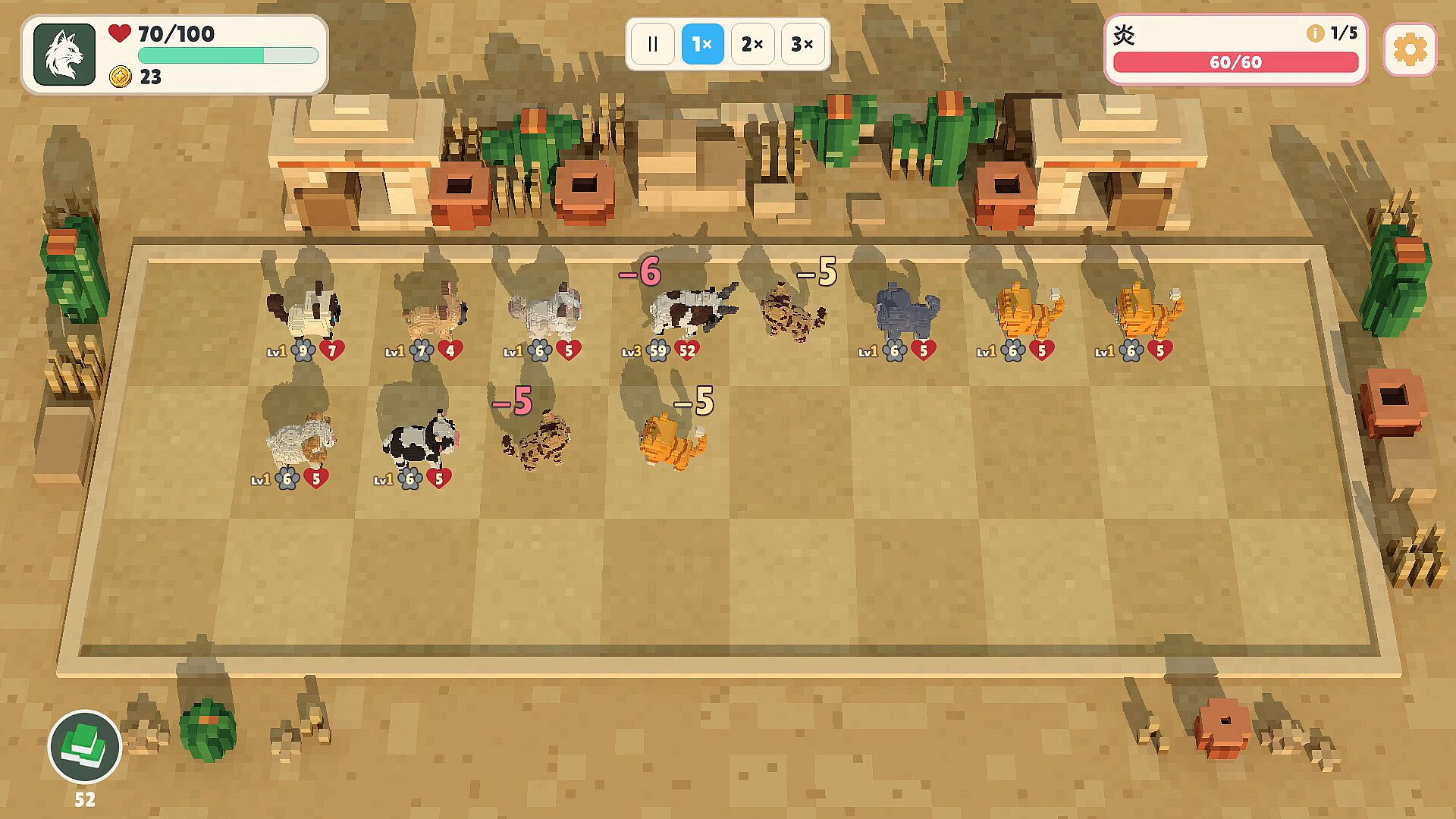
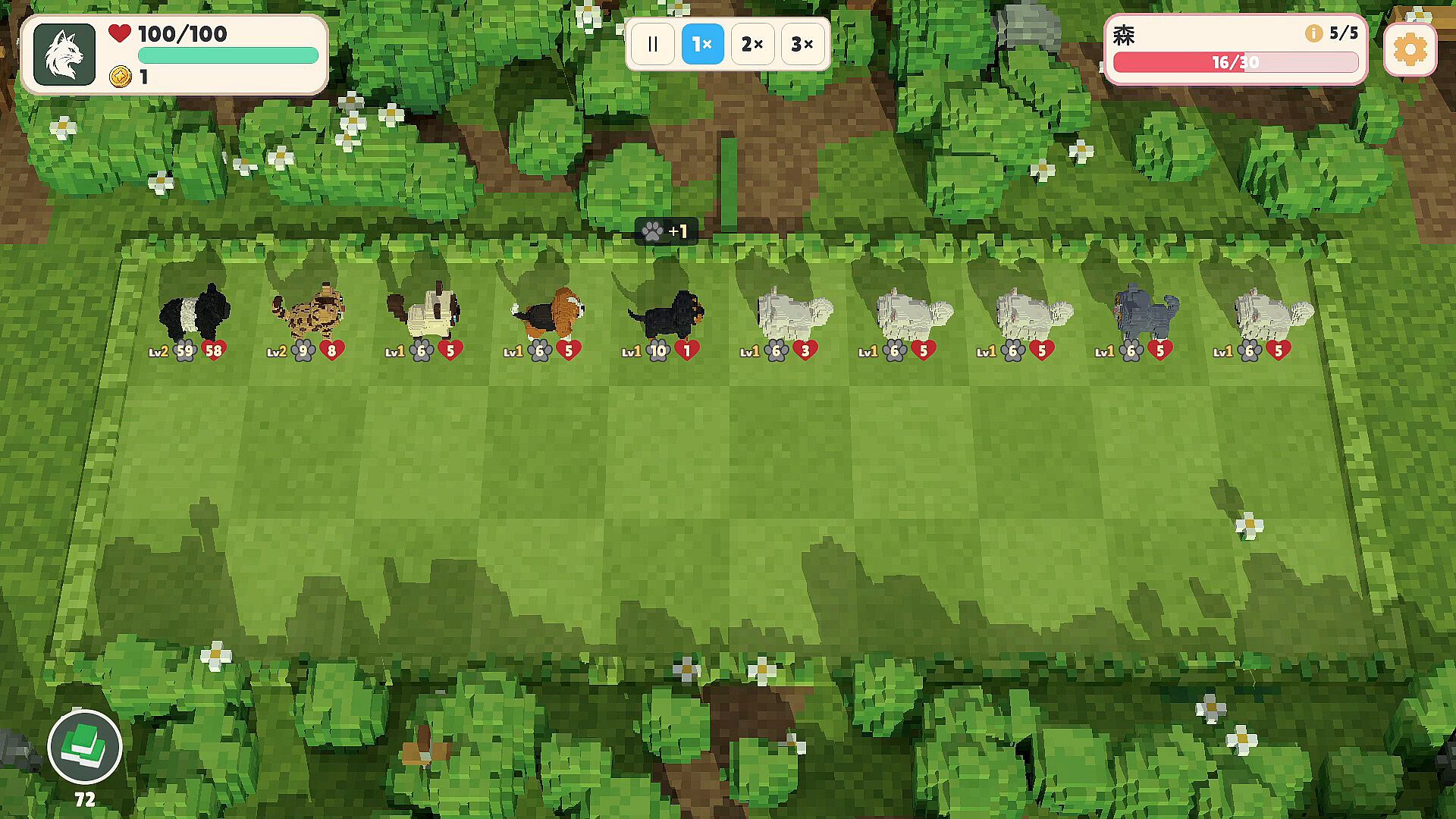
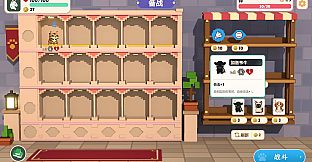
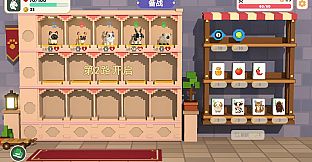
The core loop begins in the shop phase, where limited gold determines how many animal tiles can be purchased or refreshed for new options. Each tile represents a companion that joins the squad upon recruitment. Decisions focus on whether to expand the roster quickly or concentrate resources on existing members to raise their power. Once deployed, companions occupy front or back positions on the grid, and their placement directly influences how skills activate during combat.
Companions of the same species can be merged to boost stats and increase levels. Food items provide additional strengthening for priority units. Effective teams emerge from combinations where individual skills complement one another across the formation. Battles unfold automatically, with units moving, attacking, and triggering abilities without further input. After each fight, results are reviewed to identify weaknesses and adjust the lineup before retrying the current boss or advancing.
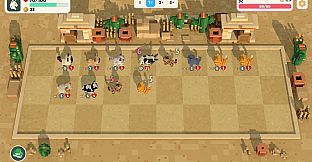
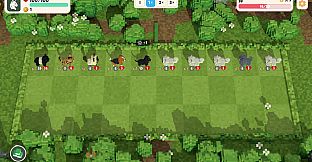
Progression starts with a single lane and expands through successful boss defeats. Additional lanes create space for larger squads. Encounters take place across varied environments including forests, deserts, and snowy fields, each presenting the same core systems but requiring adapted strategies as the army grows.
Game Modes
The game operates as a single-player progression experience built around repeated boss challenges. Players advance by defeating successive bosses, unlocking more lanes and encountering new opponents in sequence. There are no separate competitive or multiplayer modes described; all activity revolves around building, refining, and testing the same squad against escalating encounters.
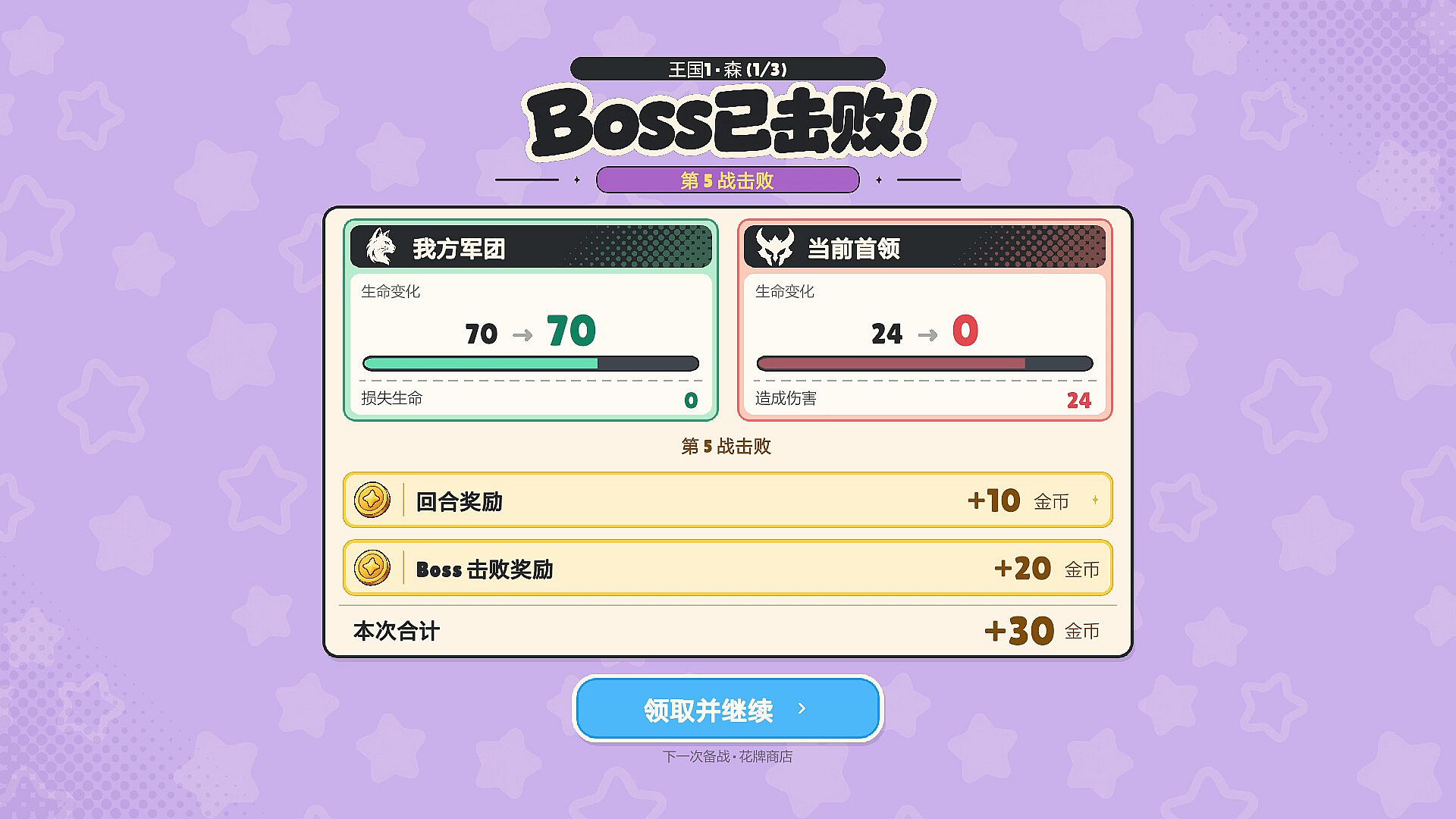
Within this structure, the shop phase, merging system, and formation adjustments serve as the primary activities between automatic battles. Each boss fight functions as a self-contained test of the current squad, with the option to retry immediately after reviewing outcomes. The overall campaign flows as a continuous series of these encounters, with lane unlocks serving as the main milestones.
Key Mechanics
Gold management forms the foundation of every shop visit. Refreshing the selection offers a chance at stronger tiles but consumes the same limited currency needed for recruitment. This creates ongoing tension between immediate additions and waiting for better fits. Merging requires matching species, which encourages focused collection rather than random accumulation.
Positioning on the grid matters because skills have specific ranges or effects tied to front and back rows. A well-arranged formation can trigger synergies that carry the automatic combat phase. Food upgrades allow targeted investment in units whose abilities prove most valuable across multiple fights.
The automatic nature of battles shifts emphasis to preparation. Watching the action reveals how units interact and which skills underperform, guiding the next round of adjustments. This review-and-refine cycle repeats until a boss is defeated, at which point the army moves forward with expanded capacity.
Is It Worth Playing?
Animal Mahjong: Battle suits players who enjoy strategic squad building and auto battler formats without requiring constant manual control during fights. The mahjong tile theme adds a distinct layer to companion selection and merging, while the lane-unlock progression provides a clear sense of advancement through boss encounters. Those who prefer hands-on combat or multiplayer competition may find the automatic battles and single-player focus less engaging. The game delivers a focused loop of shop management, merging, positioning, and observation that rewards careful planning over rapid reflexes. Availability on PC makes it accessible for sessions centered on iterative squad improvement.